
EcoGuard Pest Management
DIY pest control methods at home
By Gary Anderson||6 min read

How to Do Pest Control at Home by Yourself

Prevention, exclusion, and DIY treatment methods for common household pests.

Prevention First
Best defense is offense
Seal Entry Points
Exclusion tactics work
Act Fast
Pests multiply in 2 weeks

Prevention: The Best Offense is a Good Defense

Stop pests before they gain a foothold. Preventative methods keep pests outside and prevent them from becoming a problem in the first place.

Clear Harborage Areas

Keep closets, garages, and under sinks clutter-free. Under sinks attract cockroaches, silverfish, earwigs. Closets hide spiders and moths.

Keep Areas Food-Free

Eliminate food sources to eliminate pests. Keep areas clear of trash and debris. Sweep and vacuum floors to remove crumbs.

Keep Kitchen Clean

Clean after cooking, wash dishes, keep counters spotless. Deep clean drawers, around stovetop, next to appliances. Store food in sealed containers.

Keep Bathrooms Clean & Dry

Check for leaky faucets/pipes. Pay attention under sink and behind toilet. Discard excess paper waste (pests eat cellulose).

Keep Home Dry

Check laundry connections, HVAC condensate lines, basements. Fix leaky pipes. Use dehumidifiers.

Eliminate Standing Water

Mosquitoes need only a bottle cap of water for eggs. Check potted plants, bird baths, gutters, other receptacles.

Protect Wood from Moisture

Termites and carpenter ants are drawn to wet wood. Fix leaks and treat exposed wood to prevent saturation.

Store Pet Food Properly

Do not leave pet food outside or in the open. Store in lidded metal containers 6 inches off the ground (rodents chew through plastic).

Outdoor Prevention

Take out trash daily; keep in sealed containers away from home
Keep grass, branches, bushes trimmed and away from walls
Remove dead trees, stumps, and dead branches (termite attractants)
Keep woodpiles and debris away from exterior walls
Maintain garden with organic pesticides and traps
Keep outdoor items stored outside (do not bring inside)
Do laundry regularly (high heat kills bed bugs and fleas)

How Pests Get Inside

Insects and rodents are small creatures that do not need much space. They can crawl or fly inside through open windows/doors, torn screens, vents, loose pipe fittings, or just about any small opening.

Mice

Need only an opening the size of a pen to crawl through.

Rats

Need a hole the size of a quarter. Can crawl under doors.

Bed Bugs & Fleas

Usually introduced on uninspected furniture, luggage, or by pets.

Important: Rodents are extremely destructive and can chew their way through most obstacles, creating their own access points.

Exclusion Tactics That Keep Pests Out

Identify access points and seal them off to prevent pests and rodents from entering your home.

Foundation & Siding Gaps

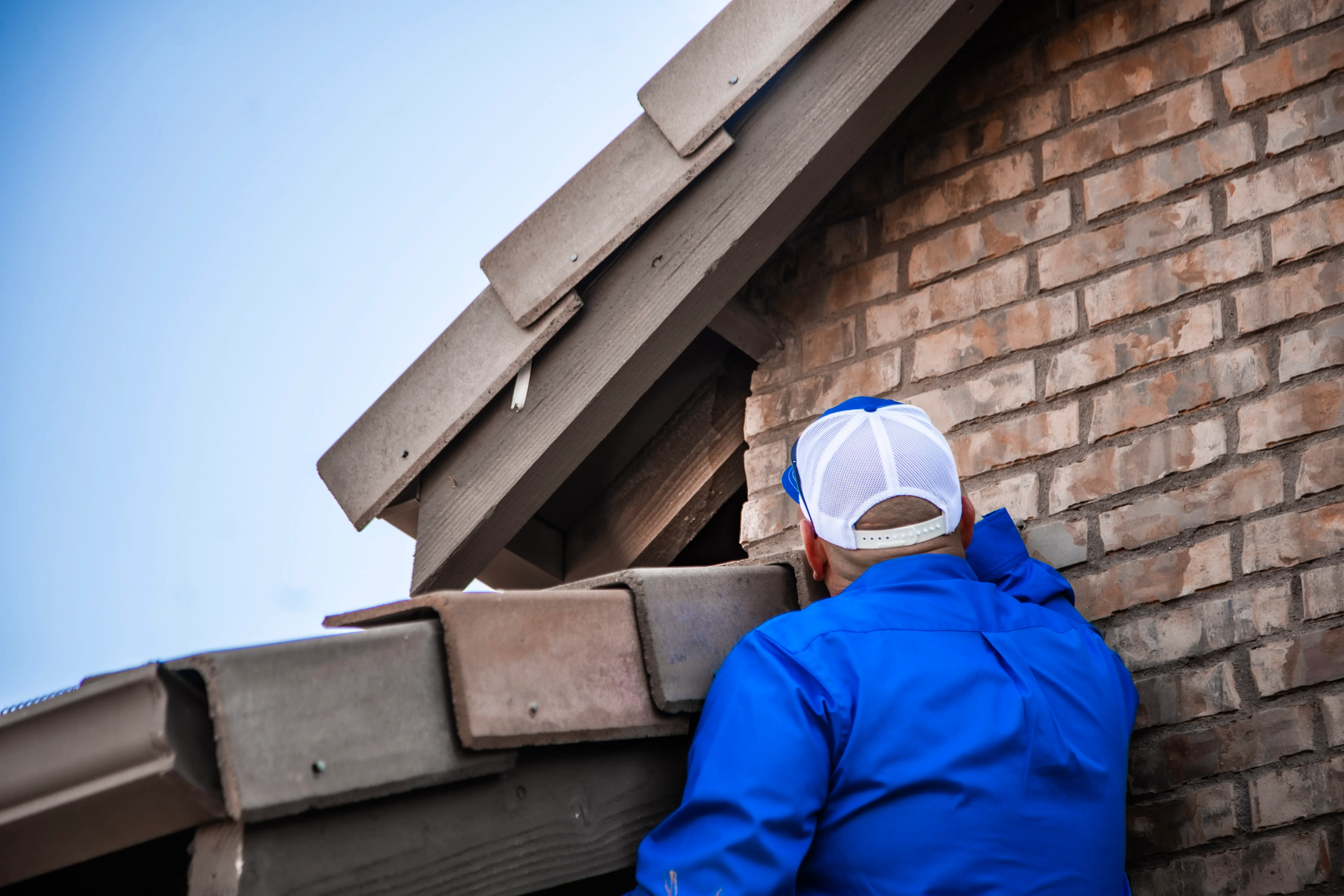
Check under siding with a mirror. Stuff gaps with copper mesh or aluminum foil, then fill with expanding weatherproof foam.

Trim and Siding Gaps

Seal gaps between siding and trim using acrylic latex caulking to create an adhesive barrier.

Doors and Windows

Use adhesive weather stripping to eliminate gaps below and around doors and windows.

Window Screens

Flying insects find torn screens easily. Replace damaged screens to prevent bug access.

Exterior Vents

Check dryer vents and other openings. Replace damaged vent covers to prevent bugs and rodents from crawling inside.

DIY Methods Not Working?

free quote and guaranteed results from licensed professionals.

Call (866) 326-2847

DIY Treatment Methods

Even with prevention and exclusion, pests sometimes find their way inside. DIY methods may be effective if implemented quickly and correctly.

Mousetraps

Use snap traps (most effective). Place 2 parallel to the wall against baseboard, facing away from each other.

Clear Cobwebs

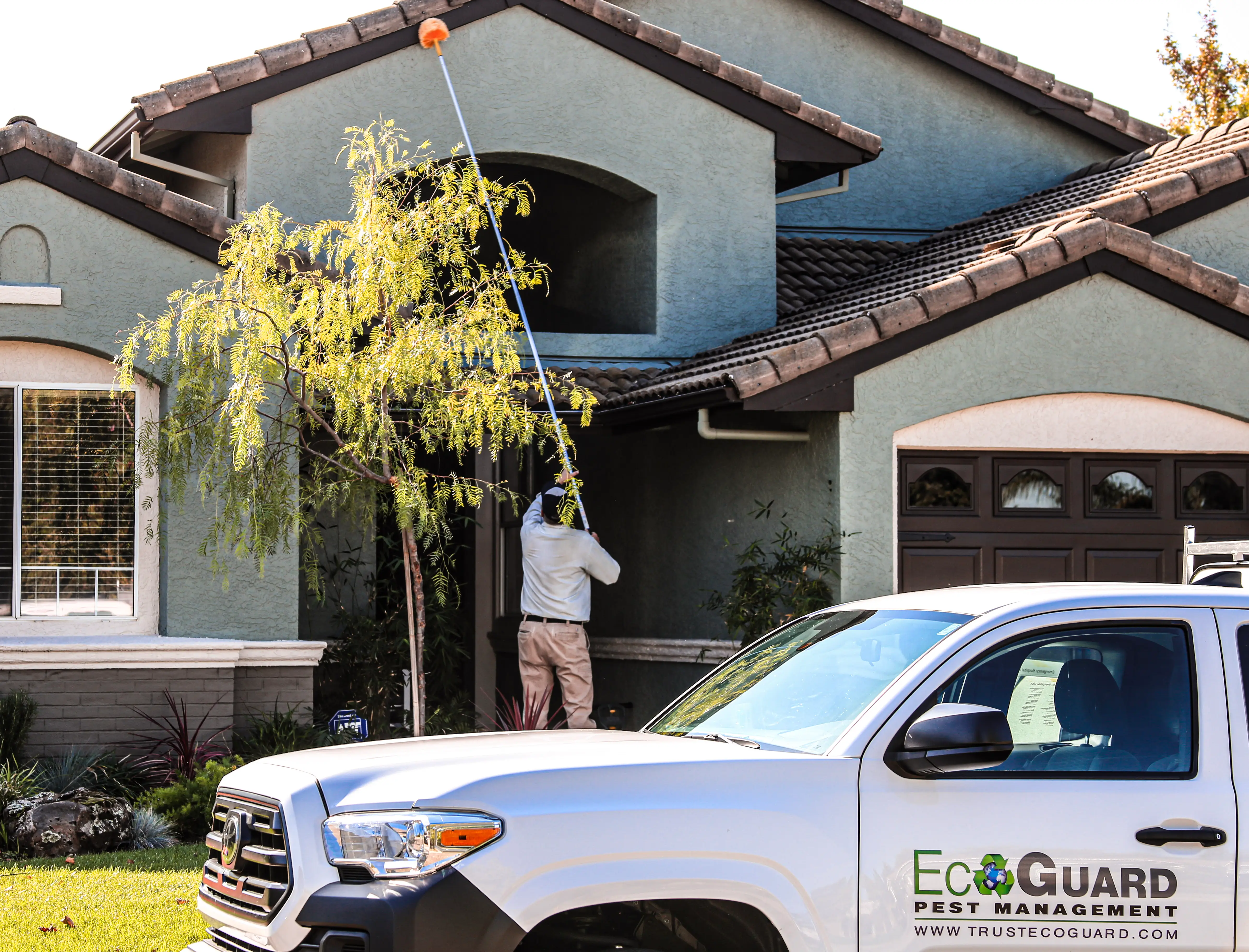
Use a broom or duster to eliminate spider homes and their ability to trap food. Spiders should disappear shortly.

Treat Pets & Vacuum

Use flea medications and collars. For flea infestations, vacuum thoroughly to pick up eggs. Bag and discard contents outside immediately.

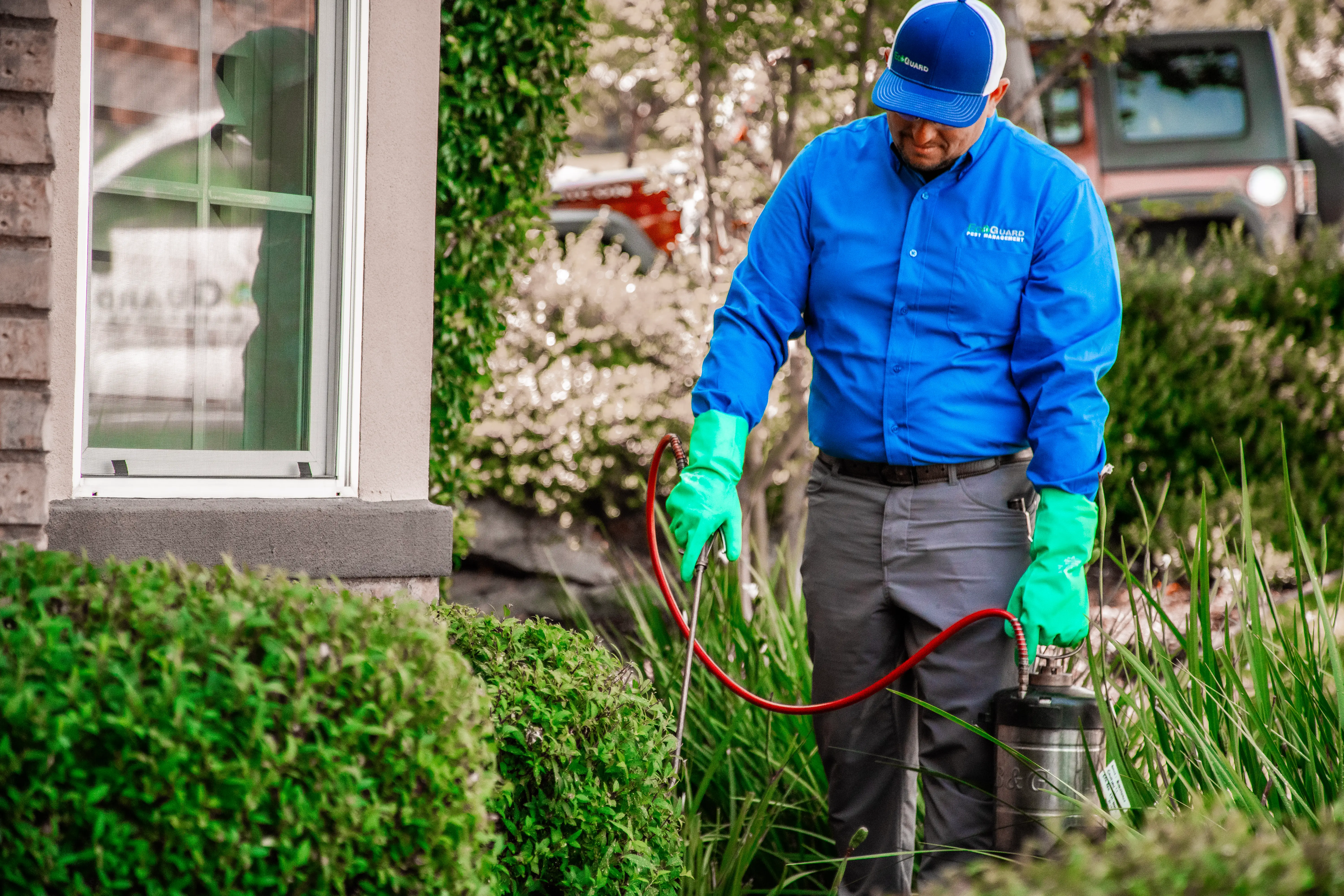
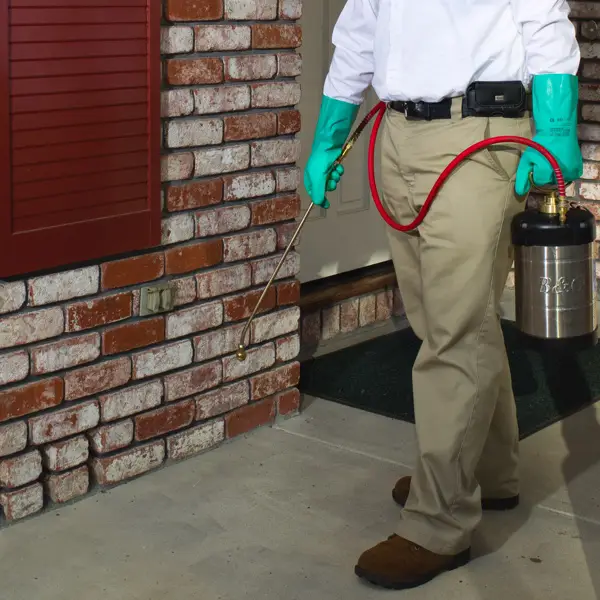
Apply Pesticides

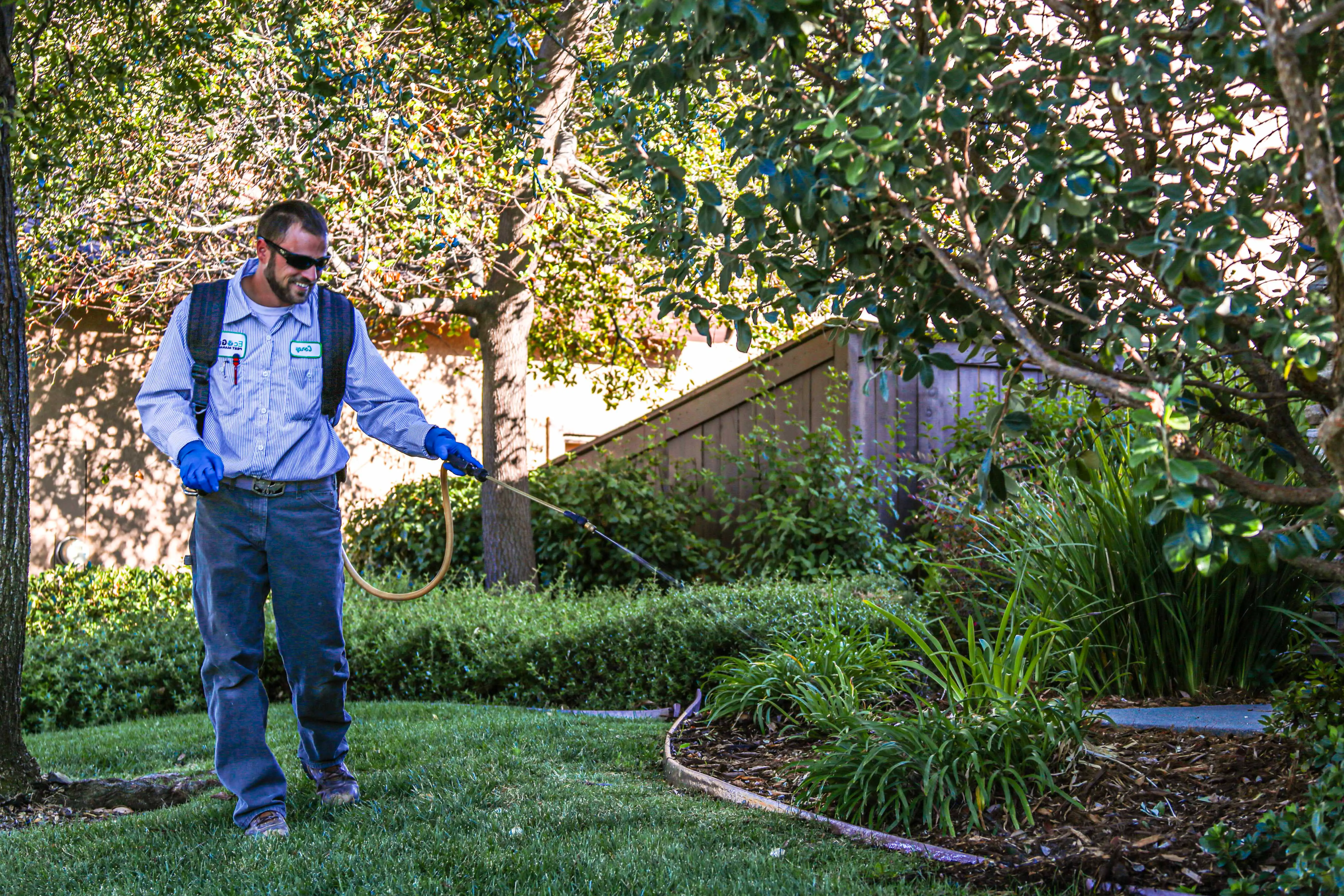
Liquid Pesticides

Create exterior barrier that infects pests on contact. Also effective as local spot treatment.

Pesticide Dusts

Diatomaceous earth or borax can be sprinkled or injected into wall cavities and deep into carpets.

Baits

Infect cockroaches, ants, termites. Designed to infect a colony and kill the entire population.

DIY vs Professional Pest Control

While DIY methods are sometimes effective, there are several reasons why they are not always recommended:

Rapid Growth:Pest populations grow exponentially in as short as 2 weeks. Failed DIY means a much larger, more expensive problem.
Wrong Identification:Untrained individuals may not know what pests they have or how to effectively treat them.
Spread to New Areas:Incorrect treatment can cause pests to spread from treated areas to non-treated areas.
Safety Concerns:Professional-grade pesticides with harsh chemicals can be unsafe without proper precautions and mixing knowledge.

Pro Tip: By the time you see pests, there is usually a much larger underlying problem. The best plan of action is to schedule a free pest inspection.

Benefits of Professional Pest Control

free quote

Valuable insight into problematic areas and potential treatment strategies.

Affordable Service

Competitive pricing saves money, time, and effort compared to DIY pest control.

Thorough & Safe

Licensed and trained on safe, legal pesticides. Applications done safely for your home and family.

Guaranteed Results

EcoGuard stands by services and will return if the pest problem is not fully exterminated.

When DIY Fails, Call the Professionals

If DIY pest control strategies failed to contain an infestation, it is time to schedule a free pest control inspection. EcoGuard Pest Management has licensed and trained pest control experts who know how to handle every pest problem. We will create a customized treatment plan to effectively exterminate any bugs or rodents causing problems.

Call (866) 326-2847Get Free Quote

DIY Pest Control FAQs

Can you do pest control yourself?

Yes, DIY pest control can be done by homeowners, but larger infestations may be difficult to treat without professional help. It is often cheaper and more effective to hire a professional for guaranteed results.

Which liquid is used for pest control?

Different pests require different pesticides, which is why professionals are recommended. EcoGuard's team has years of experience and can determine the right pesticide applications to use.

How do I spray my house with bug spray?

Bug spray is only effective as local spot treatment. It may work for small pest problems but will not impact larger infestations. Bug bombers are not recommended as they are proven ineffective against severe infestations.

From Our Blog

Related Articles

Best Time to Spray Insecticides Around the House

Best Time to Spray Insecticides Around the House

Learn the optimal timing for spraying insecticides including best seasons, time of day, and locations. Maximize pest...

Read Article
Common Insects with a Stinger: Identification Guide

Common Insects with a Stinger: Identification Guide

Learn about common stinging insects including bees, wasps, hornets, ants, and scorpions. Identification tips, danger...

Read Article
Common Wood Eating Insects: Identification & Prevention

Common Wood Eating Insects: Identification & Prevention

Learn about wood destroying insects including termites, carpenter ants, carpenter bees, and wood boring beetles....

Read Article
Do Ultrasonic Pest Repellers Work? The Truth About These Devices

Do Ultrasonic Pest Repellers Work? The Truth About These Devices

Do ultrasonic pest repellers really work? Learn what science says about these devices, their limitations, and more...

Read Article
How Long After Pest Control Should I Wait to Go Inside?

How Long After Pest Control Should I Wait to Go Inside?

Learn how long to wait after pest control treatment before going inside. Typical wait time is 2-4 hours plus 30 minutes...

Read Article
How Much Does It Cost to Fumigate a House? 2025 Price Guide

How Much Does It Cost to Fumigate a House? 2025 Price Guide

Learn fumigation costs by square footage ($1-$4/sq ft). Average home costs $2,000-$8,000. Factors affecting price,...

Read Article
How Often Should Pest Control Be Done? Frequency Guide

How Often Should Pest Control Be Done? Frequency Guide

Learn how often pest control should be done. Homes need quarterly treatments, commercial buildings monthly. How long...

Read Article
How to Bug Proof Your Home or Apartment: Complete Guide

How to Bug Proof Your Home or Apartment: Complete Guide

Learn how to bug proof your home with our indoor and outdoor checklists. Seal entry points, remove attractants, and...

Read Article
How To Choose a Pest Control Company | Complete Guide

How To Choose a Pest Control Company | Complete Guide

Learn how to choose the right pest control company. Check licenses, reviews, qualifications, methods, guarantees, and...

Read Article
How to Prepare for an Exterminator: Complete Checklist

How to Prepare for an Exterminator: Complete Checklist

Learn how to prepare for an exterminator visit. Complete checklist for general pest control plus specific prep for...

Read Article
Is a Landlord Responsible for Pest Control? Rights & Duties

Is a Landlord Responsible for Pest Control? Rights & Duties

Learn who is responsible for pest control in rentals. Landlord duties, tenant responsibilities, lease clauses, and what...

Read Article
Top 12 Benefits of Eco-Friendly Pest Control

Top 12 Benefits of Eco-Friendly Pest Control

Discover the benefits of eco-friendly pest control including safety for humans, pets, and the environment. Learn about...

Read Article