1
Safer for Humans
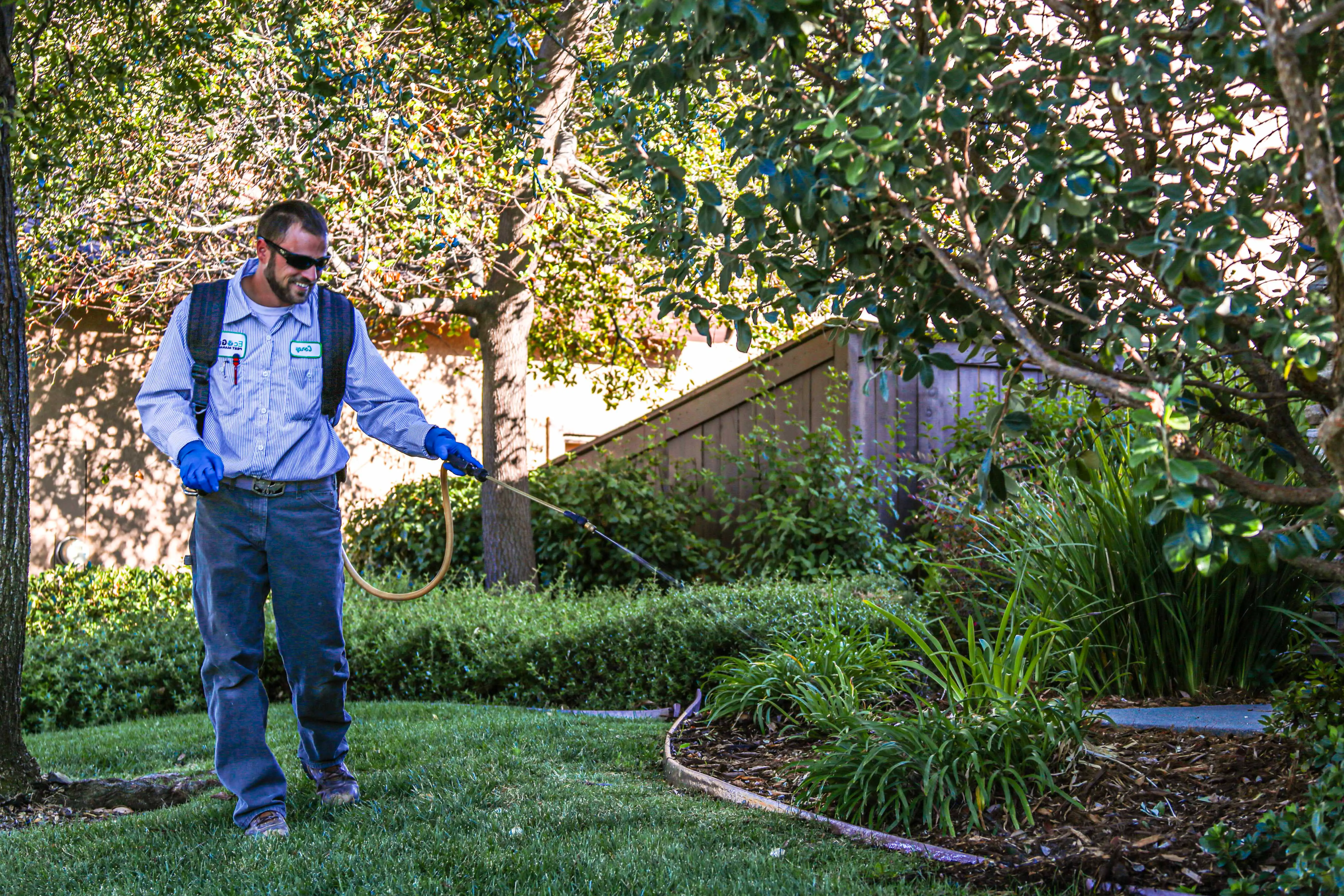
Traditional pesticides act as nerve agents and can cause skin/eye irritation, headaches, nausea, dizziness, respiratory problems, and fatigue. Long-term exposure can lead to blood/nerve disorders, organ damage, birth defects, and cancer.
2
Safer for Pets
Dogs, cats, rodents, reptiles, and fish can all be impacted by harsh pesticides. Pets can ingest or be exposed to chemicals causing fever, vomiting, seizures, respiratory failure, or death. Fish tanks are often overlooked during treatment.
3
Safer for Environment & Wildlife
Chemical pesticides contaminate air, ground, and water in local ecosystems. They can reduce non-target insect populations, disrupt food chains, and kill beneficial pollinators, devastating biodiversity.
4
Less Damaging to Air Quality
Harsh chemical pesticides release volatile organic compounds into the air, contributing to respiratory problems in confined spaces without proper ventilation.
5
Less Likely to Contaminate Food
Chemical pesticides used on agriculture can contaminate fruits and vegetables. Naturally derived pesticides are typically non-toxic and safer for food production.
6
Lower Carbon Footprint
Eco-friendly pesticides are derived from natural sources, not synthesized from harsh chemicals. Extraction methods require less input than chemical manufacturing.
7
Better for Your Landscaping
Naturally derived pesticides will not damage plant life. Traditional pesticides can cause flowers, plants, and grass to brown, wilt, and die, creating dead patches that are nearly impossible to revive.
8
No Pest Resistance Buildup
Chemical pesticides can result in resistance over generations. Since eco-friendly pesticides use natural sources pests have been exposed to, they produce long-term results without resistance issues.
9
More Cost Savings
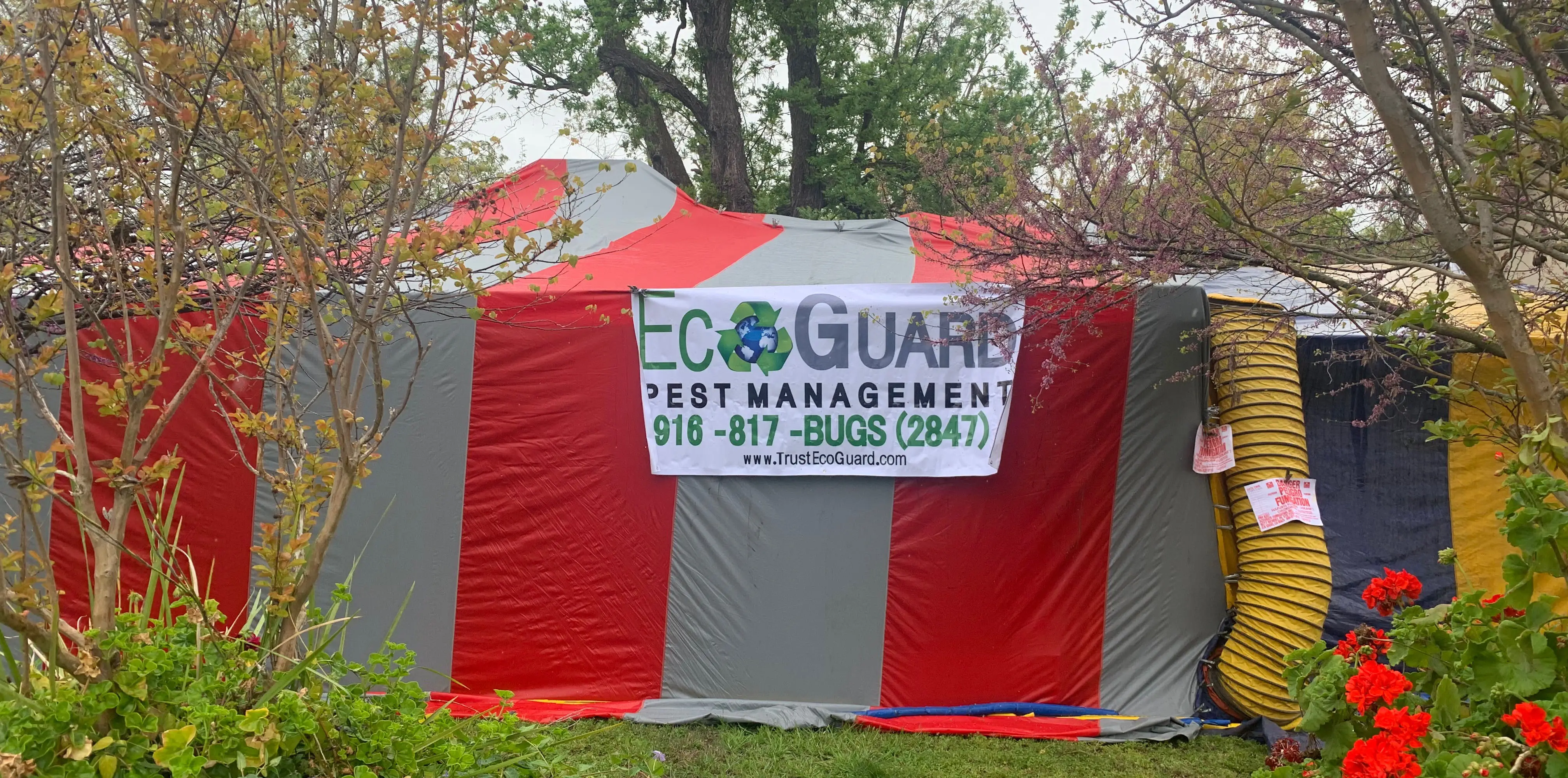
Prevention and exclusion strategies stop pests before they become problems, eliminating the need for expensive treatments like fumigation or heat treatment that can cost thousands of dollars.
10
More Humane
Traditional rodenticides like warfarin can take up to 10 days for rodents to die through slow internal hemorrhaging. Prevention and exclusion strategies eliminate the need for such inhumane methods.
11
More Convenient
Traditional pesticides require covering furniture, containing food, vacating premises, and thorough cleanup. Eco-friendly options avoid many of these steps and offer peace of mind for families with kids and pets.
12
Smarter Pest Control
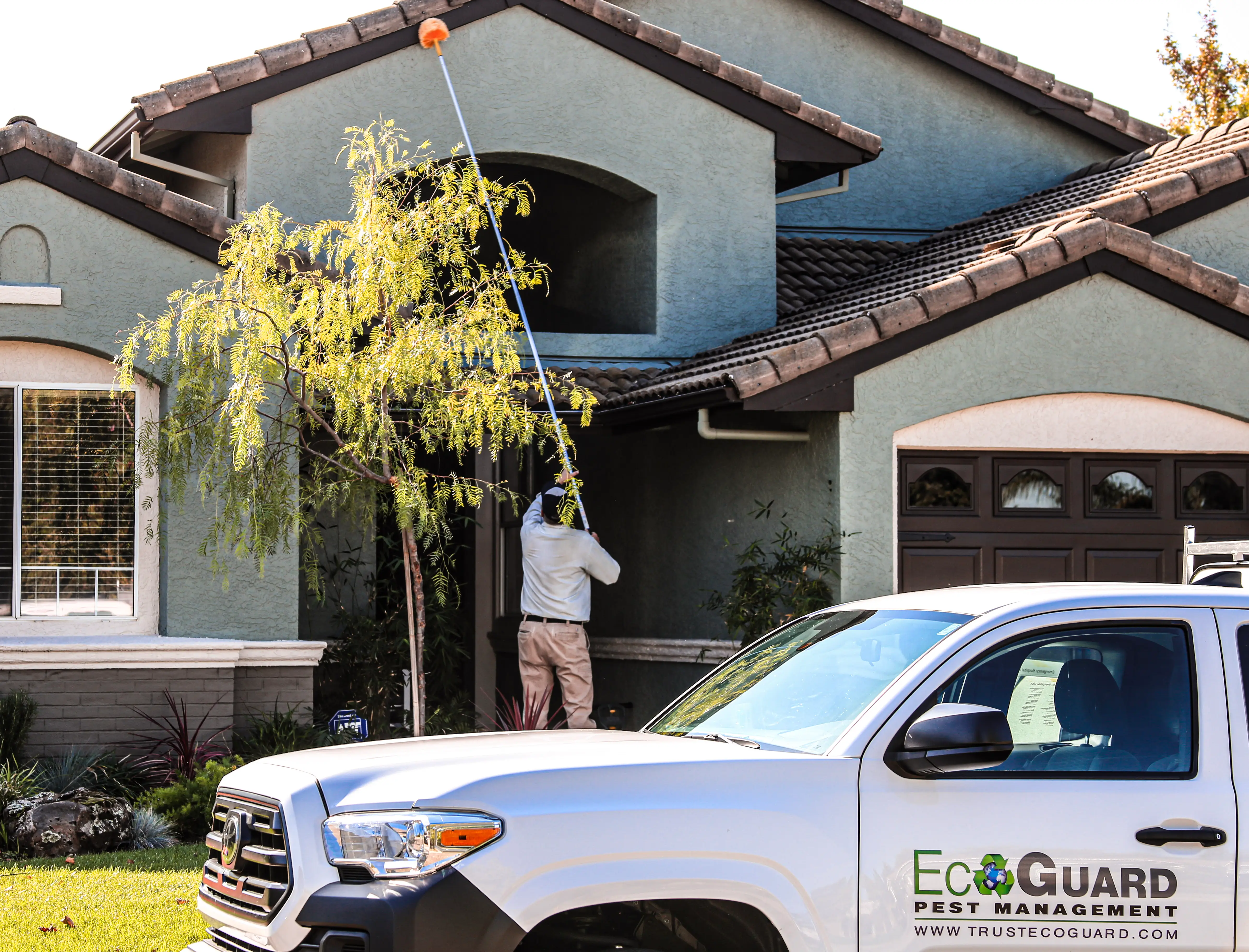
Integrated pest management combines prevention, exclusion, and control for minimal effort and maximum results. This approach minimizes pest activity using non-toxic, non-invasive treatments.