EcoGuard Pest Management
House fumigation tenting and costs
By Gary Anderson||4 min read

How Much Does It Cost to Fumigate a House?

Complete pricing guide, factors affecting cost, preparation, and alternatives.

$1-$4
Per Square Foot
$2K-$8K
Average Home
2-7 Days
Treatment Duration
4 Years
Protection

When pest infestations are so severe that regular treatment is ineffective, getting a house tented and fumigated sometimes makes the most sense. Fumigation is a last resort measure but extremely effective, filling a home with pesticides to eliminate any unwanted guests.

It is more time and labor intensive, which is why costs exceed normal treatments. However, fumigation will likely save you from additional damage repair costs if done in time.
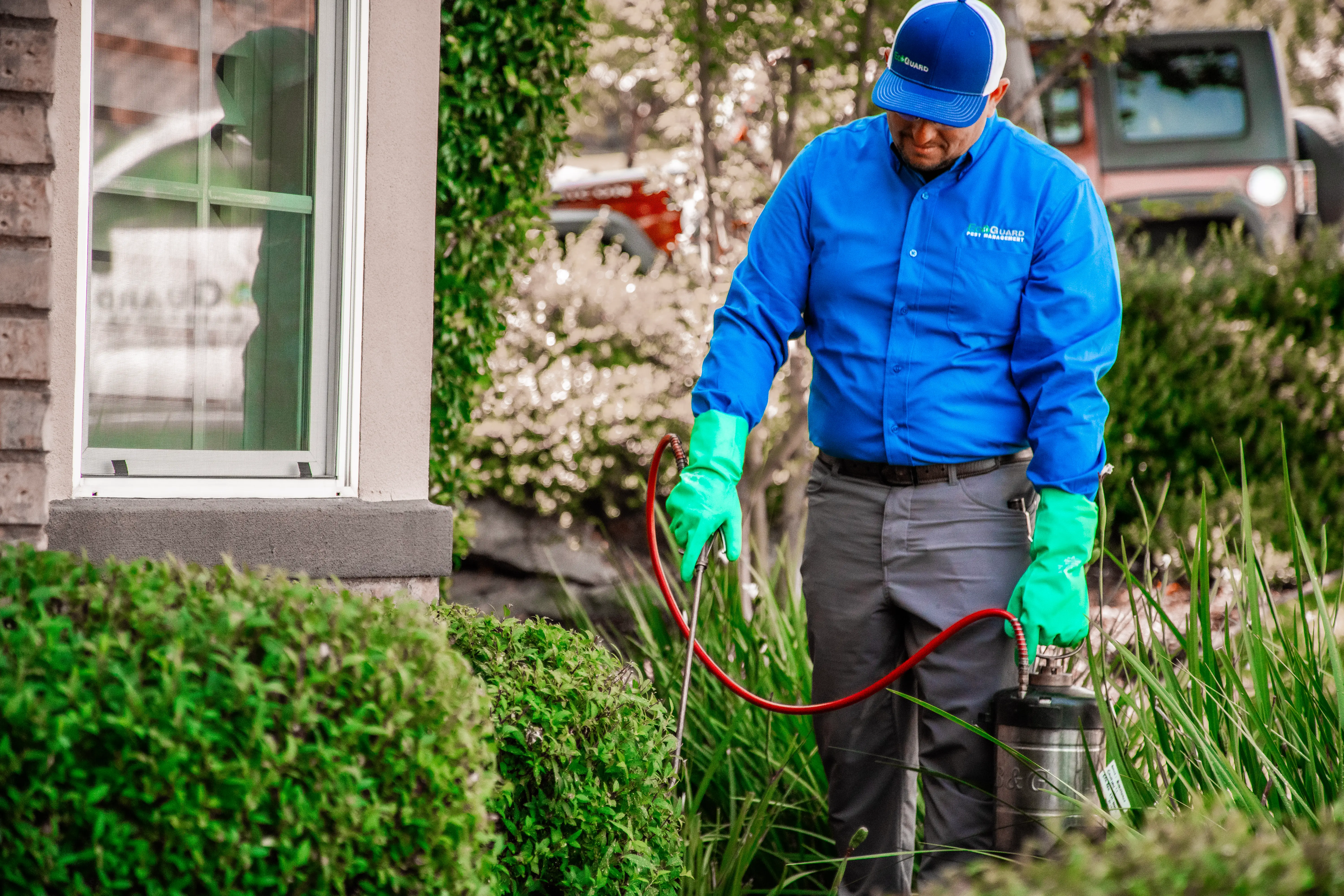
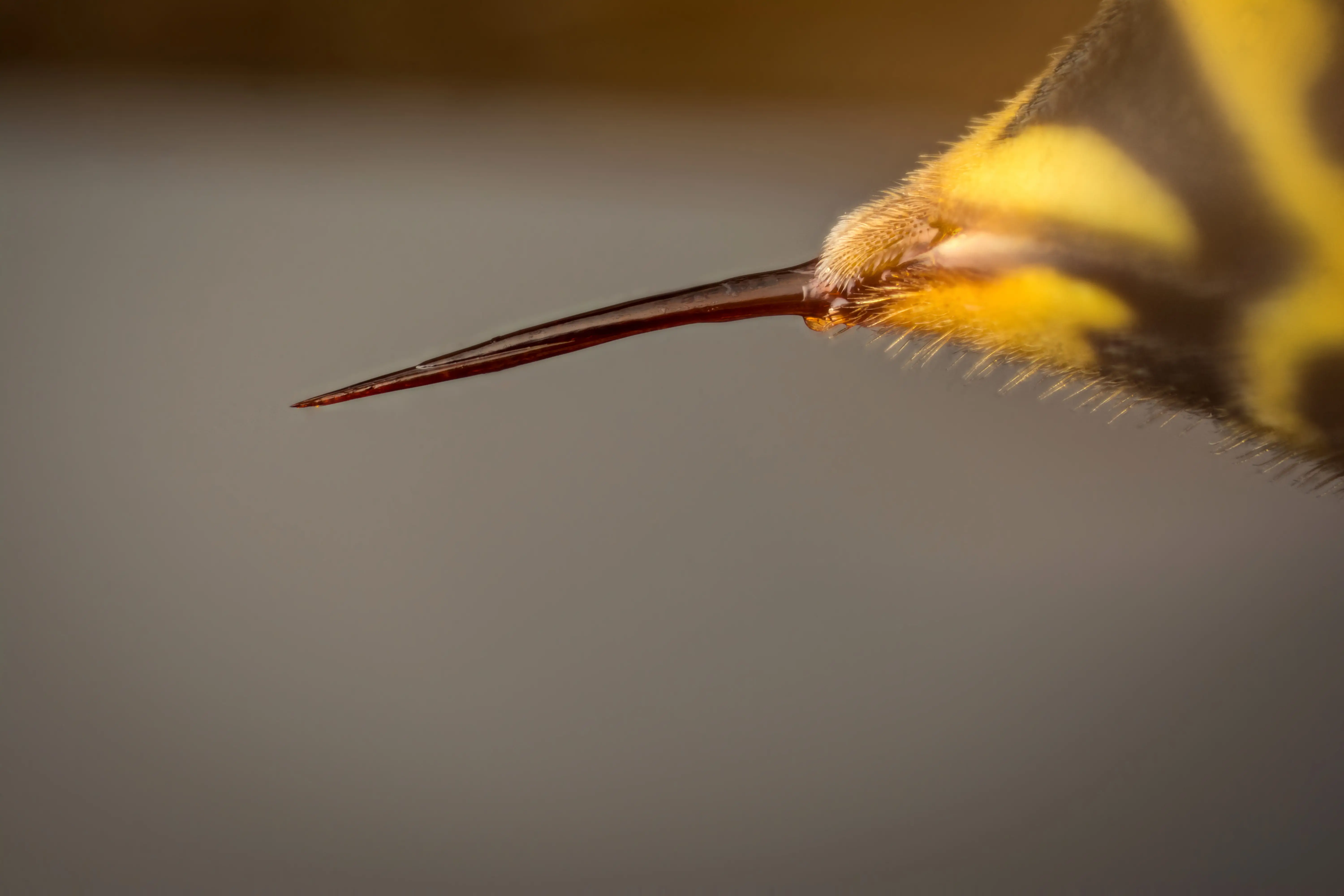
What is Fumigation?

Fumigation is not recommended for all pests since normal treatments suffice for most. It is used for specific pests or severe, persistent infestations that fail traditional options.

1Building is tented and sealed in thick plastic to trap fumigants
2Fumigants released and sealed inside for several days
3Tent removed, building allowed to ventilate
4Air quality tested for safety before return
5Post-fumigation inspection for remaining pest activity

Fumigation Cost by Square Footage

Expect $1-$4 per square foot. Fumigation is one of the most expensive treatments due to labor, preparation, equipment, and time required.

Square FeetFumigation Cost
1,000 sq ft$1,000 - $4,000
1,500 sq ft$1,500 - $6,000
2,000 sq ft$2,000 - $8,000
2,500 sq ft$2,500 - $10,000
3,000 sq ft$3,000 - $12,000
3,500 sq ft$3,500 - $14,000

Factors That Affect Fumigation Costs

Home Size

Bigger area = more materials, time, and labor.

Structure Complexity

Sealed areas without airflow take extra time to permeate.

Type of Pests

Difficult pests like subterranean termites or bed bugs require more time.

Severity of Infestation

Out-of-control infestations need extra time for fumigants to work.

Duration of Job

2 days to 1 week. Ending early risks incomplete treatment.

Fumigants Used

Different pesticide types vary in cost.

Skill & Experience

Reputable teams cost more but have successful track records.

Other Costs to Account For

Lodging:Temporary relocation
Food:Eating out during treatment
Pet Care:If lodging does not allow pets
Cleaning:Remove fumigant residue
Repairs:Fix termite damage after treatment

Need a Fumigation Estimate?

free quote and customized treatment plan from licensed experts.

Call (866) 326-2847

Why You Need Fumigation

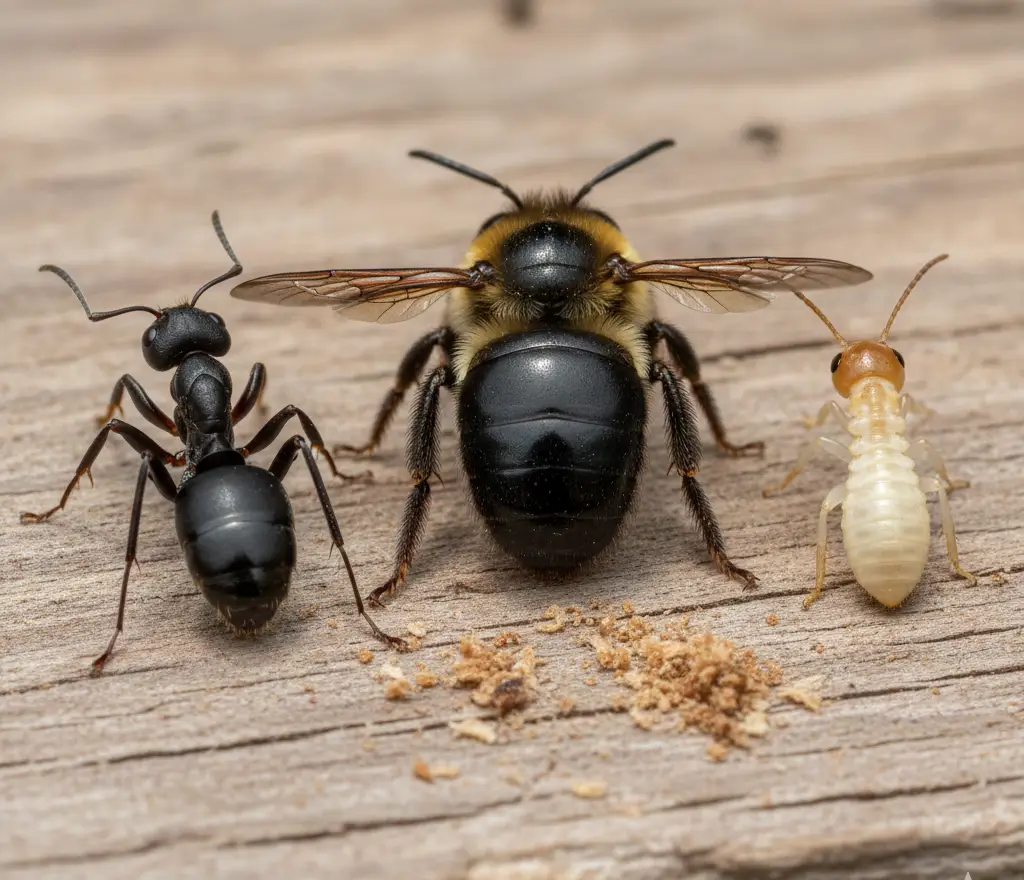
Tenting is commonly used for wood-damaging insects like termites and carpenter ants. These pests dig deep inside wooden structures, protecting themselves from regular pesticide exposure.

Fumigation is effective because strong pesticides leave residues that permeate wall cavities and damaged wood cavities. This residue remains and prevents pests from returning.

How to Prepare for Fumigation

Find alternative lodging for the duration
Open all windows/doors, raise blinds for fumigant flow
Store food and medications in refrigerator or airtight containers
Discard contaminated food items
Relocate all living things (plants, pets)
Prune trees/bushes/shrubs within 3 feet of building
Schedule gas supply to be turned off
Relocate vehicles from garage
Hand keys to fumigation team for access

Pre and Post Fumigation Inspections

Pre-Fumigation Signs

  • Mud tubes climbing foundation (subterranean termites)
  • Sawdust piles near wood structures (termite feces)
  • Damp or water-stained wood
  • Hollow, damaged, or splintering wood
  • Bulging/sagging floors, ceilings, or walls

Post-Fumigation Checks

  • Test severely infested areas for dead pests
  • Check for any remaining signs of termites
  • Measure air quality to ensure fumigants aired out
  • Verify building is safe for occupants to return

Is Fumigation Safe?

When done by licensed and experienced pest control experts, fumigation is completely safe. The process requires careful planning, setup, and execution with dangerous chemical fumigants. Professionals guide inhabitants on preparation, ensure food and consumables are properly stored, and verify pets and plants are removed. After fumigation, a post-treatment inspection ensures air quality is safe before return.

Alternatives to Fumigation

Heat Treatment

Raises internal temp to 120-130°F. Effective for bed bugs. Risk of warping wood.

Localized Spot Treatment

Drill holes, inject foam termiticides. Multiple attempts needed. Best for less severe cases.

Dust Treatment

Boric acid powder blown into cavities. Desiccant + toxin. Does not guarantee contact with all insects.

Baiting

Baits returned to colony, infecting all insects. Takes time. Risk to pets and wildlife.

Prevention: Best Strategy to Avoid Fumigation

The best way to avoid fumigation costs is to prevent pests in the first place. Enlist professional pest management for regular inspections and treatments. To reduce termite likelihood:

Move firewood, lumber, pallets away from building
Treat patios, decks, fences with sealants
Remove rotting trees, branches, stumps, debris
Replace wood chips and mulch with gravel

Hire Licensed Fumigation Experts

If your home or business has a severe pest problem, EcoGuard Pest Management has trained and experienced fumigation experts who can inspect your property, create a plan of attack, and execute that strategy quickly and effectively. Call today to schedule a free quote!

Call (866) 326-2847Get Free Quote

Fumigation FAQs

Is fumigation 100% effective?

If done correctly by experienced fumigation experts, fumigation should leave you satisfied. EcoGuard offers a satisfaction guarantee that if pests are still present after treatment, the work is not done.

How long does fumigation last for?

Standard fumigation time varies based on infestation severity and area size. Normal time is between 6 hours to 1 week.

How often should you fumigate your home?

Fumigation pesticides stay effective for up to 4 years. With regular termite inspections and pest management, recurring fumigation is typically not needed.

Do I have to wash everything after fumigation?

Yes, all surfaces, cookware, and important items should be cleaned before use to prevent accidental exposure to fumigant residue.

From Our Blog

Related Articles

Best Time to Spray Insecticides Around the House

Best Time to Spray Insecticides Around the House

Learn the optimal timing for spraying insecticides including best seasons, time of day, and locations. Maximize pest...

Read Article
Common Insects with a Stinger: Identification Guide

Common Insects with a Stinger: Identification Guide

Learn about common stinging insects including bees, wasps, hornets, ants, and scorpions. Identification tips, danger...

Read Article
Common Wood Eating Insects: Identification & Prevention

Common Wood Eating Insects: Identification & Prevention

Learn about wood destroying insects including termites, carpenter ants, carpenter bees, and wood boring beetles....

Read Article
Do Ultrasonic Pest Repellers Work? The Truth About These Devices

Do Ultrasonic Pest Repellers Work? The Truth About These Devices

Do ultrasonic pest repellers really work? Learn what science says about these devices, their limitations, and more...

Read Article
How Long After Pest Control Should I Wait to Go Inside?

How Long After Pest Control Should I Wait to Go Inside?

Learn how long to wait after pest control treatment before going inside. Typical wait time is 2-4 hours plus 30 minutes...

Read Article
How Often Should Pest Control Be Done? Frequency Guide

How Often Should Pest Control Be Done? Frequency Guide

Learn how often pest control should be done. Homes need quarterly treatments, commercial buildings monthly. How long...

Read Article
How to Bug Proof Your Home or Apartment: Complete Guide

How to Bug Proof Your Home or Apartment: Complete Guide

Learn how to bug proof your home with our indoor and outdoor checklists. Seal entry points, remove attractants, and...

Read Article
How To Choose a Pest Control Company | Complete Guide

How To Choose a Pest Control Company | Complete Guide

Learn how to choose the right pest control company. Check licenses, reviews, qualifications, methods, guarantees, and...

Read Article
How to Do Pest Control at Home by Yourself: DIY Guide

How to Do Pest Control at Home by Yourself: DIY Guide

Learn DIY pest control methods for your home. Prevention tips, exclusion tactics, treatment options, and when to call...

Read Article
How to Prepare for an Exterminator: Complete Checklist

How to Prepare for an Exterminator: Complete Checklist

Learn how to prepare for an exterminator visit. Complete checklist for general pest control plus specific prep for...

Read Article
Is a Landlord Responsible for Pest Control? Rights & Duties

Is a Landlord Responsible for Pest Control? Rights & Duties

Learn who is responsible for pest control in rentals. Landlord duties, tenant responsibilities, lease clauses, and what...

Read Article
Top 12 Benefits of Eco-Friendly Pest Control

Top 12 Benefits of Eco-Friendly Pest Control

Discover the benefits of eco-friendly pest control including safety for humans, pets, and the environment. Learn about...

Read Article