EcoGuard Pest Management
Various stinging insects including bees, wasps, and hornets
By Gary Anderson||5 min read

Common Insects with a Stinger

Identify stinging insects, understand their danger levels, and learn what to do if stung.

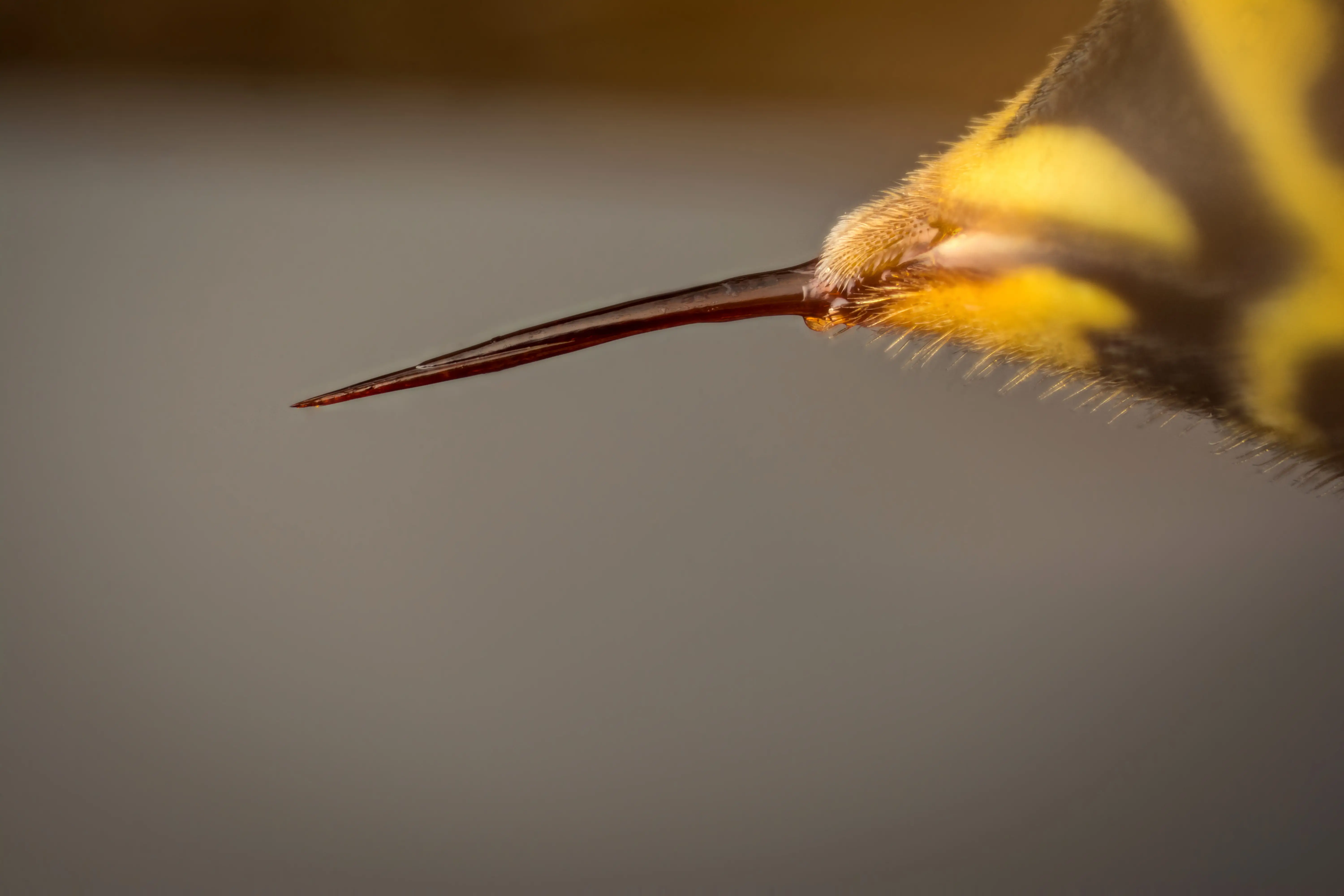
Stinging insects are responsible for sending over 500,000 people to the hospital every year. These insects include everything from bees and wasps to scorpions and even caterpillars.

Some stinging insects provide significant benefit to their surrounding ecosystems while others cause damage. Understanding how to identify different species is critical for safety.

Allergic Reactions

Up to 4% of the population may experience severe allergic reactions (anaphylaxis) from stings. Symptoms include nausea, difficulty breathing, drop in blood pressure, and unconsciousness. Seek immediate medical attention if these occur.
Stinging Flying Insects

Bees

AGGRESSIVE

Africanized Killer Bees

Extremely aggressive, will attack without provocation. Pursue targets over 1/4 mile. Found in southern/western states. Still beneficial pollinators.

BENEFICIAL

Honeybees

Responsible for pollinating 100+ crops. Docile unless nest threatened. Die after stinging (barbed stinger). Biggest threat is allergic reactions.

GENTLE

Bumble Bees

Larger than honeybees, covered in yellow/black fuzz. Nest underground. Gentle, won't act aggressively unless threatened. Smaller colonies.

WOOD DAMAGE

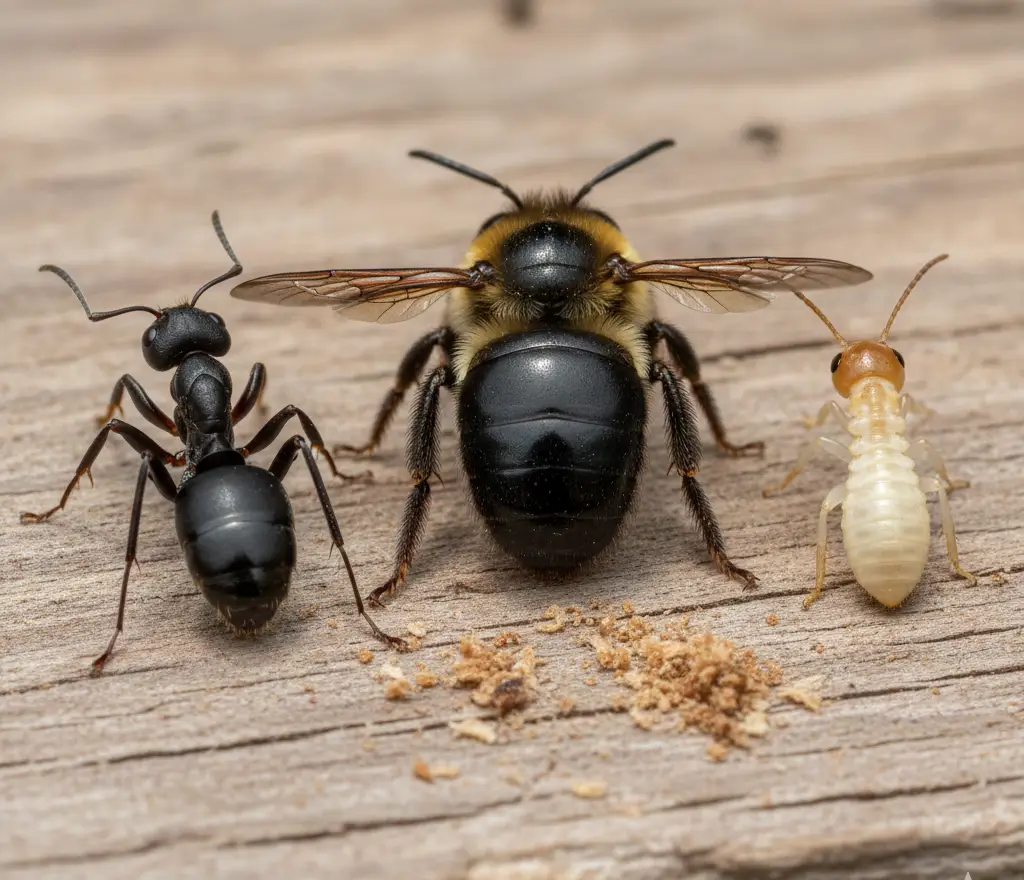
Carpenter Bees

Burrow into wood to nest. Only females can sting. Not social insects, no queen. Solitary but populations can grow large over generations.

Wasps & Hornets

VERY AGGRESSIVE

Bald Faced Hornets

Attack with little provocation. Identified by white face. Can squirt venom. Paper nests high in branches/eaves. Beneficial: eat flies.

European Hornets

Also called giant hornets. Football-shaped paper nests on trees/buildings. Less aggressive than bald faced. Eat agricultural pests like grasshoppers.

VERY AGGRESSIVE

Yellow Jackets

Notoriously aggressive. Nests can contain up to 4,000 individuals. Attracted to sweets/proteins (picnic invaders). Nests usually underground.

DEADLY

Asian Giant Hornets

"Murder hornets" kill up to 50 people yearly. First US sighting 2019 in Washington. Large with nasty sting. Not extremely aggressive.

Paper Wasps

Umbrella-shaped nests with cells open toward ground. Hang from eaves. Normally docile but can be aggressive if threatened. Eat crop-damaging caterpillars.

NOT AGGRESSIVE

Mud Daubers

Slender black bodies. Solitary and not aggressive. Make nests from mud tubes. Beneficial: feed on spiders.

Cicada Killers

Large solitary wasps. Nest underground. Provide pest control against cicadas. Not aggressive toward humans.

Found a Stinging Insect Nest?

Never attempt removal yourself. Professional removal is the safest option.

Call (866) 326-2847

Crawling Stinging Insects

Velvet Ants

Actually wingless wasps, not ants. Solitary, not aggressive but capable of painful stings. Feed mostly on nectar. May infiltrate other insect nests to lay eggs.

MOST PROBLEMATIC

Fire Ants

Deliver painful bites AND stings. Inject venom causing blisters. Extremely territorial. Swarms can contain 200,000+ ants. Have displaced native species.

Harvester Ants

Extremely painful sting, pain lasts several hours. Beneficial: aerate soil with underground colonies and disperse seeds, increasing biodiversity.

CAN BE DEADLY

Scorpions

Not aggressive, stay hidden during day. Come out at night to hunt. May hide in shoes or under furniture. 30-40 species can deliver fatal stings. Cause pain, swelling, convulsions.

Stinging Caterpillars

Unlike bees or scorpions, caterpillars have hairs or spines connected to poison sacs. Contact delivers a small dose of venom causing pain and discomfort.

Puss Caterpillars

About 1 inch, covered in yellow/grey/reddish hairs. Each hair is a hollow spine delivering venom. Causes swelling, numbness, then severe pain. Found on trees/shrubs in Texas area.

Saddleback Caterpillars

About 1 inch with green body and brown patches. Brown patch on back looks like a saddle. Edges have knobs covered in tiny spines that deliver painful stings.

Hag Moth Caterpillars

Orange body with 6 arm-like extensions on each side. Covered in thin white stinging hairs. Named "hag" for disheveled appearance.

How to Avoid Getting Stung

Know When They're Active

Most active during warm months. Become more aggressive as it gets colder because food becomes scarce and they become territorial.

If You Encounter a Nest

Avoid sudden movements that may aggravate insects. Remove yourself from the area as fast as possible without swatting or panicking.

Professional Removal

If a nest is found where it cannot be avoided, enlist professionals to remove it. Never attempt removal yourself.

What To Do If You Get Stung

1

Remove Stinger

Scrape out (don't pinch as it injects more venom)

2

Wash Area

Clean with soap and water

3

Cold Compress

Apply to reduce swelling

4

Treat Itching

Use hydrocortisone cream or calamine lotion

Seek Immediate Medical Attention If:

Nausea
Chest constriction
Difficulty breathing
Drop in blood pressure
Unconsciousness

Use an EpiPen if available, but still seek medical attention as symptoms may return after it wears off.

Contact EcoGuard If You Are Dealing with Stinging Insects

If you are currently dealing with any species of stinging insect, it is important to enlist the help of qualified and trained professionals. EcoGuard Pest Management has a team of stinging insect control experts ready to inspect your property and identify and treat any problematic areas. Call today to schedule an inspection.

Call (866) 326-2847Get Free Quote

Stinging Insect FAQs

What is the most common stinging insect?

The most common stinging insect is the European honeybee. This stinging insect is a beneficial pollinator that provides significant benefit to the ecosystems they are found in. Other than honeybees, the other well-known stinging insects include wasps, hornets, and yellow jackets.

What is a stinging insect called?

The stinging order of insects is called Hymenoptera, which includes wasps, bees, and ants. This order makes up an overwhelming majority of insects with stingers.

What kind of insects can sting you?

The most common insects that can sting you include species of bees, wasps, and ants. The other common bug that can sting are scorpions, but they are arachnids and not classified as insects.

From Our Blog

Related Articles

Best Time to Spray Insecticides Around the House

Best Time to Spray Insecticides Around the House

Learn the optimal timing for spraying insecticides including best seasons, time of day, and locations. Maximize pest...

Read Article
Common Wood Eating Insects: Identification & Prevention

Common Wood Eating Insects: Identification & Prevention

Learn about wood destroying insects including termites, carpenter ants, carpenter bees, and wood boring beetles....

Read Article
Do Ultrasonic Pest Repellers Work? The Truth About These Devices

Do Ultrasonic Pest Repellers Work? The Truth About These Devices

Do ultrasonic pest repellers really work? Learn what science says about these devices, their limitations, and more...

Read Article
How Long After Pest Control Should I Wait to Go Inside?

How Long After Pest Control Should I Wait to Go Inside?

Learn how long to wait after pest control treatment before going inside. Typical wait time is 2-4 hours plus 30 minutes...

Read Article
How Much Does It Cost to Fumigate a House? 2025 Price Guide

How Much Does It Cost to Fumigate a House? 2025 Price Guide

Learn fumigation costs by square footage ($1-$4/sq ft). Average home costs $2,000-$8,000. Factors affecting price,...

Read Article
How Often Should Pest Control Be Done? Frequency Guide

How Often Should Pest Control Be Done? Frequency Guide

Learn how often pest control should be done. Homes need quarterly treatments, commercial buildings monthly. How long...

Read Article
How to Bug Proof Your Home or Apartment: Complete Guide

How to Bug Proof Your Home or Apartment: Complete Guide

Learn how to bug proof your home with our indoor and outdoor checklists. Seal entry points, remove attractants, and...

Read Article
How To Choose a Pest Control Company | Complete Guide

How To Choose a Pest Control Company | Complete Guide

Learn how to choose the right pest control company. Check licenses, reviews, qualifications, methods, guarantees, and...

Read Article
How to Do Pest Control at Home by Yourself: DIY Guide

How to Do Pest Control at Home by Yourself: DIY Guide

Learn DIY pest control methods for your home. Prevention tips, exclusion tactics, treatment options, and when to call...

Read Article
How to Prepare for an Exterminator: Complete Checklist

How to Prepare for an Exterminator: Complete Checklist

Learn how to prepare for an exterminator visit. Complete checklist for general pest control plus specific prep for...

Read Article
Is a Landlord Responsible for Pest Control? Rights & Duties

Is a Landlord Responsible for Pest Control? Rights & Duties

Learn who is responsible for pest control in rentals. Landlord duties, tenant responsibilities, lease clauses, and what...

Read Article
Top 12 Benefits of Eco-Friendly Pest Control

Top 12 Benefits of Eco-Friendly Pest Control

Discover the benefits of eco-friendly pest control including safety for humans, pets, and the environment. Learn about...

Read Article