EcoGuard Pest Management
Wood damage caused by wood destroying insects
By Gary Anderson||6 min read

Common Wood Eating Insects

Identify wood destroying pests before they cause extensive structural damage.

Wood destroying insects are estimated to cause over $30 billion dollars in property damages in the US every year. The EPA estimates that over $2 billion is spent annually on preventing and treating termites, carpenter ants, and carpenter bees.

Understanding which pests pose a threat to the structural integrity of your home is critical when identifying signs of and trying to treat wood destroying insects.

Why Early Detection Matters

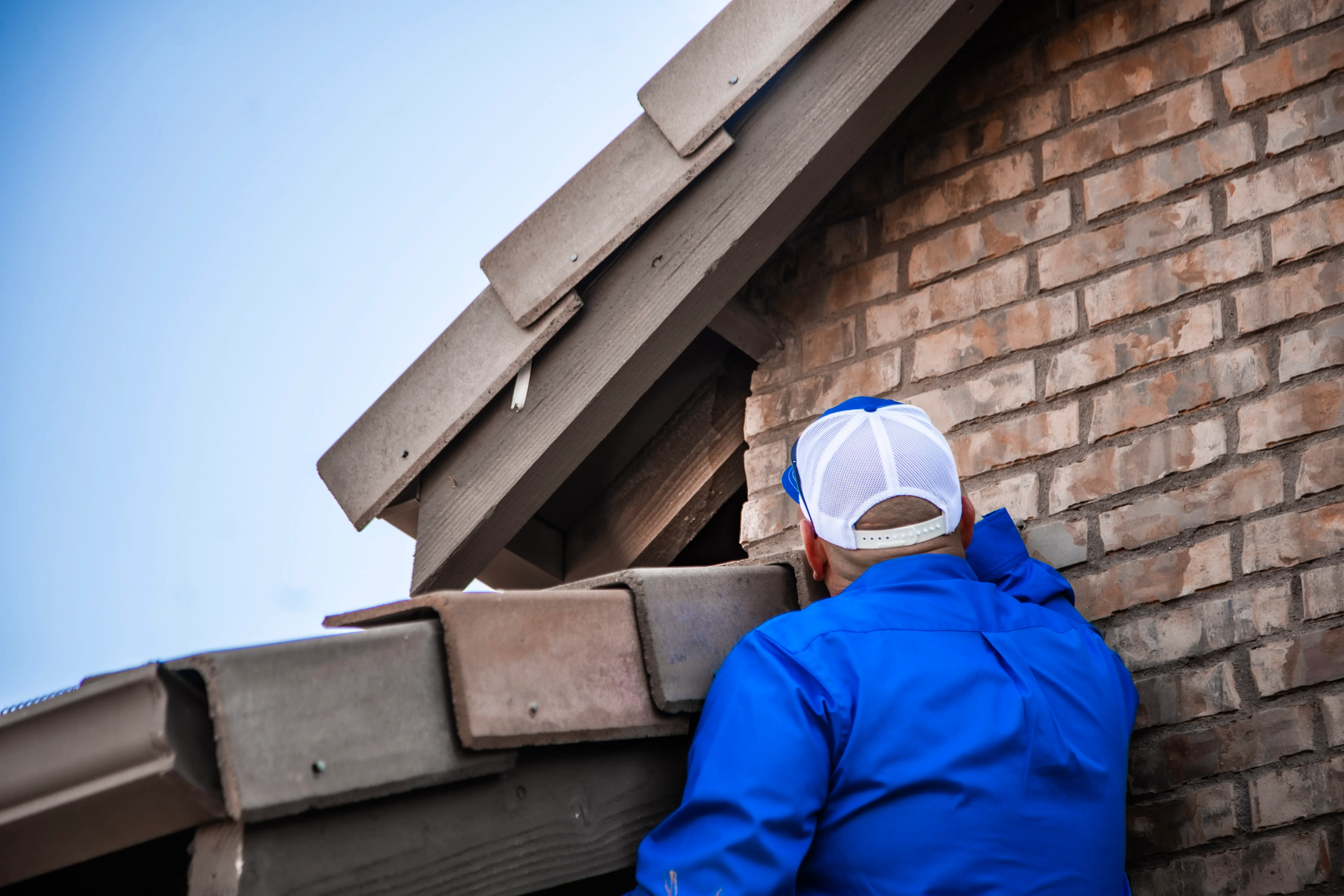
Most damage from wood destroying insects occurs inside wooden structures and goes unnoticed until it is far too late. Early identification is critical to minimizing potential damages.
The Most Common Wood Destroying Insects

Each of the following species uses wooden structures as a place to create a nest to house their young and their queen.

MOST DAMAGING

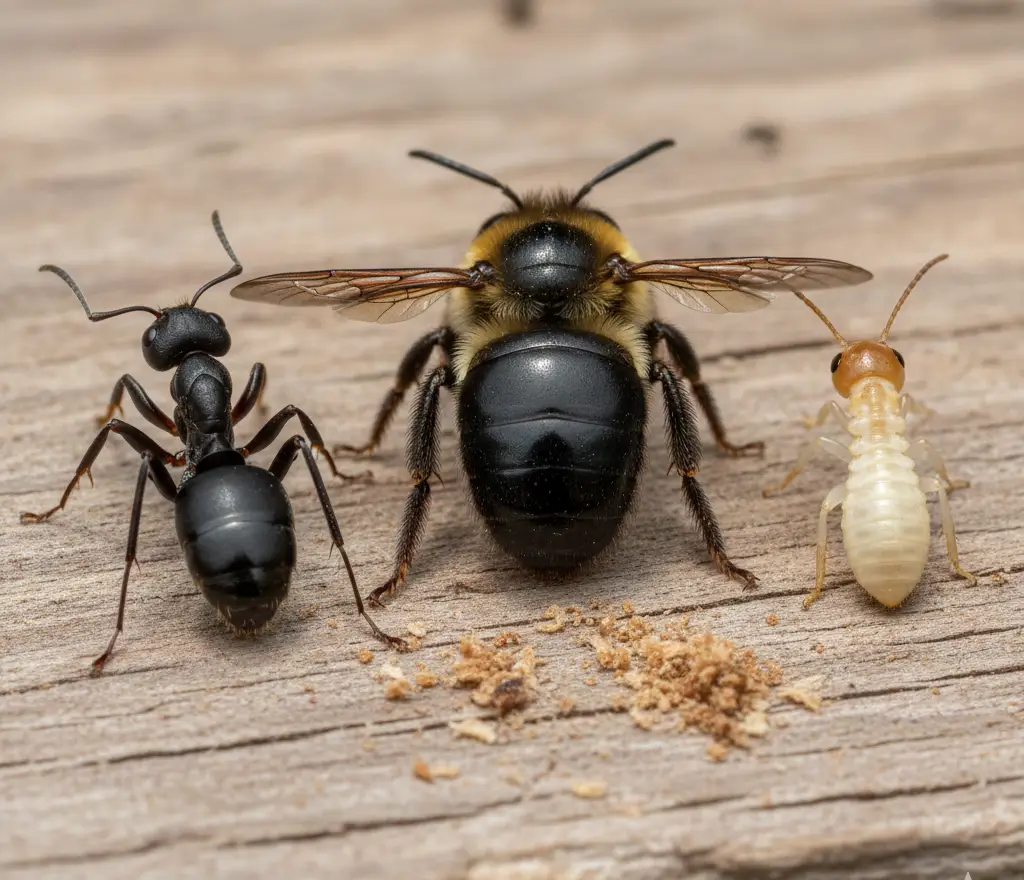
Termites

Small white insects that resemble ants but are closer to cockroaches. The most pervasive wood destroying insect in North America. They cause more structural damage than all other species combined due to colony size and reproduction rate. Termites are the true xylophages because they actually eat and digest wood as their primary nutrition source. Most common in southern states.

Carpenter Ants

Common all over North America, particularly active in the East and Northeast where humidity is high. Do not eat wood like termites. Instead, they tear pieces away to create cavities for their colony. Prefer moist, damp, damaged, or decaying wood that is softer and easier to hollow out.

Carpenter Bees

Unlike termites or carpenter ants, carpenter bees are not social insects with a queen. They are solitary but populations can grow into large numbers. Developing bees create additional nesting chambers inside wooden structures, making them more like a multigenerational family. Several generations can cause extensive damage.

Types of Termites

MOST DAMAGING

Formosan Subterranean Termites

Colonies exist underground and can grow to contain millions of termites. Move upward toward wooden structures connected to soil. By the time they reach a building, populations can already be in the millions, causing massive damage in a very short time.

INVASIVE

Asian Subterranean Termites

Invasive species from East Asia discovered in Florida in the late 1990s. Arrived aboard ships carrying wooden products. Unlike some species, they feed on live healthy trees by eating the outer layer, effectively girdling and killing trees.

West Indian Drywood Termites

Prefer dry wood rather than damp or decaying wood. Larger than subterranean termites. Live only in wooden structures they feed on, not underground. Take longer to cause damage because colonies start from a single flying termite swarm.

Suspect Wood Destroying Insects?

Early detection is critical. Professional inspection can identify hidden damage before it becomes severe.

Call (866) 326-2847

Wood Boring Beetles & Other Insects

Wood boring beetles make up most of the wood destroying insect species. Most prefer dead or damaged trees, making them beneficial in forest ecology.

Powderpost Beetles

Over 70 species. Adults lay eggs in dead wood; larvae bore in until pupating. Infestations go unnoticed until adults emerge. Can be released from milled wood used in construction.

Wood Boring Weevils

Recognizable by long snouts. Least problematic species because they only eat wood infected with a specific fungus. Such wood is discarded and not used in production.

Bark Beetles

Rarely find way inside homes but extremely damaging to pine trees. Leading cause of pine tree decay in several US areas. Look for injuries with oozing resin on bark.

Old House Borers

Prefer dead softwood used in construction. Particularly damaging to structures. Can remain inside wood for up to 15 years before discovery.

Deathwatch Beetles

Lay eggs in tree bark; larvae bore in after hatching. Larvae can spend up to 10 years pupating before adults emerge. Infested wood can release adults into structures.

Horntail Wasps

Also known as wood wasps. Females lay eggs in wood cracks; larvae feed for 2-3 years before emerging as adults. Create tunnels as they consume wood.

Signs of a Wood Destroying Insect Infestation

Finding indication of activity can be difficult because most damage occurs inside wooden structures. Be sure to look for these signs:

Exit Holes

Small round holes in wood surfaces

Sawdust

Piles of fine wood particles

Insect Frass

Droppings that look like sawdust

Water Damage

Moisture attracts many species

Stained Wood

Discoloration or blistering

Clicking Noises

Sounds from inside walls

How to Prevent and Stop Wood Destroying Insects

Preventative Treatment

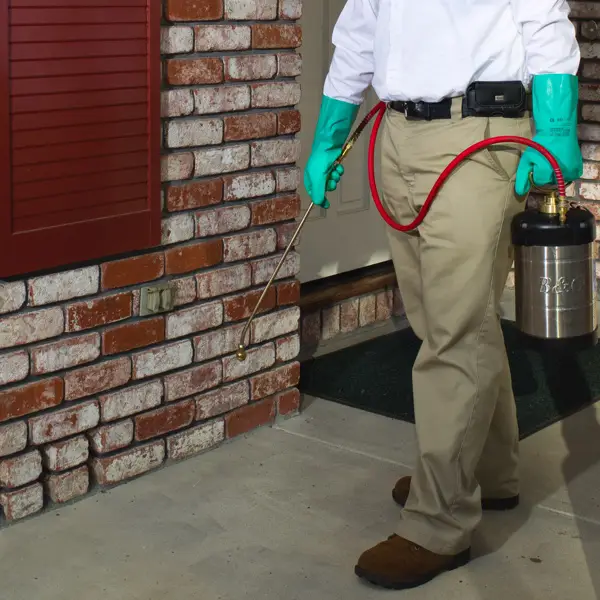
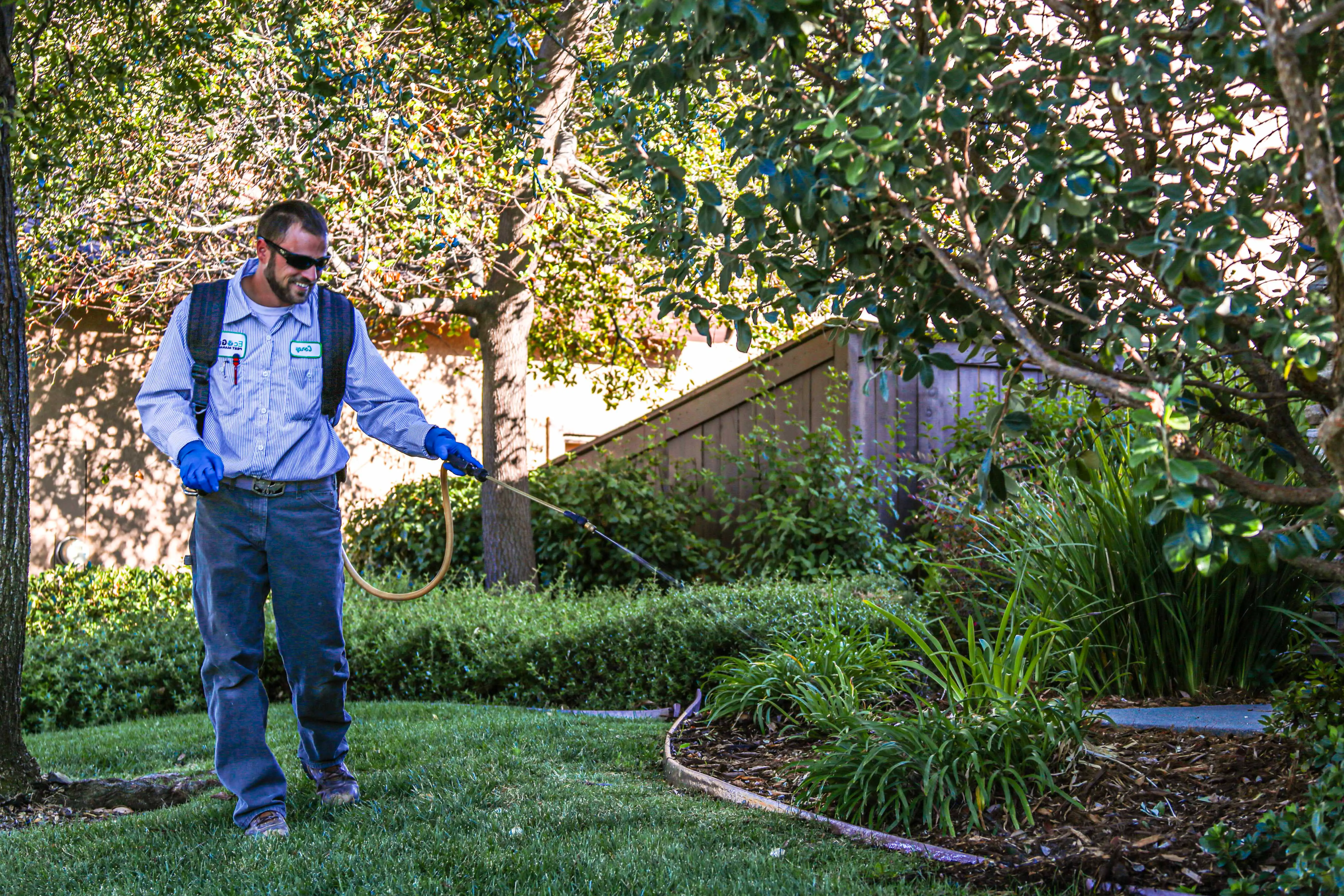
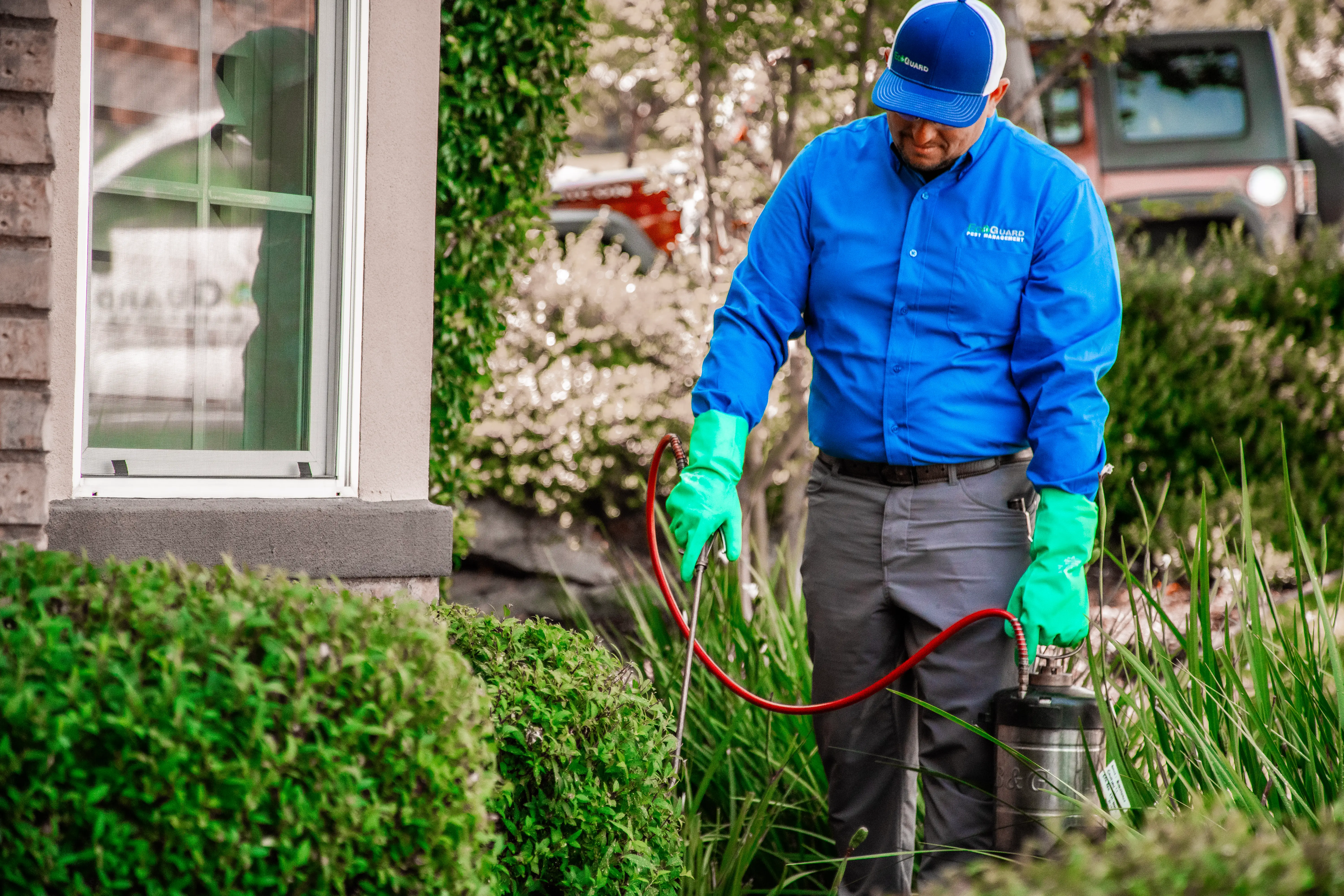
Treat wood and property with residual pesticides to create a barrier that deters insects from selecting your home for their colony.

Create Distance

Maintain space between foundation and wood piles, debris, and tree stumps. Remove dead or decaying wood to prevent termites moving to your structure.

Control Moisture

Wood destroying insects prefer moist, damp, or damaged wood. Check for leaks and repair them promptly to make wood less attractive.

Inspect Incoming Wood

Check all incoming wood for signs of insects to ensure there is no contamination being brought into your property.

Contact EcoGuard Pest Management for Wood Destroying Insect Treatment

If you are dealing with wood destroying insects, it is absolutely critical that you enlist the help of professionals for treatment right away. The longer an infestation is allowed to continue, the more damage will be incurred. EcoGuard Pest Management has a team of qualified wood destroying insect experts who are licensed and experienced in treatment options for termites, carpenter ants, and carpenter bees.

Call (866) 326-2847Get Free Quote

Wood Destroying Insect FAQs

What insects can eat through wood?

There are several species of insects that can eat through wood. The most common species include termites, carpenter ants, carpenter bees, and wood boring beetles. All of these insect species can cause extensive wood damage if left unchecked.

What is the most common type of wood eating pest?

The most common wood destroying insect is termites. They cause more structural damage than all of the other wood destroying insects. It is estimated termites are responsible for over $5 billion dollars in damages every year.

How do you get rid of wood eating bugs?

Wood destroying insects require professional treatment to ensure that their populations are completely eradicated. Without professionals, any remaining insects can repopulate a colony after it gets treated.

From Our Blog

Related Articles

Best Time to Spray Insecticides Around the House

Best Time to Spray Insecticides Around the House

Learn the optimal timing for spraying insecticides including best seasons, time of day, and locations. Maximize pest...

Read Article
Common Insects with a Stinger: Identification Guide

Common Insects with a Stinger: Identification Guide

Learn about common stinging insects including bees, wasps, hornets, ants, and scorpions. Identification tips, danger...

Read Article
Do Ultrasonic Pest Repellers Work? The Truth About These Devices

Do Ultrasonic Pest Repellers Work? The Truth About These Devices

Do ultrasonic pest repellers really work? Learn what science says about these devices, their limitations, and more...

Read Article
How Long After Pest Control Should I Wait to Go Inside?

How Long After Pest Control Should I Wait to Go Inside?

Learn how long to wait after pest control treatment before going inside. Typical wait time is 2-4 hours plus 30 minutes...

Read Article
How Much Does It Cost to Fumigate a House? 2025 Price Guide

How Much Does It Cost to Fumigate a House? 2025 Price Guide

Learn fumigation costs by square footage ($1-$4/sq ft). Average home costs $2,000-$8,000. Factors affecting price,...

Read Article
How Often Should Pest Control Be Done? Frequency Guide

How Often Should Pest Control Be Done? Frequency Guide

Learn how often pest control should be done. Homes need quarterly treatments, commercial buildings monthly. How long...

Read Article
How to Bug Proof Your Home or Apartment: Complete Guide

How to Bug Proof Your Home or Apartment: Complete Guide

Learn how to bug proof your home with our indoor and outdoor checklists. Seal entry points, remove attractants, and...

Read Article
How To Choose a Pest Control Company | Complete Guide

How To Choose a Pest Control Company | Complete Guide

Learn how to choose the right pest control company. Check licenses, reviews, qualifications, methods, guarantees, and...

Read Article
How to Do Pest Control at Home by Yourself: DIY Guide

How to Do Pest Control at Home by Yourself: DIY Guide

Learn DIY pest control methods for your home. Prevention tips, exclusion tactics, treatment options, and when to call...

Read Article
How to Prepare for an Exterminator: Complete Checklist

How to Prepare for an Exterminator: Complete Checklist

Learn how to prepare for an exterminator visit. Complete checklist for general pest control plus specific prep for...

Read Article
Is a Landlord Responsible for Pest Control? Rights & Duties

Is a Landlord Responsible for Pest Control? Rights & Duties

Learn who is responsible for pest control in rentals. Landlord duties, tenant responsibilities, lease clauses, and what...

Read Article
Top 12 Benefits of Eco-Friendly Pest Control

Top 12 Benefits of Eco-Friendly Pest Control

Discover the benefits of eco-friendly pest control including safety for humans, pets, and the environment. Learn about...

Read Article