EcoGuard Pest Management
Bug proofing a home or apartment
By Gary Anderson||4 min read

How to Bug Proof Your Home or Apartment

Complete indoor and outdoor checklists to prevent pest infestations.

Lower Costs
Reduced long-term pest management
Energy Savings
Sealed gaps improve efficiency
Mold Prevention
Moisture reduction reduces mold
Cleaner Home
Tidy spaces and maintained yards

Bug proofing your home or apartment is important to avoid damages, inconvenience, and discomfort. Some bugs cause wood damage while others are vectors for dangerous illnesses.

Bug proofing requires a combination of strategies: remove attractants, seal access points, and implement preventative measures. Without a thorough plan, pest management efforts may not be as effective.
Indoor Bug Proofing Checklist

Sealing Entry Points

Door Seals

Pests only need the width of a coin to enter. Install door sweeps for gaps underneath. Use weather stripping for sides/above. Seal frame cracks with caulking.

Self-Closing Doors

Install hydraulic self-closing hinges so doors left open will close on their own. Or use magnetic mesh screen doors as backup.

Window Screens

Inspect all windows and sliding doors. Replace torn screens. Use 20-mesh or finer to prevent most common household insects.

Pipes & Cables

Check bathrooms, kitchens, laundry rooms, garages. Seal with waterproof sealant. Use expanding foam for large gaps.

Fill Cracks

Seal cracks in foundations, support beams, framing, and any other part of the home that pests could use.

Fix Leaks & Control Moisture

All pests need water. Even the smallest leak or condensation buildup can sustain a growing infestation.

Fix leaky pipes, faucets, and fixtures
Inspect and clean gutters and drains
Fix or remove objects that retain standing water
Use dehumidifiers or fans to reduce condensation

Cleaning & Food Storage

Keep Home Clean

Sweep, vacuum, mop floors to remove food crumbs
Take out trash regularly; keep in covered receptacles
Wash dirty dishes; run garbage disposal regularly
Remove clutter to eliminate hiding spots

Store Food Properly

Use hard plastic or glass containers for dried goods
Keep produce in refrigerator, not on counters
Clean cupboards and drawers for hidden spills
Clean up after pets; store pet food properly

Pet Note: Cats and dogs can carry fleas and ticks. Keep pets cleaned and maintained to reduce the likelihood of unwanted bloodsuckers.

Need Professional Bug Proofing?

free quote to identify problem areas and entry points.

Call (866) 326-2847

Outdoor Bug Proofing Checklist

Mow Lawn

Fleas, ticks, and mosquitoes hide in tall grass. Cut short to minimize hiding spaces and expose burrowing rodent damage.

Maintain Yard

Trim tree limbs to remove dense foliage and dead wood. Thin bushes and shrubs to remove ground pest coverage.

Remove Debris

Clear leaves, grass clippings, branches, weeds. Keep pet droppings cleaned up as dog waste attracts flies and beetles.

Eliminate Standing Water

Mosquitoes need only a bottle cap of water to lay hundreds of eggs. Check bird baths, clogged drains, gutters, fountains.

Install Vent Covers

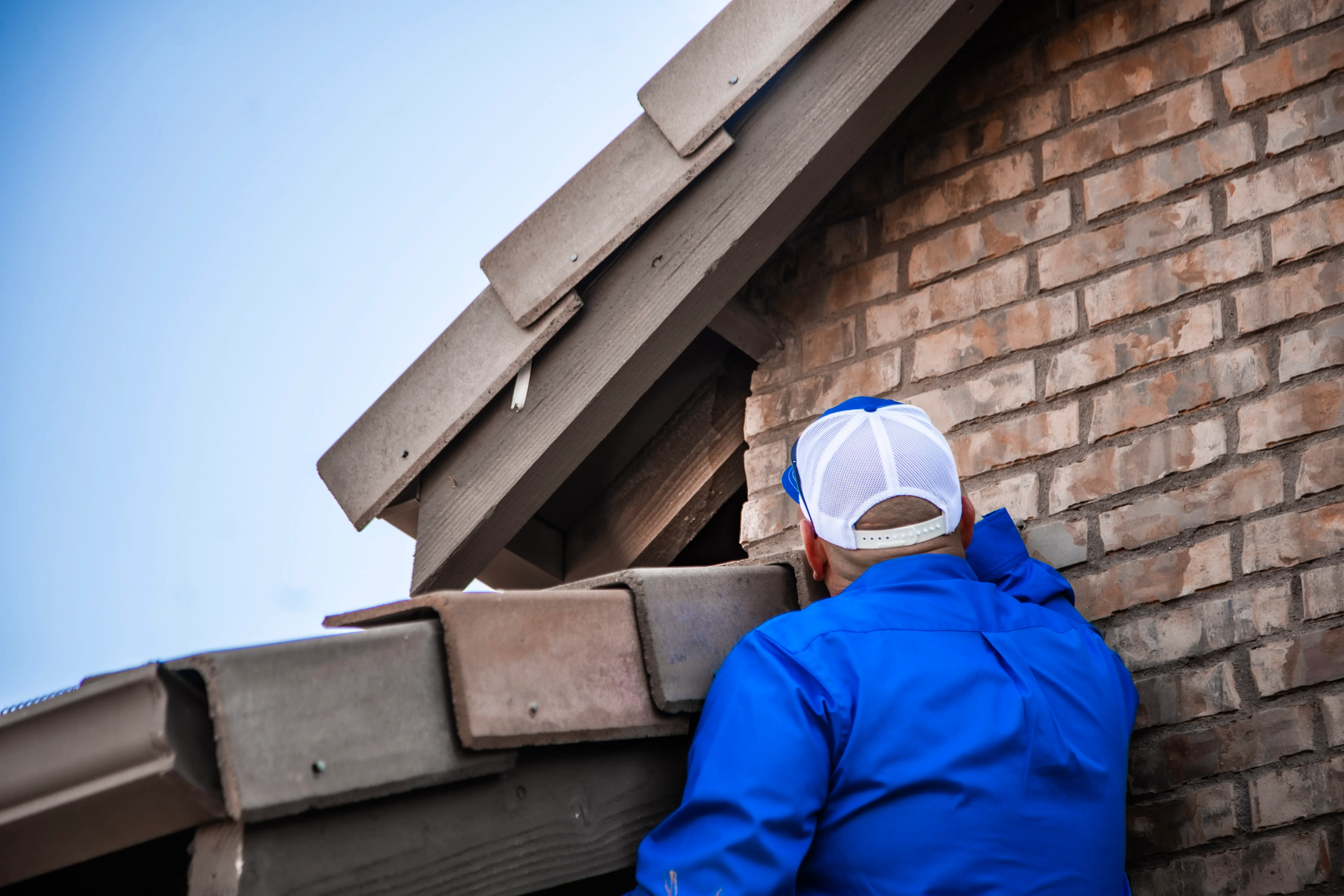
Use wire mesh screening or vent covers. Rodents can chew through soft metals and hard plastics. Cover chimney vents too.

Store Trash Properly

Keep exterior trash in sealed receptacles away from exterior walls. Trash cans are the holy grail for all pest types.

Check Foundations

Seal cracks. Check for mud tubes (subterranean termite sign). Noticing tubes before they reach your home stops damage early.

Encourage Natural Predators

Use bird feeders and bat boxes. Implement exclusion tactics so predators help with bugs but do not become pests themselves.

Apply a Pest Barrier

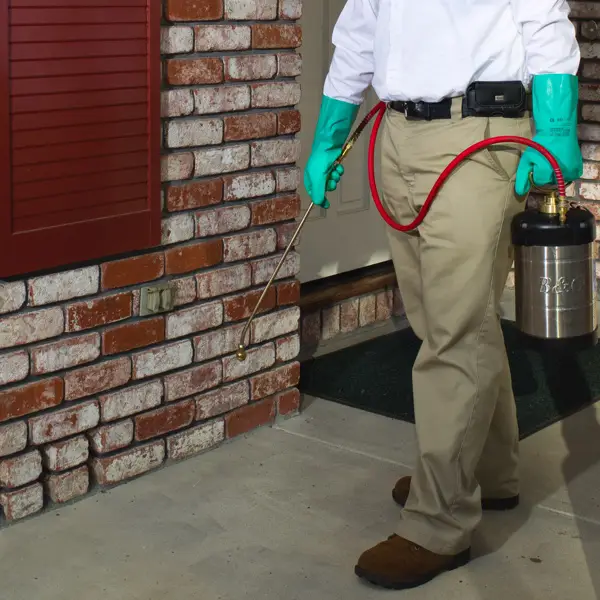
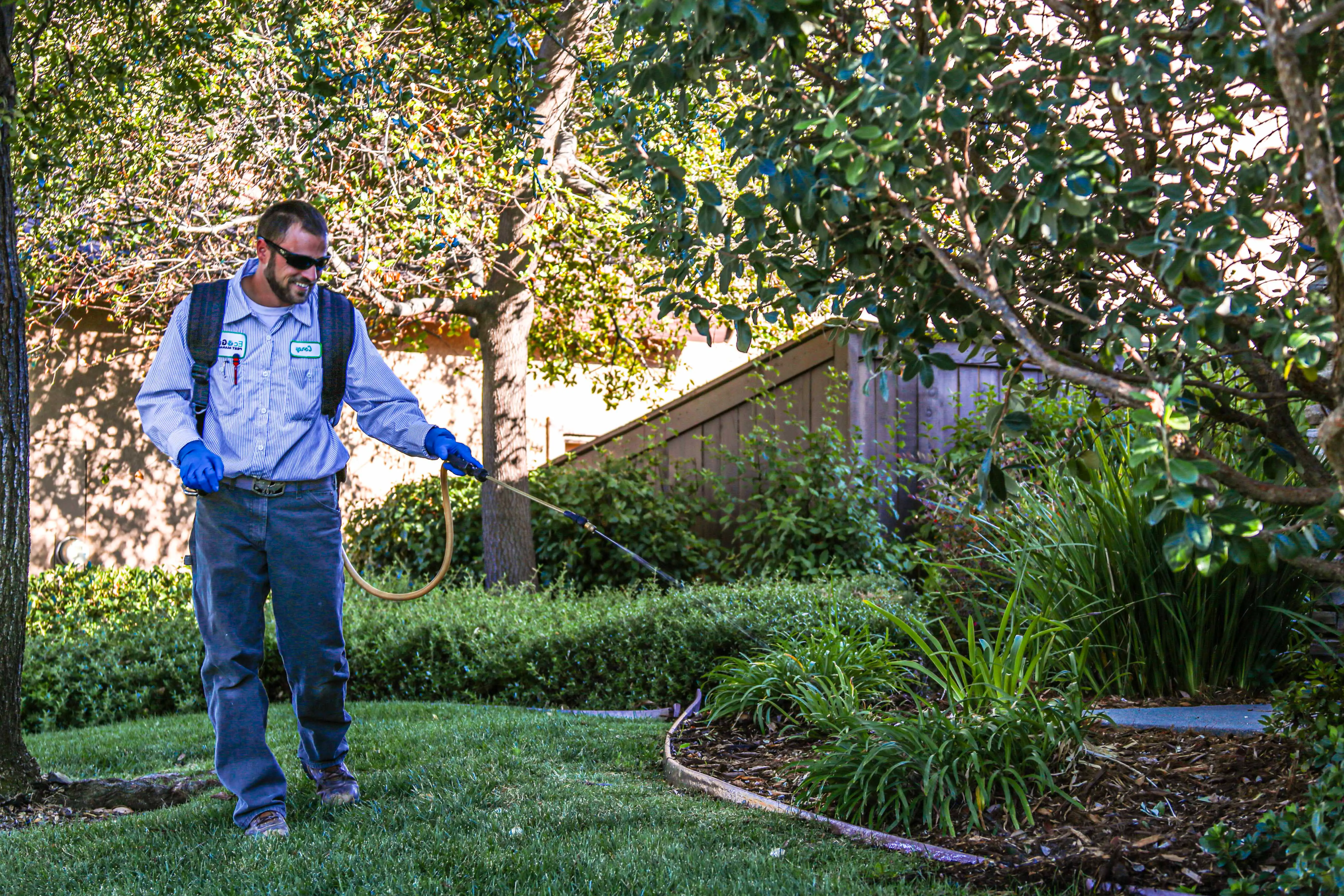
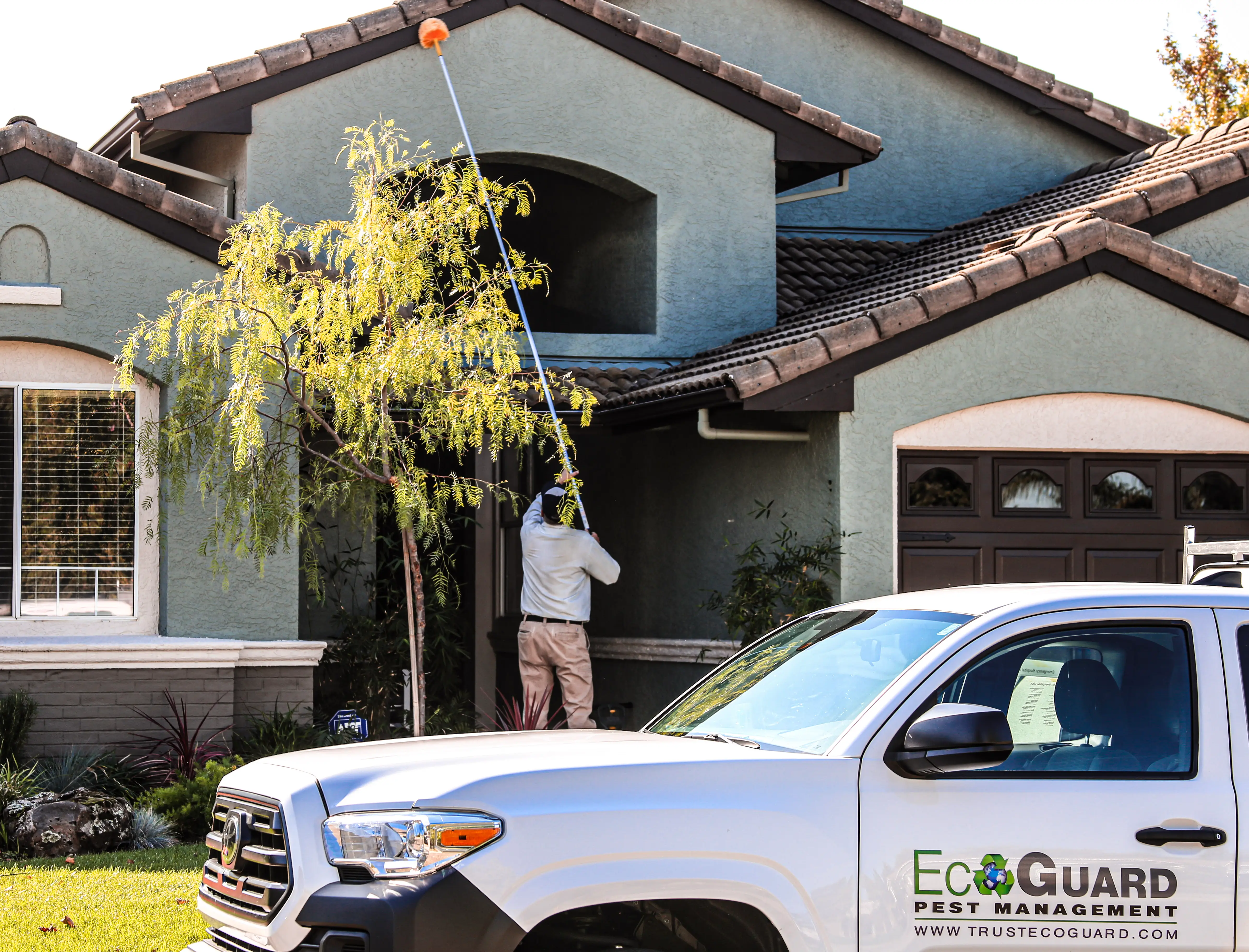
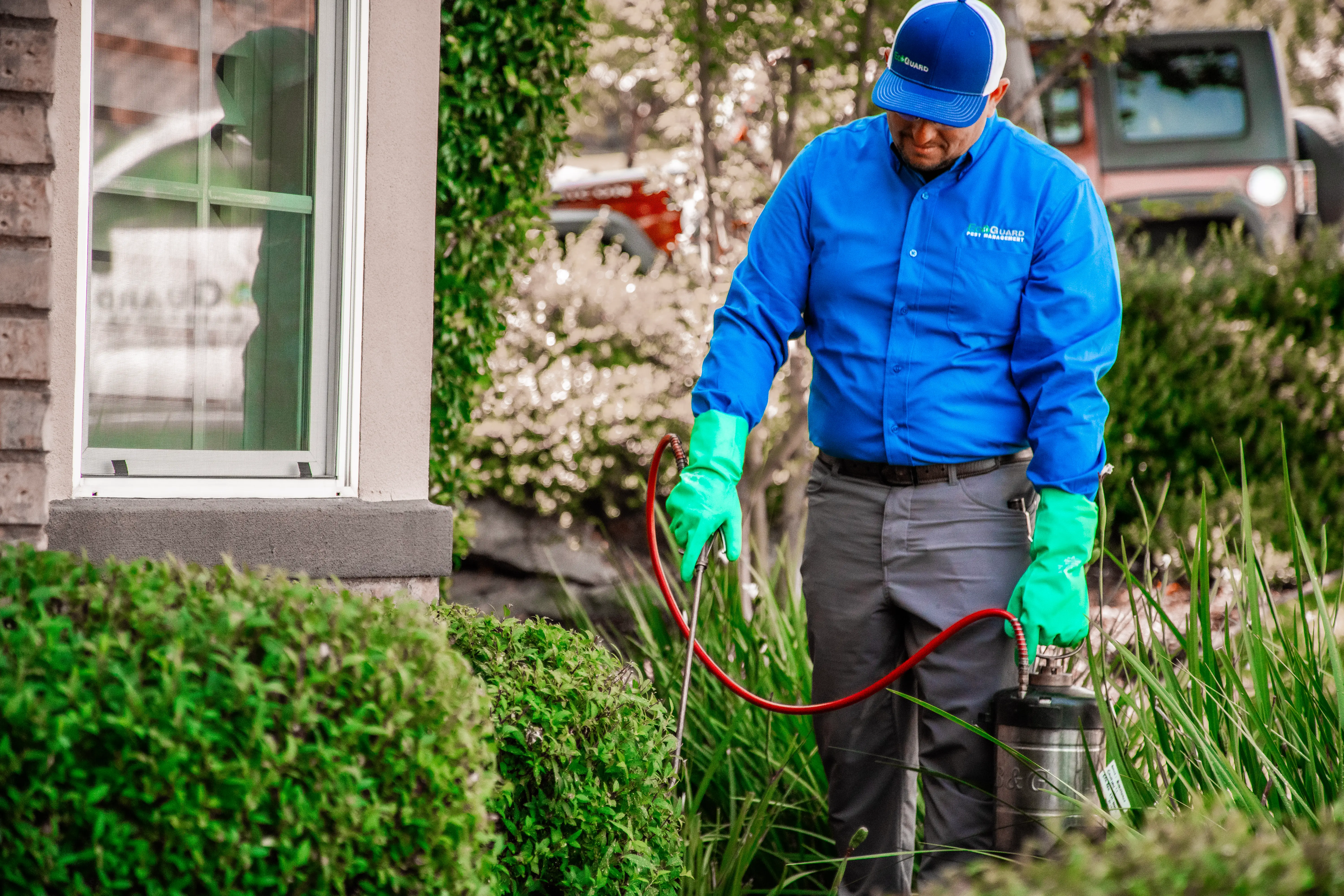
The final step: apply residual pesticide spray around the exterior perimeter. This creates a barrier that infects insects on contact, causing them to die before they can cause an infestation. Reapply semi-regularly to maintain effectiveness.

Contact EcoGuard for Extra Help

If bug proofing is still not effective and pests are becoming a problem, enlist the help of a qualified pest control team. EcoGuard Pest Management provides free pest inspections to identify problematic areas and determine the correct course of action. We use an integrated pest management approach to leverage multiple treatment options. Call today to schedule an appointment.

Call (866) 326-2847Get Free Quote

Bug Proof Your Home FAQs

What can I put around my house to keep bugs out?

An exterior perimeter application of residual pesticides can be applied around a home. This stays active after application and infects insects on contact, causing them to die.

How do you scare away bugs?

Many bugs can be deterred by removing what they need: food, water, and shelter. If these can be removed from an area, bugs are much less likely to find resources to survive.

What are some natural ways to prevent bugs?

Install plant types that discourage bugs, create an environment that encourages natural predators like birds, eliminate harborage areas, and remove food sources.

From Our Blog

Related Articles

Best Time to Spray Insecticides Around the House

Best Time to Spray Insecticides Around the House

Learn the optimal timing for spraying insecticides including best seasons, time of day, and locations. Maximize pest...

Read Article
Common Insects with a Stinger: Identification Guide

Common Insects with a Stinger: Identification Guide

Learn about common stinging insects including bees, wasps, hornets, ants, and scorpions. Identification tips, danger...

Read Article
Common Wood Eating Insects: Identification & Prevention

Common Wood Eating Insects: Identification & Prevention

Learn about wood destroying insects including termites, carpenter ants, carpenter bees, and wood boring beetles....

Read Article
Do Ultrasonic Pest Repellers Work? The Truth About These Devices

Do Ultrasonic Pest Repellers Work? The Truth About These Devices

Do ultrasonic pest repellers really work? Learn what science says about these devices, their limitations, and more...

Read Article
How Long After Pest Control Should I Wait to Go Inside?

How Long After Pest Control Should I Wait to Go Inside?

Learn how long to wait after pest control treatment before going inside. Typical wait time is 2-4 hours plus 30 minutes...

Read Article
How Much Does It Cost to Fumigate a House? 2025 Price Guide

How Much Does It Cost to Fumigate a House? 2025 Price Guide

Learn fumigation costs by square footage ($1-$4/sq ft). Average home costs $2,000-$8,000. Factors affecting price,...

Read Article
How Often Should Pest Control Be Done? Frequency Guide

How Often Should Pest Control Be Done? Frequency Guide

Learn how often pest control should be done. Homes need quarterly treatments, commercial buildings monthly. How long...

Read Article
How To Choose a Pest Control Company | Complete Guide

How To Choose a Pest Control Company | Complete Guide

Learn how to choose the right pest control company. Check licenses, reviews, qualifications, methods, guarantees, and...

Read Article
How to Do Pest Control at Home by Yourself: DIY Guide

How to Do Pest Control at Home by Yourself: DIY Guide

Learn DIY pest control methods for your home. Prevention tips, exclusion tactics, treatment options, and when to call...

Read Article
How to Prepare for an Exterminator: Complete Checklist

How to Prepare for an Exterminator: Complete Checklist

Learn how to prepare for an exterminator visit. Complete checklist for general pest control plus specific prep for...

Read Article
Is a Landlord Responsible for Pest Control? Rights & Duties

Is a Landlord Responsible for Pest Control? Rights & Duties

Learn who is responsible for pest control in rentals. Landlord duties, tenant responsibilities, lease clauses, and what...

Read Article
Top 12 Benefits of Eco-Friendly Pest Control

Top 12 Benefits of Eco-Friendly Pest Control

Discover the benefits of eco-friendly pest control including safety for humans, pets, and the environment. Learn about...

Read Article