EcoGuard Pest Management
Ultrasonic pest repeller device plugged into wall outlet
By Gary Anderson||8 min read

Do Ultrasonic Pest Repellers Work?

The science behind these popular devices and what really works for pest control.

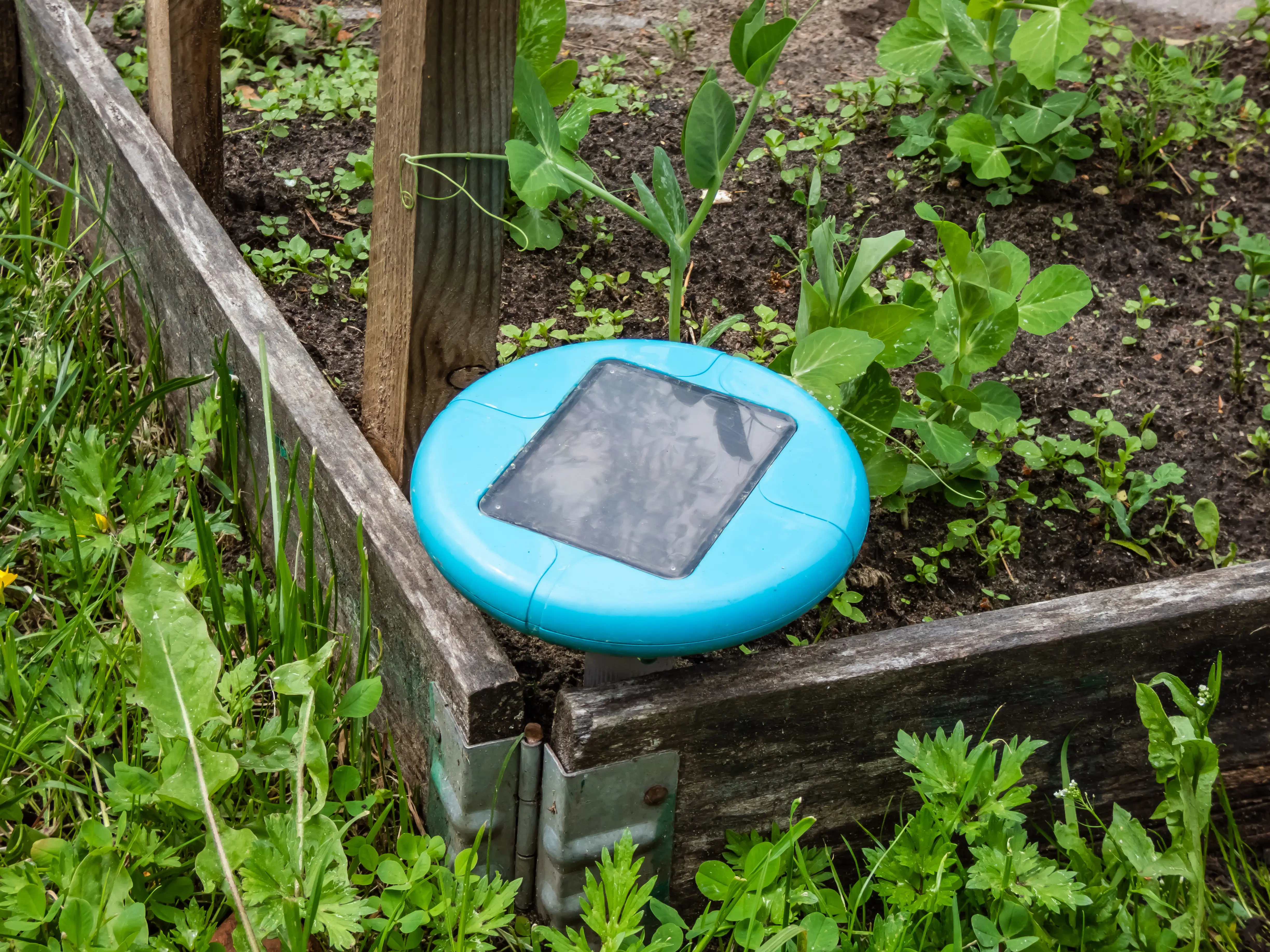
In the quest for effective and humane pest control solutions, ultrasonic pest repellers have emerged as a potential answer. These devices emit high-frequency sound waves inaudible to humans and most pets, claiming to deter pests without chemicals or physical harm.

However, the efficacy of ultrasonic pest deterrent devices has been a topic of ongoing scientific scrutiny. Despite their popularity, scientific studies and expert opinions have cast doubt on their ability to consistently repel or control pests. The Federal Trade Commission (FTC) has even taken action against manufacturers for making unsubstantiated claims.

The Bottom Line

Scientific evidence does not support the effectiveness of ultrasonic pest repellers. Multiple studies from Kansas State University, University of Arizona, and other institutions have shown limited to no impact on common household pests.

Key Facts

FTC Action
Warnings issued for false claims
Frequency Range
20,000 Hz to 65,000+ Hz
Price Range
$10 to nearly $100

What Are Ultrasonic Pest Repellers?

Ultrasonic pest repellers are electronic devices designed to combat pest infestations without the use of chemicals or physical traps. These compact units are typically plugged into standard electrical outlets and operate by emitting high-frequency sound waves that are imperceptible to the human ear.

The sounds produced by these devices generally range from 20,000 Hz to over 65,000 Hz, well above the auditory threshold of most people. Some newer models, known as subsonic pest repellers, work on the opposite end of the spectrum, generating frequencies below 20 Hz.

Pests They Claim to Target:

Rats and miceCockroachesMosquitoesBed bugsFliesFleas and ticksSpidersTermites

How Do Ultrasonic Pest Repellers Claim to Work?

Ultrasonic pest repellers claim to function by creating an acoustically hostile environment for pests through the emission of high-frequency sound waves. Manufacturers assert these sounds are disruptive and uncomfortable for various pests.

Claimed Mechanism

The underlying principle suggests that sound waves cause physiological distress in pests, potentially triggering responses from disorientation to more severe reactions.

Claimed Effects

Proponents argue the constant sonic barrage makes it difficult for pests to communicate, locate food, or establish nests, compelling them to leave.

Reality Check

The effectiveness of these claims is heavily contested, and the actual impact on different pest species may vary significantly or be nonexistent.

Do Ultrasonic Pest Repellers Really Work?

Despite widespread marketing claims and consumer interest, the effectiveness of ultrasonic pest repellers remains highly questionable. Numerous scientific studies conducted over the past several decades have consistently failed to demonstrate significant or lasting pest control benefits from these devices.

Scientific Research Findings

  • Research from Kansas State University, University of Arizona, and Northern Arizona University showed limited to no impact on common household pests
  • Some studies observed initial aversion in certain pests, but this effect is typically short-lived as creatures quickly adapt
  • A 2010 study from Brazil found that some mosquito repellent devices actually increased bite rates
  • The Federal Trade Commission (FTC) has taken action against manufacturers for unsubstantiated claims

Why Positive Reviews? Factors such as placebo effect, coincidental pest reduction, pre-existing pest control measures, and potentially fraudulent reviews may contribute to perceived success in some households.

Ready for Pest Control That Actually Works?

Our science-based methods are proven to eliminate pests. No gimmicks, just results.

Call (866) 326-2847

Are Ultrasonic Pest Repellers Safe?

For Humans

Generally considered safe due to their non-toxic, non-chemical approach. The high-frequency sound waves are typically beyond the range of human hearing. However, long-term exposure effects have not been thoroughly studied.

For Pets

The safety for pets is debated. Cats can detect frequencies up to 60 kHz, dogs up to 40 kHz, and small pets like hamsters and guinea pigs can hear even higher. Monitor pets for behavior changes and consult a veterinarian before use.

Better Pest Control Options

The Environmental Protection Agency (EPA) recommends starting with baits as a first line of defense, followed by chemical pesticides if necessary. For severe infestations, professional pest control is often the most efficient solution.

Traps and Baits

Effective for reducing pest populations with regular monitoring. Various options available for different pest types.

Exclusion Methods

Preventative measures such as screens, chimney caps, and sealing entry points to keep pests out.

Property Maintenance

Regular cleaning and decluttering to remove food sources and hiding spots that attract pests.

Professional Pest Control

Science-based solutions tailored to specific pest issues with long-lasting results.

The Advantages of Professional Pest Control

Professional pest control offers numerous advantages over DIY methods, especially when dealing with persistent or severe infestations:

Targeted Treatments

Accurate pest identification and customized treatment plans using proven methods and professional-grade products.

Comprehensive Elimination

Addresses all stages of the pest life cycle including eggs, larvae, and nests for complete eradication.

Prevention and Exclusion

Experts identify and seal entry points to prevent future infestations through methods like caulking and door sweeps.

Safety and Compliance

Trained in safe handling and application of pesticides, ensuring treatments are applied correctly and safely.

Long-Term Cost Effectiveness

While initially more expensive, professional pest control often provides more lasting results, saving money over time.

Time Saving

Saves time and effort that would otherwise be spent researching, purchasing, and applying various methods.

How to Prevent Pests

Instead of relying on unproven methods like ultrasonic repellers, implementing a comprehensive pest prevention strategy can significantly reduce the likelihood of infestations:

Minimize Food Availability

Maintain a spotless home, use sealed containers for food storage, and immediately clean up any food debris or spills. Include pet food and dirty dishes.

Seal Entry Points

Caulk cracks, seal gaps around pipes and wires, ensure doors and windows fit tightly. Install protective screening on vents.

Remove Safe Harbors

Move rock or stick piles away from the house, trim bushes to prevent ground contact, and thin dense vegetation.

Control Moisture

Fix leaks, improve drainage, and reduce humidity in damp areas like basements and crawl spaces. Many pests are attracted to moisture.

Contact EcoGuard Pest Management

If you are dealing with persistent pest problems or seeking professional advice on effective pest control strategies, reach out to EcoGuard Pest Management. Our team is equipped with the latest industry knowledge and eco-friendly solutions to address your specific pest concerns with tailored, long-lasting solutions.

Call (866) 326-2847Get Free Quote

Ultrasonic Pest Repeller FAQs

Do ultrasonic pest repellers actually work?

Despite widespread marketing claims, scientific evidence does not support the effectiveness of ultrasonic pest repellers. Numerous studies conducted by reputable institutions have consistently shown that these devices have little to no significant impact on pest behavior or infestations in real-world settings. While some users report initial success, this is often short-lived as pests quickly adapt to the ultrasonic frequencies, which renders the devices ineffective.

Do ultrasonic devices really get rid of mice?

Ultrasonic devices have not been proven to effectively get rid of mice in scientific studies. While mice can hear the high-frequency sounds emitted by these devices, research indicates that they quickly become accustomed to the noise and continue their activities undeterred. For reliable mouse control, traditional methods such as traps, sealing entry points, and professional pest control services are generally more effective.

How to tell if an ultrasonic pest repeller is working?

Determining if an ultrasonic pest repeller is working can be challenging due to the lack of clear, observable effects. The most reliable indicator would be a noticeable decrease in pest activity or sightings in the area where the device is installed. However, given the scientific evidence questioning their effectiveness, any perceived reduction in pests may be coincidental or due to other factors, making it difficult to attribute results directly to the ultrasonic device.

Do ultrasonic devices really repel roaches?

Scientific studies have not provided consistent evidence that ultrasonic devices effectively repel cockroaches. While some manufacturers claim their products deter roaches, research has shown that these insects quickly habituate to the high-frequency sounds, making the devices ineffective over time. For reliable cockroach control, experts recommend a combination of sanitation measures, sealing entry points, and targeted pest control methods rather than relying on ultrasonic repellers.

From Our Blog

Related Articles

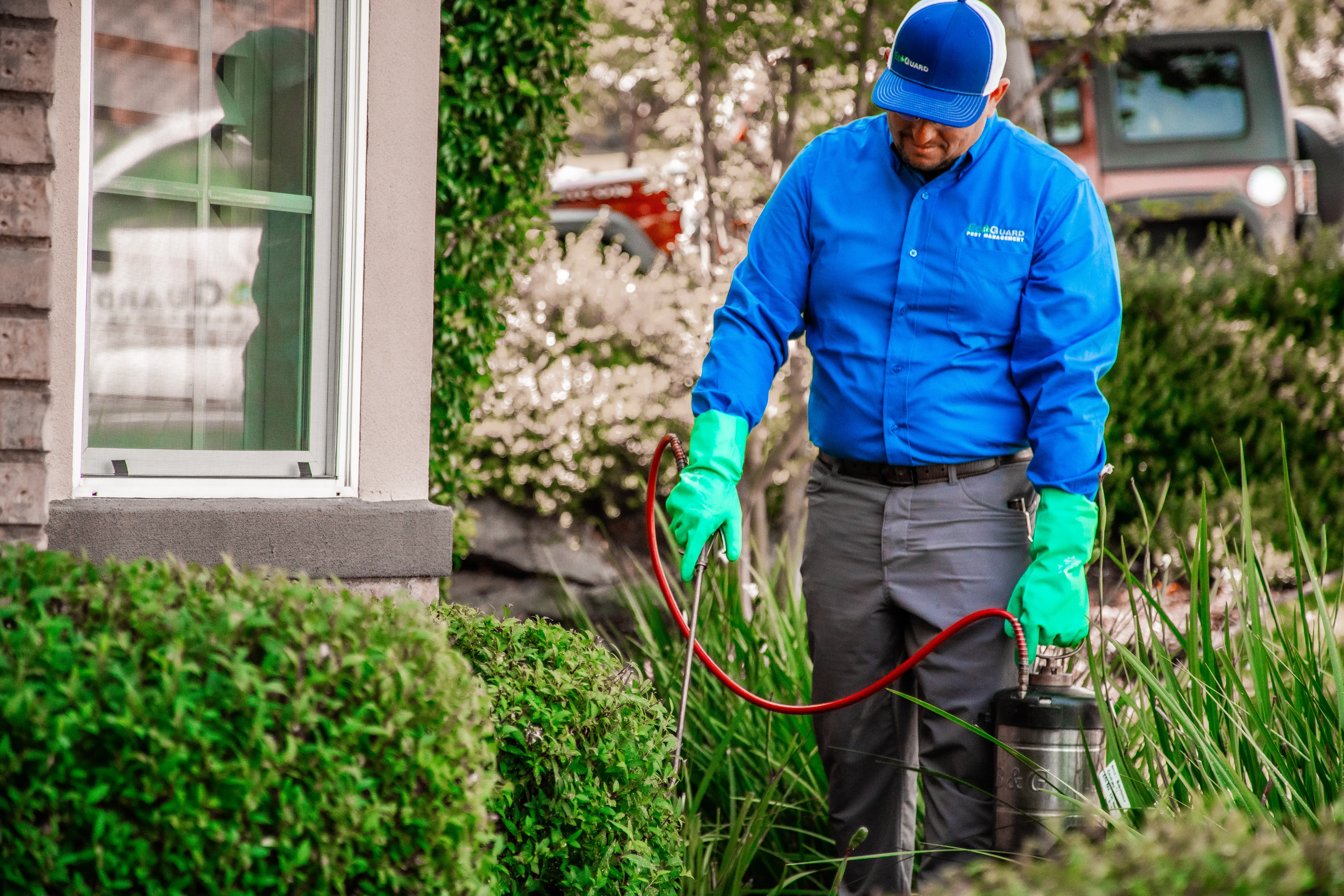
Best Time to Spray Insecticides Around the House

Best Time to Spray Insecticides Around the House

Learn the optimal timing for spraying insecticides including best seasons, time of day, and locations. Maximize pest...

Read Article
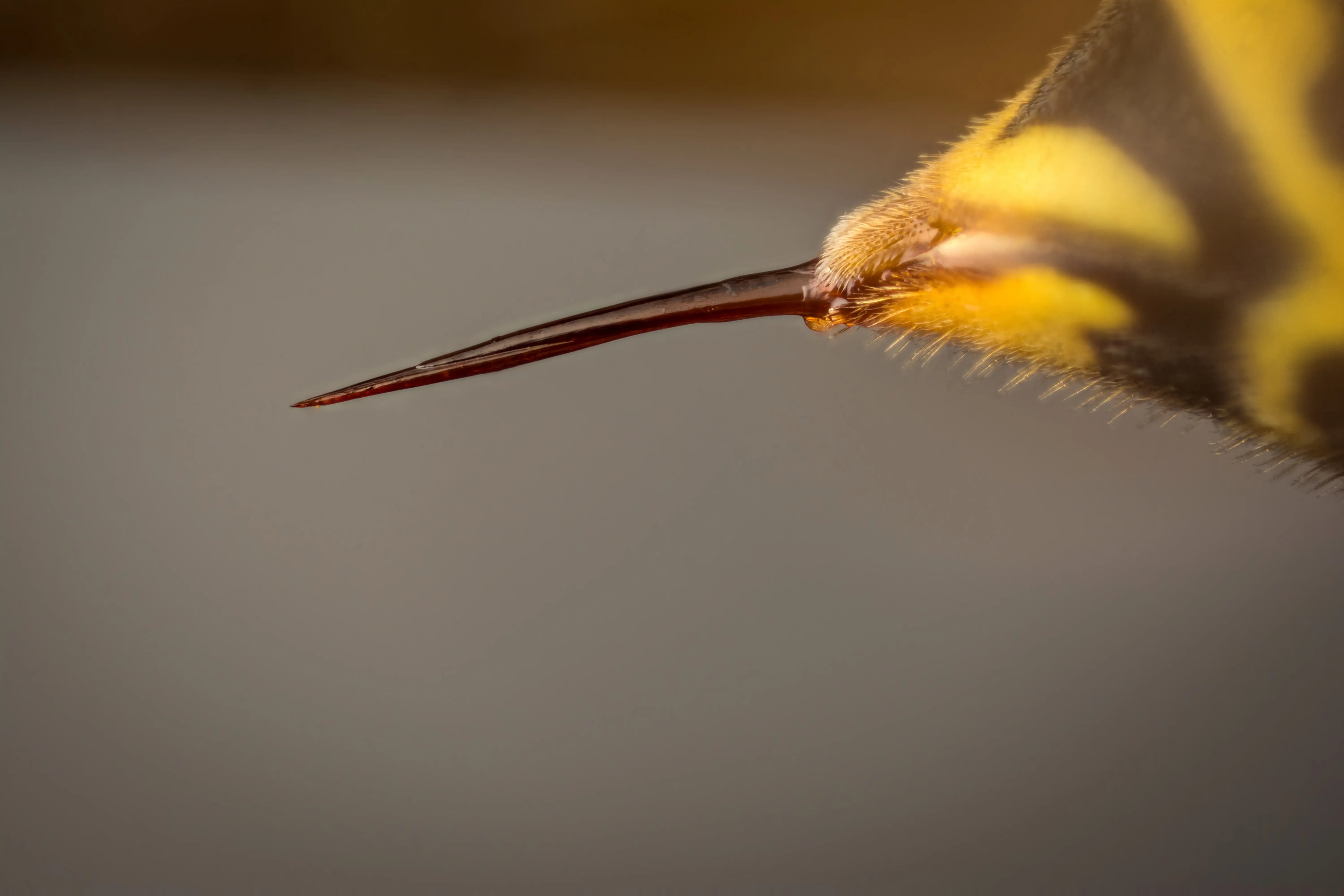
Common Insects with a Stinger: Identification Guide

Common Insects with a Stinger: Identification Guide

Learn about common stinging insects including bees, wasps, hornets, ants, and scorpions. Identification tips, danger...

Read Article
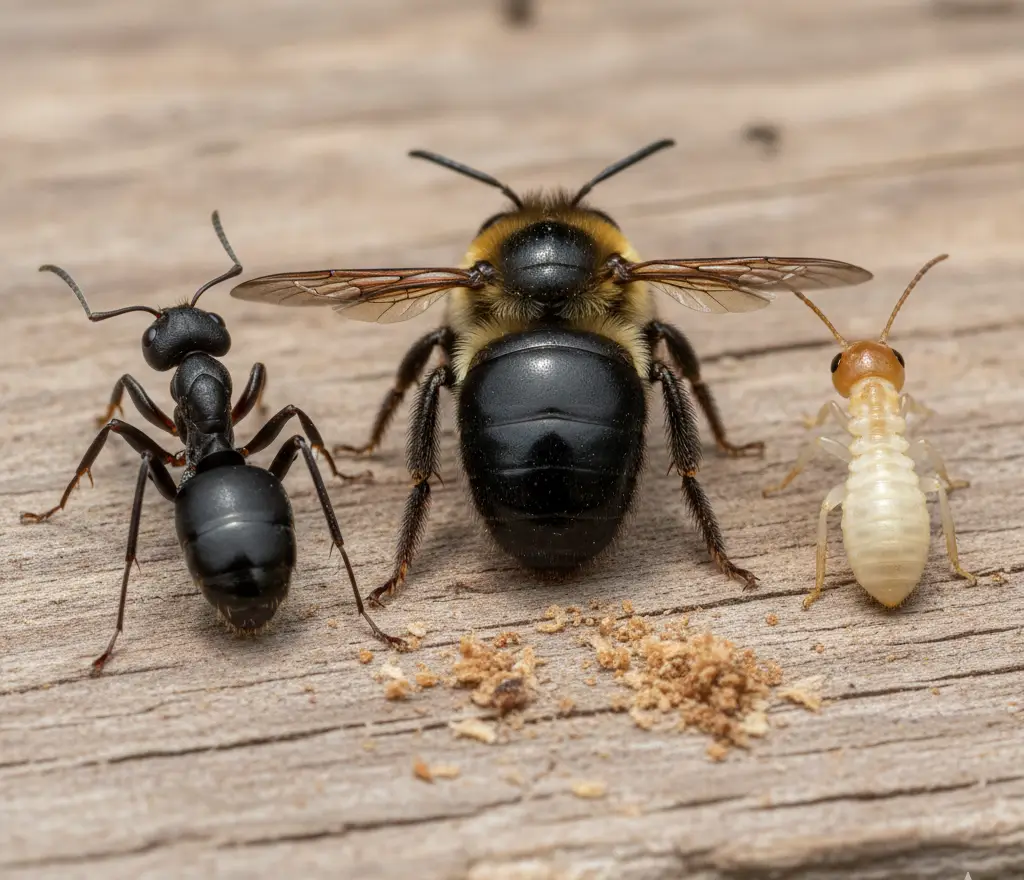
Common Wood Eating Insects: Identification & Prevention

Common Wood Eating Insects: Identification & Prevention

Learn about wood destroying insects including termites, carpenter ants, carpenter bees, and wood boring beetles....

Read Article
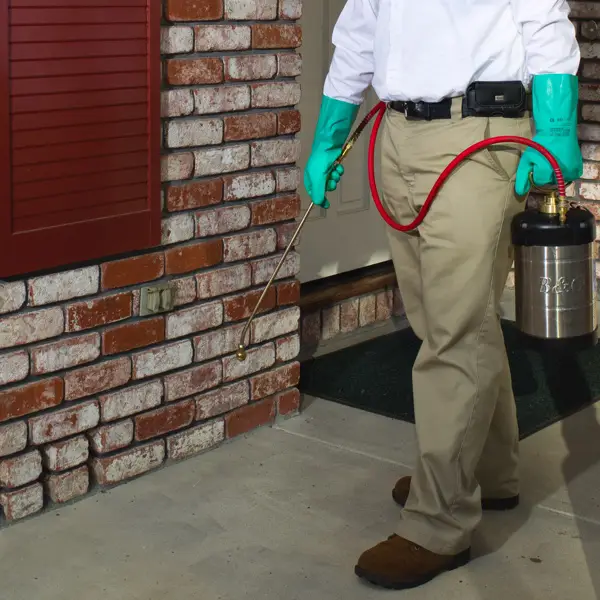
How Long After Pest Control Should I Wait to Go Inside?

How Long After Pest Control Should I Wait to Go Inside?

Learn how long to wait after pest control treatment before going inside. Typical wait time is 2-4 hours plus 30 minutes...

Read Article
How Much Does It Cost to Fumigate a House? 2025 Price Guide

How Much Does It Cost to Fumigate a House? 2025 Price Guide

Learn fumigation costs by square footage ($1-$4/sq ft). Average home costs $2,000-$8,000. Factors affecting price,...

Read Article
How Often Should Pest Control Be Done? Frequency Guide

How Often Should Pest Control Be Done? Frequency Guide

Learn how often pest control should be done. Homes need quarterly treatments, commercial buildings monthly. How long...

Read Article
How to Bug Proof Your Home or Apartment: Complete Guide

How to Bug Proof Your Home or Apartment: Complete Guide

Learn how to bug proof your home with our indoor and outdoor checklists. Seal entry points, remove attractants, and...

Read Article
How To Choose a Pest Control Company | Complete Guide

How To Choose a Pest Control Company | Complete Guide

Learn how to choose the right pest control company. Check licenses, reviews, qualifications, methods, guarantees, and...

Read Article
How to Do Pest Control at Home by Yourself: DIY Guide

How to Do Pest Control at Home by Yourself: DIY Guide

Learn DIY pest control methods for your home. Prevention tips, exclusion tactics, treatment options, and when to call...

Read Article
How to Prepare for an Exterminator: Complete Checklist

How to Prepare for an Exterminator: Complete Checklist

Learn how to prepare for an exterminator visit. Complete checklist for general pest control plus specific prep for...

Read Article
Is a Landlord Responsible for Pest Control? Rights & Duties

Is a Landlord Responsible for Pest Control? Rights & Duties

Learn who is responsible for pest control in rentals. Landlord duties, tenant responsibilities, lease clauses, and what...

Read Article
Top 12 Benefits of Eco-Friendly Pest Control

Top 12 Benefits of Eco-Friendly Pest Control

Discover the benefits of eco-friendly pest control including safety for humans, pets, and the environment. Learn about...

Read Article