Repelling wasps effectively requires a combination of scientifically backed deterrents, strategic environmental modifications, and prevention techniques that address the root causes of wasp attraction. While many popular home remedies lack rigorous scientific support, research has identified several essential oils and natural compounds that demonstrate genuine repellent properties against social wasps. The most effective approach combines proven essential oil applications with habitat modifications and preventive measures that eliminate the factors drawing wasps to your property in the first place.
In This Article:
- Understanding Wasp Behavior and Attraction
- How to Repel Wasps Using Natural Methods
- Household Item Natural Wasp Repellent Solutions
- How to Repel Wasps Naturally with DIY Sprays
- Wasp Deterrent Plants for Natural Protection
- Natural Wasp Trap Methods
- Environmental Modifications to Repel Wasps Naturally
- What Smells Do Wasps Hate
- Seasonal Natural Wasp Control Strategies
- Do Advanced Natural Wasp Control Methods Work?
- Safety Considerations and Limitations
- Common Mistakes to Avoid
- Professional Wasp Management Services
- Creating a Comprehensive Natural Wasp Management Plan
- Wasp Repellent FAQs
Understanding Wasp Behavior and Attraction
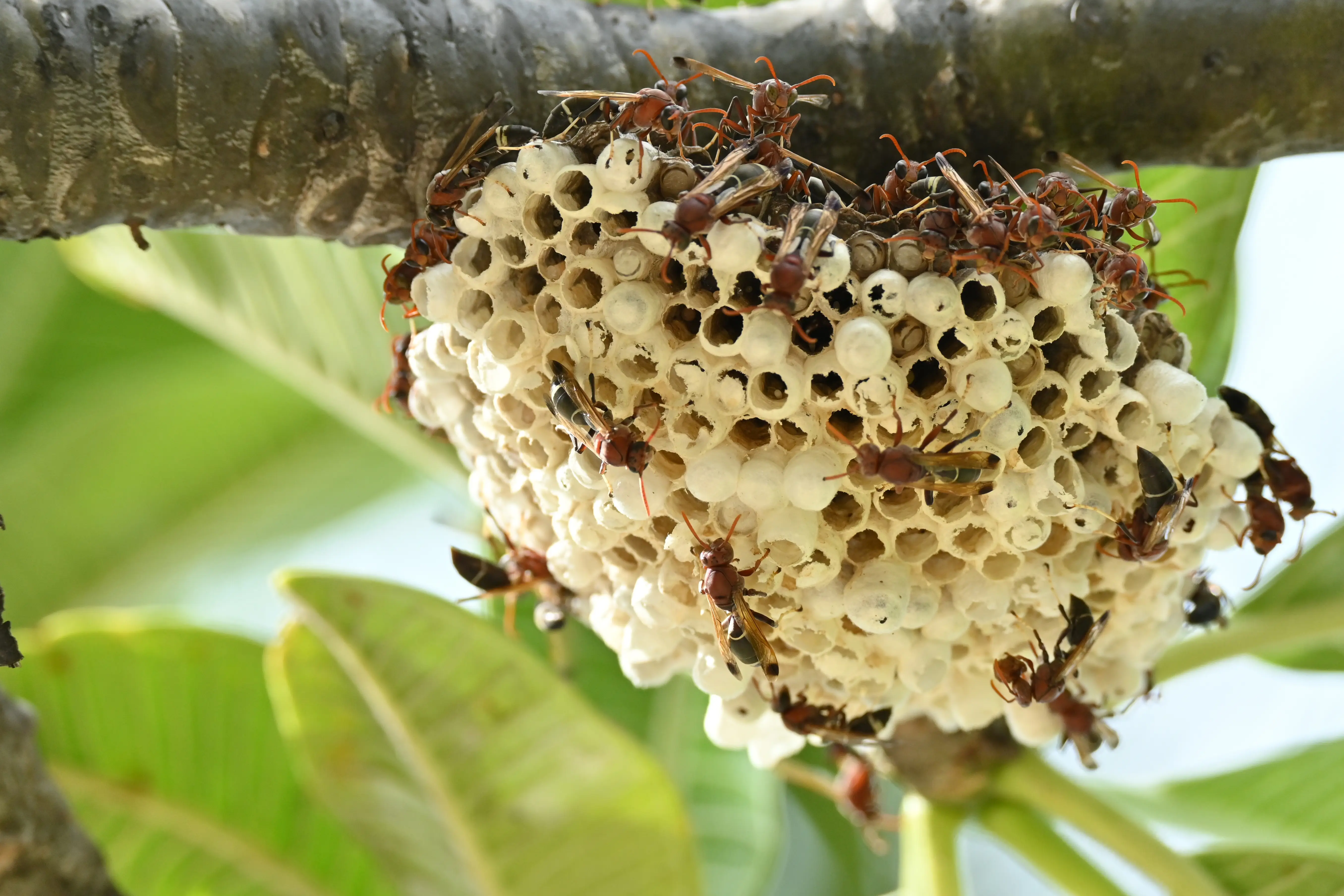
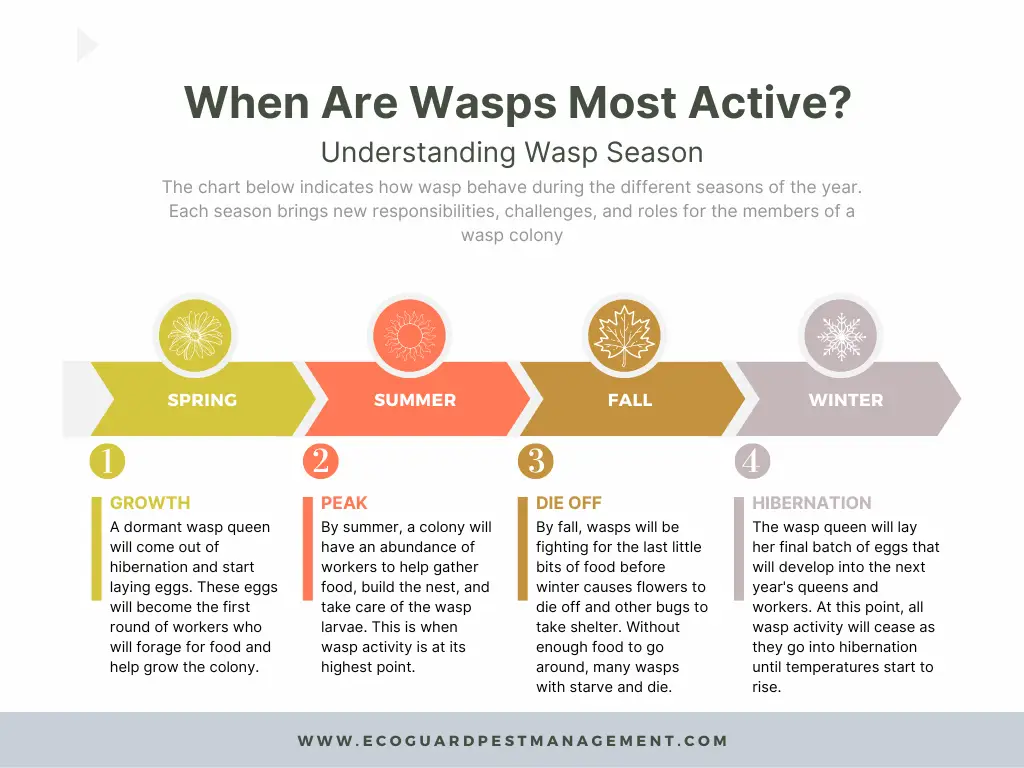
Wasps follow predictable seasonal patterns that determine their behavior and aggression levels. In spring, newly emerged queens search for suitable nesting sites and protein sources to feed developing larvae. During summer months, established colonies peak in population, with worker wasps actively foraging for both protein and carbohydrates. Late summer and fall represent the most aggressive period as colonies begin to decline and workers become more desperate for sugary food sources.
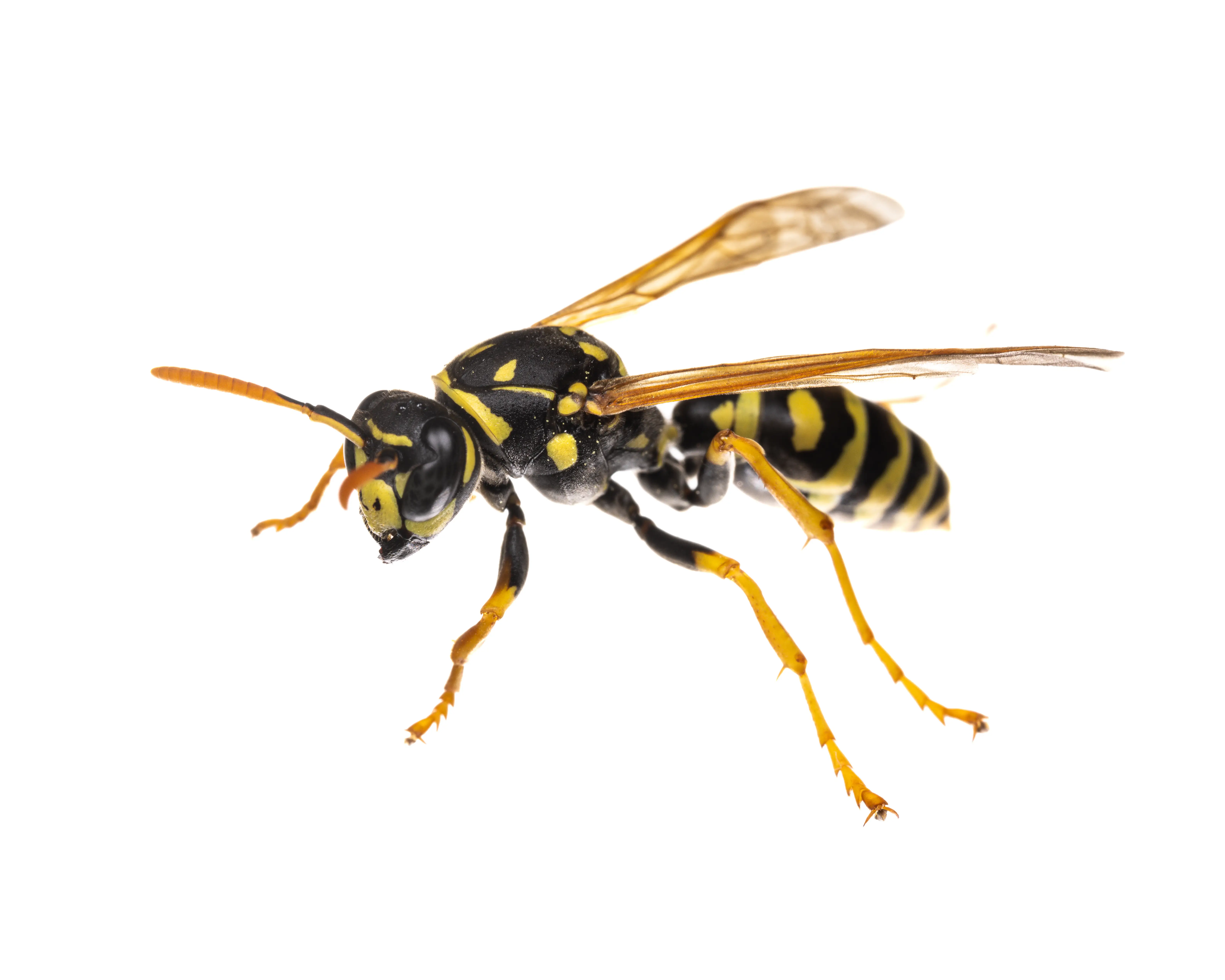
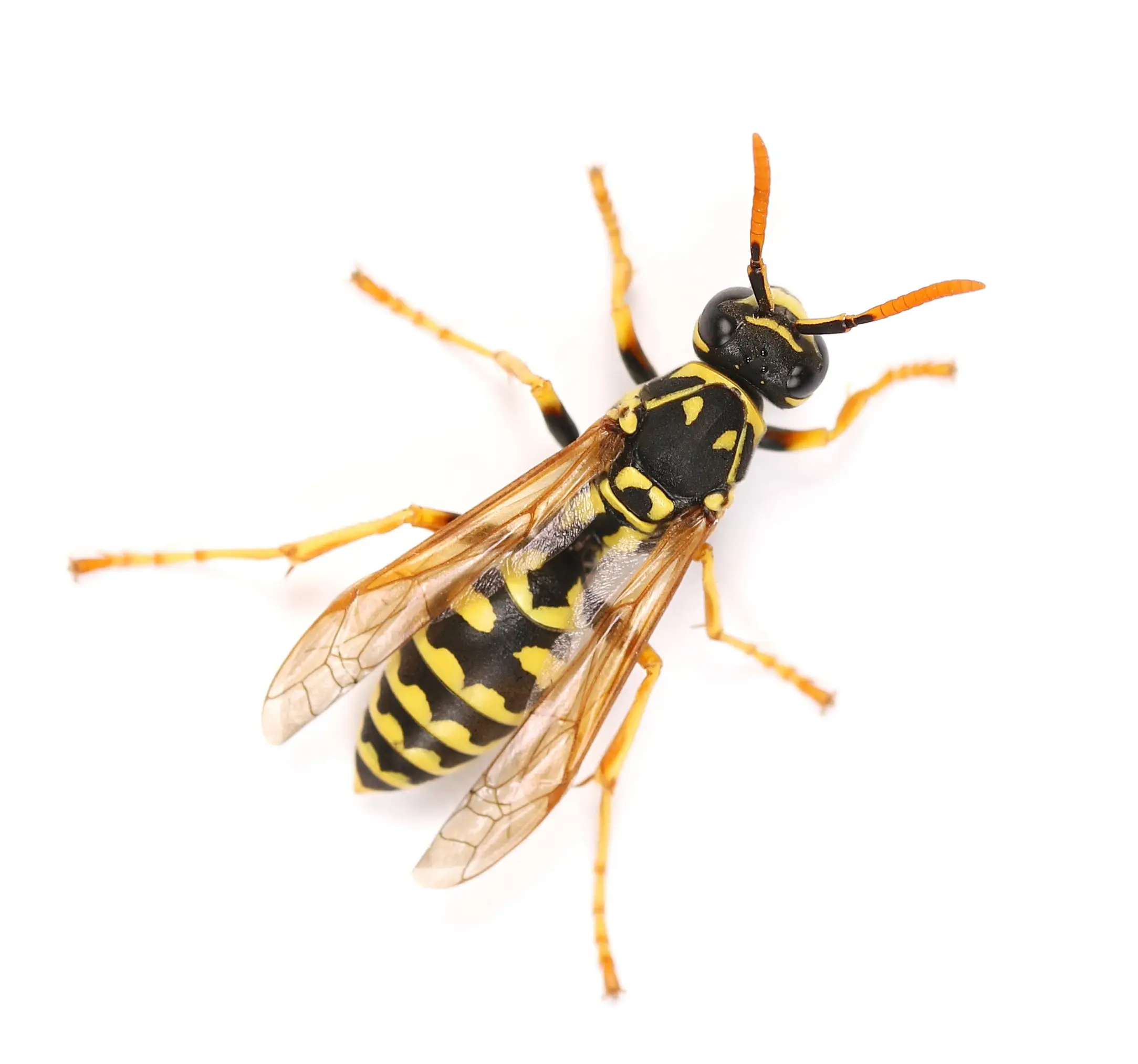
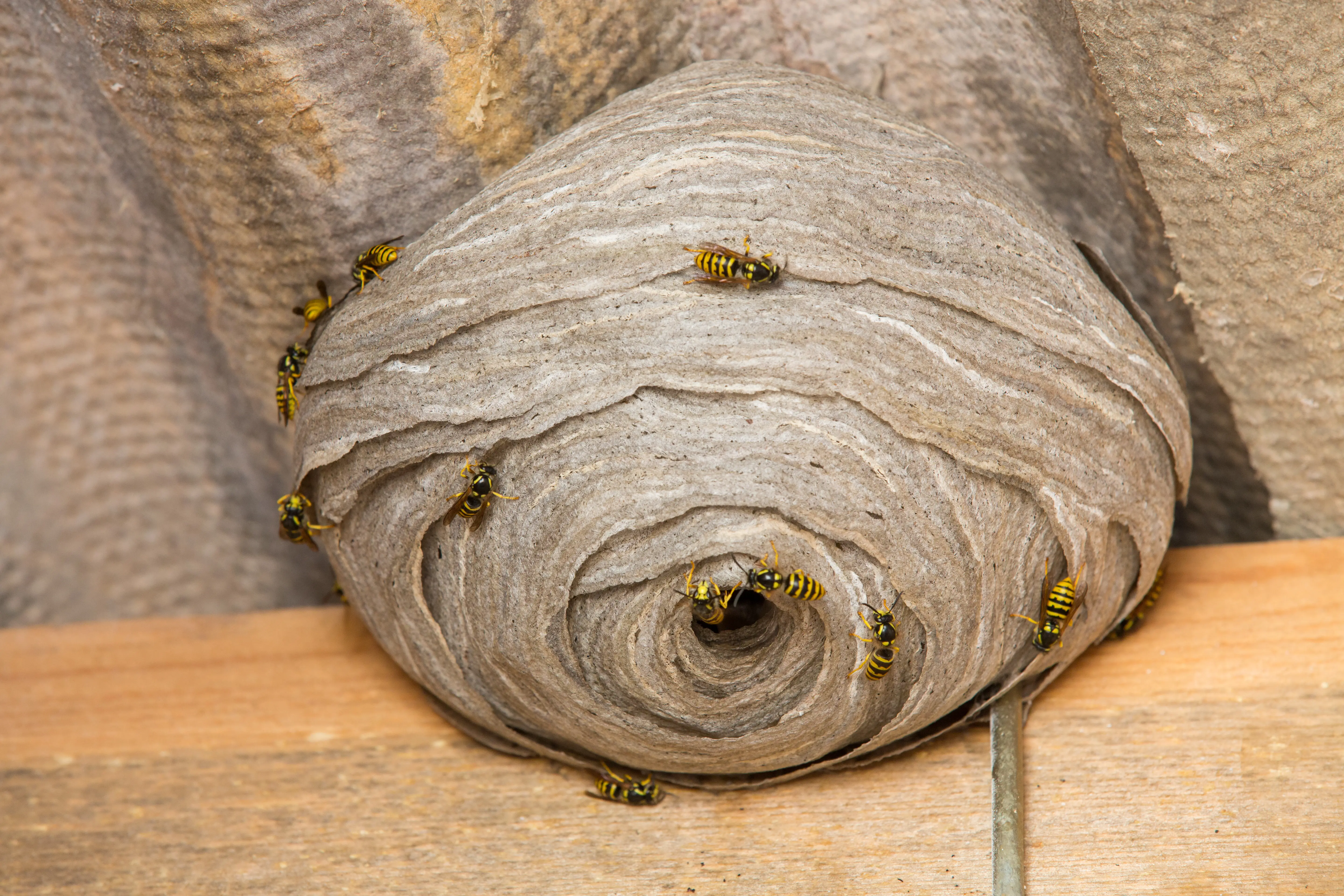
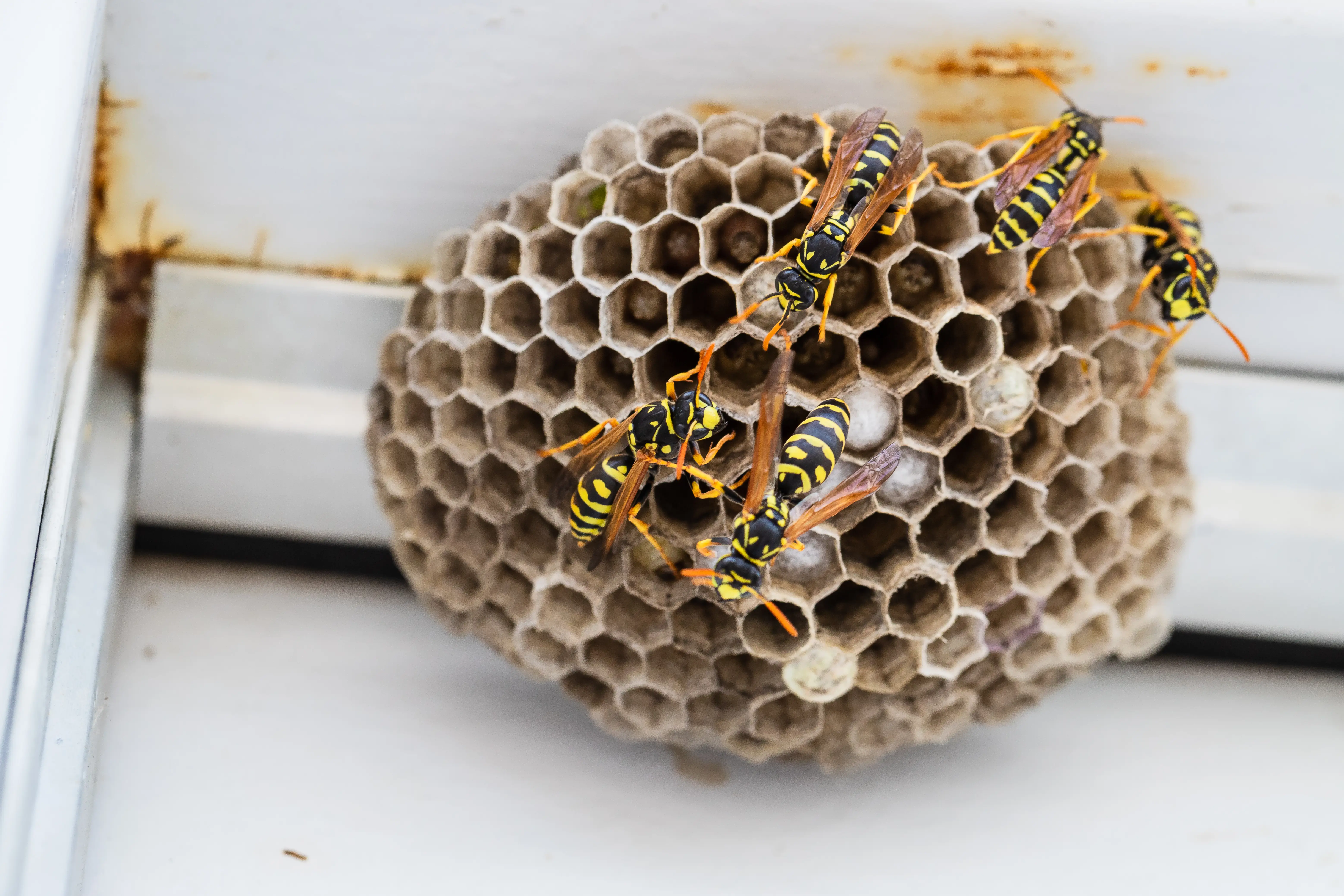
Social wasps like yellow jackets and paper wasps are attracted to three primary factors: food sources (especially proteins and sugars), water sources, and suitable nesting locations. Understanding these attraction patterns is crucial because effective wasp control must address these underlying draws rather than simply applying temporary deterrents.
Different wasp species exhibit varying levels of territorial behavior. Paper wasps tend to be more territorial and less likely to build nests near existing colonies, while yellow jackets are ground-nesting species that show less territorial avoidance. This distinction matters significantly when evaluating the effectiveness of various deterrent strategies.
Need Help with Wasps?
Our experts can safely remove wasp nests and prevent future infestations.
✓ Same-day service available
✓ Licensed & insured
✓ Guaranteed results
✓ Free estimates
Related Pests
How to Repel Wasps Using Natural Methods
Essential Oil Based Natural Wasp Repellent
Scientific research has validated the effectiveness of specific essential oils as wasp deterrents. A comprehensive 2013 study published in Pest Management Science tested 21 essential oils against various wasp species, identifying the most effective compounds through controlled field trials.
💡 EcoGuard Experience
Our technicians consistently report that clove oil applications produce the most dramatic immediate results among natural repellents. We've used clove-based sprays successfully for outdoor wedding venues and restaurant patios where wasp activity was disrupting business operations. However, we've learned that application timing is critical. Clove oil works best when applied during early morning hours before wasps begin foraging, typically between 6-8 AM. One memorable case involved a family barbecue where we applied clove oil spray to deck railings and outdoor furniture two hours before the event, resulting in virtually no wasp activity during a four-hour gathering that had been plagued by wasps the previous weekend.
Household Item Natural Wasp Repellent Solutions
Many commonly suggested household remedies lack scientific validation, and it's important to understand their limitations:
How to Repel Wasps Naturally with DIY Sprays
Research-backed essential oil sprays require proper preparation and application for maximum effectiveness. The most effective formulation combines multiple proven oils:
🧪 Scientifically Supported Blend Recipe
- 2 ounces water
- 10-15 drops clove essential oil
- 10-15 drops lemongrass essential oil
- 5-10 drops geranium essential oil
- 1/4 teaspoon dish soap as emulsifier
- Optional: 2-3 drops rosemary oil for additional deterrent properties
Mix ingredients in a spray bottle and shake vigorously before each use. Apply to areas where wasps frequently appear, focusing on potential nesting sites under eaves, around outdoor furniture, and near entry points to your home.
The 2013 Pest Management Science study found that combining clove, geranium, and lemongrass oils in equal parts created synergistic effects that were more powerful than individual oils alone [10]. Laboratory testing showed these combinations completely blocked wasp attraction to meat baits and chemical attractants.
Wasp Deterrent Plants for Natural Protection
Scientific evidence supporting plant-based wasp deterrents is largely anecdotal, but certain plants contain compounds similar to those found in effective essential oils. However, studies focused specifically on most plant varieties and their wasp-repelling capabilities are limited or inconclusive.
Natural Wasp Trap Methods
Effective wasp traps use attractants rather than repellents, serving to reduce local wasp populations rather than deterring them from specific areas. Scientific research supports certain bait formulations:
🪤 Effective Trap Design
- Cut a 2-liter plastic bottle approximately one-third from the top
- Invert the top portion to create a funnel leading into the lower container
- Secure with tape, ensuring the inverted spout doesn't touch the bottom
Natural Trap Bait Options
Research indicates that effective baits change based on seasonal wasp nutritional needs:
Environmental Modifications to Repel Wasps Naturally
Outdoor Dining Protection
Prevention through environmental management proves more effective than most deterrent sprays:
💡 EcoGuard Experience
Our most successful long-term wasp management involves helping families understand that even minor food residues can attract wasps from considerable distances. We've traced severe wasp activity to seemingly insignificant sources like sticky residue on outdoor table surfaces from spilled sodas, or crumbs trapped in deck board crevices from previous meals. The difference between properties with minimal wasp activity and those with persistent problems often comes down to immediate cleanup protocols. Families who adopt the "clean as you go" approach during outdoor dining typically see 60-70% reduction in wasp encounters.
Property Management for Natural Wasp Control
Clothing and Personal Protection
Color and scent choices significantly impact wasp encounters:
What Smells Do Wasps Hate
Based on scientific research, wasps show documented avoidance responses to specific compounds:
✅ Scientifically Validated Deterrent Scents
- Eugenol (from clove oil)
- Menthol (from mint oils)
- Citral (from lemongrass)
- Terpinen-4-ol and isopulegol (found in various essential oils)
⌠Unproven but Commonly Cited Scents
- Vinegar (actually attracts wasps in trap studies)
- Cinnamon (lacks research validation)
- Garlic (no scientific support)
- Coffee grounds (anecdotal only)
The concentration and application method significantly affect any deterrent scent's effectiveness. Most natural scents require frequent reapplication and work only within limited ranges.
Seasonal Natural Wasp Control Strategies
🌱 Spring Prevention Focus
Spring represents the optimal time for wasp prevention as queen wasps emerge from winter hibernation and begin establishing new colonies. Focus efforts on early monitoring through thorough property inspections of eaves, attics, and garden structures where queens typically start nest construction. Apply essential oil-based deterrent sprays containing peppermint or eucalyptus to potential nesting sites before colonies become established, and deploy protein-based traps positioned away from human activity areas to capture founding queens before they can reproduce.
☀ Summer Management
Summer brings peak wasp colony activity as populations reach their largest size and require substantial food resources to maintain growing numbers. Environmental management becomes critical during this period, focusing on eliminating food sources like exposed garbage, pet food, and sugary drinks while conducting weekly monitoring for new nest development. Professional assessment should be considered if multiple nests appear, as summer represents the optimal window for expert intervention before colonies become too established and defensive.
🍂 Fall Aggressive Period
Fall marks the most dangerous period for human-wasp interactions as colonies begin breaking down and workers become increasingly aggressive while seeking sugary foods to sustain themselves. Enhanced safety precautions are essential during this time, including avoiding bright colors and strong fragrances that may trigger defensive responses from territorial wasps. Trap baits should be switched from protein-based to sugar-based attractants like fruit juices, but positioned at greater distances from human activity areas due to increased wasp aggression levels.
💡 EcoGuard Experience
Spring represents our busiest season for preventive wasp management, as early intervention during queen establishment dramatically reduces summer problems. We've tracked seasonal patterns across hundreds of properties and consistently observe that clients who implement comprehensive spring prevention rarely require emergency summer treatments. The most effective approach involves conducting property assessments in late March through early May, identifying potential nesting sites before queens become established. One multi-year client study showed that properties receiving spring essential oil treatments to eaves and outdoor structures averaged 80% fewer active nests during peak summer months compared to properties where interventions began after colonies were already established.
Do Advanced Natural Wasp Control Methods Work?
The following strategies are recommended by multiple sources but have proven to be ineffective and are not supported by evidence:
⚠ Decoy Nest Strategies - Limited Effectiveness
Scientific evaluation of fake wasp nests reveals significant limitations:
- No peer-reviewed studies demonstrate consistent deterrent effects
- Multiple documented cases of wasps building nests in close proximity to decoy nests
- Paper wasps occasionally build nests on top of old, empty natural nests
- Yellow jackets and ground-nesting species show no territorial response to aerial decoy nests
⚠ Natural Fumigation Methods - Limited Evidence
Coffee Grounds Burning: While commonly suggested, no scientific evidence supports the effectiveness of burning coffee grounds as a wasp deterrent. This method may pose fire hazards and produce minimal deterrent effects.
Essential Oil Diffusion: Outdoor diffusion of proven repellent oils may provide localized deterrent effects, but effectiveness diminishes rapidly with air movement and requires continuous operation.
Safety Considerations and Limitations
When Natural Methods May Not Be Sufficient
Natural deterrents work best for prevention and minor wasp activity, but professional intervention becomes necessary when multiple active nests exist on the property or when aggressive species like yellow jackets establish ground nests in high-traffic areas. Structural nests that develop inside walls or roof spaces require specialized equipment and expertise that natural methods cannot address effectively. Additionally, households with allergic individuals face significant exposure risks that warrant immediate professional treatment rather than gradual natural deterrent approaches.
Pet and Child Safety
Essential oils require careful application around families, as undiluted formulations can cause skin irritation or respiratory issues when children or pets come into direct contact with treated surfaces. All essential oil deterrent products must be stored securely away from children due to ingestion risks, and pet owners should exercise particular caution with eucalyptus and tea tree oils, which can be toxic to cats and dogs even in diluted forms. Apply deterrent sprays only to surfaces and structural areas rather than directly on skin or clothing and ensure adequate ventilation in enclosed spaces where essential oil treatments are used.
Environmental Responsibility Considerations
Natural wasp control methods support environmental health by protecting beneficial insects through targeted essential oil applications that affect specific areas without the broad-spectrum environmental impact associated with synthetic pesticides. These approaches help preserve ecosystem balance by recognizing that wasps serve important ecological roles as predators of pest insects, allowing for coexistence rather than complete elimination. However, even natural methods should be used judiciously and strategically to avoid unintended effects on beneficial insects that share similar habitats or food sources with target wasp populations.
Common Mistakes to Avoid
Ineffective Approaches with Safety Risks
Dangerous Misconceptions
Professional Wasp Management Services
Natural methods work best as preventive measures and for managing minor wasp activity, but professional intervention becomes essential when dealing with large, established nests that require specialized equipment and expertise for safe removal. Properties with multiple active colonies, structural infestations inside walls or attics, or nests located in high-risk areas near children's play spaces need comprehensive management strategies that only trained professionals can provide safely. Professional services also ensure proper species identification, which is critical for implementing appropriate treatment methods and safety protocols specific to different wasp types.
Creating a Comprehensive Natural Wasp Management Plan
Effective wasp management combines multiple approaches:
Prevention Foundation
Effective wasp management begins with environmental modifications to eliminate attractants like exposed food sources, standing water, and potential nesting sites around the property. Regular property inspections during nest-building season combined with early intervention when individual wasps first appear creates the strongest defense against colony establishment.
Active Deterrence
Strategic application of scientifically validated essential oil formulations to potential nesting areas provides natural repellent barriers that discourage wasp settlement without environmental harm. Appropriately baited traps placed away from human activity areas and maintenance of deterrent plant barriers like mint or citronella create multiple layers of natural protection.
Monitoring and Response
Weekly property assessments during wasp season allow for early detection of new activity and documentation of wasp behavior patterns that inform management decisions. Professional consultation should be sought immediately when situations exceed natural method capabilities, particularly with aggressive species or structural infestations.
Contact EcoGuard Pest Management if You Are Dealing with Wasps
While natural methods may provide effective results for many wasp situations, some circumstances require professional expertise. EcoGuard Pest Management specializes in comprehensive wasp control that combines environmentally responsible approaches with effective results. Our trained technicians can assess your specific situation, identify wasp species, locate nests safely, and develop integrated management strategies that protect your family while respecting beneficial insects.
Contact EcoGuard Pest Management today for expert wasp assessment and control solutions that work.
Wasp Repellent FAQs
What smell do wasps hate?
Wasps strongly dislike the scents of mint, lemongrass, and clove essential oils. These aromatic compounds create sensory barriers that discourage wasps from establishing nests or foraging in treated areas. However, essential oil deterrents must be reapplied regularly to maintain effectiveness, especially after rain or in high-traffic areas.
What keeps wasps away?
Natural wasp deterrents include essential oil sprays applied to potential nesting sites, removal of food and water sources, and strategic placement of deterrent plants around outdoor areas. Environmental modifications such as securing garbage containers, cleaning outdoor dining areas promptly, and eliminating standing water provide the most reliable long-term prevention. Combining multiple approaches creates the most effective natural wasp management strategy.
Will a bowl of vinegar keep wasps away?
The scent of vinegar shares similarities to rotting and fermenting fruit, so vinegar has been shown to attract wasps rather than repel them. Using a bowl of vinegar could be counter-productive if the intent is to repel wasps. Instead, vinegar can be used to create wasp traps that can safely exterminate wasps that fall into the vinegar mixture.
How do you get a wasp to leave?
Individual wasps typically leave an area on their own when they don't find food sources or suitable nesting conditions, so removing attractants and remaining calm usually encourages natural departure. If a wasp enters your home, open windows and doors to provide clear exit routes while avoiding sudden movements that might trigger defensive behavior. For persistent individual wasps, essential oil sprays can be applied to surfaces in the area to create natural deterrent barriers that encourage them to relocate.
References
- Clove oil eugenol compound wasp repellent effectiveness - Pest Management Science 2013
- Spearmint oil menthone compound wasp antennae response studies
- Lemongrass citral content wasp avoidance behavior research
- Geranium oil synergistic effects with clove and lemongrass studies
- Lamiaceae family (rosemary, sage) insect defense compound research
- EPA registered eucalyptus oil insecticide documentation
- Thyme essential oil wasp deterrent activity studies
- Vinegar acetic acid wasp attraction trap bait research
- Soap and water wasp suffocation mechanism studies
- Multi-oil blend synergistic effects - Pest Management Science 2013
- Wasp color attraction and floral pattern recognition research