EcoGuard Pest Management
What are wasps
By Gary Anderson||5 min read

What Are Wasps?

Classification, appearance, lifespan, diet, behavior, and purpose.

30,000+
Species worldwide
40-60 Days
Egg to adult
12-22 Days
Adult worker lifespan
Every Continent
Except Antarctica

Wasps are a class of flying stinging insects with over 30,000 different species across the planet. Due to the number of species, it is hard to generalize their appearance and behavior.

Most wasps share a defense mechanism: a sharp, smooth stinger that delivers venom. This can be used for defense as well as for hunting insects. Most wasps are omnivorous, feeding on nectar and insects.
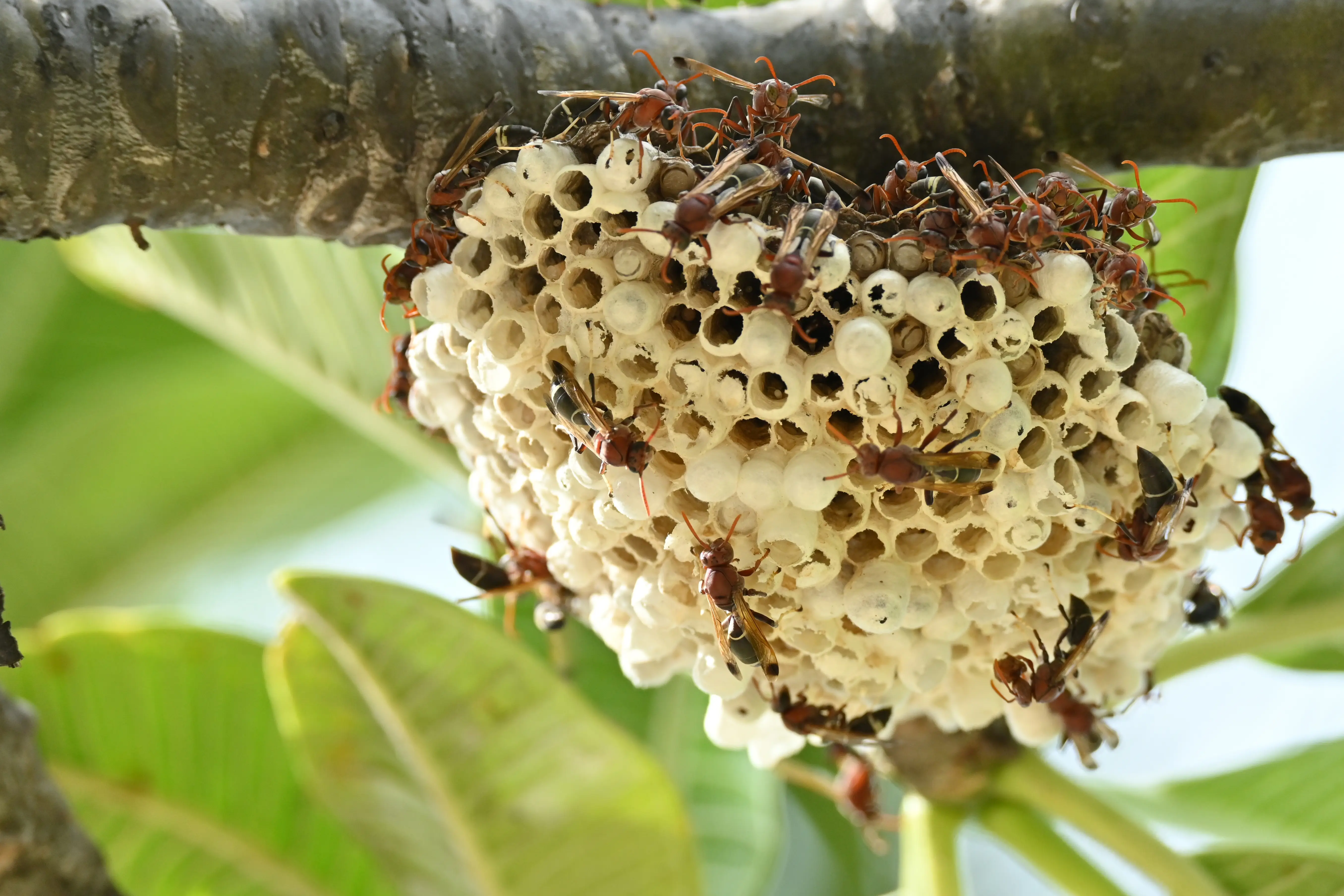
Wasp Family and Classification

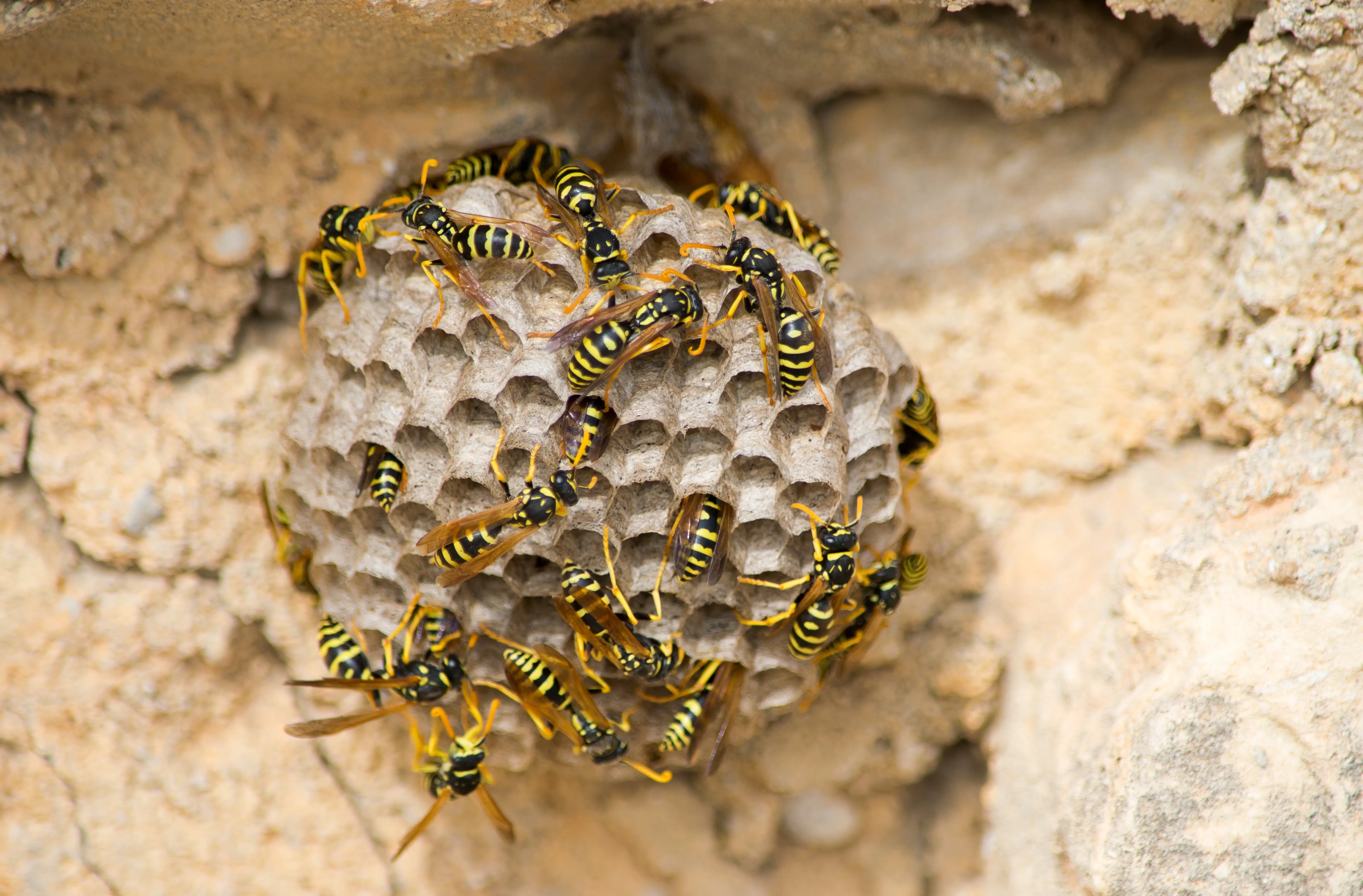
A wasp is classified as any narrow-waisted, flying, stinging insect in the suborder Apocrita of the order Hymenoptera. This is the same suborder as ants and bees. The most common wasps are in the family Vespidae, which includes paper wasps, yellow jackets, and hornets.

Wasp Diversity

Fig wasps have developed exclusive relationships with fig plants. Parasitoid wasps lay eggs inside or on hosts. Wasps range from 2 inches to 139 micrometers, making some the world's smallest known insects.

What Do Wasps Look Like?

Body Structure

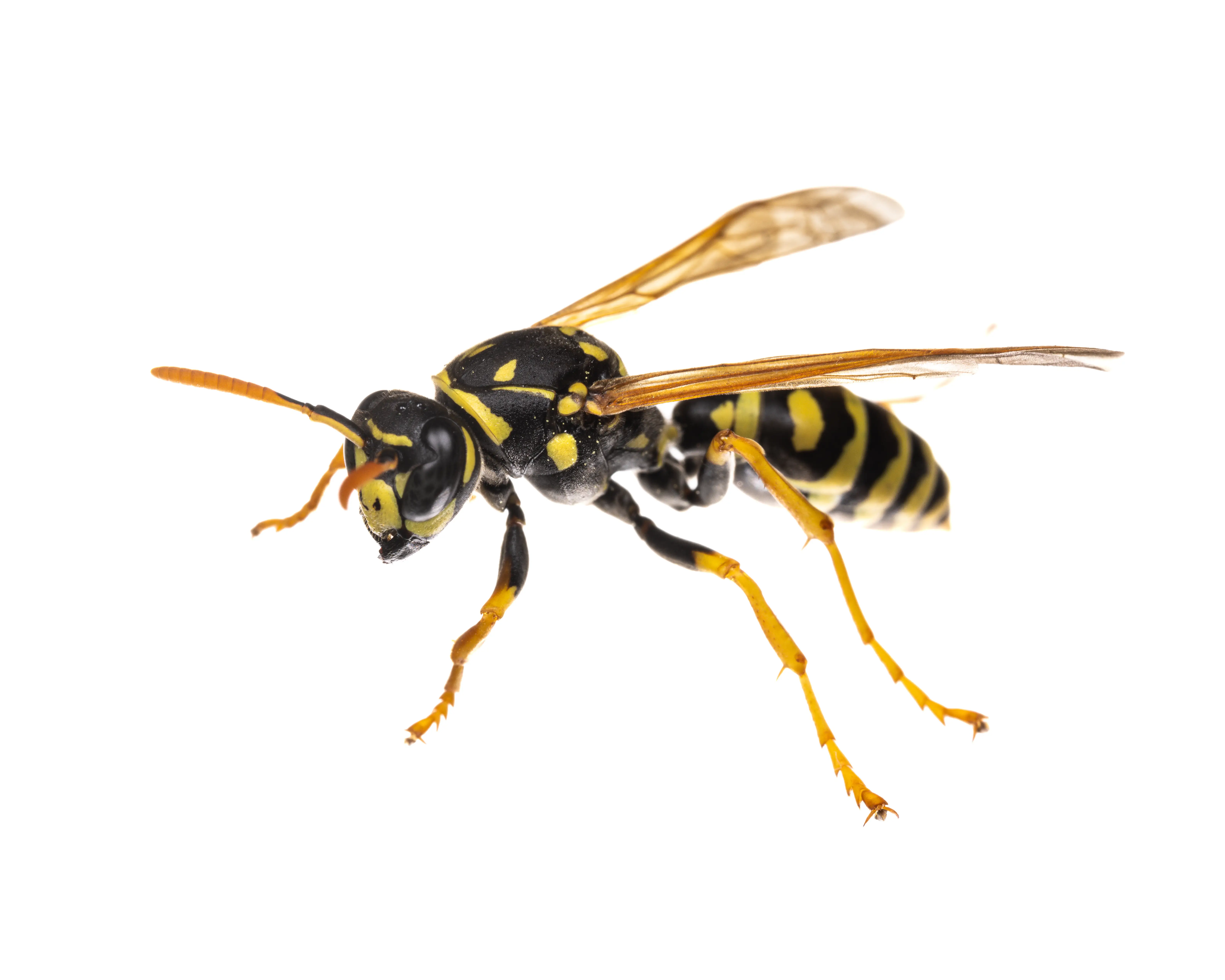
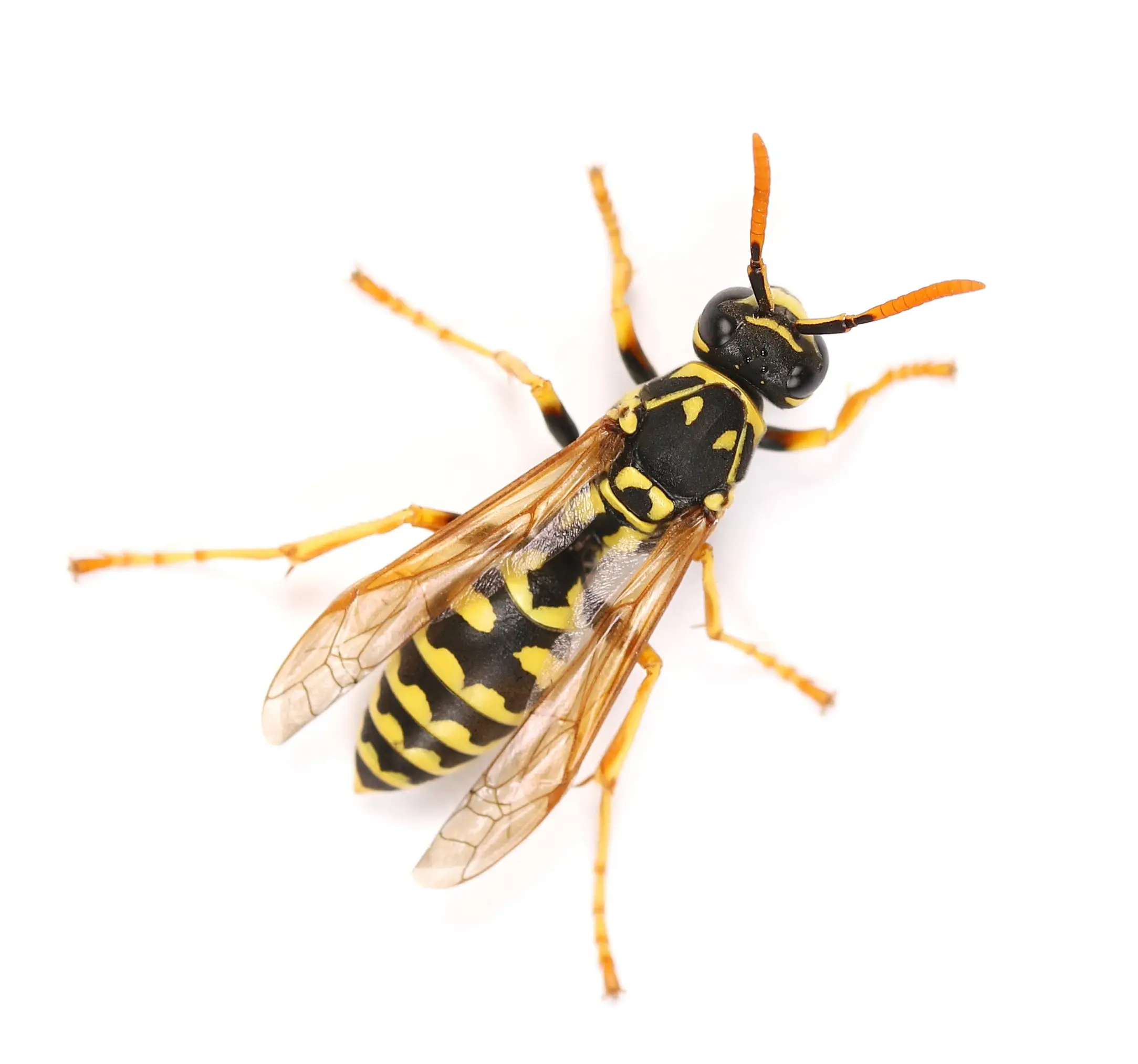
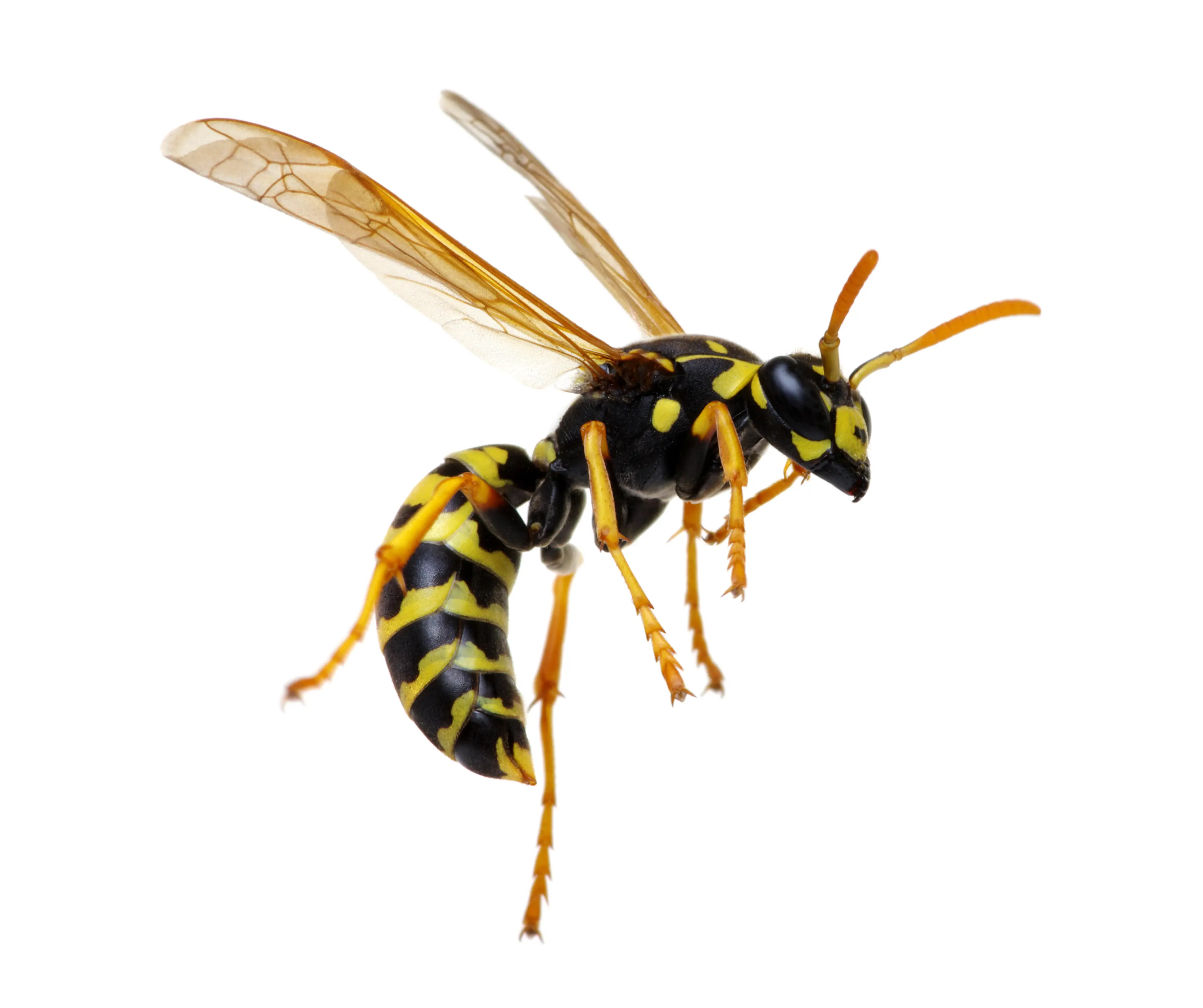
4 wings (forewings larger), hard exoskeleton, 6 long thin legs. Body segmented into head, mesosoma (thorax), and metasoma (abdomen).

Head Features

Large mandibles for biting and chewing food or plants. Segments separated by thin waist called the petiole.

Stinger

Sharp needle at tip of abdomen delivers venom. Can be retracted to sting prey or threats repeatedly.

Coloration

Species specific. Can include yellow, black, red, brown, orange, green, and blue.

Wasp Lifespan

40-60
Days (Egg to Adult)
12-22
Days (Adult Workers)
1 Year
Queen Lifespan

Adulthood typically takes up about 1/3 of a wasp's entire life. Colder temperatures slow egg production, causing colony collapse. Fertile females hatched in fall hibernate over winter to become queens.

Wasp Activity Near Your Home?

Professional inspection ensures your family's safety.

Call (866) 326-2847

Social vs Solitary Wasps

Social Wasps (Eusocial)

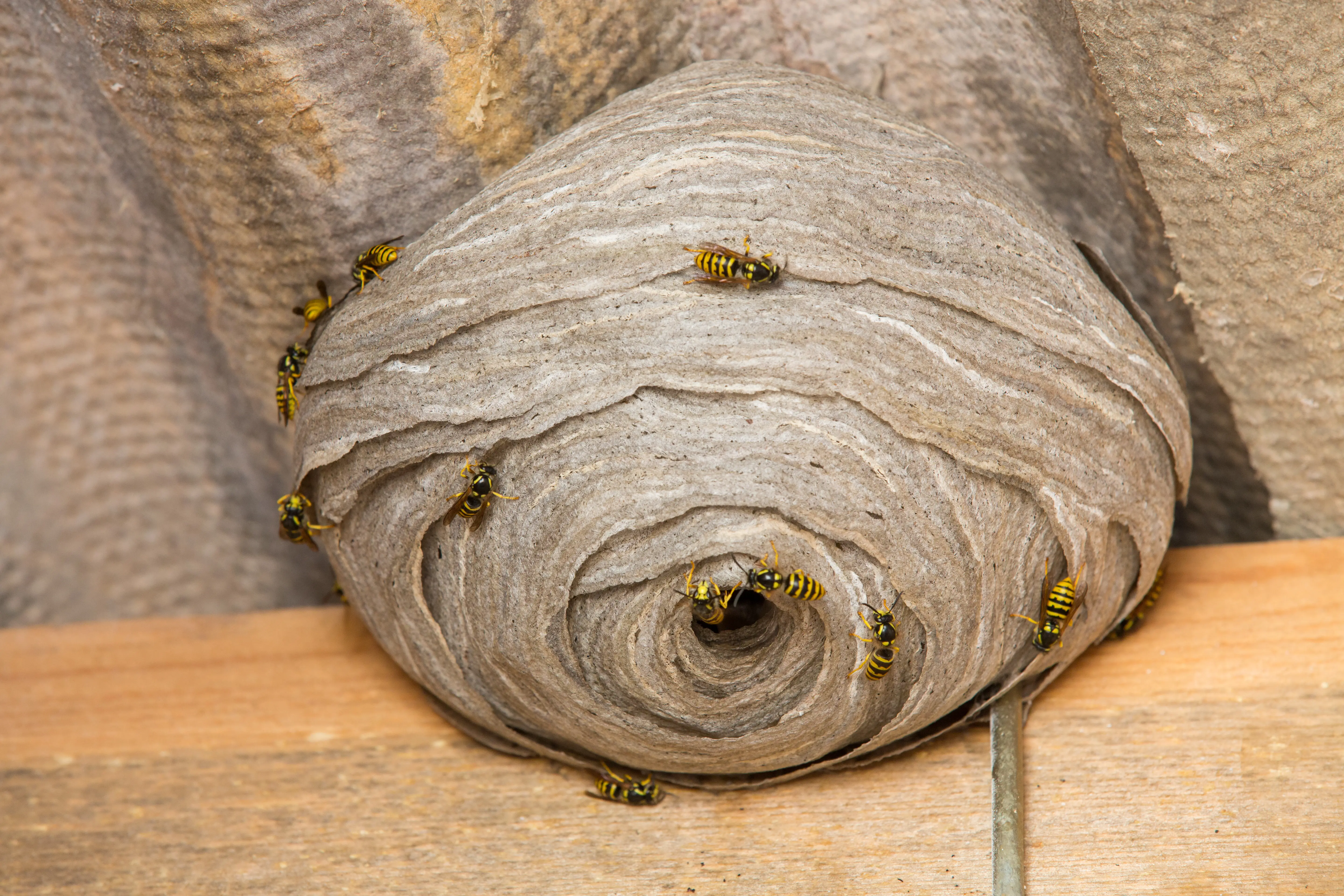
  • Part of larger nest with critical roles
  • All hatched from same queen (closely related)
  • Vespidae family: paper wasps, yellow jackets, hornets
  • Build nests from plant fibers, saliva, mud
  • Use stingers primarily for defense

Solitary Wasps

  • Do not rely on colony support
  • Forage alone; often predatory or parasitic
  • Build solitary cells with eggs and food
  • Use stingers primarily for hunting
  • Some lay eggs inside live hosts

What Do Wasps Eat?

Social Wasp Diet

Lack complex digestion. Rely on nectar, fruit juice, sugary drinks, or sweet secretions from larvae. Forage proteins for larvae to digest.

Hunting for Larvae

Find and kill caterpillars, aphids, and other garden bugs to feed young. Larvae have digestive capabilities for proteins.

Solitary Wasp Diet

Excellent hunters. Typically larger and can attack prey directly before eating.

Wasps' Purpose in Ecosystems

Natural Pest Control

Consume insects to feed themselves and young. Keep harmful garden bugs like caterpillars and aphids in check.

Pollination

Move flower to flower drinking nectar, accidentally transferring pollen. Some figs and orchids are exclusively wasp-pollinated.

Why Do Wasps Sting?

Wasps can retract their stinger, allowing multiple stings extremely quickly. Each strike delivers venom. Different species use their stinger for different reasons.

Solitary Wasps: Hunting

Primarily use stinger to hunt prey and deliver venom that incapacitates their next meal.

Social Wasps: Defense

More likely to sting when they feel threatened or when nest is threatened. Still use stinger to attack prey.

Wasps vs Bees

Wasps

  • More aggressive and territorial
  • Specialized pollinators
  • Smooth stinger (sting repeatedly)
  • Narrow waist

Bees

  • Gentler and more docile
  • Active pollinators (critical role)
  • Barbed stinger (sting once)
  • Fuzzy bodies

Professional Wasp Control

The emergence of wasp populations in late spring and early summer means there is likely a new colony nearby. Getting rid of wasps is important, but they can pose serious health threats. Our licensed and trained wasp control experts can find the nest and treat it effectively and safely.

Call (866) 326-2847Get Free Quote

Wasp FAQs

Can a wasp sting you?

Wasps are notorious for being aggressive and territorial. Their stinger can be retracted and used repeatedly in a very short period, injecting a small amount of venom that causes intense pain and ongoing discomfort.

Are wasps a problem?

Wasps are not necessarily a problem unless they pose a threat. They are effective natural pest control for harmful garden pests. However, wasps can swarm and even kill if a group overwhelms its target. Signs of activity should be inspected by professionals.

What is the purpose of the wasp?

Wasps serve as pollinators and pest control. Their diet consists of nectar and insects, so they consume harmful insects while spreading pollen as they move from plant to plant.

From Our Blog

Related Articles

Are Murder Hornets Dangerous? Facts and Safety Guide

Are Murder Hornets Dangerous? Facts and Safety Guide

Learn about Asian giant hornets (murder hornets), their dangers to humans and honeybees, identification tips, and what...

Read Article
Are Wasps Dangerous? Stings, Swarms & When to Seek Help

Are Wasps Dangerous? Stings, Swarms & When to Seek Help

Learn why wasps are dangerous, how they differ from bees, sting treatment, when to seek medical attention, and how to...

Read Article
Are Wasps Pollinators? Their Role in Pollination & Benefits

Are Wasps Pollinators? Their Role in Pollination & Benefits

Learn how wasps act as pollinators, their specialized role with orchids and figs, diet and energy needs, and other...

Read Article
How Long Do Wasps Live? Lifespan, Life Cycle & Seasonal Activity

How Long Do Wasps Live? Lifespan, Life Cycle & Seasonal Activity

Learn how long wasps live by role (workers vs queens), the wasp life cycle from egg to adult, seasonal nest activity,...

Read Article
How to Get Rid of Wasps: Safe Removal, Treatment & Prevention

How to Get Rid of Wasps: Safe Removal, Treatment & Prevention

Learn how to safely get rid of wasps including nest removal, treatment strategies, protective gear, wasp...

Read Article
How to Repel Wasps: Natural and Effective Methods for Wasp Control

How to Repel Wasps: Natural and Effective Methods for Wasp Control

Learn how to repel wasps naturally with scientifically proven essential oils, DIY sprays, and prevention strategies....

Read Article
What Do Yellow Jackets Eat? Diet and Feeding Habits

What Do Yellow Jackets Eat? Diet and Feeding Habits

Learn what yellow jackets eat, their seasonal diet changes, why they invade picnics, and how to prevent them from your...

Read Article
When Is Wasp Season? Seasonal Activity & Peak Months

When Is Wasp Season? Seasonal Activity & Peak Months

Learn when wasps are most active by season, when wasp season starts and ends, best time to spray nests, and how climate...

Read Article