EcoGuard Pest Management
Asian giant hornet (murder hornet) close-up
By Gary Anderson||8 min read

Are Murder Hornets Dangerous?

Learn about Asian giant hornets, their threat to honeybees, and how to identify these formidable predators.

Asian giant hornets are commonly referred to as "murder hornets" because they pose a significant threat to both honeybee populations and, in rare cases, humans. Their queens can grow bigger than two inches long and their workers can grow larger than 1.5 inches, making them some of the largest stinging insects on the planet.

They earned their name for their brutal attacks on honeybee hives, where they can destroy a beehive population in just a few hours. During this "slaughter and occupation" phase, they decapitate the bees to take the headless bodies back to feed their young. Murder hornet swarms are responsible for up to 50 human fatalities annually in Japan, where these hornets are native.

Quick Identification

Size: 1.5 to 2+ inches (queens even larger)
Head: Orange-yellow with large mandibles
Body: Orange/yellow and black striped abdomen
Stinger: About 1/4 inch long, can penetrate bee suits

Key Facts

Annual Deaths (Japan)
Up to 50 fatalities
Wingspan
More than 3 inches
US First Sighting
Washington State, late 2019

What Do Asian Giant Hornets Look Like?

Asian giant hornets, scientifically known as Vespa mandarinia, are distinguished by their large, striking appearance. They grow to an impressive 1.5 to 2 inches in length, with queens potentially growing even larger. This makes them the world's largest hornet species.

Head

Distinctive, broad head that is a vibrant orange-yellow color with extremely large mandibles and dark, teardrop-shaped eyes. Antennae are brown with a bright yellow-orange base.

Body

Dark brown thorax contrasts sharply with an abdomen featuring alternating bands of orange/yellow and black/brown, reminiscent of a tiger's stripes.

Wings

Wings can span more than 3 inches, broad and somewhat translucent like those of a small dragonfly.

Stinger

One of the most prominent stingers in the Vespa family, measuring about 1/4 inch long. Capable of injecting large amounts of potent venom and can penetrate most bee suits.

How Dangerous Are Murder Hornets?

Murder hornets are notorious for their dangerous and potent venom. Researchers in Japan have likened the effect of their venom to that of a venomous snake.

Venom Composition

The sting delivers venom containing a neurotoxin called mandaratoxin. This contains mastoparan-M, a cytolytic peptide that can cause significant tissue damage with a sensation described as "hot metal piercing the skin."

Eye Spraying

These hornets are also capable of spraying venom into the eyes, which can cause long-term vision impairment.

Multiple Stings

While individual hornets typically cannot inject a lethal dose, the danger escalates when multiple hornets sting simultaneously. In Japan, up to 50 deaths annually are attributed to swarms.

Repeated Stinging

Unlike bees, Asian giant hornets are capable of stinging repeatedly. Their long stinger can pierce through regular beekeeping suits and deliver larger doses of venom than other wasps or bees.

Warning: For individuals allergic to bee or wasp stings, encounters with these hornets should be approached with extreme caution. If stung, immediate medical attention is advised, especially if symptoms like anaphylaxis are experienced.

What Is the Biggest Threat Murder Hornets Pose?

The biggest threat posed by Asian giant hornets lies in their potential impact on honeybee populations, which are crucial for pollinating a wide array of food crops.

Hive Decimation

These hornets hunt down bee colonies, launching brutal attacks that kill adult bees so they can rob the colony of its larvae and pupae to take back to their nests as food. They are especially dangerous to honeybees in late summer and early fall.

European Honeybees at Risk

European honeybees in the U.S. are defenseless against murder hornets due to their smaller size and lack of natural defenses that native Asian honeybees possess. These bees are already struggling with parasites, diseases, and pesticides.

Cascading Ecological Impact

The cascading impacts of honeybee population loss can affect both plant and native insect populations. Without plants to feed on and provide shelter, other insect populations could decline, which could put other animal populations at risk as food chains are impacted.

Concerned About Stinging Insects?

While murder hornets are rare in most of the US, other stinging insects can pose similar threats. Let our experts help.

Call (866) 326-2847

Where Are Murder Hornets From?

Asian giant hornets originate from a vast region across Asia, including temperate and tropical East Asia, South Asia, Mainland Southeast Asia, and some regions of the Russian Far East.

Native Countries

JapanChinaKoreaTaiwanRussiaIndiaNepalThailandVietnam

Habitat Preferences

Found primarily in low mountainous regions and forests. They avoid plains and high altitudes. Most nests are subterranean, often near the roots of rotten pine trees. In North America, all discovered nests have been aerial.

Are Murder Hornets in the US?

Asian giant hornets were first confirmed in the United States in late 2019 in the northwest corner of Washington State. This sparked significant concern and led to efforts to track and eradicate the species.

Good news: By the end of 2022, there were no confirmed sightings of Asian giant hornets in North America, suggesting that eradication efforts may have been successful in that region.

What Often Gets Mistaken for Murder Hornets

Due to heightened awareness, people frequently misidentify other large, striped insects as murder hornets. However, the likelihood of encountering an actual murder hornet is quite low in most parts of the country.

Cicada Killer Wasp

Can grow up to 2 inches in length, causing confusion. However, they are solitary wasps that do not participate in a social hierarchy. Not typically aggressive towards humans and rarely sting. Found in the eastern and midwestern United States.

Paper Wasp

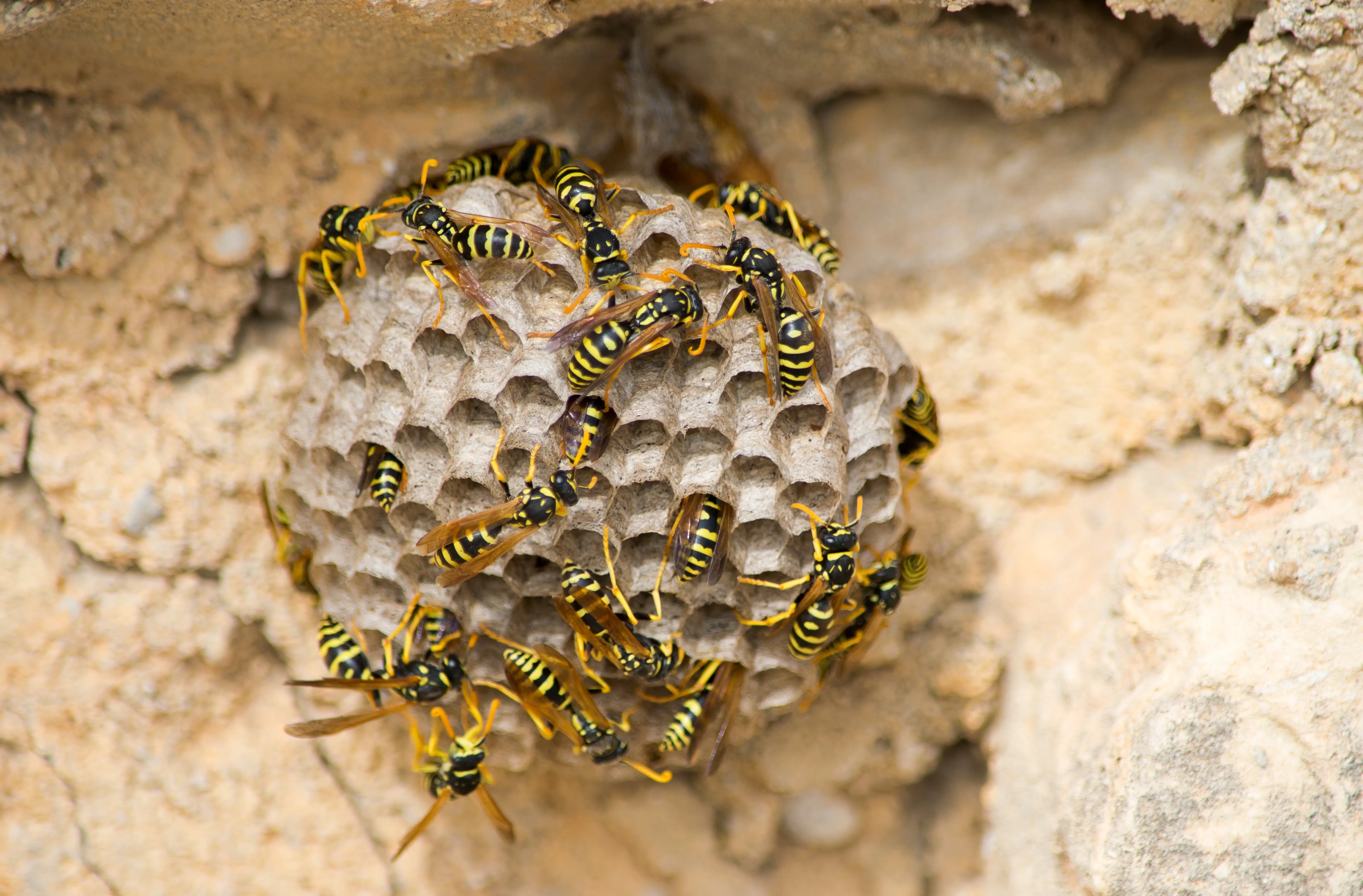
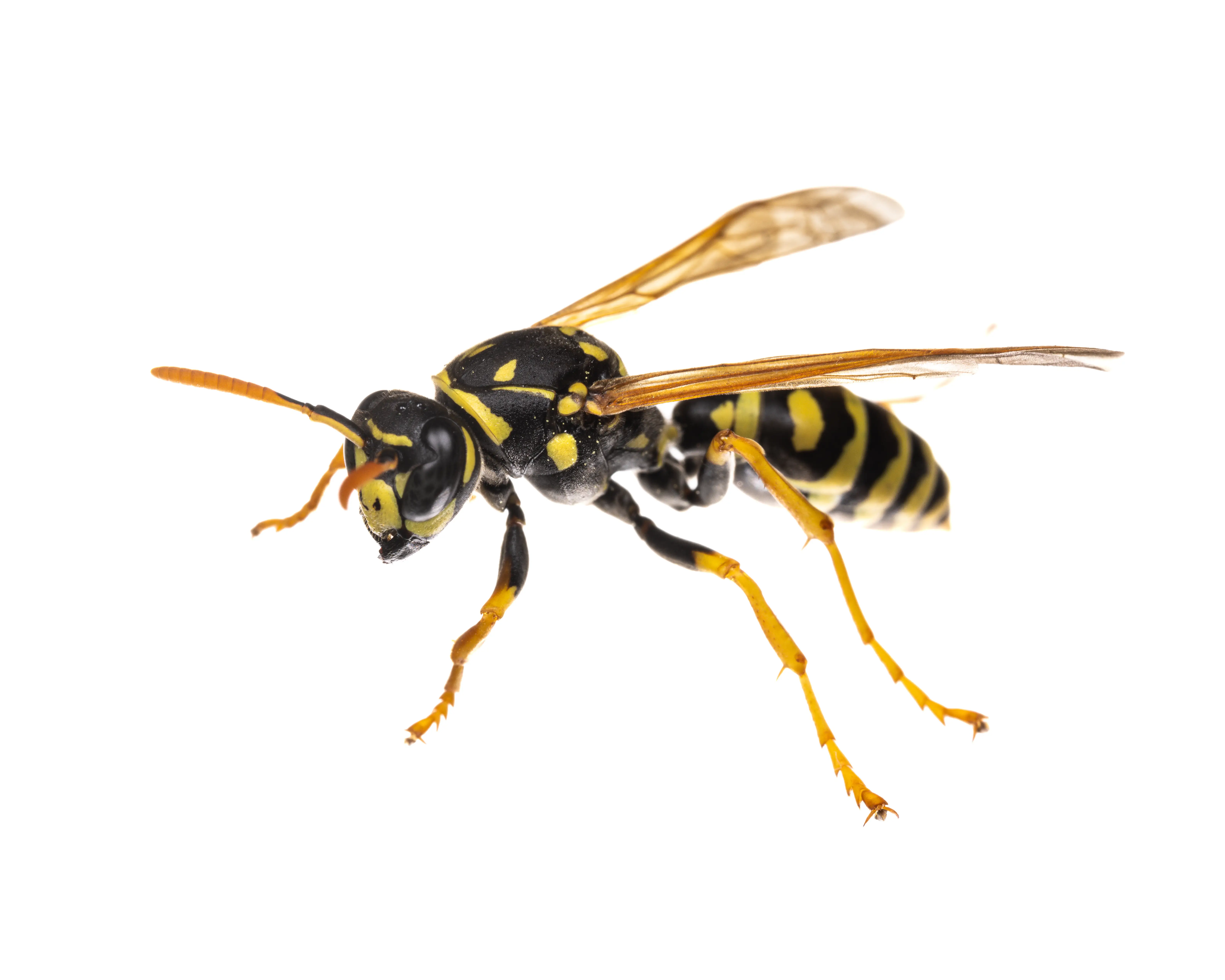
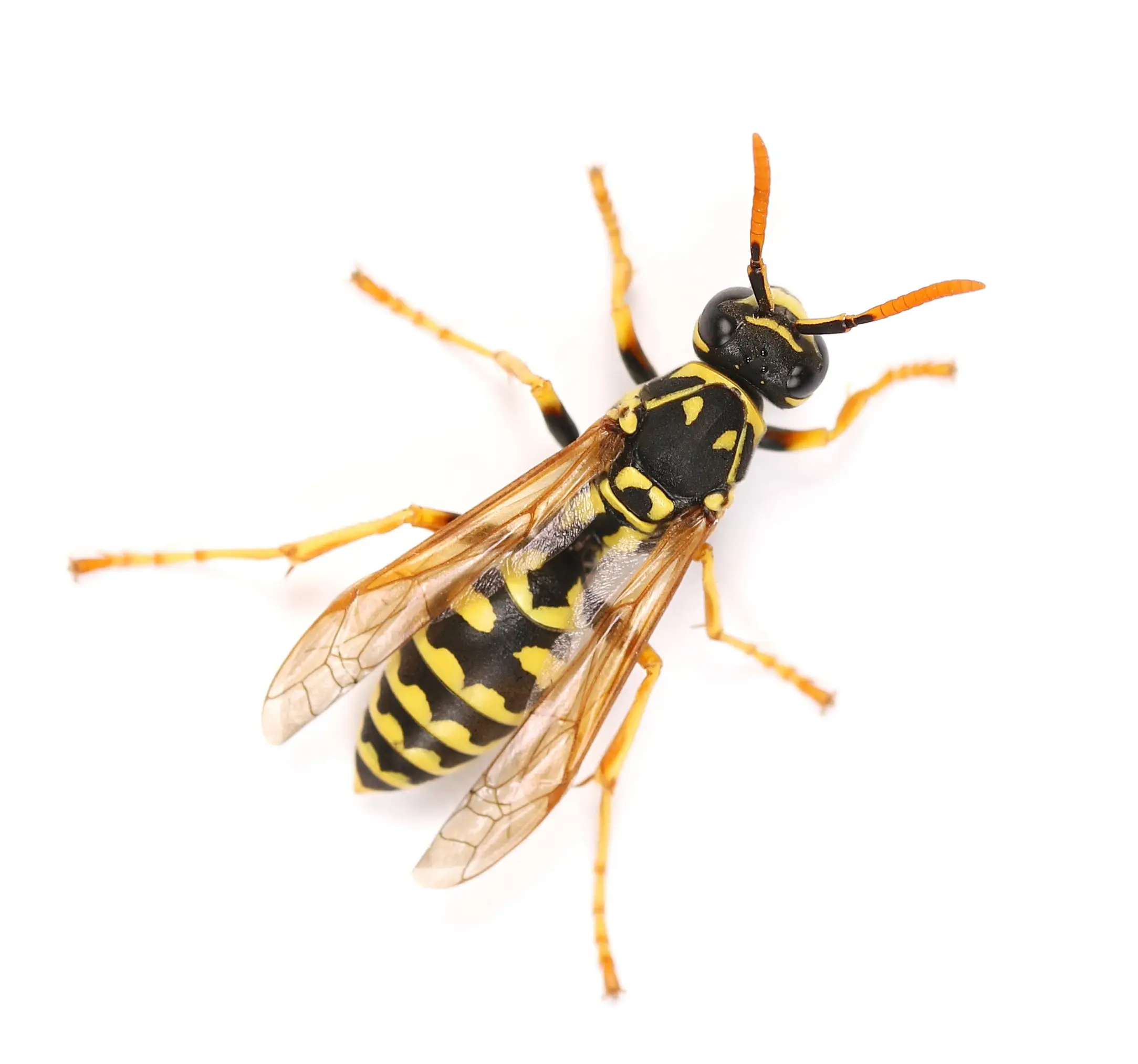
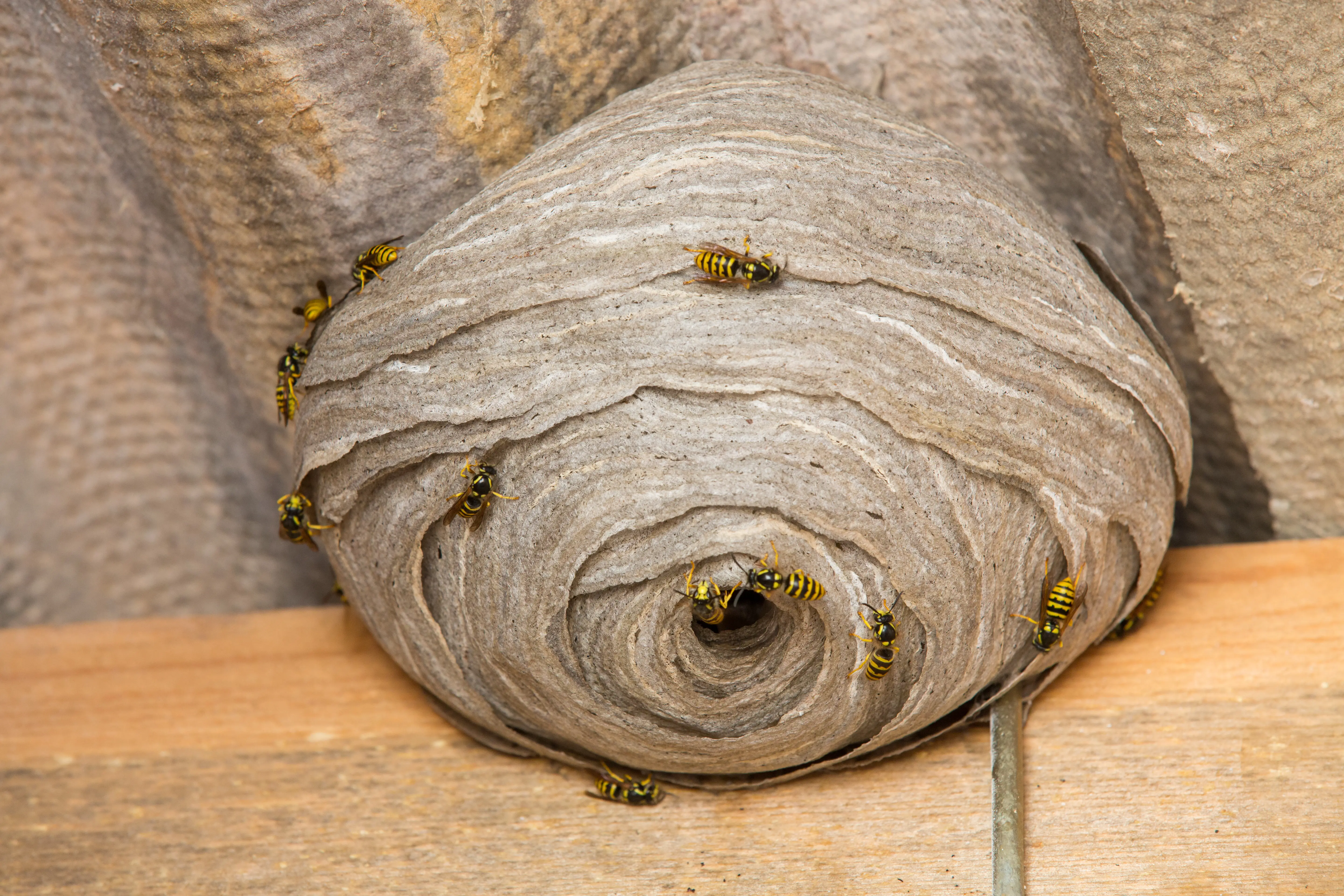
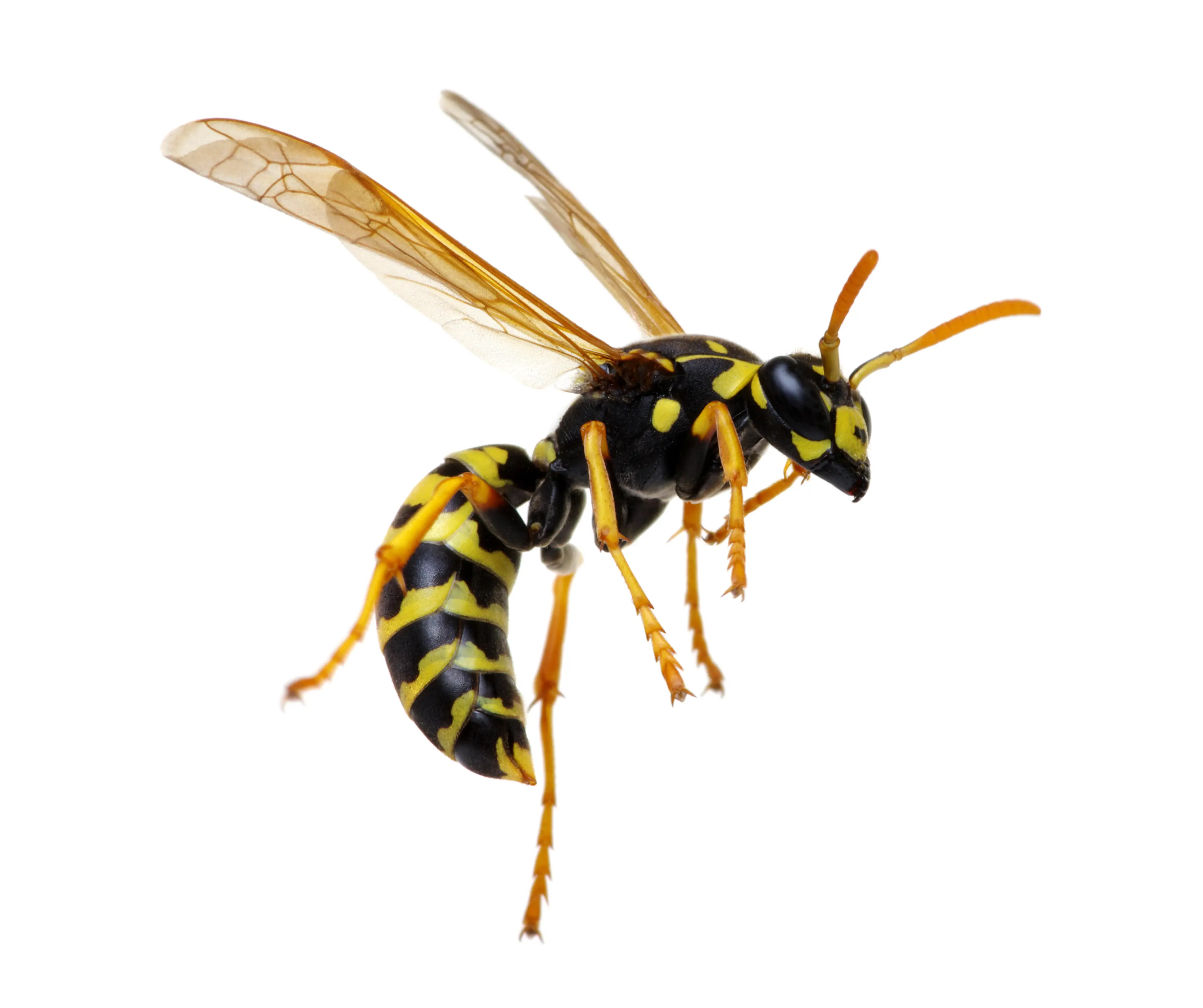
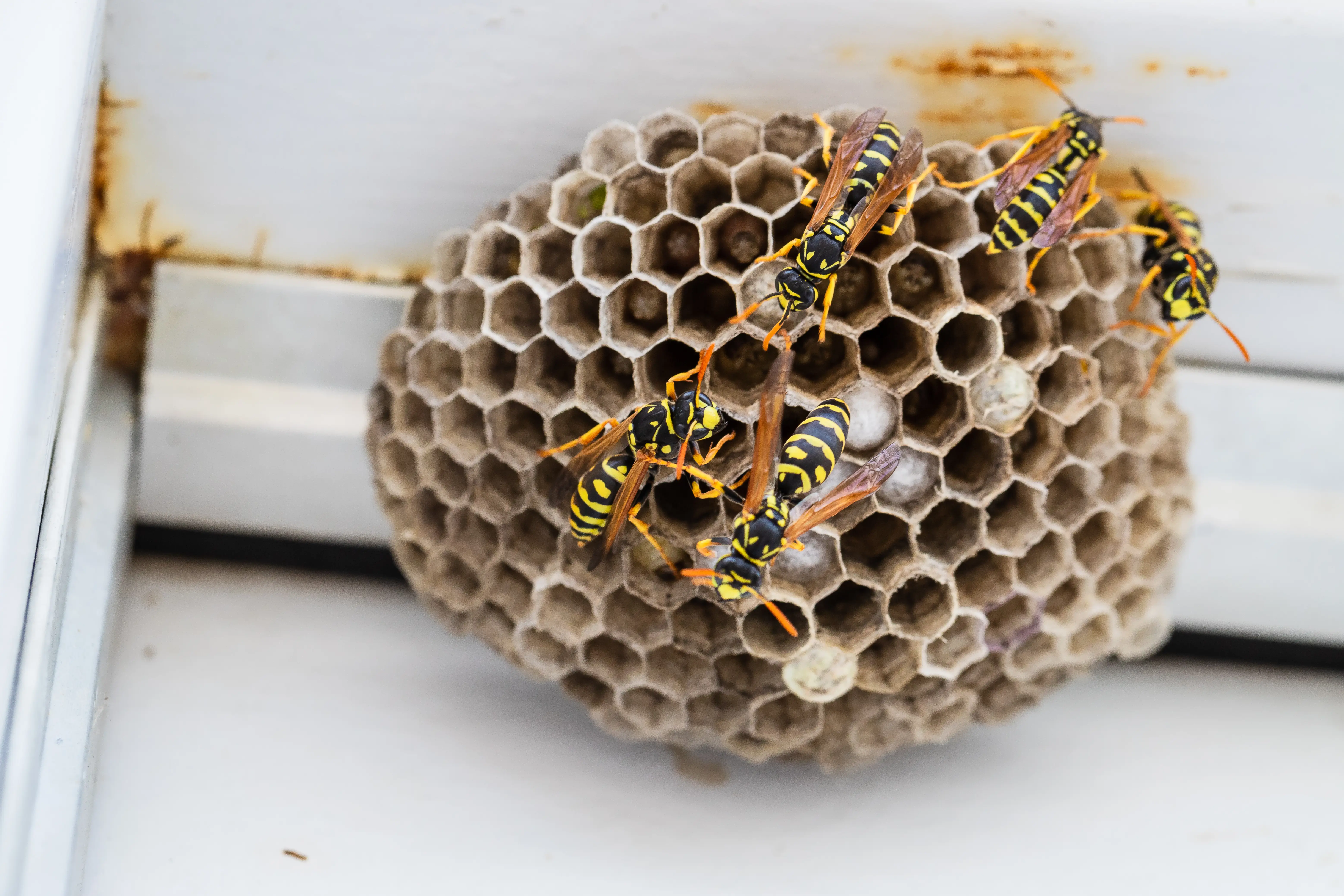
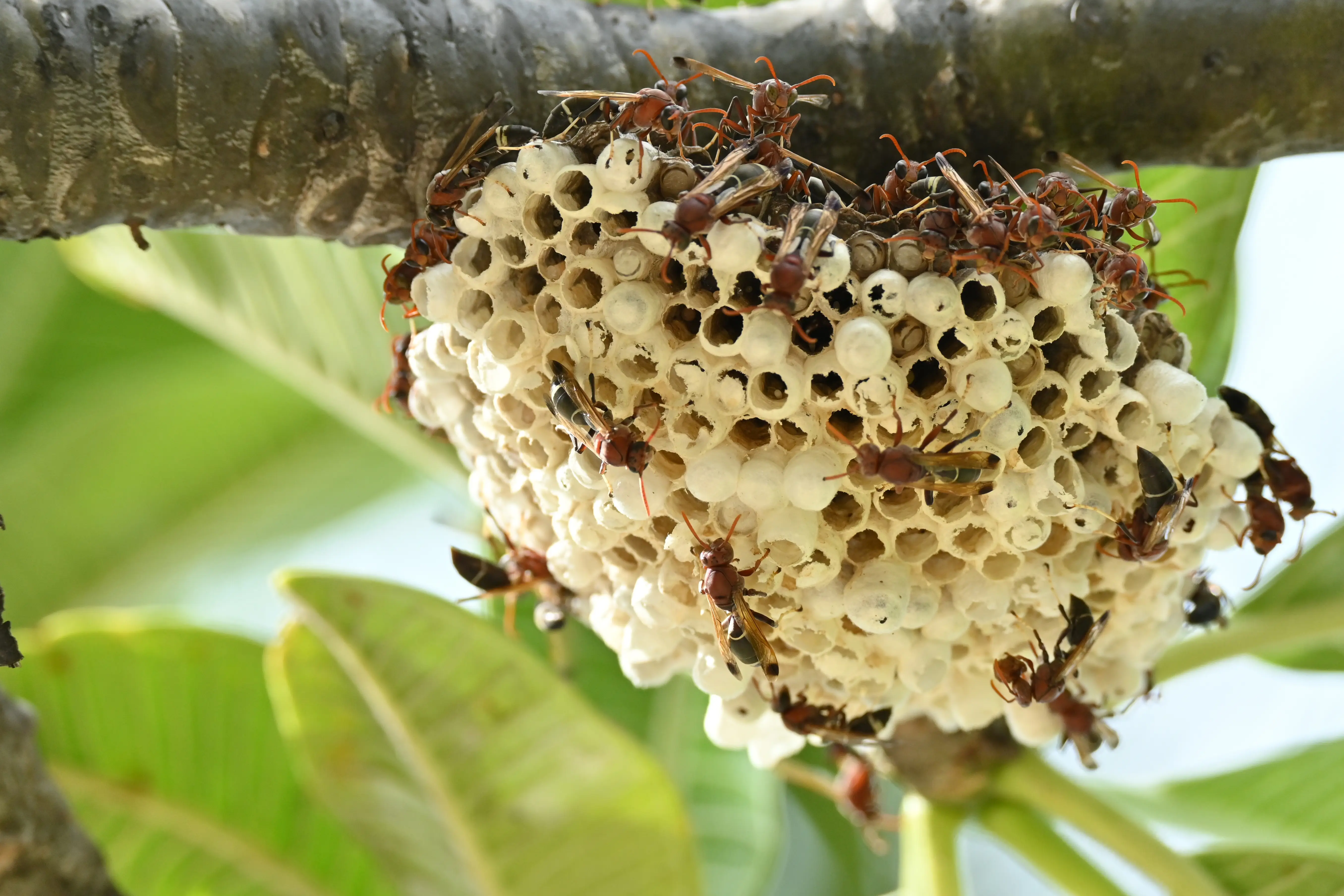
Recognized by their yellow and black stripes, ranging from half inch to 1.5 inches long. Found in every region of the US. Generally not aggressive but can become defensive if their hive is disturbed. Make distinctive paper-like cell nests.

Yellow Jackets

Small wasps found throughout the United States. Notoriously aggressive and known to attack when they perceive a threat. Can sting repeatedly, which can be particularly dangerous if caught in a swarm.

Bald-Faced Hornets

Not a true hornet but a black-and-white variant of the yellow jacket. Found in most states across North America. About half the size of an Asian giant hornet but can be quite aggressive, especially when defending their nests.

Mud Daubers

Recognizable by their distinctive hourglass-shaped bodies. Construct nests from mud on building sides. Relatively docile and rarely sting people. The blue mud dauber is a primary predator of black widow spiders.

Contact EcoGuard if You Are Dealing with Stinging Insects

While stinging insects like yellow jackets, mud daubers, and bald-faced hornets play vital roles in our ecosystems, their presence can be unsettling and sometimes dangerous. If you are dealing with an infestation or concerned about stinging insects around your home or business, do not hesitate to contact EcoGuard Pest Management. Our team of experienced professionals is equipped with the knowledge and tools to safely and effectively manage these pests.

Call (866) 326-2847Get Free Quote

Murder Hornet FAQs

What happens if you get stung by a killer hornet?

If you get stung by an Asian giant hornet, you will likely experience intense pain because their venom contains potent neurotoxins. The sting can cause severe swelling, redness, and, in some cases, blistering or tissue damage. While a single sting is rarely fatal to a healthy individual, multiple stings or a sting to someone allergic to hornet venom could be life-threatening and would require immediate medical attention.

Why are they called killer hornets?

They are called "killer hornets" primarily due to their aggressive hunting behavior and their potential to kill large numbers of bees. The Asian giant hornet is often referred to as the "killer hornet" or "murder hornet" because they can decimate entire honeybee hives in a short period. Additionally, their powerful venom and ability to deliver multiple stings make them a threat to humans, particularly in cases of multiple hornets attacking or for individuals with allergic reactions to their stings.

Are killer hornets poisonous?

Asian giant hornets are not poisonous, but they are venomous. This means they inject venom through their stings. Their venom contains a mix of toxic substances that can cause pain, swelling, and, in rare cases, more severe reactions like anaphylactic shock.

What is the difference between a wasp and a killer hornet?

The main difference between a wasp and a killer hornet lies in their size, appearance, and behavior. Killer hornets are generally larger and more dangerous than most wasp species. The Asian giant hornet, for instance, can reach lengths of up to two inches. Additionally, killer hornets often have a more potent venom and a more painful sting compared to wasps.

From Our Blog

Related Articles

Are Wasps Dangerous? Stings, Swarms & When to Seek Help

Are Wasps Dangerous? Stings, Swarms & When to Seek Help

Learn why wasps are dangerous, how they differ from bees, sting treatment, when to seek medical attention, and how to...

Read Article
Are Wasps Pollinators? Their Role in Pollination & Benefits

Are Wasps Pollinators? Their Role in Pollination & Benefits

Learn how wasps act as pollinators, their specialized role with orchids and figs, diet and energy needs, and other...

Read Article
How Long Do Wasps Live? Lifespan, Life Cycle & Seasonal Activity

How Long Do Wasps Live? Lifespan, Life Cycle & Seasonal Activity

Learn how long wasps live by role (workers vs queens), the wasp life cycle from egg to adult, seasonal nest activity,...

Read Article
How to Get Rid of Wasps: Safe Removal, Treatment & Prevention

How to Get Rid of Wasps: Safe Removal, Treatment & Prevention

Learn how to safely get rid of wasps including nest removal, treatment strategies, protective gear, wasp...

Read Article
How to Repel Wasps: Natural and Effective Methods for Wasp Control

How to Repel Wasps: Natural and Effective Methods for Wasp Control

Learn how to repel wasps naturally with scientifically proven essential oils, DIY sprays, and prevention strategies....

Read Article
What Are Wasps? Appearance, Lifespan, Diet & Behavior

What Are Wasps? Appearance, Lifespan, Diet & Behavior

Learn about wasps including appearance, lifespan, social vs solitary behavior, diet, purpose in ecosystems, why they...

Read Article
What Do Yellow Jackets Eat? Diet and Feeding Habits

What Do Yellow Jackets Eat? Diet and Feeding Habits

Learn what yellow jackets eat, their seasonal diet changes, why they invade picnics, and how to prevent them from your...

Read Article
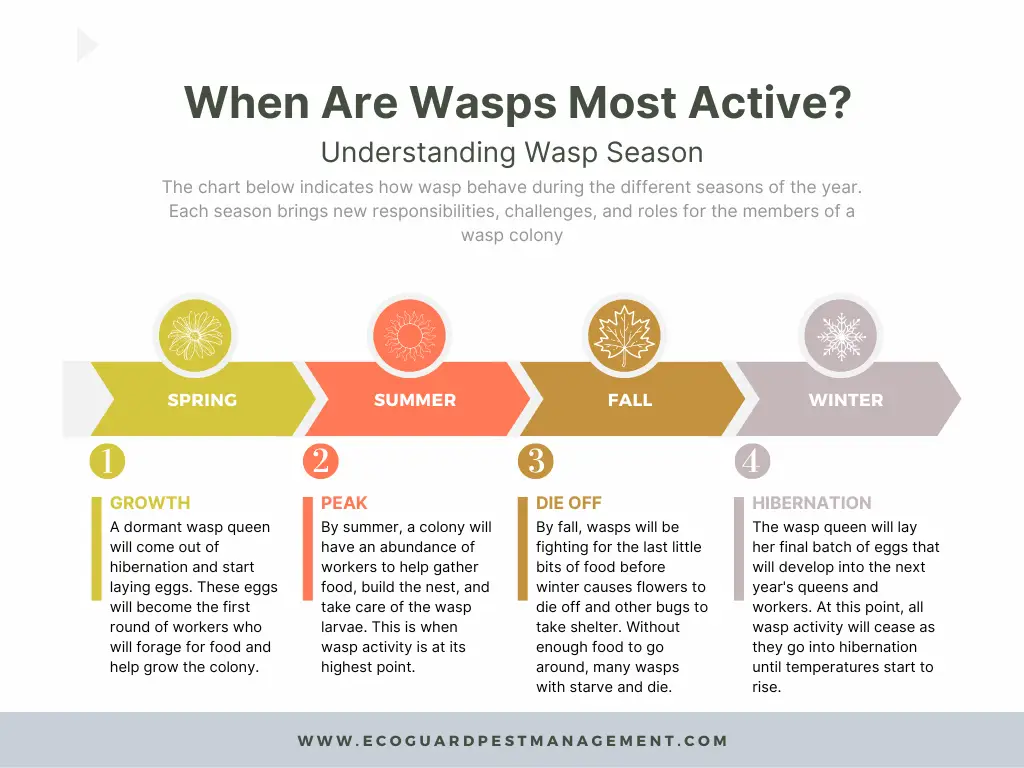
When Is Wasp Season? Seasonal Activity & Peak Months

When Is Wasp Season? Seasonal Activity & Peak Months

Learn when wasps are most active by season, when wasp season starts and ends, best time to spray nests, and how climate...

Read Article