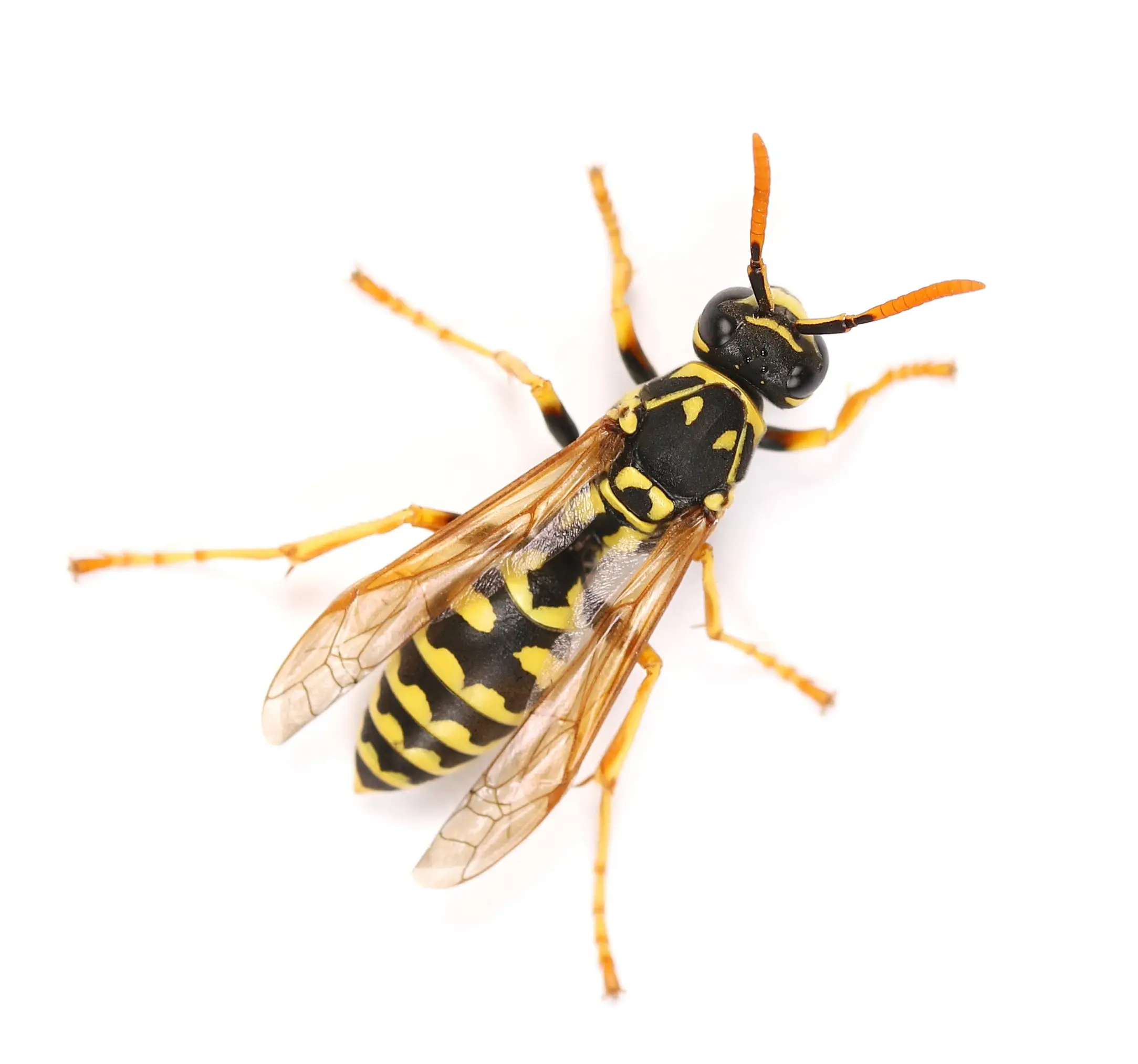
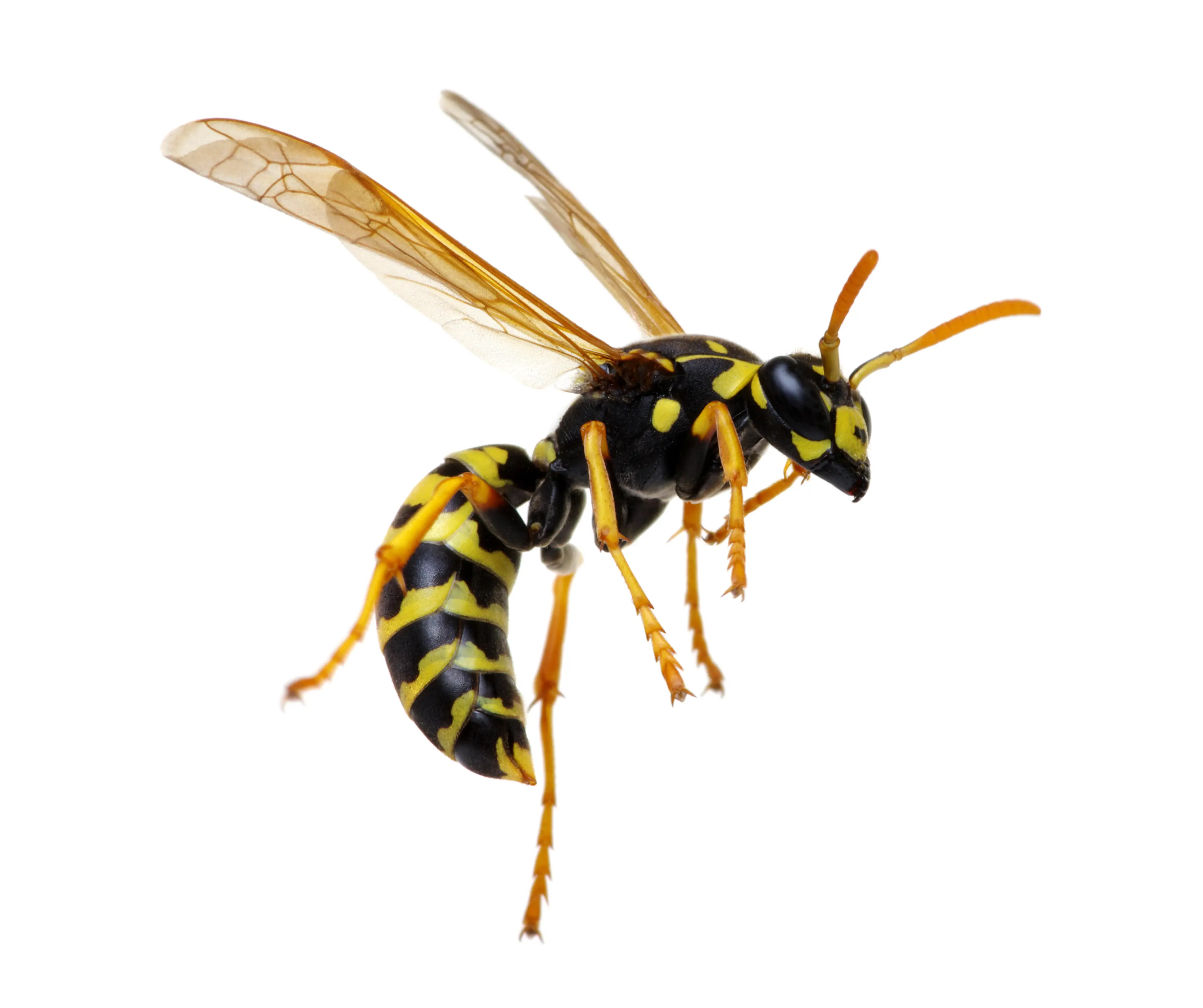
What are yellow jackets favorite food?
Yellow jackets have a diverse diet that changes throughout the season, but they show a strong preference for sugary substances in late summer and fall. Their favorite foods include ripe and overripe fruits, flower nectar, and sugary human foods like sodas and sweets. However, they also require protein in spring and early summer, which they obtain from hunting other insects and scavenging meat sources.
Do yellow jackets serve any useful purpose?
Yellow jackets, despite their reputation as pests, serve several important ecological functions. As predators, they help control populations of many insects that humans consider pests including flies, caterpillars, and beetle larvae. Additionally, yellow jackets act as pollinators when they visit flowers for nectar, contributing to plant reproduction and biodiversity in various ecosystems.
What do yellow jackets hate the most?
Yellow jackets are generally repelled by strong, pungent odors, particularly those of certain plants and essential oils. Scents such as peppermint, spearmint, citronella, and eucalyptus are known to be particularly disliked by these insects. Additionally, yellow jackets tend to avoid areas treated with cucumber peels or slices, as the compound cucurbitacin found in cucumbers acts as a natural repellent to many insects including yellow jackets.
Should yellow jackets be killed?
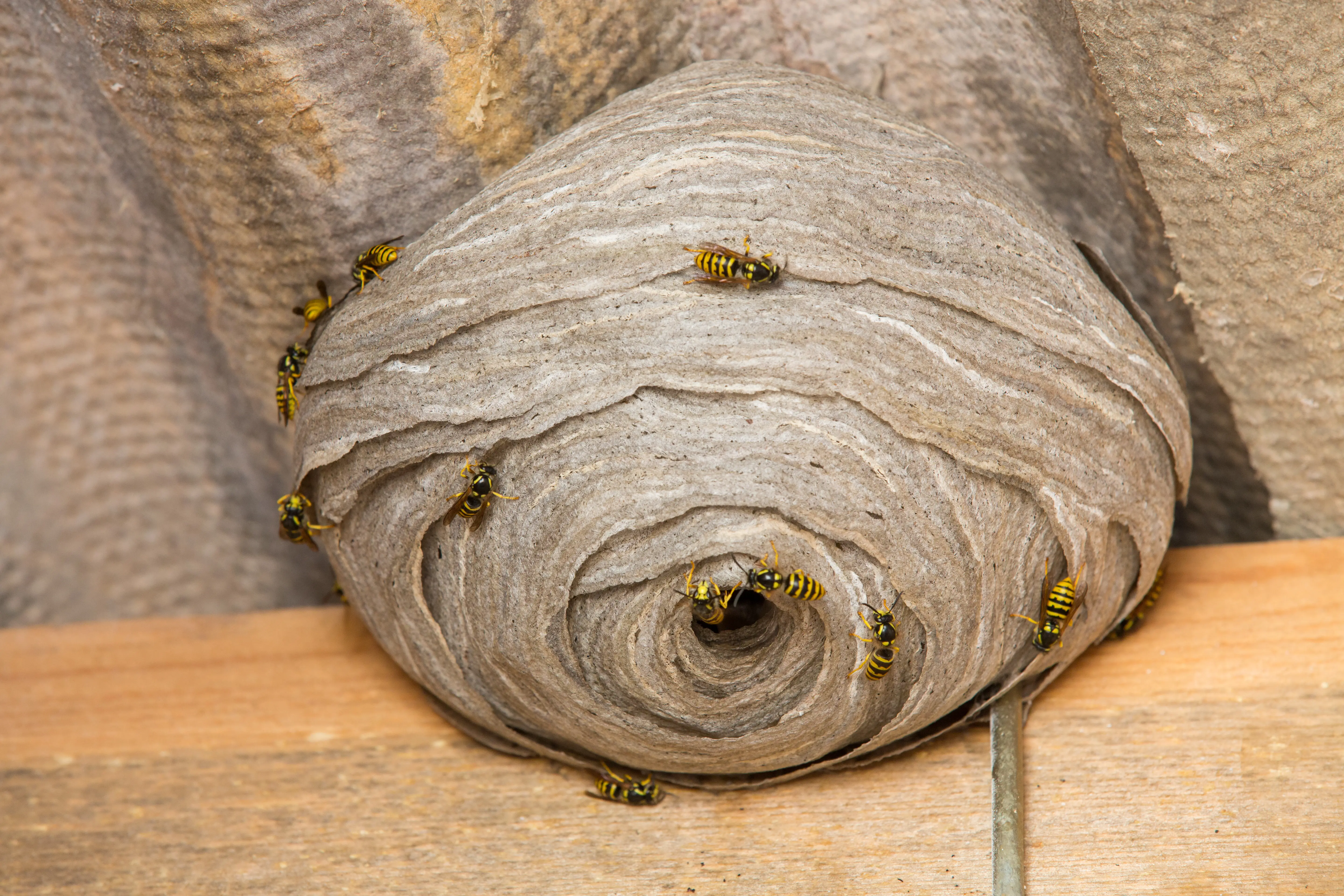
Yellow jackets should only be killed as a last resort when they pose a significant threat to human safety or when their nests are located in high-traffic areas where stings are likely. In most cases, it is preferable to use preventive measures and non-lethal deterrents to manage yellow jacket populations, as these insects play important roles in ecosystems as pollinators and predators of other pest insects. If removal is necessary, it is often best to rely on professional pest control services to ensure safe and effective management without unnecessary harm to beneficial insect populations.