EcoGuard Pest Management
When is wasp season
By Gary Anderson||5 min read

When Is Wasp Season?

Seasonal activity, peak months, and when to treat nests.

Spring
New colonies form
Summer
Peak activity
Fall
Activity declines
Winter
Colony dies off

Stinging insects like wasps are most active through the summer when weather is ideal and food is plentiful. Wasps start their annual cycle in spring and stay active until fall when temperatures cool.

Wasps are also most active at mid-day when it is warm and return to nests when the sun goes down. This means wasps are most active when people are enjoying outdoor activities like picnics, potlucks, and parties.
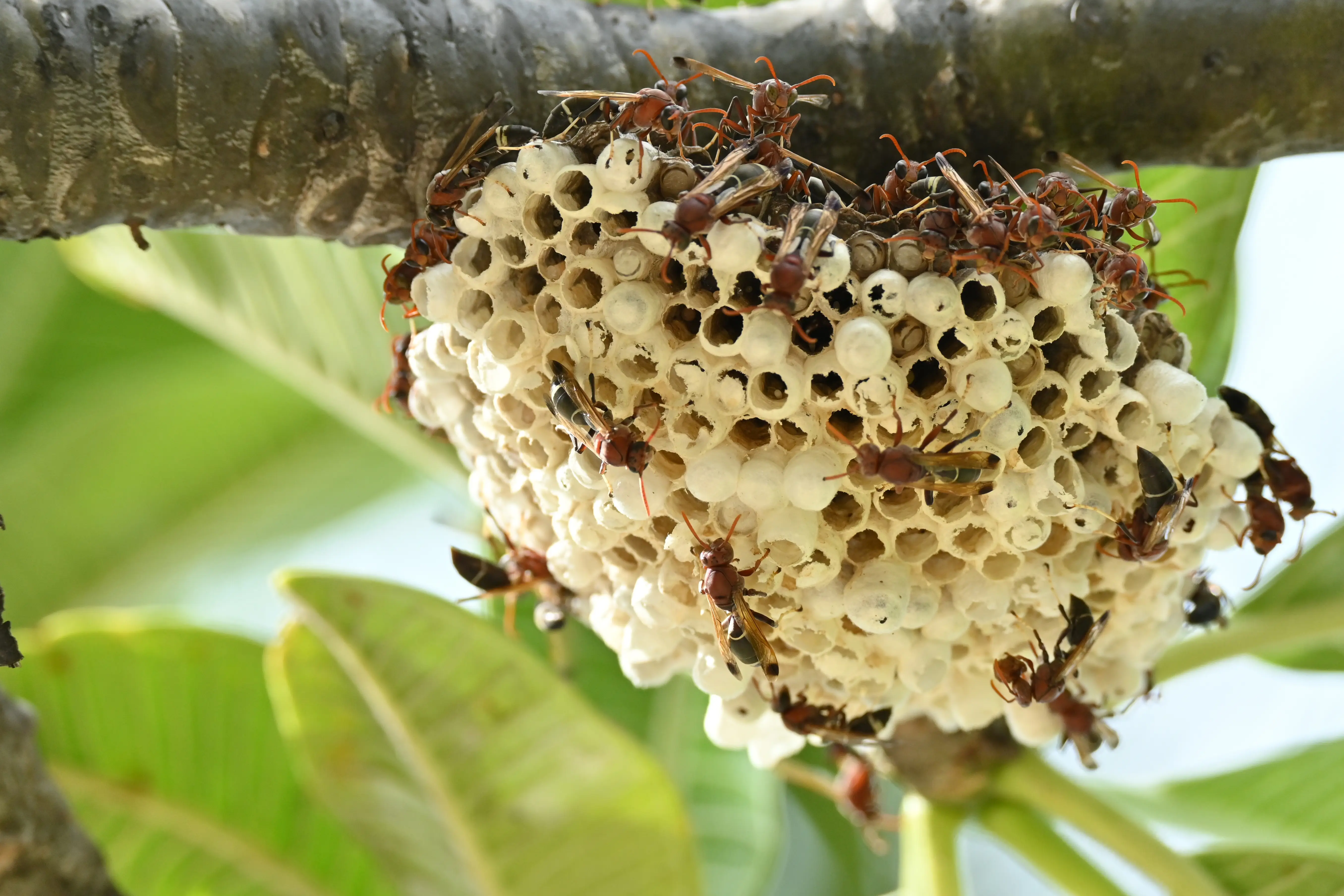
When Is Wasp Season?

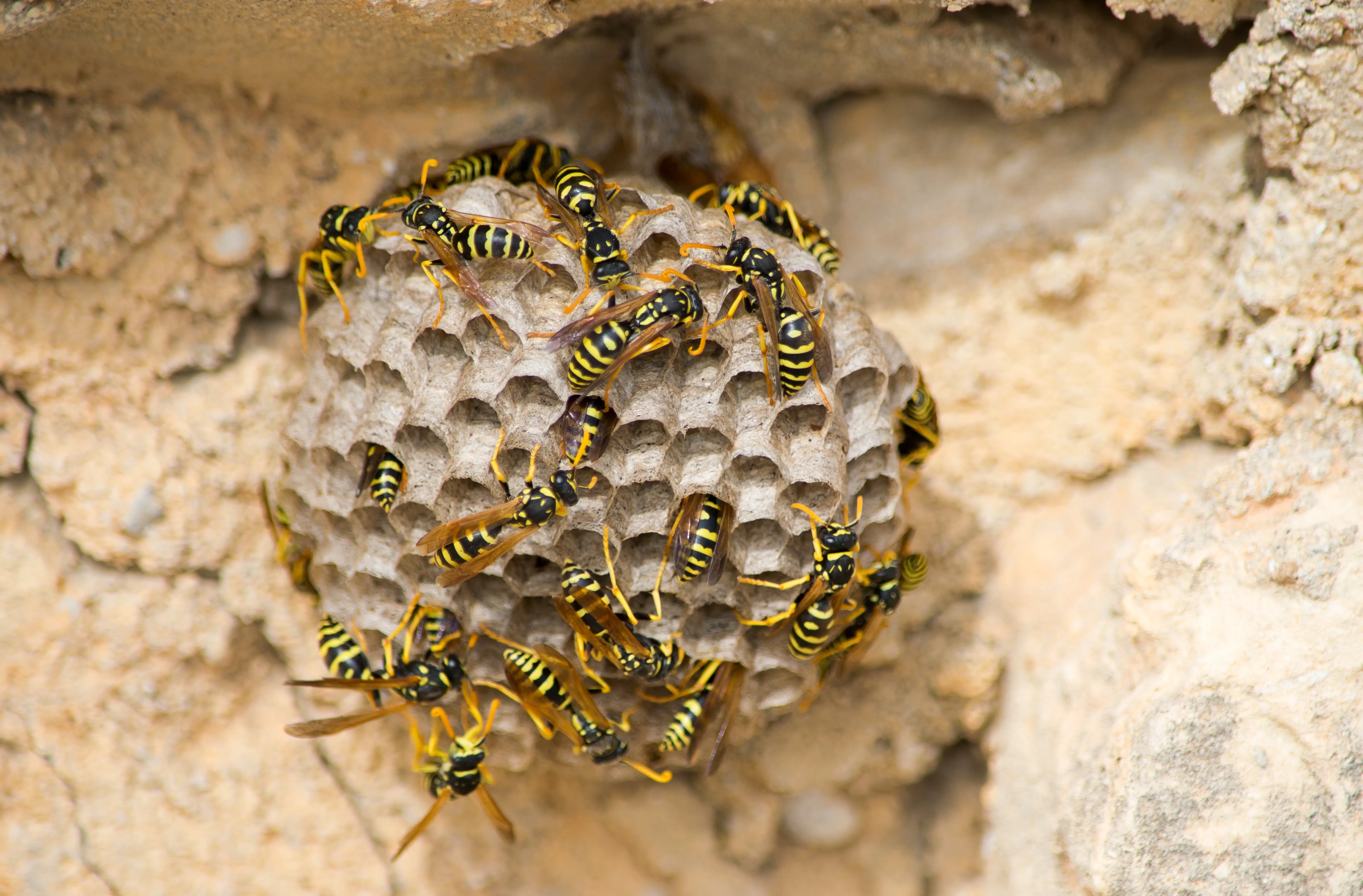
Wasp season generally runs from April through October when temperatures are optimal for peak activity. Activity grows as the environment warms and fades as temperatures drop.

Season Progression

  • Late Spring/Early Summer: First eggs and larvae cared for; colony grows to maximum capacity
  • Peak Summer: Highest population; constant search for food to sustain colony and queen
  • Fall: Wasps become more aggressive as food resources decline and competition increases
  • Winter: Egg laying stops; queen and remaining wasps hibernate to survive the cold

Spring: New Colonies Form (Feb - May)

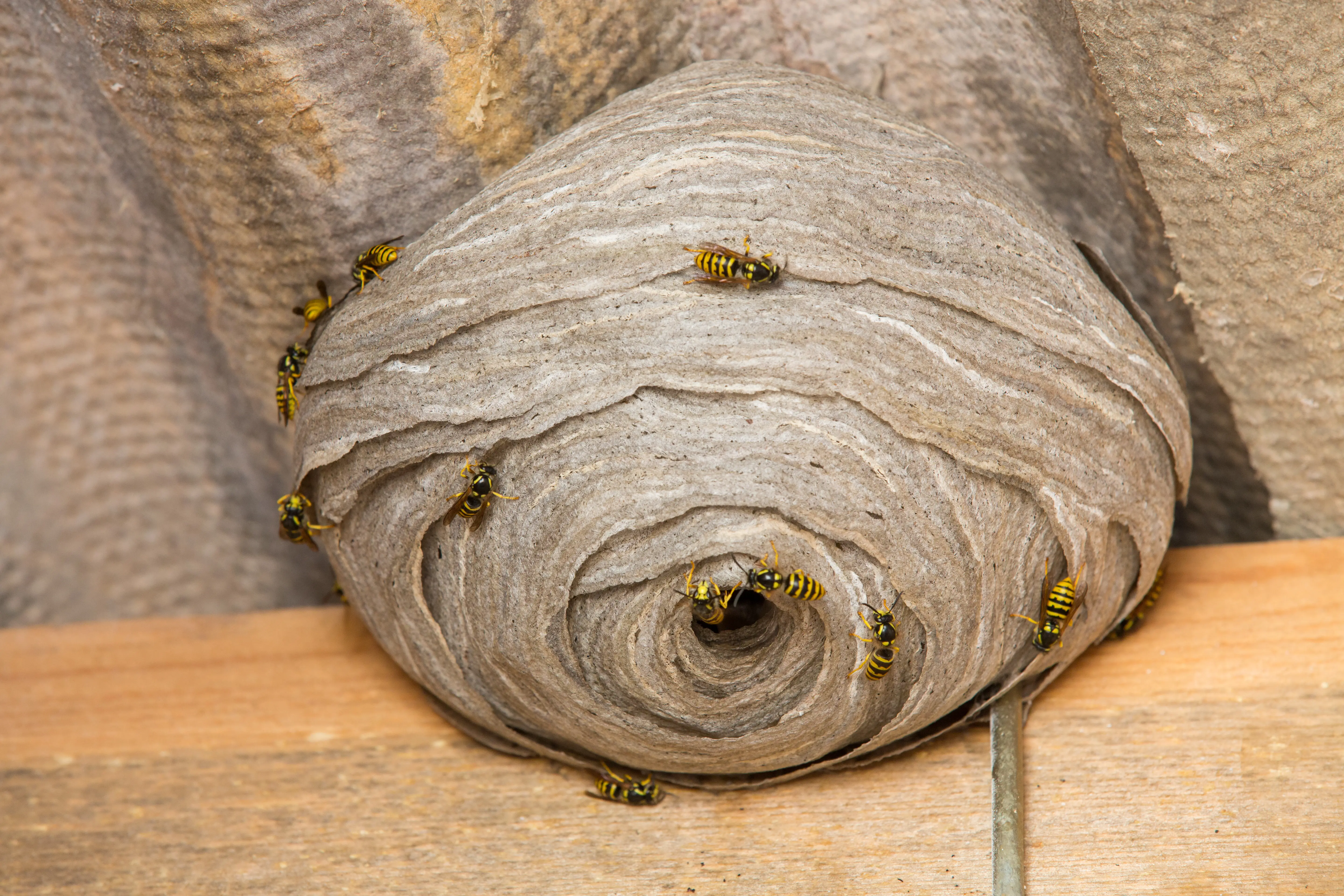
Springtime is when new wasp colonies develop. Between February and May, fertile female wasps leave hibernation spots to create brand-new colonies. Paper wasp queens create small nests from wood pulp and saliva.

Where Colonies Form

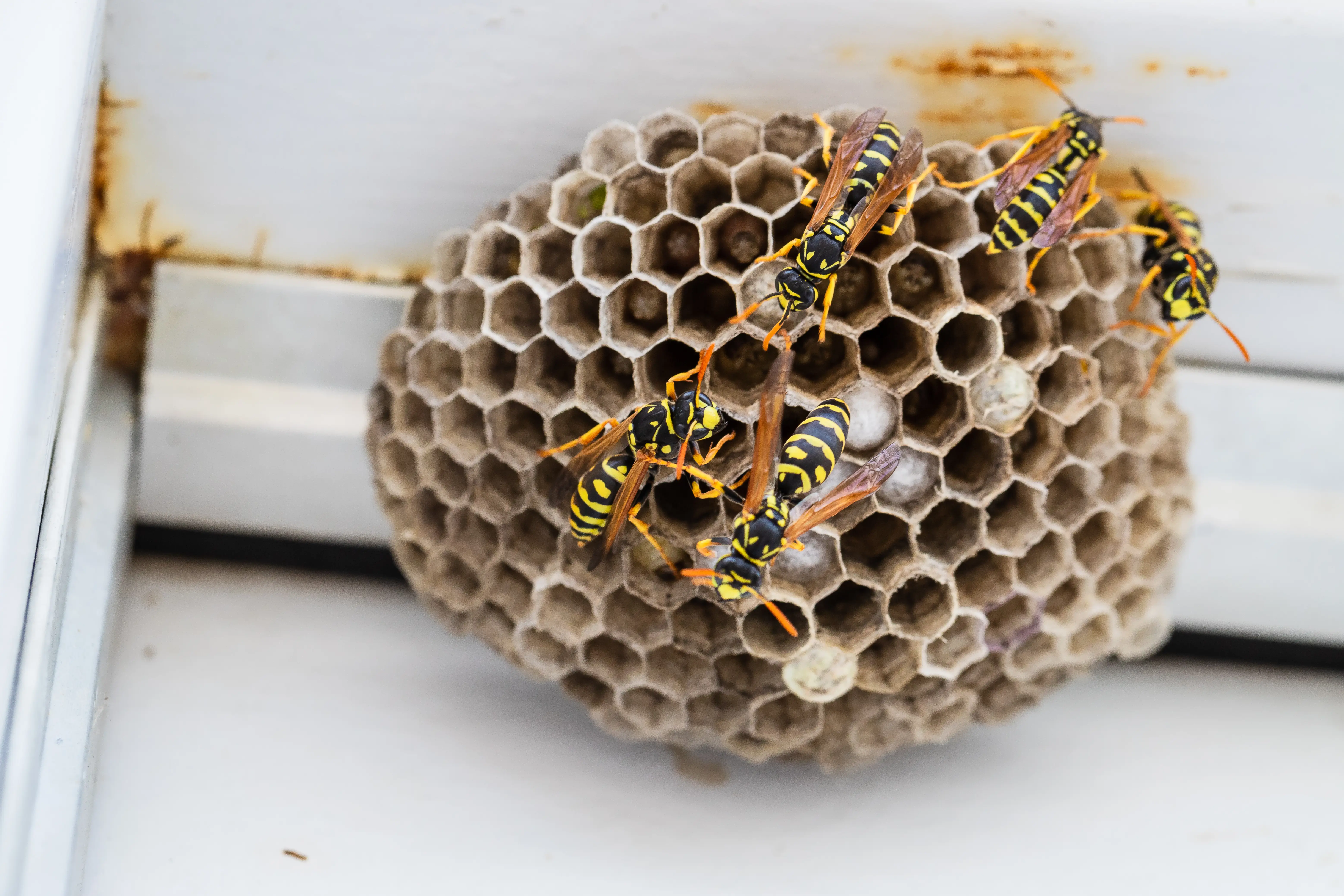
Paper wasps: eaves, gutters, sheds. Hornets and yellow jackets: trees, bushes, underground. They need a consistent food source nearby.

Best Time to Spray

Spring when nest is smallest. Minimizes risk of large swarm. Also effective in extreme winter cold when most wasps have died. Spray at night when workers have returned.

Spotted a Wasp Nest Forming?

Early treatment is easier and safer than waiting for peak season.

Call (866) 326-2847

Summer: Peak Aggression (June - August)

Wasps are much more likely to be aggressive in peak summer months. Higher numbers searching for food means higher risk of human interaction and more stings or attacks.

Food Competition

Wasps eat aphids and caterpillars, but these populations get depleted. Wasps then forage at picnics and parties where human food is available.

Territorial Behavior

Some species are extremely territorial and attack without provocation. They sting multiple times and release pheromones that trigger swarms.

Fall: Activity Declines (September - November)

After peak summer, wasp activity winds down. After September and October, many workers die from dwindling resources. The queen reduces egg laying, and remaining eggs become fertile wasps for next season.

Preparing for Next Generation

Throughout the year, queens produce infertile female workers. As temperatures drop, she produces fertile males and females. They mate, and new fertile females leave to find hibernation spots. Survivors become next year's queens.

Winter: Colony Dies Off (December - March)

Most wasps, hornets, and bees cannot survive cold temperatures. Once final eggs are laid producing new fertile females, the rest of the colony including the older queen dies off from cold weather.

After the Queen Dies

Remaining workers fend for themselves without needing to care for eggs and larvae. They stray from the nest and forage until they die from the elements. The wasp life cycle completes.

How Climate Change Impacts Wasp Season

Longer Seasons

Warmer temperatures lasting longer give wasps an extended season to thrive.

Early Warm Spells

Temporary warm periods too early in spring cause females to emerge from hibernation, only to die from starvation when resources are not abundant.

Extreme Heat

Periods of extreme heat in peak summer cause wasps to overheat and die when temperatures exceed their heat threshold.

Professional Wasp Control

If you have seen wasp nests or wasp activity, treat the nest to prevent incidents where wasp and human interaction can result in injury. Call EcoGuard Pest Management to schedule an inspection with one of our licensed wasp control specialists. We create customized treatment plans to safely and effectively get rid of wasps.

Call (866) 326-2847Get Free Quote

Wasp Season FAQs

What time of year are wasps most aggressive?

Wasps seem more aggressive in summer months due to increased human interaction caused by higher numbers searching for food. Peak summer is when populations are highest and natural food sources start to decline.

How do you eliminate wasps?

Effective wasp treatment requires treating the nest, causing the colony to collapse. If the nest survives, the queen continues producing eggs that replace terminated wasps.

What months are wasps around?

Wasps are around from spring to fall and die off in winter when temperatures drop. Queens emerge from hibernation in spring to create new nests. Activity peaks in summer, then declines as temperatures cool.

At what temperature are wasps most active?

Wasps are most active in peak summer months during the day when temperatures are highest. They prefer warm temperatures and search for food when most likely to find it.

From Our Blog

Related Articles

Are Murder Hornets Dangerous? Facts and Safety Guide

Are Murder Hornets Dangerous? Facts and Safety Guide

Learn about Asian giant hornets (murder hornets), their dangers to humans and honeybees, identification tips, and what...

Read Article
Are Wasps Dangerous? Stings, Swarms & When to Seek Help

Are Wasps Dangerous? Stings, Swarms & When to Seek Help

Learn why wasps are dangerous, how they differ from bees, sting treatment, when to seek medical attention, and how to...

Read Article
Are Wasps Pollinators? Their Role in Pollination & Benefits

Are Wasps Pollinators? Their Role in Pollination & Benefits

Learn how wasps act as pollinators, their specialized role with orchids and figs, diet and energy needs, and other...

Read Article
How Long Do Wasps Live? Lifespan, Life Cycle & Seasonal Activity

How Long Do Wasps Live? Lifespan, Life Cycle & Seasonal Activity

Learn how long wasps live by role (workers vs queens), the wasp life cycle from egg to adult, seasonal nest activity,...

Read Article
How to Get Rid of Wasps: Safe Removal, Treatment & Prevention

How to Get Rid of Wasps: Safe Removal, Treatment & Prevention

Learn how to safely get rid of wasps including nest removal, treatment strategies, protective gear, wasp...

Read Article
How to Repel Wasps: Natural and Effective Methods for Wasp Control

How to Repel Wasps: Natural and Effective Methods for Wasp Control

Learn how to repel wasps naturally with scientifically proven essential oils, DIY sprays, and prevention strategies....

Read Article
What Are Wasps? Appearance, Lifespan, Diet & Behavior

What Are Wasps? Appearance, Lifespan, Diet & Behavior

Learn about wasps including appearance, lifespan, social vs solitary behavior, diet, purpose in ecosystems, why they...

Read Article
What Do Yellow Jackets Eat? Diet and Feeding Habits

What Do Yellow Jackets Eat? Diet and Feeding Habits

Learn what yellow jackets eat, their seasonal diet changes, why they invade picnics, and how to prevent them from your...

Read Article