EcoGuard Pest Management
Wasp pollinating a flower
By Gary Anderson||4 min read

Are Wasps Pollinators?

The surprising role wasps play in pollination and ecosystem health.

Yes, Pollinators
Passive but effective
100+ Orchids
Depend on wasps
60+ Million Years
Fig-wasp evolution

Wasps play a specific role in their ecosystems that provides significant benefit to plants. They act as pollinators as well as provide effective pest control against garden and nuisance pests.

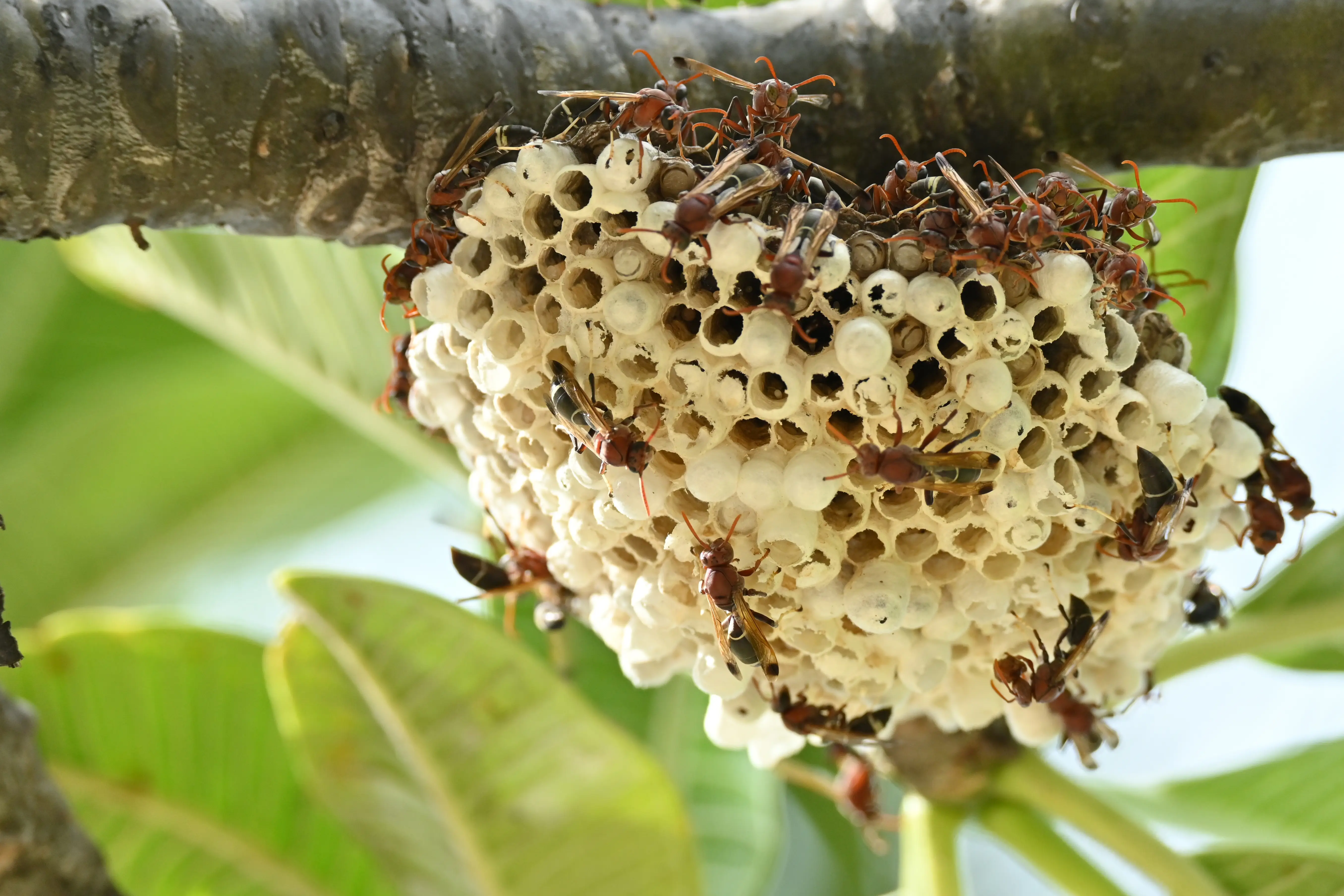
When wasps search for nectar, they come into contact with pollen which then pollinates other plants. Social wasps are more effective pollinators because workers spend their day searching for food, traveling back and forth among different plants.
Wasp Diet and Energy Needs

Constantly searching for food keeps wasps busy, leading to a rapid metabolism. Their bodies shut down without enough food. Wasps need to consume significant amounts of high-energy food.

Sugar from Nectar

Found in the sugary nectar of flowers and fruits. Primary energy source for active wasps.

Protein from Insects

Hunt other insects for proteins larvae need to develop. Essential for colony growth.

When Resources Decline

Forced to search for alternatives like sugary drinks, fruit, and meat at picnics and parties.

Wasp Pollination Myths

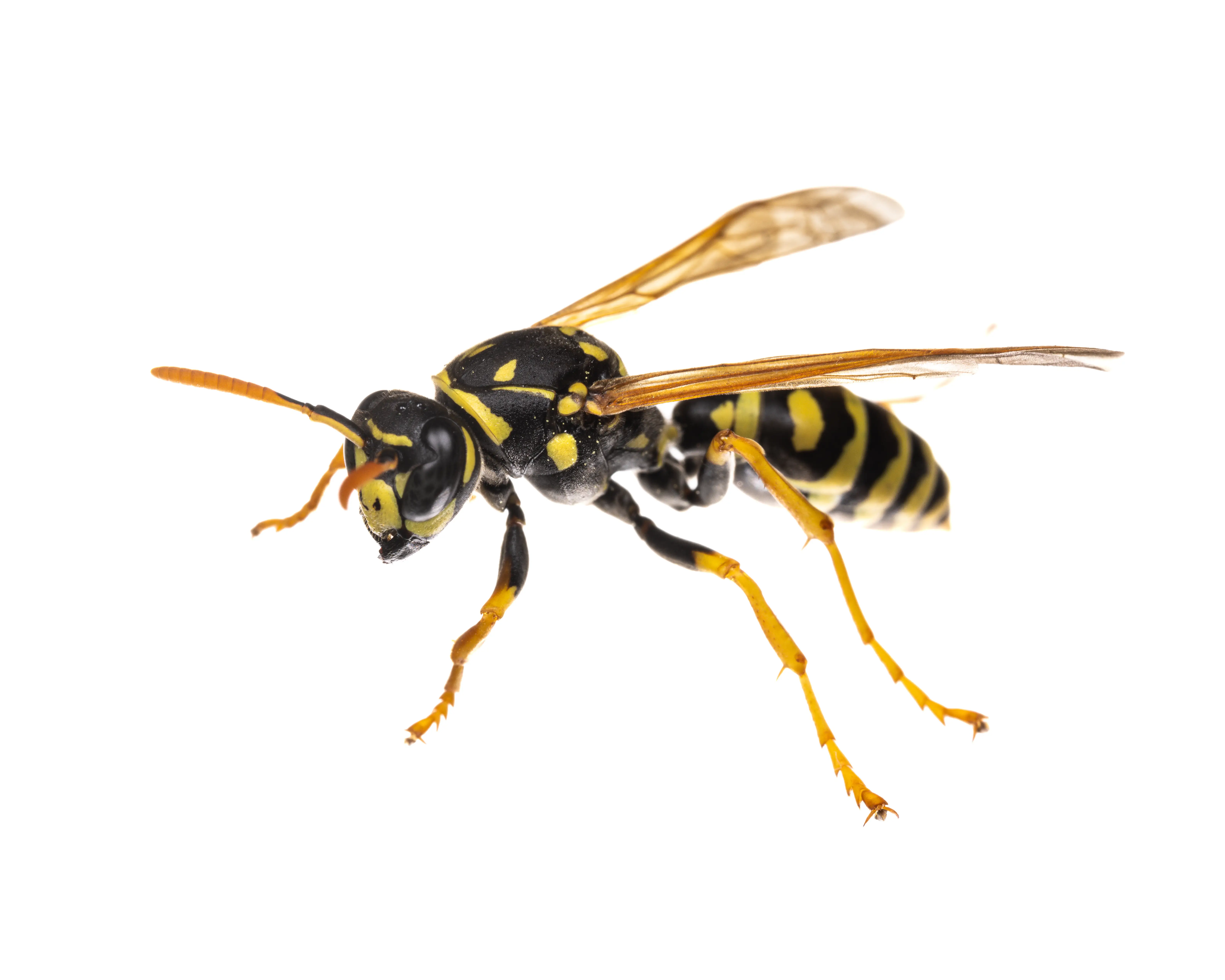
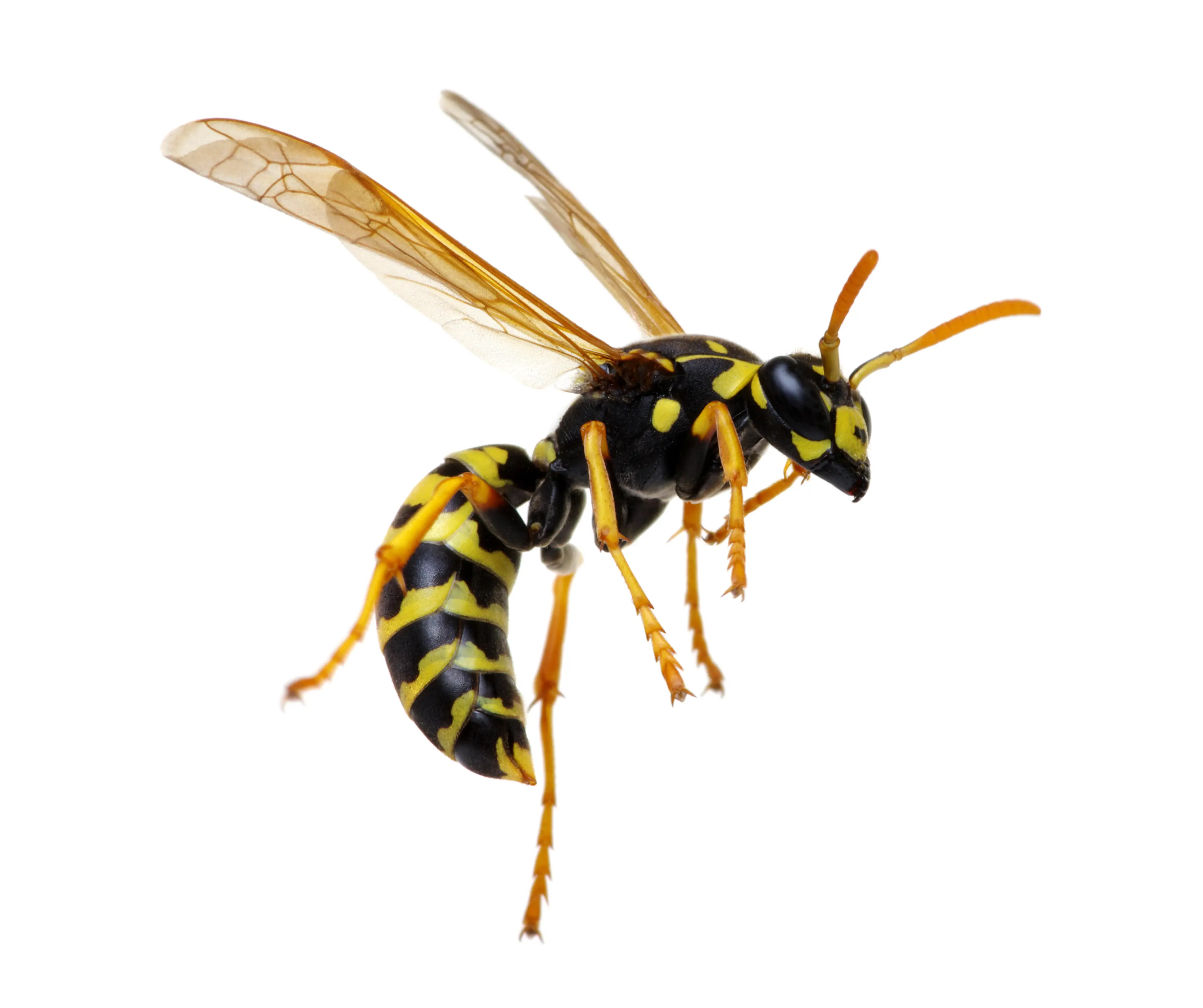
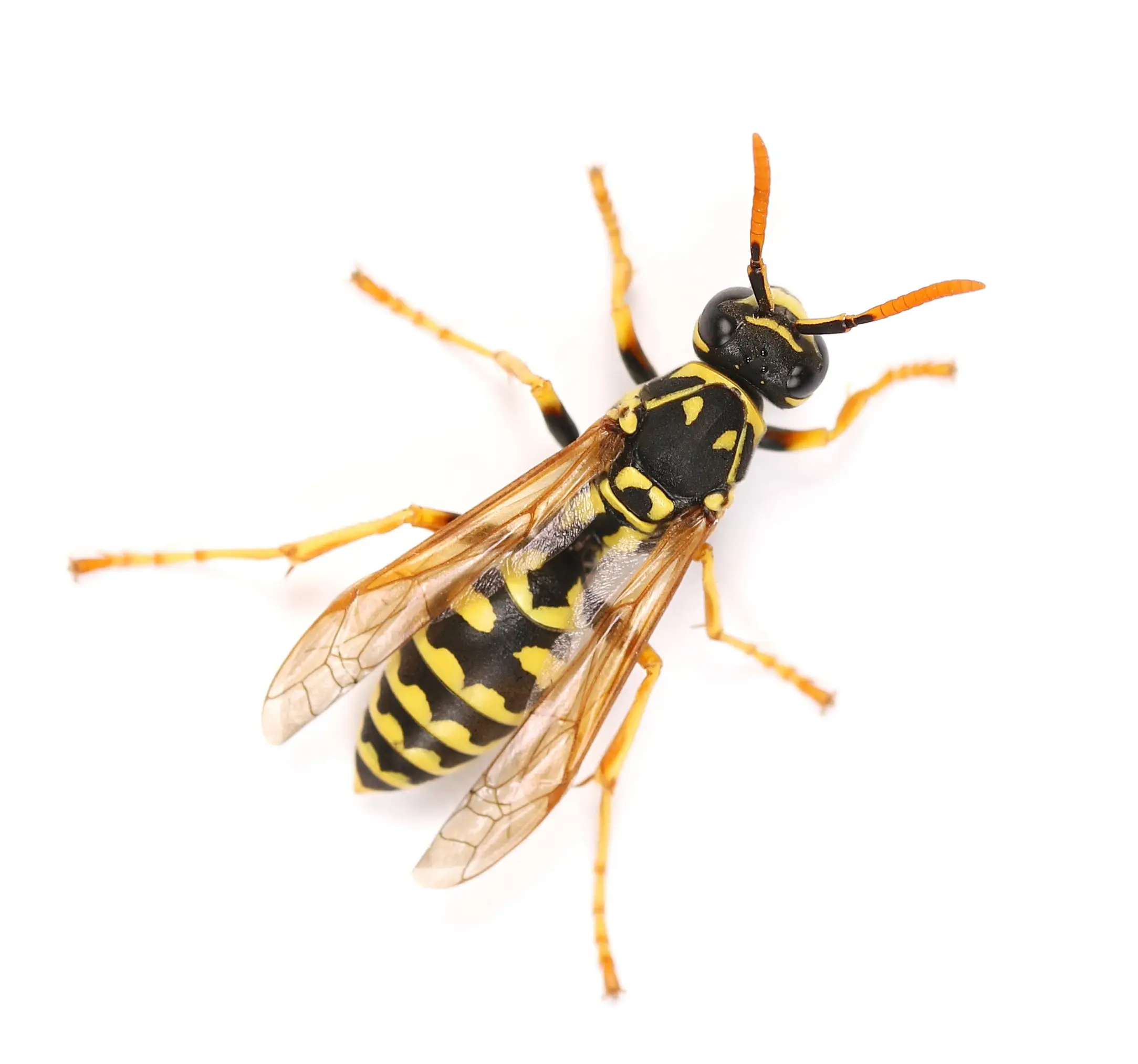
Wasps were not always thought to be pollinators. They were originally thought to have smooth bodies not conducive to pollination. However, several common species do have hairy bodies that make them effective pollinators.

Do Wasps Have Hairy Bodies Like Bees?

Wasps appear smooth but several species are covered in hairs so fine they are almost invisible. These hairs cover their entire bodies and are dense enough to capture pollen, similar to bees. However, wasps feed on nectar, not pollen, making them passive pollinators that are less efficient at passing pollen from plant to plant.

Wasp Nest Near Your Home?

Even beneficial wasps can pose a threat. Get professional help.

Call (866) 326-2847

Wasp Pollination Specialties

Even though wasps may not be as effective at general pollination as bees, they provide a specific role for certain flowers that bees are not attracted to. These flowers require certain wasp species as specialized pollinators.

Orchids

Over 100 species of orchids are exclusively dependent on specific wasp species for pollination.

  • Some attract wasps through specific smells
  • Others mimic female wasps so males attempt to mate
  • Some release volatiles when eaten by caterpillars to attract wasps for defense

Figs (Critical Role)

Fig plants and wasps have evolved together for over 60 million years, completely dependent on each other.

  • Figs have flowers inside the fruit
  • Female fig wasps crawl inside to lay eggs
  • Pollinate flowers with pollen from their birth fig
  • Male offspring eat through fig for females to escape

Specialized Flower Traits: Abundant and accessible nectar in shallow spaces, strong scents, and dull colors often overlooked by other pollinators.

Other Benefits of Wasps

While wasps are pollinators, their biggest ecosystem role is as hunters of other insects. This benefits humans because they prey on nuisance and garden pests that damage crops.

Pest Control

Hunt green flies, caterpillars, and other harmful insects to feed their larvae.

Agricultural Use

Increasingly used by farmers to keep insect populations under control without chemicals.

Reduced Pesticides

Less chemical pesticide use is good for the overall pollinator population.

Professional Wasp Control

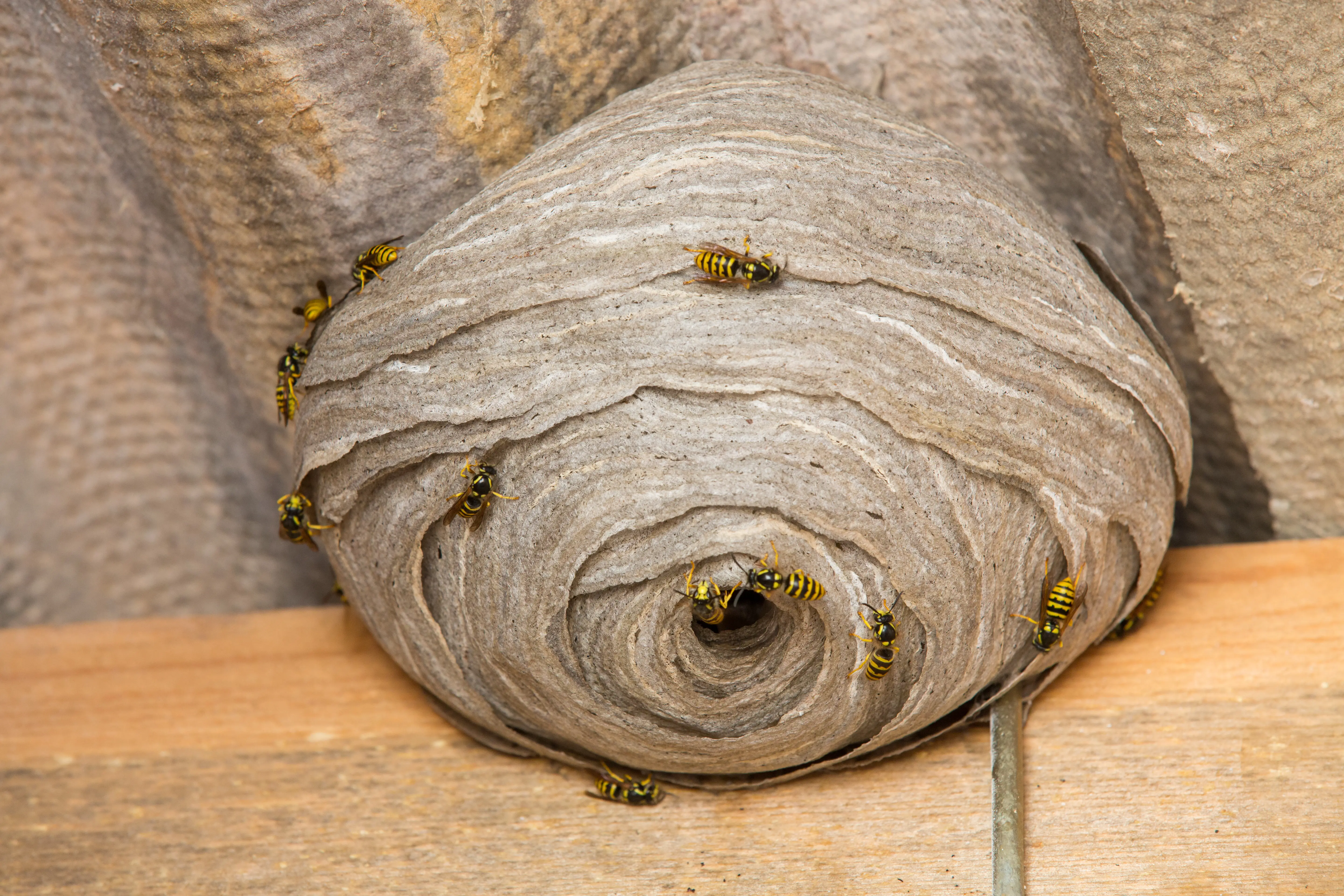
Even if wasps play a beneficial role, they still pose a threat to your home and family if not treated. If a wasp nest has been found on or around your home, schedule an inspection with EcoGuard Pest Management. We will create a customized plan to get rid of wasps and prevent future problems.

Call (866) 326-2847Get Free Quote

Wasp Pollinator FAQs

Are wasps good for anything?

Wasps play a critical role in helping pollinate certain plant species and control pests harmful to plants and crops. They are passive pollinators and effective hunters that help keep green fly and caterpillar populations down.

Are wasps better pollinators than bees?

Bees are better general pollinators because they spend all day moving from flower to flower consuming pollen. Their hairy bodies collect pollen which then spreads to other plants. Wasps are passive pollinators that feed on nectar, not pollen.

Are wasps good for the garden?

Wasps are beneficial insects that help pollinate and keep insect populations under control. They are passive pollinators that inadvertently transfer pollen when they feed on nectar, and they hunt caterpillars and other pests.

From Our Blog

Related Articles