As the warmth of spring and summer beckons us outdoors, it also heralds the arrival of tick season. Among the various tick species found across the United States, deer ticks (also known as blacklegged ticks) and wood ticks (commonly referring to American dog ticks) stand out as two of the most prevalent and concerning.
With reported cases of tick-borne illnesses more than doubling in the past two decades according to the CDC, understanding the nuances between deer ticks and wood ticks has become increasingly important. This knowledge not only aids in identification but also informs prevention strategies and appropriate responses to tick encounters.
Quick Comparison
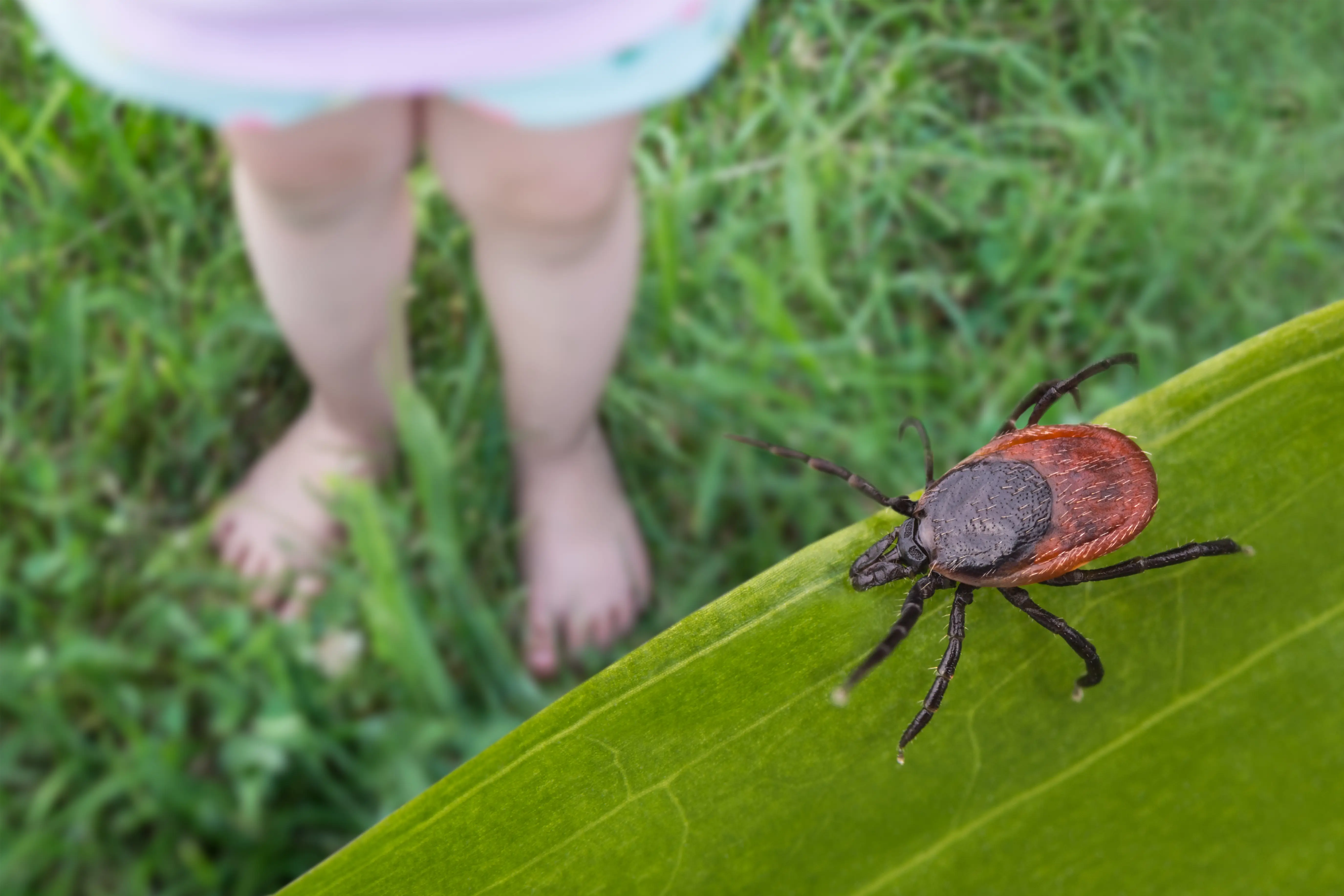
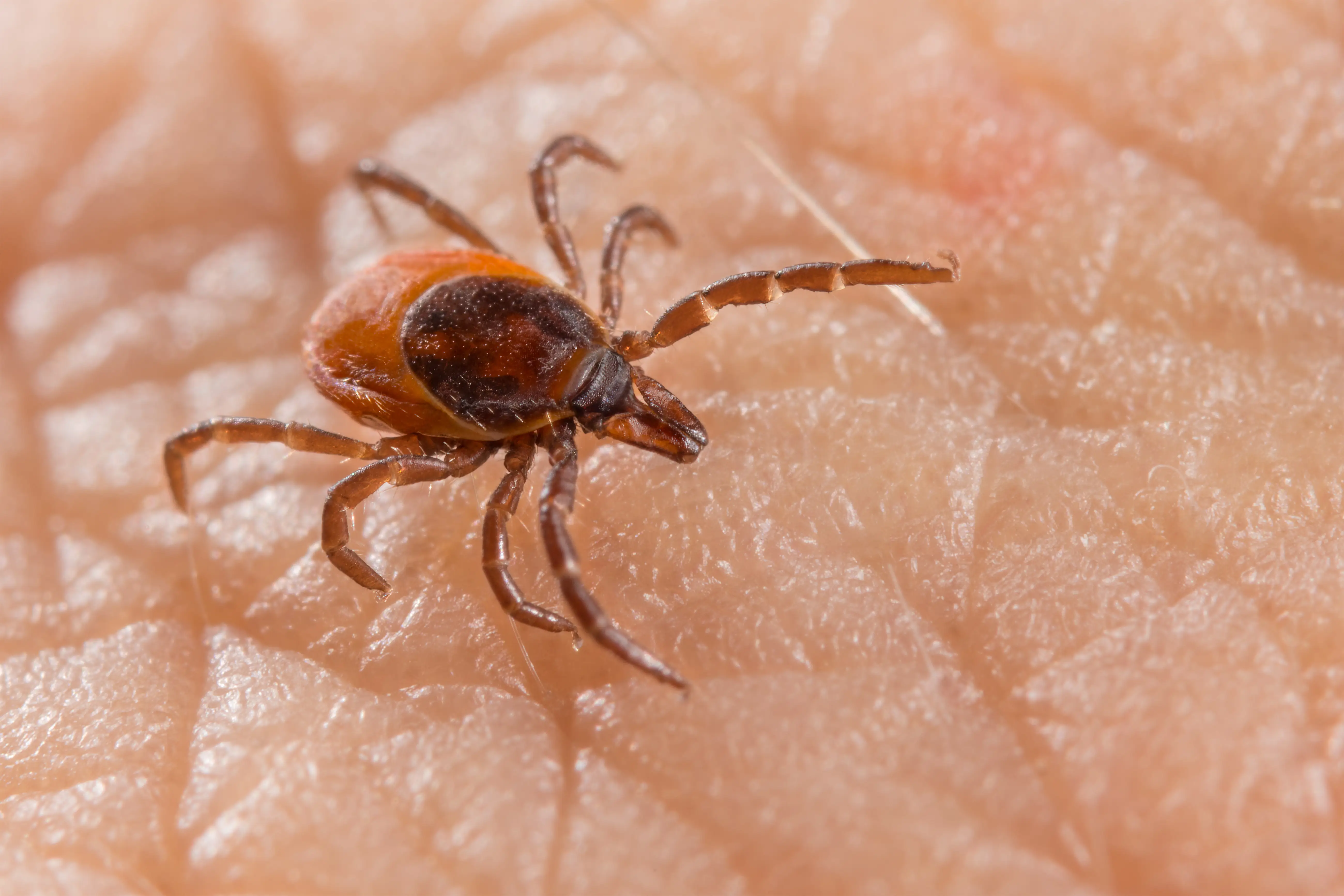
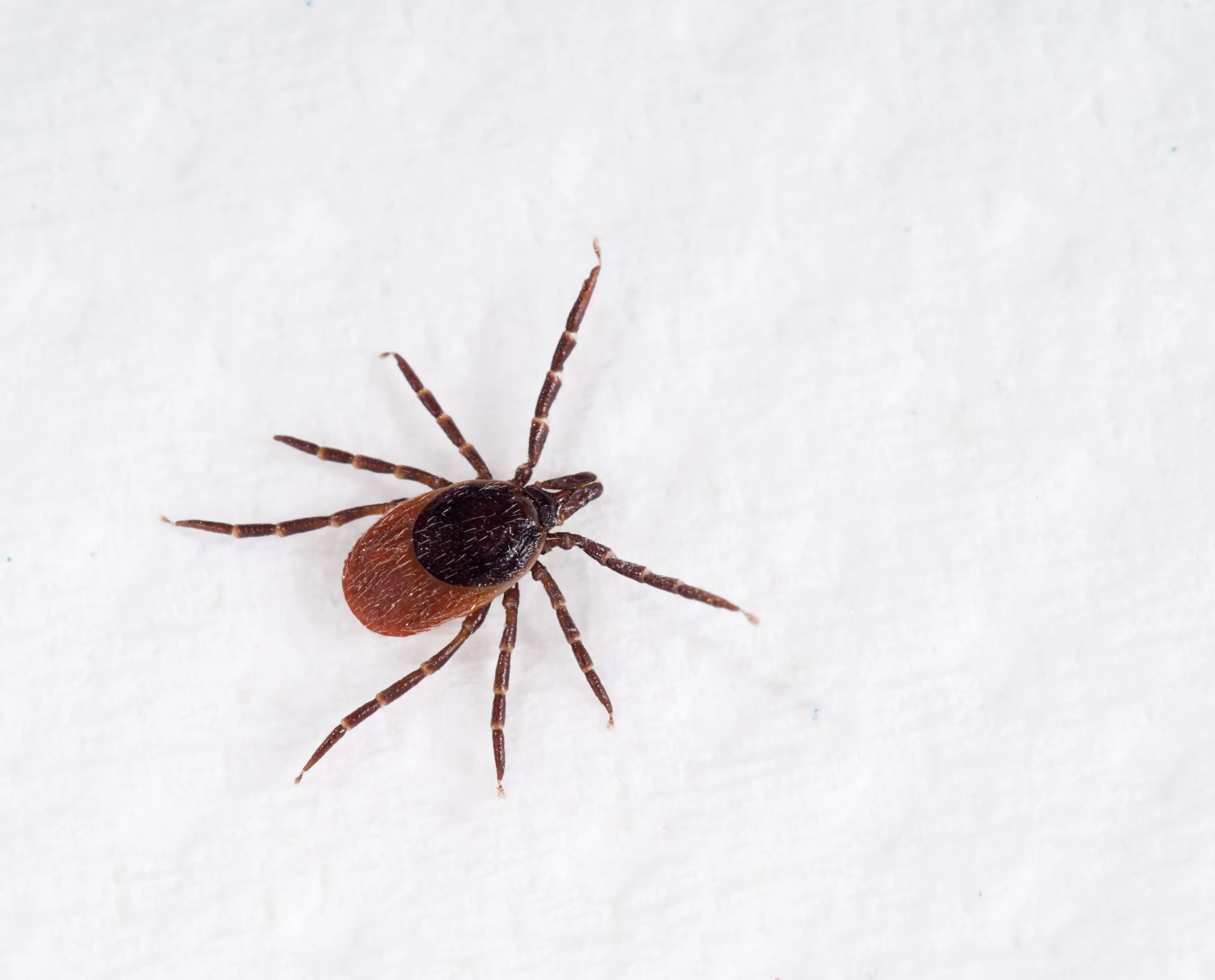
Deer Tick: Poppy seed-sized, reddish-orange with black shield, transmits Lyme disease
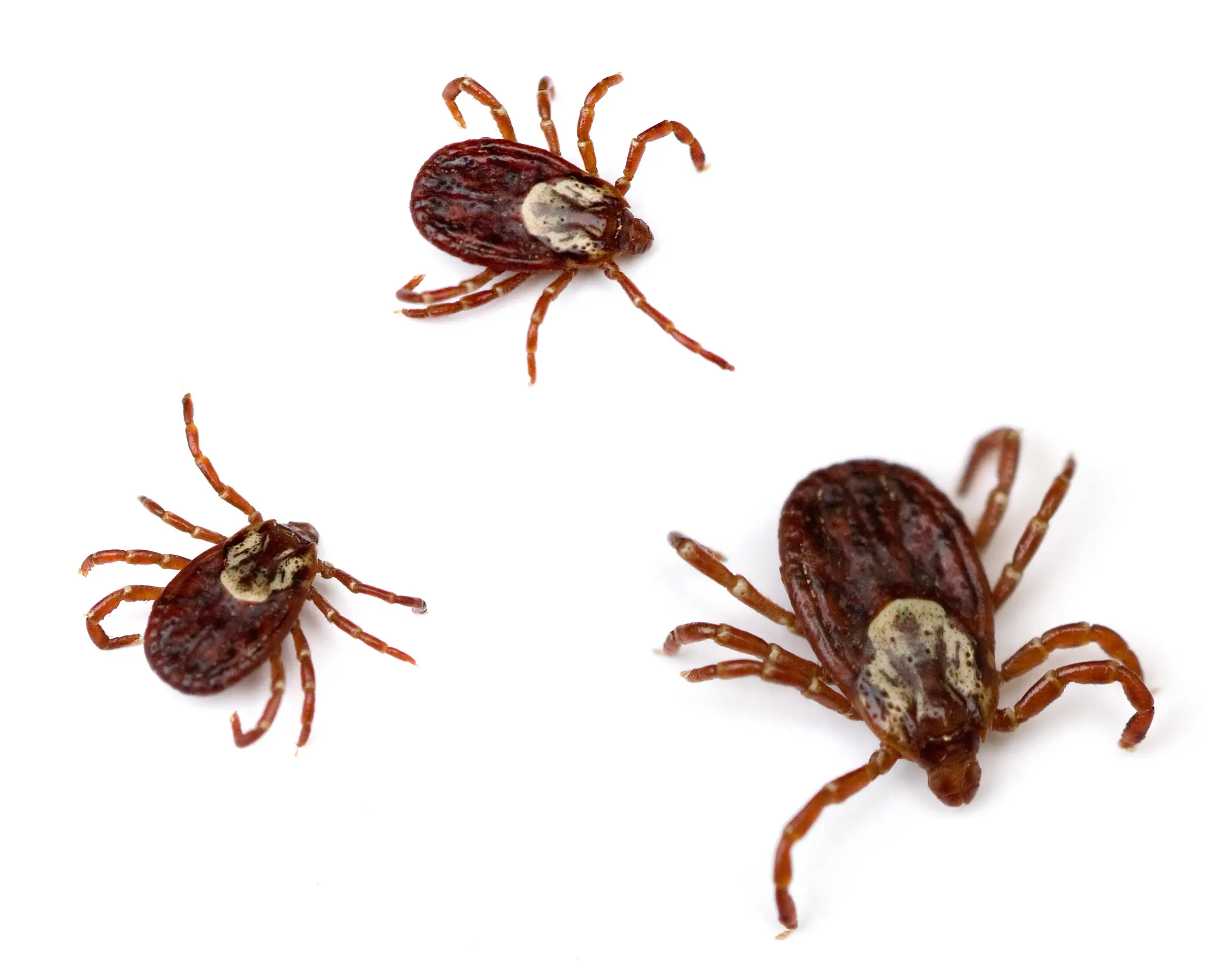
Wood Tick: Larger (3/16 inch), dark brown with gray/silver pattern, transmits Rocky Mountain spotted fever
In This Article:
Key Facts
Cases doubled in 20 years (CDC)
Year-round, peak spring/fall
Spring to early summer