EcoGuard Pest Management
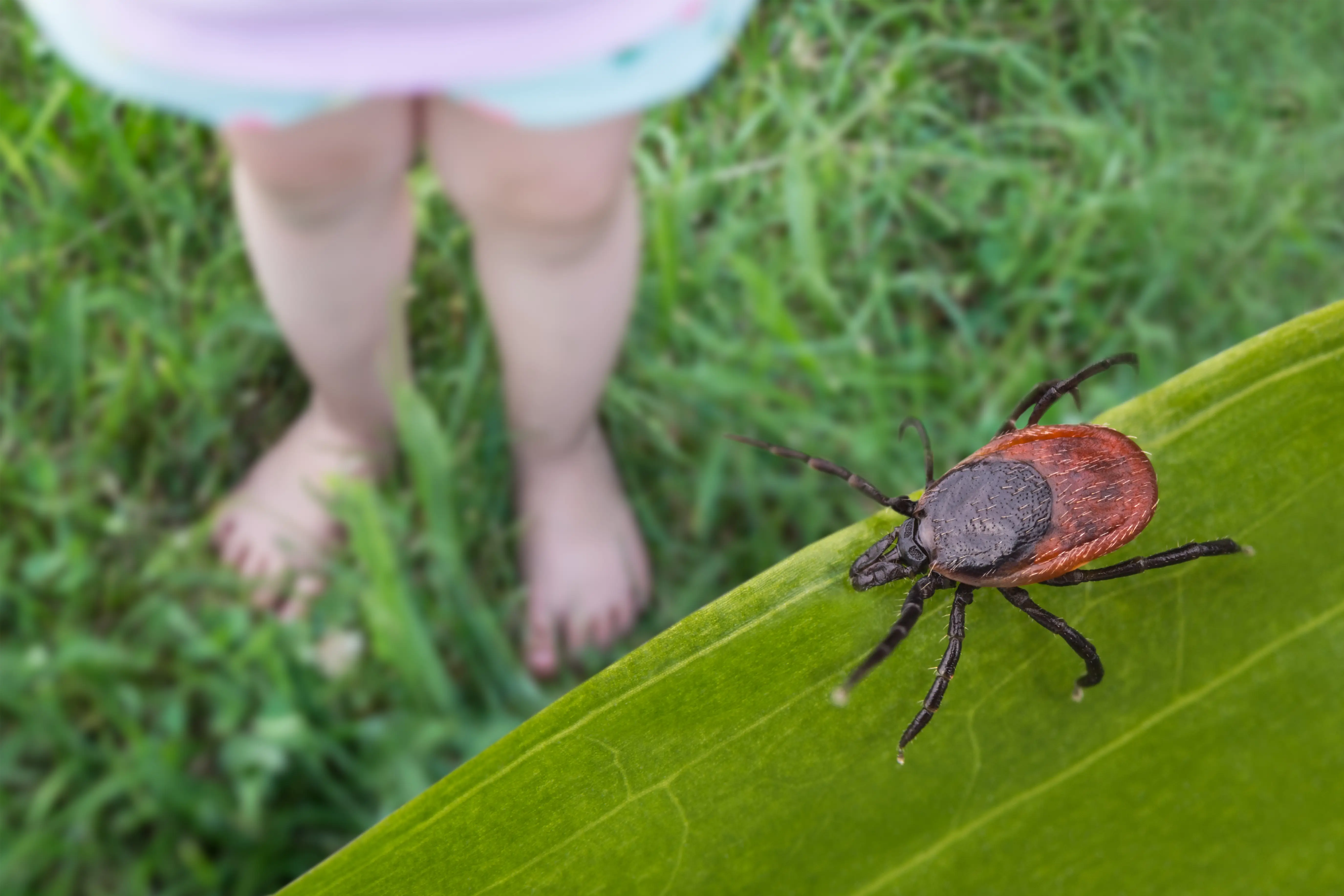
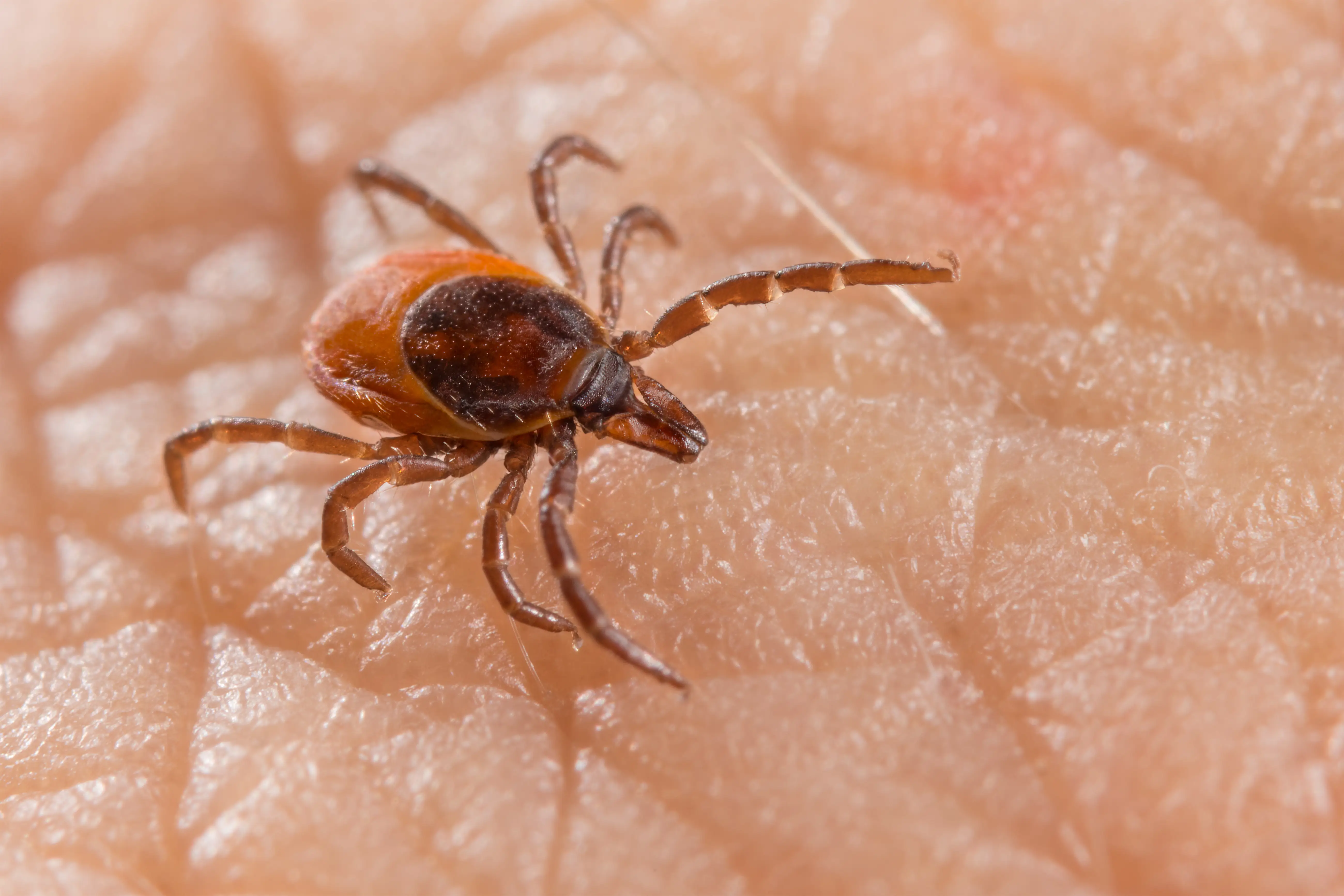
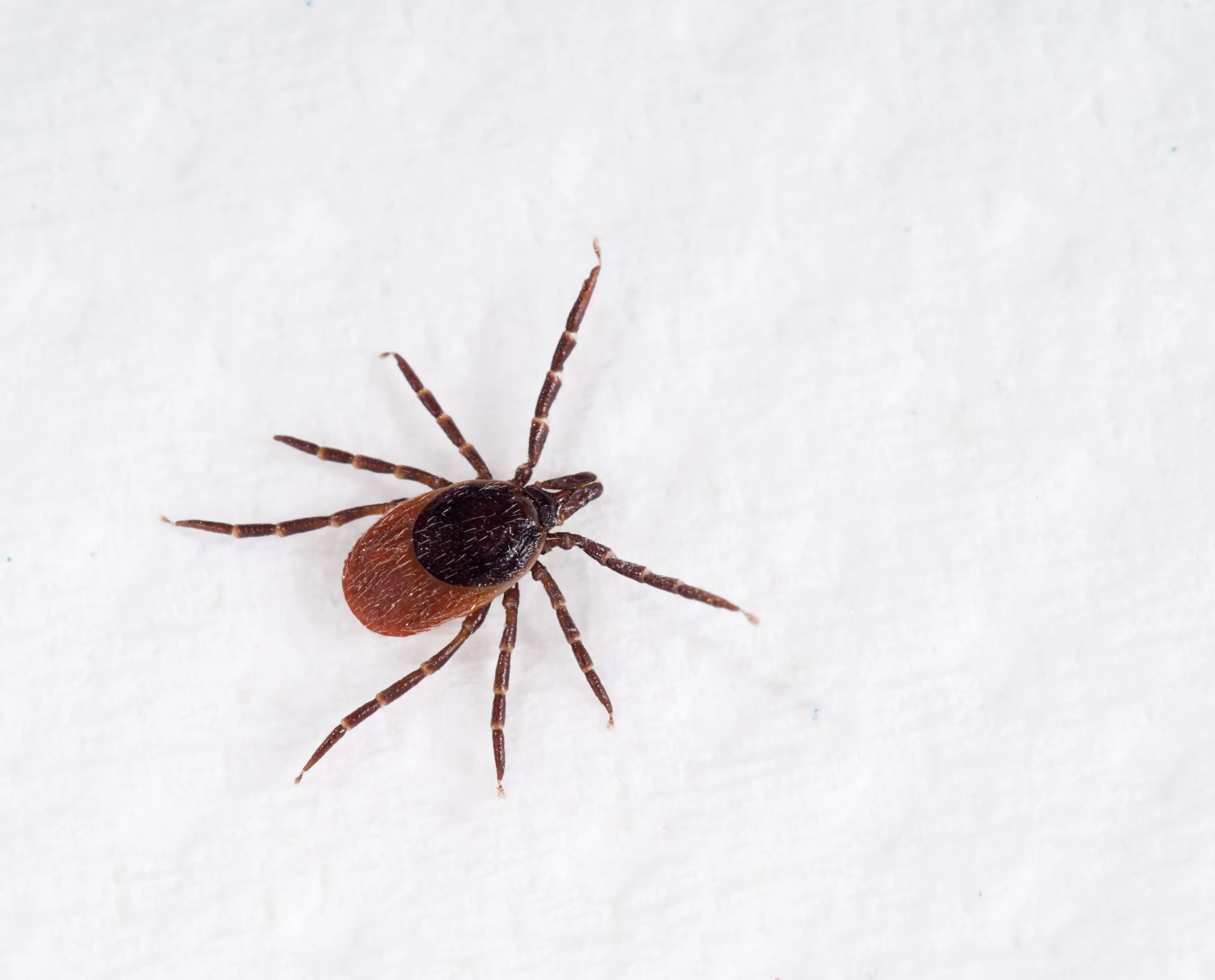
Tick on grass blade waiting for a host
By Gary Anderson||4 min read

How to Kill Ticks and Prevent Them from Coming Back

Effective methods to eliminate ticks and protect your family and pets.

Spending time outdoors comes with certain risks like exposure to ticks. These tiny blood-sucking parasites can transmit serious diseases, posing a threat to both humans and pets.

With the right knowledge and precautions, it is possible to enjoy outdoor activities without worrying about tick infestations. Pest control specialists recommend immediate treatment when ticks are found.

Disease Risk

Ticks are second only to mosquitoes in transmitting blood-borne diseases to humans. Diseases include Lyme disease, Rocky Mountain spotted fever, and more.

Easy Ways to Kill Ticks

Pesticide Sprays (Permethrin)

Effective for significant infestations. Follow manufacturer guidelines, wear protective gear, and ensure safety of pets and children. Caution: Permethrin is harmful to cats and fish and can create environmental runoff if misused.

Nematodes (Natural Solution)

Beneficial microscopic worms that target tick larvae. Safe for humans, pets, and pollinators. For deer ticks, use Steinernema carpocapsae or Heterorhabditis bacteriophora. Maintain moisture for about a week after application.

Create an Uninhabitable Barrier

Ticks thrive in dense, shaded environments. Create a 3-foot-wide barrier of stones, wood chips, or gravel around your yard. This dry, hot environment kills ticks. Avoid damp, shredded mulch that provides cool, moist conditions.

Maintain Your Lawn

Regular mowing prevents ticks from finding refuge in tall grass. Let grass grow to 4-4.5 inches, then trim to 3 inches. If over 5-6 inches, use a bagging attachment to trap ticks in clippings.

Raise the Heat (Laundry)

All tick life stages are killed at water temperatures of 130°F or higher. More effective: place clothing directly in dryer with dry towels on high heat for minimum 6 minutes. Dry heat is more effective than hot water.

Diatomaceous Earth

Fine powder made of ground-up diatoms. Acts as a desiccant with microscopic sharp edges that cut through tick exoskeletons, causing fluid loss. Non-toxic, effective outdoors.

Borax

Targets tick larvae in carpets and pet bedding. Not effective on adult ticks.

Bleach

Submerge tick in bleach container. Handle with caution (caustic).

Rubbing Alcohol

Kills ticks and disinfects bite wounds simultaneously.

Tick Infestation in Your Yard?

Professional treatment eliminates ticks and protects your family from disease.

Call (866) 326-2847

Tick-Borne Diseases

Lyme Disease

Blacklegged tick

Most notorious. Bull's eye rash to neurological issues. Prompt antibiotics crucial.

Rocky Mountain Spotted Fever

American dog tick, Rocky Mountain wood tick

Severe disease. Early antibiotic treatment necessary.

Anaplasmosis

Blacklegged tick

Flu-like symptoms. Treatable with antibiotics.

Babesiosis

Blacklegged tick

Can be severe. Most susceptible: elderly and immunocompromised.

Ehrlichiosis

Lone Star tick

Flu-like symptoms, sometimes rash. Antibiotics typical treatment.

Alpha Gal Syndrome

Lone Star tick

Allergic reaction to red meat after tick bite transfers alpha gal carbohydrate.

How to Remove and Kill a Tick Safely

1

Use Tweezers

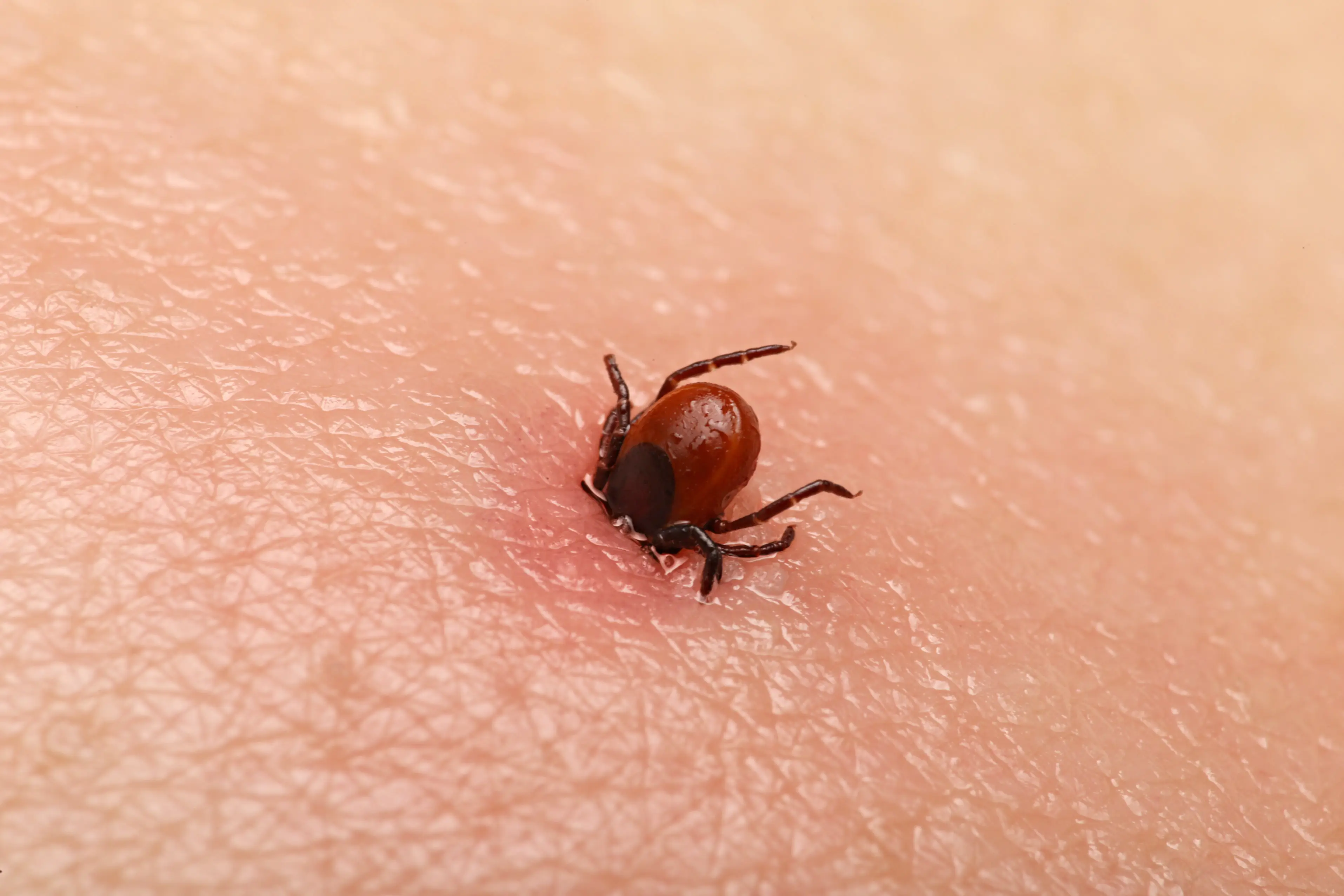
Sterilize fine-tipped tweezers. Grasp tick as close to skin as possible. Pull upward firmly without twisting or jerking.

2

Stay Gentle

Do not squeeze the body. Crushing can release harmful bacteria or parasites into your body.

3

Clean the Bite Site

Wash with warm water and soap. Disinfect with rubbing alcohol. Cover with bandage.

4

Dispose of the Tick

Seal in bag with rubbing alcohol. Keep for several days. If rash or flu symptoms develop, bring tick to doctor for testing.

How to Prevent Ticks

Dress Smartly

Long sleeves, long pants, socks, hat. Tuck pants into socks. Light-colored clothing makes spotting ticks easier.

Stick to the Path

Stay on well-traveled paths. Ticks are prevalent in wooded, grassy, bushy areas.

Maintain Your Yard

Mow regularly, keep lawn short. Remove leaf litter, trim shrubs and trees.

Use Repellents

Apply DEET on exposed skin. Treat clothing with tick repellents.

Clean After Outings

Wash and dry clothing on high heat. Ticks may survive a wash but not an hour in a hot dryer.

Inspect Yourself

Check body thoroughly after being outdoors. Pay attention to hidden areas like crotch and armpits.

Minimize Host Animals

Eliminate bird nests, take measures against rodents. Ticks bite many animals.

Treat Your Pets

Use common tick medications on pets. Often treats fleas too.

Clean Pet Areas

Vacuum areas where pets rest. Treat kennels and dog houses.

Avoid Ground Contact

Do not sit directly on ground, logs, or long grass in tick-infested areas.

Contact EcoGuard If You Are Dealing with a Tick Problem

If you are dealing with tick infestations or are concerned about the potential risks they pose, do not hesitate to take action. EcoGuard Pest Management possesses the expertise and tools to address tick-related challenges effectively. Remember, ticks are not just a nuisance; they can be carriers of serious diseases.

Call (866) 326-2847Get Free Quote

How to Kill Ticks FAQs

What kills a tick instantly?

Ticks can be instantly killed by submerging them in alcohol or bleach. Afterwards place them in a sealed bag and dispose of it after several days if symptoms of illness do not manifest. If bitten, use fine-tipped tweezers to grasp the tick as close to the skin's surface as possible and pull upward with steady even pressure. After removal, thoroughly clean the bite area and your hands with rubbing alcohol, an iodine scrub, or soap and water.

Can you squish a tick to kill it?

While it is possible to squish a tick, it is not recommended. Crushing a tick can release its fluids, which might contain pathogens that cause diseases. Instead, it is safer to remove ticks using tweezers then kill them by submerging them in rubbing alcohol before disposing of them.

What makes ticks so hard to kill?

Ticks are resilient creatures due to their tough outer shells, which can protect them from physical harm. Additionally, their small size and flat bodies allow them to easily hide in crevices. Their adaptability to various environments and ability to go without feeding for extended periods also contribute to their hardiness.

Is there a natural way to kill ticks?

There are natural methods to kill ticks. Diatomaceous earth is a commonly used safe natural tick treatment that can be sprinkled in tick-prone areas. Its microscopic sharp edges can pierce the exoskeletons of ticks, causing them to dehydrate and die.