EcoGuard Pest Management
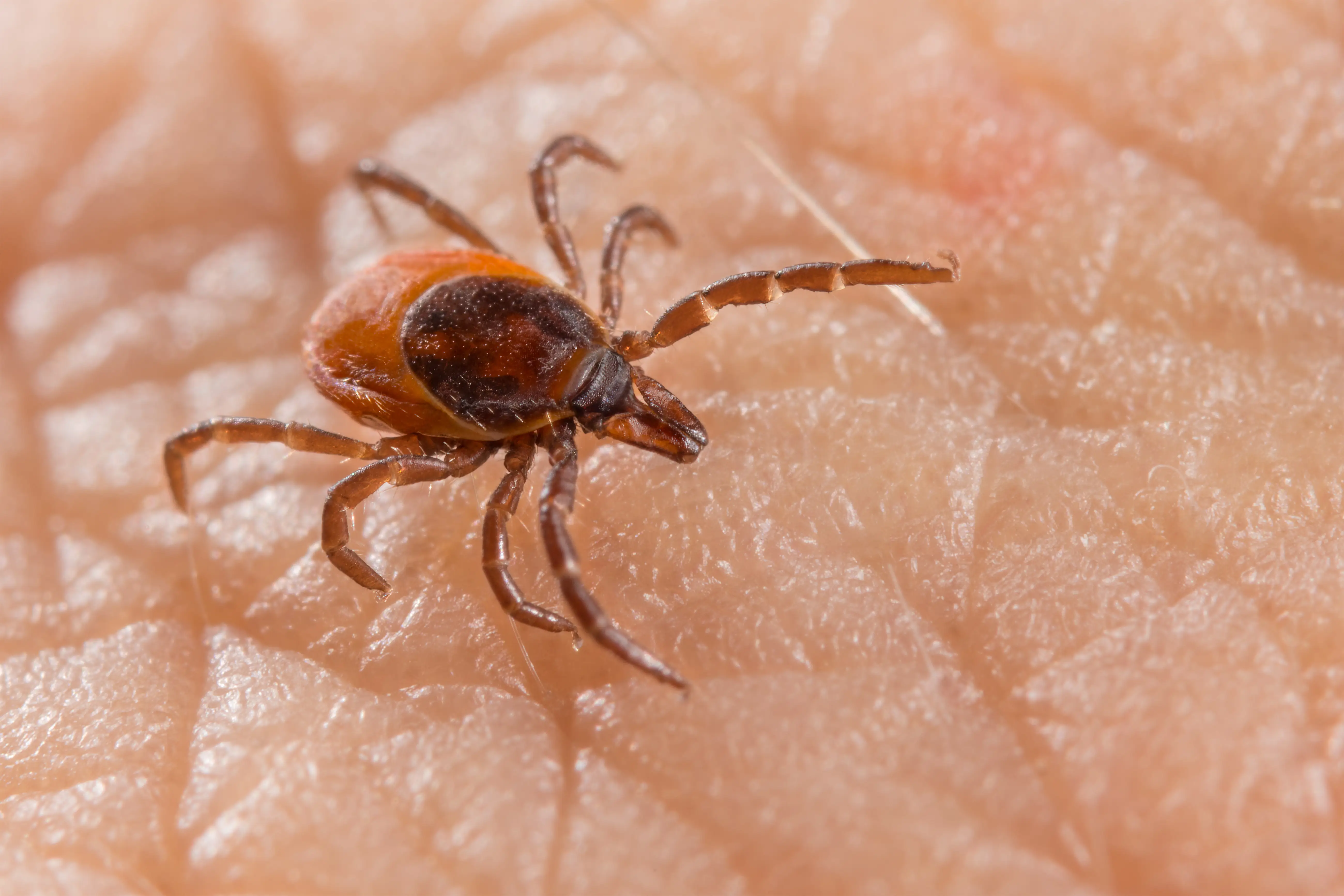
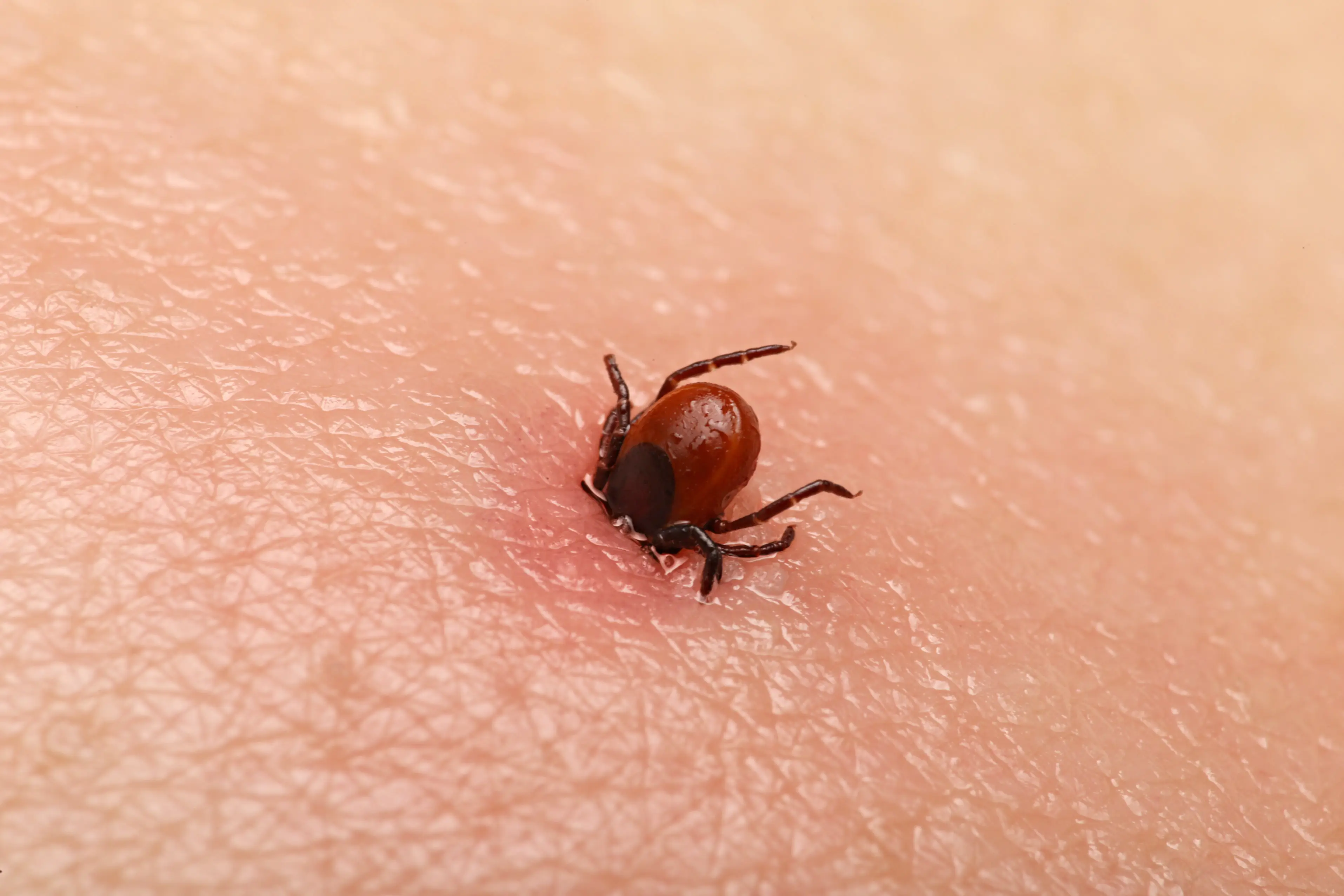
Close-up of tick bite on skin
By Gary Anderson||5 min read

What Does a Tick Bite Look Like?

Recognize tick bites, identify warning signs, and know when to seek medical attention.

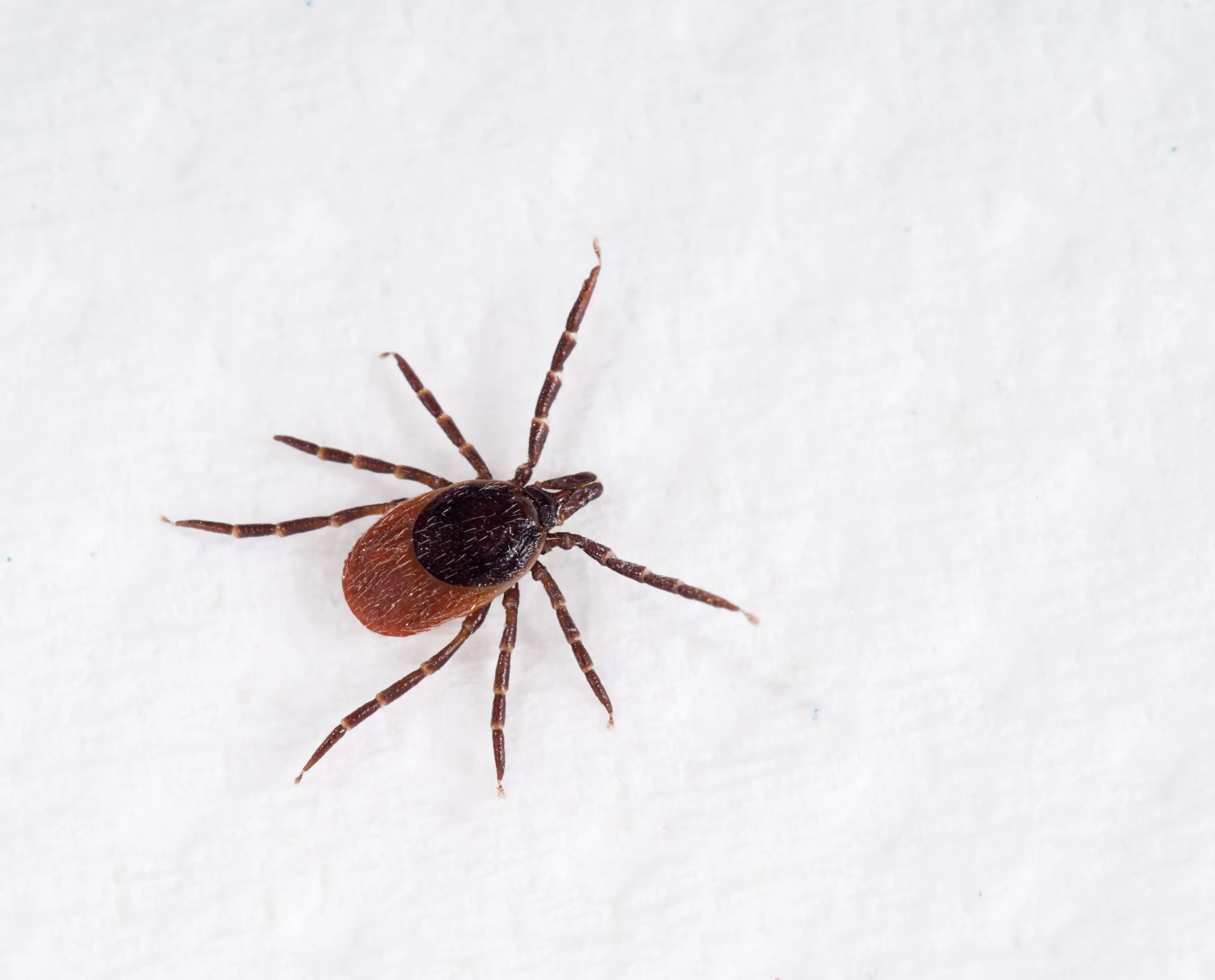
Tick bites occur in shady, damp environments where overhanging branches provide the perfect bridge for ticks to latch onto passing hosts. When a tick bites, it leaves a small, red bump that can develop into a rash.

This may not be immediately noticeable, as ticks are tiny and their bites usually do not cause pain or itching right away. Ticks release an anesthetic into the skin while feeding, making their presence unnoticeable.

Why Early Detection Matters

Ticks can transmit serious diseases with long-lasting impacts. Many tick-borne illnesses require immediate intervention. Untreated bites can lead to serious health issues affecting the brain, heart, and nervous system.
What Do Tick Bites Look Like?

The most definitive sign is finding the tick still attached, as they can remain latched for hours to days. If the tick is gone, bites often appear as a small, dark dot surrounded by a slightly raised red bump with a hard center. Normal symptoms fade after a few days, but can worsen over time.

Lyme Disease Rash

Distinctive bullseye pattern appears 3-14 days after bite. Red center with clear ring and outer ring of redness.

Allergic Reactions

Some people experience significant swelling, redness, and itchiness. May form a crusty, dry scab.

Size Varies

Larger ticks leave more noticeable marks. Bites from smaller ticks might be too small to spot with the naked eye.

Tick Bites vs Other Insect Bites

No Blisters

Other insect bites often result in pus or fluid-filled blisters, which are not common with tick bites.

Unique Locations

Bites on the back of neck, shoulders, and scalp are typically unique to ticks.

Single Bite

Fleas, bed bugs, and mosquitoes bite in multiples. Ticks typically latch on and bite in a singular location.

More Pronounced

Tick bites may be more pronounced as they burrow their heads into the skin before feeding.

Identifying Tick Bite Rashes

Erythema Migrans (Bullseye Rash)

Associated with Lyme disease. Central red spot surrounded by clear ring and another ring of redness (target-like). On darker skin, may appear as a deeper, red-toned brown. May show bruising around bite area.

Bartonellosis Rash

Appears in a streaked pattern like deep red stretch marks. Usually red or dark brown. Do not align with natural lines of the skin.

Duration: A tick bite might cause a small red reaction persisting for days or weeks. Lyme disease erythema migrans rash develops over 3-14 days and grows in size over time.

Concerned About Ticks on Your Property?

Professional tick control protects your family from tick-borne diseases.

Call (866) 326-2847

How to Remove a Tick

Avoid Substances

Do not apply caustic substances on the tick.

Avoid Heat

Do not use matches or hot materials.

Use Fine-Tipped Tweezers

Grasp tick as close to skin surface as possible.

Steady Pull

Pull upward with constant, even pressure. Do not twist or jerk.

Handle Breakage

If body breaks, remove remaining parts with tweezers or seek medical help.

Listen for Pop

A pop sound may indicate successful removal.

Preserve the Tick

Seal in plastic bag, store in freezer for disease testing.

Clean the Site

Disinfect with alcohol or soap and water. Wash hands.

Tick Bite Symptoms

Small Hard Bumps or Sores

At bite site, often with redness

Swelling

Localized around bite area

Allergic Reactions

Mild to severe (anaphylaxis)

Rash

May indicate tick-borne illness

Flu-like Symptoms

Fever, headache, fatigue, muscle aches

When to Worry About a Tick Bite

Seek Medical Attention If:

  • Incomplete removal of the tick or its parts from skin
  • Development of a rash or signs of infection (redness, swelling, warmth)
  • Flu-like symptoms: fever, chills, fatigue, muscle and joint pain, headache

Note: Symptoms of Lyme disease can take up to 30 days to appear. Take a photo of the tick and save it for possible disease testing. Inform your healthcare provider about recent tick bites if any unusual symptoms develop.

Tick-Borne Diseases

Symptoms typically manifest 3-30 days post-bite:

Lyme Disease

Spread by: Deer ticks

Fever, headache, fatigue, bullseye rash

Rocky Mountain Spotted Fever

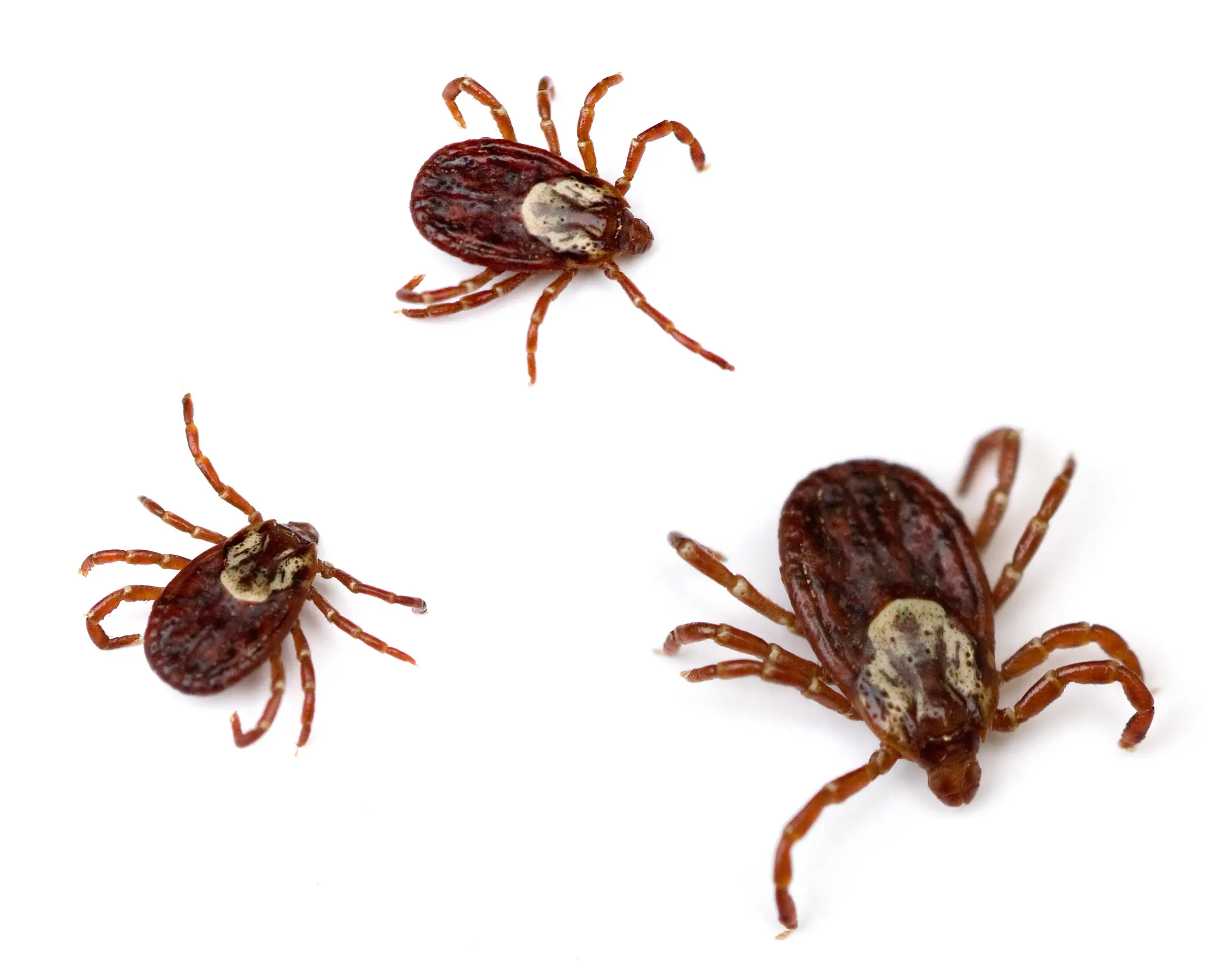
Spread by: Dog/wood ticks

Fever, headache, rash. Potentially fatal without treatment.

Tularemia

Spread by: Various ticks

Varies by mode of infection. Life-threatening without antibiotics.

Ehrlichiosis

Spread by: Lone star ticks

Fever, chills, headache, muscle aches, GI symptoms

Babesiosis

Spread by: Certain ticks

Parasites infect red blood cells. May be asymptomatic.

Alpha-gal Syndrome

Spread by: Lone star ticks

Food allergy to red meat and mammalian products

Contact EcoGuard If You Are Dealing with a Tick Problem

Managing a tick problem effectively may require professional assistance. EcoGuard Pest Management offers comprehensive solutions for tick control to keep your environment tick-free. Do not let ticks become a persistent issue in your home or garden.

Call (866) 326-2847Get Free Quote

Tick Bite Appearance FAQs

What does a tick bite on a human look like?

A tick bite on a human usually appears as a small red bump and may sometimes be accompanied by redness or swelling. In some cases, especially with Lyme disease, the bite can develop into a distinctive rash that resembles a bullseye. This rash has a red center where the tick bite occurred and is surrounded by a clear ring and another ring of redness. However, not all tick bites result in this specific rash.

How do you check yourself for tick bites?

To check yourself for tick bites, conduct a thorough body examination that focuses on warm, moist areas where ticks are likely to attach. Pay special attention to the scalp, armpits, groin, and behind the knees. Use a mirror to inspect hard-to-see areas and run your fingers through your hair and over your skin to feel for any small bumps that might indicate a tick. Perform this check after spending time in areas known for ticks.