EcoGuard Pest Management
Various tick species comparison
By Gary Anderson||5 min read

Different Types of Ticks Found in the United States

Identifying tick species is crucial for understanding disease risks in your area.

Various tick species exist in the United States, each capable of transmitting different diseases. While Lyme disease is most often associated with ticks, there are numerous other tick-borne diseases to be aware of.

Recognizing the type of tick in your area is crucial as it can help identify potential diseases if bitten. Preserving the tick after a bite can also provide valuable information to medical professionals.

Tick Classification

Ticks have 2 body segments and 8 legs (adults). They belong to the same class as spiders and scorpions, not insects. Two families exist: Hard ticks (Ixodidae) and Soft ticks (Argasidae).

Primary Types of Ticks

Hard Ticks (Ixodidae)

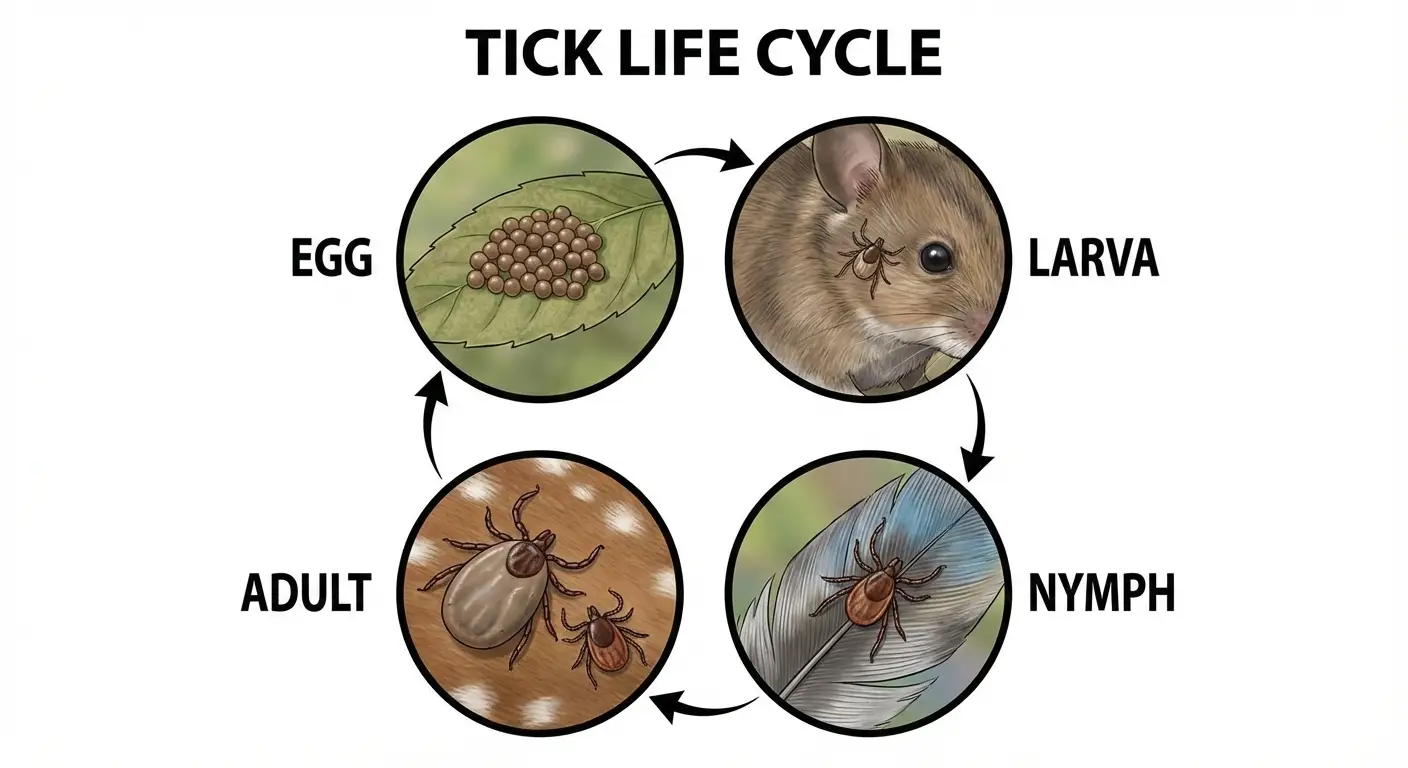
  • Life cycle: egg, larva, nymph, adult
  • Spans 1-2 years
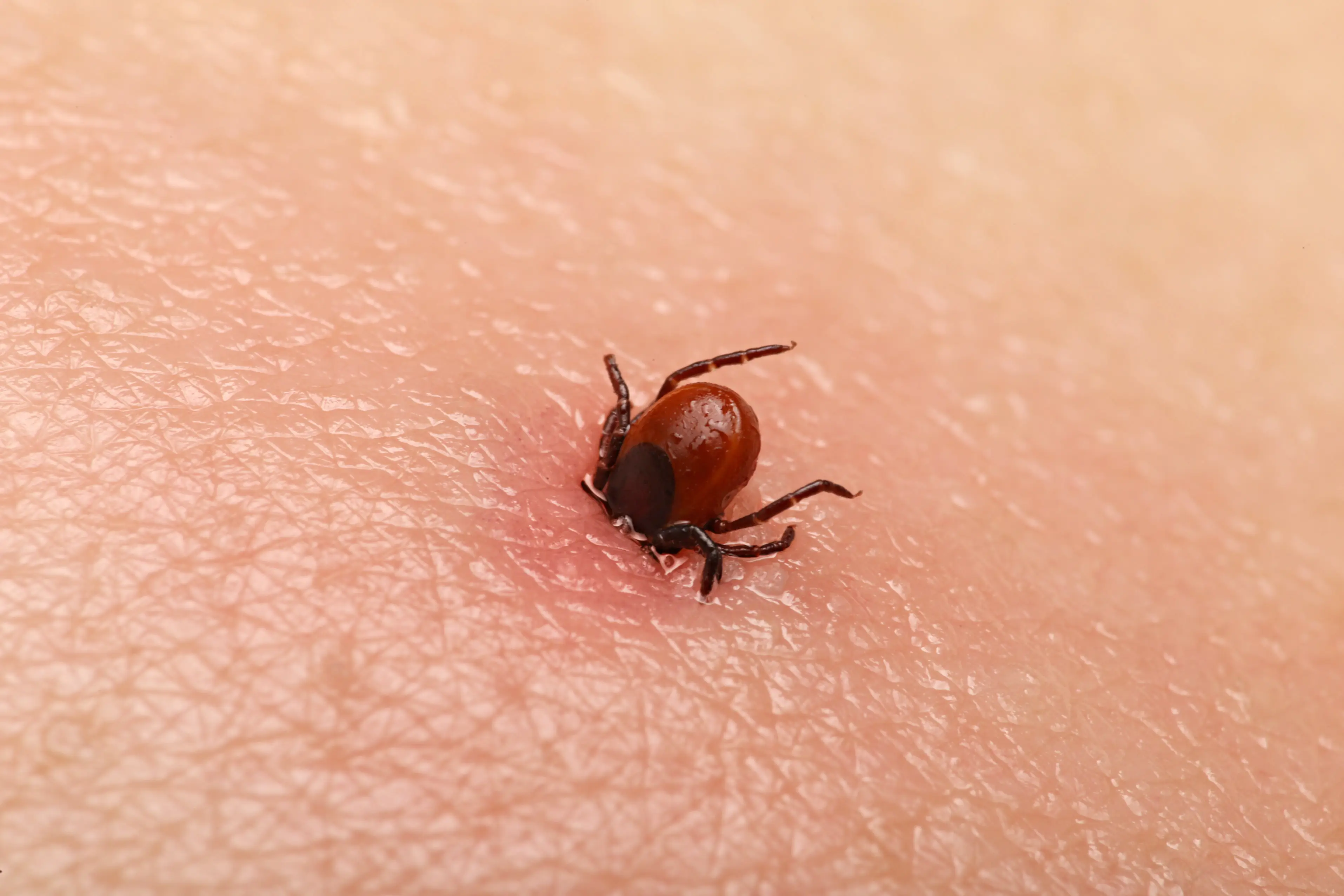
  • Bite is usually painless
  • Feeding lasts hours to days (or weeks)
  • Includes most disease-carrying species

Soft Ticks (Argasidae)

  • Nymphal stage may include up to 7 phases
  • Life cycle: months to years
  • Bites are brief: 15-30 minutes
  • Raisin-like shape, no hard shell
  • Often feed at night while victims sleep

Common Tick Species in the US

American Dog Tick (Wood Tick)

Pacific Coast & East of RockiesSpring/Summer peak

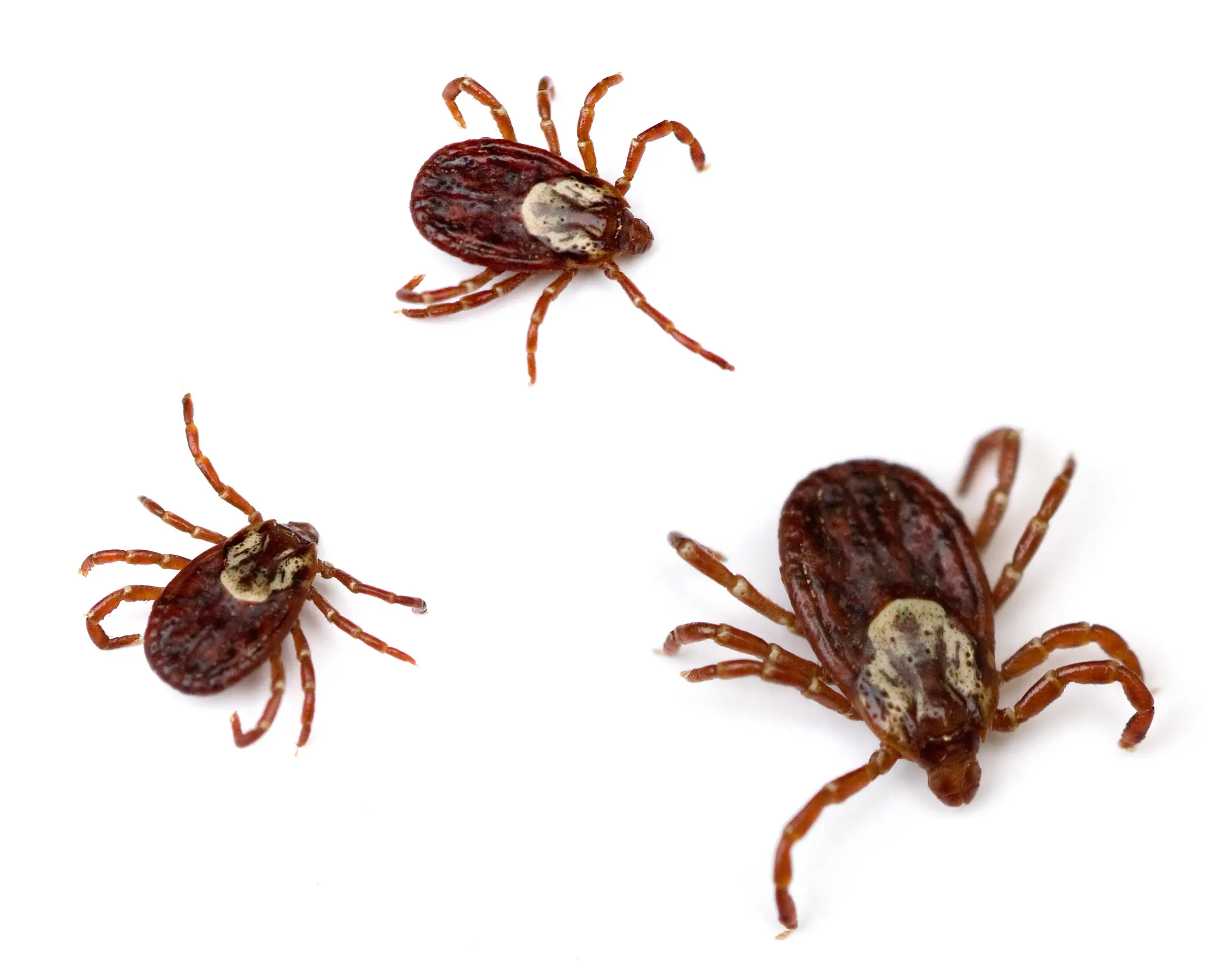
Dark brown body; females have off-white shield. Found in grassy fields, meadows, scrubland. Females lay 4,000+ eggs.

Diseases: Rocky Mountain spotted fever, tularemia, tick paralysis

Blacklegged Deer Tick

Eastern, North-Central, Southern USSpring/Summer/Fall

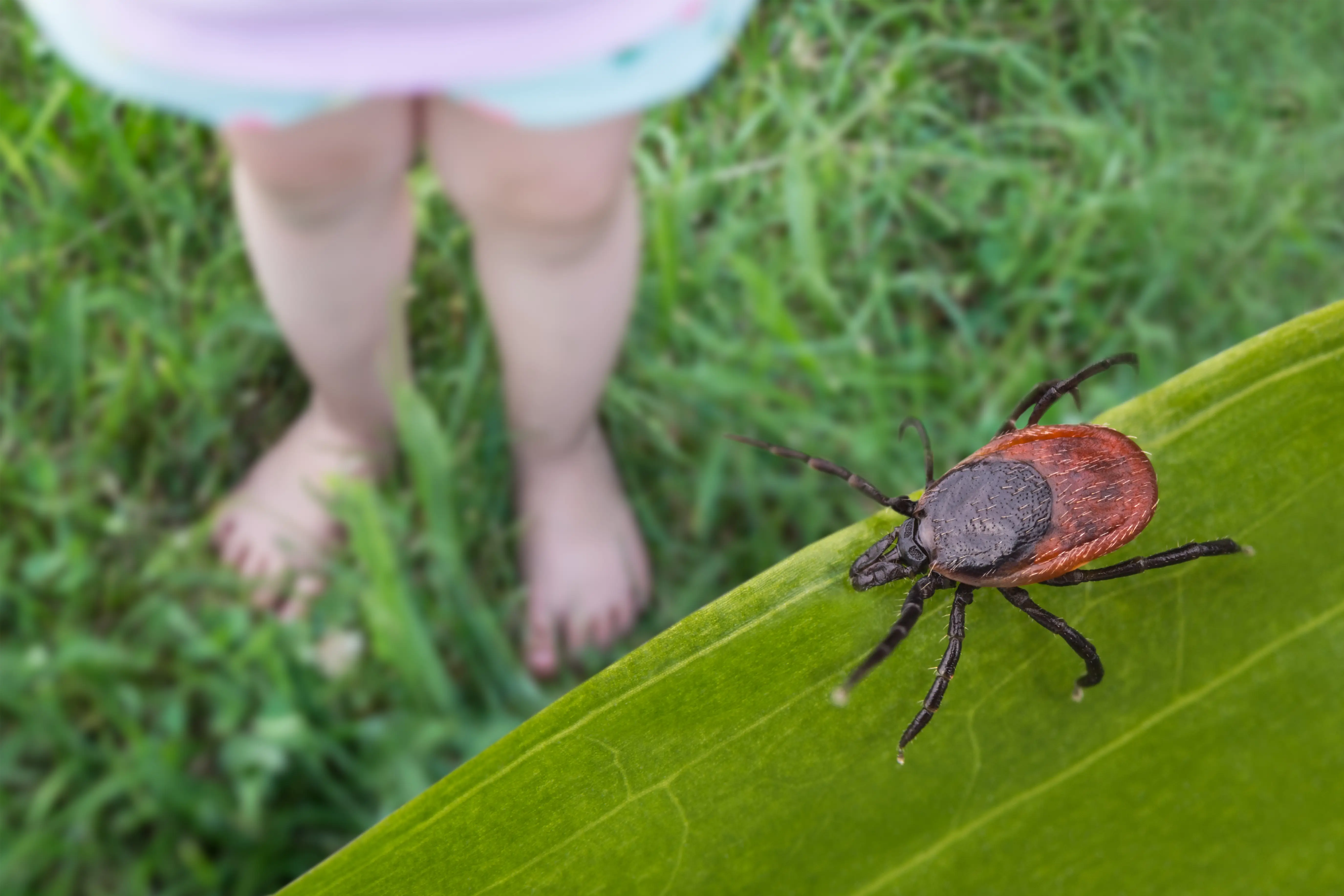
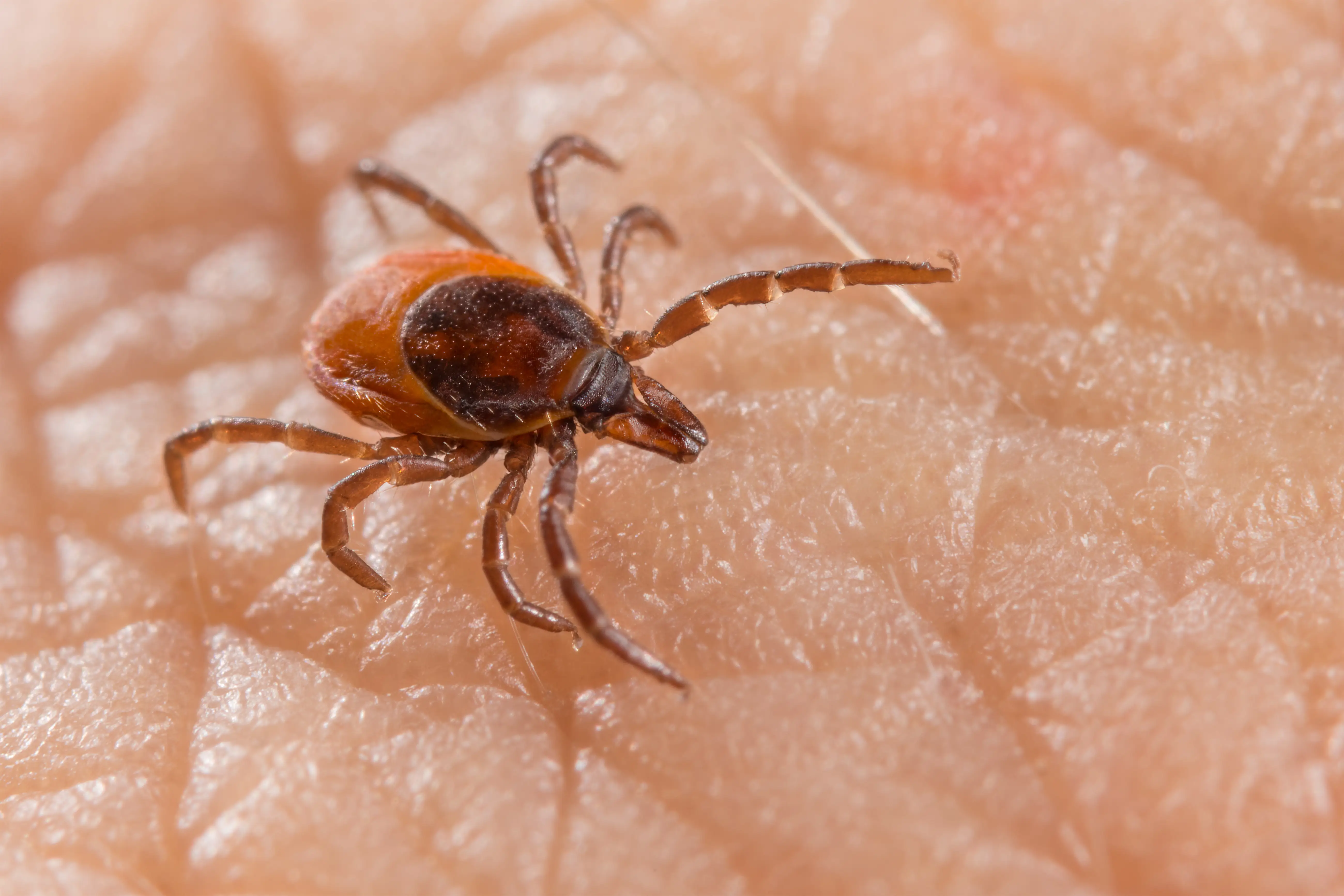
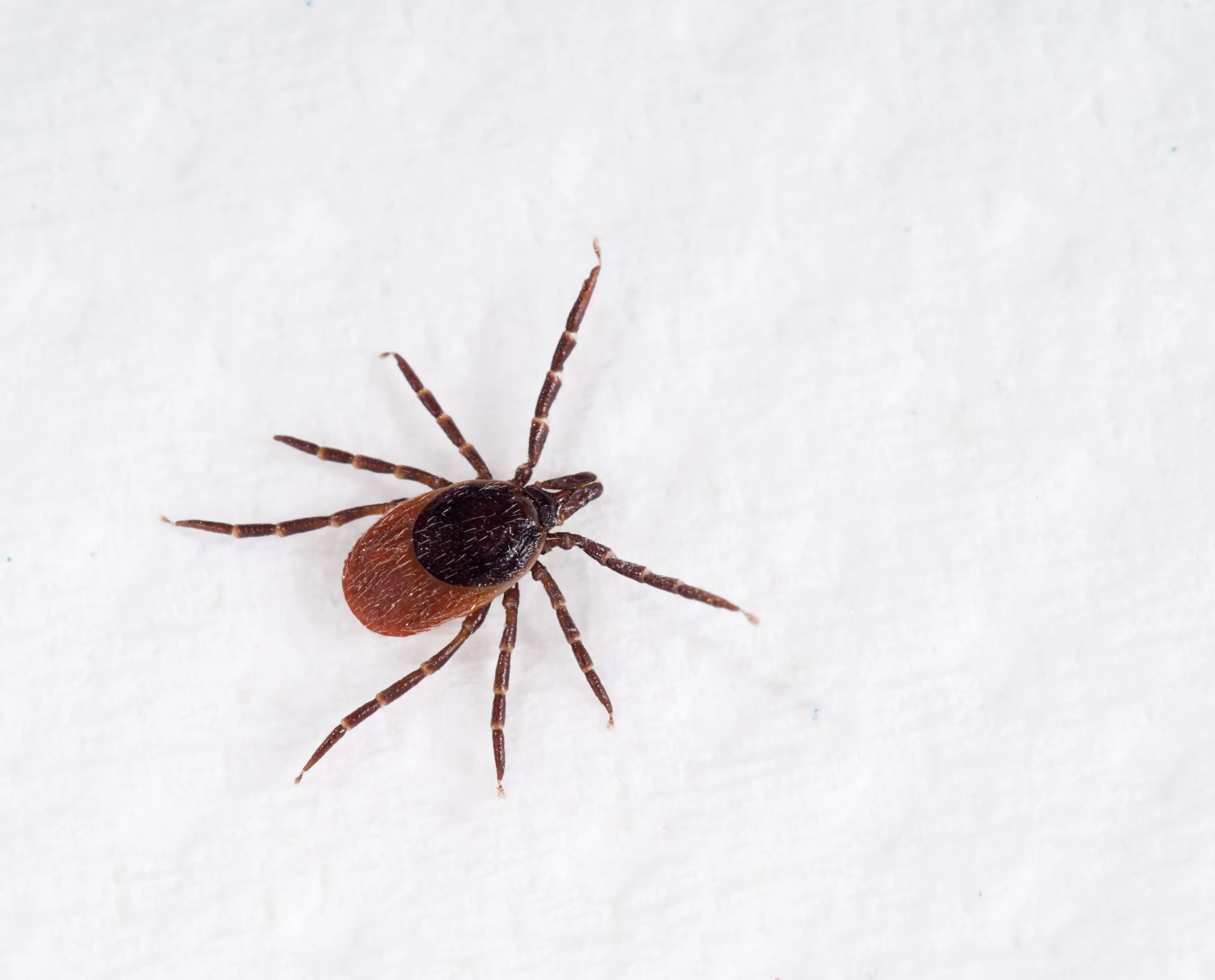
Reddish-orange body, black shield, dark black legs. Found in grass, brush, leaves, fallen logs.

Diseases: Lyme disease, anaplasmosis, babesiosis, Powassan virus, ehrlichiosis

Brown Dog Tick

Nationwide (more common in South)Can live indoors

Reddish-brown, narrow body tapers at head. Primary host is dogs. Can survive 18 months without feeding. Females lay 4,000 eggs.

Diseases: Rocky Mountain spotted fever (dogs and humans)

Lone Star Tick

Southeastern & Eastern USEarly spring - late fall

Reddish-brown with distinctive white dot ("lone star") on adult females. Notoriously aggressive biter. Found in tall grass and woodland areas.

Diseases: Alpha-gal syndrome (red meat allergy), ehrlichiosis, RMSF, STARI, tularemia

Rocky Mountain Wood Tick

Rocky Mountain states, SW CanadaAbove 4,000 ft elevation

Reddish-brown; cream-colored backs on adult males. Found in scrublands, open grasslands, trails. Saliva contains neurotoxin causing tick paralysis.

Diseases: Colorado tick fever, RMSF, Q fever, tularemia, tick paralysis

Western Blacklegged Tick

Pacific Coast (WA to CA)

Found in grasslands, near water, deer trails, dense woodlands. All life stages can bite humans.

Diseases: Lyme disease, anaplasmosis, babesiosis, bartonella

Other Notable Species

Gulf Coast Tick

Eastern seaboard to Gulf Coast

Diseases: Rickettsia parkeri rickettsiosis

Females lay 8,000+ eggs

Groundhog Tick

Eastern US

Diseases: Powassan virus disease

Light brown, sesame seed size

Pacific Coast Tick

Baja Mexico to Oregon

Diseases: RMSF, Colorado tick fever, tularemia

Active year-round in CA

Asian Longhorned Tick

Eastern US (emerging)

Diseases: Anaplasmosis, babesiosis, ehrlichiosis

Risk to US humans unknown

Soft Ticks (Ornithodoros)

Western US to Texas

Diseases: Tick-borne relapsing fever

Feed at night, 15-30 min

Winter Tick

Nationwide

Diseases: None known to humans

Stays on host entire life cycle

Tick Infestation on Your Property?

Different tick species require different treatment approaches. Get professional help.

Call (866) 326-2847

How to Prevent and Deal with Tick Bites

Avoid Tick Areas

Stay away from tall grasses, overgrown shrubs, low-hanging branches.

Wear Protective Clothing

Long sleeves, pants tucked into socks, light colors. Tape pants/sock junction.

Use Repellents

DEET (10-30%) on skin, permethrin on clothing only.

Stay on Trails

Avoid brushing against vegetation when hiking.

Check Regularly

Inspect yourself, others, and pets after being outdoors.

Remove Ticks Promptly

Use tweezers, grasp near skin, pull straight up without twisting.

Clean Bite Sites

Wash with soap and water, apply antiseptic.

Seek Medical Attention

If fever or symptoms develop after a bite.

Prevent Tick Activity in Your Yard

  • Keep lawns mowed and weeds cut to expose ticks to sunlight (they dry out)
  • Remove items that attract rodents (spilled birdseed, wood piles)
  • Apply pesticides to areas that cannot be maintained (1-2 applications per season)
  • Treat pets with tick medication; consult a veterinarian
  • Vacuum indoors if ticks found; seal and dispose of vacuum bag
  • For brown dog tick infestations, contact a professional pest control company

Contact EcoGuard If You Are Dealing with a Tick Problem

Ticks can pose a significant health risk and dealing with an infestation can be challenging. EcoGuard Pest Management has the expertise and resources to effectively manage and eliminate tick infestations, ensuring the safety of your family and pets. Our team is dedicated to providing efficient, safe, and environmentally friendly pest control solutions.

Call (866) 326-2847Get Free Quote

Tick Species FAQs

What kind of ticks are poisonous?

While no ticks are technically "poisonous," some ticks can transmit toxins through their bites that can cause illnesses in humans and animals. For instance, the saliva of the Rocky Mountain wood tick contains a neurotoxin that can occasionally cause tick paralysis.

Do all ticks carry Lyme disease?

Not all ticks carry Lyme disease. Only certain species are known to transmit the bacteria that causes this condition, and even among these species, not every individual tick is infected.

What 3 types of ticks can carry Lyme disease?

The most common carriers of Lyme disease are the black-legged tick (or deer tick, Ixodes scapularis) in the northeastern and north-central United States, the western black-legged tick (Ixodes pacificus) on the Pacific Coast, and the Asian black-legged tick (Ixodes persulcatus) in Asia and parts of Europe.

What are the 2 types of ticks?

There are many types of ticks, but they can be broadly categorized into 2 types based on their family: Ixodidae (hard ticks) and Argasidae (soft ticks). Each of these categories contains numerous species, each with their own behaviors, habitats, and potential to transmit diseases.