EcoGuard Pest Management
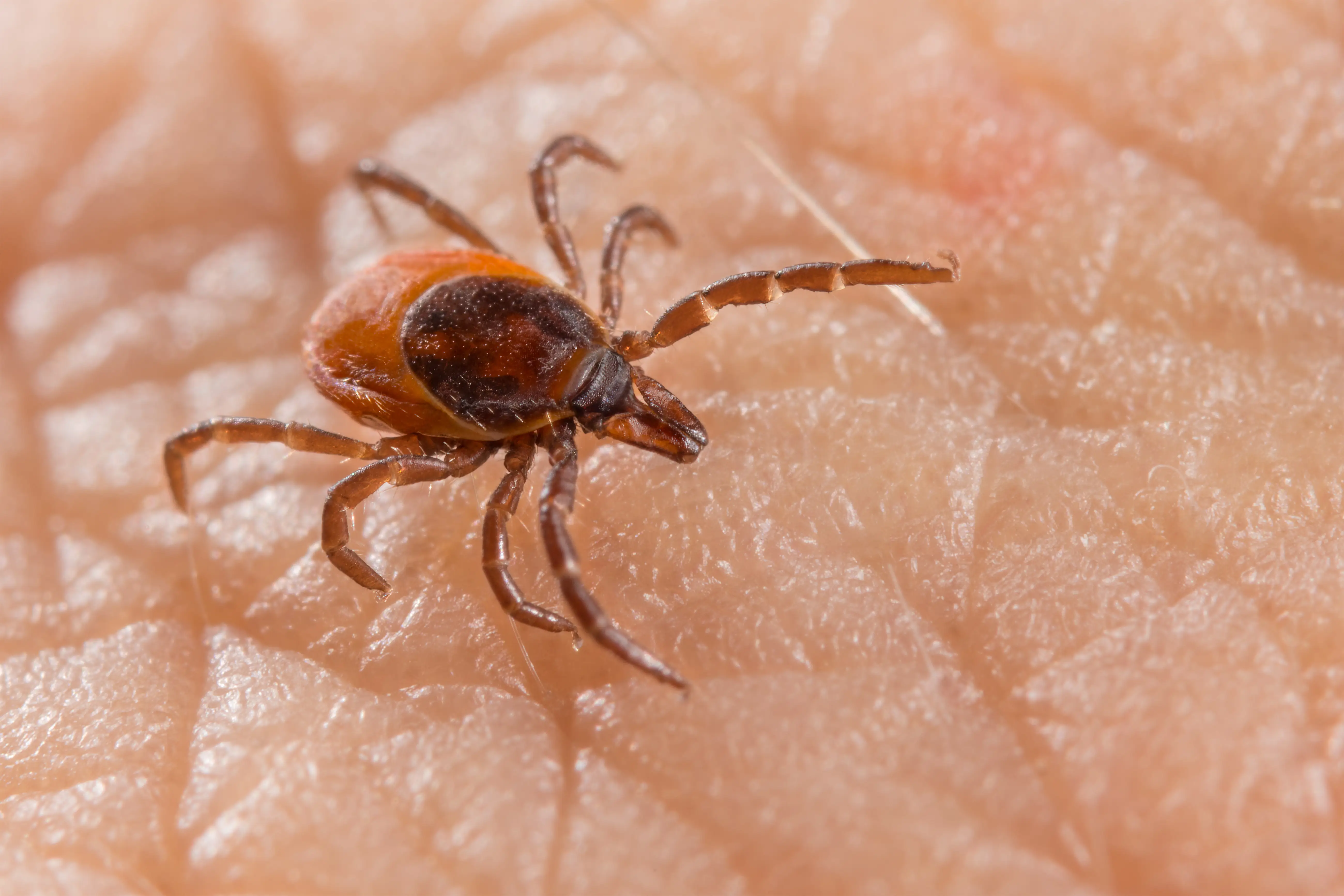
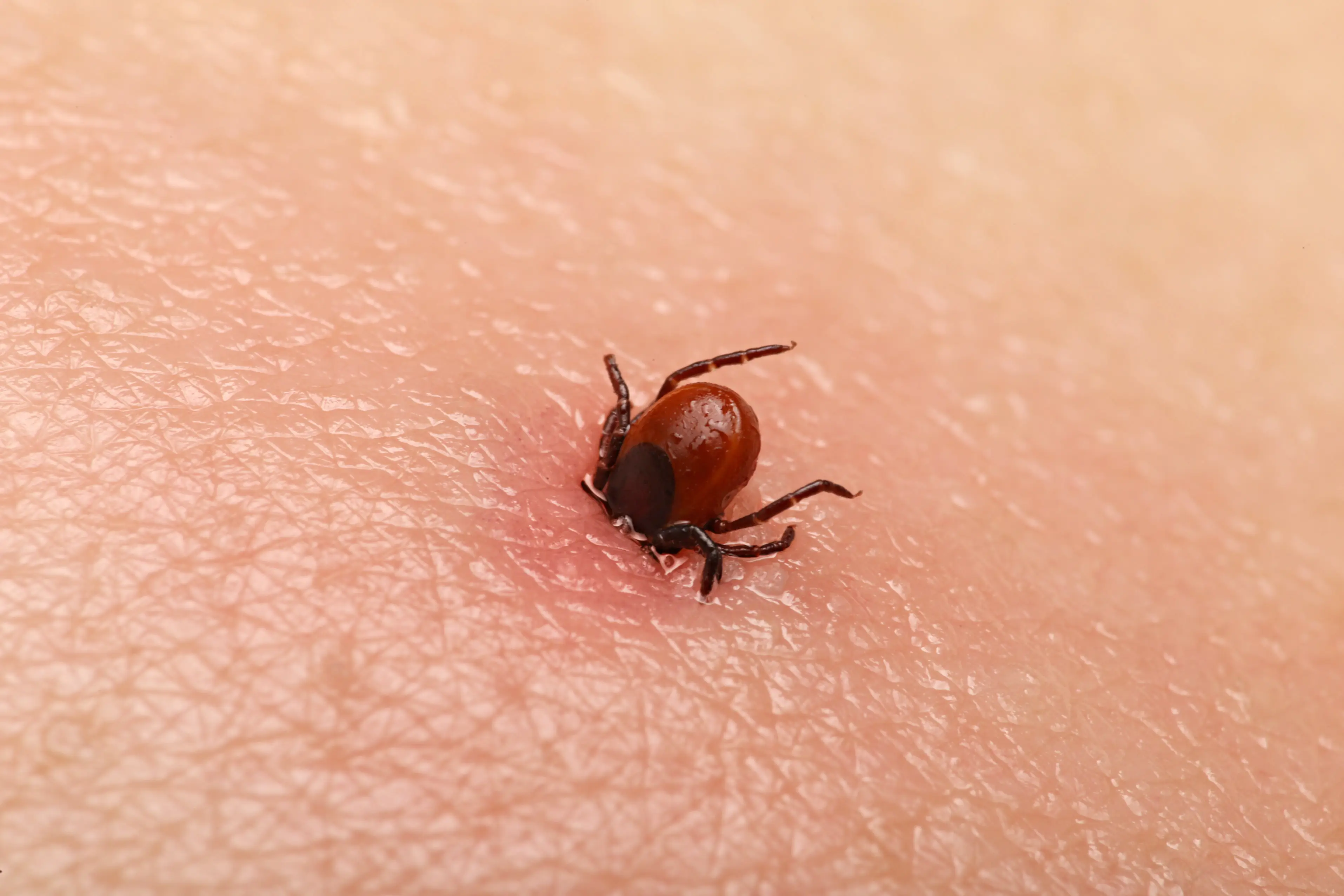
Tick on skin representing disease transmission risk
By Gary Anderson||4 min read

Tick-Borne Diseases That Can Be Transmitted to Humans

Early detection is critical for treating tick-borne illnesses effectively.

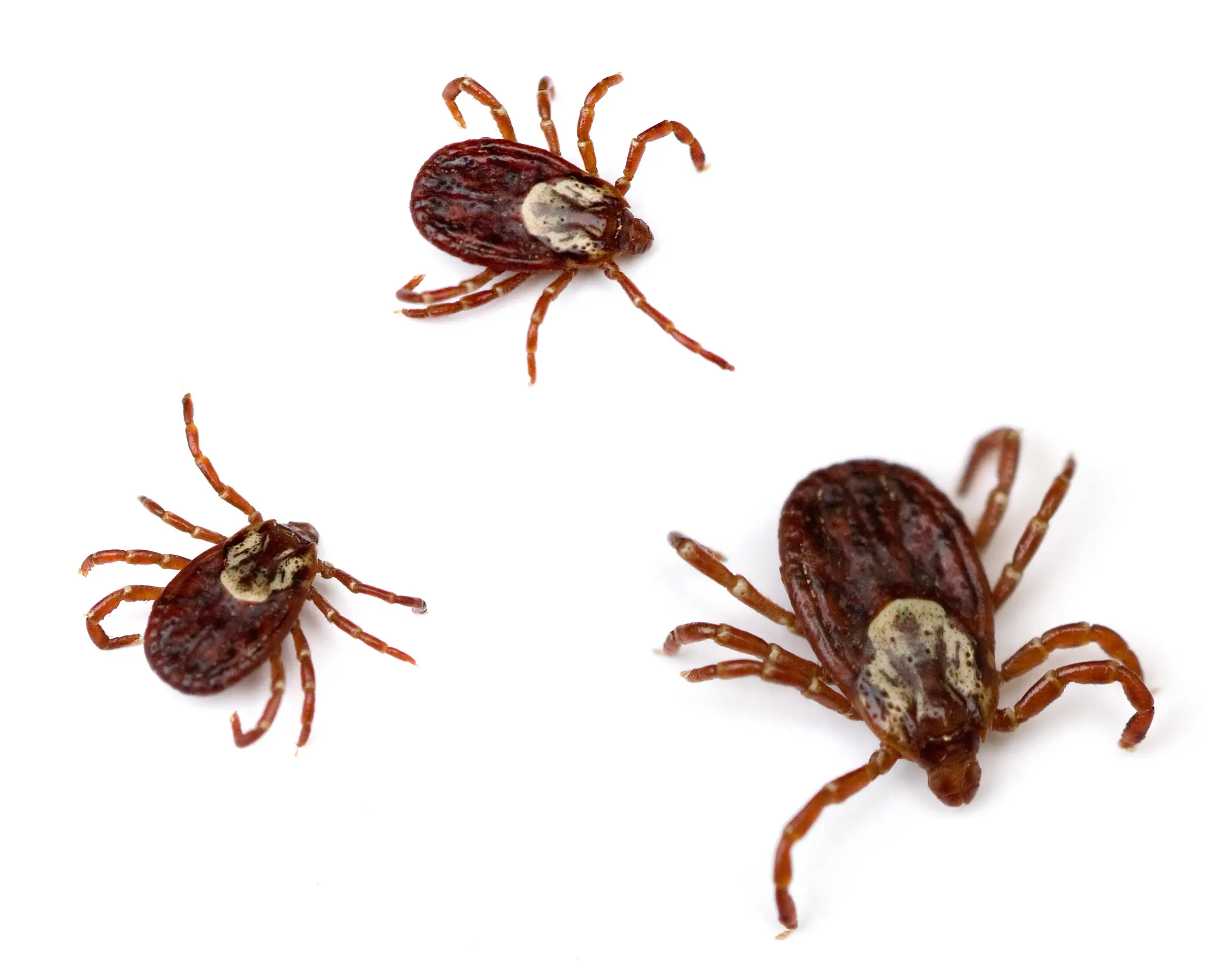
Several species of ticks across the United States are capable of carrying serious diseases. Not every tick is a carrier, but there are regions where a tick bite is much more likely to transmit a dangerous illness like Lyme disease.

It is important to know what signs to look for because early detection is critical for treatment. Keeping the tick after removal allows for testing if symptoms appear later.

How Diseases Are Transmitted

Ticks make a small tear in the skin and bury their heads into the wound. Their saliva contains enzymes that act as anticoagulants and a mild anesthetic so they can feed unnoticed. The saliva is also how diseases pass to the host.

List of Tick-Borne Diseases

Lyme DiseaseHigh Risk

Tick: Blacklegged ticks

Region: Northeast, upper Midwest, mid-Atlantic

Symptoms: Bull's eye rash, fever, fatigue, headache

Rocky Mountain Spotted FeverHigh Risk

Tick: Dog ticks, Rocky Mountain wood ticks

Region: Western states

Symptoms: Spotted rash, fever, chills, headaches, muscle aches, nausea, neurological problems

AnaplasmosisHigh Risk

Tick: Blacklegged ticks, Western blacklegged ticks

Region: Northeast, upper Midwest, West Coast

Symptoms: Fever, chills, headaches, muscle aches, nausea, vomiting, diarrhea

EhrlichiosisModerate

Tick: Lone star ticks

Region: Southern states, Gulf, mid-Atlantic

Symptoms: Fever, muscle aches, headaches, nausea, vomiting, diarrhea, cough, skin rash

BabesiosisModerate

Tick: Blacklegged ticks

Region: Northeast, upper Midwest

Symptoms: Infects red blood cells similar to malaria

Powassan DiseaseHigh Risk

Tick: Blacklegged ticks

Region: Northeastern US

Symptoms: Fever, vomiting, headache, weakness. Can lead to encephalitis, meningitis, death

Bourbon VirusHigh Risk

Tick: Various ticks

Region: Midwest

Symptoms: High fever, headache, muscle/joint pain, fatigue, diarrhea, vomiting

Heartland VirusModerate

Tick: Lone star ticks

Region: Midwest, southern Gulf states

Symptoms: Fever, fatigue, muscle/joint pain, headache, nausea, diarrhea (2 weeks to appear)

Colorado Tick FeverLower Risk

Tick: Rocky Mountain wood ticks

Region: Western states

Symptoms: Fever, fatigue, chills, headaches, body aches, sore throat, vomiting, skin rash

TularemiaModerate

Tick: Dog ticks, wood ticks, lone star ticks

Region: Throughout US

Symptoms: Fever, chills, fatigue, muscle pain, cough, sore throat, vomiting, diarrhea

Southern Tick Associated Rash Illness (STARI)Moderate

Tick: Lone star ticks

Region: Southeast, south-central states

Symptoms: Bull's eye rash, fatigue, muscle pains, fever, headache (similar to Lyme)

Tickborne Relapsing FeverModerate

Tick: Various tick species

Region: Western and southwestern states

Symptoms: High fever that fades and returns, headache, muscle/joint pain, chills, vomiting

Worried About Ticks on Your Property?

Professional tick control reduces your risk of tick-borne diseases.

Call (866) 326-2847

Lyme Disease: The Most Common Tick-Borne Disease

~500,000
Cases treated per year (CDC)
95%
From NE & upper Midwest
45%
Tick infection rate (PA)
60%
Develop bull's eye rash

Lyme Disease Symptoms

Symptoms can start in as little as 3 days and as long as 30 days after the bite. They include a bull's eye rash, fever, chills, headaches, and muscle and joint pain. The bull's eye rash starts as a dark ring that expands outward. As it expands, the skin closer to the bite lightens, creating a target-like appearance. The rash can last several weeks before fading.

Lyme Disease Treatment

If treatment is provided within 72 hours of the bite, Lyme disease can usually be prevented altogether. If diagnosed, a full cycle of antibiotics (up to 28 days) is required. Most people recover, but symptoms can persist for over 6 months.

When Should You See a Doctor?

If bitten by a tick: Remove it properly and speak with a doctor right away. Lyme disease can be prevented if treatment is implemented within 72 hours of the bite.

Seek Medical Attention for These Symptoms:

Skin rash
Fever
Chills
Serious headaches
Muscle or joint pain
Nausea
Diarrhea
Vomiting
Fatigue
Confusion

What to Expect at the Doctor

Your doctor will examine the bite site and ask about symptoms. Different tick-borne diseases can be difficult to diagnose because many share similar symptoms. Diagnosis can be done by testing the tick (if available) or running a series of blood tests.

How to Prevent Tick-Borne Diseases

The best way to prevent tick disease is to avoid tick activity altogether:

Avoid Tick Habitats

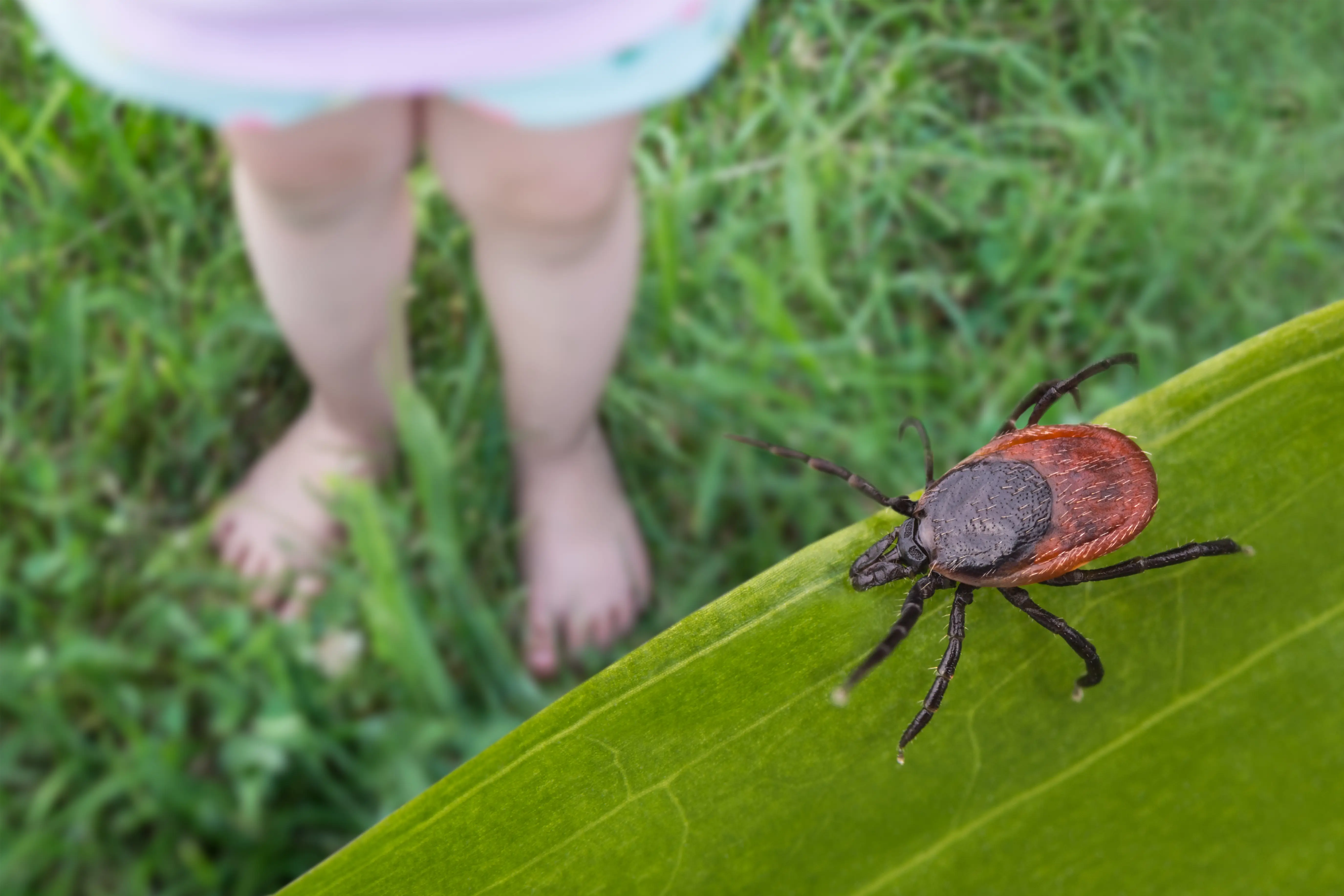
Stay away from tall grass, bushes, leaf piles, and areas next to dense woods.

Use DEET Repellent

Apply bug repellents containing DEET to deter blood-sucking insects.

Wear Protective Clothing

Long sleeves, long pants, socks. Minimize exposed skin.

Light-Colored Clothes

Makes ticks more visible when they latch on.

Tuck Pants in Socks

Prevents ticks from crawling up your pant legs.

Tie Back Long Hair

When working outside to reduce tick access.

Inspect After Outdoors

Check yourself thoroughly for ticks after being in tick-prone areas.

Maintain Your Yard

Keep grass trimmed, pick up leaves, maintain a clean yard.

Contact EcoGuard If You Suspect Tick Activity Around Your House

If you have found ticks on your pets or yourself and are concerned about a tick infestation outside your home, call the experienced tick exterminators at EcoGuard Pest Management. Our licensed tick control experts will inspect your property to identify problematic areas. Ticks can cause serious disease so do not hesitate to get your home and yard treated immediately.

Call (866) 326-2847Get Free Quote

Tick Disease FAQs

What is the deadliest disease caused by ticks?

According to the CDC, Rocky Mountain spotted fever is the deadliest tick-borne illness. Today the disease has a 0.5% fatality rate due to antibiotic treatment. Without treatment, serious symptoms can emerge like encephalitis, organ failure, inflammation of the heart and lungs, and even death.

What are common symptoms of tick-borne diseases?

Several tick-borne diseases share similar symptoms. These symptoms can include fever, headache, muscle and joint pain, chills, diarrhea, nausea, vomiting, and skin rash. Symptoms can start to show in as little as 3 days and take up to a month to appear.

Can tick diseases be fatal?

While rare, there are instances of people dying from tick-borne illness every year. This usually happens when tick bites are left undiagnosed and untreated so symptoms progress into serious problems that can cause organ failure or severe inflammation.