EcoGuard Pest Management
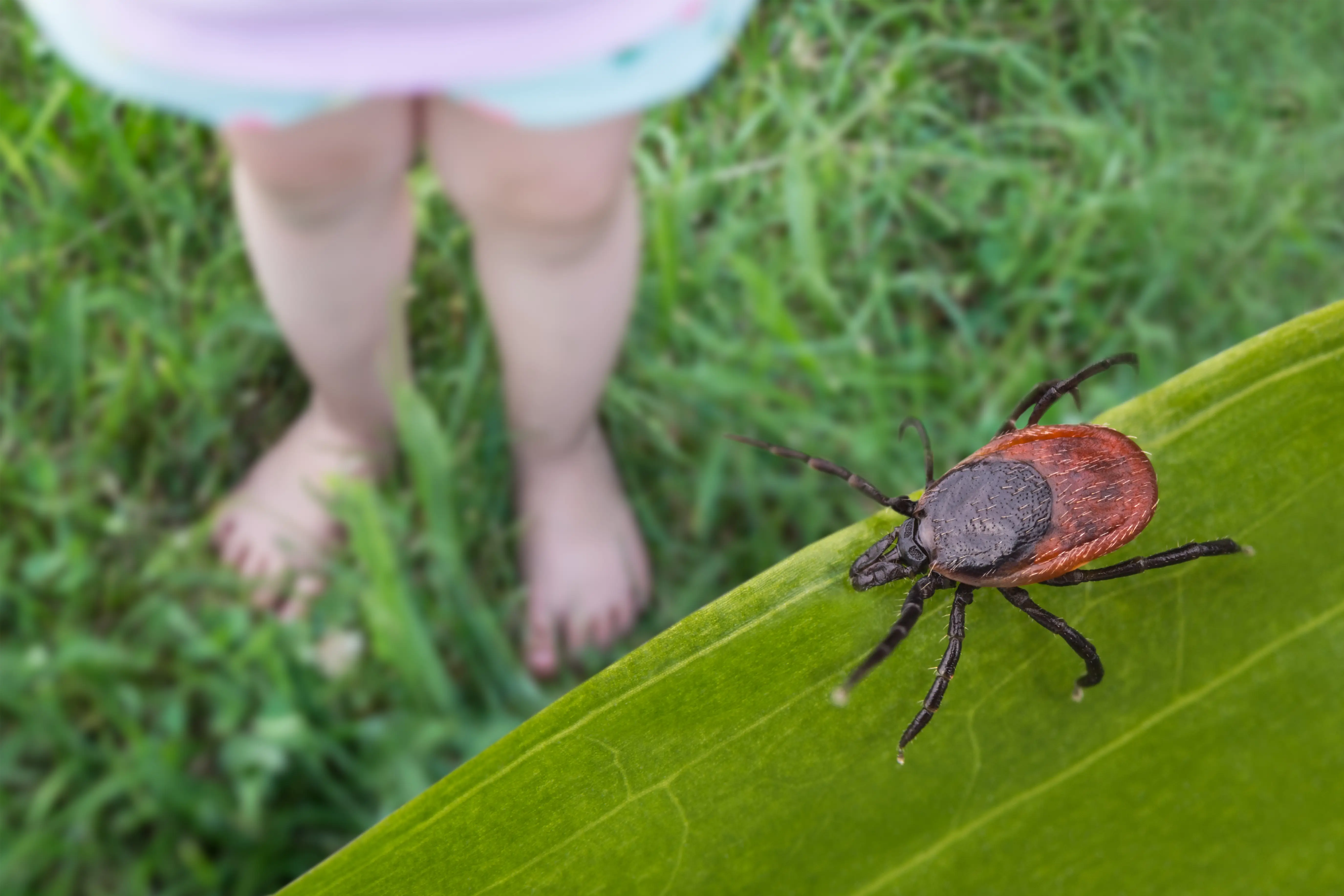
Close-up of a tick on a blade of grass
By Gary Anderson||4 min read

What Are Ticks?

Everything you need to know about these blood-sucking arachnids and the diseases they carry.

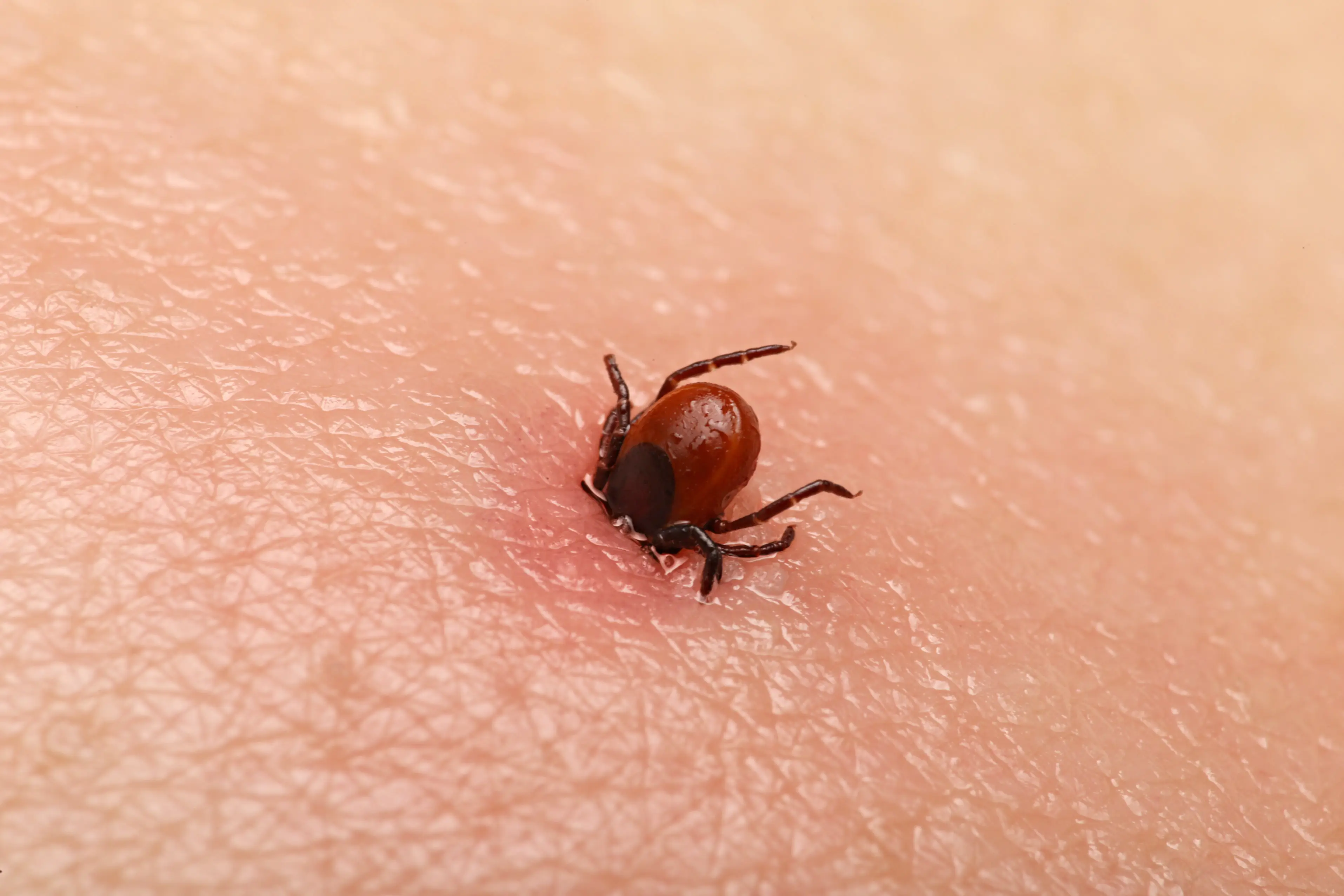
Ticks are small blood-sucking arachnids most notorious for being the primary vector for Lyme disease. They are small round bugs with eight legs that feed on the blood of their host. They hide in tall grass and dense foliage, waiting for an unsuspecting host to pass by.

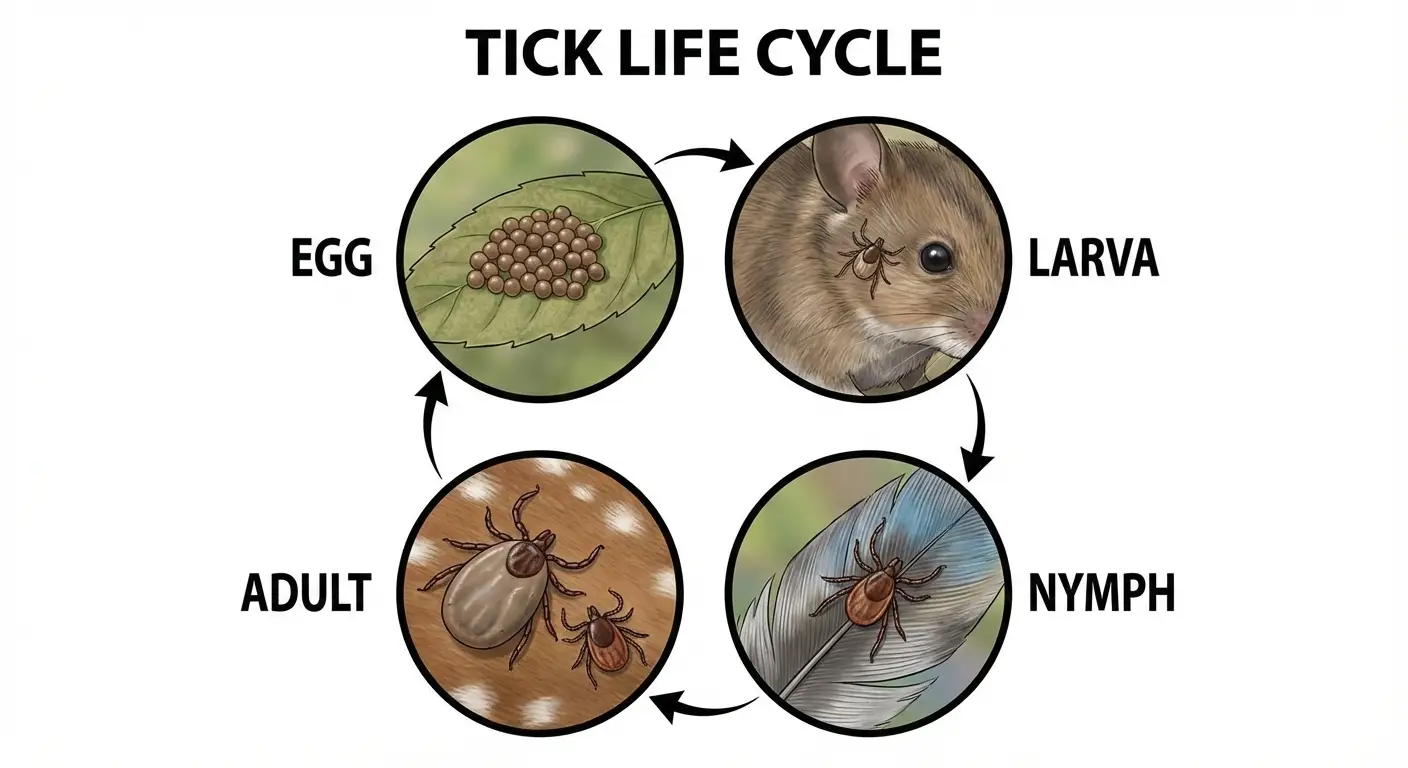
When a host approaches, ticks use their front legs to latch onto fur or clothing, then feed until engorged with blood. After feeding, they grow significantly larger, drop off, and find a safe place to lay eggs.

Tick Classification

Ticks are classified as Arachnida in the superorder Parasitiformes (same order as mites). Two major families: Ixodidae (hard ticks) and Argasidae (soft ticks).

Quick Facts

90 million years old (fossil record)
800+ species globally
90 species in the US
2nd most dangerous pest (after mosquitoes)
Tick Appearance

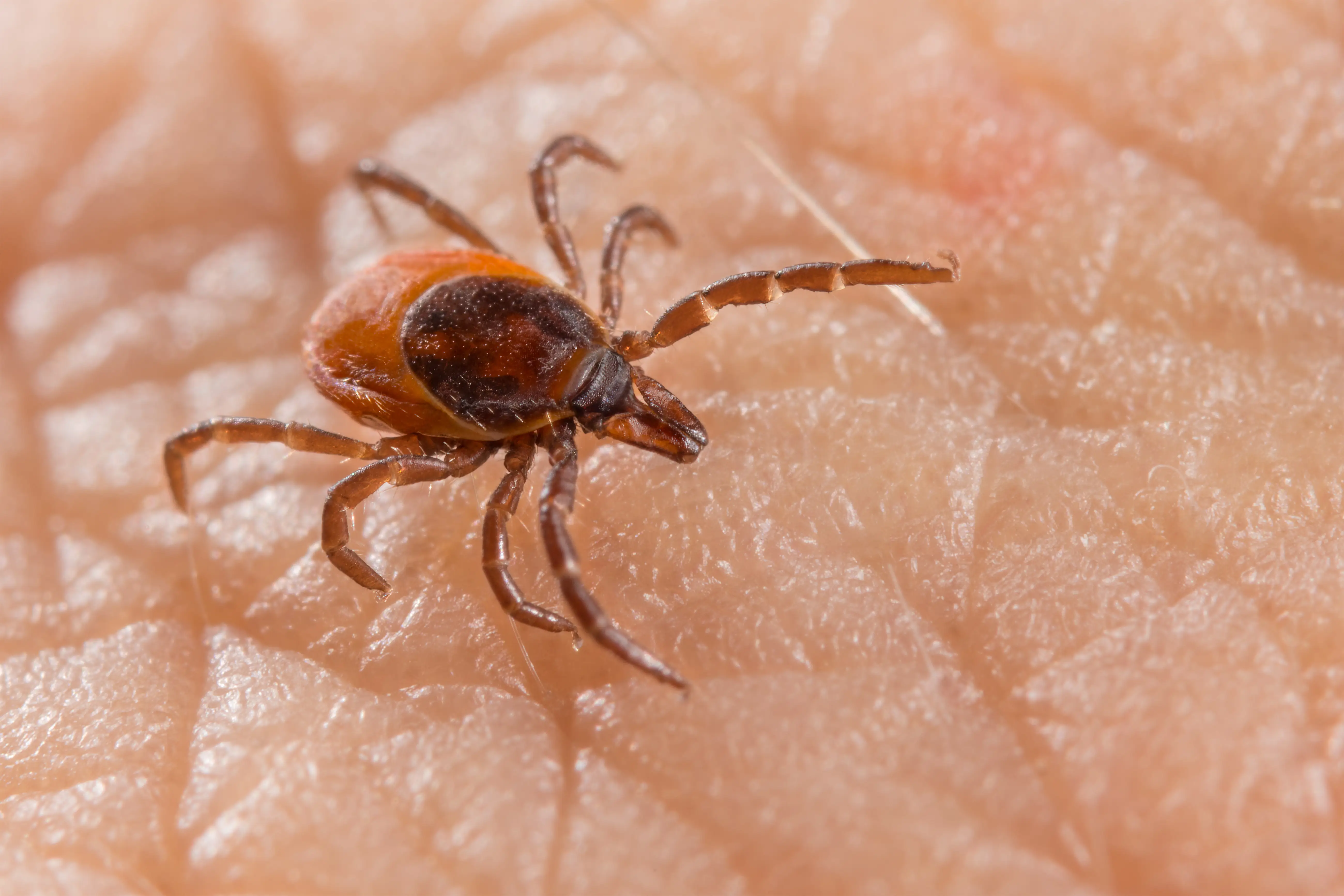
8 Legs
Arachnid feature
Apple Seed
Size before feeding
Grape Size
After blood meal
200-600x
Weight increase when engorged

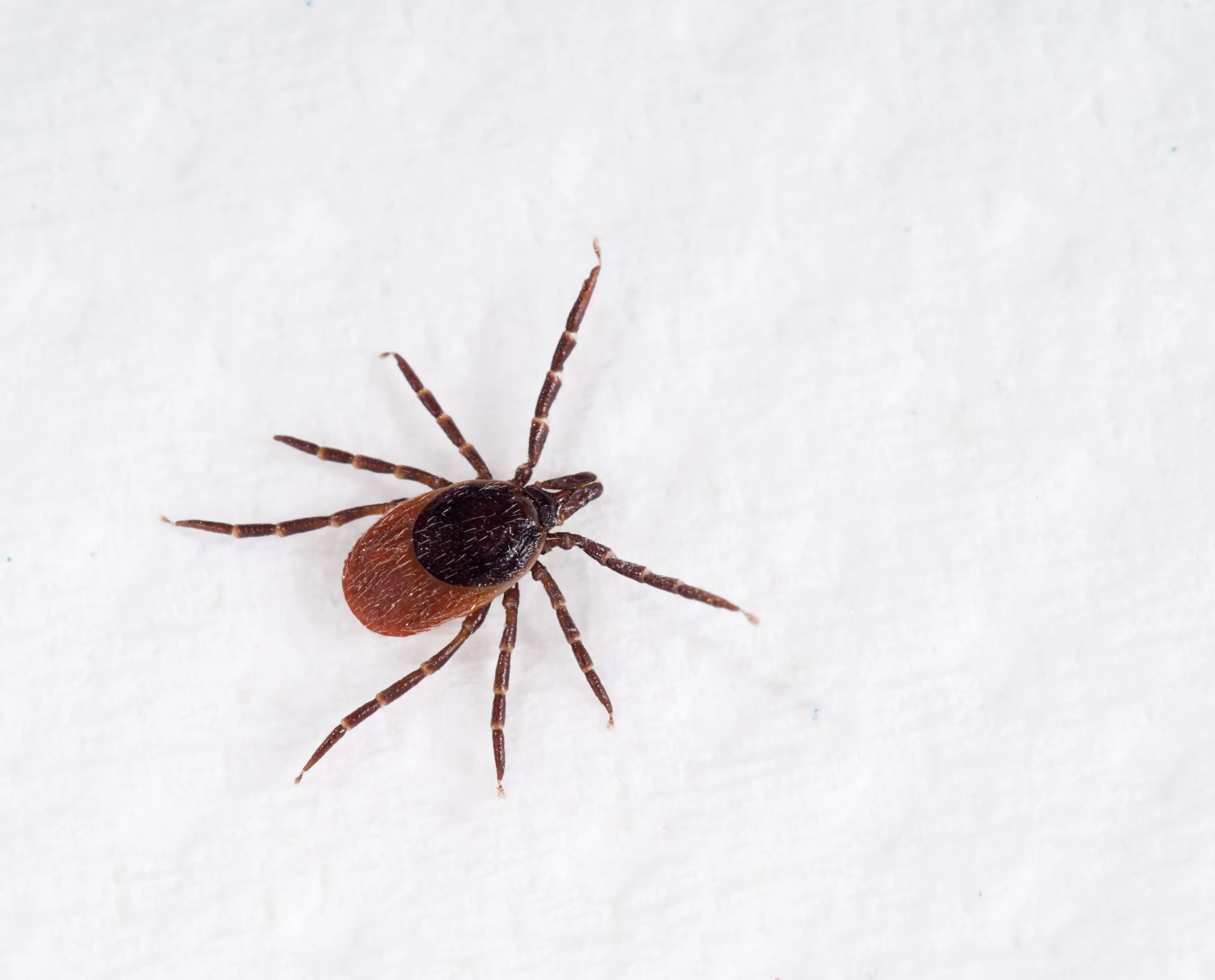
Tick colors vary by species: red, brown, black, or yellowish. When engorged, they often turn grey or bluish. Hard ticks have a solid plate on their back; soft ticks do not. Ticks are wingless and rely on crawling to reach hosts.

Common Types of Ticks in the US

Black Legged Tick (Deer Tick)

Color: Brown with black legs

Region: Eastern US

Primary carrier of Lyme Disease

Rocky Mountain Wood Tick

Color: Reddish brown

Region: Rocky Mountains, West Coast

Transmits Rocky Mountain spotted fever

Brown Dog Tick

Color: Brown

Region: Throughout US

Typically feeds on dogs

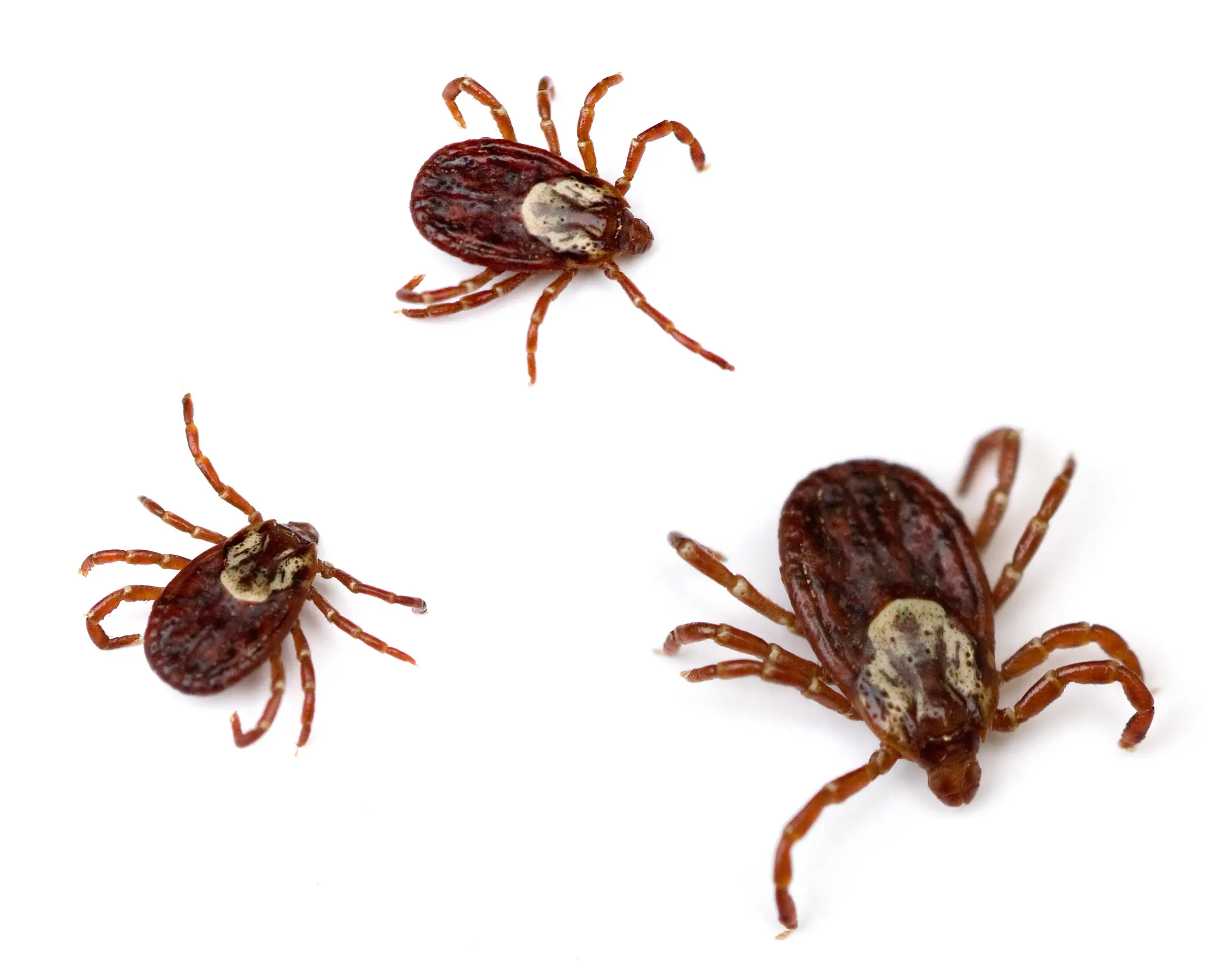
Lone Star Tick

Color: Brown with white patch

Region: Eastern US

Can cause red meat allergy

Gulf Coast Tick

Color: Light brown

Region: Gulf of Mexico states

Transmits Rickettsia parkeri

Western Black Legged Tick

Color: Dark brown/black

Region: Pacific Coast

Also transmits Lyme Disease

Tick Habitat & Activity

Where Ticks Live

Prefer warm humid climates (need moisture to molt). Found in heavily wooded areas with shrubs, trees, tall grass, and weeds. Also hide in piles of organic debris and leaf piles that protect them from sun.

When Ticks Are Active

Active starting in spring. Peak activity: April-June (most bites occur). Calm during hottest summer temperatures. Active again in fall. Decline in winter (survival mode).

How Do Ticks Find Their Prey?

CO2 Detection

Sense trace amounts in air

Light Changes

Detect movement

Infrared Vision

Sense body heat

Questing

Extend legs to grab hosts

Questing behavior: Ticks reach the tip of grass or branches and extend front legs, waiting to latch onto fur or clothing of passing hosts.

Concerned About Ticks on Your Property?

Professional treatment eliminates ticks and protects your family.

Call (866) 326-2847

Tick Diseases

Tick bites often go unnoticed because their saliva contains numbing enzymes. Ticks can infect hosts within minutes of biting. Symptoms include itchiness, burning, redness, and pain. Severe cases may cause rash, shortness of breath, swelling, numbness, paralysis, fever, weakness, vomiting, confusion, or palpitations.

CDC-Identified Tick Diseases:

Lyme Disease
Rocky Mountain Spotted Fever
Anaplasmosis
Babesiosis
Ehrlichiosis
Powassan Virus
Tularemia
Colorado Tick Fever
Heartland Virus
Red Meat Allergy (Alpha-gal)
Southern Tick Associated Rash Illness
Tick Borne Relapsing Fever

How to Prevent Tick Bites

Stay on Trails

Avoid contact with bushes, grass, and dead leaves.

Wear Light Colors

Makes ticks easier to spot for removal.

Use Tick Repellent

Apply DEET-based repellent; use pet tick medication.

Cover Up

Long pants with high socks, long sleeves.

Tuck Pants in Socks

Prevents ticks from climbing up your legs.

Maintain Your Yard

Keep grass trimmed, especially near wooded areas.

Check After Hikes

Inspect yourself and pets thoroughly.

How to Check for and Remove Ticks

Check These Areas (Humans)

Focus on dark, warm, damp areas: groin, armpits, behind knees, and neck.

Check These Areas (Pets)

Start at head, use comb and hands. Check ears, collar area, legs, groin, under tail, between toes.

Proper Tick Removal

  • Use fine-tipped tweezers or a tick removal tool
  • Grab tick as close to skin as possible
  • Pull upward slowly without squeezing the body
  • Do not twist or turn (may separate head from body)
  • Keep the tick in case it needs to be tested for disease

Contact EcoGuard Pest Management If You Have Seen Signs of Tick Activity

If you have seen ticks or experienced tick activity on you, your pets, or around your home, it may be time to have professionals treat the infested area. The tick exterminators at EcoGuard Pest Management have years of experience effectively identifying problematic areas and treating for ticks.

Call (866) 326-2847Get Free Quote

Tick FAQs

Are ticks harmful to humans?

Ticks are carriers of some serious diseases that are very dangerous to humans. The most common and dangerous disease is Lyme Disease which has long lasting impacts that are difficult to treat after infection.

Why do ticks go on humans?

Ticks need blood meals to develop into adults and lay eggs. Humans are a viable source of food for ticks, so they will be attracted to humans much like they would the wild animals that are found in a tick's territory.

How do ticks get on you?

Ticks will crawl up grass, shrubs, and branches and extend their front legs in a way that is designed to latch onto an unsuspecting host that walks by. They use their strong sense of smell to identify when a host is close and will extend their legs in a position called "questing."