1
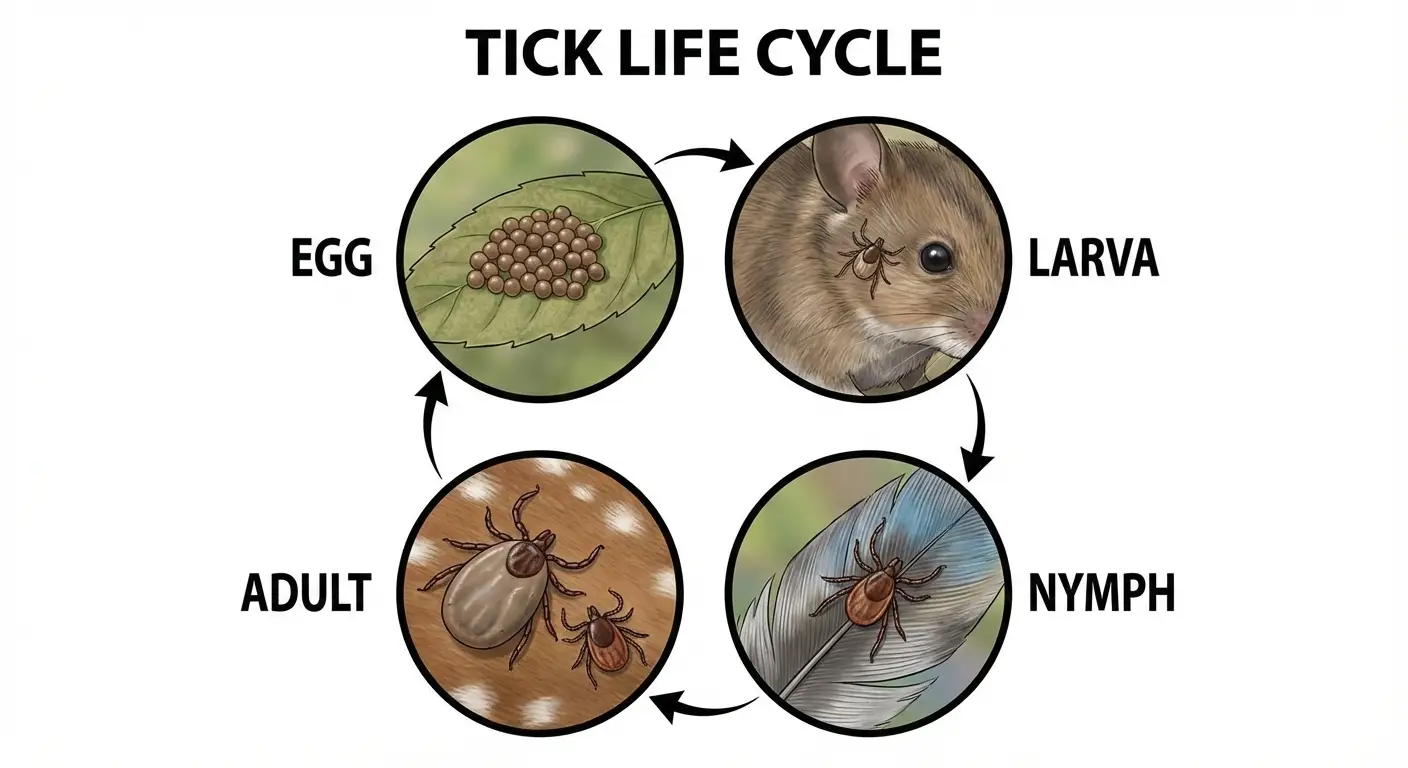
Egg Stage
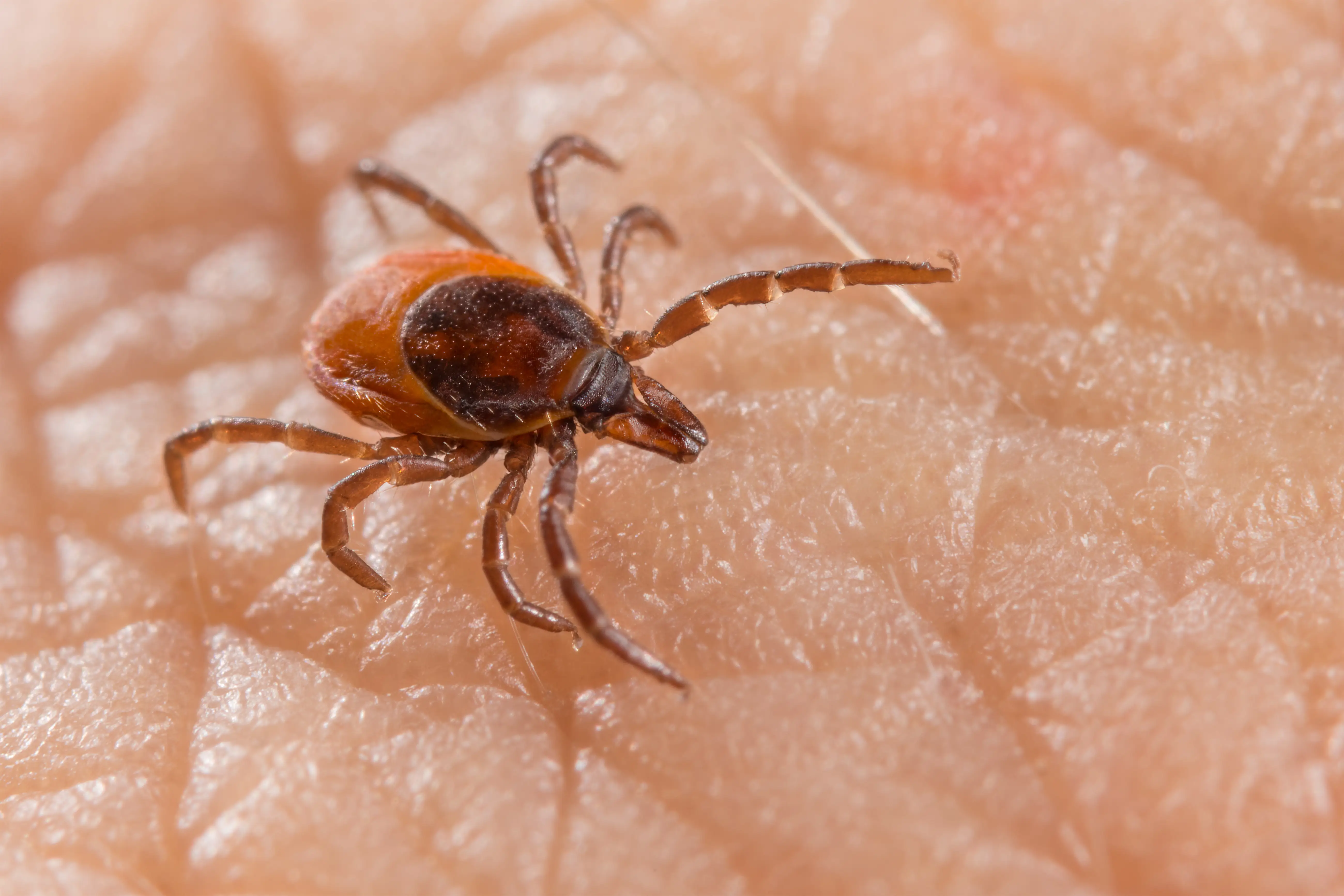
SpringAdult female ticks lay thousands of eggs in springtime in dark, warm areas hidden from predators but near potential hosts. Often found in leaf piles and debris (why ticks are more prevalent in wooded areas). Ticks must unlatch from hosts to lay eggs. Eggs are typically small and translucent with a red or brown tint.
2
Larva Stage
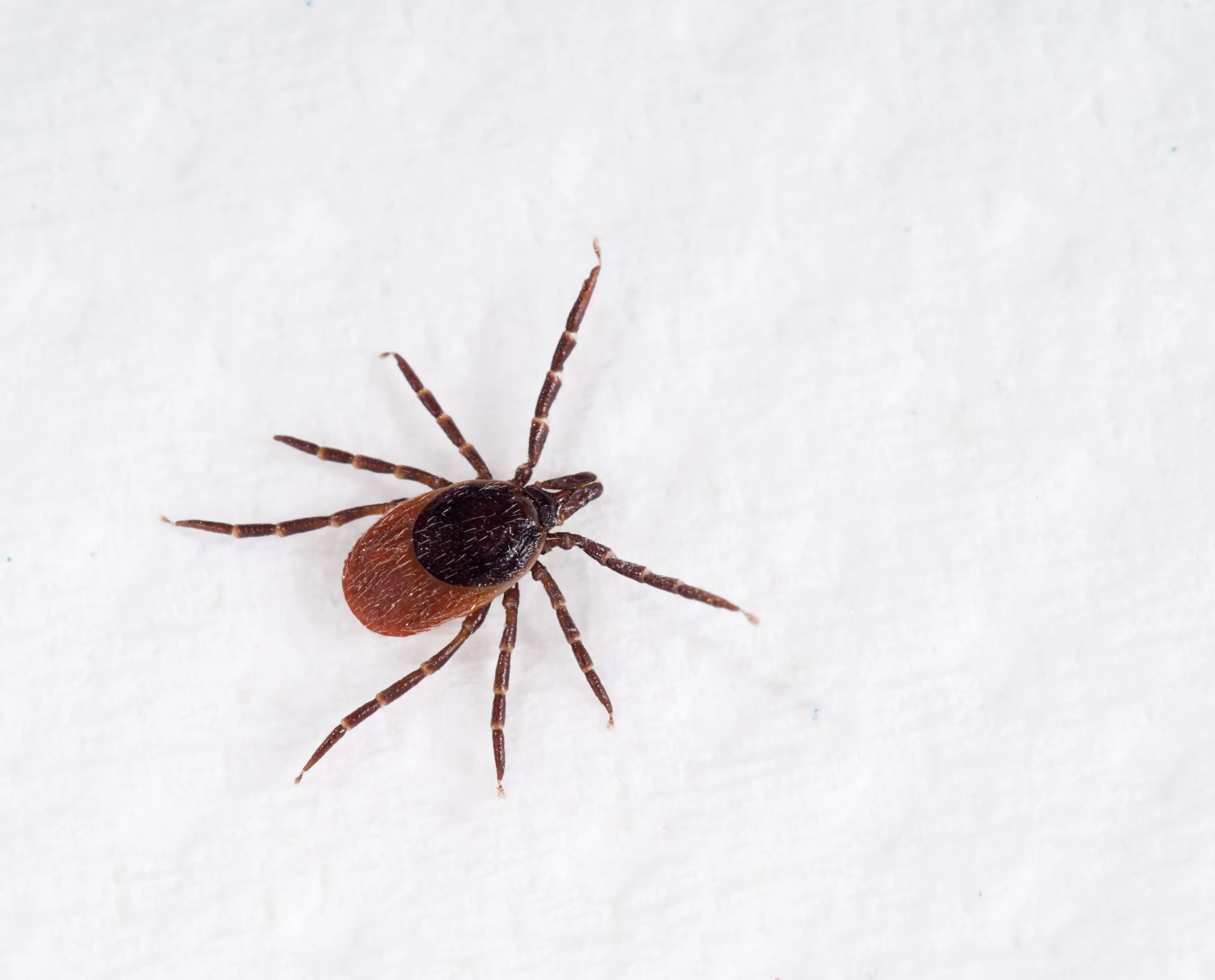
SummerBy early summer, eggs hatch into 6-legged larvae. Not typically born infectious, but can become infected after feeding on diseased hosts. Often feed on rodents like white-footed mice (which carry Lyme disease). Once infected, larvae remain infectious throughout their entire life cycle (transstadial transmission). Growth peaks by late summer.
3
Nymph Stage
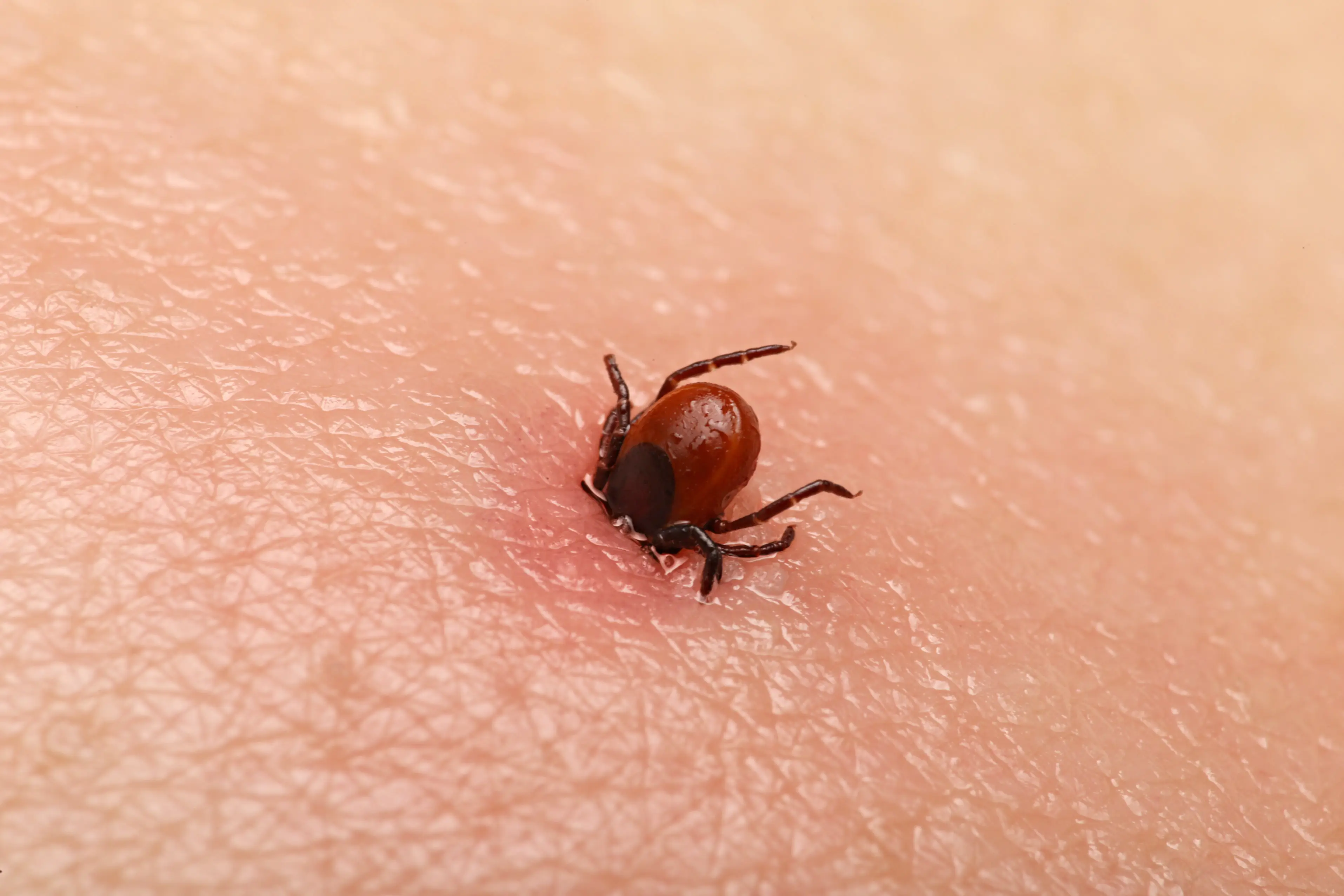
Fall - SpringDuring fall, fed larvae develop into nymphs with their final set of 8 legs. They lay dormant in leaf piles during winter. When temperatures rise above 37°F in spring, they become active. They climb tall grass and shrubs, using a behavior called "questing" where they extend front legs to grip passing hosts. Nymphs feed for 4-5 days before detaching. Can be infected with multiple diseases (co-infection).
4
Adult Stage
End of Year 2By end of 2nd summer, nymphs transition into adulthood. During fall, adults search for their final host. By this time, they may carry multiple diseases, making them particularly dangerous. In the NE US, 45% of adult ticks carry Lyme disease. If no host is found before winter, they go dormant until spring. After mating: males die immediately; females lay thousands of eggs then perish.