EcoGuard Pest Management
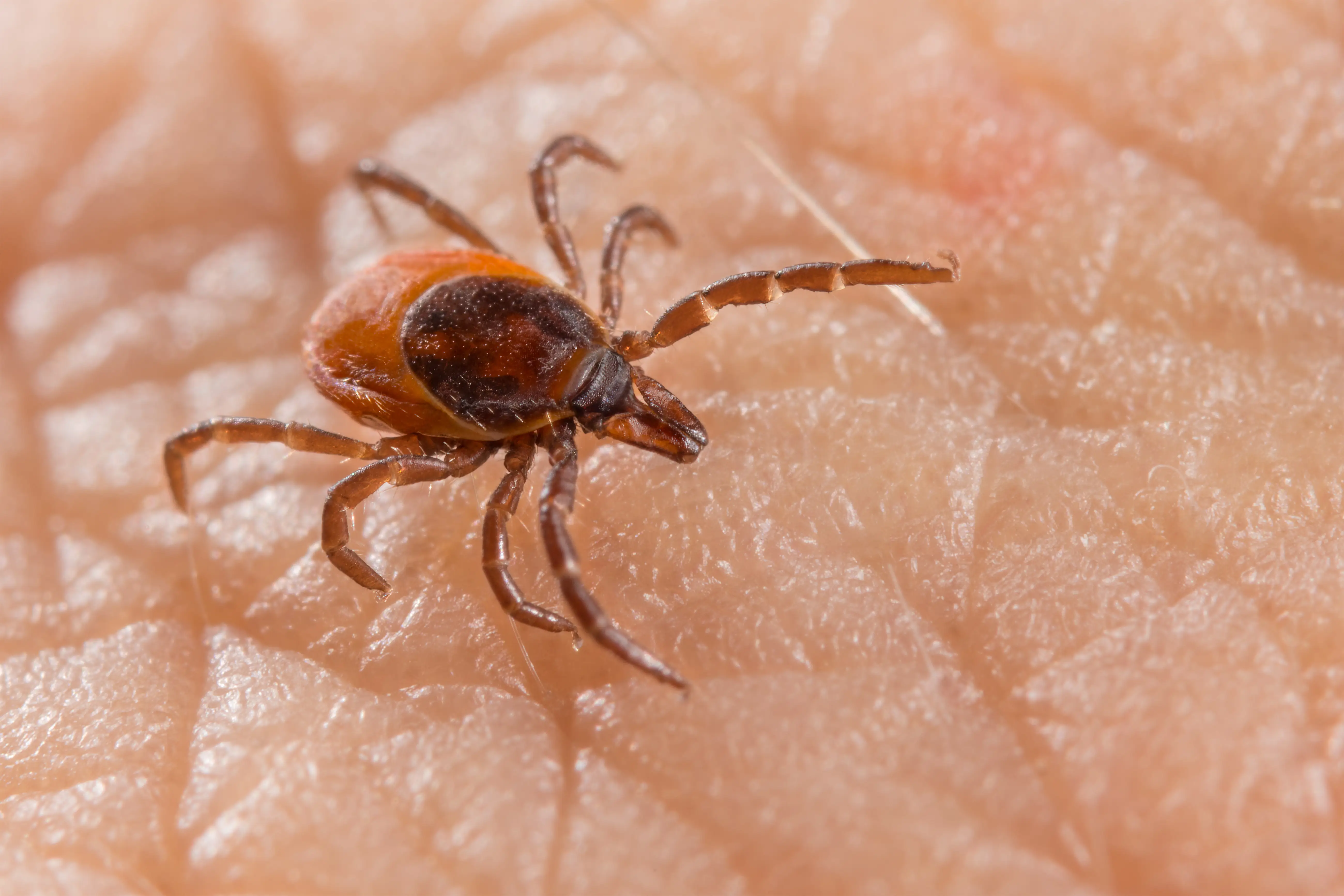
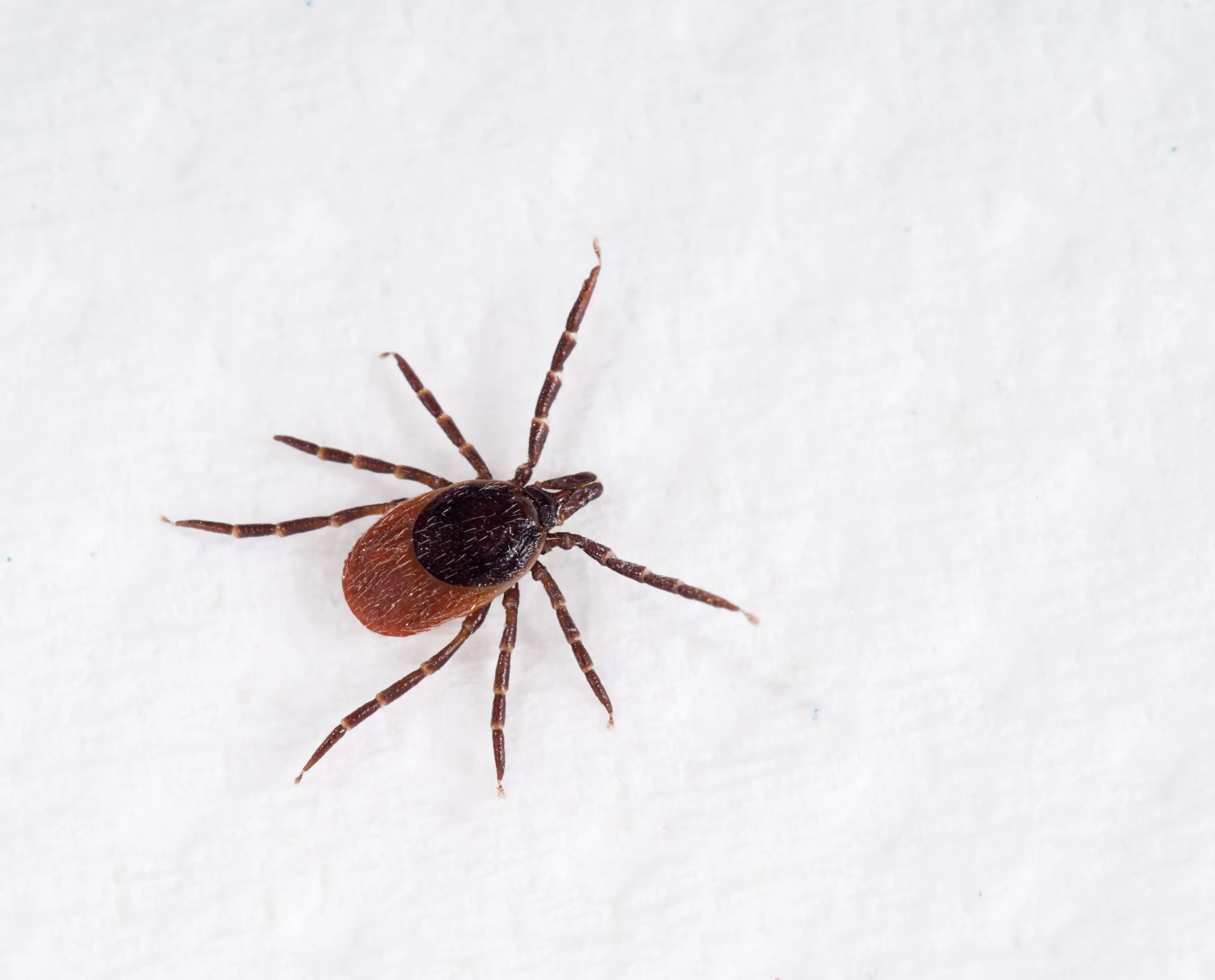
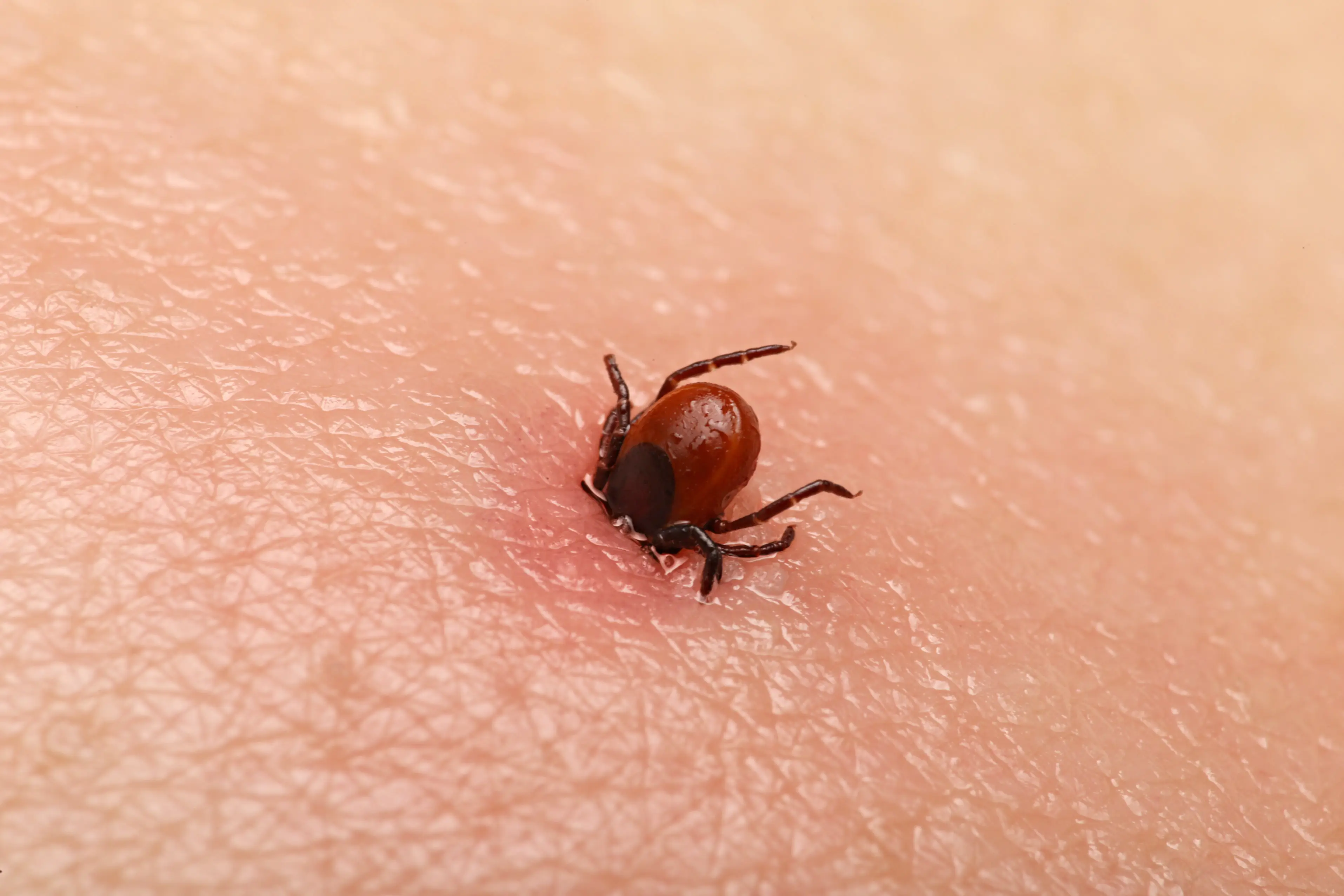
Tick on frost-covered leaf in winter
By Gary Anderson||8 min read

Do Ticks Die in Winter?

The surprising truth about tick survival in cold weather and why year-round vigilance is essential.

The common belief that ticks die off during winter is a misconception. While harsh winter conditions can impact tick populations, these resilient arachnids have evolved survival strategies to endure cold temperatures.

Ticks, particularly the black-legged (deer) ticks responsible for spreading Lyme disease, remain active during fall and can continue feeding activities even as temperatures drop. In fact, adult deer ticks often begin their prime feeding period around the time of the first freeze, coinciding with increased deer movement during autumn.

Key Facts About Ticks in Winter

Lethal Temperature: Below 10°F (-12°C) for extended periods
Reactivation Threshold: Above 35°F (1.7°C)
Winter Mortality: Only about 20% of population dies from cold alone

Key Facts

Activity Threshold
Above 35°F (1.7°C)
Lethal Temperature
Below 10°F (-12°C) sustained
Low Risk Period
Late December to late March

Can Cold Temperatures Impact Tick Populations?

Cold temperatures can indeed impact tick populations, but their effect is not as severe or straightforward as many people assume. While frigid winters can reduce tick numbers, studies indicate that only about 20 percent of the population typically dies off due to cold alone.

Species Variation

Different tick species have varying cold tolerance levels. The black-legged (deer) tick remains active at lower temperatures compared to the American dog tick or Lone Star tick.

Activity Threshold

Generally, 40°F (4°C) is considered a lower threshold for many Ixodes ticks. Below this, they tend to seek shelter and conserve energy rather than actively quest for hosts.

Host Protection

Ticks attached to warm-blooded hosts like deer can survive even during cold snaps, as they benefit from the animal's body heat throughout winter.

Important: To significantly impact tick populations, freezing temperatures must be sustained below 10°F (-12°C) for an extended period, which is becoming less common with warming winter trends.

What Temperature Kills Ticks?

The question of what temperature kills ticks is more complex than it might initially seem. Laboratory experiments have shown that ticks can succumb to temperatures ranging from -2 to 14°F (-19 to -10°C). However, controlled conditions do not fully represent the realities of natural environments.

In the Lab

Ticks can succumb to temperatures ranging from -2 to 14°F (-19 to -10°C) under controlled laboratory conditions.

In Nature

Temperatures need to drop below 10°F (-12°C) and remain there for several days to significantly impact tick populations in natural settings.

Why Ticks Survive Extreme Cold

Shelter Access

Leaf litter, soil, and warm-blooded hosts provide protection

Snow Insulation

Snow cover acts as an insulator, protecting ticks from lethal temperatures

Microhabitats

Natural environments provide insulated areas that buffer extreme cold

How Do Ticks Survive the Winter?

Ticks have developed remarkable strategies to survive winter's harsh conditions, employing both behavioral and physiological adaptations.

Burrowing Behavior

As cold sets in, ticks instinctively burrow deeper into the soil, seeking refuge in the insulating layers of leaf litter and dense vegetation.

Snow as Protection

Snow cover, often viewed as a threat to insects, actually serves as an additional protective blanket for ticks, helping maintain a more stable microclimate beneath.

Cellular Adaptation

Ticks can reduce water content in their cells, effectively lowering the freezing point and preventing cellular damage from ice formation.

Natural Antifreeze

Some species are believed to produce a natural "antifreeze" compound, similar to adaptations seen in cold climate amphibians, which circulates through their bodies to prevent freezing.

Female Hardiness

Female ticks demonstrate exceptional hardiness, surviving even the coldest periods to ensure they can lay eggs in spring.

Vulnerability Point

Ticks can be vulnerable to rapid temperature fluctuations. A premature thaw followed by a sudden freeze can catch ticks off guard, increasing their exposure to lethal temperatures.

Year-Round Tick Protection

Do not let the misconception that ticks die in winter leave your family unprotected. Contact us for comprehensive tick control.

Call (866) 326-2847

When Are Ticks Active and When Do They Become Dormant?

Tick activity patterns vary significantly throughout the year and are influenced by species, geographical location, and climatic conditions. Generally, ticks are most active during warmer months, with peak activity in spring, summer, and fall.

Peak Activity Seasons

Spring, summer, and fall are peak activity periods. In the Northeast, Lyme disease transmission risk is typically lowest from late December to late March, but it is not entirely absent.

Winter Activity

Adult ticks, particularly black-legged (deer) ticks, can remain active throughout winter during periods of above-freezing temperatures. Adult ticks that have not secured a blood meal may activate on any mild winter day.

Temporary Heat Can Bring Ticks Out of Dormancy

Brief thaws or unseasonably warm days can quickly reactivate dormant ticks. When temperatures rise above 35°F (1.7°C) and the ground thaws, dormant ticks will emerge from their sheltered locations in search of hosts.

These warm spells coincide with increased outdoor activities for humans and pets, creating a perfect scenario for tick-human interactions when people are less likely to be paying attention. The absence of snow cover during these warm periods further increases the risk.

How Are Rising Temperatures Affecting Tick Populations?

Rising global temperatures are having a profound impact on tick populations, altering tick distribution, activity patterns, and overall abundance.

Extended Activity Periods

As winters become milder, ticks experience extended periods of activity and improved survival rates, allowing more time to find hosts and complete life cycles.

Geographic Expansion

Warmer temperatures enable ticks to move into areas previously too cold to support them, particularly noticeable in higher latitudes and elevations.

Longer Fall Seasons

Longer, warmer autumns provide ticks with more opportunities to find blood meals and progress to their next life stage.

Earlier Spring Activity

Earlier spring thaws lead to increased tick activity due to faster thawing of their environment.

New Disease Emergence

Tick-borne diseases are now emerging in regions that historically had low risk due to expanding tick populations.

Note: While warmer temperatures generally favor tick survival, extreme heat and drought conditions can also lead to tick mortality due to dehydration.

How to Prevent Ticks and Tick-Borne Diseases

Preventing ticks and tick-borne diseases requires a multi-faceted approach that combines environmental management, personal protection, and vigilant monitoring.

Environmental Control

Keep your yard well maintained by regularly mowing, removing leaf litter, and creating barriers between lawns and wooded areas.

Personal Protection

Wear appropriate clothing and use EPA-approved repellents when in tick-prone areas.

Pet Protection

Implement year-round tick prevention strategies for pets including regular checks and veterinarian-recommended medications.

Tick Checks and Removal

Perform thorough checks after outdoor activities and remove any attached ticks promptly using tweezers.

Awareness and Education

Learn to recognize tick habitats, understand disease symptoms, and seek medical attention when necessary.

Contact EcoGuard if You Are Dealing with Ticks

If you are facing persistent tick problems on your property, it is time to consider professional assistance. EcoGuard Pest Management offers expert solutions tailored to address tick infestations and reduce the risk of tick-borne disease exposure. Our team of trained professionals can conduct a thorough assessment of your property, identify tick hotspots, and implement targeted control measures using environmentally responsible methods. Contact us today to develop a comprehensive tick management plan.

Call (866) 326-2847Get Free Quote

Dormant Tick FAQs

At what temperature do ticks die?

Ticks can typically survive brief exposures to freezing temperatures, but prolonged exposure to temperatures below 10°F (-12°C) for several days can be lethal to many tick species. However, it is important to note that ticks have various survival strategies, including seeking shelter in leaf litter or attaching to warm-blooded hosts, which can protect them from extreme cold. Complete eradication of tick populations solely through cold temperatures is rare in natural settings.

Where do ticks go in the winter?

During winter, ticks employ various strategies to survive the cold. Many species burrow into the leaf litter or soil, where they can find insulation that provides thermal protection from freezing temperatures. Some ticks may also seek shelter in cracks and crevices of trees or rocks, while others remain attached to their warm-blooded hosts like deer or rodents throughout the colder months. These sheltered locations provide protection from harsh weather conditions and allow ticks to conserve energy until more favorable conditions return.

What month do ticks go away?

Ticks do not have a specific month when they completely "go away," as their activity levels vary depending on species, geographic location, and local climate conditions. In many regions, tick activity tends to decrease during the coldest winter months, typically from late December through February or March. However, it is important to note that some tick species, particularly adult black-legged (deer) ticks, can remain active even during winter months when temperatures rise above freezing.

Do ticks die in the washing machine?

Ticks can indeed be killed in a washing machine, but the effectiveness depends on the water temperature and wash cycle duration. For best results, wash tick-infested clothing in hot water (at least 130°F or 54°C) for a minimum of 30 minutes, which is typically sufficient to kill ticks at all life stages. Following the wash with a high heat drying cycle for at least 30 minutes provides an extra measure of certainty in eliminating any surviving ticks.