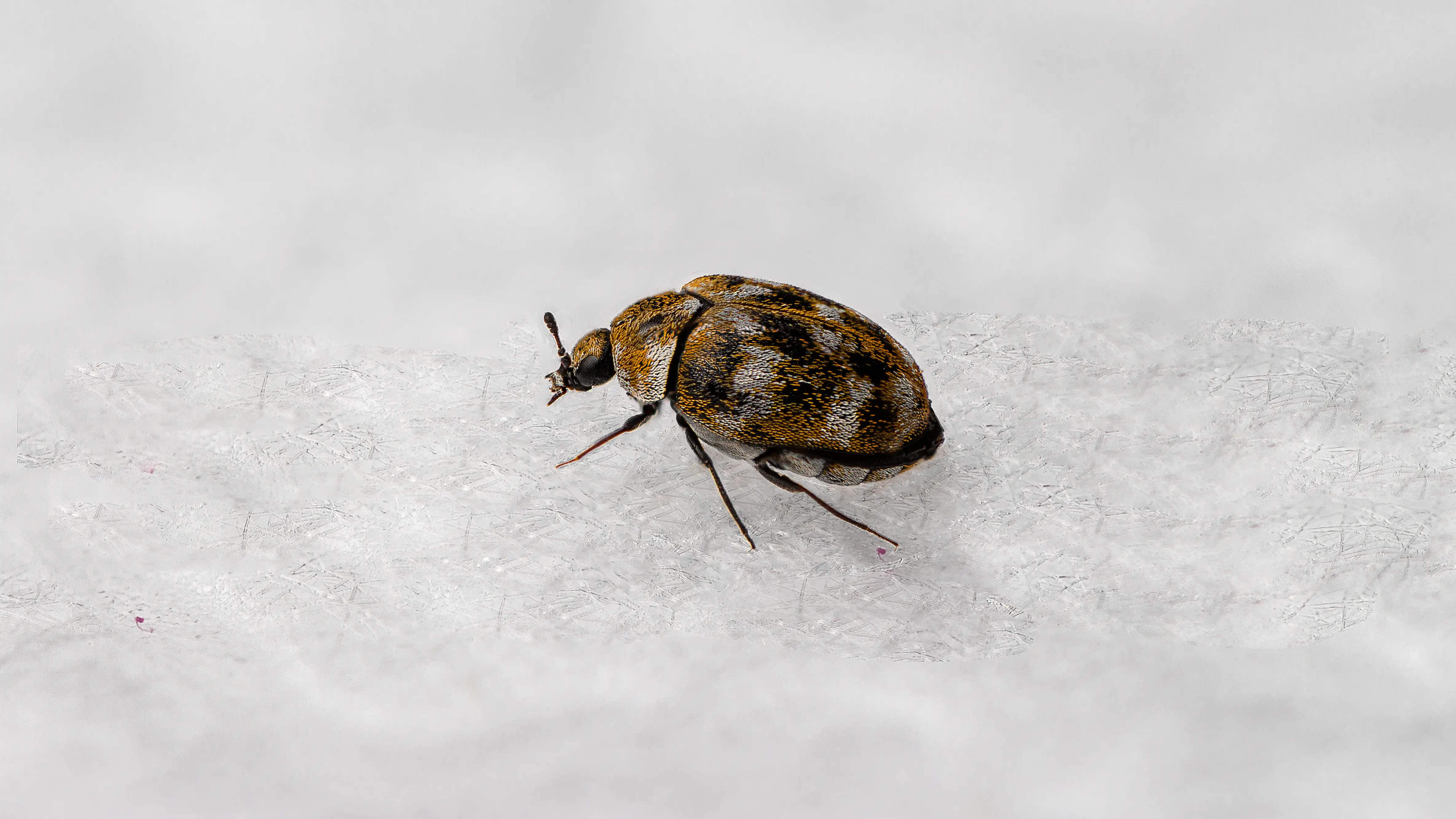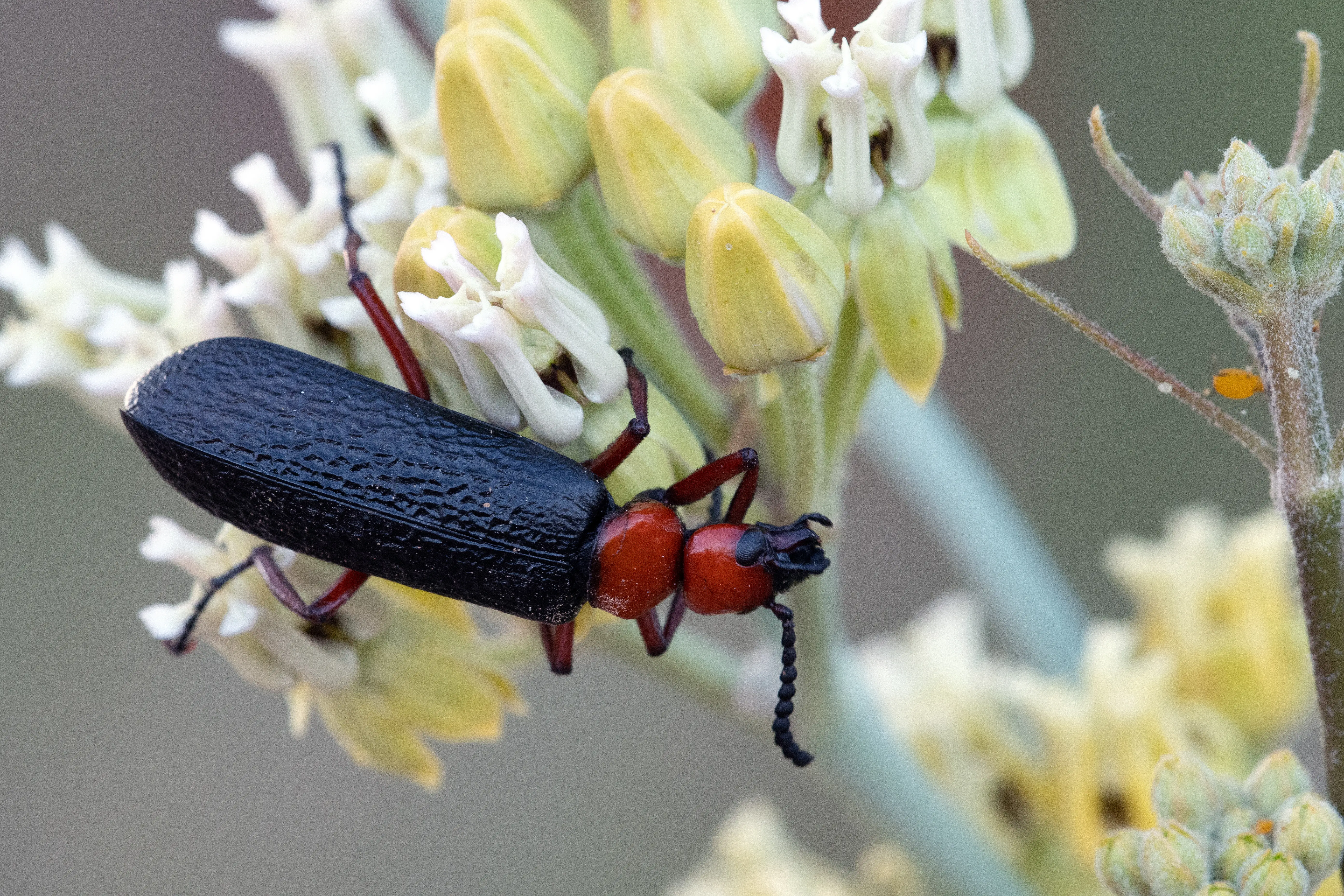
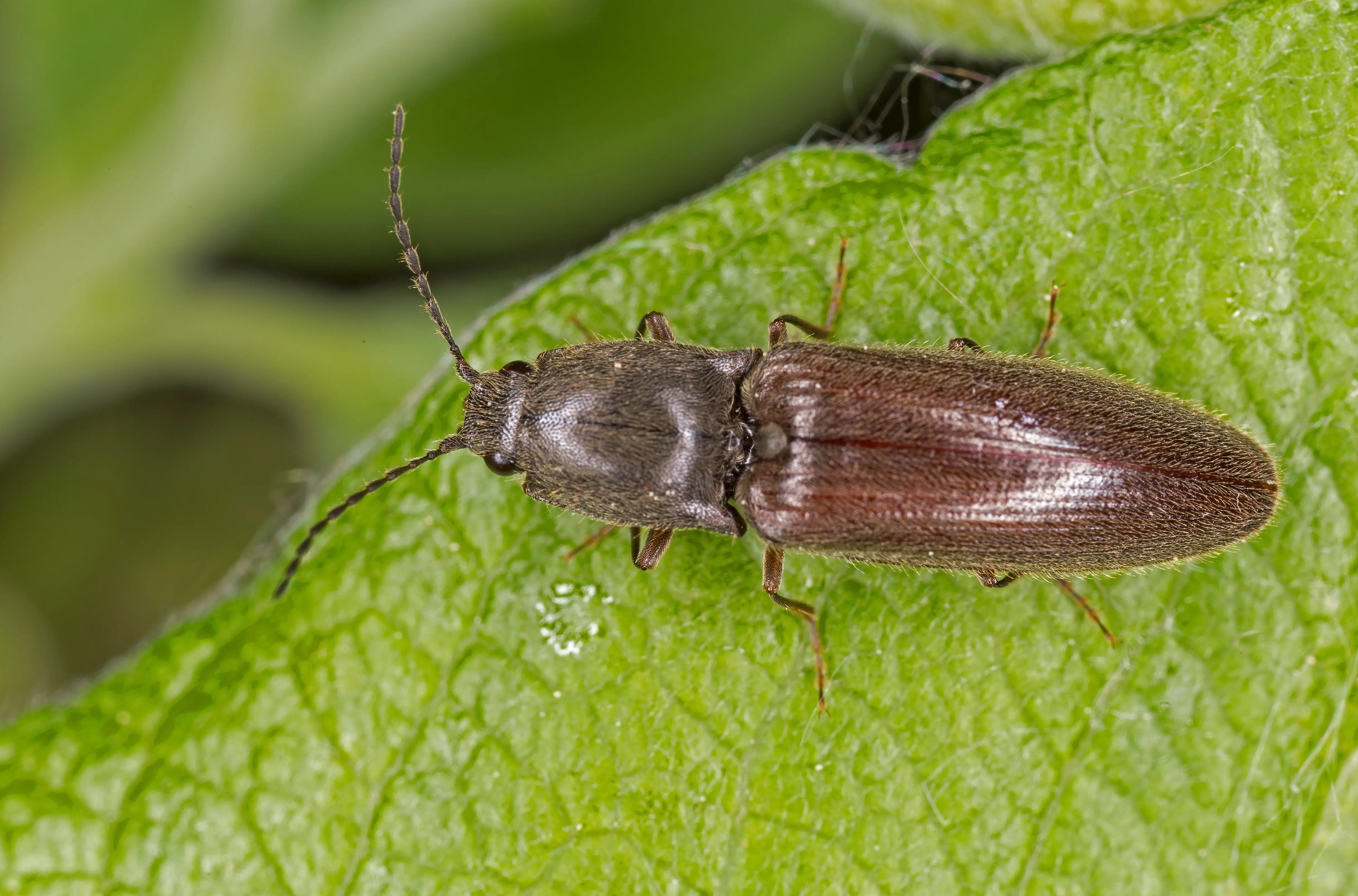
Beetles include several thousand species, many of which are common household pests causing destruction of crops, consumption of fabrics, and contamination of pantry items. These bugs are generally active in the evenings and attracted to light, meaning an open window can let them inside.
Identification is the First Step
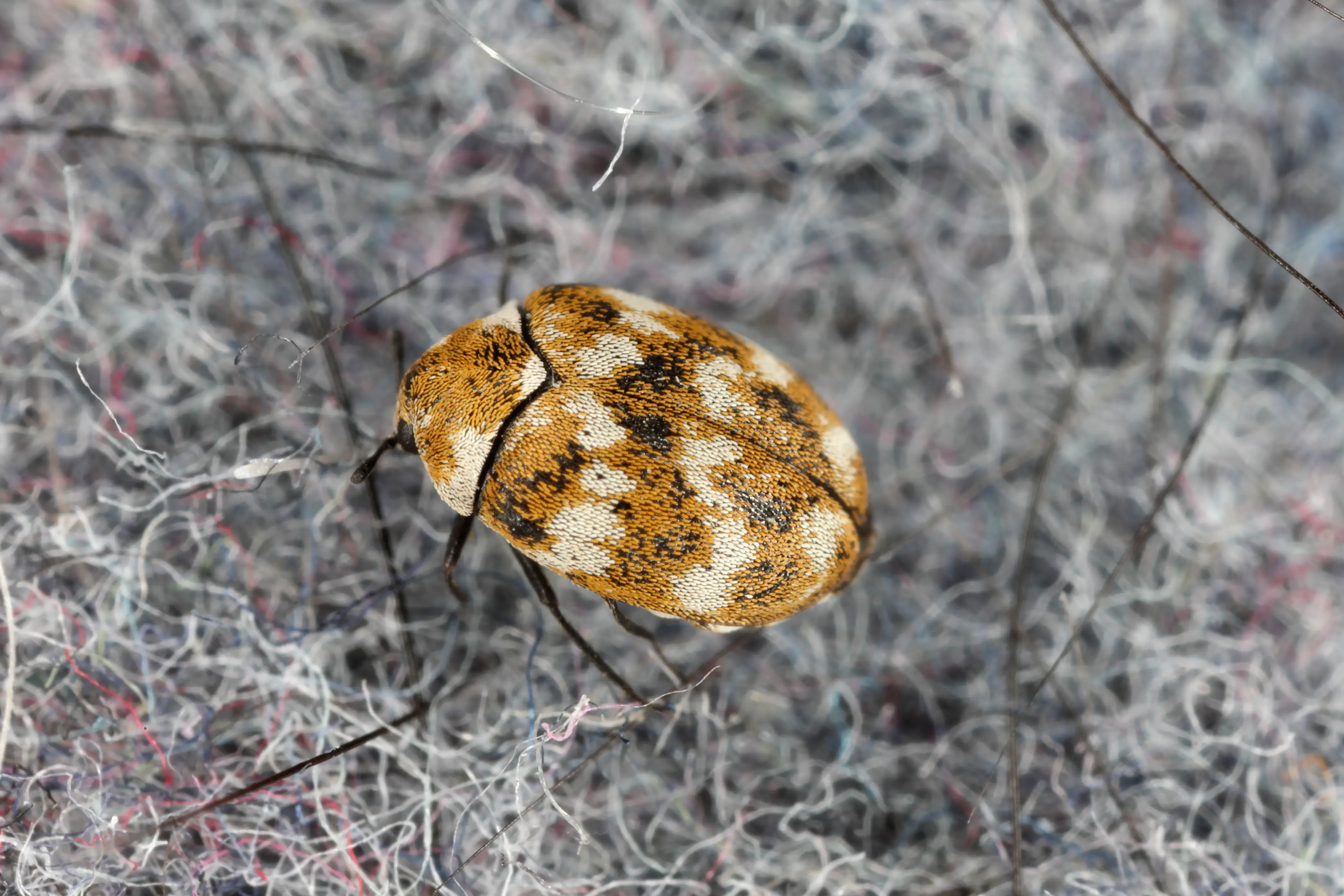
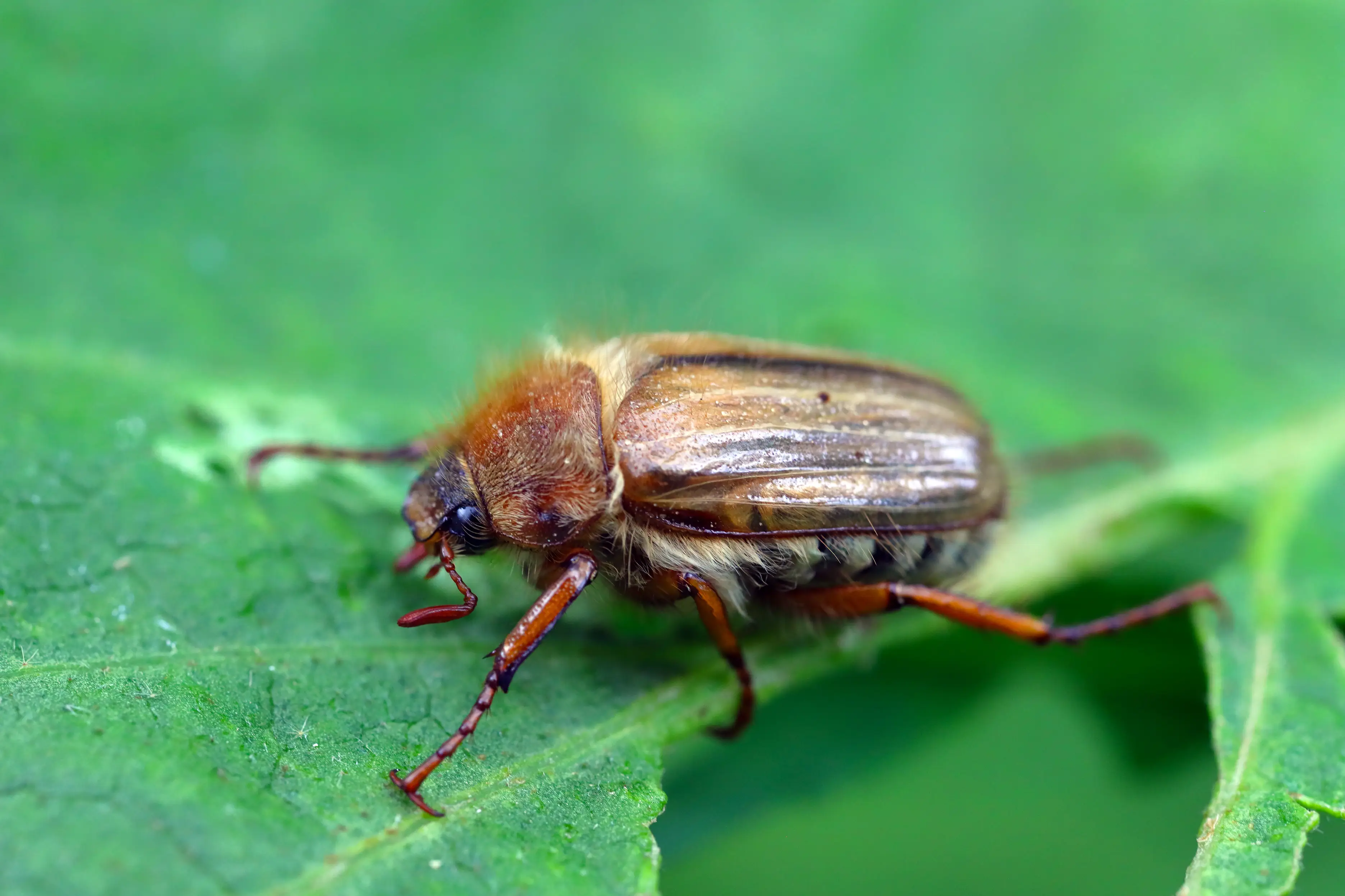
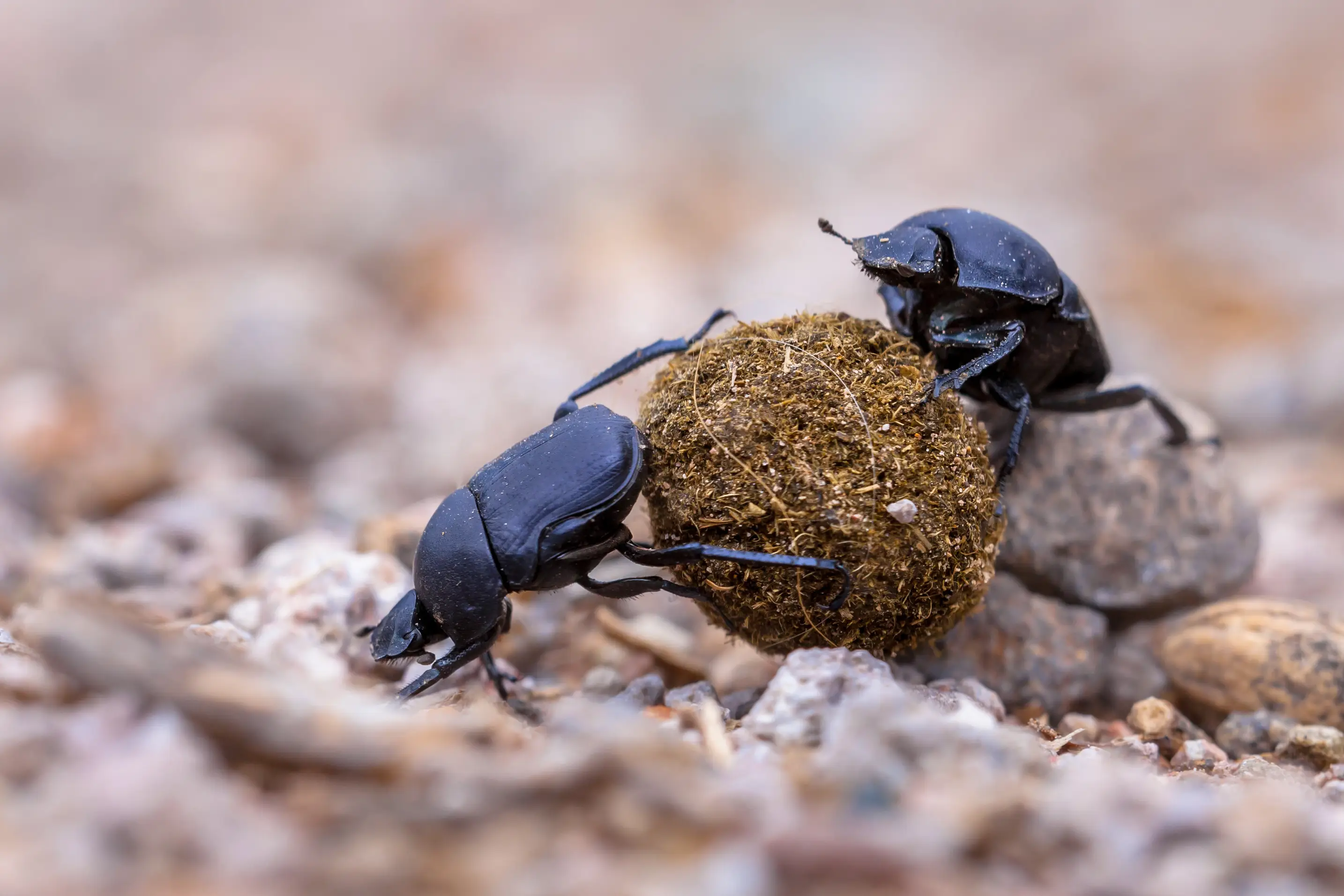
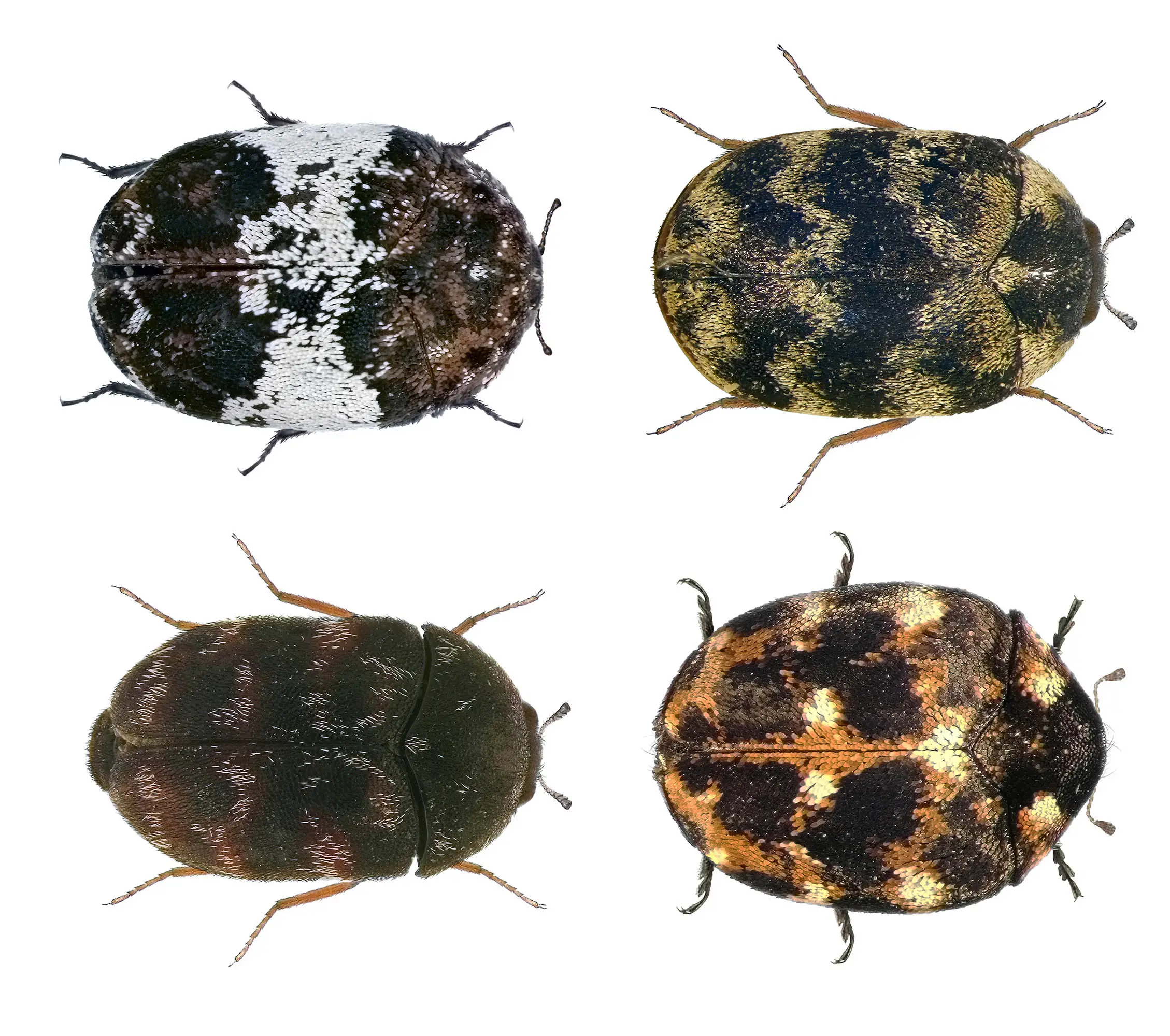
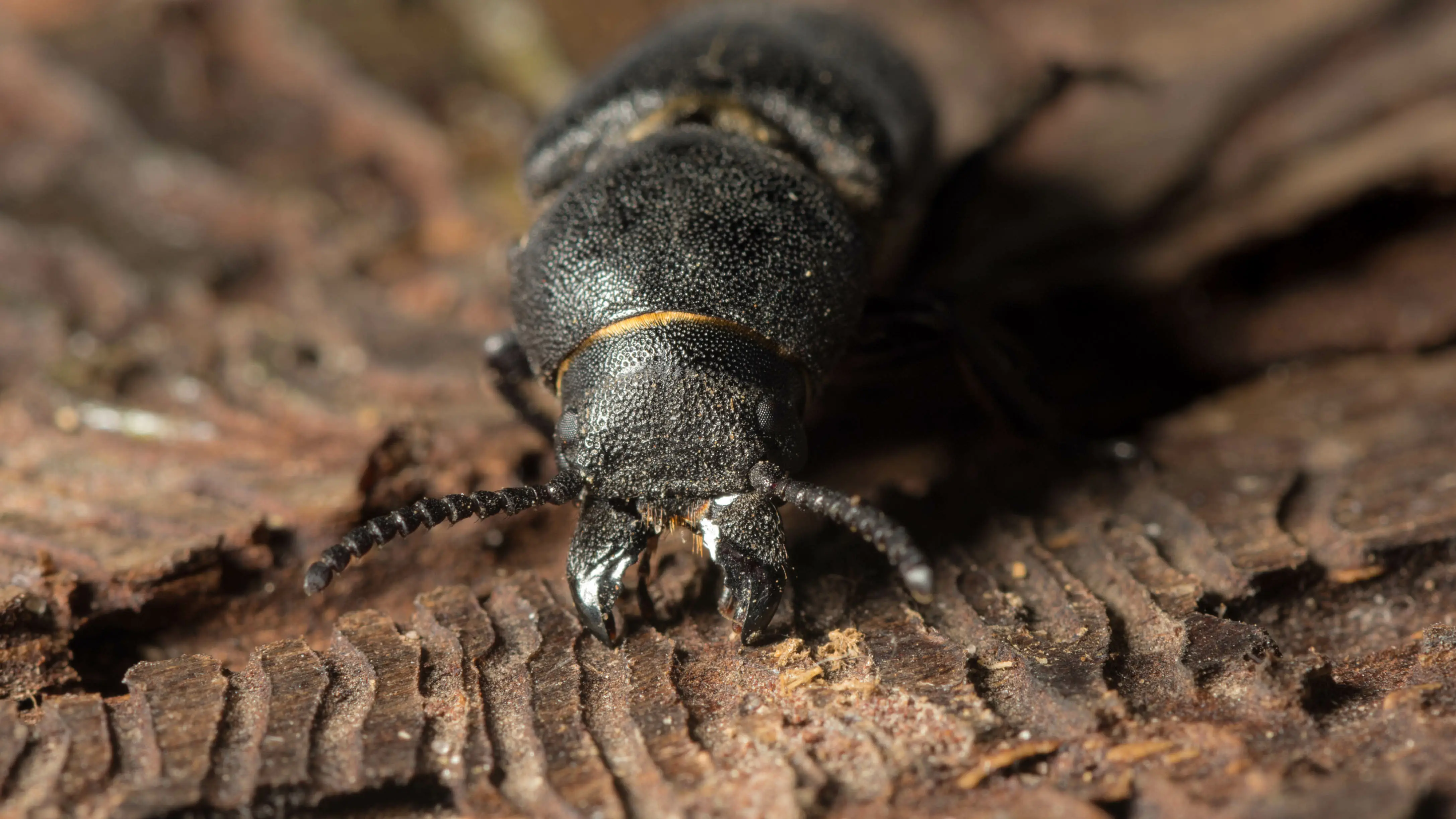
Before treatment can begin, identify the beetle type and problematic areas. Treating for the wrong beetle wastes time, money, and effort. Look for: six legs, protective exoskeleton, wings, antennae, and note body shape, wing color, size, and any other features. Also look for larvae and molted skins.
How Professionals Get Rid of Beetles
Professional pest control is recommended for large-scale infestations. Experts use tried and true strategies:
Inspection
Identify infested areas and beetle species to create a custom treatment plan.
Treatment
Interior and exterior pesticide applications plus baits and traps to monitor progress.
Follow-Up
Check traps to see if beetles are still active and adjust treatment as needed.
Exclusion
Seal all access points to stop beetles from returning and reinfesting.
Education
Learn how to minimize attractants to prevent future beetle activity.
Beetle Infestation Getting Out of Control?
Professional identification and treatment ensures effective results.
Call (866) 326-2847Getting Rid of Beetles Inside Your Home
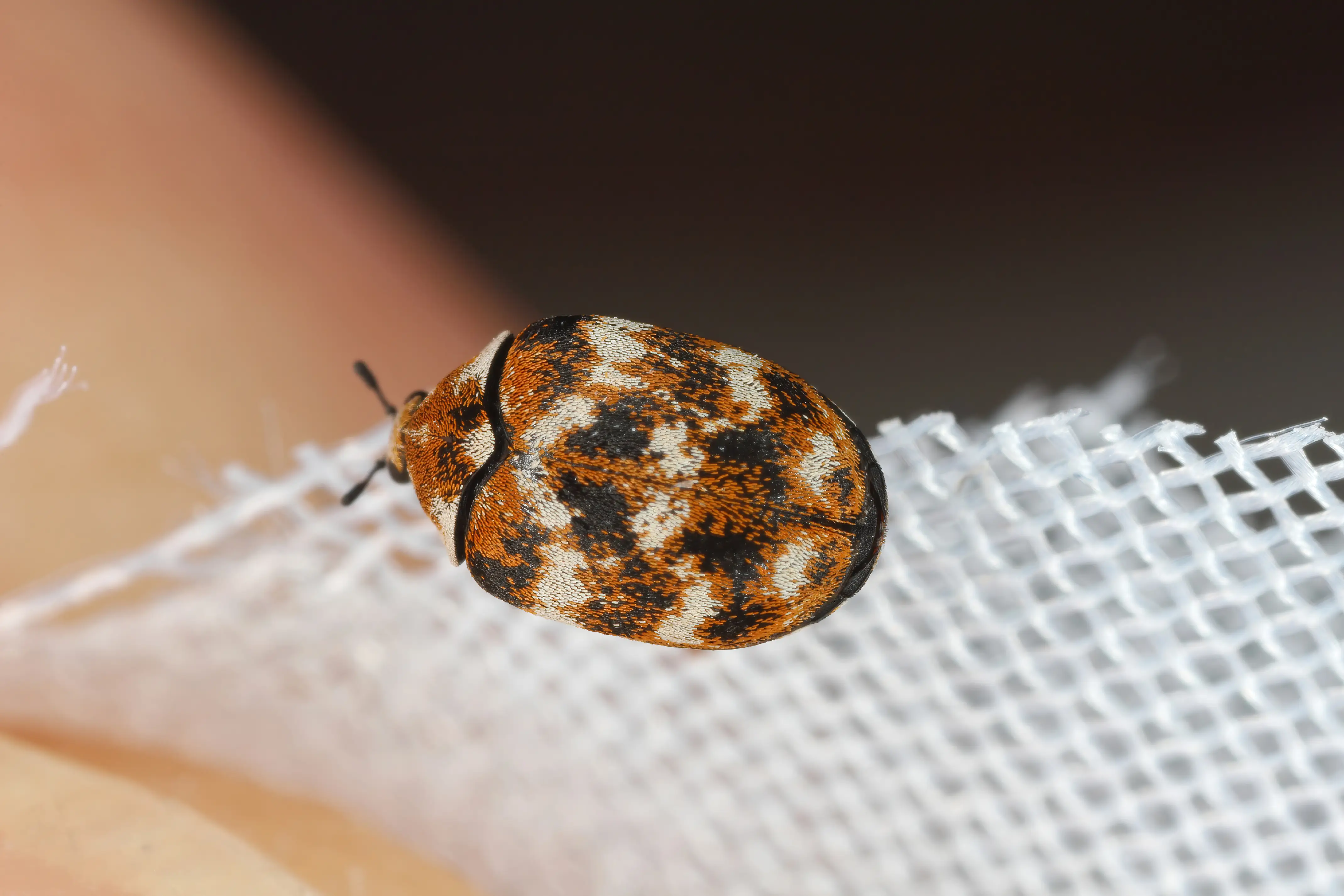
Carpet Beetles
Feed on fibers found in fabrics, carpets, and linens. Use a combination of strategies:
Dusting
Apply diatomaceous earth or borax to carpets. Use a mask to avoid respiratory issues.
Vacuuming
Thoroughly vacuum to remove beetles, eggs, and food sources like pet hairs.
Dry Fabrics
Put clothing, bedding, towels in dryer on high heat to kill beetles and eggs.
Remove Food Sources
Store fabrics in airtight vacuum-sealed bags.
Mothballs
Use in closets and storage areas to deter beetles.
Pesticides
Use cyfluthrin, bifenthrin, deltamethrin, permethrin, or tetramethrin.
Pantry Beetles
Includes cigarette beetles, red flour beetles, and sawtooth grain beetles. More difficult because they infest food storage areas:
Eliminate Contaminated Food
Throw out ALL grains, cereals, rice, pasta, flour, breads, nuts, dried fruit, pet food, coffee.
Vacuum Pantry
Top to bottom to remove all crumbs and spills.
Soap and Vinegar
Clean surfaces with soap, then spray with vinegar as a deterrent.
Residual Pesticide
Spray infested areas for lasting protection.
Seal New Food
Use hard plastic or glass airtight containers. Beetles chew through thin plastic bags.
Pheromone Traps
Monitor effectiveness of cleaning and treatment.
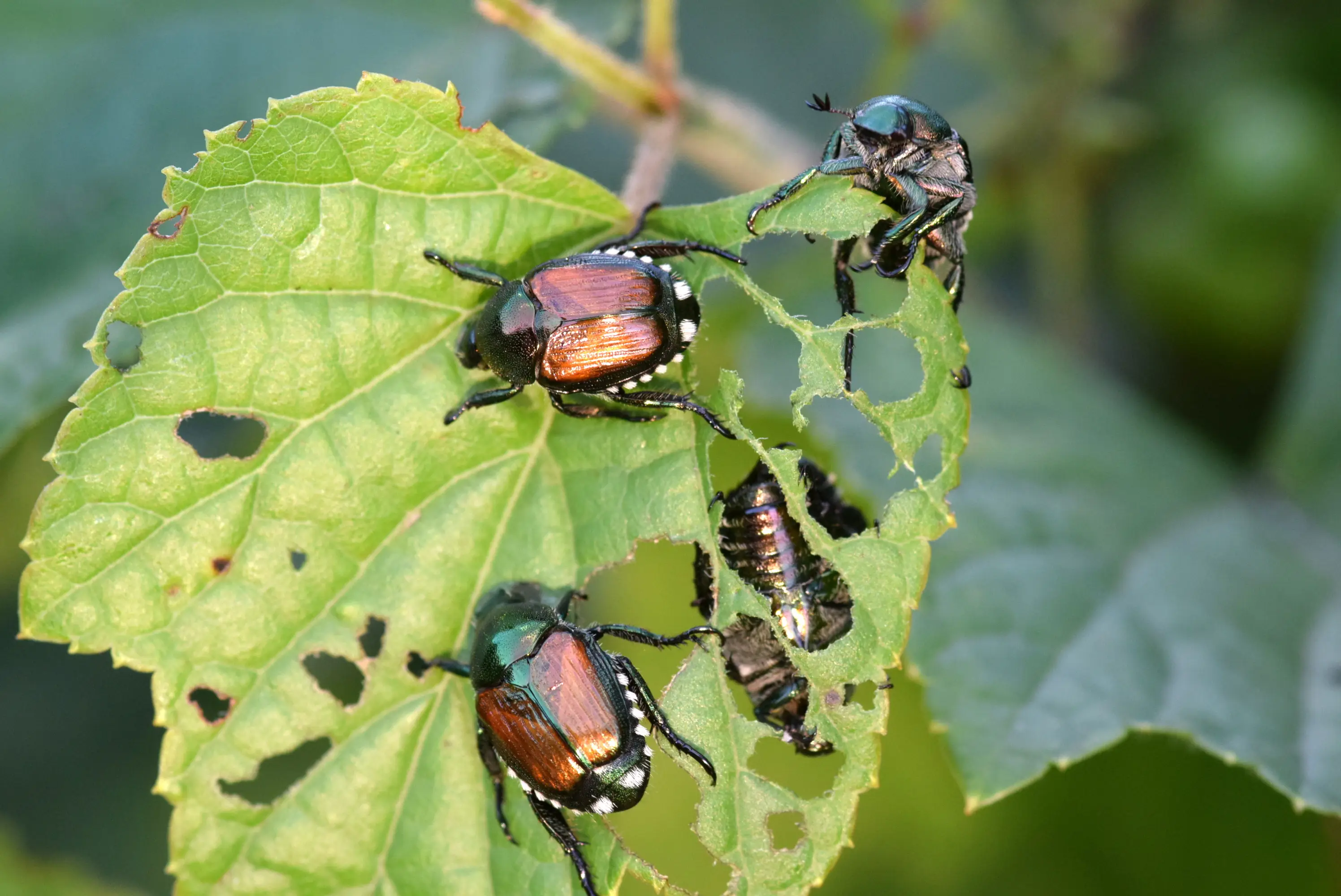
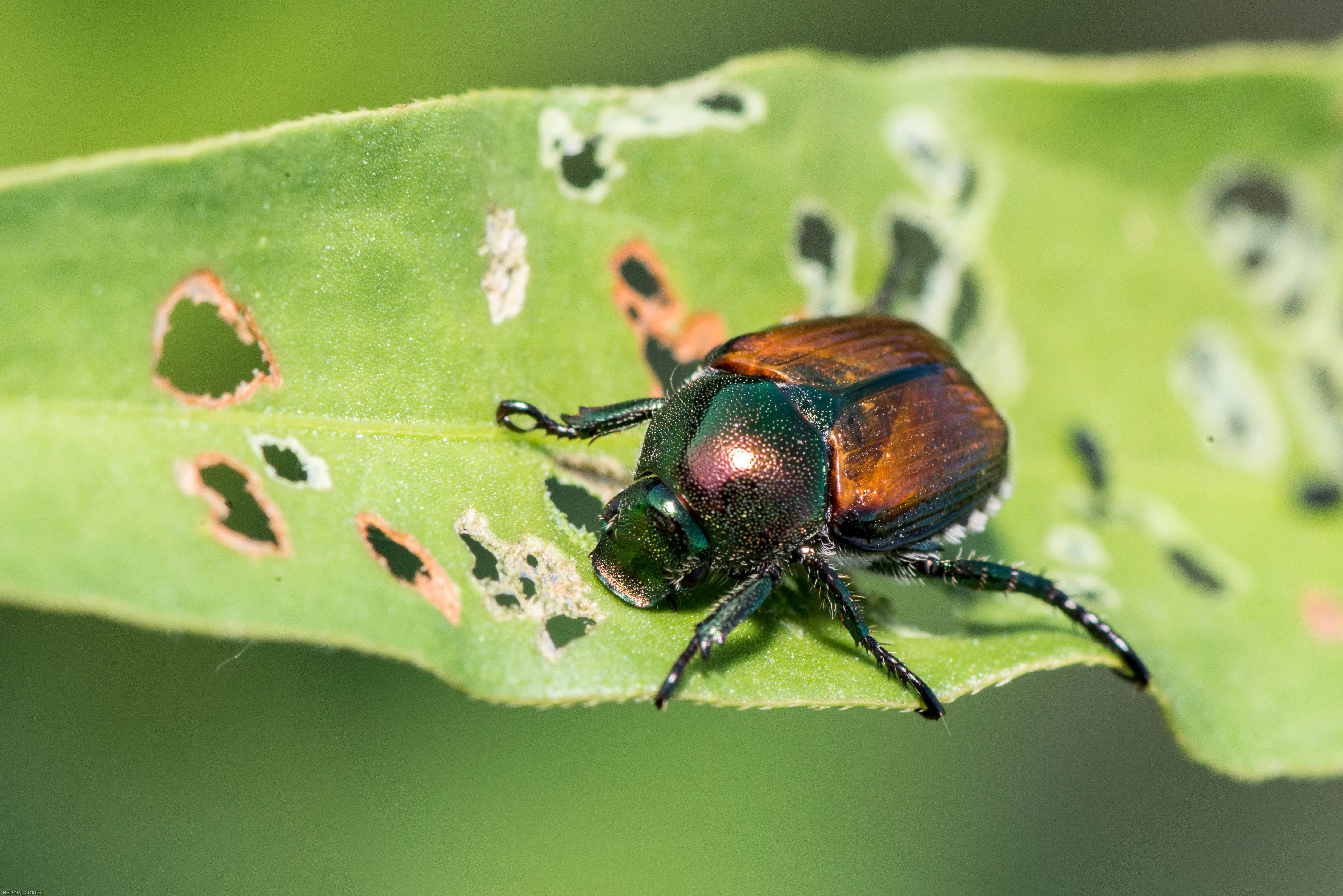
Getting Rid of Japanese Beetles in Gardens
Japanese beetles can quickly overwhelm a garden, leaving leaves chewed through and destroying crops that can no longer photosynthesize:
Soap and Water
Spray plants with dish soap or insecticidal soap. Hand-pick beetles or knock into soapy water.
Neem Oil
Organic deterrent that also stops larvae from developing.
Beetle Traps
Use pheromone traps but set them AWAY from garden to avoid attracting more beetles.
Nematodes & Milky Spore
Apply to soil to infect and kill grubs before they become adults.
Insecticides
Best for flowers and non-consumable plants.
Predators
Add bird baths and feeders to attract birds that eat beetles.
How to Get Rid of Beetles Naturally
Essential Oils
Mint and lavender oils mixed with water. Spray around doorways, windows, vents, closets.
Neem Oil
Natural bug repellent for all insects. Mix with water and spray access points.
Beetle Traps
Sticky traps that attract beetles using specific scents.
Pyrethrin
Organic pesticide from chrysanthemum flowers. Affects insect nervous systems.
Diatomaceous Earth
Desiccant powder safe for humans/pets but deadly for insects. Create a barrier line.
Milky Spore
Fungal growth that infects grubs. Decomposing grubs release more spores.
Borax
Effective poison safe for brief human/pet contact. Sprinkle where beetles are active.
Plants That Deter Beetles
Trees: Red maples, boxwoods, dogwoods, holly, pine. Flowers: Coral bells, chrysanthemums, forget-me-nots, geraniums, hostas, impatiens.
How to Prevent Beetles
Prevention is the best way to keep beetle populations under control. Each species requires different strategies:
Exclusion
Seal gaps in windows, cracks in foundations. Trim bushes and trees away from home.
Exterior Pesticide
Apply residual pesticide around home perimeter as a barrier.
Eliminate Food Sources
Seal fabrics in vacuum containers, keep pantry items in hard plastic, use row covers on gardens.
Treat for Grubs
Use beneficial nematodes, milky spore, and soil treatments to stop grubs from becoming adults.
Contact Professionals for Beetle Control
If all attempts to get rid of beetles have failed, call EcoGuard Pest Management. Our licensed experts will inspect your property, identify the beetle species, and create a customized plan to effectively treat your beetle problem.
How to Get Rid of Beetles FAQs
How many species of beetles are there?
The order Coleoptera includes over 350,000 different species, making it the largest group of insects known. These species span across the globe and come in different colors, shapes, and sizes.
Can getting rid of beetles be done naturally?
Yes, there are several natural methods including cleaning, exclusion, and pretreatment strategies that reduce beetle populations without harsh chemical pesticides. If natural methods fail, pesticides can be used as a last resort.
Do you have to know what type of beetle you are treating for?
Yes, knowing the beetle type helps determine where and how to treat to maximize the likelihood of success. Different beetle species require different treatment strategies.
From Our Blog