EcoGuard Pest Management
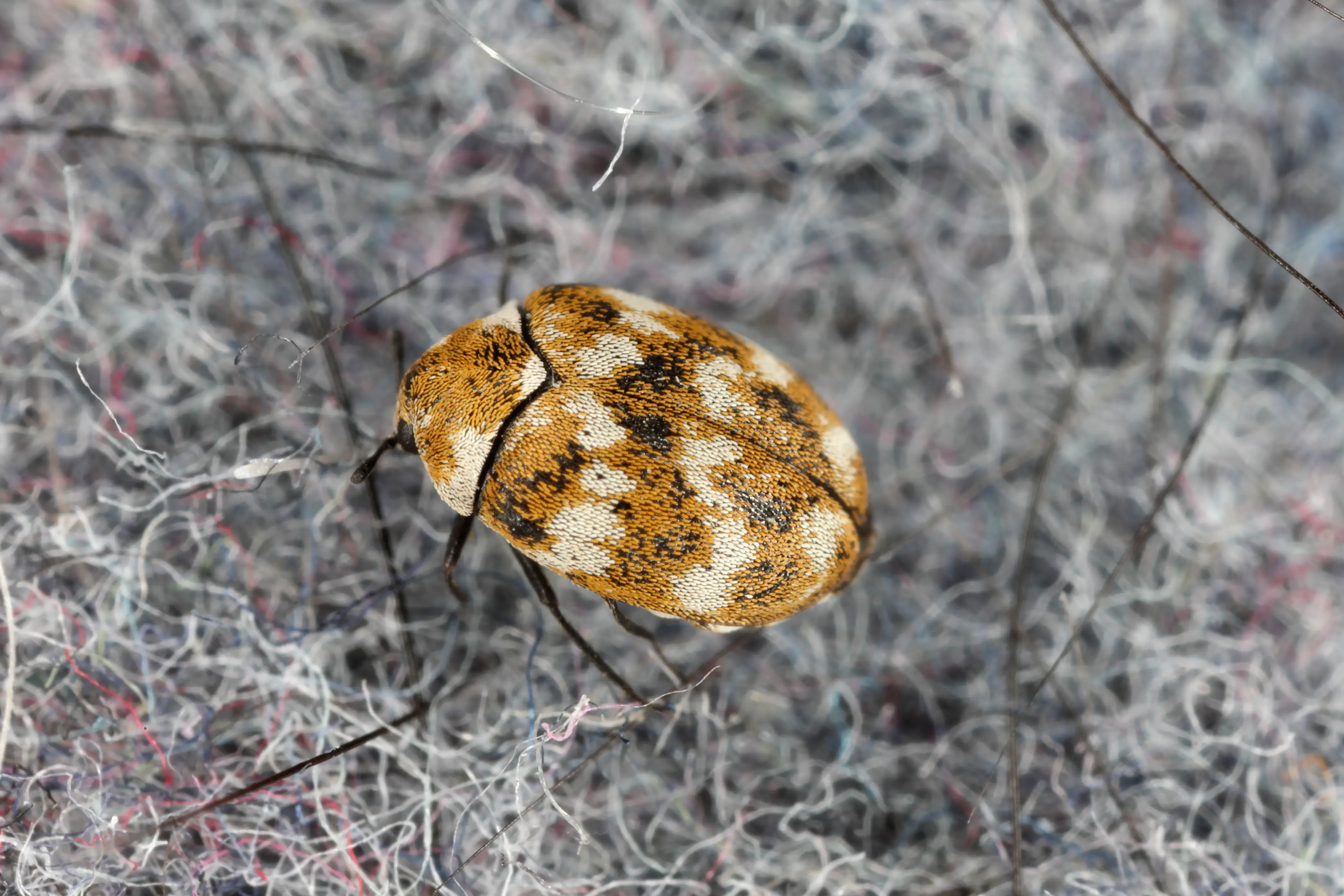
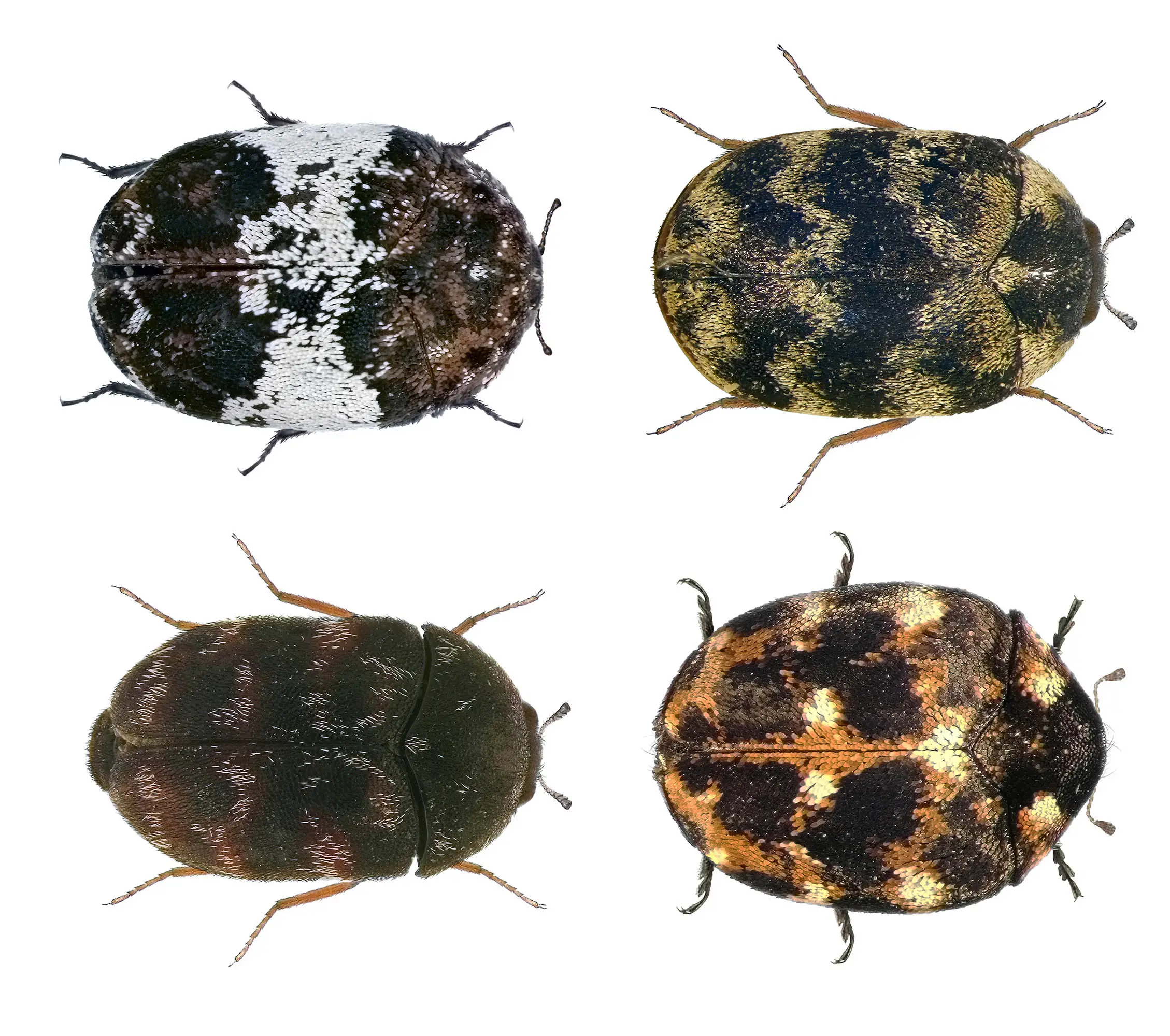
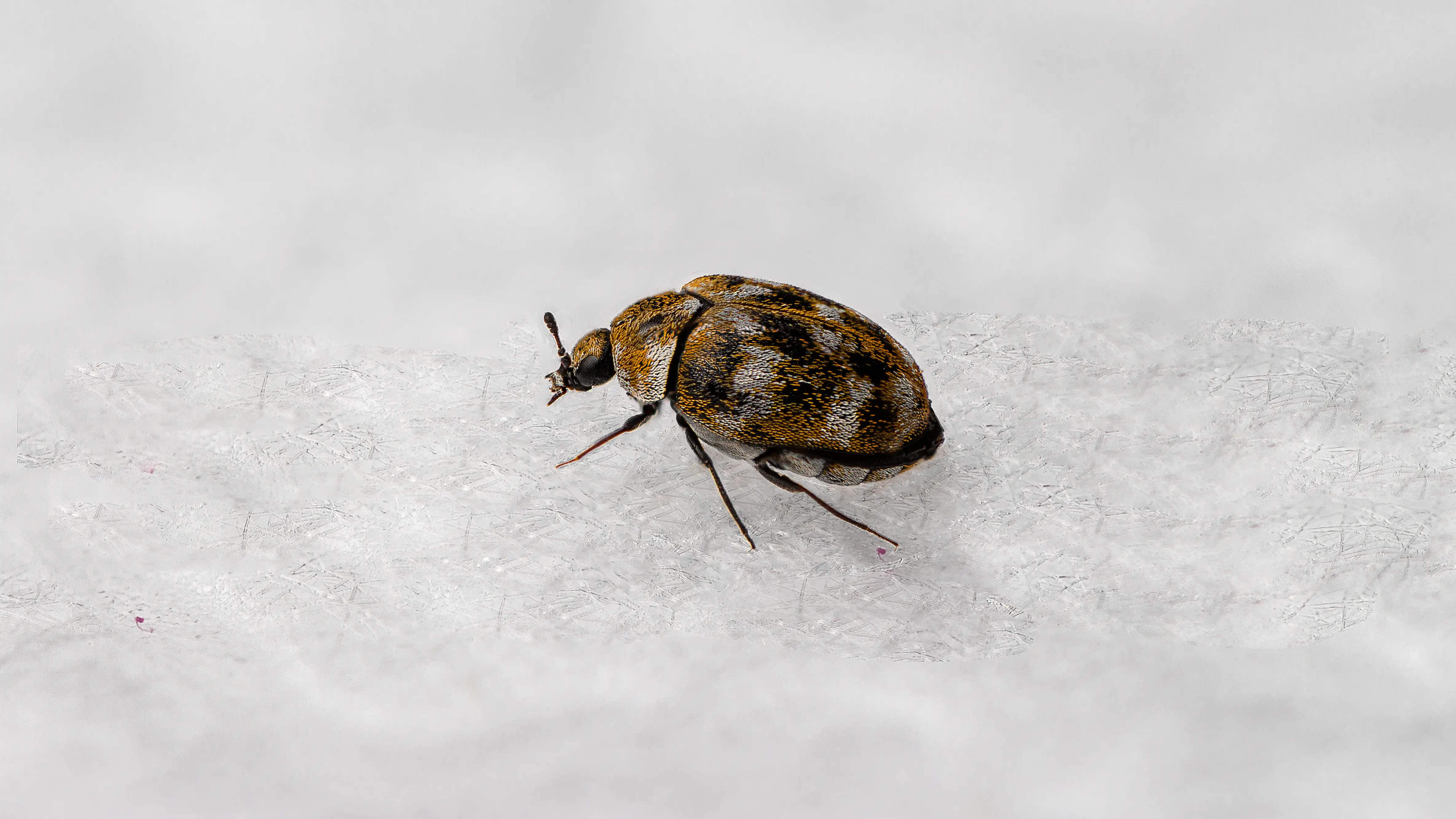
Carpet beetle on fabric showing how they infest household textiles
By Gary Anderson||8 min read

What Causes Carpet Beetles Inside Your Home?

Understanding why carpet beetles invade your home is the first step to effective prevention and control.

Carpet beetles, though small in size, can become a significant nuisance within homes. These pests undergo multiple life stages, with each phase presenting unique challenges for homeowners. Adult carpet beetles often enter residences through open windows or doors while seeking out suitable environments to lay their eggs.

Once inside, they target areas rich in preferred food sources for their young, which include natural fibers found in carpets, furniture, and clothing. The larvae are particularly destructive because they feed on a variety of organic materials.

Why Detection is Difficult

Without proper prevention and maintenance, carpet beetles can establish themselves in hidden corners, air ducts, or beneath furniture, making detection and elimination a complex task for unsuspecting homeowners.

Where Do Carpet Beetles Come From?

Carpet beetles primarily originate in outdoor environments, where they play a role in the natural ecosystem. These insects are drawn to flowering plants because they survive on a diet of pollen and nectar in gardens and landscapes.

Their ability to fly enables them to easily find their way inside through open windows or doors in search of suitable environments to lay their eggs.

How Do Carpet Beetles Get Inside?

Carpet beetles employ various strategies to infiltrate homes. These resourceful insects can slip through the smallest of openings and use their attraction to light to guide them towards potential access points.

Common Entry Points

  • Gaps around window frames
  • Door thresholds
  • Utility entry points

Less Obvious Routes

  • Chimney flues
  • HVAC ducting
  • Wall voids and hidden passageways

Hitchhiking Methods

  • Cut flowers from gardens
  • Potted plants brought indoors
  • Secondhand items

What Causes Carpet Beetles?

Carpet beetles are opportunistic pests that thrive in environments rich in their preferred food sources and nesting materials. Understanding these factors is crucial for effective prevention and control.

Keratin-Rich Materials

Carpet beetle larvae consume items containing keratin, a protein found in natural fibers. This makes wool carpets, silk garments, leather goods, and shed pet hair prime targets.

Undisturbed Areas

Seldom-used spaces like attics, basements, and rarely opened closets provide ideal breeding grounds, often containing stored items that larvae commonly feed on.

Organic Debris

Accumulations of lint, hair, and dead insects in hidden corners or along baseboards serve as food sources for carpet beetle larvae.

Improper Storage

Inadequately sealed containers of dry goods or improperly stored textiles can attract and sustain carpet beetle populations.

Indoor Flora

Adult carpet beetles are drawn to pollen, so indoor flowers and plants can attract adults inside where they will lay their eggs.

Exterior Lighting

Bright outdoor lights can inadvertently lure adult carpet beetles towards buildings, increasing the likelihood of infestation.

Signs You Have Carpet Beetles

Prompt identification of carpet beetle presence is essential to limit potential harm and ensure successful remediation efforts. Watch for these telltale signs:

Unexplained Fabric Damage

Irregular holes or threadbare patches on natural fiber items, particularly in hidden areas

Molted Casings

Small, hollow shells in secluded spots or along fabric edges indicate larvae development

Grainy Residue

Fine, sand-like debris near affected items may be carpet beetle frass (droppings)

Insect Clusters

Groups of small, oval-shaped beetles near light sources or on windowsills, especially during spring

Unusual Carpet Wear

Localized areas of thinning or bare patches in carpets, particularly in low-traffic zones

Lurking Larvae

Small, fuzzy, worm-like creatures with distinctive bristles in dark, undisturbed areas

Seasonal Beetle Sightings

Increase in visible adult beetles during warmer months when they become more active

Allergic Reactions

Persistent skin irritations or respiratory issues caused by carpet beetle hair and shed skins

Noticed Signs of Carpet Beetles?

Early detection is key. Our professionals can identify hidden infestations and implement effective solutions.

Call (866) 326-2847

How Do You Get Rid of Carpet Beetles?

Eliminating carpet beetles requires a multi-faceted approach that addresses both the visible insects and their hidden larvae.

Deep Cleaning Blitz

Conduct a thorough home cleaning that focuses on rarely disturbed areas where carpet beetles thrive. Pay special attention to closets, under furniture, and along baseboards.

Heat Treatment

Expose infested items to high temperatures through hot water washing to eliminate eggs and larvae. Dry on high heat for at least 30 minutes.

Targeted Vacuuming

Use a powerful vacuum with crevice tools to extract beetles, larvae, and eggs from carpets, upholstery, and hard-to-reach corners. Dispose of the vacuum bag immediately.

Boric Acid Application

Carefully apply boric acid powder to infested areas, focusing on dark, hidden spaces where larvae may hide. Use caution around pets and children.

Professional Pest Control

Enlist the services of a licensed pest management professional for a comprehensive treatment plan, including targeted insecticide application and ongoing monitoring for stubborn or widespread infestations.

How to Prevent Carpet Beetles

Preventing carpet beetle infestations is far easier and more cost-effective than dealing with an established problem. By implementing a proactive approach, homeowners can significantly reduce the risk.

Regular Fabric Maintenance

Clean and inspect natural fiber items routinely. Rotate seasonal items and properly store unused textiles.

Diligent Housekeeping

Maintain a rigorous cleaning schedule, paying special attention to hidden areas where organic debris accumulates.

Strategic Landscaping

Minimize flowering plants near entry points. Consider pest-resistant varieties in your garden.

Entry Point Fortification

Inspect your home's exterior regularly and seal cracks and gaps in foundations, walls, and around utility lines.

Climate Control

Use dehumidifiers and proper ventilation to create an environment less conducive to larvae development.

Natural Deterrents

Incorporate cedar products or sachets with lavender or rosemary in storage areas to repel carpet beetles.

Vigilant Inspection

Carefully examine secondhand items, especially vintage textiles or taxidermy, before bringing them into your home.

Pet Grooming

Regularly groom pets and clean their bedding to reduce accumulation of hair and dander that attracts carpet beetles.

Smart Storage

Use airtight containers for long-term storage. Add mothballs or cedar blocks for extra protection.

Outdoor Lighting Modification

Replace standard exterior lights with sodium vapor bulbs or LEDs, which are less attractive to flying insects.

Contact EcoGuard if You Are Dealing with Carpet Beetles

Although home remedies may suffice for small-scale carpet beetle problems, stubborn or widespread infestations typically necessitate the skills of seasoned professionals. EcoGuard Pest Management offers specialized knowledge and advanced treatment options. Our team can accurately assess the extent of your problem, identify hidden infestation sources, and implement a tailored eradication plan.

Call (866) 326-2847Get Free Quote

Carpet Beetle Causes FAQs

Why do carpet beetles suddenly appear?

Carpet beetles may seem to appear suddenly due to their small size and hidden lifecycle stages. Often, these pests are present in a home for some time before becoming noticeable, with their population gradually increasing in secluded areas. The apparent sudden appearance typically coincides with adult beetles emerging to mate or when environmental conditions like warmer temperatures or increased humidity trigger increased activity and reproduction rates.

What is the fastest way to get rid of carpet beetles?

The fastest way to address a carpet beetle infestation is through a combination of thorough vacuuming and immediate laundering of affected items at high temperatures. For a more comprehensive and rapid solution, contacting a professional pest control service is often the most efficient approach, as they can quickly implement targeted treatments and identify hidden infestation sources. While these methods can provide fast initial results, complete eradication may require ongoing efforts and preventive measures to ensure long-term success.

What attracts carpet beetles?

Carpet beetle larvae primarily feed on natural fibers rich in keratin like wool, silk, fur, and feathers, so adult carpet beetles will seek out areas with these materials. These pests are also drawn to dark, undisturbed areas where organic debris accumulates including pet hair, dead insects, and food crumbs. Additionally, adult carpet beetles can be attracted to light sources and may enter homes through open windows or doors, especially during warmer months when they are more active outdoors.

Is it bad to have carpet beetles?

Having carpet beetles in your home can indeed be problematic due to their destructive feeding habits on natural fibers, which can lead to significant damage to carpets, clothing, and other textile items. Beyond property damage, carpet beetle larvae shed tiny hairs that can cause skin irritation or allergic reactions in some individuals. While a small number of carpet beetles may not pose an immediate threat, their rapid reproduction rate means that a minor issue can quickly escalate into a full-blown infestation if left unchecked, making early detection and intervention crucial.

From Our Blog

Related Articles

6 Common Signs of Carpet Beetles in Your Home

6 Common Signs of Carpet Beetles in Your Home

Learn the signs of carpet beetle infestation including damage to fabrics, shed skins, fecal pellets, and skin...

Read Article
Are Beetles Dangerous to Humans? Risks & Safety Guide

Are Beetles Dangerous to Humans? Risks & Safety Guide

Learn which beetles can harm humans through bites, pinches, or chemical defenses. Discover blister beetles, stag...

Read Article
Beetle Life Cycle and Lifespan: Complete Metamorphosis Guide

Beetle Life Cycle and Lifespan: Complete Metamorphosis Guide

Learn about beetle life cycle stages including eggs, larvae, pupae, and adult. Understand beetle lifespan, mating...

Read Article
Common Types of Beetles Found in North American Homes

Common Types of Beetles Found in North American Homes

Complete guide to beetle types including ladybugs, weevils, scarabs, carpet beetles, Japanese beetles, and more....

Read Article
How to Get Rid of Beetles: Complete Removal Guide

How to Get Rid of Beetles: Complete Removal Guide

Learn how to get rid of beetles including carpet beetles, pantry beetles, and Japanese beetles. Natural and...

Read Article
How to Get Rid of Carpet Beetles: Complete Removal Guide

How to Get Rid of Carpet Beetles: Complete Removal Guide

Learn how to get rid of carpet beetles with natural and chemical treatments. Identify, eliminate, and prevent carpet...

Read Article
How to Get Rid of Japanese Beetles: Complete Control Guide

How to Get Rid of Japanese Beetles: Complete Control Guide

Learn how to eliminate Japanese beetles from your garden. Control adults and larvae with natural methods, pesticides,...

Read Article
What Are Carpet Beetles? Identification, Life Cycle & Control

What Are Carpet Beetles? Identification, Life Cycle & Control

Learn what carpet beetles are, how to identify them, their life cycle, diet, and how to prevent and control...

Read Article
What Are Japanese Beetles? Identification, Life Cycle & Damage

What Are Japanese Beetles? Identification, Life Cycle & Damage

Learn about Japanese beetles: identification of adults, larvae, and pupae, their life cycle, the damage they cause, and...

Read Article
What Does a Beetle Eat? Diet by Species & Type

What Does a Beetle Eat? Diet by Species & Type

Learn what beetles eat including plants, other insects, decaying matter, wood, and household materials. Understand...

Read Article