EcoGuard Pest Management
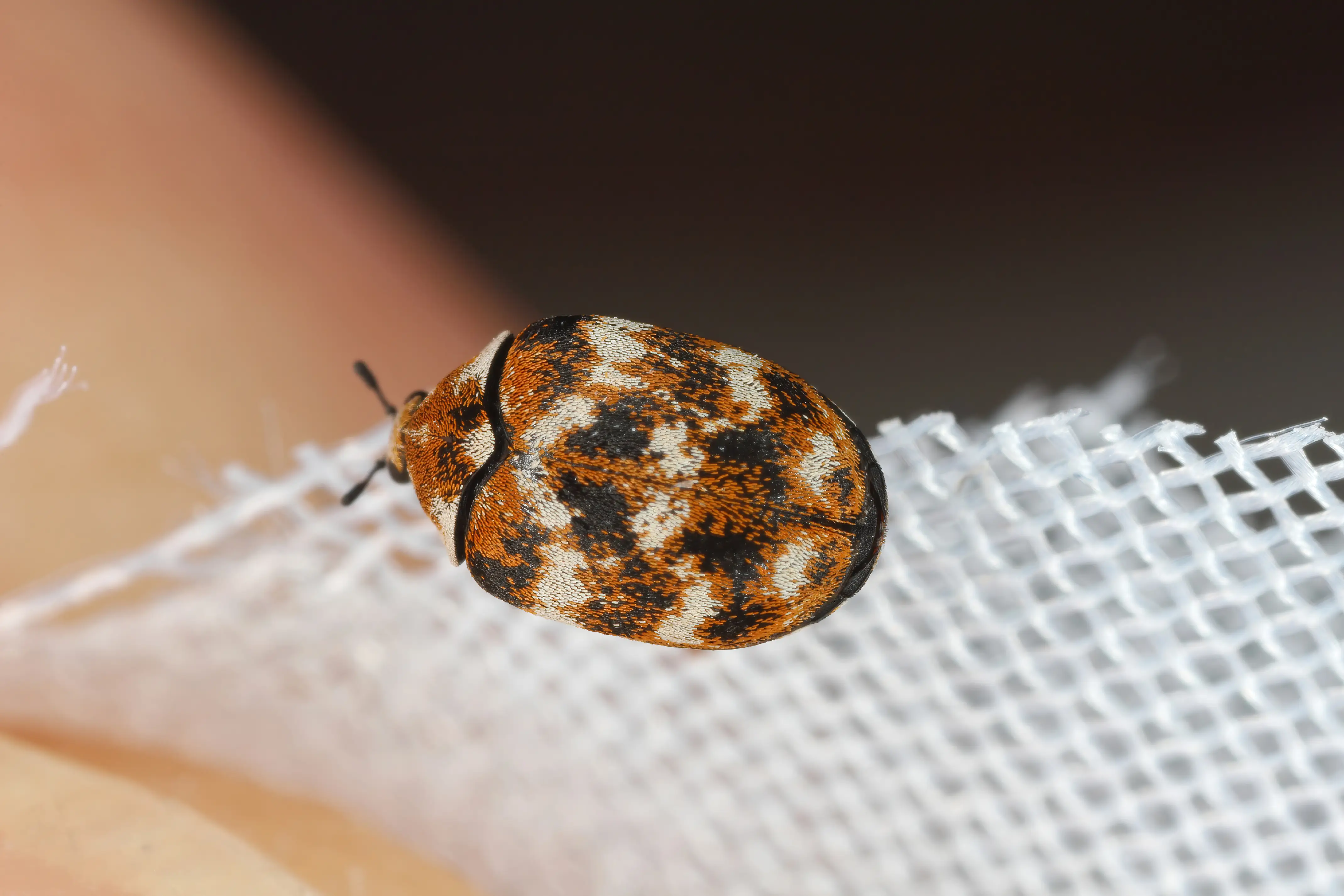
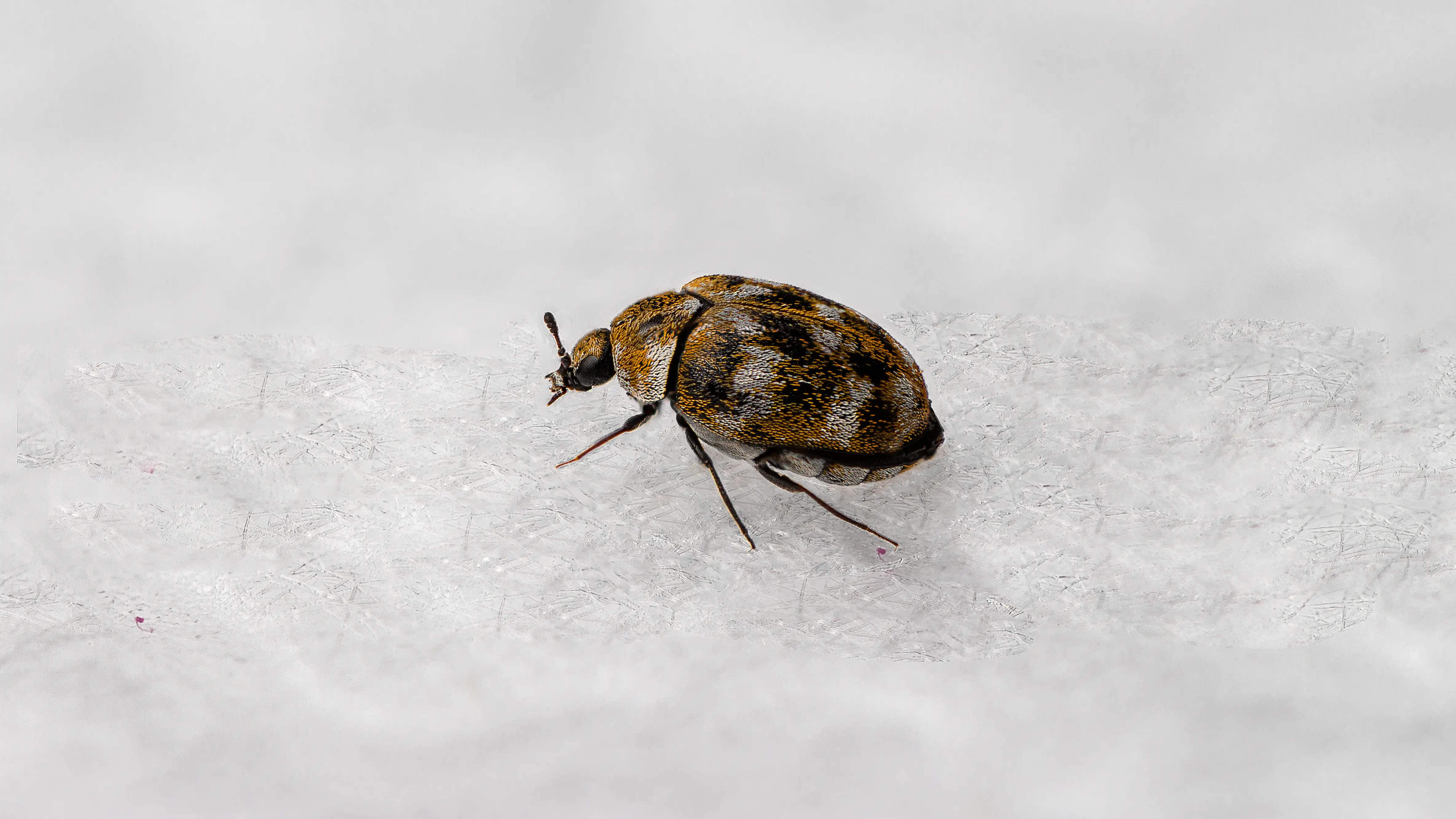
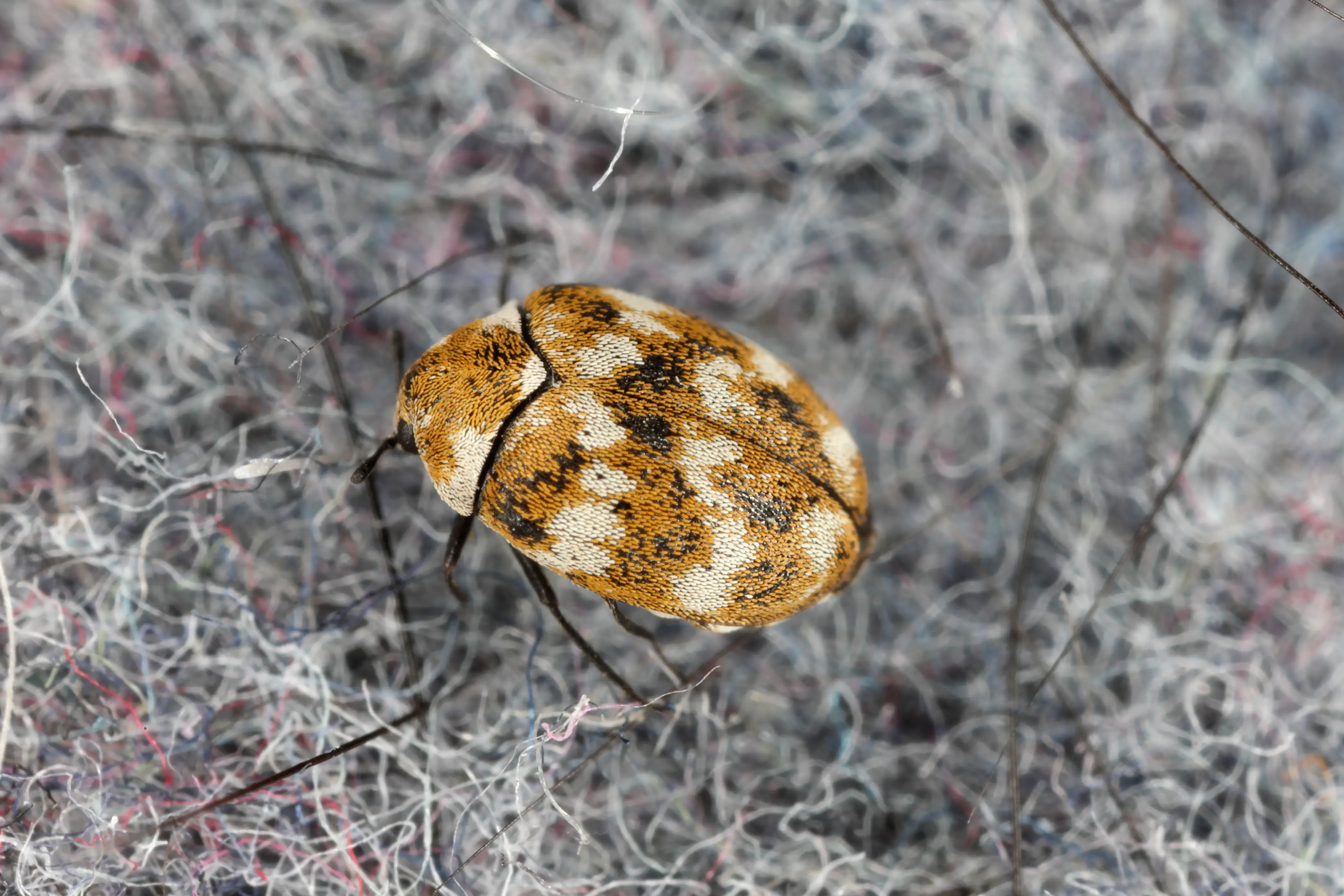
Close-up of carpet beetle on fabric
By Gary Anderson||7 min read

6 Common Signs of Carpet Beetles in Your Home

Learn to identify carpet beetle infestations before they cause significant damage to your belongings.

Carpet beetles are prevalent pests that target textiles within homes, such as carpets, clothing, and upholstered furniture. Normally, adult carpet beetles reside outdoors, feeding on flowers and plants. However, they can inadvertently enter homes through open windows or be brought inside on items like flowers or groceries.

Once inside, these beetles deposit their eggs in fibrous materials, providing a food source for their larvae once hatched. The larvae are identifiable by their cigar shape and color ranging from reddish-brown to black, with lighter-colored stripes on their backs and numerous thin hairs protruding from their bodies.

Carpet Beetle Quick Facts

Size: Adults up to 3-4mm
Family: Dermestidae
Diet (Larvae): Wool, silk, leather, fur, feathers
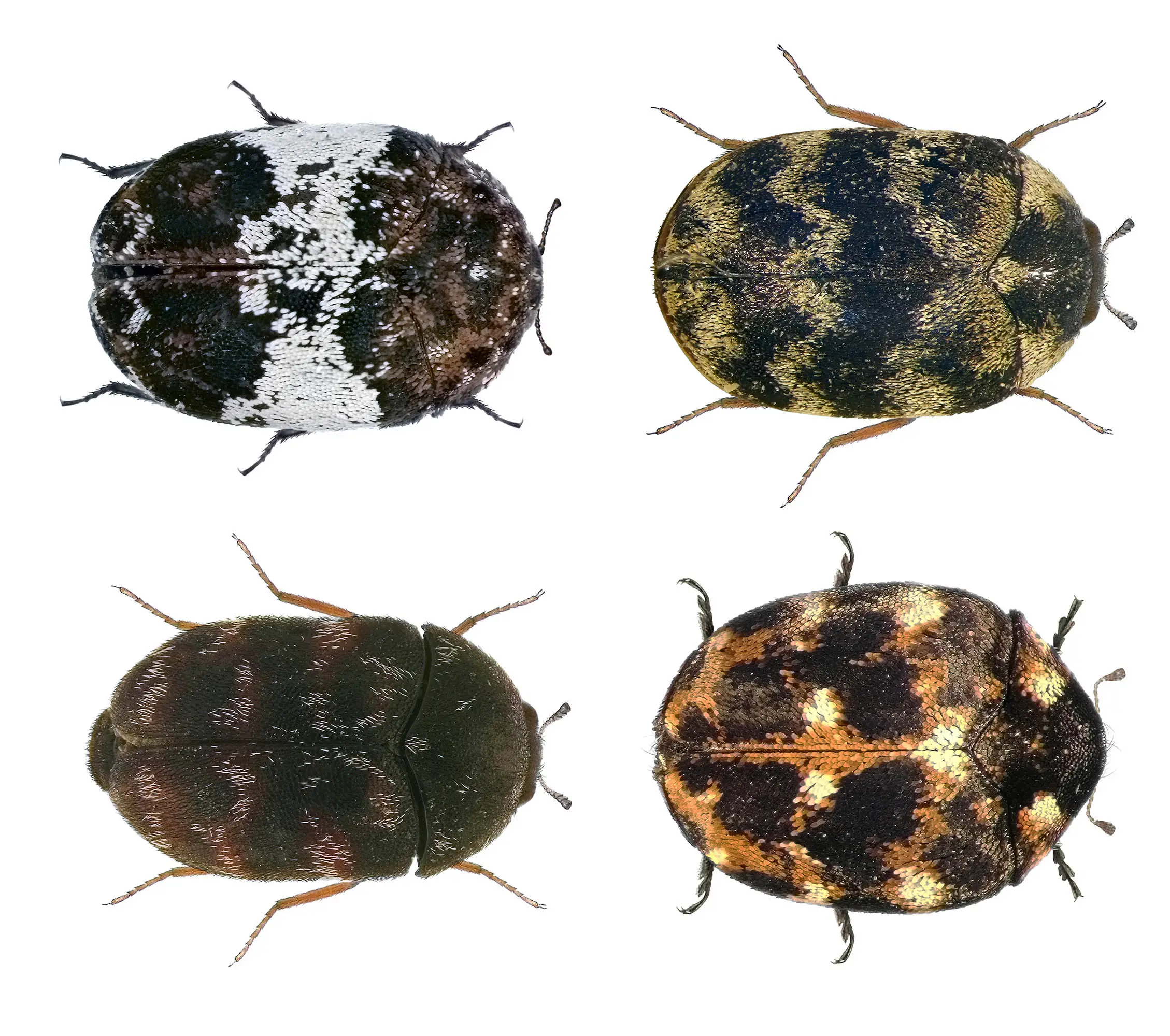
Common Species: Varied and Black carpet beetle
What Are Carpet Beetles?

Carpet beetles belong to the Dermestidae family and typically grow to about 3mm in length. While adults feed on pollen, plants, and flowers, their larvae feed on natural fibers like wool, silk, and leather, as well as animal products including pet hair.

Adults

Most visible during summer. They do not bite and are generally harmless, feeding mainly on pollen. Often found near windows and light sources.

Larvae

The damaging stage. Cigar-shaped, reddish-brown to black with lighter stripes. Hairy bodies. Feed voraciously on natural fibers and keratin-containing materials.

6 Signs of Carpet Beetles

1

Damage to Fibrous Materials

Look for thin, bare areas or bald patches on wool or wool-blend rugs. Carpet beetle larvae have a grazing pattern that results in fraying both on the top and underside. They also damage furniture upholstery and leather book bindings. Note: Modern synthetic carpets are not affected.

2

Holes in Clothing

Damage appears as large clusters or groupings of holes in sweaters, scarves, coats, and blankets. This differs from clothes moths which create smaller, more sporadic holes. Stored clothing left untouched is at higher risk.

3

Shed Skin

Carpet beetles shed skin multiple times throughout their lifecycle. Discarded skins appear translucent, yellow or brown, dry and hollow, resembling sunflower seeds. Found under rugs, in clothes piles, and around furniture seams.

4

Fecal Pellets

Small fecal pellets roughly the size of table salt or sand grains. Generally black or brown in color. Found at the base of wardrobes, on floors, or beneath clothing in feeding areas.

5

Skin Irritation

"Carpet beetle dermatitis" results from an allergic reaction to larvae hairs. Symptoms include skin irritation, rashes, or welts. Hairs detach and remain in carpets and fabrics as larvae shed and mature.

6

Beetles Near Windows

Adult beetles slowly climbing walls or found dead at windowsills. Adults are drawn outdoors to feed and mate during spring/summer. Seeing them indicates larvae have developed into adults inside your home.

Carpet Beetles vs Moths: Carpet beetles damage a large, single area on items, while moths leave scattered holes throughout infested upholstery.

Spotted Signs of Carpet Beetles?

Early detection prevents costly damage to your belongings. Our professionals can identify and eliminate infestations.

Call (866) 326-2847

Carpet Beetle Damages

Carpet beetles, particularly their larvae, can cause extensive damage if not promptly addressed:

Physical Damage

They feed on wool, silk, linen, and leather, creating holes in furniture, carpets, blankets, quilts, pillows, and clothing. This leads to costly replacements or repairs.

Health Concerns

They can contaminate food sources with feces and saliva carrying harmful bacteria. This can lead to allergic reactions, respiratory irritation, and carpet beetle dermatitis.

Where Do I Find Carpet Beetles?

Carpet beetles can be found in various locations due to their wide-ranging dietary preferences:

Carpets and rugs

Curtains and drapes

Closets and wardrobes

Upholstered furniture

Animal beds

Bird nests in chimneys

Stored food areas

Indoor plants/flowers

Tip: Adults are drawn to light and found near windows, but larvae cause the damage. Spotting adults should prompt a search in darker, less active areas for larvae.

How to Prevent Carpet Beetles

1

Inspect Second-Hand Items

Be careful with used furniture or clothing. Treat items with heat before bringing them inside.

2

Vacuum Regularly

Vacuum furs, woolens, and furniture frequently. This removes beetles plus lint, hair, and debris that attract them.

3

Proper Storage

Store fur and wool items in airtight bags or cedar closets. Cedar oil acts as a natural repellent.

4

Clean Hard-to-Reach Areas

Regular cleaning under furniture prevents beetles from establishing themselves unnoticed.

How Do I Get Rid of Carpet Beetles?

Thorough Vacuuming

Focus on carpets, furniture, curtains, and any area that could harbor pests.

Hot Water Laundering

Wash linens and fabrics in hot water to eliminate existing beetles and prevent new infestations.

Boric Acid Treatment

Spread on fabric furniture and carpets. Low toxicity to humans but lethal to beetles when ingested.

Steam Cleaning

Removes remaining beetles and their eggs from hard surfaces.

Mothballs

Store clothes and fabrics in boxes with mothballs to deter beetles.

Professional Treatment

For severe infestations, professional pest control offers expert treatment options.

Contact EcoGuard if You Are Dealing with Carpet Beetles

If you are facing carpet beetle-related pest problems, do not hesitate to contact EcoGuard Pest Management for effective solutions. Carpet beetles can wreak havoc on your carpets, upholstery, and other household items, causing damage and frustration. Our team will thoroughly inspect your property, identify the source of the problem, and implement targeted treatments to eliminate the beetles and protect your belongings.

Call (866) 326-2847Get Free Quote

Signs of Carpet Beetles FAQs

What causes you to get carpet beetles?

Carpet beetles can enter your home through various means including through open doors and windows, on cut flowers or plants, or on items such as old furniture or clothing brought into the home. They are attracted to wool, fur, feathers, and other animal products which serve as their food source.

What can be mistaken for carpet beetles?

Carpet beetles can be mistaken for bed bugs, as both pests leave behind similar traces, such as shed skins and fecal pellets. However, they can be differentiated by their shape: carpet beetle skins tend to be longer, while bed bug skins are more rounded.

Does seeing a carpet beetle mean infestation?

Seeing a single carpet beetle does not necessarily mean you have an infestation. However, seeing signs of continued carpet beetle activity, molted skins, or carpet beetle feces, is a good indicator of an infestation.

Do carpet beetles live in beds?

While carpet beetles can be found in beds, it is not typical because unlike bed bugs, carpet beetles are not attracted to humans, and they prefer to stay in areas that are undisturbed by human activity. They are more likely to be found in hidden places where they can find fibrous materials to feed on, like closets, wardrobes, and under furniture.

From Our Blog

Related Articles

Are Beetles Dangerous to Humans? Risks & Safety Guide

Are Beetles Dangerous to Humans? Risks & Safety Guide

Learn which beetles can harm humans through bites, pinches, or chemical defenses. Discover blister beetles, stag...

Read Article
Beetle Life Cycle and Lifespan: Complete Metamorphosis Guide

Beetle Life Cycle and Lifespan: Complete Metamorphosis Guide

Learn about beetle life cycle stages including eggs, larvae, pupae, and adult. Understand beetle lifespan, mating...

Read Article
Common Types of Beetles Found in North American Homes

Common Types of Beetles Found in North American Homes

Complete guide to beetle types including ladybugs, weevils, scarabs, carpet beetles, Japanese beetles, and more....

Read Article
How to Get Rid of Beetles: Complete Removal Guide

How to Get Rid of Beetles: Complete Removal Guide

Learn how to get rid of beetles including carpet beetles, pantry beetles, and Japanese beetles. Natural and...

Read Article
How to Get Rid of Carpet Beetles: Complete Removal Guide

How to Get Rid of Carpet Beetles: Complete Removal Guide

Learn how to get rid of carpet beetles with natural and chemical treatments. Identify, eliminate, and prevent carpet...

Read Article
How to Get Rid of Japanese Beetles: Complete Control Guide

How to Get Rid of Japanese Beetles: Complete Control Guide

Learn how to eliminate Japanese beetles from your garden. Control adults and larvae with natural methods, pesticides,...

Read Article
What Are Carpet Beetles? Identification, Life Cycle & Control

What Are Carpet Beetles? Identification, Life Cycle & Control

Learn what carpet beetles are, how to identify them, their life cycle, diet, and how to prevent and control...

Read Article
What Are Japanese Beetles? Identification, Life Cycle & Damage

What Are Japanese Beetles? Identification, Life Cycle & Damage

Learn about Japanese beetles: identification of adults, larvae, and pupae, their life cycle, the damage they cause, and...

Read Article
What Causes Carpet Beetles Inside Your Home?

What Causes Carpet Beetles Inside Your Home?

Learn what causes carpet beetles to infest your home, how they get inside, signs of infestation, and effective...

Read Article
What Does a Beetle Eat? Diet by Species & Type

What Does a Beetle Eat? Diet by Species & Type

Learn what beetles eat including plants, other insects, decaying matter, wood, and household materials. Understand...

Read Article