EcoGuard Pest Management
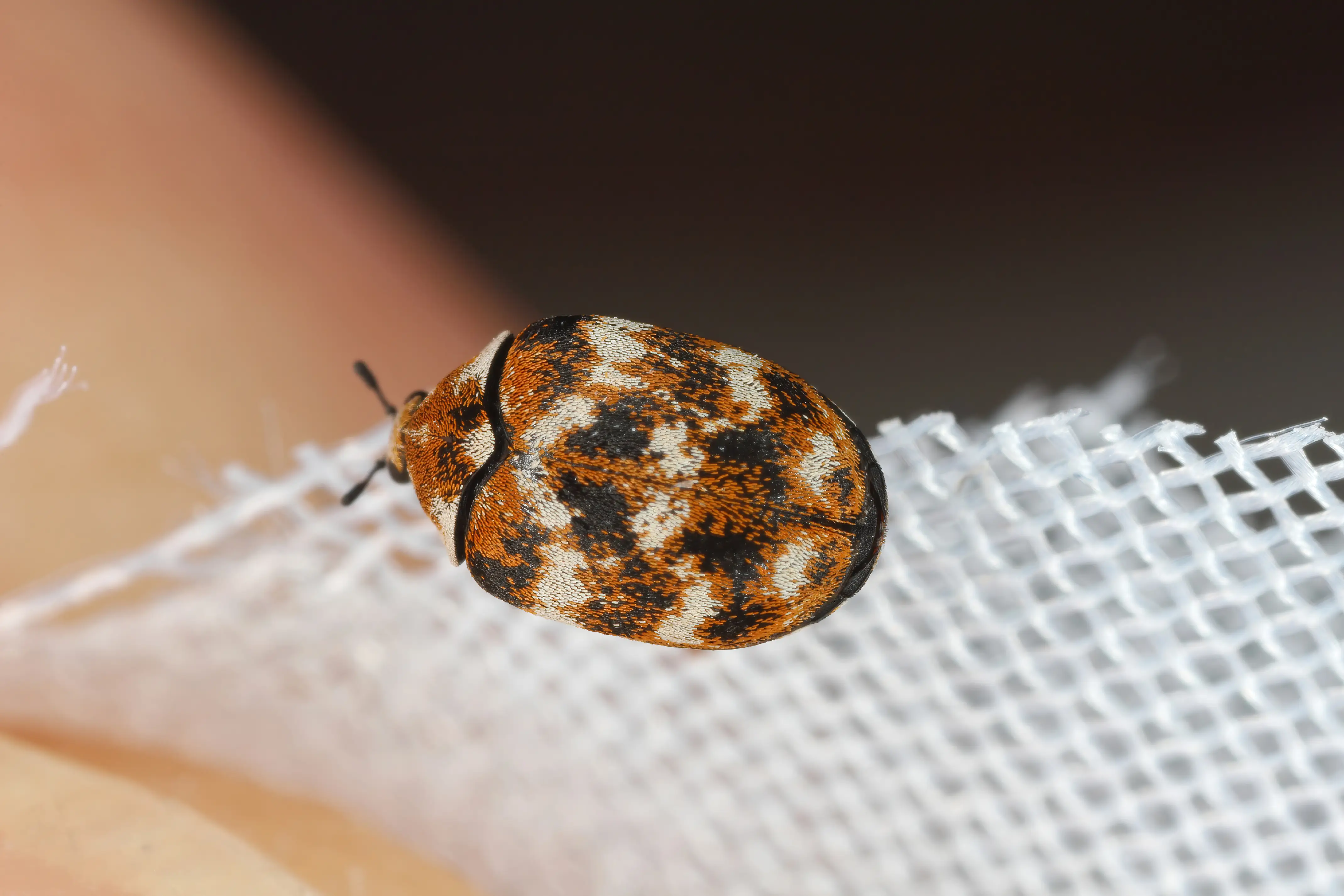
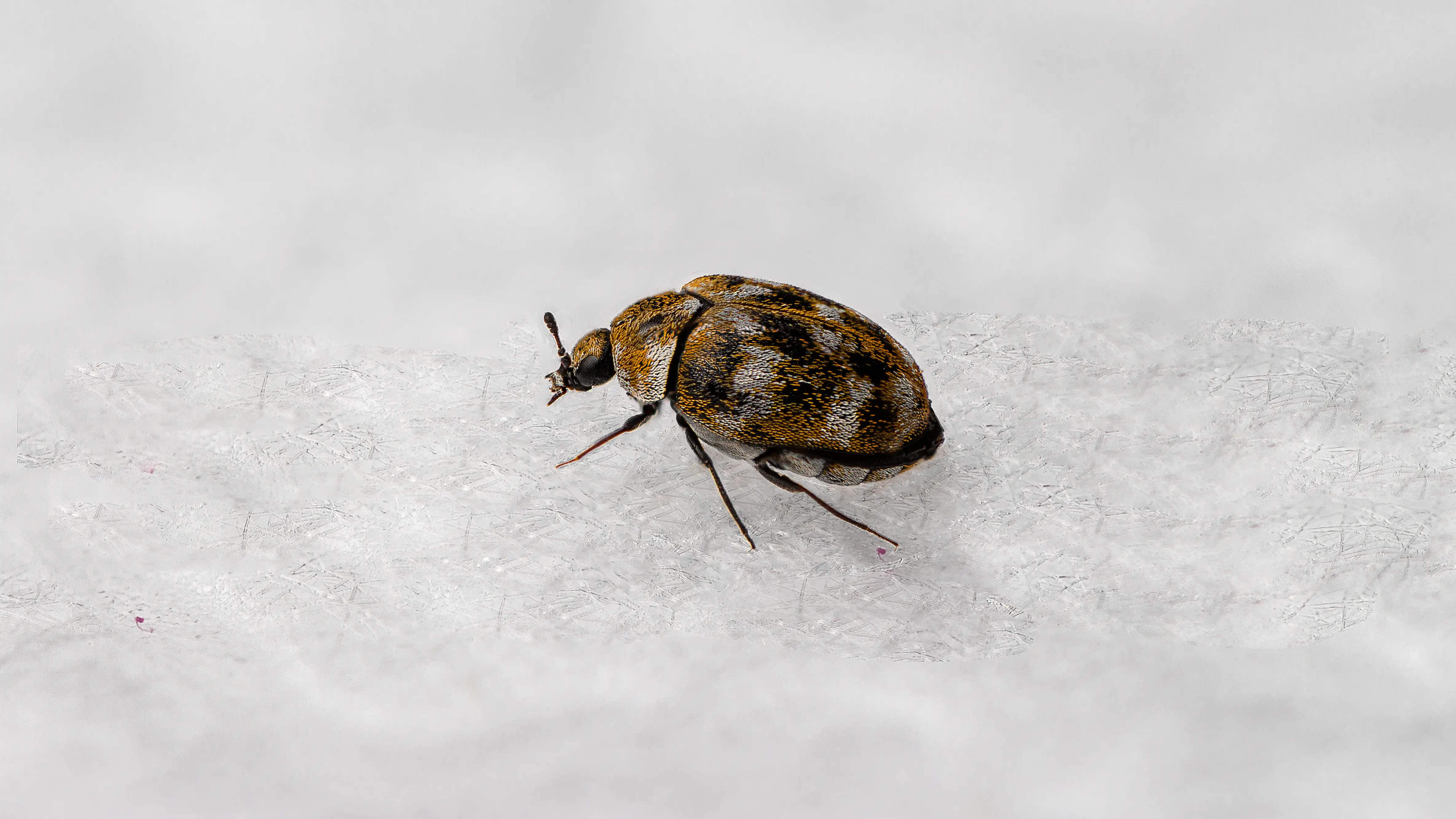
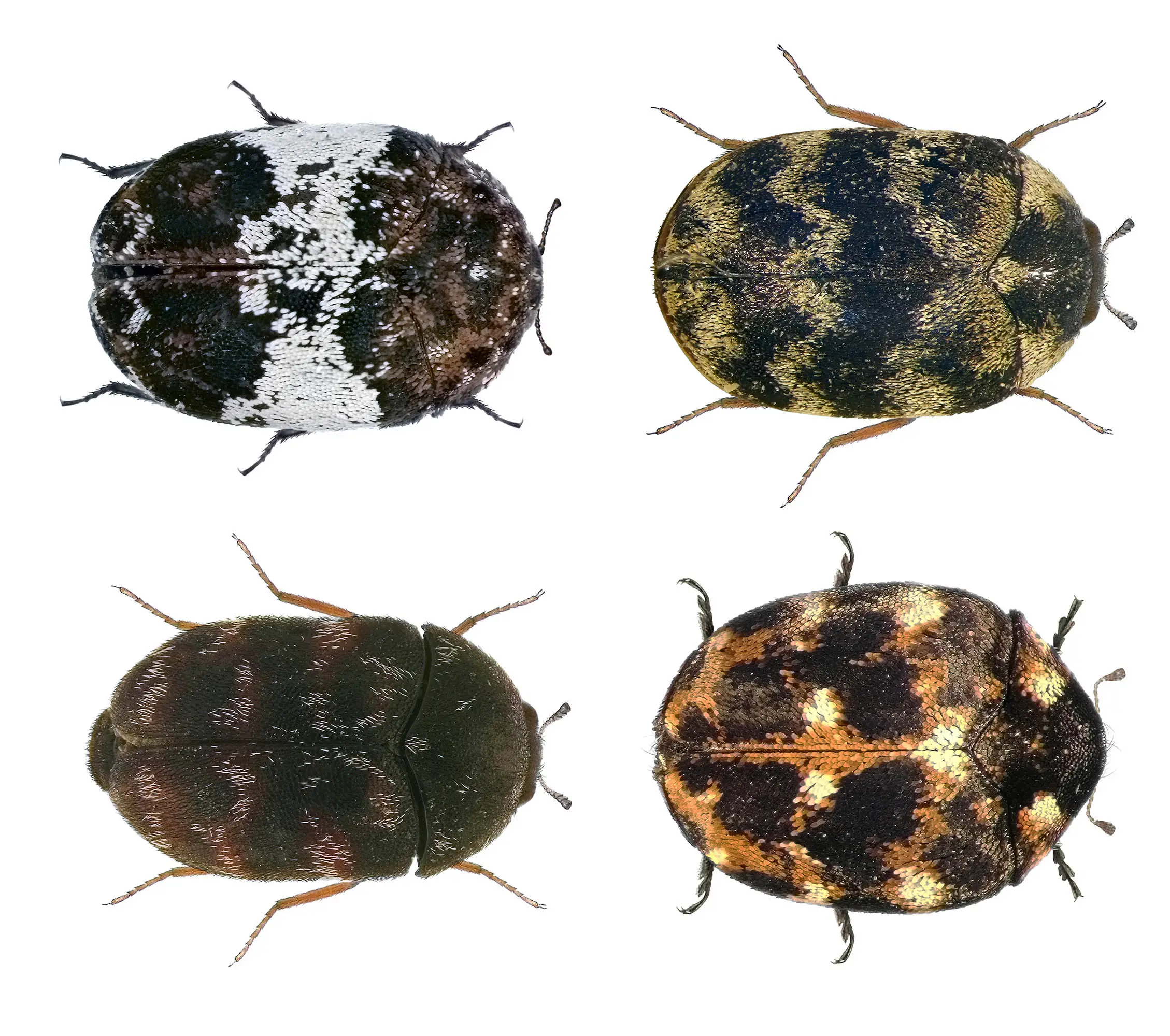
Close-up of varied carpet beetle on fabric
By Gary Anderson||6 min read

What Are Carpet Beetles?

Everything you need to know about carpet beetles, from identification to prevention and control.

Carpet beetles are notorious for causing significant damage to various household items. While they are named for their propensity to infest carpets, they are not limited to this material. They will infest any material composed of wool, fur, felt, silk, feathers, skins, and leather.

Adolescent stages of carpet beetles prefer to feed on these materials because they contain keratin, a fibrous animal protein that carpet beetle larvae can digest. Infestations can develop undetected, leading to substantial damage to vulnerable items like carpets, bedding, clothes, linens, and upholstered furniture.

Carpet Beetle Quick Facts

Size: 2mm to 5mm (adults)
Shape: Small, oval-shaped
Lifespan: 5-6 months to 2+ years
Damaging Stage: Larvae (not adults)
Carpet Beetle Identification

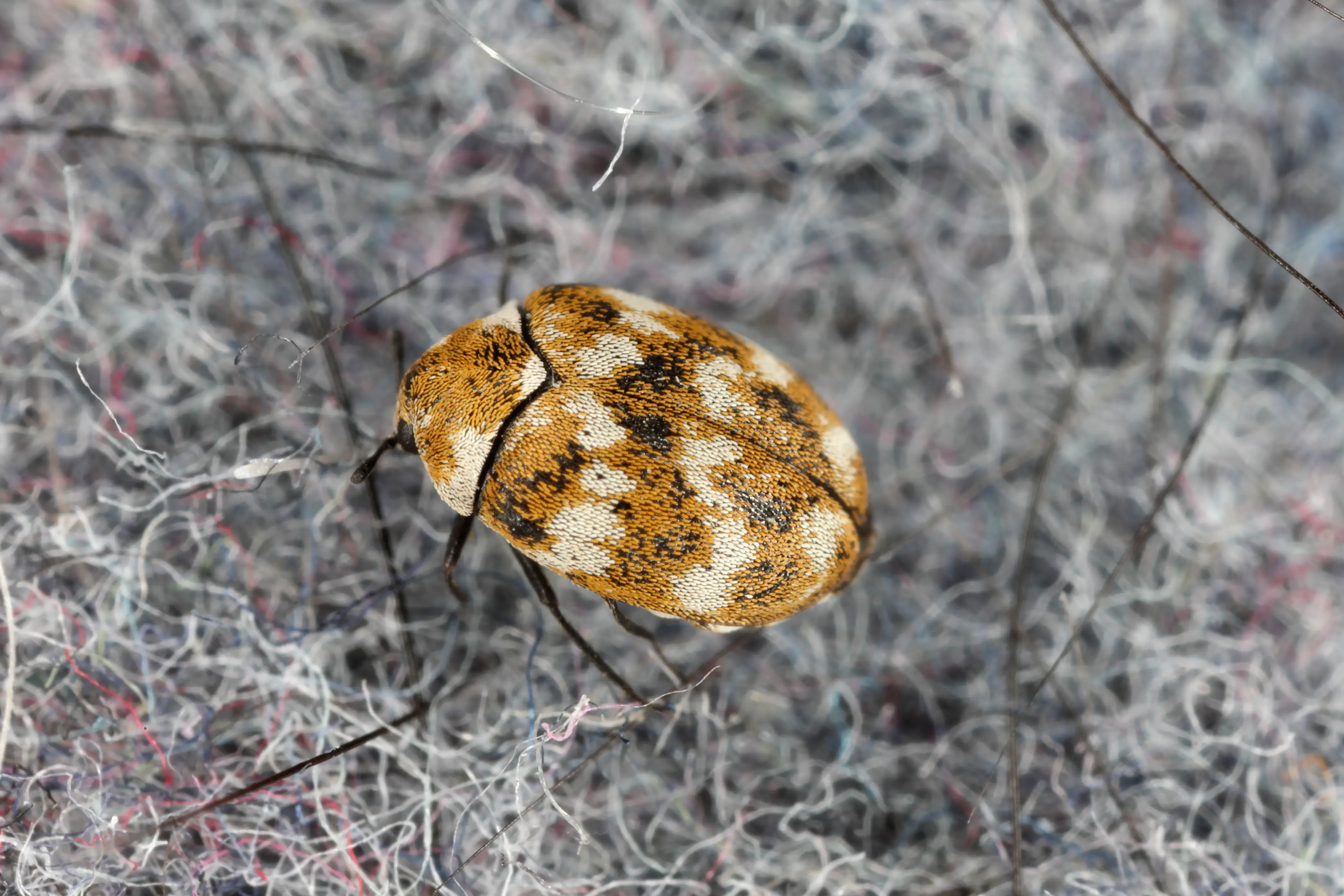
Carpet beetles are small, oval-shaped insects with very short, clubbed antennae. They can range in color from black to various mottled or striped patterns of white, brown, yellow, and orange. Adults measure between 2mm to 5mm in length.

Black Carpet Beetle

The most common species. Small, black, oval shape. Larvae are carrot-shaped, golden to dark brown with a tail of long hairs.

Varied Carpet Beetle

Round body with irregular arrangement of mixed white, brownish, black, orange, or yellowish spots. More prevalent in warmer southern regions.

Furniture & Common Beetles

Similar appearance and habits. Larvae about 1/5 inch long with dense bristles and hairs at sides and end of body.

Important: Regardless of species, it is the larvae that cause indoor damage, not the adult beetles.

What Attracts Carpet Beetles?

Light Sources

Attracted to light at night, leading them through open windows and doors

Natural Fibers

Organic materials containing keratin serve as food sources

Animal Hair

Accumulations provide ideal food for larvae

Dead Insects

Piles in garages or behind furniture attract these pests

Carpet Beetle Diet

Larvae Diet

Primarily feed on animal-based materials:

  • Wool, felt, fur, silk, feathers, leather
  • Sweaters, scarves, coats, blankets, rugs
  • Down pillows, upholstery, taxidermy
  • Lint, hair, organic debris
  • Bird nests, animal carcasses, dead insects

Adult Diet

Adults can live outdoors and indoors:

  • Pollen from flowering plants
  • Crape myrtle, spiraea, daisies, wild asters
  • Some species: seeds, cereals, pet food

Note: Larvae prefer items that are undisturbed and stored for long periods. Regularly used or cleaned items are less likely to be infested.

Carpet Beetle Life Cycle

Carpet beetles undergo complete metamorphosis through four distinct stages: egg, larva, pupa, and adult.

Eggs

50-100 eggs laid
Hatch in ~2 weeks

Larvae

Molt 8-17 times
60 days to 2+ years

Pupa

~2 weeks
Transformation stage

Adult

4-8 weeks lifespan
Feeds on pollen

Lifespan by Species

Common Carpet Beetle:

Larvae develop in 2-3 months

Black Carpet Beetle:

Larvae develop in 6 months to 1 year

Varied Carpet Beetle:

Larvae may require up to 2 years

Think You Have Carpet Beetles?

Early detection prevents costly damage. Our professionals can identify and eliminate infestations effectively.

Call (866) 326-2847

Signs of a Carpet Beetle Infestation

Fabric Damage

Bald patches or fraying on carpets and rugs. Large, isolated holes in sweaters, coats, and blankets (unlike moths which create small, sporadic holes).

Shed Skins

Empty exoskeletons that are translucent with a light brown tint. Found under rugs, in clothes piles, and around furniture seams.

Fecal Pellets

Small specks similar in size to ground pepper. Usually black or brown, found in feeding areas.

Skin Irritation

Some people experience rashes, welts, or irritation from allergic reaction to larval hair and hemolymph ("carpet beetle dermatitis").

Where Can Carpet Beetles Be Found?

Carpets and rugs
Curtains and drapes
Closets and wardrobes
Upholstered furniture
Animal beds
Taxidermy specimens
Stored food areas
Indoor plants/flowers

How They Enter: Through open doors/windows (attracted to light), or on infested items like furniture, plants, fur, or taxidermy brought inside.

Prevention & Control

Prevention

Clean before storing woolens to kill eggs/larvae and remove attracting odors

Store in airtight plastic bags or containers; use moth balls correctly

Vacuum regularly to remove food sources and potential beetles

Repair screens and seal doors/windows to prevent entry

Control Methods

Launder or dry-clean infested items at high temperatures

Thorough vacuuming of floors, carpets, and heating vents

Freeze non-washable items at 0°F for at least one week

Steam cleaning and insecticide application for severe cases

Contact EcoGuard if You Are Dealing with Carpet Beetles

Dealing with carpet beetles can be a challenging task due to their elusive nature and wide-ranging diet. While prevention and home remedies can be effective to some extent, a severe infestation may require professional intervention. If you find yourself grappling with a carpet beetle infestation, do not hesitate to reach out to EcoGuard Pest Management. Our team of experienced professionals is equipped with the knowledge and tools to effectively handle your pest problems.

Call (866) 326-2847Get Free Quote

Carpet Beetle FAQs

What causes you to get carpet beetles?

Carpet beetles can enter your home through open doors or windows, or they may hitch a ride on infested items brought into the house, such as furniture, plants, or fur. They are attracted to fabric and animal products, and if these areas are not kept clean and sanitized, carpet beetles can easily thrive in your home.

Are carpet beetles harmful?

While carpet beetles themselves are not harmful to humans or pets, their larvae can cause significant damage to fabrics, carpets, and clothing. Additionally, some people may experience allergic reactions to the shed skins and hairs of carpet beetle larvae.

How do I get rid of carpet beetles?

To get rid of carpet beetles, you need to thoroughly clean and vacuum your home, especially areas where you have noticed signs of infestation. Infested items should be laundered or dry-cleaned to kill any eggs or larvae. In severe cases, you may need to call a pest control professional for more extensive treatment.

How do you know if you have carpet beetles?

Signs of a carpet beetle infestation include seeing adult beetles on windowsills, finding irregular holes in fabrics and carpets, and noticing shed skins from the larvae. You may also see large, isolated holes in fabric, and find translucent, dry, and flaky shed skin where the beetles have been feeding.

From Our Blog

Related Articles

6 Common Signs of Carpet Beetles in Your Home

6 Common Signs of Carpet Beetles in Your Home

Learn the signs of carpet beetle infestation including damage to fabrics, shed skins, fecal pellets, and skin...

Read Article
Are Beetles Dangerous to Humans? Risks & Safety Guide

Are Beetles Dangerous to Humans? Risks & Safety Guide

Learn which beetles can harm humans through bites, pinches, or chemical defenses. Discover blister beetles, stag...

Read Article
Beetle Life Cycle and Lifespan: Complete Metamorphosis Guide

Beetle Life Cycle and Lifespan: Complete Metamorphosis Guide

Learn about beetle life cycle stages including eggs, larvae, pupae, and adult. Understand beetle lifespan, mating...

Read Article
Common Types of Beetles Found in North American Homes

Common Types of Beetles Found in North American Homes

Complete guide to beetle types including ladybugs, weevils, scarabs, carpet beetles, Japanese beetles, and more....

Read Article
How to Get Rid of Beetles: Complete Removal Guide

How to Get Rid of Beetles: Complete Removal Guide

Learn how to get rid of beetles including carpet beetles, pantry beetles, and Japanese beetles. Natural and...

Read Article
How to Get Rid of Carpet Beetles: Complete Removal Guide

How to Get Rid of Carpet Beetles: Complete Removal Guide

Learn how to get rid of carpet beetles with natural and chemical treatments. Identify, eliminate, and prevent carpet...

Read Article
How to Get Rid of Japanese Beetles: Complete Control Guide

How to Get Rid of Japanese Beetles: Complete Control Guide

Learn how to eliminate Japanese beetles from your garden. Control adults and larvae with natural methods, pesticides,...

Read Article
What Are Japanese Beetles? Identification, Life Cycle & Damage

What Are Japanese Beetles? Identification, Life Cycle & Damage

Learn about Japanese beetles: identification of adults, larvae, and pupae, their life cycle, the damage they cause, and...

Read Article
What Causes Carpet Beetles Inside Your Home?

What Causes Carpet Beetles Inside Your Home?

Learn what causes carpet beetles to infest your home, how they get inside, signs of infestation, and effective...

Read Article
What Does a Beetle Eat? Diet by Species & Type

What Does a Beetle Eat? Diet by Species & Type

Learn what beetles eat including plants, other insects, decaying matter, wood, and household materials. Understand...

Read Article