EcoGuard Pest Management
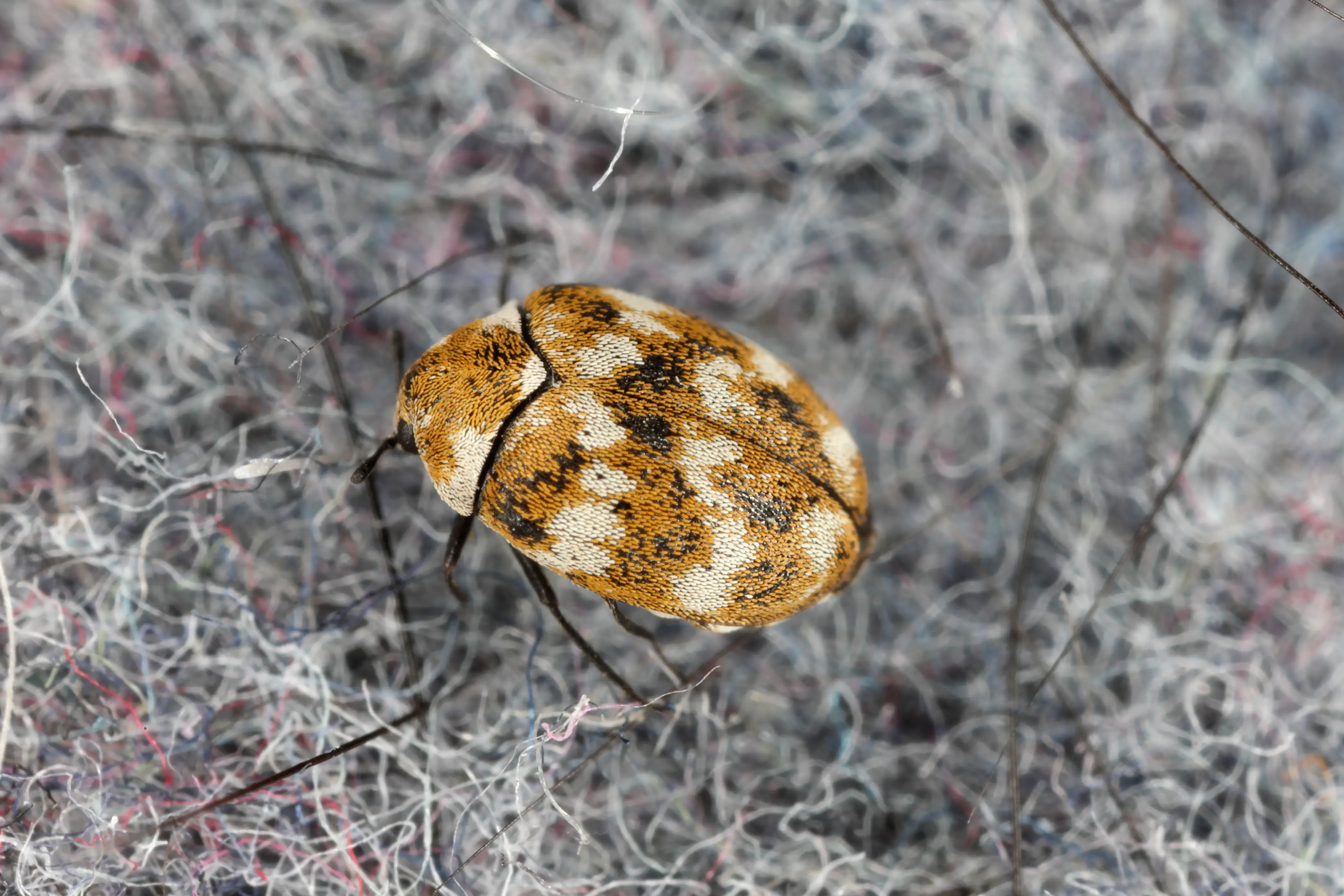
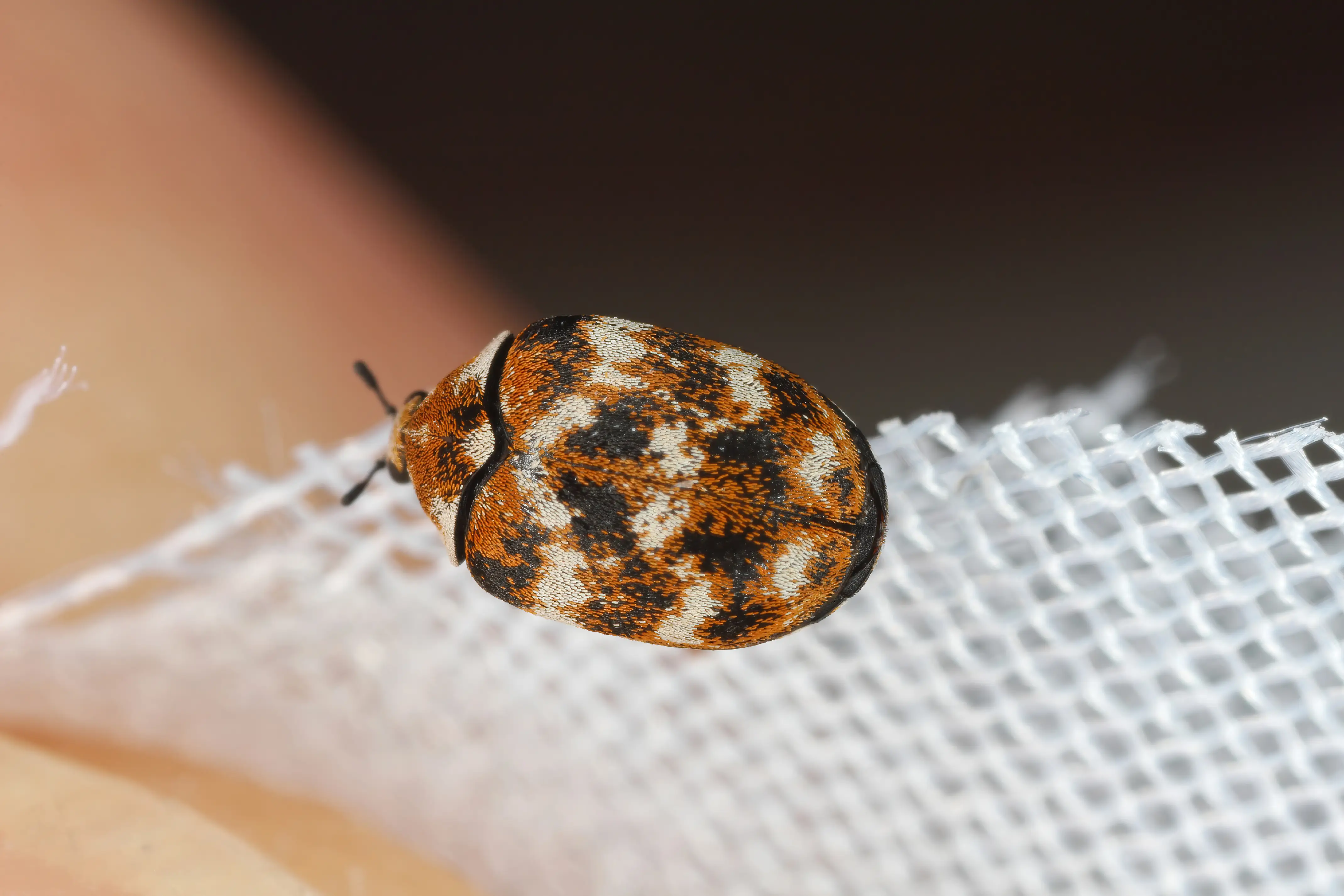
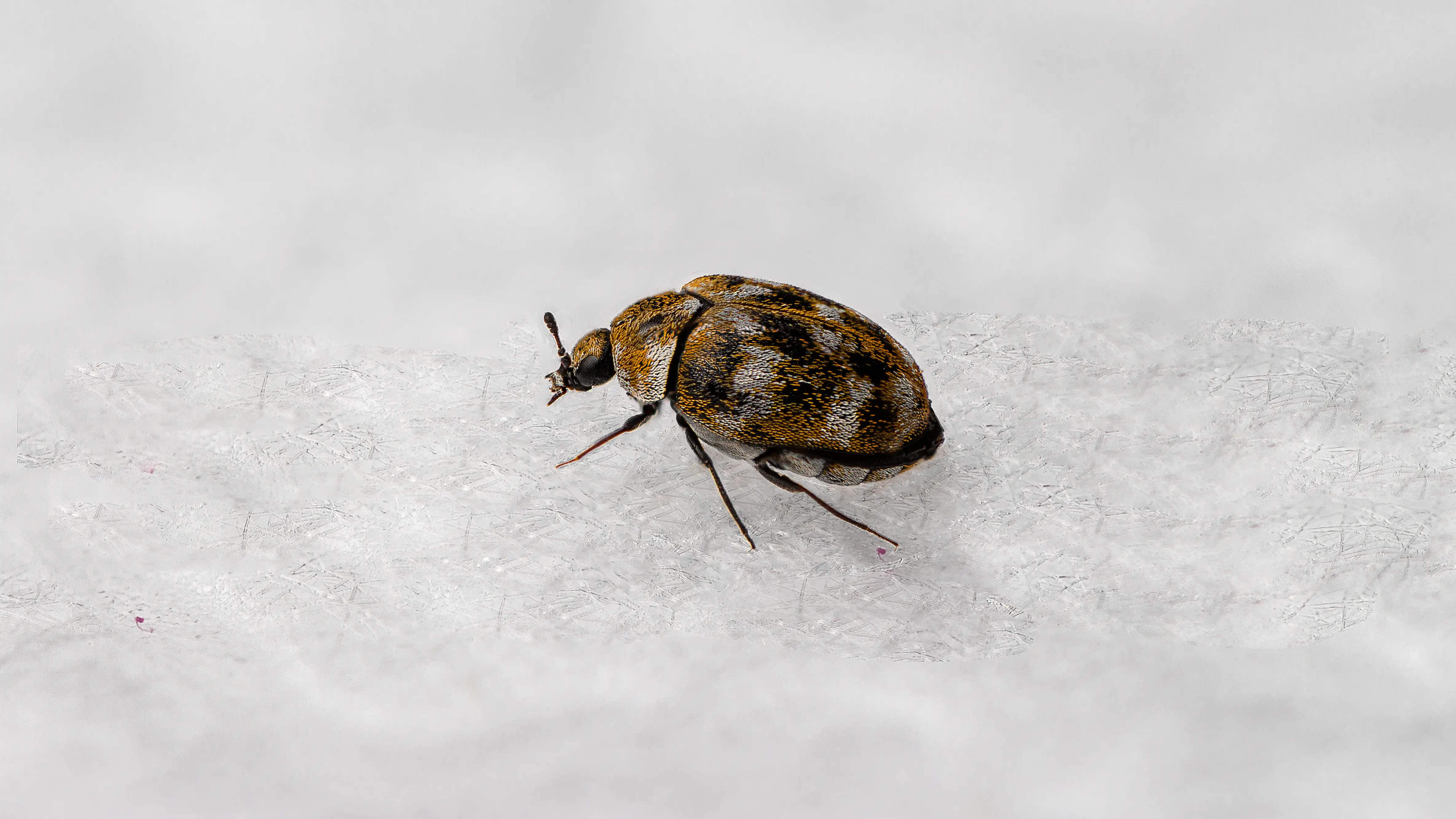
Carpet beetle on fabric showing the damage they can cause to textiles
By Gary Anderson||8 min read

How to Get Rid of Carpet Beetles

Complete guide to eliminating carpet beetles with natural remedies, chemical treatments, and prevention strategies.

Carpet beetles are small and seemingly innocuous pests that present a significant challenge for homeowners. They belong to the family of beetles known as dermestids which find sanctuary in a variety of environments ranging from homes and warehouses to museums.

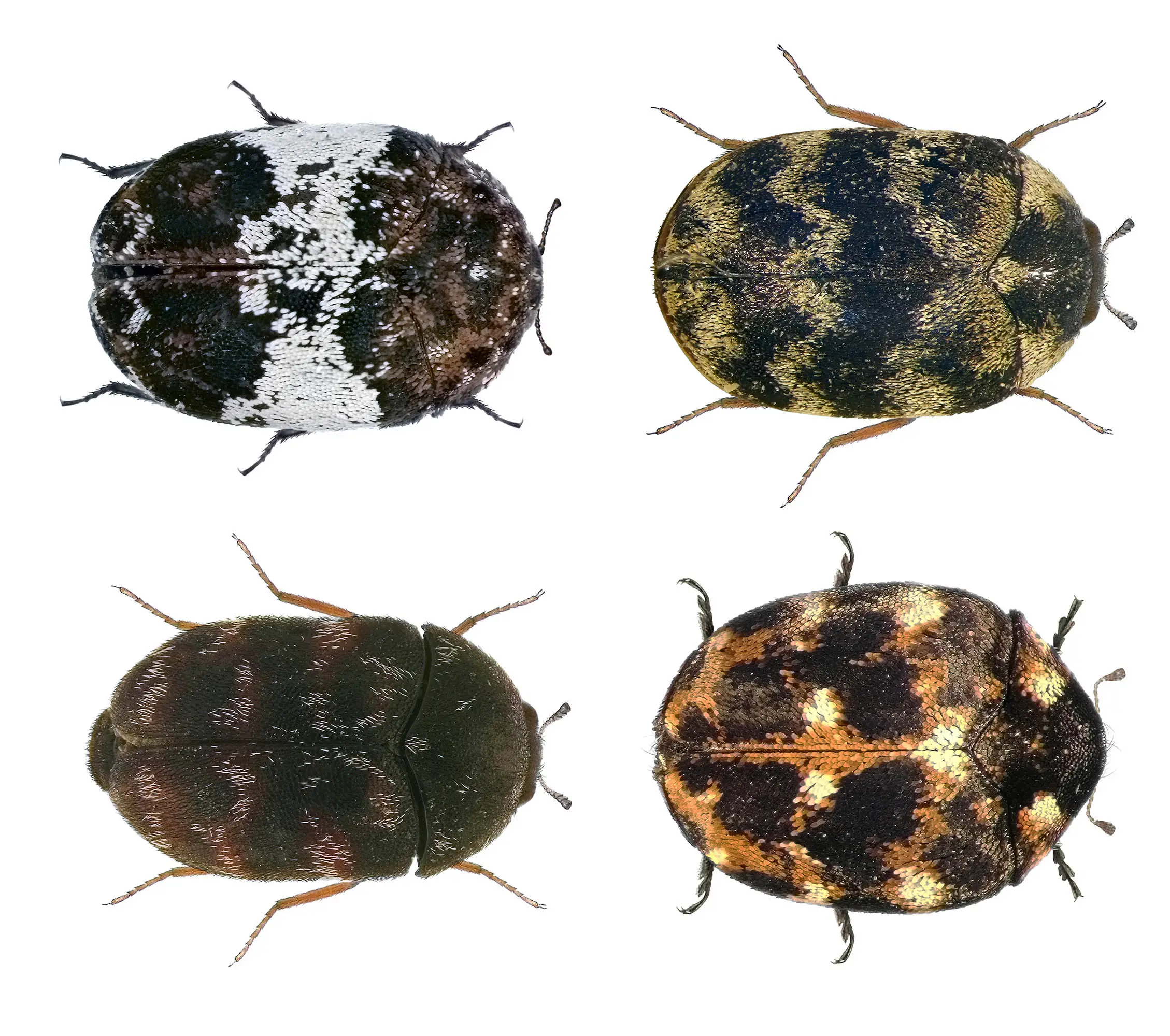
Three types of carpet beetles are identified as common household pests: the varied carpet beetle (Anthrenus verbasci), the furniture carpet beetle (Anthrenus flavipes), and the black carpet beetle (Attagenus unicolor).

Key to Elimination

While adult carpet beetles are a nuisance, larvae are the primary concern. They cause significant destruction to natural fiber materials (feathers, fur, leather, cotton, silk, wool) and can cause skin irritations. Effective management requires targeting eggs, larvae, and adults.

Why Carpet Beetles Need to Be Treated

Carpet beetles require prompt and effective treatment due to their ability to cause significant damage to various natural materials within homes. In their larval stage, they exhibit a voracious appetite for animal-based products including wool, silk, leather, fur, and even natural bristles found in hairbrushes.

Extensive Damage

Unlike moths that leave scattered holes, carpet beetle larvae cause extensive harm to large areas of garments, carpets, and other items.

Hard to Detect

Feeding activity is usually concentrated in dark, secluded spaces, complicating detection and management of infestations.

Valuable Items at Risk

Damage extends to piano felts, taxidermied animals, luxury upholstery, silken tapestries, and other expensive, hard-to-replace items.

Getting Rid of Carpet Beetles Naturally

Natural methods offer a gentle yet potent means to combat carpet beetles, targeting eggs, larvae, and adults without introducing harmful chemicals. These eco-friendly solutions are ideal for environments shared with children and pets.

Cleaning and Eliminating Food Sources

A thorough clean-up targeting accumulations of lint, hair, dead insects, and other organic debris can significantly reduce the appeal of your home. Pay special attention to fabrics with stains from food and perspiration.

Tip: Launder items in hot water to eliminate all stages of carpet beetles in affected textiles.

Vacuuming

Vacuum all carpets and rugs, paying special attention to edges, corners, and under furniture where larvae often hide. Use the crevice tool for upholstered furniture and hard-to-reach areas.

Important: Dispose of the vacuum bag immediately to prevent reinfestation.

Protect Items in Storage

Ensure items are pest-free before storing. Use airtight containers as the first line of defense to preserve clothing, fabrics, and other susceptible materials. Carpet beetles and larvae cannot infiltrate sealed containers.

Heating, Freezing, and Suffocating

Heat:

120°F for 30+ minutes

Freeze:

Below 18°F for 2 weeks

Anoxic:

Oxygen-free bag, 8-21 days

Steam Cleaning

Steam cleaning complements vacuuming by using high temperatures to exterminate pests at all life stages. The steam penetrates deep into fabrics, carpets, and upholstery, reaching areas a vacuum cannot.

Laundry

Laundering leverages heat, water, and detergent to eliminate carpet beetles. Detergent alters water surface tension, preventing insects from trapping air bubbles, leading to suffocation.

Method: Wash with hot water (120°F+), then dry at highest temperature for 30-60 minutes.

Using Vinegar

Create a solution of equal parts vinegar and water. Apply with a spray bottle to carpets, upholstery, and fabric surfaces. Both white and apple cider vinegar are effective.

For closets or drawers, wash stored clothing in a vinegar and water solution to kill larvae and eggs.

Diatomaceous Earth

This natural desiccant dehydrates larvae upon contact. Apply to rugs, backs of cabinets and closets, and around baseboards where beetles hide.

Safety: Use food-grade variety. Wear gloves and a mask during application to avoid inhaling particles.

Stubborn Carpet Beetle Infestation?

When DIY methods are not enough, our professionals provide effective, lasting solutions.

Call (866) 326-2847

Chemical Treatment Options

When natural and preventive measures are insufficient, chemical treatment becomes the next logical step. These products address infestations in areas that cannot be managed through laundering or dry cleaning.

Insecticides

Apply insecticides where carpet beetle activity has been identified:

  • Edges of floor coverings, next to baseboards
  • Beneath rugs and furniture
  • Inside closets and on shelving with susceptible fabrics
  • Cracks and crevices where lint accumulates
  • Attics or wall voids (using insecticidal dusts like silica aerogel)

Warning: Avoid direct application on clothing or bedding. Prevent inhalation of dusts if you have respiratory conditions.

Vapor Phase Additives

When storing items in airtight containers, mothballs or crystals containing paradichlorobenzene (PDB) offer additional protection. PDB acts as a vapor-phase insecticide and repellent.

Caution: Prevent contact with plastic components or food items due to potential damage or contamination.

Boric Acid

Available in powder form at supermarkets and pharmacies. Boric acid leverages its toxic impact on insect metabolism to eradicate pests.

Powder Application

Sprinkle evenly across infested carpets, work into fibers with a broom, wait for it to take effect, then vacuum up residue.

Spray Solution

Dissolve 1 tablespoon boric acid in 2 cups hot water. Spray on curtains, upholstery, baseboards, and vulnerable areas.

Caution: Toxic to humans and pets if ingested in significant amounts or inhaled.

Professional Pest Control

When to Call the Professionals

When a carpet beetle infestation grows beyond the abilities of DIY treatment attempts or if the pests make a comeback despite comprehensive cleaning efforts, it is time to seek professional pest control services.

Expert Assessment

Identify root cause and extent

Advanced Techniques

Products not available to public

Prevention Plans

Stop future infestations

How to Prevent Carpet Beetles from Returning

Ensuring carpet beetles do not return involves adopting preventive measures that create an environment less inviting to these pests. Regular cleaning and maintenance are key components.

Regular Cleaning

  • Clean up human and pet hair under furniture
  • Address spilled grains and flour immediately
  • Wash heavily soiled clothing promptly

Vacuum Frequently

  • Windowsills in spring (where adults congregate)
  • Under all furniture, including couches and beds
  • Pantry areas, especially after spills
  • Closets with long-term stored natural fiber clothes

Storage Best Practices

  • Use airtight containers for susceptible items
  • Clean items before storing
  • Add cedar blocks or lavender sachets
  • Inspect stored items periodically

Contact EcoGuard if You Are Dealing with Carpet Beetles

EcoGuard Pest Management offers expert solutions tailored to your specific situation to ensure your home remains free from carpet beetles. Whether you are grappling with an existing infestation or seeking preventive measures, our team is equipped with the knowledge and tools necessary to deliver effective, lasting results.

Call (866) 326-2847Get Free Quote

Getting Rid of Carpet Beetle FAQs

How do I get rid of carpet beetles permanently?

To permanently eliminate carpet beetles, integrate thorough cleaning, vacuuming, and laundry practices to remove food sources and pests at all life stages. Consider using natural remedies like diatomaceous earth and vinegar for safe, effective treatments. For persistent infestations, professional pest control services like those offered by EcoGuard Pest Management can provide specialized, comprehensive solutions to ensure carpet beetles are eradicated from your home for good.

What causes carpet beetles?

Carpet beetles are attracted to homes in search of food sources. Adults feed on flower pollen and nectar which can often be found around homes in gardens and landscaping. If they manage to enter your home, they can lay eggs which then hatch into damaging larvae that feed on a wide variety of materials including natural fibers found in carpets, furniture, clothing, and pantry items.

Does vinegar actually kill carpet beetles?

Yes, vinegar can effectively kill carpet beetles due to its acidity. A solution of equal parts water and vinegar can be applied using a spray bottle to infested areas. This will help eliminate carpet beetles by disrupting their living environment. Both white and apple cider vinegar are suitable for this purpose and offer a safe, natural method for combating these pests.

Are carpet beetles dangerous or harmful?

Carpet beetles themselves are not directly harmful to humans, but their larvae can cause damage to natural fiber materials. The larvae's ability to digest animal and plant products can lead to significant damage to carpets, clothing, and upholstered furniture. Additionally, some individuals may experience skin irritations or allergic reactions from contact with carpet beetle larvae hairs. While not a health hazard, carpet beetles can be harmful to belongings and warrant control measures.

From Our Blog

Related Articles

6 Common Signs of Carpet Beetles in Your Home

6 Common Signs of Carpet Beetles in Your Home

Learn the signs of carpet beetle infestation including damage to fabrics, shed skins, fecal pellets, and skin...

Read Article
Are Beetles Dangerous to Humans? Risks & Safety Guide

Are Beetles Dangerous to Humans? Risks & Safety Guide

Learn which beetles can harm humans through bites, pinches, or chemical defenses. Discover blister beetles, stag...

Read Article
Beetle Life Cycle and Lifespan: Complete Metamorphosis Guide

Beetle Life Cycle and Lifespan: Complete Metamorphosis Guide

Learn about beetle life cycle stages including eggs, larvae, pupae, and adult. Understand beetle lifespan, mating...

Read Article
Common Types of Beetles Found in North American Homes

Common Types of Beetles Found in North American Homes

Complete guide to beetle types including ladybugs, weevils, scarabs, carpet beetles, Japanese beetles, and more....

Read Article
How to Get Rid of Beetles: Complete Removal Guide

How to Get Rid of Beetles: Complete Removal Guide

Learn how to get rid of beetles including carpet beetles, pantry beetles, and Japanese beetles. Natural and...

Read Article
How to Get Rid of Japanese Beetles: Complete Control Guide

How to Get Rid of Japanese Beetles: Complete Control Guide

Learn how to eliminate Japanese beetles from your garden. Control adults and larvae with natural methods, pesticides,...

Read Article
What Are Carpet Beetles? Identification, Life Cycle & Control

What Are Carpet Beetles? Identification, Life Cycle & Control

Learn what carpet beetles are, how to identify them, their life cycle, diet, and how to prevent and control...

Read Article
What Are Japanese Beetles? Identification, Life Cycle & Damage

What Are Japanese Beetles? Identification, Life Cycle & Damage

Learn about Japanese beetles: identification of adults, larvae, and pupae, their life cycle, the damage they cause, and...

Read Article
What Causes Carpet Beetles Inside Your Home?

What Causes Carpet Beetles Inside Your Home?

Learn what causes carpet beetles to infest your home, how they get inside, signs of infestation, and effective...

Read Article
What Does a Beetle Eat? Diet by Species & Type

What Does a Beetle Eat? Diet by Species & Type

Learn what beetles eat including plants, other insects, decaying matter, wood, and household materials. Understand...

Read Article