EcoGuard Pest Management
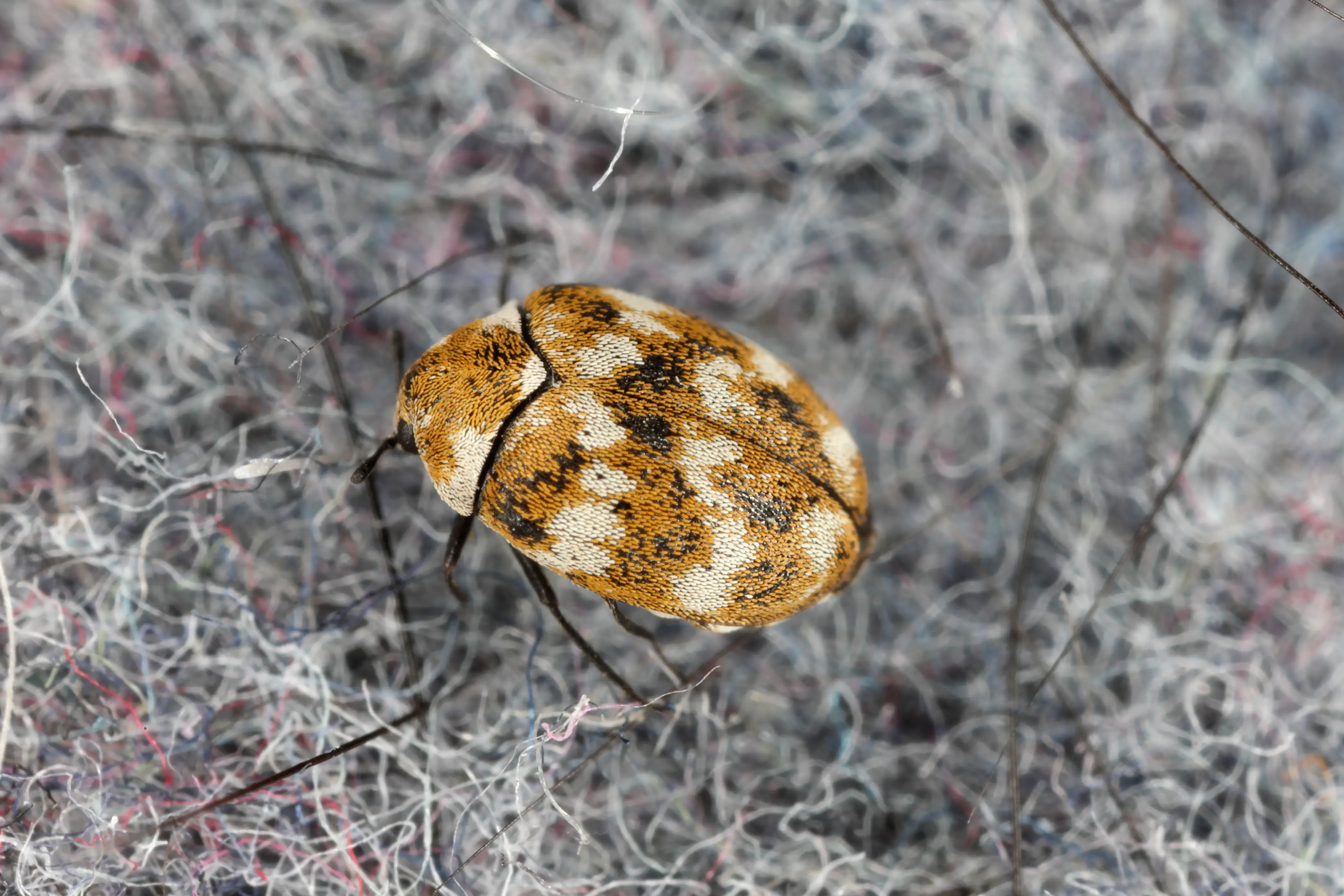
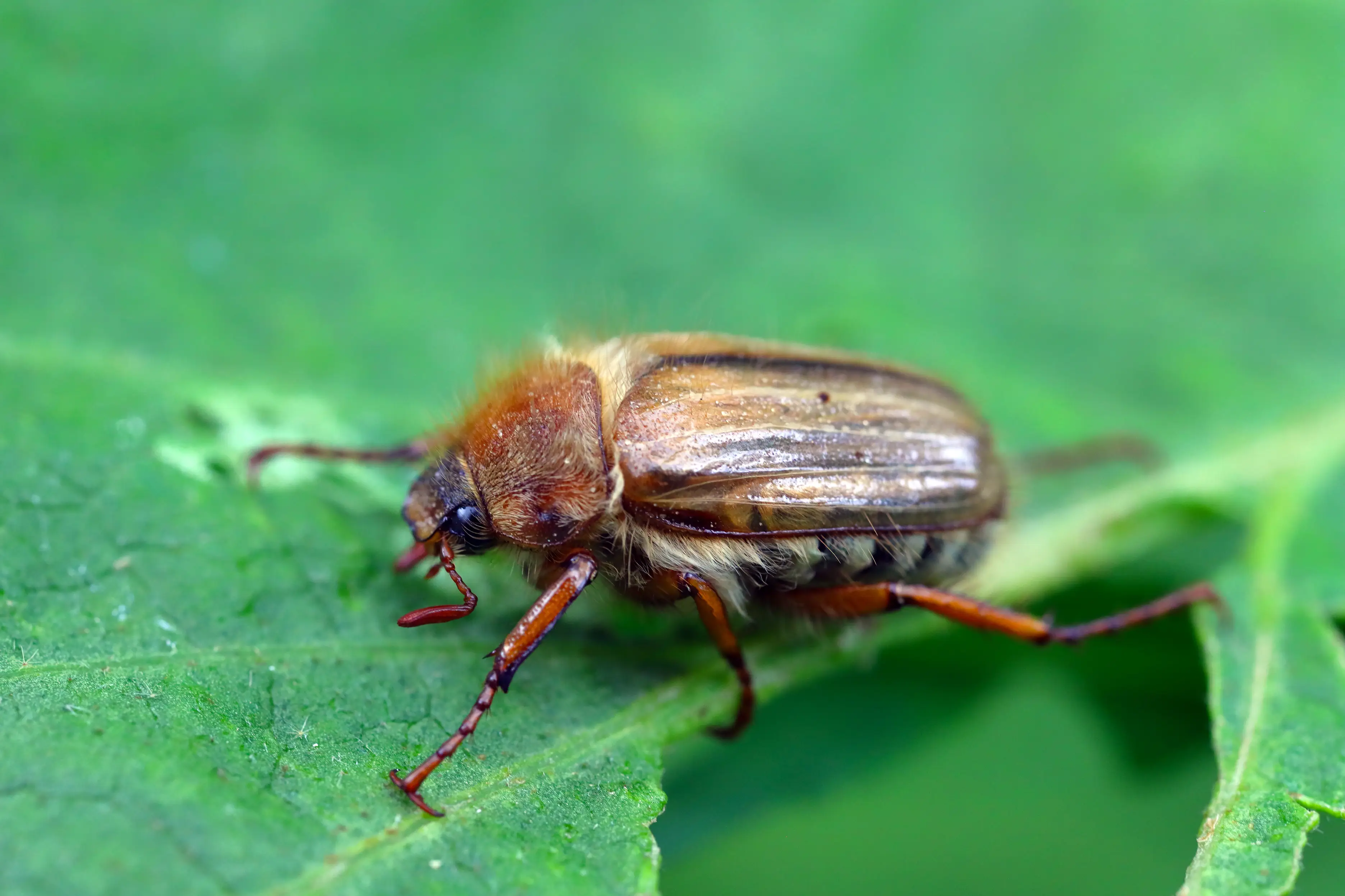
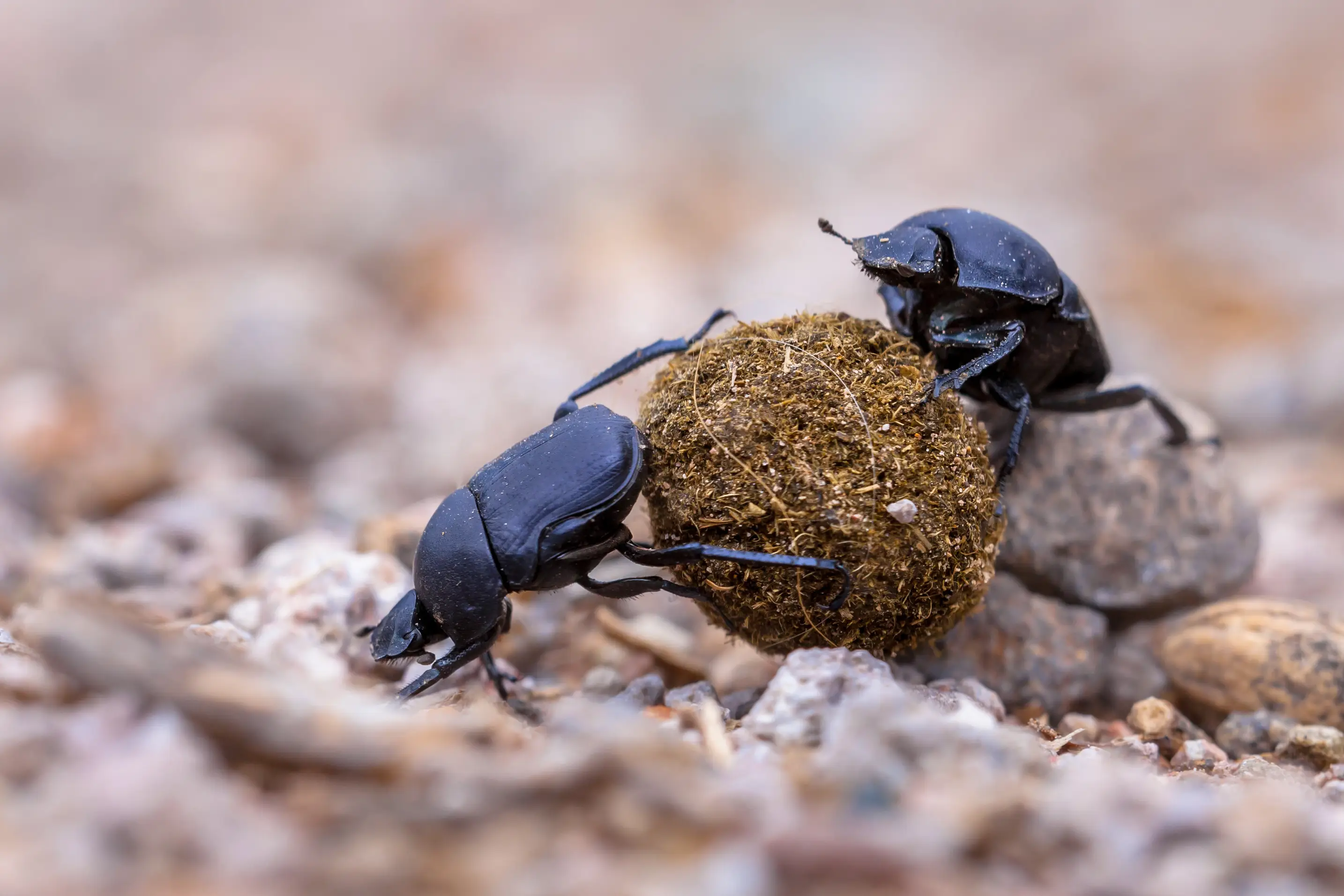
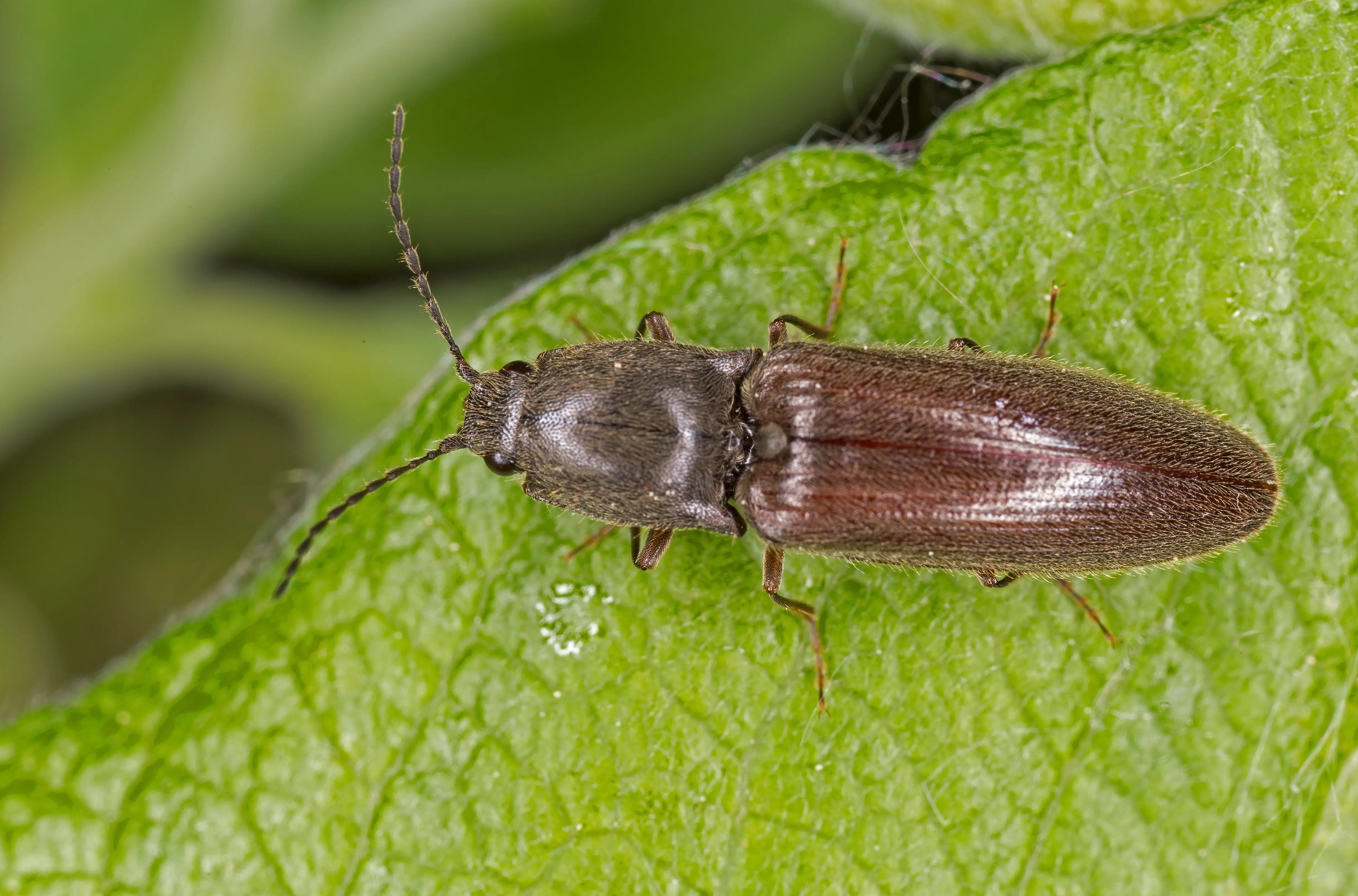
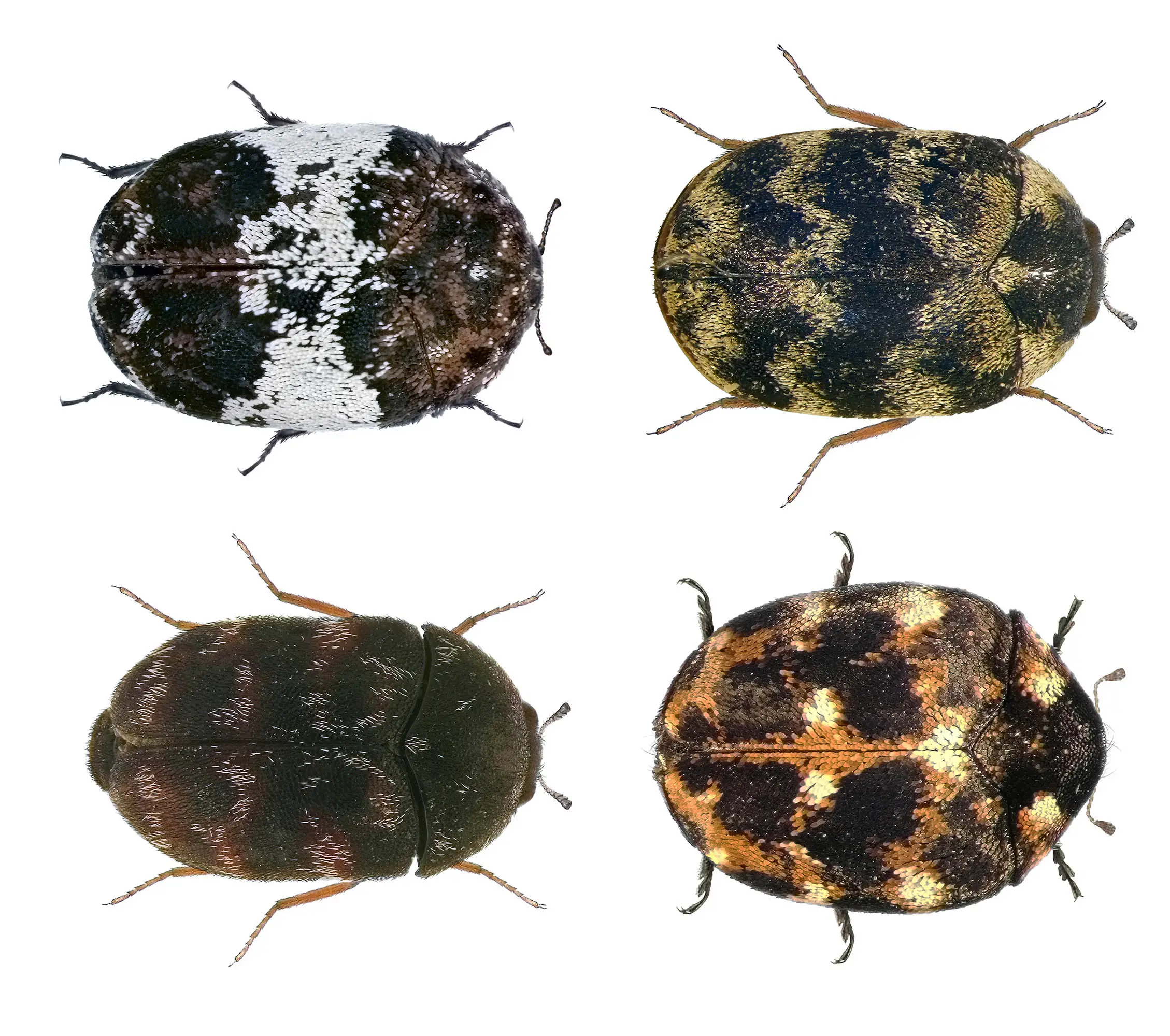
Various beetle species showing their diverse appearances and sizes
By Gary Anderson||8 min read

Are Beetles Dangerous to Humans?

With over 350,000 known species, understanding which beetles pose risks is crucial for anyone who encounters these fascinating insects.

Beetles belong to the order Coleoptera, the largest of any order in the animal kingdom. With over 350,000 known species, beetles have made their home in virtually every environment on Earth. This immense variety means most people will encounter beetles multiple times throughout their lives.

While these encounters are usually harmless and often go unnoticed, certain species can pose some risk to humans through biting, pinching, or other defense mechanisms.

Quick Answer

Most beetles are not dangerous to humans. They do not attack people, suck blood, or carry diseases. However, some species have defense mechanisms that can cause discomfort, including blister beetles (chemical burns), bombardier beetles (hot spray), and stag beetles (pinches).

Beetle Facts

Species Count
Over 350,000 known species
Bite Risk
Rare, usually defensive
Main Concern
Property and crop damage

Are Beetles Dangerous?

Overall, beetles are not typically considered dangerous to humans. Most beetles do not attack people, do not suck blood, and are not vectors for diseases. However, there are exceptions within the vast diversity of beetle species.

Blister Beetles

Secrete cantharidin, a toxic chemical that can cause skin irritations or burns upon contact.

Bombardier Beetles

Spray a hot, acidic liquid that can cause chemical burns as a defense mechanism.

Most Other Beetles

Harmless to humans. Injuries from beetles are relatively rare and usually minor.

Do Beetles Bite?

While beetles are not commonly known for biting humans, they can do so. Many beetles are equipped with chewing mouthparts that give them the physical ability to bite. Some species with well-developed jaws or mandibles use these primarily to catch prey or gnaw through substances like wood.

When Bites Occur

Human encounters with biting beetles typically occur through unintentional contact where the beetle bites in response to feeling threatened or provoked. In these instances, the bite can be surprisingly painful.

Are Bites Dangerous?

Beetle bites are generally not dangerous unless they lead to an allergic reaction or infection. Most bites cause temporary pain, redness, and swelling that resolves on its own.

Beetle Species That Can Hurt Humans

While beetle-related injuries are relatively rare, certain species are known to occasionally cause pain and discomfort to humans via their respective defense mechanisms.

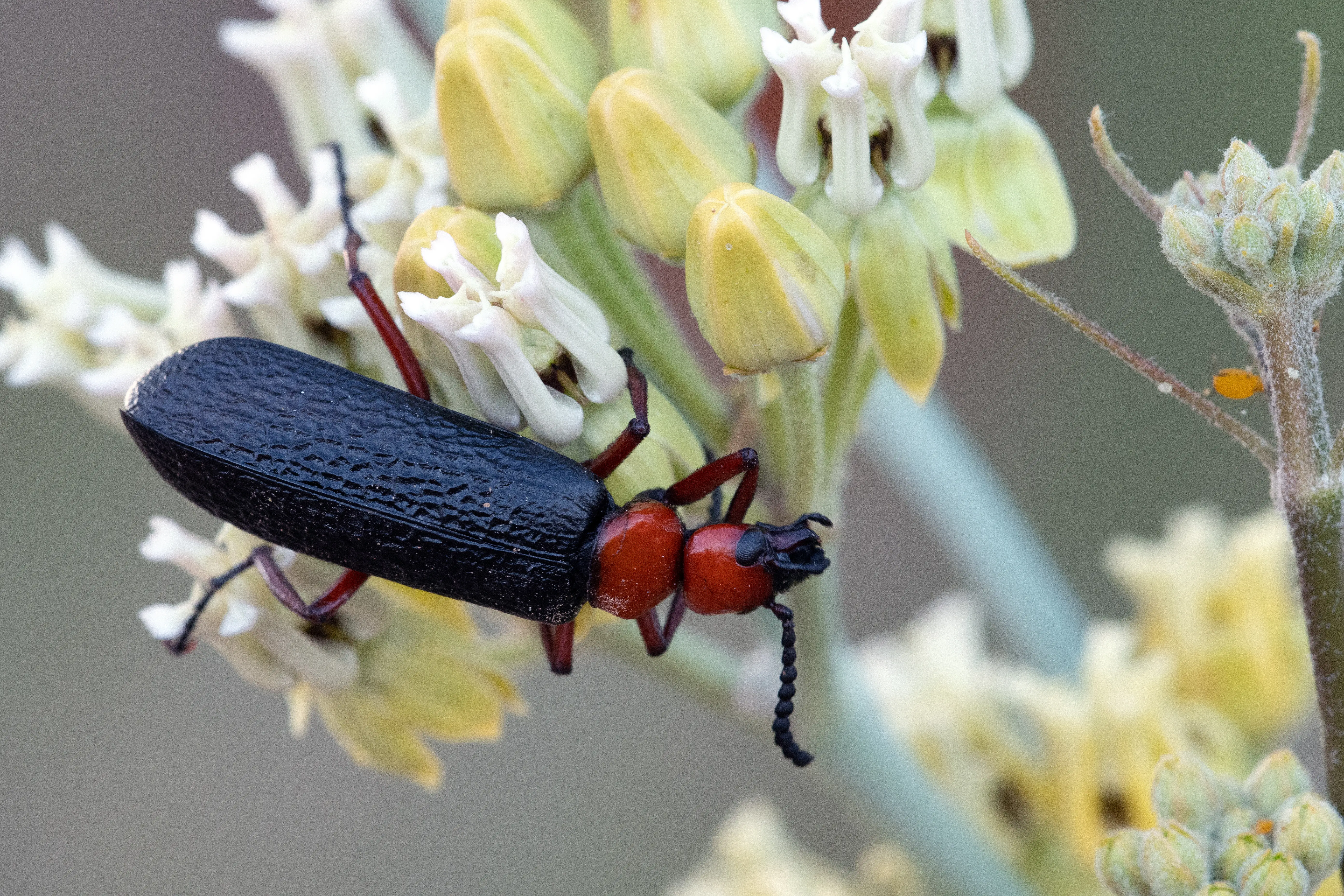
Blister Beetles (Meloidae Family)

Identification

  • Long, narrow bodies up to 1 inch
  • Solid black or dark grey
  • Often with distinctive yellow stripe
  • Found on crops and garden plants

Danger

When threatened or crushed, they release cantharidin, causing skin blisters. The irritation usually heals without permanent damage but can be quite painful. Severe allergic reactions can be dangerous.

African Bombardier Beetles

Defense Mechanism

Expels a boiling hot, toxic chemical spray from their abdomens, accompanied by an explosive sound that startles predators and humans alike.

Effect on Humans

The chemical is non-toxic but causes significant irritation and a burning sensation equivalent to a bite or sting. Over 500 species exist worldwide.

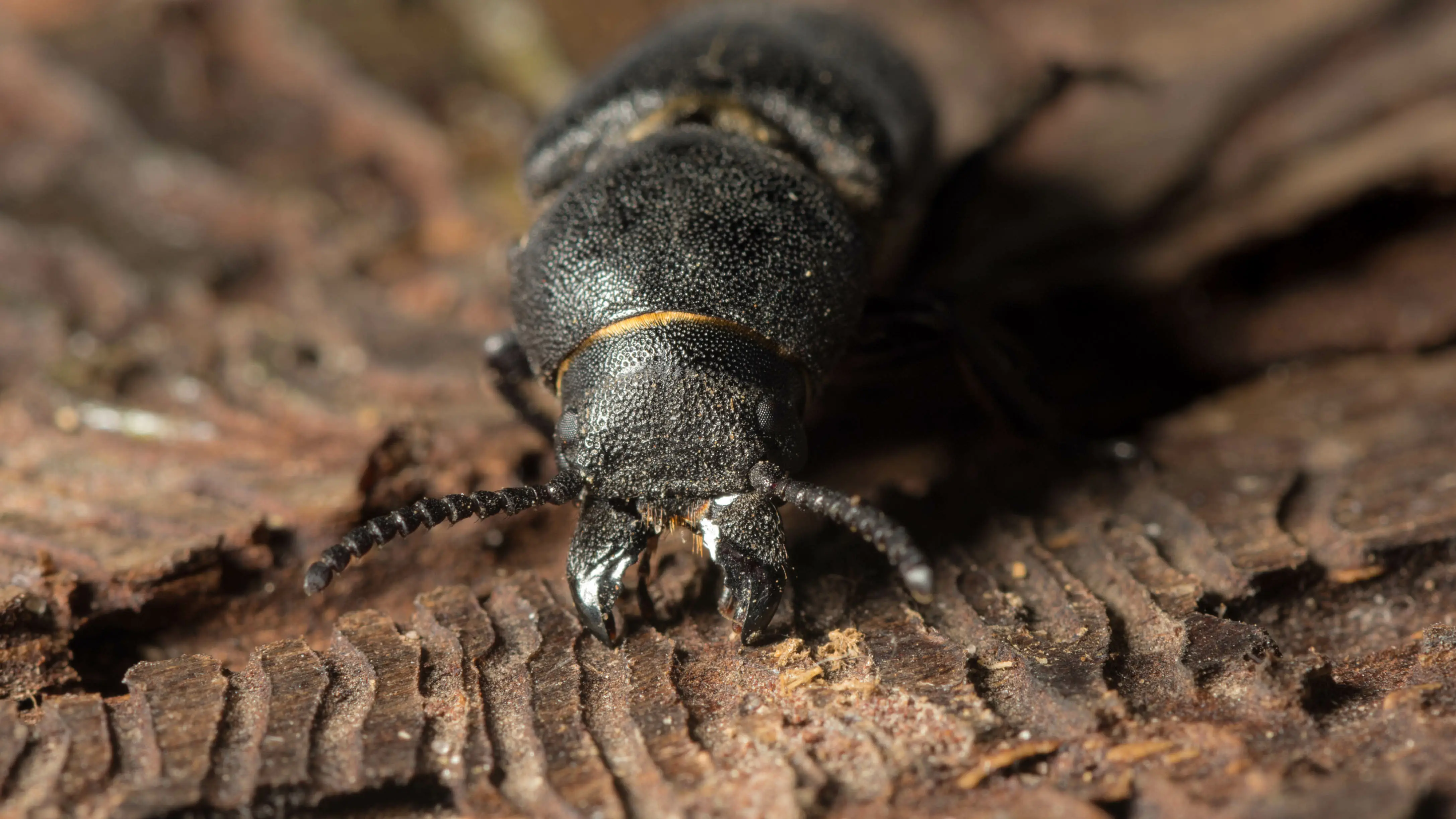
Stag Beetles (Lucanidae Family)

Identification

  • Dark brown to black coloring
  • Large, pincer-like mandibles (males)
  • Impressive, intimidating appearance
  • Found in various habitats worldwide

Bite Risk

Male mandibles are not strong enough to break skin. Female stag beetles have smaller but robust mandibles that can deliver a painful pinch if provoked, though typically no medical treatment is needed.

Longhorned Beetles (Cerambycidae Family)

Identification

  • Distinctly long antennae (up to 3x body length)
  • Around 20,000 species worldwide
  • Wood-boring habits
  • Target high-moisture timber

Bite Impact

They have a powerful bite that can cause considerable swelling and pain lasting up to one or two days. While not fatal, encounters can be notably uncomfortable.

Dealing with a Beetle Infestation?

Our experts safely identify and remove beetle infestations while protecting your property.

Call (866) 326-2847

Other Risks Associated with Beetles

While the direct physical risks posed by beetles to humans are minimal, these insects can still be harmful in other significant ways. The largest impact is primarily through damage to property and agriculture.

Agricultural Damage

Beetles devastate crops by consuming leaves, roots, stems, seeds, and fruit, affecting plant health and yield while causing considerable economic losses.

Forestry Damage

Certain species lay eggs in tree bark, creating larval tunnels that weaken and kill entire trees, causing ecological disruption and financial damage.

Structural Damage

Powderpost beetles and others damage wooden structures and furniture by boring into wood in residential areas.

Pollinator Impact

Small hive beetles target beehives, causing destruction of bee colonies and impacting beneficial pollinators.

Common Household Beetle Concerns

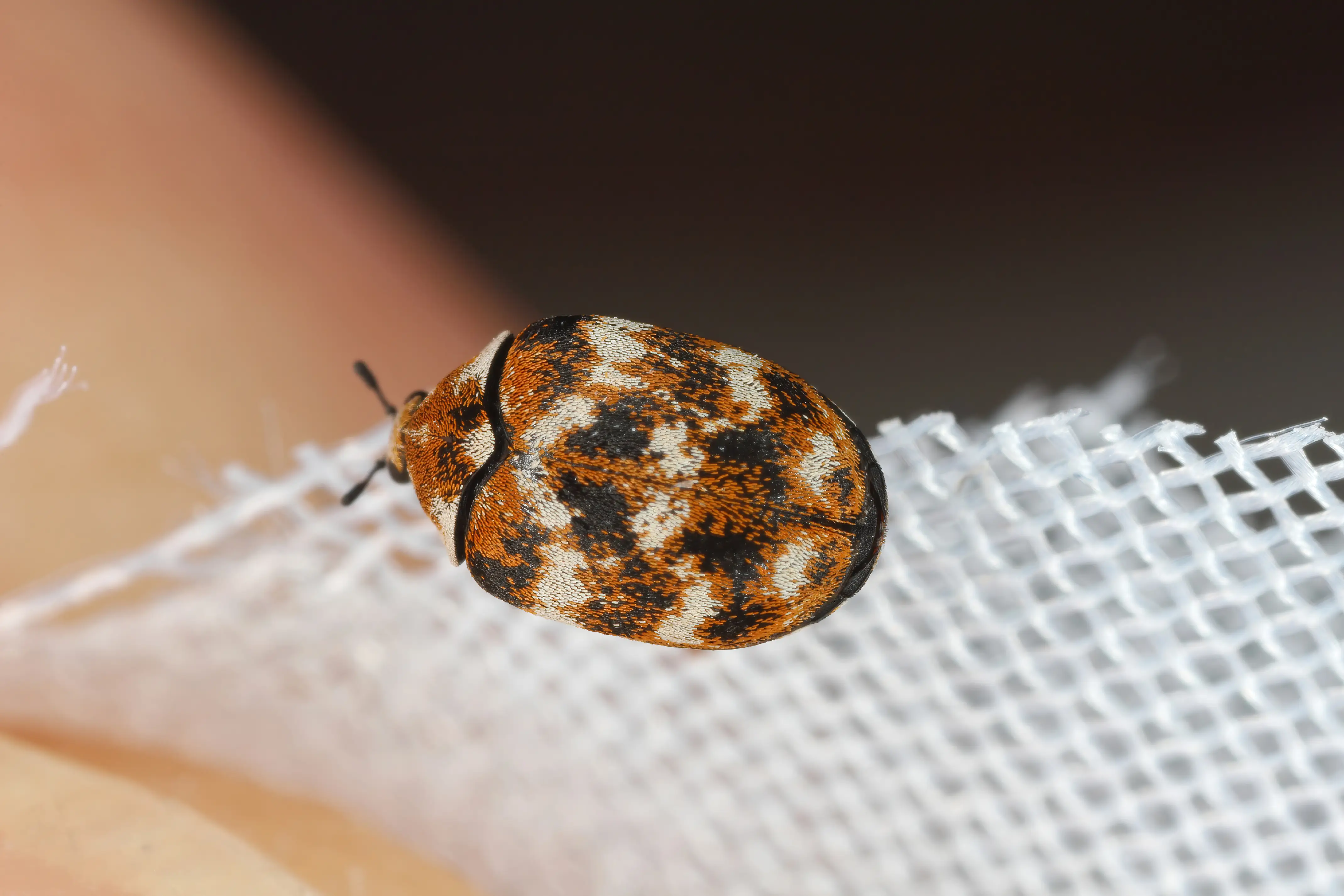
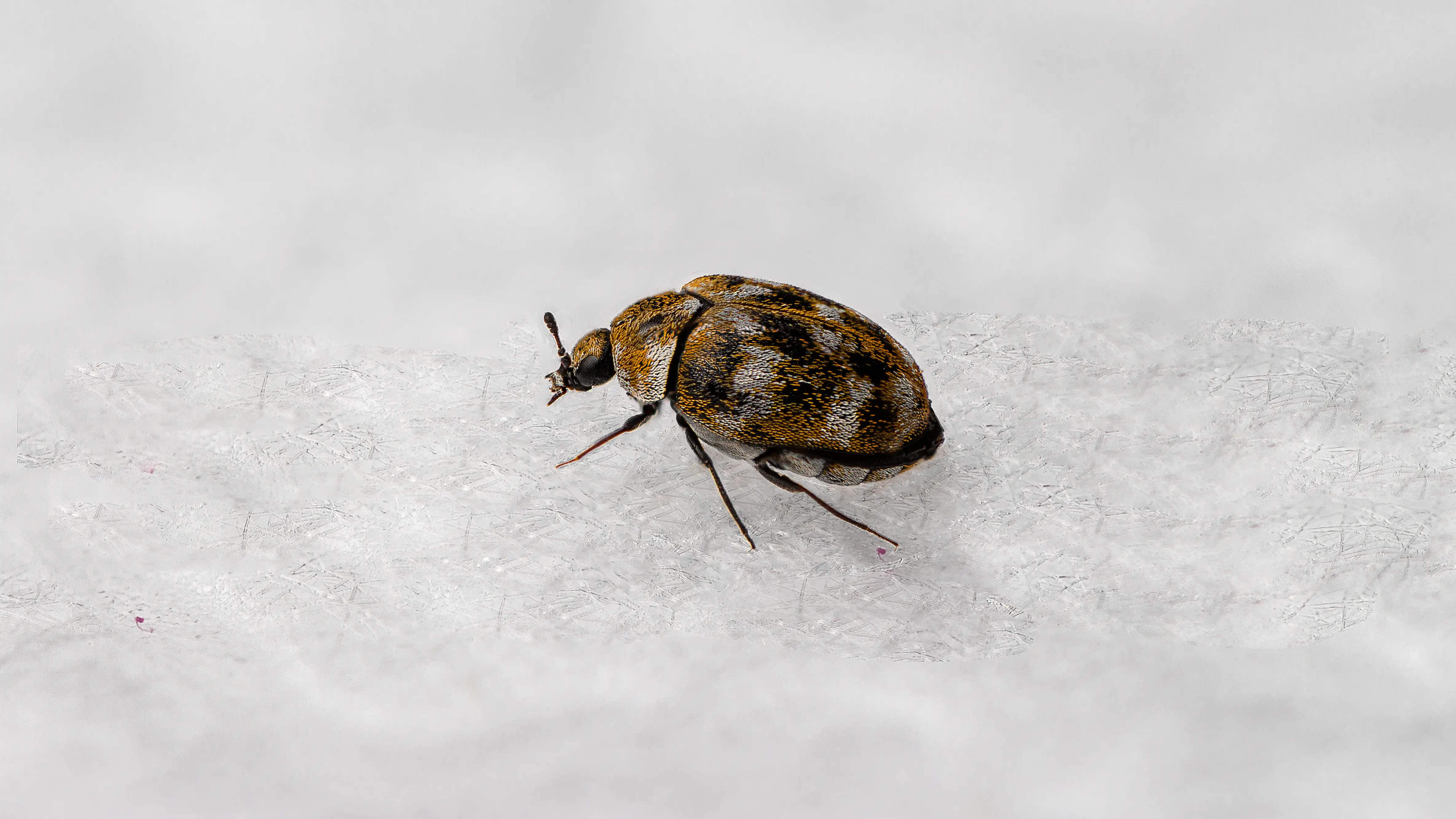
Carpet Beetles

Not directly harmful, but larvae are covered with tiny, hair-like fibers that cause itchy, red bumps when exposed to human skin. This allergic reaction can worsen with scratching, potentially causing secondary infection.

Also damage clothing, linens, upholstery, and carpets by consuming natural fibers like cotton, wool, and hair.

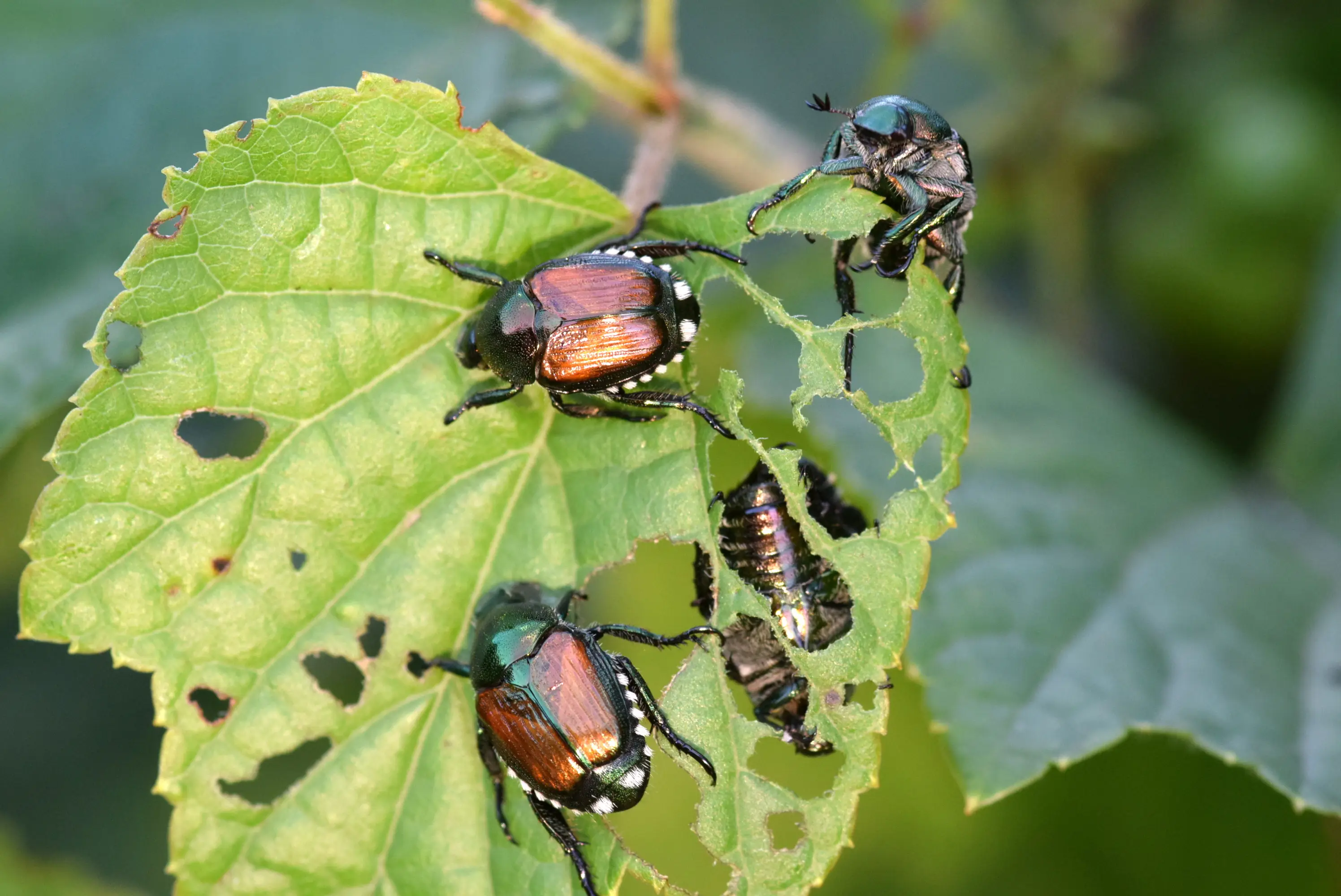
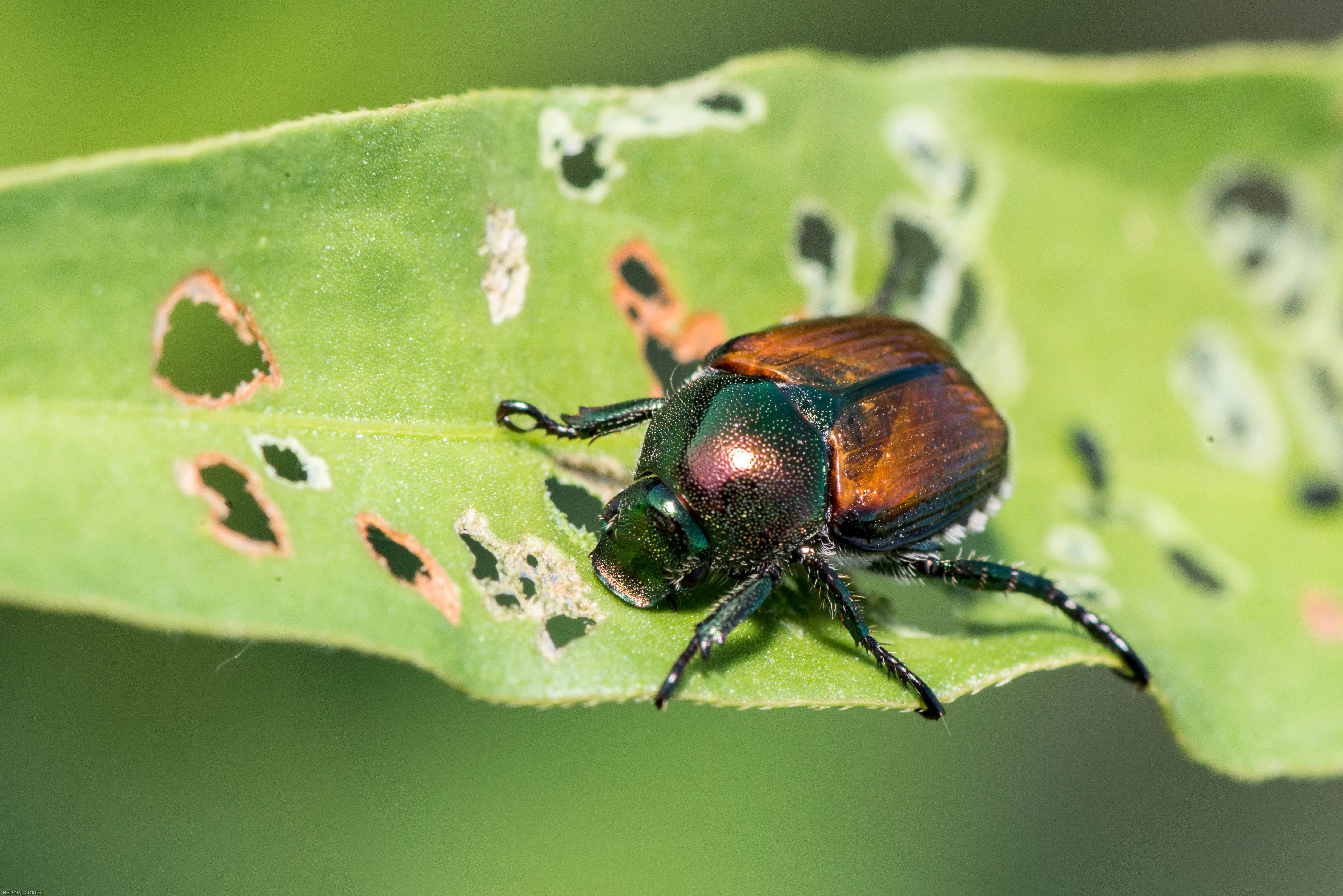
Japanese Beetles

Harmless to humans as they do not bite. However, they have a voracious appetite, feeding on over 300 plant species including roses, hibiscus, crape myrtles, and cherry trees.

They skeletonize leaves, eating tissue between veins and leaving a distinctive lace-like appearance that damages plant health.

How to Get Rid of Beetles

Managing beetle infestations effectively requires a combination of strategies depending on the severity and location of the infestation.

Neem Oil

Natural repellent, safe for pets and children. Apply on plants, doorways, and windows. Requires frequent application.

Peppermint Oil

Mix with water and spray on entry points. Safe for pets and children, though some may find the odor strong.

Insect Traps

Use scents to attract and trap beetles. Replace regularly. Best where beetle activity is noticeable.

Pyrethrin

Derived from chrysanthemum flowers. Affects beetle nervous system. Requires cleanup of dead insects afterward.

Diatomaceous Earth

Sprinkle crushed fossilized algae around entry points. Dehydrates insects. Safe for use around pets and children.

Physical Removal

For gardens with fewer beetles, physically removing them with gloved hands can be effective.

Professional Exterminators

For severe infestations, or when DIY methods fail, professional pest control services can provide a safe and effective solution tailored to your specific situation.

Contact EcoGuard if You Are Dealing with Beetles

If you are facing persistent beetle problems in your home or garden, do not let the situation get out of hand. EcoGuard Pest Management offers professional, effective solutions tailored to safely and efficiently address your beetle infestation. Our team of experts is equipped with the knowledge and tools necessary to protect your space from these pests.

Call (866) 326-2847Get Free Quote

Dangerous Beetle FAQs

Can beetles harm you?

While most beetles are harmless to humans and do not pose any significant health risk, a few species can cause discomfort or minor injuries. For example, some beetles like the blister beetle can release irritating chemicals that cause skin blisters, while other species like the longhorned beetles can deliver a painful bite if provoked. Such instances are relatively rare, and beetles are generally not considered a direct threat to human health.

Are house beetles dangerous?

House beetles, generally speaking, are not dangerous to humans as they do not bite or sting and are not known to carry diseases. However, some species like carpet beetles can cause allergic reactions through contact with their hairs or shed skin. Additionally, certain types of house beetles may cause damage to household items like fabrics, food products, and wooden structures.

Should I be worried about beetles?

Generally, there is no need to be overly concerned about beetles as most are harmless and do not pose a significant threat to human health. However, some species can cause damage to plants, textiles, or stored food so it is wise to manage beetle populations in your home or garden if they become problematic. If you notice a significant infestation or damage, it may be best to consult with pest control professionals to assess and address the issue effectively.

What happens if you get bitten by a beetle?

If you get bitten by a beetle, you might experience mild to moderate pain, redness, and swelling at the site of the bite. Most beetle bites are not harmful, and symptoms typically resolve on their own without the need for medical treatment. However, if you notice severe swelling, persistent pain, or signs of an allergic reaction, it is important to seek medical attention.

From Our Blog

Related Articles

6 Common Signs of Carpet Beetles in Your Home

6 Common Signs of Carpet Beetles in Your Home

Learn the signs of carpet beetle infestation including damage to fabrics, shed skins, fecal pellets, and skin...

Read Article
Beetle Life Cycle and Lifespan: Complete Metamorphosis Guide

Beetle Life Cycle and Lifespan: Complete Metamorphosis Guide

Learn about beetle life cycle stages including eggs, larvae, pupae, and adult. Understand beetle lifespan, mating...

Read Article
Common Types of Beetles Found in North American Homes

Common Types of Beetles Found in North American Homes

Complete guide to beetle types including ladybugs, weevils, scarabs, carpet beetles, Japanese beetles, and more....

Read Article
How to Get Rid of Beetles: Complete Removal Guide

How to Get Rid of Beetles: Complete Removal Guide

Learn how to get rid of beetles including carpet beetles, pantry beetles, and Japanese beetles. Natural and...

Read Article
How to Get Rid of Carpet Beetles: Complete Removal Guide

How to Get Rid of Carpet Beetles: Complete Removal Guide

Learn how to get rid of carpet beetles with natural and chemical treatments. Identify, eliminate, and prevent carpet...

Read Article
How to Get Rid of Japanese Beetles: Complete Control Guide

How to Get Rid of Japanese Beetles: Complete Control Guide

Learn how to eliminate Japanese beetles from your garden. Control adults and larvae with natural methods, pesticides,...

Read Article
What Are Carpet Beetles? Identification, Life Cycle & Control

What Are Carpet Beetles? Identification, Life Cycle & Control

Learn what carpet beetles are, how to identify them, their life cycle, diet, and how to prevent and control...

Read Article
What Are Japanese Beetles? Identification, Life Cycle & Damage

What Are Japanese Beetles? Identification, Life Cycle & Damage

Learn about Japanese beetles: identification of adults, larvae, and pupae, their life cycle, the damage they cause, and...

Read Article
What Causes Carpet Beetles Inside Your Home?

What Causes Carpet Beetles Inside Your Home?

Learn what causes carpet beetles to infest your home, how they get inside, signs of infestation, and effective...

Read Article
What Does a Beetle Eat? Diet by Species & Type

What Does a Beetle Eat? Diet by Species & Type

Learn what beetles eat including plants, other insects, decaying matter, wood, and household materials. Understand...

Read Article