EcoGuard Pest Management
Mosquito identification and anatomy
By Gary Anderson||4 min read

What Are Mosquitoes?

Complete guide to anatomy, life cycle, behavior, diseases, and control.

3,500+
Species Worldwide
2-4 Weeks
Average Lifespan
75%
Life Spent in Water
#1
Deadliest Animal

Mosquitoes are flying insects found all over the world, most prevalent in warmer, humid climates. They are the deadliest animal on the planet, responsible for more deaths than any other insect by spreading serious diseases through their saliva when they bite.

Over 3,500 species exist globally, but not all spread disease. Mosquitoes must bite an infected host first to transmit illness. Otherwise, they are simply nuisance pests causing red, itchy welts.
Mosquito Classification

Mosquitoes are invertebrate insects in the Culicidae family (same as gnats). The sex determines their diet:

Females

Feed on blood of humans and animals. Need proteins in blood to produce eggs.

Males

Feed on nectar from flowers. Do not bite humans or animals.

Are mosquitoes parasites? No. Parasites live on or inside a host. Mosquitoes simply feed on blood without needing to live on their prey (unlike fleas or ticks).

Mosquito Anatomy

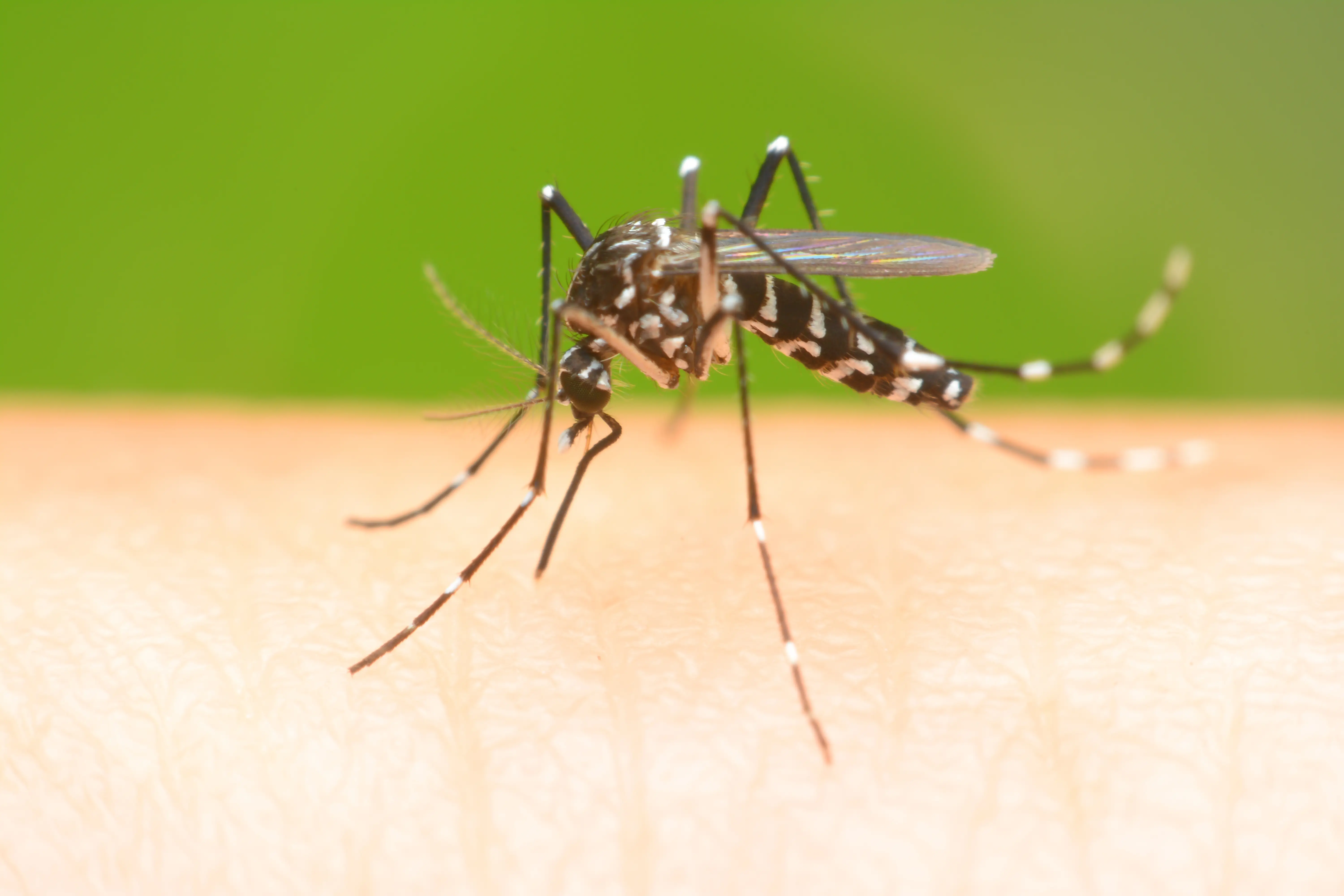
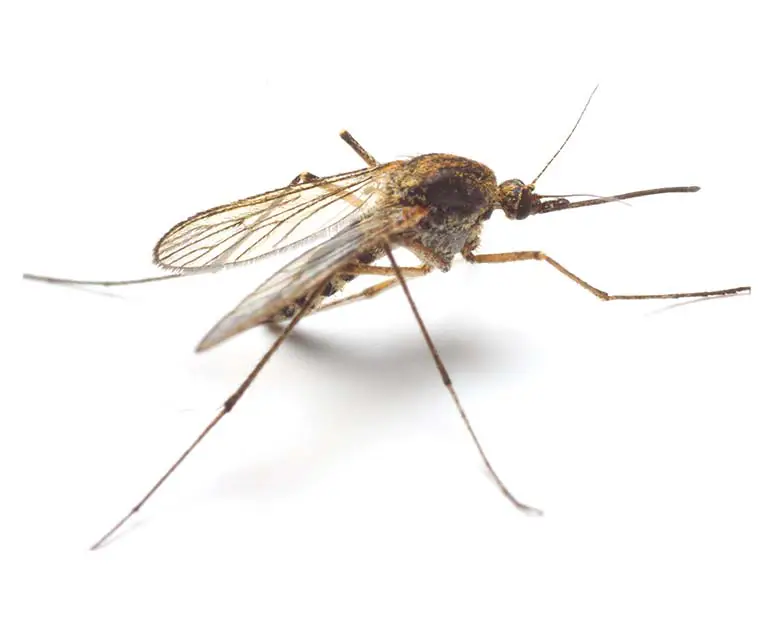
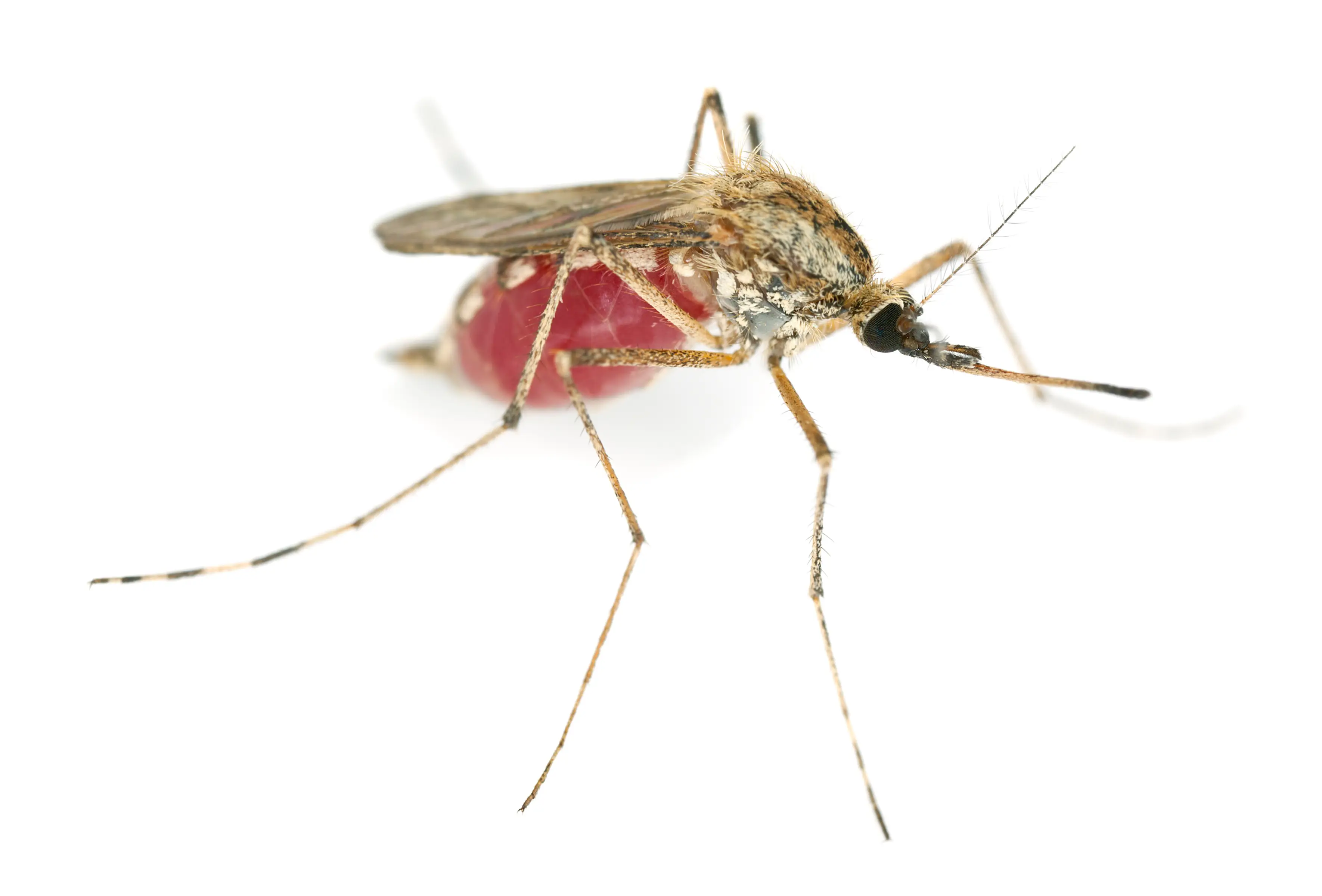
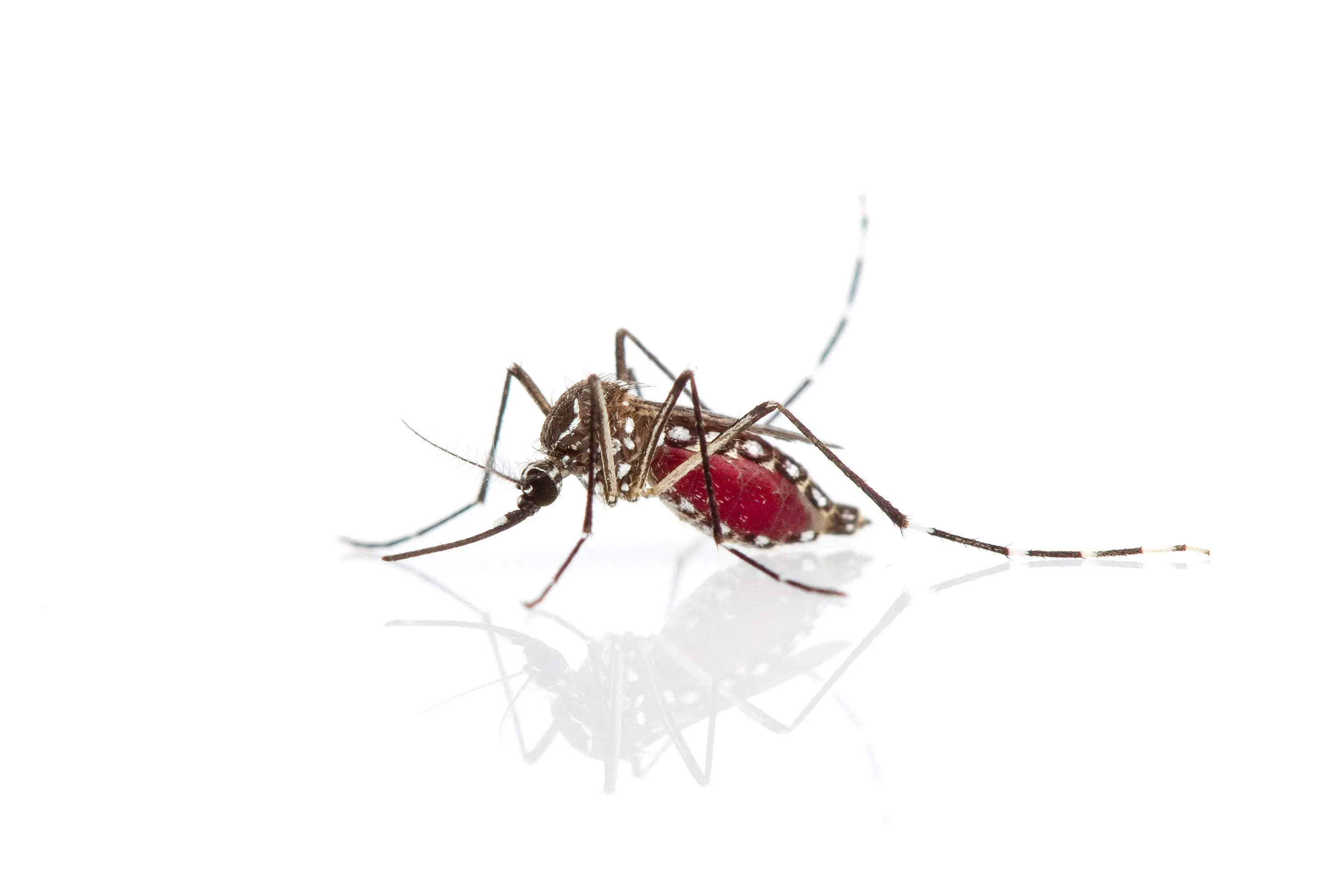
A mosquito has 3 primary parts: head, thorax, and abdomen.

Head (Sensory Organs)

Antennae: Detect CO2 and wind direction/strength
Eyes: Compound eyes detect movement, shadows, thermal input
Palps: Acts as nose; detects pheromones and sweat chemicals
Proboscis: Straw-like tube to stab and inject enzymes

Thorax (Movement)

Halter: Connects wings; helps steer around obstacles
Wings: Move rapidly up/down to create lift for flight
Legs: 6 legs (femur, tibia, tarsus) to stand/walk on surfaces including water

Abdomen (Internal Organs)

Stomach: Engorges with blood; becomes semitransparent red after feeding
Genitalia: Female releases up to 100 eggs in standing water
Respiratory: Primitive system to breathe and smell CO2/odors

Facts About Mosquitoes

Active during mosquito season (spring to fall) when temperatures are optimal
Females most active at sunrise and sunset (avoid peak heat)
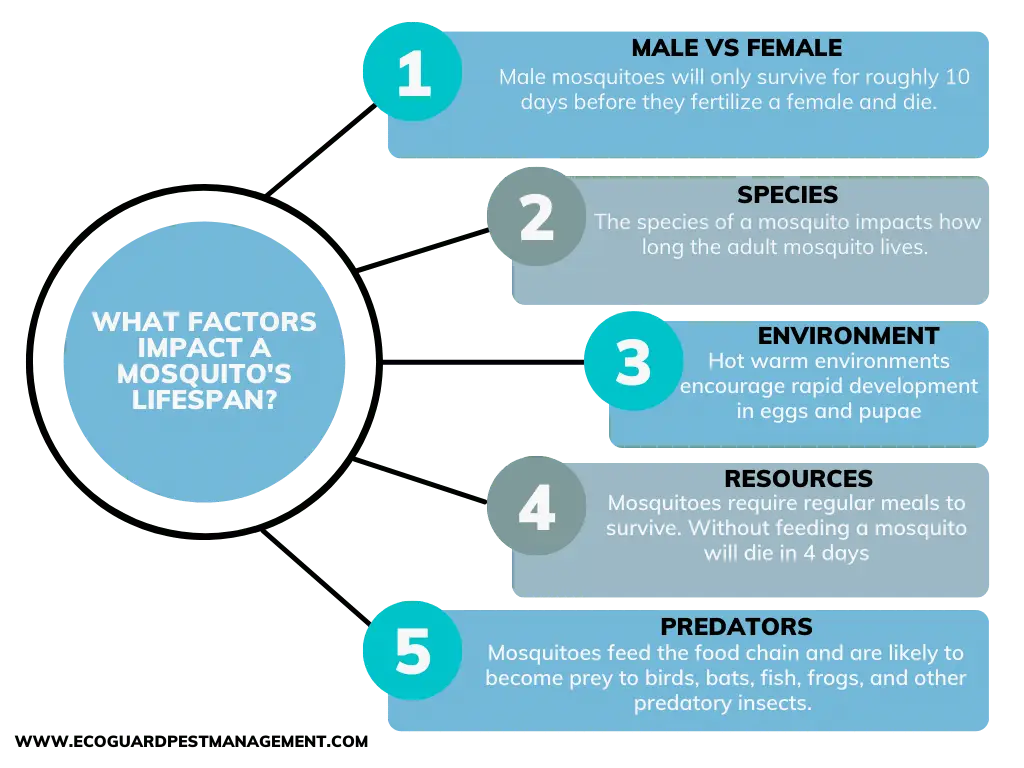
Lifespan: 2-4 weeks depending on food, environment, threats, species
Prefer Type O blood; target some individuals more than others
Hide in grass, bushes, shrubs, trees; emerge to feed

Protect Your Family from Mosquitoes

Professional mosquito control disrupts breeding cycles.

Call (866) 326-2847

Mosquito Diseases

Mosquitoes cause millions of deaths yearly. Three species are primarily responsible for disease spread: Anopheles, Aedes, and Culex.

West Nile VirusZika VirusEncephalitisMalariaDengue FeverFilariasisYellow Fever

What Are Mosquitoes Good For?

Mosquitoes are a primary food source for many animals: dragonflies, spiders, lizards, frogs, birds, rodents, bats, and fish (which eat eggs and larvae).

What Are Mosquitoes Attracted To?

Mosquitoes are carnivorous and hunt warm-blooded animals using their sensory organs:

Carbon Dioxide:Released when breathing
Pheromones:Scents in the air
Lactic Acid:Trace amounts in sweat
Body Heat:Warm-blooded temperature
Beer/Yeast Odor:Body produces after drinking
Standing Water:For laying eggs
Dense Foliage:For hiding

Mosquito Bites

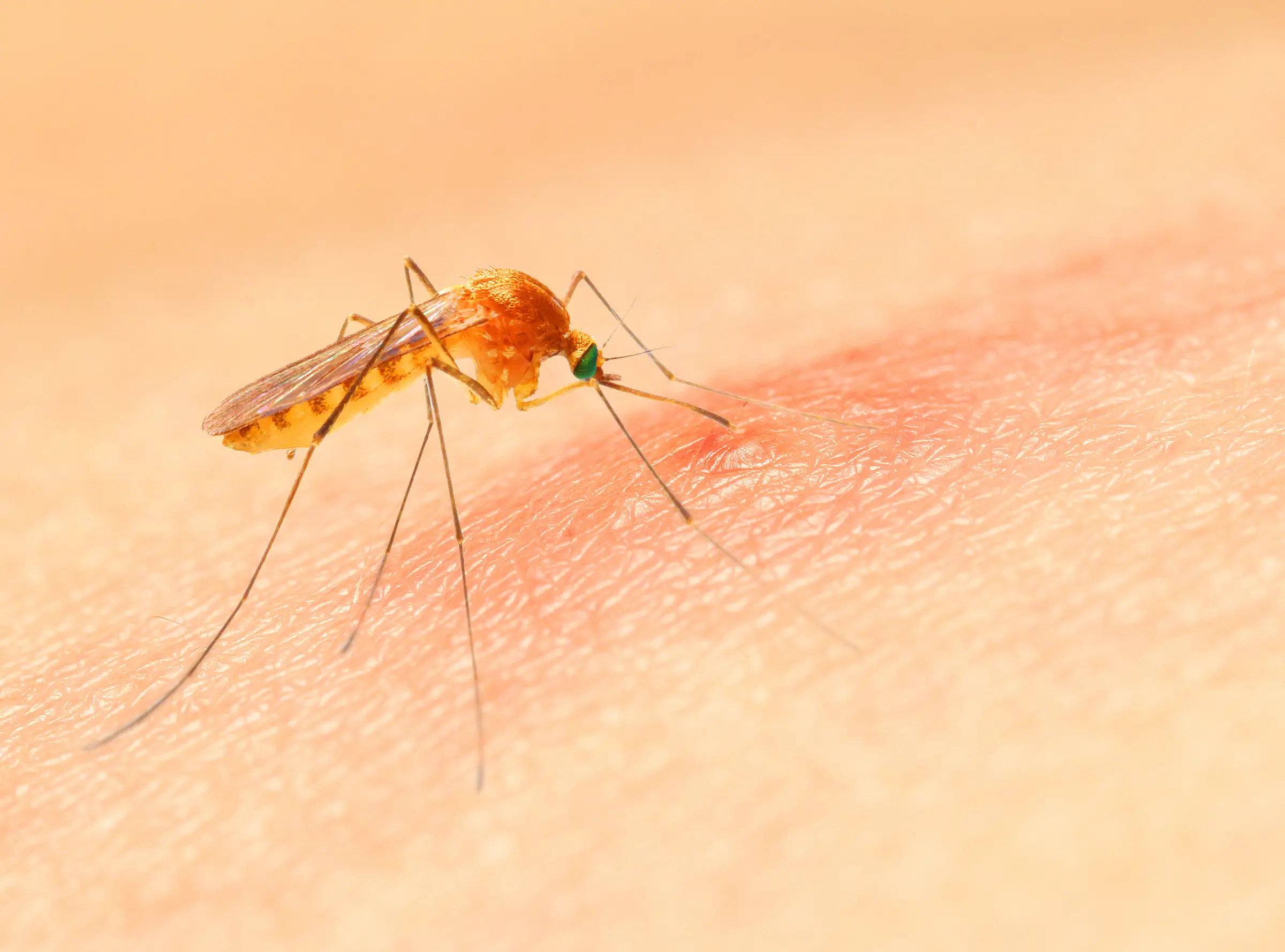
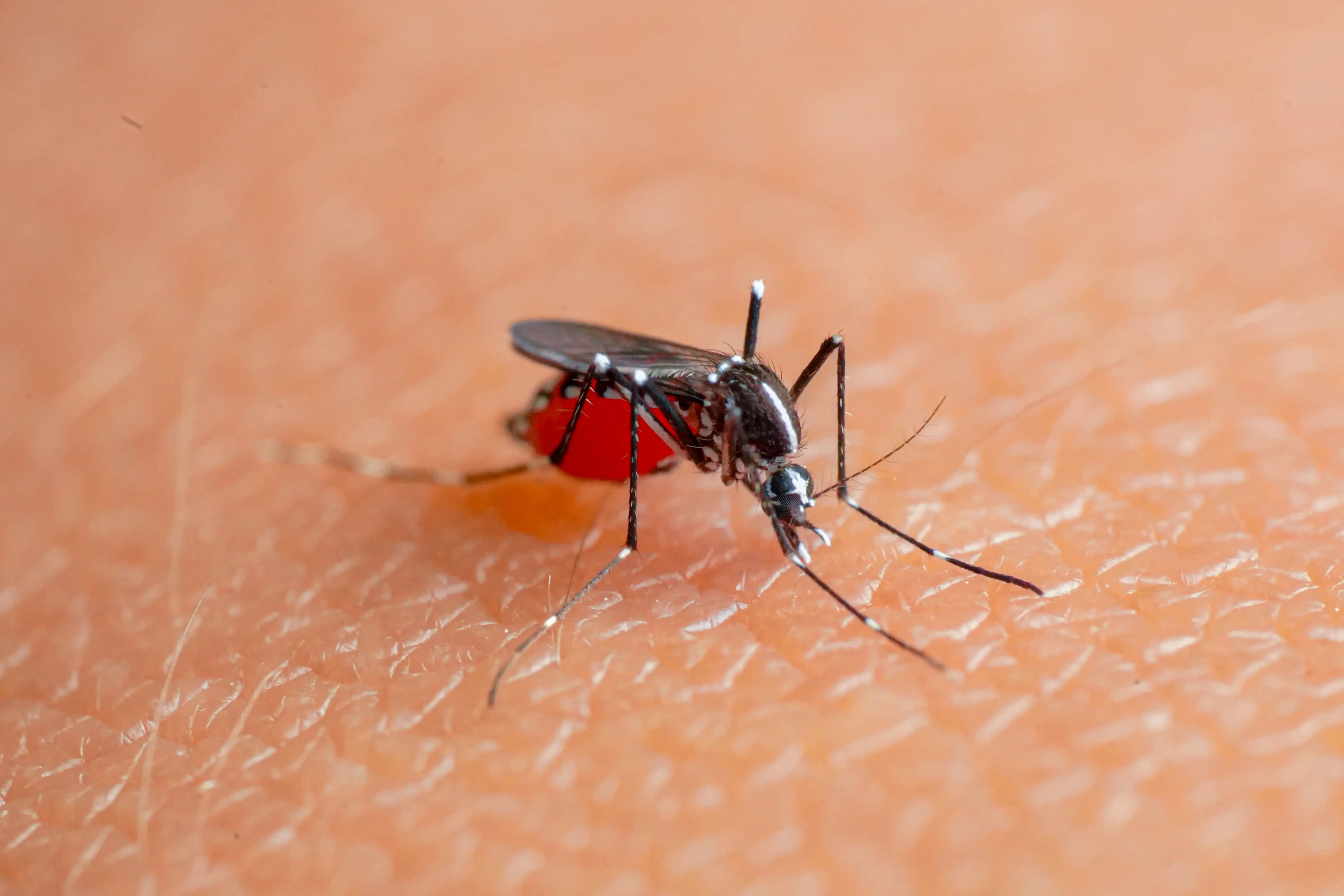
Females use their proboscis to inject an enzyme that acts as an anesthetic and anticoagulant, then suck blood until engorged. They need blood proteins for egg production.

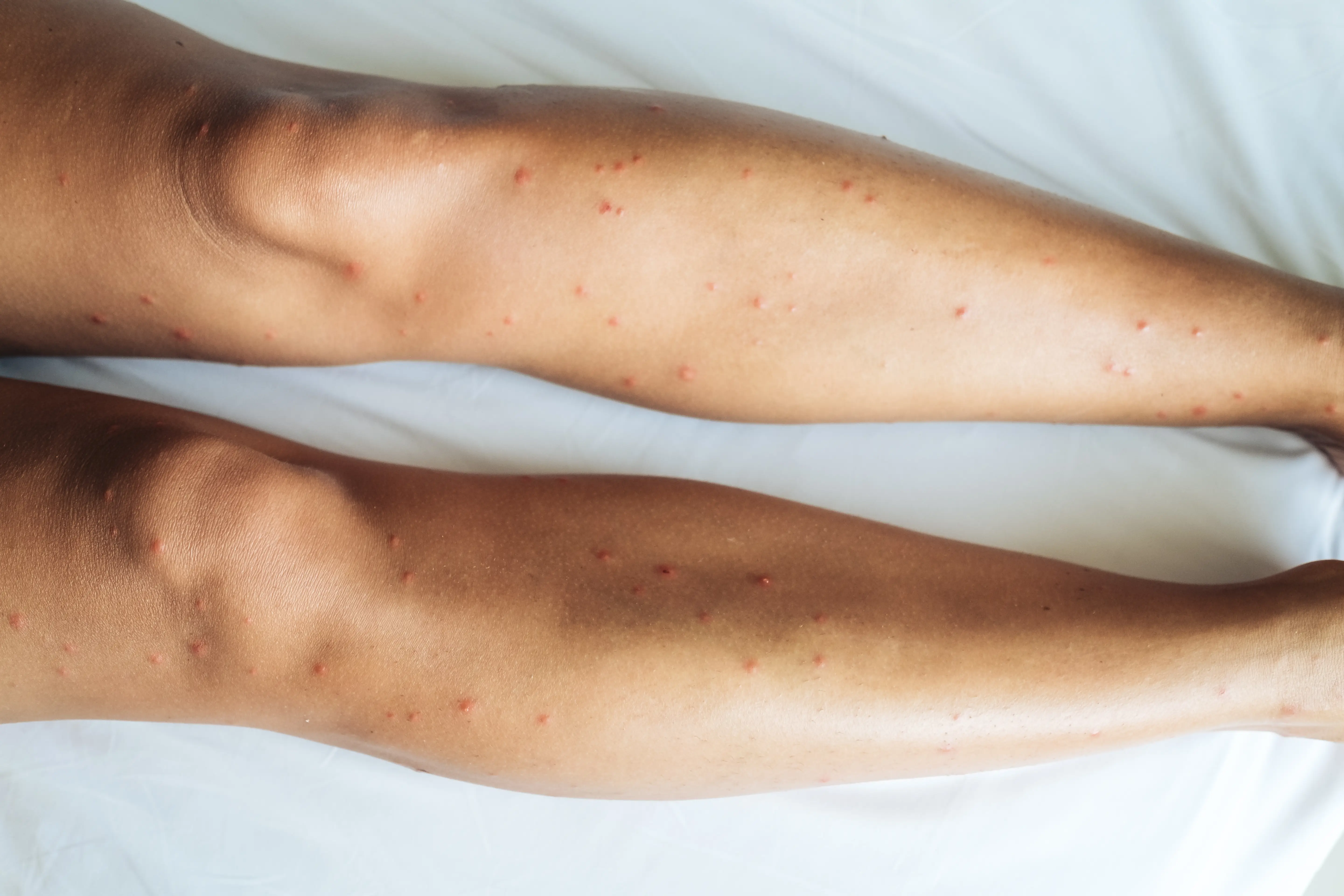
The itchy, red welts are a minor allergic reaction to the injected enzyme.

Mosquito Life Cycle

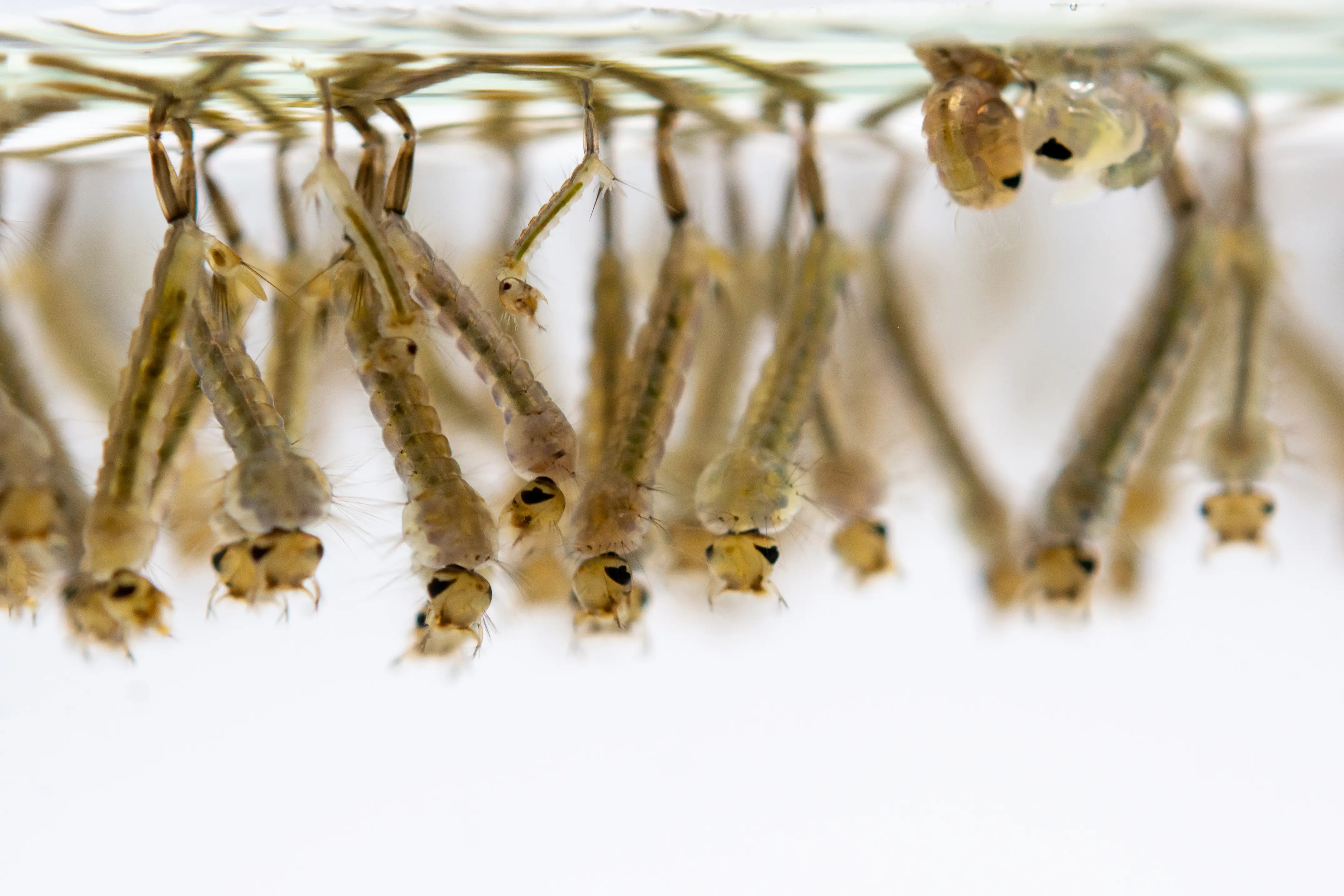
Like many flying insects, mosquitoes go through 4 phases. They spend ~75% of their lives as aquatic creatures. Each phase lasts 1-2 weeks depending on conditions.

1. Egg

Female lays eggs in water

2. Larvae

Aquatic development

3. Pupae

Transition stage in water

4. Adult

Emerges, flies to find food

How to Get Rid of Mosquitoes

Getting rid of mosquitoes is difficult since their food source is humans/animals. The best approach is integrated pest management combining multiple strategies:

Habitat modification: remove standing water
Remove debris and foliage where they hide
Pesticide applications in dense foliage
CO2-releasing bug zappers

Call EcoGuard for Mosquito Control

To effectively treat mosquitoes, professional exterminators are recommended. Mosquito treatment requires ongoing control and maintenance, with return visits every two weeks to treat newly hatched eggs. Only by disrupting the life cycle can populations be controlled. EcoGuard has licensed, experienced mosquito control experts to create a customized strategy.

Call (866) 326-2847Get Free Quote

Mosquito FAQs

Is a mosquito an animal or insect?

Mosquitoes qualify as both since the insect class is part of the animal kingdom. They kill millions of humans yearly by spreading diseases like malaria, dengue fever, encephalitis, and West Nile virus.

What purpose do mosquitoes have in life?

Mosquitoes are an important part of the food chain, serving as food for dragonflies, spiders, lizards, birds, and fish.

Is a mosquito a parasite or predator?

Female mosquitoes are technically predators since they hunt prey for blood meals. Males feed on nectar. They are not parasites because they do not live on or inside host animals.

What are mosquitoes attracted to?

Mosquitoes are attracted to standing water and dense foliage for breeding and shelter, plus CO2 from respiration, pheromones, lactic acid in sweat, body heat, and certain odors from food like beer.

From Our Blog

Related Articles

Am I Allergic to Mosquito Bites? Skeeter Syndrome Guide

Am I Allergic to Mosquito Bites? Skeeter Syndrome Guide

Learn about mosquito bite allergies and skeeter syndrome. Understand symptoms, causes, treatments, and when to seek...

Read Article
Can Mosquitoes Bite Through Clothes? Protection Guide

Can Mosquitoes Bite Through Clothes? Protection Guide

Learn if mosquitoes can bite through clothing, what fabrics offer best protection, and how to prevent bites with the...

Read Article
Different Types of Mosquito Species in the US

Different Types of Mosquito Species in the US

Learn about the most common mosquito species in the United States, including Aedes, Culex, and Anopheles. Understand...

Read Article
How Long Do Mosquitoes Live? Life Cycle & Lifespan Guide

How Long Do Mosquitoes Live? Life Cycle & Lifespan Guide

Learn how long mosquitoes live, their life cycle stages, and factors affecting lifespan. Discover the differences...

Read Article
How to Get Rid of Mosquitoes: Indoor & Outdoor Control

How to Get Rid of Mosquitoes: Indoor & Outdoor Control

Learn how to get rid of mosquitoes inside and outside your home. Discover treatment methods, natural deterrents, and...

Read Article
Mosquito Diseases: Complete List & Prevention Guide

Mosquito Diseases: Complete List & Prevention Guide

Learn about diseases mosquitoes carry including malaria, West Nile, Zika, dengue fever. Discover who is at risk and how...

Read Article
No See Um Bites Vs Mosquito Bites: How to Tell the Difference

No See Um Bites Vs Mosquito Bites: How to Tell the Difference

Learn how to identify no see um bites vs mosquito bites. Compare symptoms, treatment options, and prevention strategies...

Read Article
What Attracts Mosquitoes to Humans & Your Home

What Attracts Mosquitoes to Humans & Your Home

Learn what attracts mosquitoes to certain people including CO2, sweat, blood type, and body heat. Discover why...

Read Article
What Blood Type Do Mosquitoes Like Best?

What Blood Type Do Mosquitoes Like Best?

Learn which blood type mosquitoes prefer. Studies show Type O blood is twice as attractive to mosquitoes as Type A....

Read Article
What Does Mosquito Larvae Look Like? Identification Guide

What Does Mosquito Larvae Look Like? Identification Guide

Learn to identify mosquito larvae (wrigglers) in standing water. Understand their appearance, behavior, life cycle, and...

Read Article
When Do Mosquitoes Come Out? Season, Time of Day & Activity

When Do Mosquitoes Come Out? Season, Time of Day & Activity

Learn when mosquitoes are most active including time of day, mosquito season by region, and temperature thresholds....

Read Article