
EcoGuard Pest Management
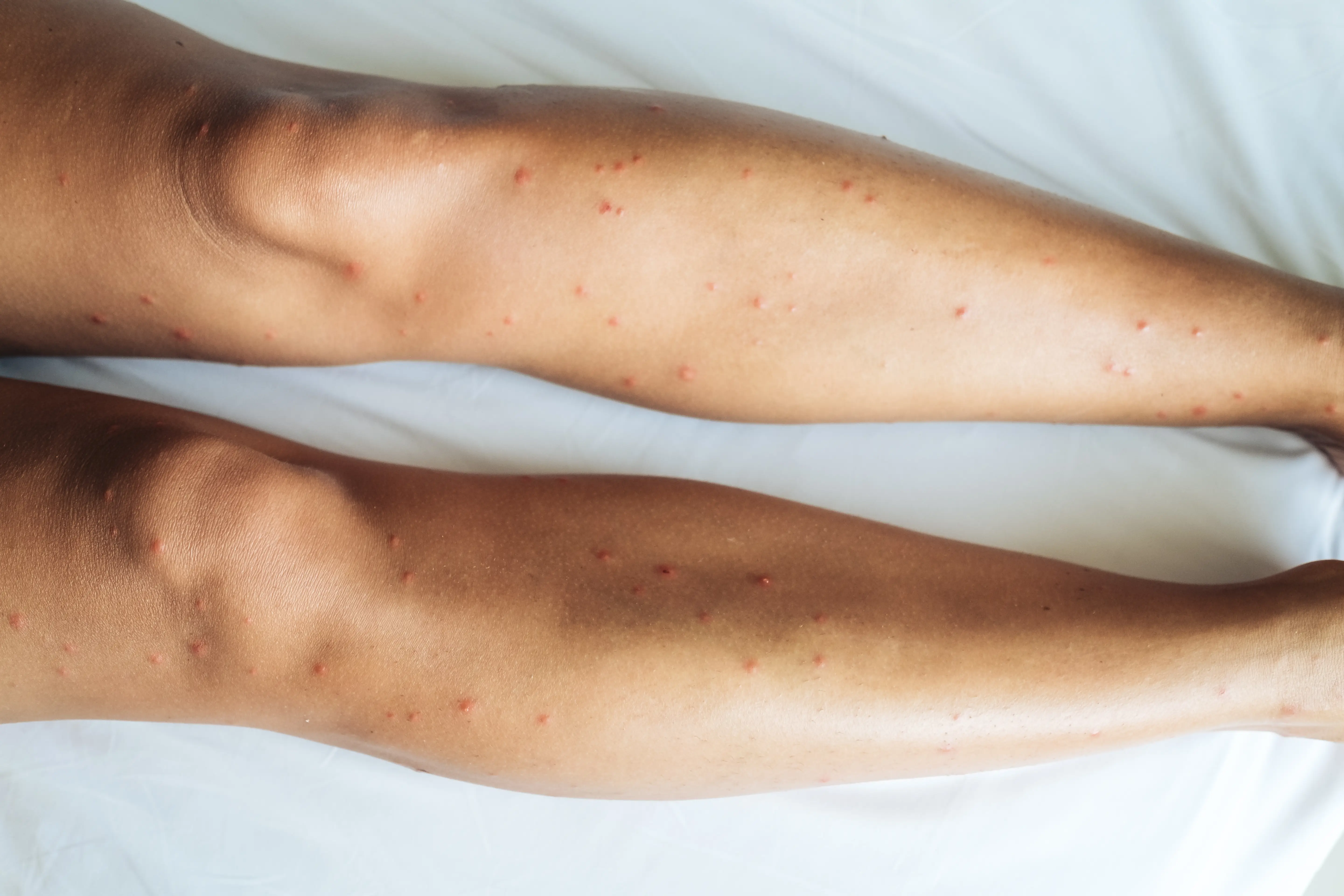
Comparison of no see um and mosquito bites on skin
By Gary Anderson||6 min read

No See Um Bites Vs Mosquito Bites

How to identify, treat, and prevent bites from these common flying pests.

Flying insects pose a particular challenge when it comes to avoiding their bites because they can approach from any direction. No see ums, gnats, and mosquitoes rank among the most prevalent flying pests that bite humans.

Understanding the distinctions between these airborne adversaries is crucial for proper identification and treatment of their bites.

Quick Size Comparison

No see ums: About 1/16 inch long (nearly invisible)
Gnats: Tiny flies, gray to black
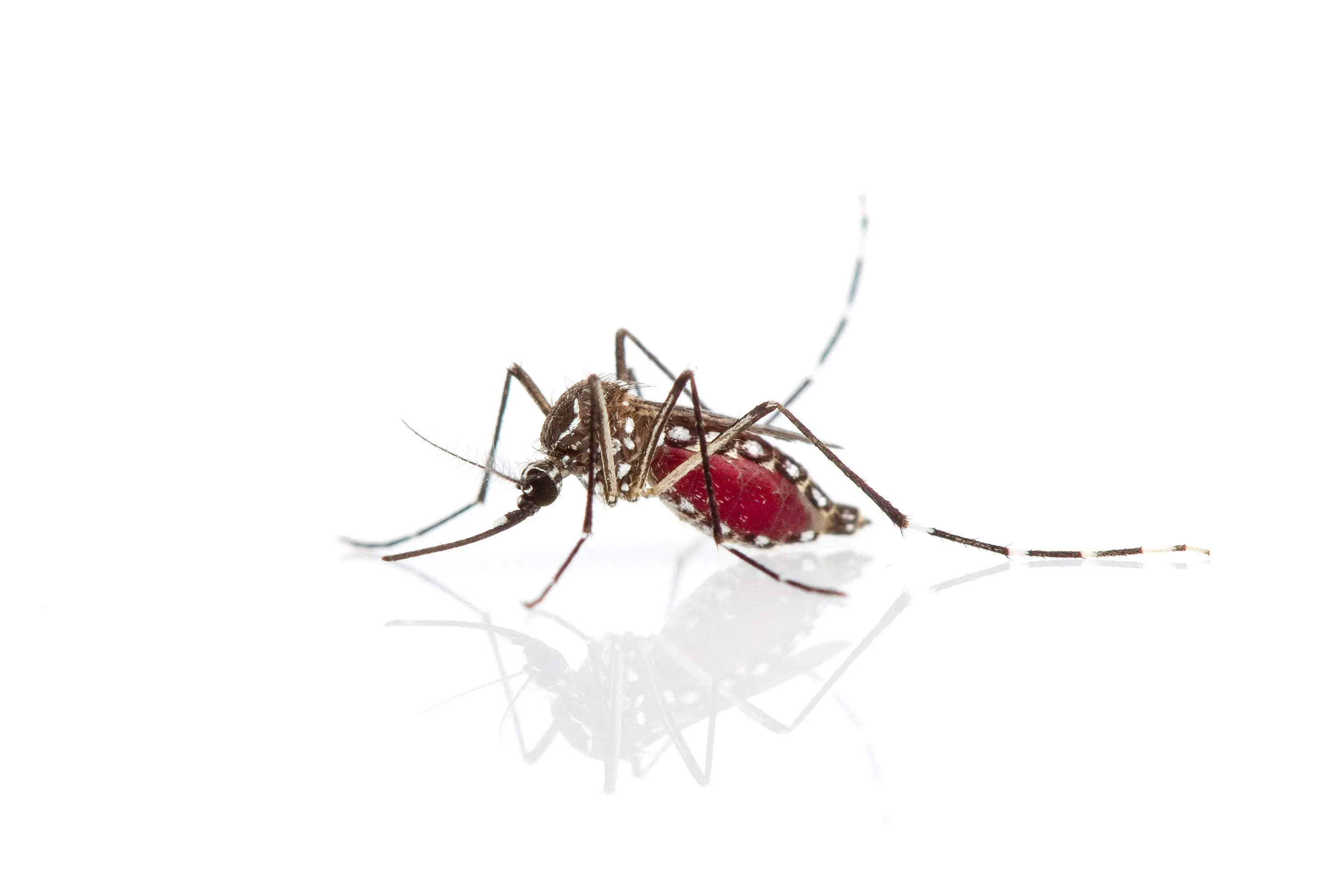
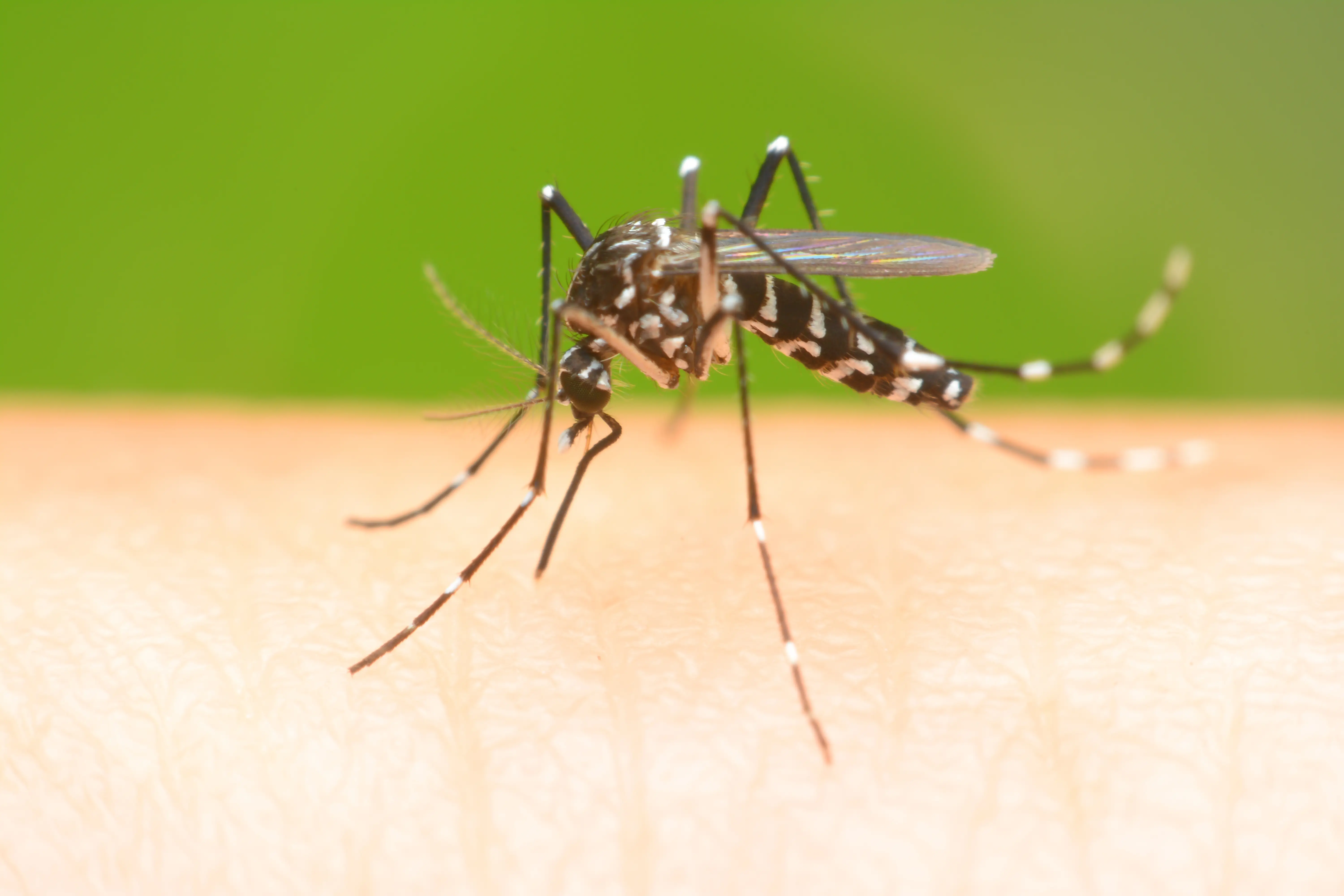
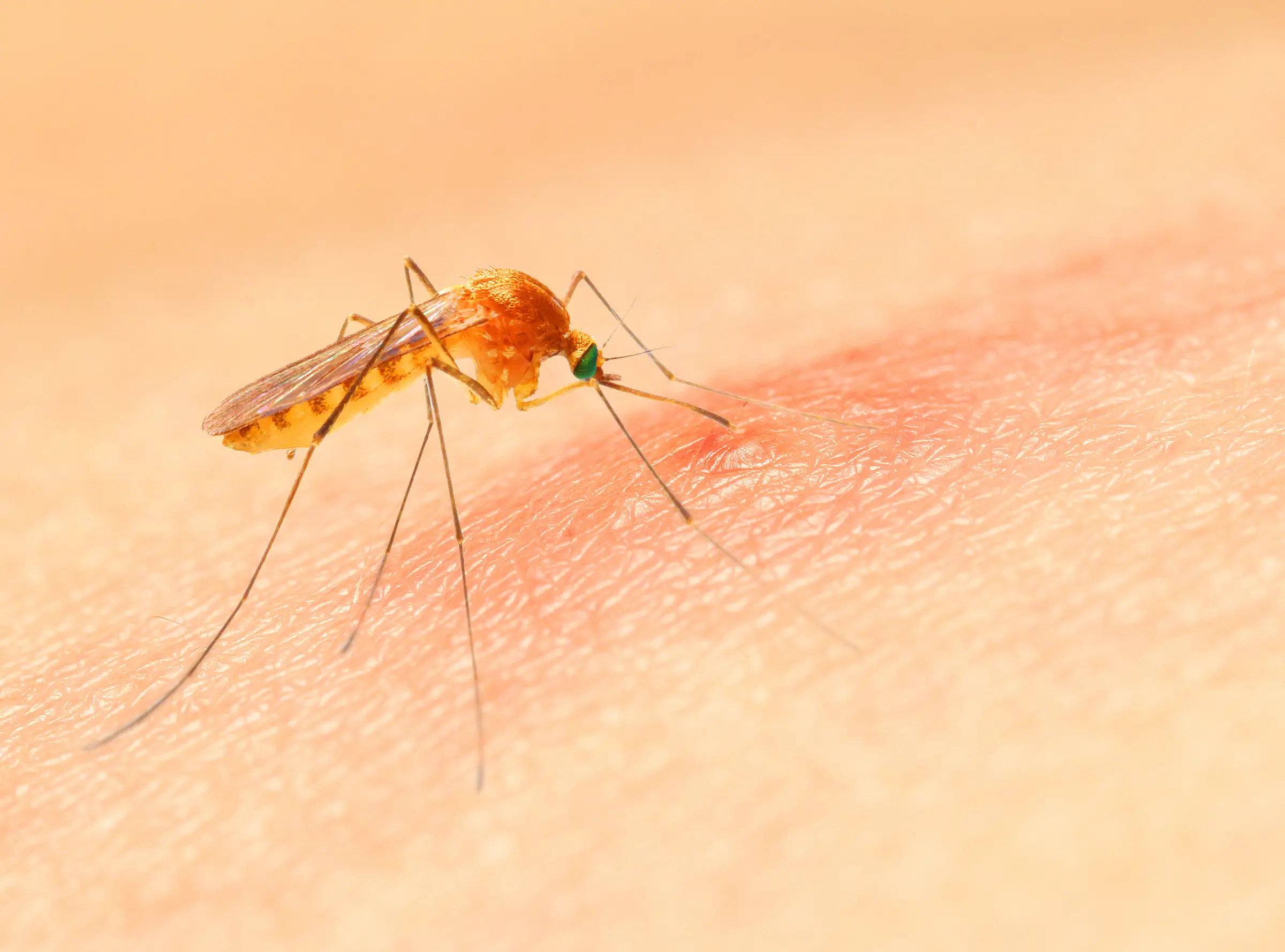
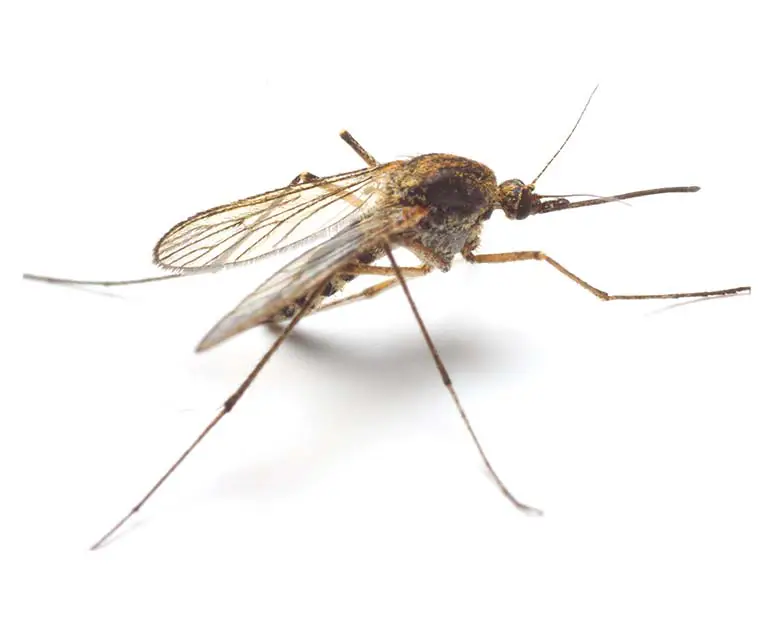
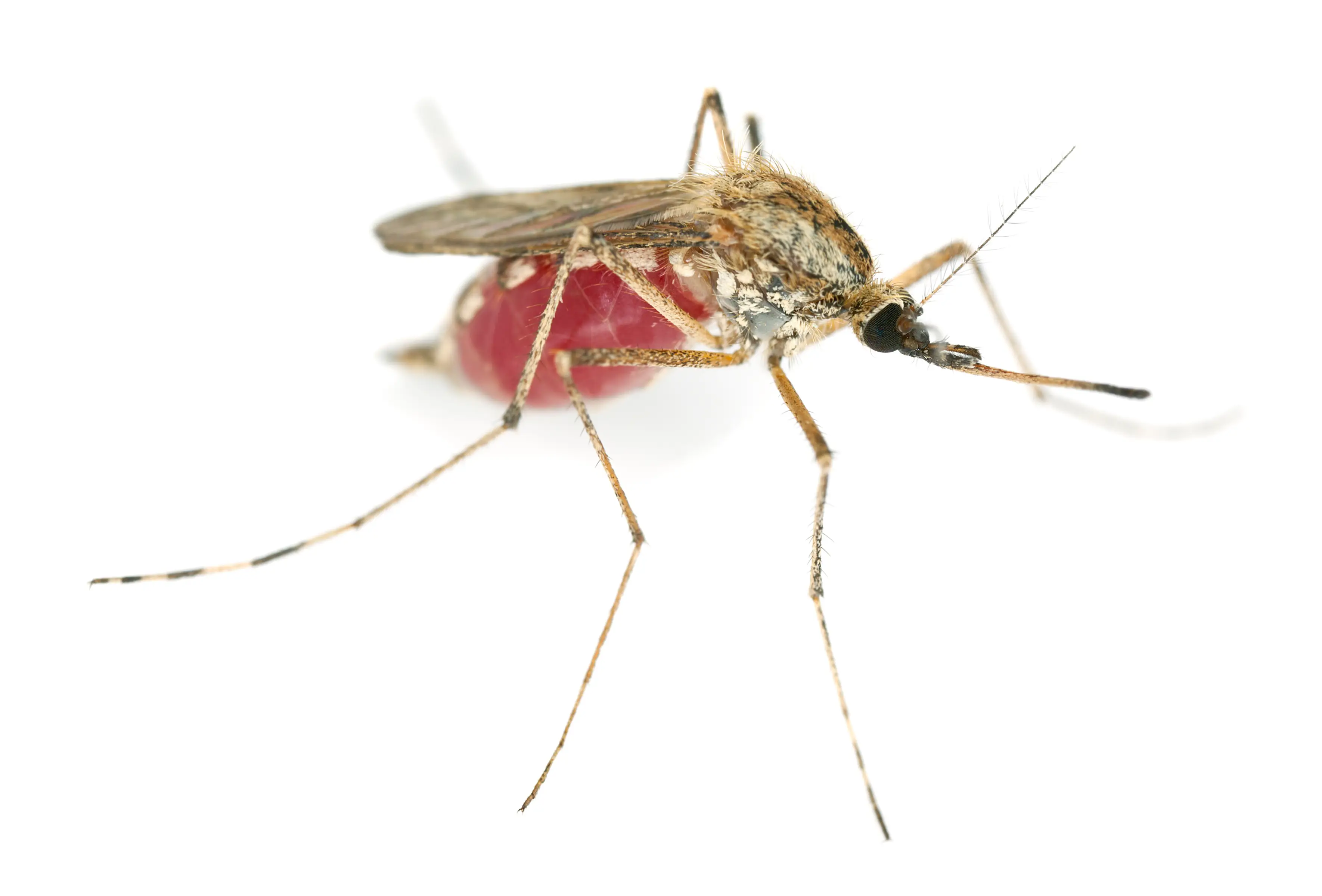
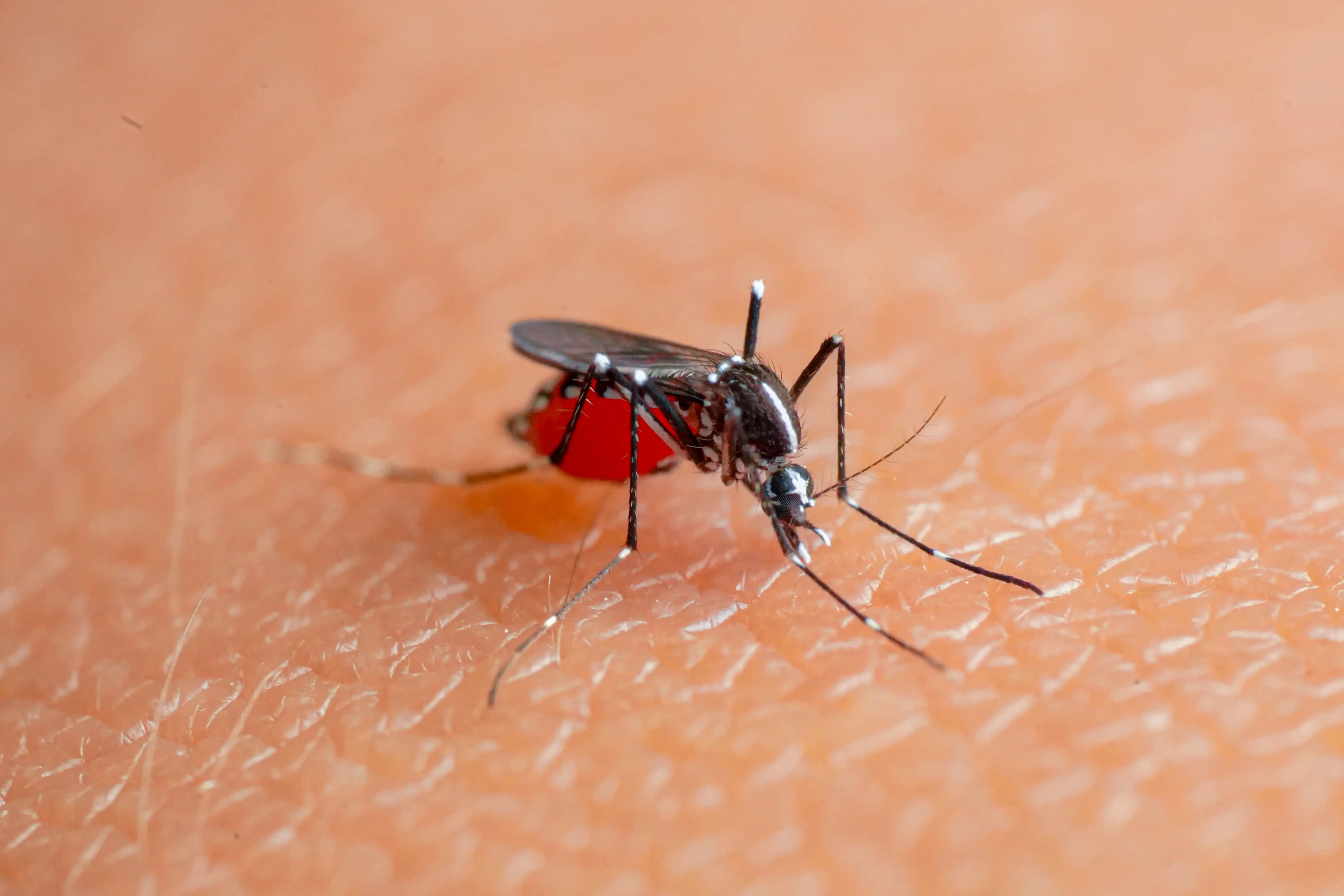
Mosquitoes: About 3/8 inch long with long legs and proboscis

Quick Facts

No See Um Lifespan
About 32 days
Mosquito Lifespan
About 49 days
Only Females Bite
For egg development

What is the Difference Between No See Ums, Gnats, and Mosquitoes?

Understanding the differences between these pests is crucial for effective management and personal protection:

No See Ums

Also called biting midges or sandflies

  • Extremely small (about 1/16 inch long)
  • Can pass through standard screens
  • Active during daytime and early evening
  • Humpbacked appearance, short mouthparts
  • Only females bite
  • Painful bites despite tiny size

Gnats

Various small flying insects

  • Tiny flies, gray to black in color
  • Found near damp soil, overripe fruit
  • Emerge in throngs during spring and summer
  • Form clouds of hundreds or thousands
  • Not all gnats bite
  • Term encompasses various species

Mosquitoes

Larger, more noticeable

  • About 3/8 inch in length
  • Long legs, wings, and proboscis
  • Most active at dawn and dusk
  • Only females feed on blood
  • Males feed on nectar
  • Easier to identify and prevent

Where Do You Find No See Ums and Mosquitoes?

Both insects thrive in areas with ample moisture and organic matter:

No See Um Habitats

  • Coastal areas and beaches
  • Wetlands and marshes
  • Areas with abundant vegetation
  • Damp soil near water bodies
  • Humid environments with standing or moving water

Mosquito Habitats

  • Stagnant or slow-moving water (ponds, puddles, birdbaths)
  • Wetlands and marshes
  • Urban and suburban areas with poor drainage
  • Containers holding water (flowerpots, tires, gutters)
  • Warm, humid climates worldwide

Peak Season: Both species experience population spikes during warmer months, particularly in mid-summer.

How to Tell No See Um, Gnat, and Mosquito Bites Apart

Distinguishing between these bites can be crucial for effective treatment:

No See Um Bites

  • Small, dark red clusters
  • More painful due to saw-like mouthparts
  • Symptoms can take hours or days to develop
  • May form welts up to 2 inches in diameter
  • Last longer, potentially up to two weeks
  • Commonly found on exposed areas including face

Gnat Bites

  • Small, bright red bumps
  • Generally darker and rougher in appearance
  • Tend to heal slower than other insect bites
  • Often clustered together

Mosquito Bites

  • Initially raised white welts, fade to pinkish-red
  • Generally lighter in color
  • Typically spaced out, not clustered
  • Reaction visible shortly after bite
  • Often found on arms, legs, exposed skin
  • Subside within a few days if unscratched

Tired of Getting Bitten?

Our experts can identify the biting insects on your property and implement effective control measures.

Call (866) 326-2847

Are No See Ums and Mosquitoes Dangerous?

Mosquitoes: Higher Risk

Mosquitoes pose a greater health risk due to their ability to transmit various diseases including malaria, dengue fever, West Nile virus, and Zika virus. They are a major public health concern worldwide.

No See Ums: Lower Risk

Generally considered less dangerous in terms of disease transmission, but their bites can cause severe discomfort. Reactions vary by individual, especially for those with allergies.

How Fast Do They Reproduce?

No See Ums25-100 eggs per clutch
Mosquitoes100-300 eggs per batch

How to Treat No See Um, Gnat, and Mosquito Bites

Treating bites from these insects involves similar approaches focused on reducing itching, inflammation, and preventing infection:

Clean the AreaSoap and warm water
Apply ColdIce or cold compress
OTC TreatmentsHydrocortisone, calamine
AntihistaminesReduce itching and swelling

Important: Resist the urge to scratch as this can lead to secondary infections. If you experience unusual swelling, fever, or signs of infection, seek medical attention.

How to Prevent Bug Bites

While insect repellents containing DEET (up to 20%) remain one of the most effective methods, there are several other strategies:

Clothing Protection

Wear long-sleeved shirts and pants in light colors. Treat clothing with permethrin for additional protection.

Timing

Avoid peak activity times for biting insects, typically dawn and dusk when mosquitoes are most active.

Home Environment

Install or repair screens on windows and doors. Eliminate standing water sources. Keep lawn trimmed.

Professional Help

If DIY measures prove insufficient, consider professional pest control services for targeted strategies.

Contact EcoGuard Pest Management

EcoGuard Pest Management offers expert solutions tailored to your specific needs. Our team can provide a comprehensive assessment, identify root causes, and implement effective, environmentally responsible treatments.

Call (866) 326-2847Get Free Quote

No See Um vs Mosquito Bite FAQs

Are no see ums and mosquitoes the same thing?

While both are biting insects, no see ums and mosquitoes are distinct species with different characteristics. No see ums, also known as biting midges or sand flies, are much smaller than mosquitoes and belong to a different insect family. While both pests feed on blood and can cause irritating bites, they have distinct physical characteristics, breeding habits, and preferred habitats.

Why do no see um bites itch so badly?

No see um bites itch intensely due to the unique way these insects feed. Unlike mosquitoes, no see ums use their sharp mouthparts to slice into the skin and inject saliva containing powerful enzymes that break down blood cells. This process, combined with the body's strong immune response to the foreign proteins in their saliva, results in a more severe and longer-lasting itch compared to many other insect bites.

Can gnat bites look like mosquito bites?

Gnat bites can indeed look similar to mosquito bites, which often leads to confusion in identifying the culprit. Both typically appear as small, red, itchy bumps on the skin. Gnat bites, however, are typically smaller in size and may appear darker or have a rougher texture compared to mosquito bites. They also tend to occur in clusters or close together, whereas mosquito bites are often more spread out.

What do no see ums do when they bite you?

When no see ums bite, they use their sharp, saw-like mouthparts to slice into the skin, creating a tiny wound. They then inject their saliva, which contains anticoagulants and enzymes that break down blood cells so they can feed more easily. This process not only causes immediate pain but also triggers a strong immune response in the body, resulting in the characteristic intense itching and potential swelling that can last for days after the initial bite.

From Our Blog

Related Articles

Am I Allergic to Mosquito Bites? Skeeter Syndrome Guide

Am I Allergic to Mosquito Bites? Skeeter Syndrome Guide

Learn about mosquito bite allergies and skeeter syndrome. Understand symptoms, causes, treatments, and when to seek...

Read Article
Can Mosquitoes Bite Through Clothes? Protection Guide

Can Mosquitoes Bite Through Clothes? Protection Guide

Learn if mosquitoes can bite through clothing, what fabrics offer best protection, and how to prevent bites with the...

Read Article
Different Types of Mosquito Species in the US

Different Types of Mosquito Species in the US

Learn about the most common mosquito species in the United States, including Aedes, Culex, and Anopheles. Understand...

Read Article
How Long Do Mosquitoes Live? Life Cycle & Lifespan Guide

How Long Do Mosquitoes Live? Life Cycle & Lifespan Guide

Learn how long mosquitoes live, their life cycle stages, and factors affecting lifespan. Discover the differences...

Read Article
How to Get Rid of Mosquitoes: Indoor & Outdoor Control

How to Get Rid of Mosquitoes: Indoor & Outdoor Control

Learn how to get rid of mosquitoes inside and outside your home. Discover treatment methods, natural deterrents, and...

Read Article
Mosquito Diseases: Complete List & Prevention Guide

Mosquito Diseases: Complete List & Prevention Guide

Learn about diseases mosquitoes carry including malaria, West Nile, Zika, dengue fever. Discover who is at risk and how...

Read Article
What Are Mosquitoes? Anatomy, Life Cycle & Facts

What Are Mosquitoes? Anatomy, Life Cycle & Facts

Learn about mosquitoes including anatomy, life cycle, what attracts them, diseases they carry, and how to get rid of...

Read Article
What Attracts Mosquitoes to Humans & Your Home

What Attracts Mosquitoes to Humans & Your Home

Learn what attracts mosquitoes to certain people including CO2, sweat, blood type, and body heat. Discover why...

Read Article
What Blood Type Do Mosquitoes Like Best?

What Blood Type Do Mosquitoes Like Best?

Learn which blood type mosquitoes prefer. Studies show Type O blood is twice as attractive to mosquitoes as Type A....

Read Article
What Does Mosquito Larvae Look Like? Identification Guide

What Does Mosquito Larvae Look Like? Identification Guide

Learn to identify mosquito larvae (wrigglers) in standing water. Understand their appearance, behavior, life cycle, and...

Read Article
When Do Mosquitoes Come Out? Season, Time of Day & Activity

When Do Mosquitoes Come Out? Season, Time of Day & Activity

Learn when mosquitoes are most active including time of day, mosquito season by region, and temperature thresholds....

Read Article