EcoGuard Pest Management
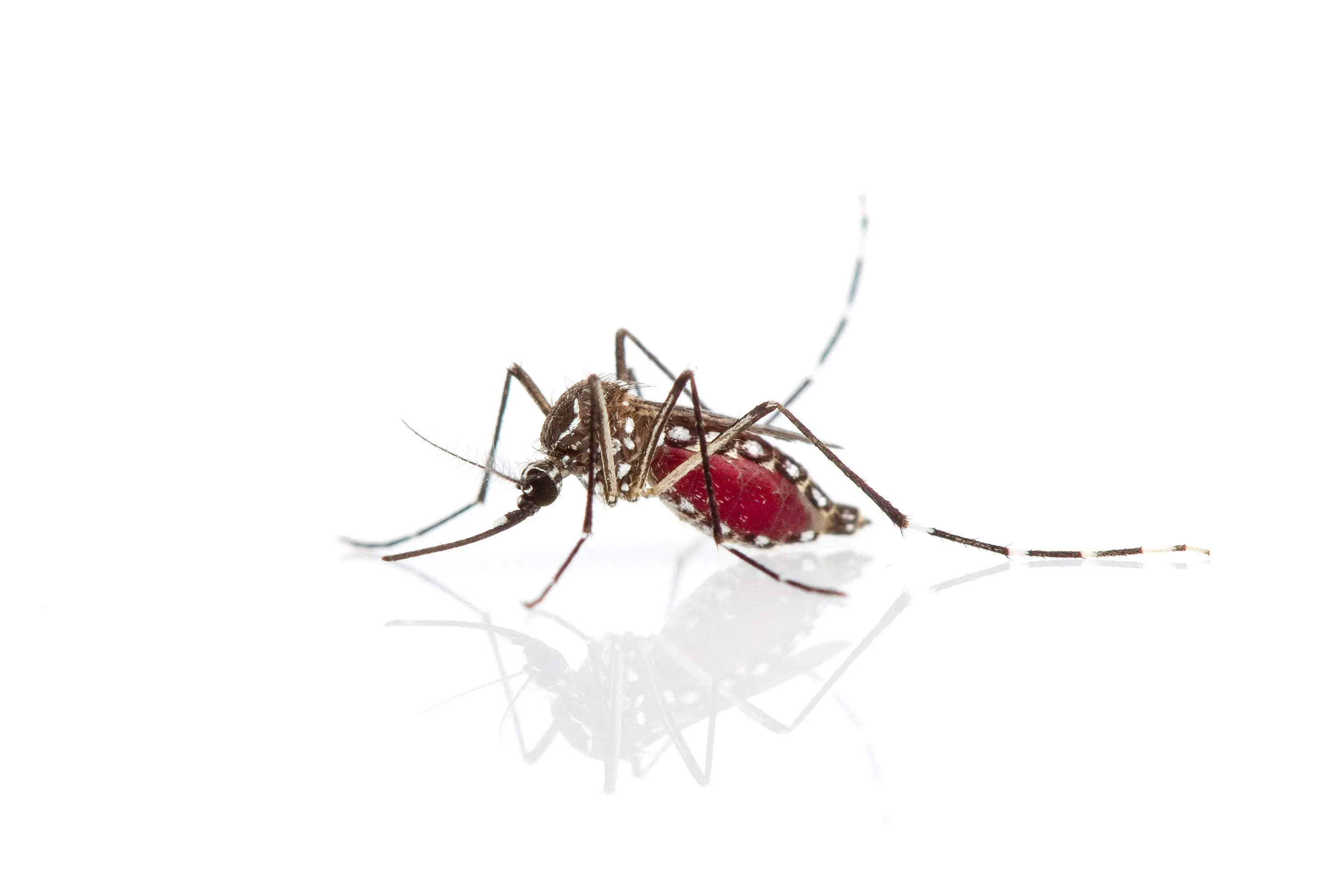
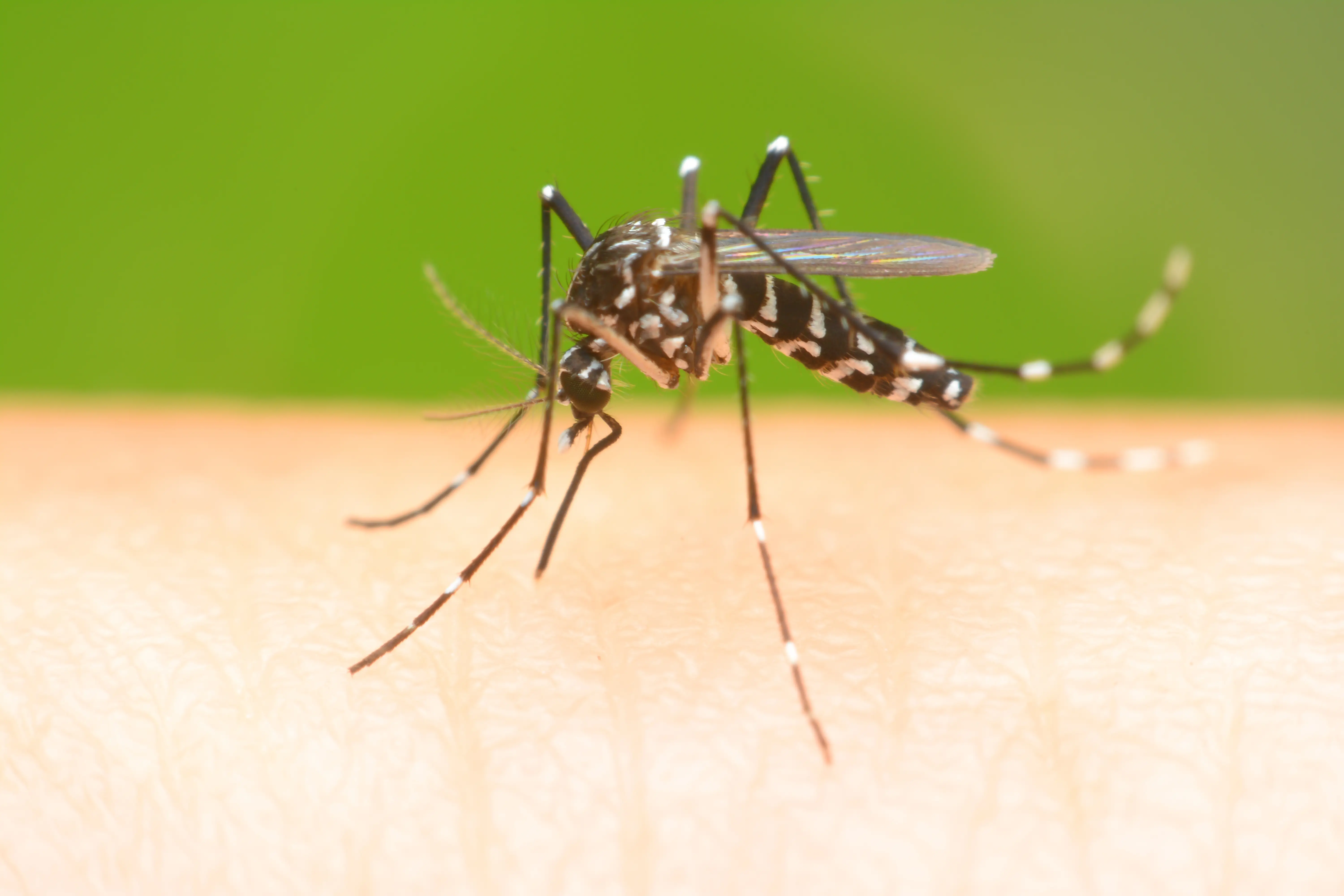
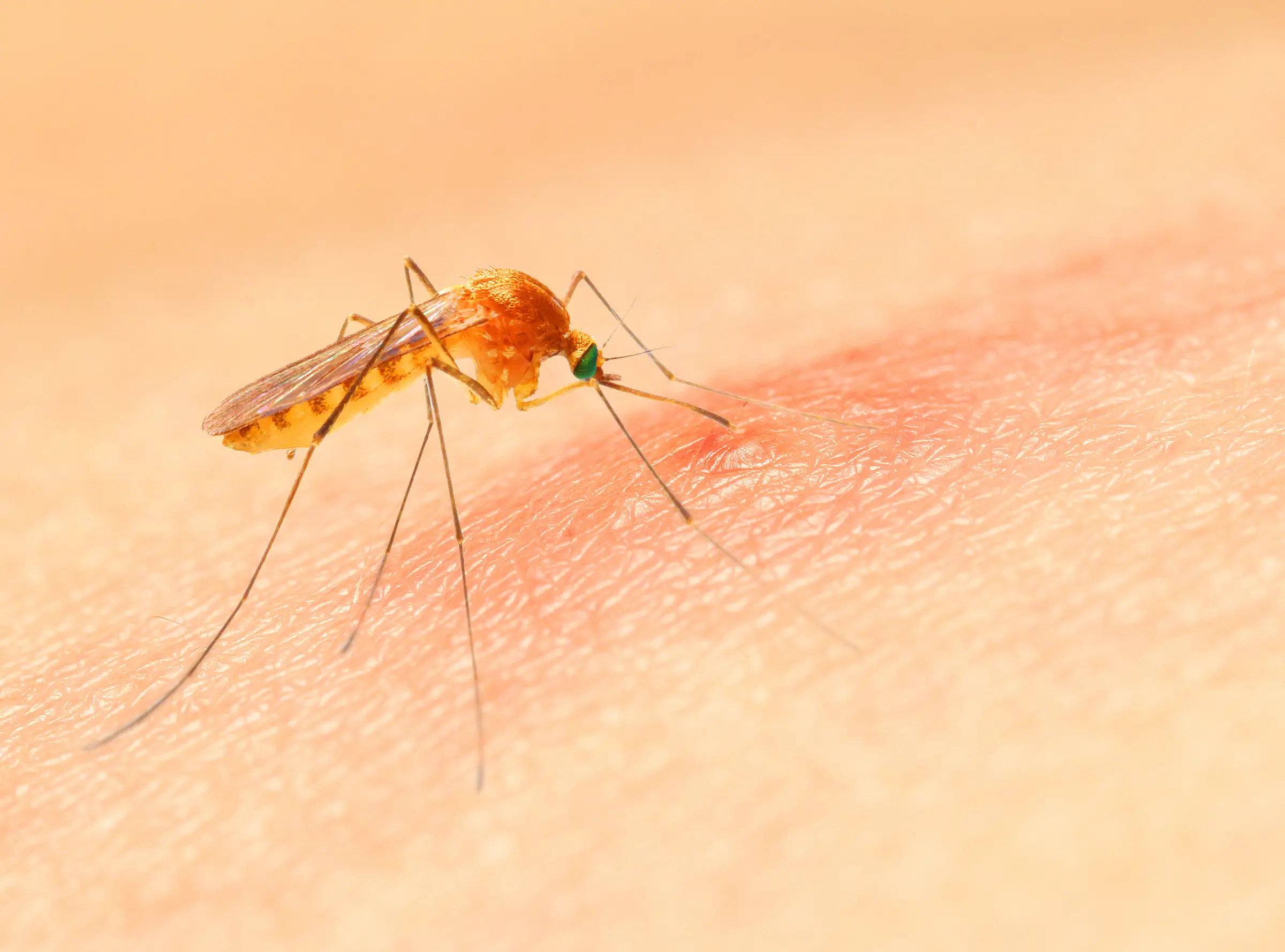
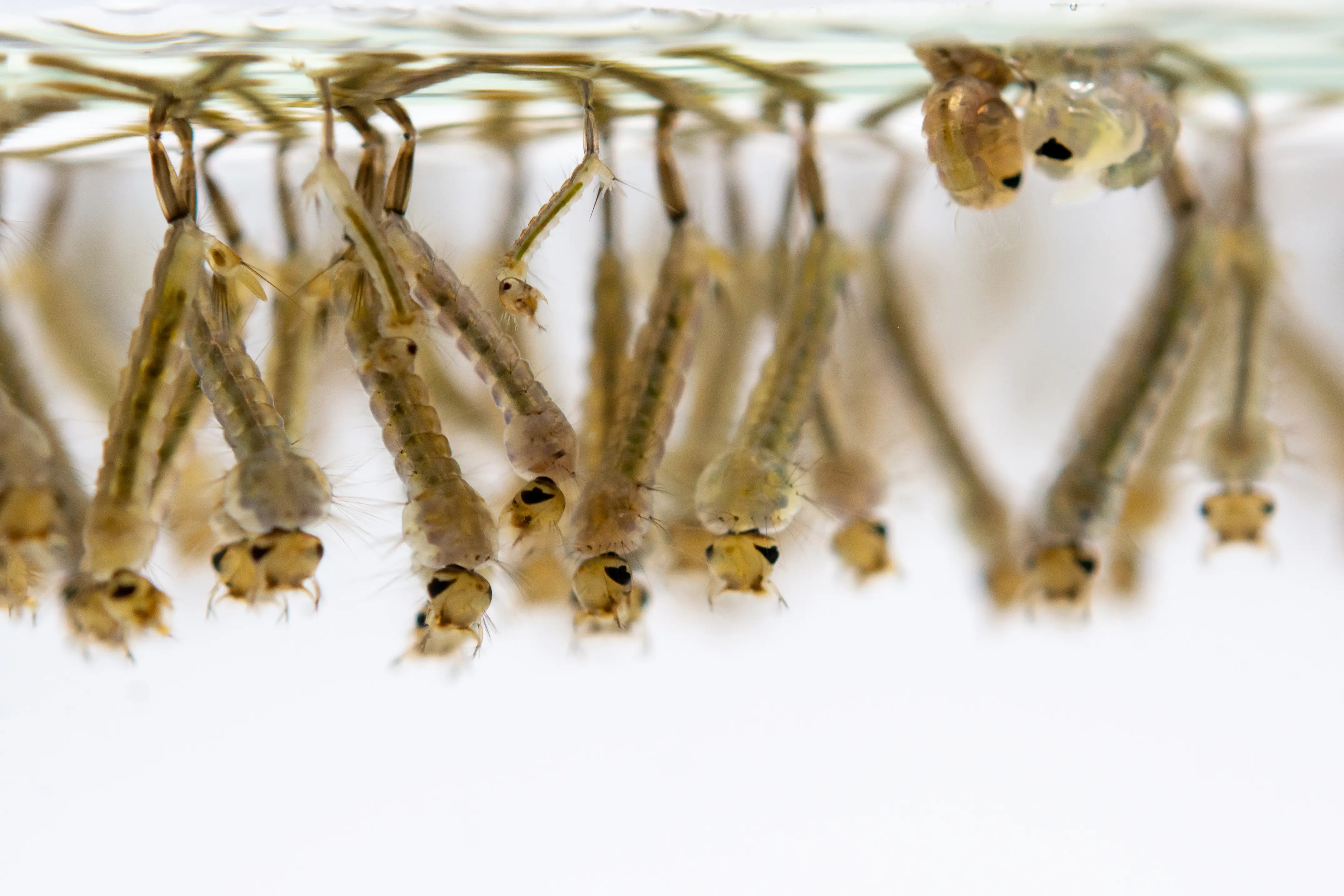
Close-up of mosquito showing distinctive markings
By Gary Anderson||7 min read

Different Types of Mosquito Species in the US

Understanding the mosquitoes in your area and which ones pose health risks.

The United States harbors a diverse array of mosquito species, with approximately 200 types calling the US home out of the 3,000 species found worldwide. While many primarily feed on plant nectar and sap, a significant number have adapted to target large mammals including humans.

Among this vast mosquito population, three genera stand out as particularly prevalent and concerning: Aedes, Anopheles, and Culex. Of the 200 species present in the U.S., 12 are known to be capable of transmitting pathogens that can cause illness in humans.

Disease-Carrying Genera

The most concerning mosquito genera for disease transmission in the U.S. are Aedes (dengue, Zika, chikungunya), Culex (West Nile virus, encephalitis), and Anopheles (malaria, though rare in the U.S. since the 1950s).

Quick Facts

US Species
About 200 types
Disease Carriers
12 species transmit pathogens
Only Females Bite
For egg development

Culex Mosquitoes (House Mosquitoes)

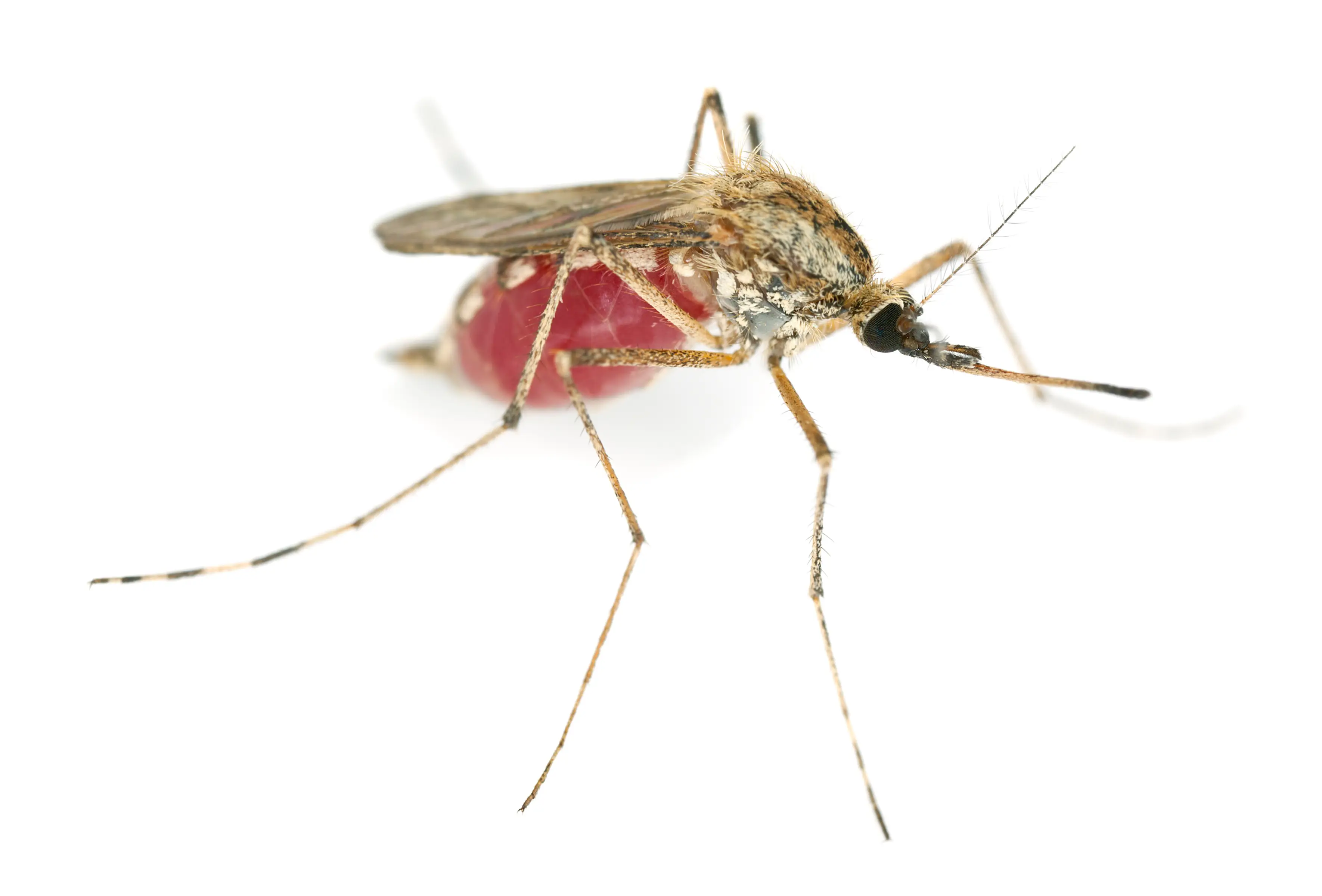
Culex mosquitoes, often referred to as "house mosquitoes" or "common mosquitoes," are widespread throughout the United States. These brownish insects prefer laying eggs in polluted stagnant water sources and are primarily nocturnal feeders with peak activity at dawn and dusk.

Southern House Mosquito

Culex quinquefasciatus

Prevalent in tropical and subtropical regions in the southern United States. Breeds in manmade water sources and sewage systems. Transmits West Nile virus and St. Louis encephalitis.

Northern House Mosquito

Culex pipiens

Found in northern regions of America and southern Canada. Thrives in urban, suburban, and rural areas. Known vectors for West Nile Virus and Western Equine Encephalitis.

Western Encephalitis Mosquito

Culex tarsalis

Primarily found in Midwest and Western states. Known for its painful bite. Transmits West Nile virus, Western equine encephalitis, and St. Louis encephalitis.

Anopheles Mosquitoes (Malaria Mosquitoes)

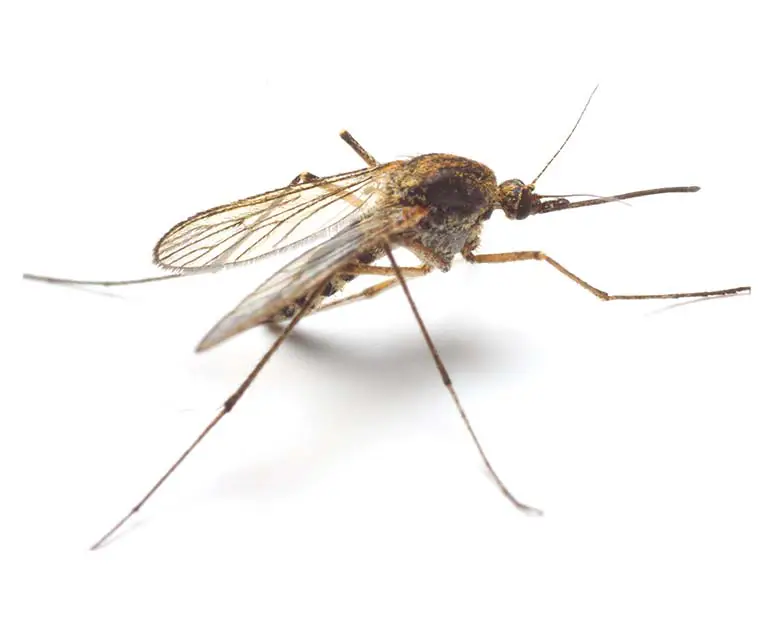
Anopheles mosquitoes, often called "marsh mosquitoes" or "malaria mosquitoes," are of significant public health concern. These dark brown mosquitoes point their abdomens upward at an angle when resting, which distinguishes them from other species. They are primarily nocturnal feeders found throughout the eastern states, Gulf coast, Midwest, and as far west as California.

Common Malaria Mosquito

Anopheles quadrimaculatus

Known for transmitting malaria (rare in U.S. since the 1950s) and heartworms in dogs. Breeds in clean freshwater streams, ponds, and lakes with aquatic vegetation.

Breeding Characteristics

Lay between 50-200 eggs with built-in floatation devices on the surface of natural, freshwater sources. Eggs typically hatch in 2-3 days, which can result in populations exploding rapidly.

Aedes Mosquitoes

Aedes mosquitoes are among the most notorious species in the United States, known for their aggressive biting behavior and ability to transmit various diseases. Unlike many other types, Aedes are active during daylight hours with peak activity in early morning and late afternoon. These small, dark mosquitoes are identifiable by their distinctive white markings on legs and body.

Yellow Fever Mosquito

Aedes aegypti

Spreads several viral diseases. Well-adapted to urban environments, breeding in small water-holding containers. Found in the Southeast, Southwest, Mid-Atlantic, and California.

Asian Tiger Mosquito

Aedes albopictus

Spreads dengue, chikungunya, and dirofilariasis. Can survive in cooler climates. Breeds in shaded containers with standing water. Found throughout most of the U.S.

Eastern Saltmarsh Mosquito

Aedes sollicitans

Aggressive biter but not known for spreading diseases to humans. Can travel up to 40 miles from breeding sites. Found along the east coast and Gulf States.

Concerned About Mosquitoes on Your Property?

Our experts can identify the species present and implement targeted control measures to protect your family.

Call (866) 326-2847

Mosquito-Borne Illnesses in the US

Mosquito-borne diseases pose a significant public health concern in the United States. West Nile virus stands out as the most common, with cases reported across numerous states each year. Other diseases have established footholds in various regions:

West Nile virus
Eastern equine encephalitis
St. Louis encephalitis
La Crosse encephalitis
Jamestown Canyon virus
Cache Valley virus

Tropical Diseases: Dengue, chikungunya, and Zika have caused outbreaks in U.S. states and territories with tropical climates including the Gulf States, Puerto Rico, Hawaii, the U.S. Virgin Islands, and American Samoa.

Other Common Mosquito Species

Beyond the main disease-carrying genera, the United States is home to a diverse array of other mosquito species. While many are not of major medical importance, understanding them provides a fuller picture of mosquito biodiversity:

Toxorhynchites

Do not bite humans. Females do not require blood meals. Larvae are predaceous, eating other mosquito larvae. Potential biological control agents.

Psorophora

Among the largest mosquitoes in Florida. Aggressive biters targeting large mammals. Breed in temporary floodwater environments. Active early evening and in shaded areas.

Coquillettidia

Aggressive, targets large mammals. Prevalent in Florida spring and fall. Potential bridge vector for Eastern Equine Encephalitis. Larvae attach to aquatic plant roots.

Mansonia

Aggressive toward larger mammals. Peak activity at sunset. Larvae attach to aquatic plant roots for oxygen. Larger than most species with sparkling wings.

Culiseta

Adapted to colder climates. Not of major medical importance. Primarily feed on mammals and birds, less on humans. Found in wooded swamps.

Wyeomyia

Breed exclusively in pitcher plants or bromeliads. The only species where some females bite while others do not. Not aggressive toward humans.

Uranotaenia

Target reptiles and amphibians, not humans. Not known disease vectors for people. Found in ground pools, swamps, and lake edges.

Deinocerites (Crab Hole Mosquito)

Develop in land crab burrows. Limited to coastal areas. Rarely pose a nuisance to humans. Not implicated in disease transmission.

How to Protect Against Mosquitoes

Effective mosquito control involves a combination of individual protective measures and environmental interventions. Using mosquito repellents is the most effective way to deter mosquitoes:

Creams
Long-lasting protection
Sprays
Quick application
Lotions
Moisturizing benefits
Wristbands
Good for children
Patches
Convenient for travel

Additional Prevention Tips

  • Eliminate standing water around your home to reduce breeding sites
  • Maintain proper landscape drainage
  • Wear long-sleeved clothing during peak activity hours
  • Use mosquito nets when sleeping outdoors or in unscreened areas
  • Install or repair window and door screens

Contact EcoGuard if You Are Dealing with Mosquitoes

If you find yourself battling persistent mosquito problems on your property, it is time to consider professional help. EcoGuard Pest Management offers expert solutions tailored to address the specific mosquito species and challenges in your area. Our team can conduct a thorough assessment, identify potential breeding sites, and recommend targeted control measures using environmentally conscious methods.

Call (866) 326-2847Get Free Quote

Mosquito Species FAQs

What is the most aggressive mosquito?

Among mosquito species, the Asian tiger mosquito is known for its unique biting behavior that targets the ankles and lower extremities. This mosquito is known for its persistent biting behavior. They actively seek out humans for blood meals during daylight hours, unlike many other species that are primarily active at dawn or dusk.

How do I identify different types of mosquitoes?

Identifying different types of mosquitoes typically involves observing their physical characteristics, behavior, and habitat preferences. Key features to look for include the mosquito's size, color patterns, wing shape, and resting posture. For example, Anopheles mosquitoes rest with their abdomens pointed upward, while Culex mosquitoes rest parallel to the surface. Additionally, noting the time of day when the mosquitoes are most active and the types of water sources where they breed can provide valuable clues for identification.

What type of mosquito kills the most humans?

The Anopheles mosquito is responsible for the highest number of human deaths worldwide due to its role as the primary vector of malaria. Specifically, the Anopheles gambiae complex, which includes several closely related species, is considered the most efficient malaria vector and is prevalent in Africa where the majority of malaria deaths occur. While other mosquito species can transmit deadly diseases, the global impact of malaria transmitted by Anopheles mosquitoes far surpasses other mosquito-borne illnesses in terms of human mortality.

What kind of mosquitoes bite you?

In the United States, human-biting mosquitoes primarily belong to three genera: Aedes, Culex, and Anopheles. Aedes mosquitoes, including the aggressive Asian tiger mosquito (Aedes albopictus) and the yellow fever mosquito (Aedes aegypti), are particularly notorious for their daytime biting habits and preference for human blood. Blood feeding in mosquitoes is sex-specific, with only females engaging in this behavior to support egg development.

From Our Blog

Related Articles

Am I Allergic to Mosquito Bites? Skeeter Syndrome Guide

Am I Allergic to Mosquito Bites? Skeeter Syndrome Guide

Learn about mosquito bite allergies and skeeter syndrome. Understand symptoms, causes, treatments, and when to seek...

Read Article
Can Mosquitoes Bite Through Clothes? Protection Guide

Can Mosquitoes Bite Through Clothes? Protection Guide

Learn if mosquitoes can bite through clothing, what fabrics offer best protection, and how to prevent bites with the...

Read Article
How Long Do Mosquitoes Live? Life Cycle & Lifespan Guide

How Long Do Mosquitoes Live? Life Cycle & Lifespan Guide

Learn how long mosquitoes live, their life cycle stages, and factors affecting lifespan. Discover the differences...

Read Article
How to Get Rid of Mosquitoes: Indoor & Outdoor Control

How to Get Rid of Mosquitoes: Indoor & Outdoor Control

Learn how to get rid of mosquitoes inside and outside your home. Discover treatment methods, natural deterrents, and...

Read Article
Mosquito Diseases: Complete List & Prevention Guide

Mosquito Diseases: Complete List & Prevention Guide

Learn about diseases mosquitoes carry including malaria, West Nile, Zika, dengue fever. Discover who is at risk and how...

Read Article
No See Um Bites Vs Mosquito Bites: How to Tell the Difference

No See Um Bites Vs Mosquito Bites: How to Tell the Difference

Learn how to identify no see um bites vs mosquito bites. Compare symptoms, treatment options, and prevention strategies...

Read Article
What Are Mosquitoes? Anatomy, Life Cycle & Facts

What Are Mosquitoes? Anatomy, Life Cycle & Facts

Learn about mosquitoes including anatomy, life cycle, what attracts them, diseases they carry, and how to get rid of...

Read Article
What Attracts Mosquitoes to Humans & Your Home

What Attracts Mosquitoes to Humans & Your Home

Learn what attracts mosquitoes to certain people including CO2, sweat, blood type, and body heat. Discover why...

Read Article
What Blood Type Do Mosquitoes Like Best?

What Blood Type Do Mosquitoes Like Best?

Learn which blood type mosquitoes prefer. Studies show Type O blood is twice as attractive to mosquitoes as Type A....

Read Article
What Does Mosquito Larvae Look Like? Identification Guide

What Does Mosquito Larvae Look Like? Identification Guide

Learn to identify mosquito larvae (wrigglers) in standing water. Understand their appearance, behavior, life cycle, and...

Read Article
When Do Mosquitoes Come Out? Season, Time of Day & Activity

When Do Mosquitoes Come Out? Season, Time of Day & Activity

Learn when mosquitoes are most active including time of day, mosquito season by region, and temperature thresholds....

Read Article