EcoGuard Pest Management
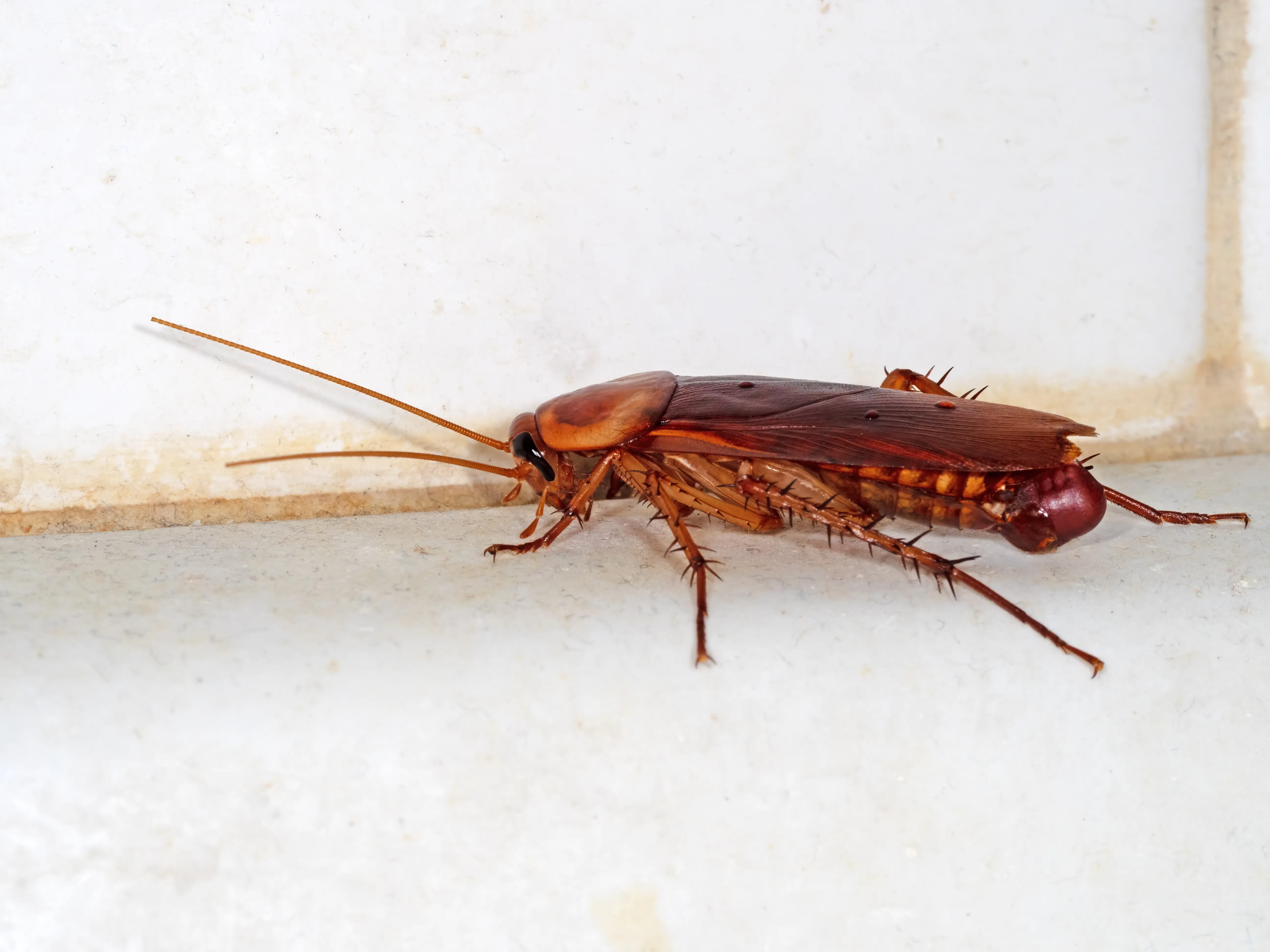
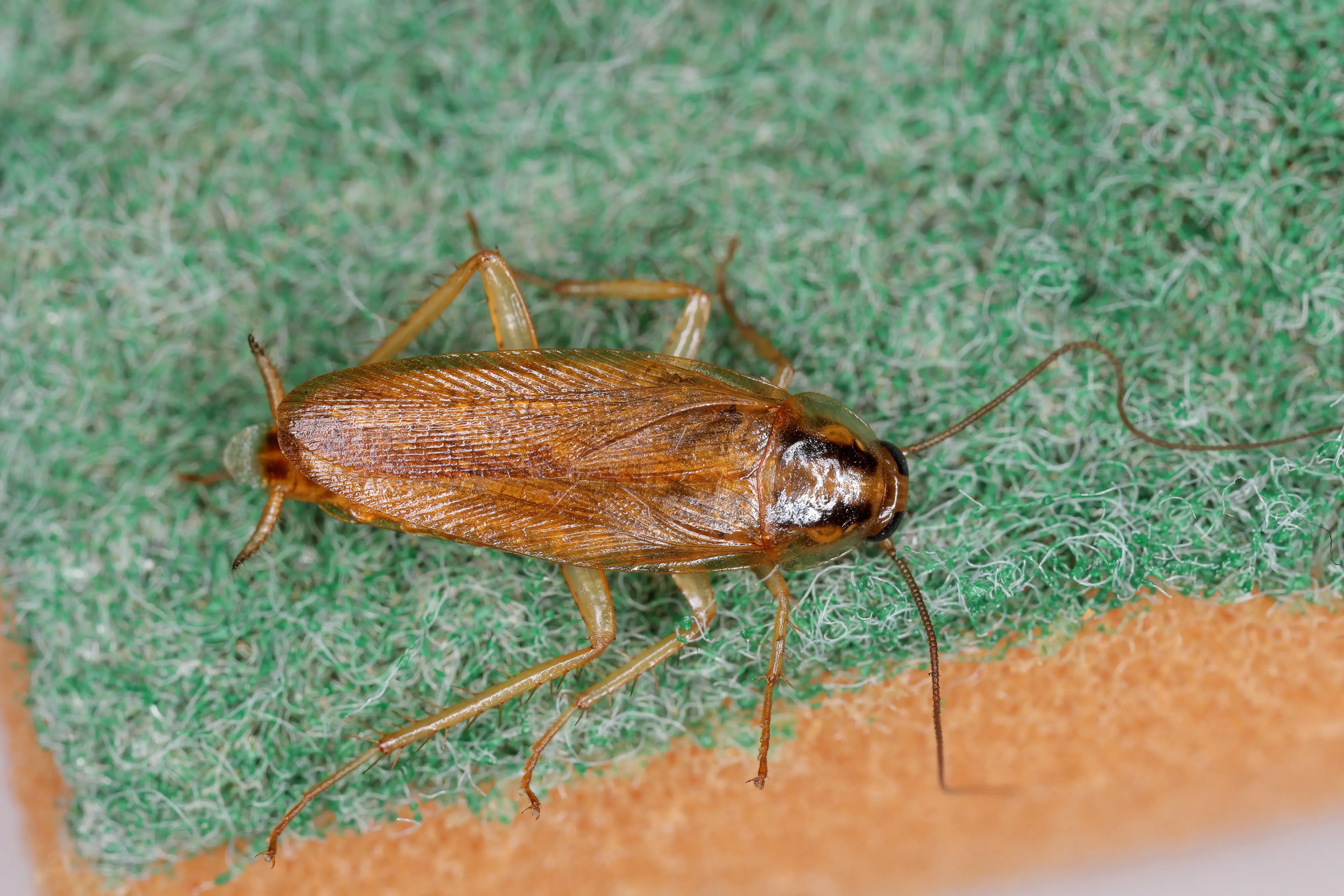
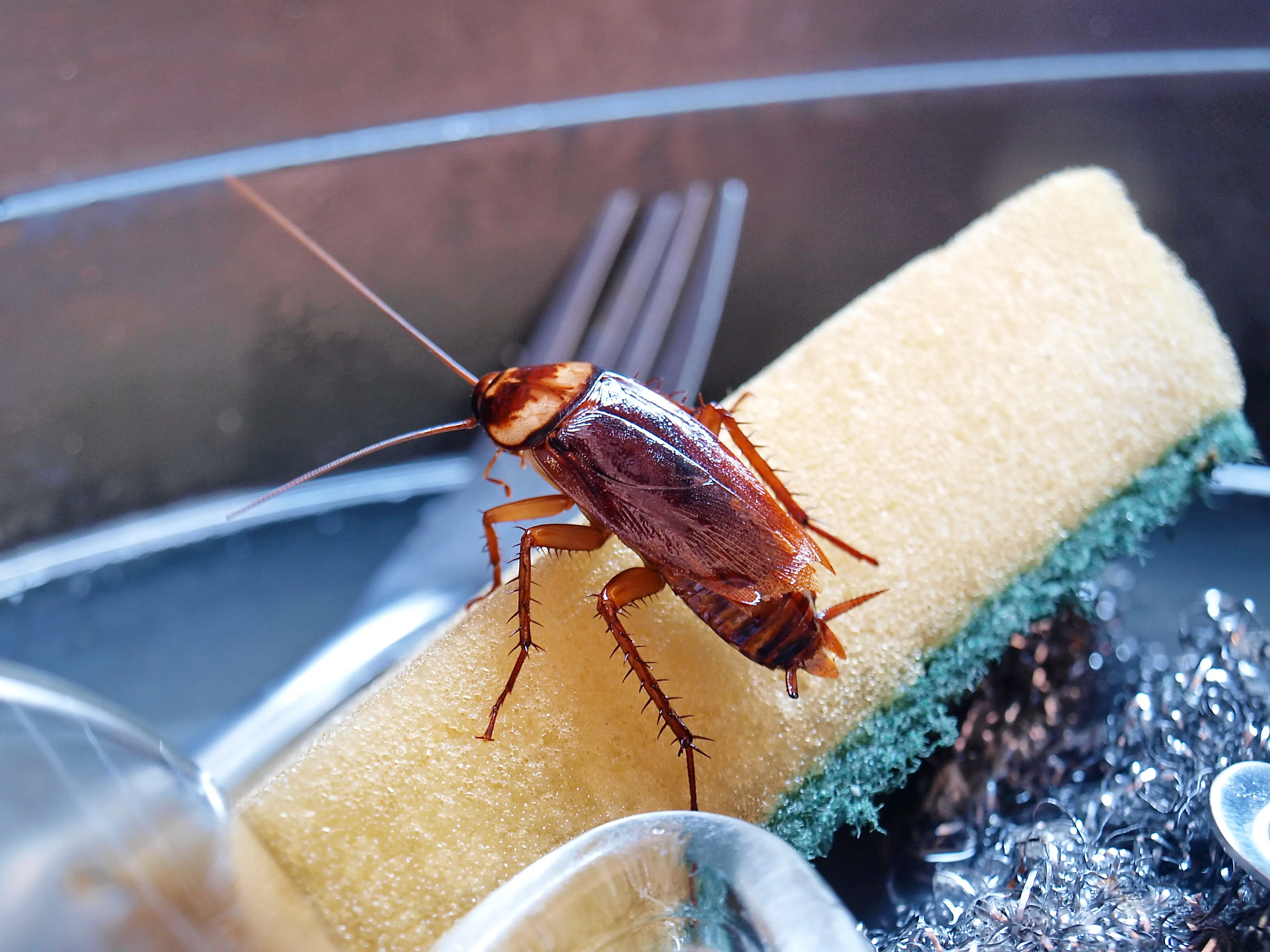
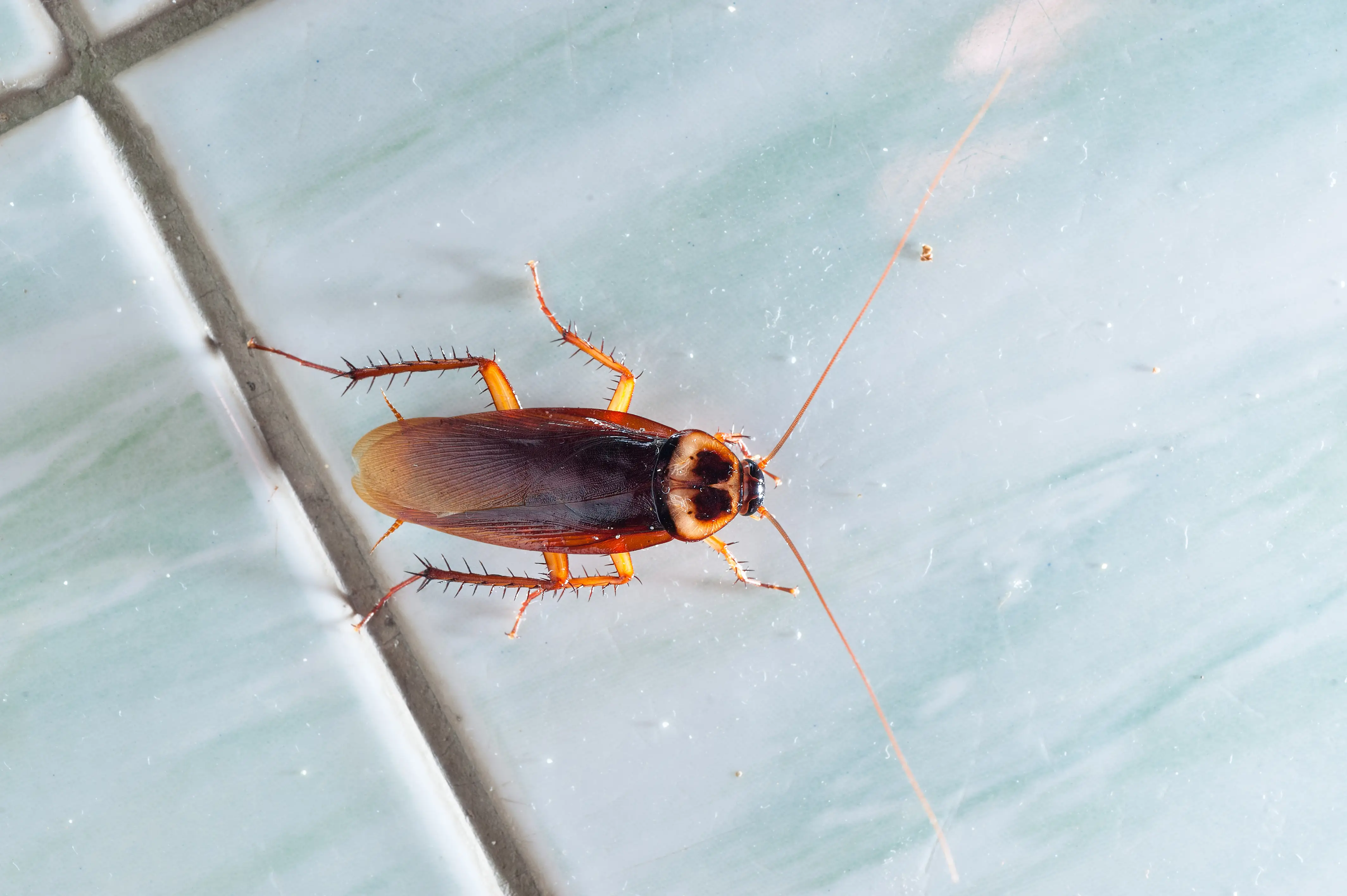
Oriental cockroach on a damp surface
By Gary Anderson||9 min read

Oriental Cockroach Facts and Information

Also called water bugs or black cockroaches, oriental cockroaches thrive in damp, dark spaces and pose real health risks. Here is everything you need to know.

Oriental cockroaches (Blatta orientalis) are a formidable household pest that has made its presence felt across various regions of the United States. Despite their name suggesting an Eastern origin, these resilient insects are believed to have originated from Africa or southern Russia. Commonly referred to as "water bugs" or "black cockroaches" due to their dark, smooth bodies and affinity for damp environments, oriental cockroaches have become a significant concern for homeowners and pest control professionals.

Their ability to thrive in diverse conditions, coupled with their tendency to inhabit moist areas such as basements, drains, and sewers, makes them a persistent problem. These pests are not merely a nuisance. Their habit of traversing unsanitary spaces and carrying pathogens poses genuine health risks to humans. Understanding the behavior, habitat preferences, and potential dangers associated with oriental cockroaches is crucial for effective prevention and control.

Quick Identification

Size: 18 to 32 mm (0.71 to 1.26 inches) depending on sex
Color: Dark brown to nearly black with a glossy, smooth body
Also Called: Water bug, black cockroach, black beetle cockroach
Wings: Males have short wings covering about 75% of body; females are nearly wingless. Neither can fly.

Key Facts

Scientific Name
Blatta orientalis
Peak Season
Late spring through early summer
Eggs Per Case
16 to 18 eggs per ootheca
Can They Fly?
No. Wings are non-functional in both sexes.
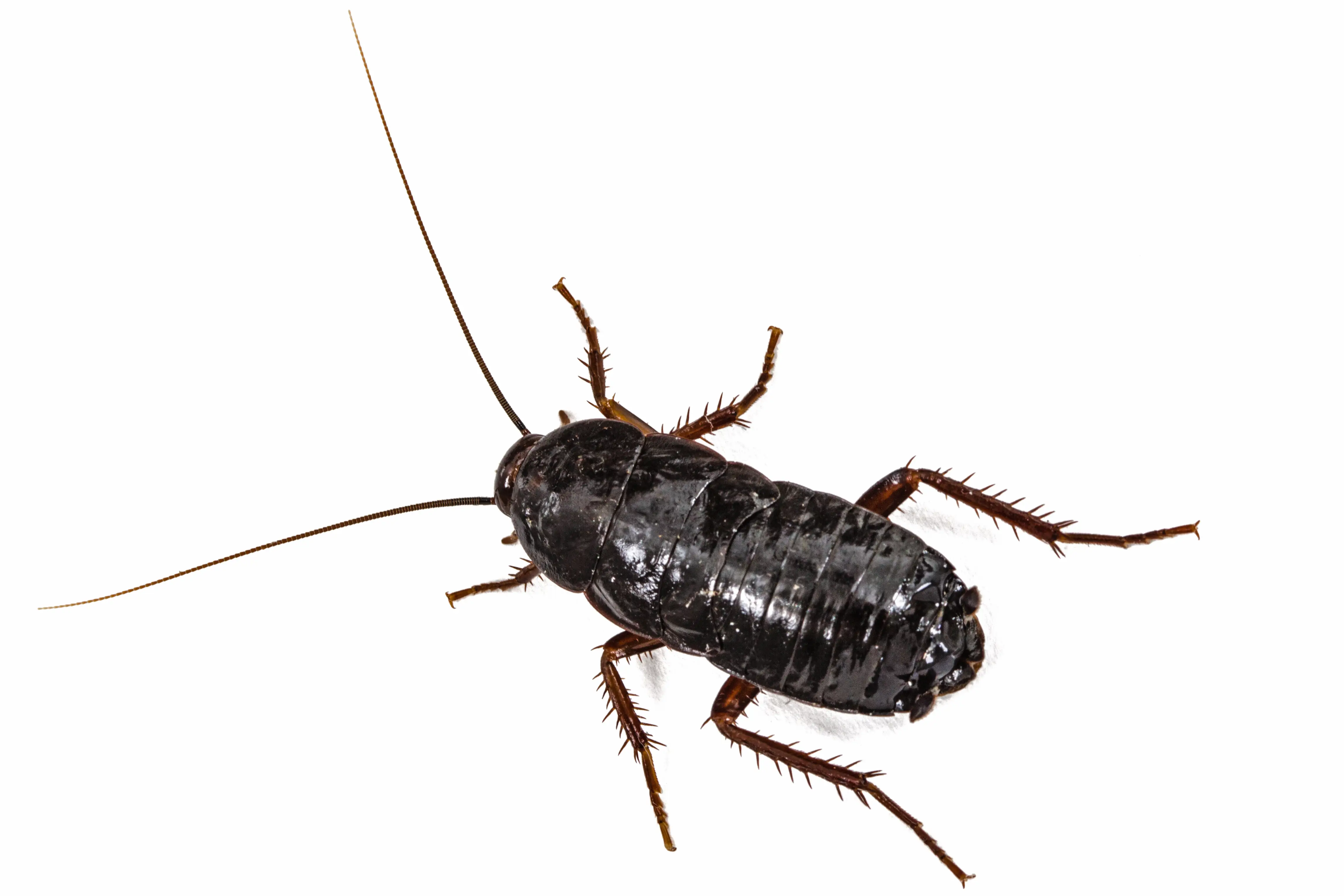
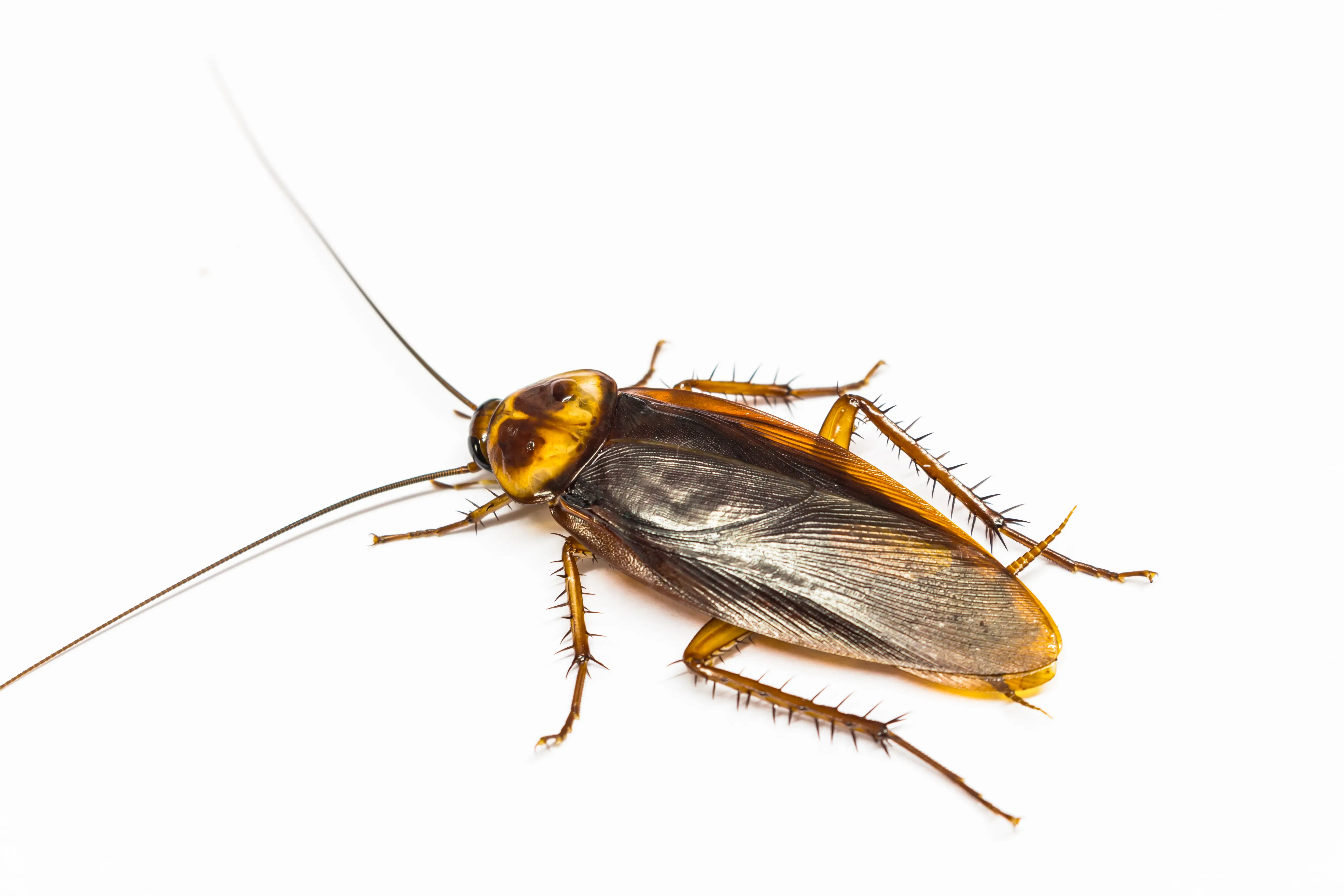
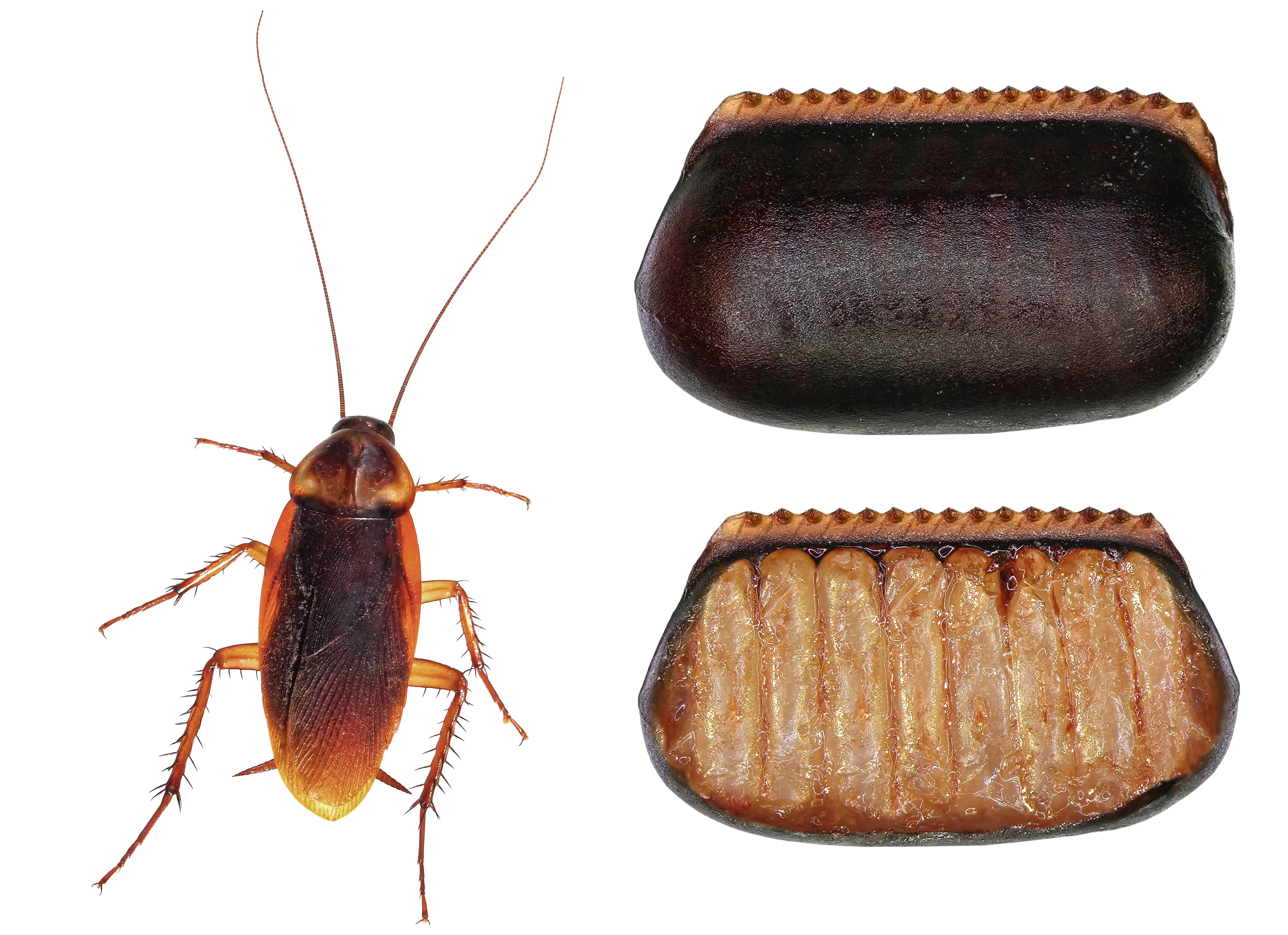
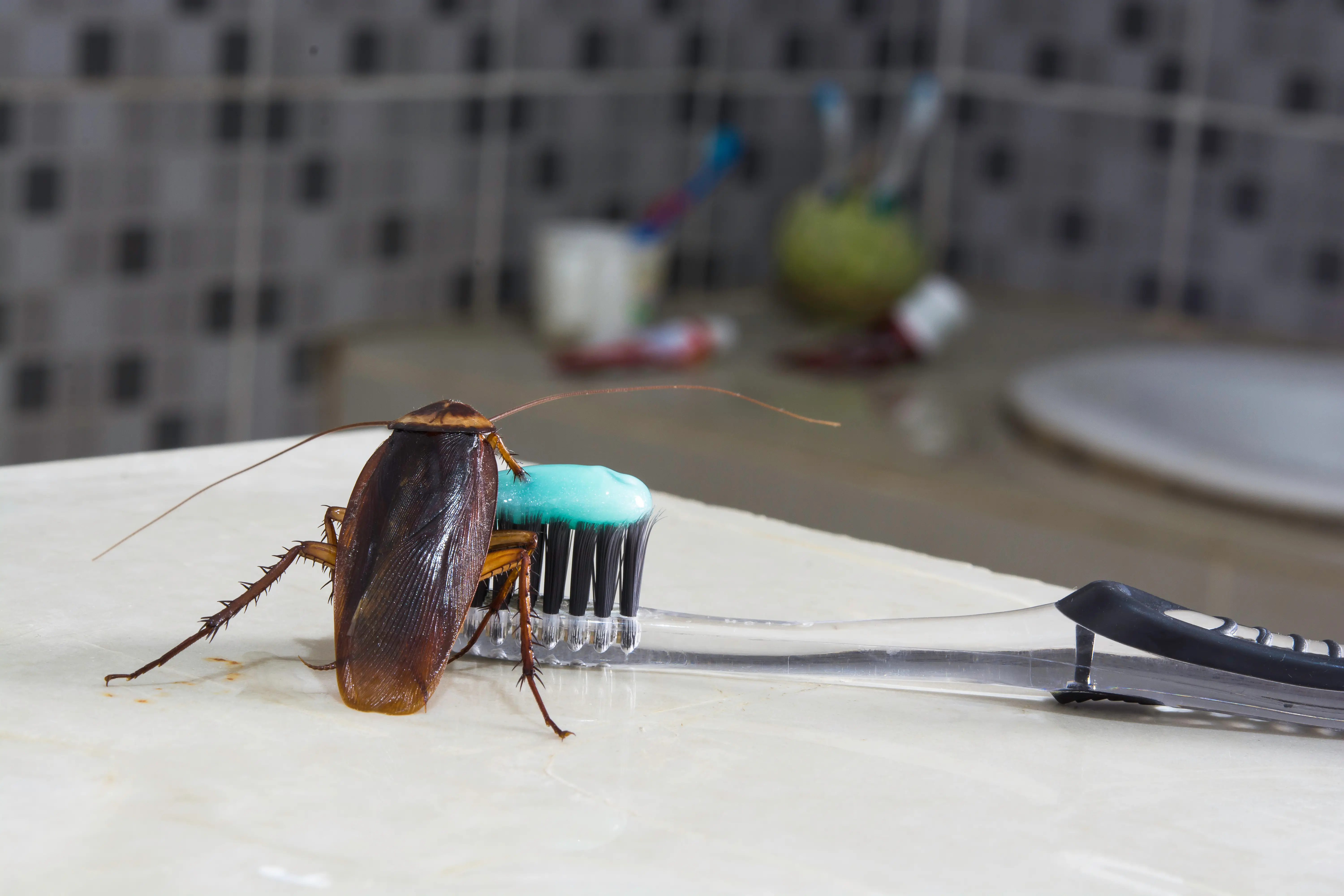
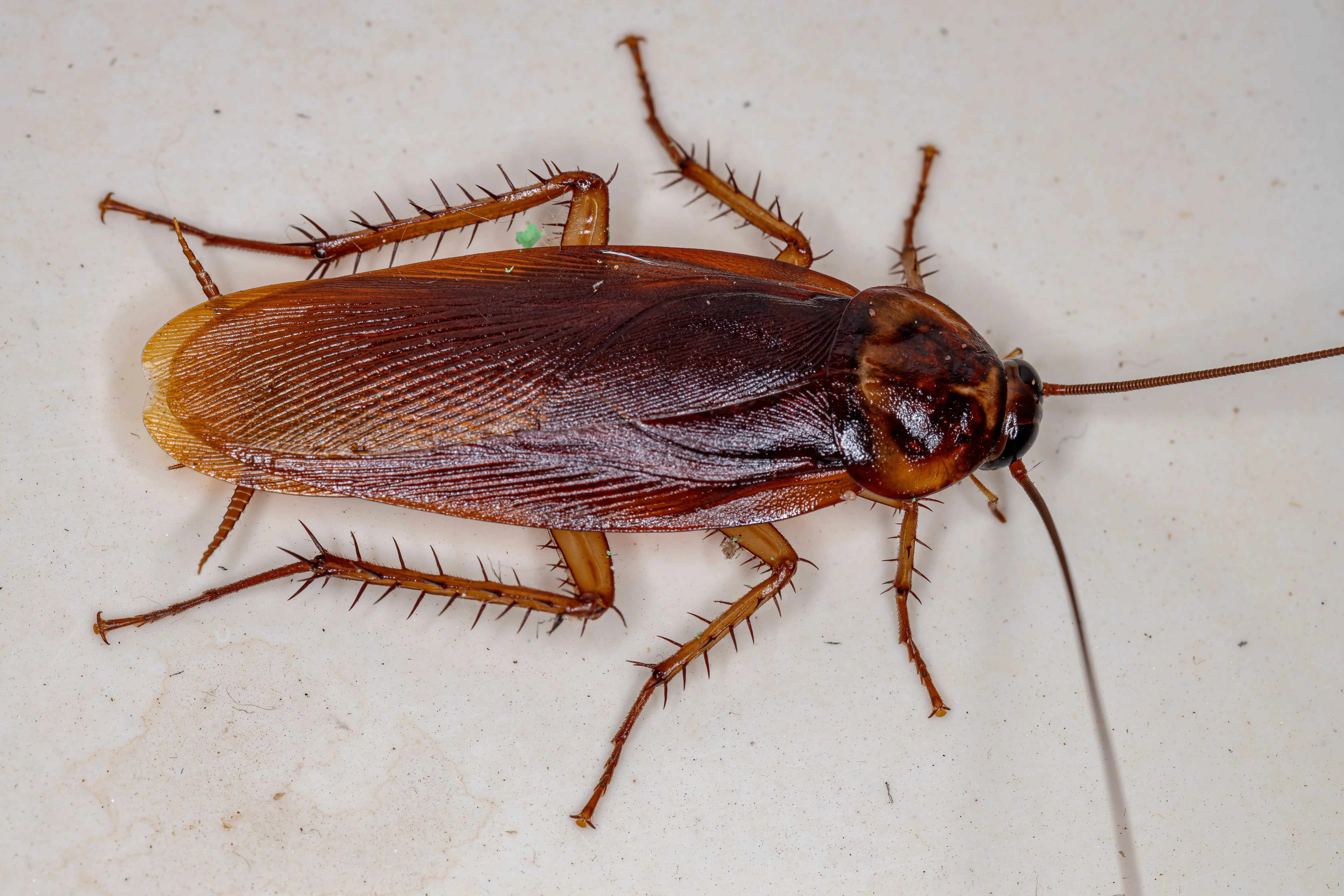
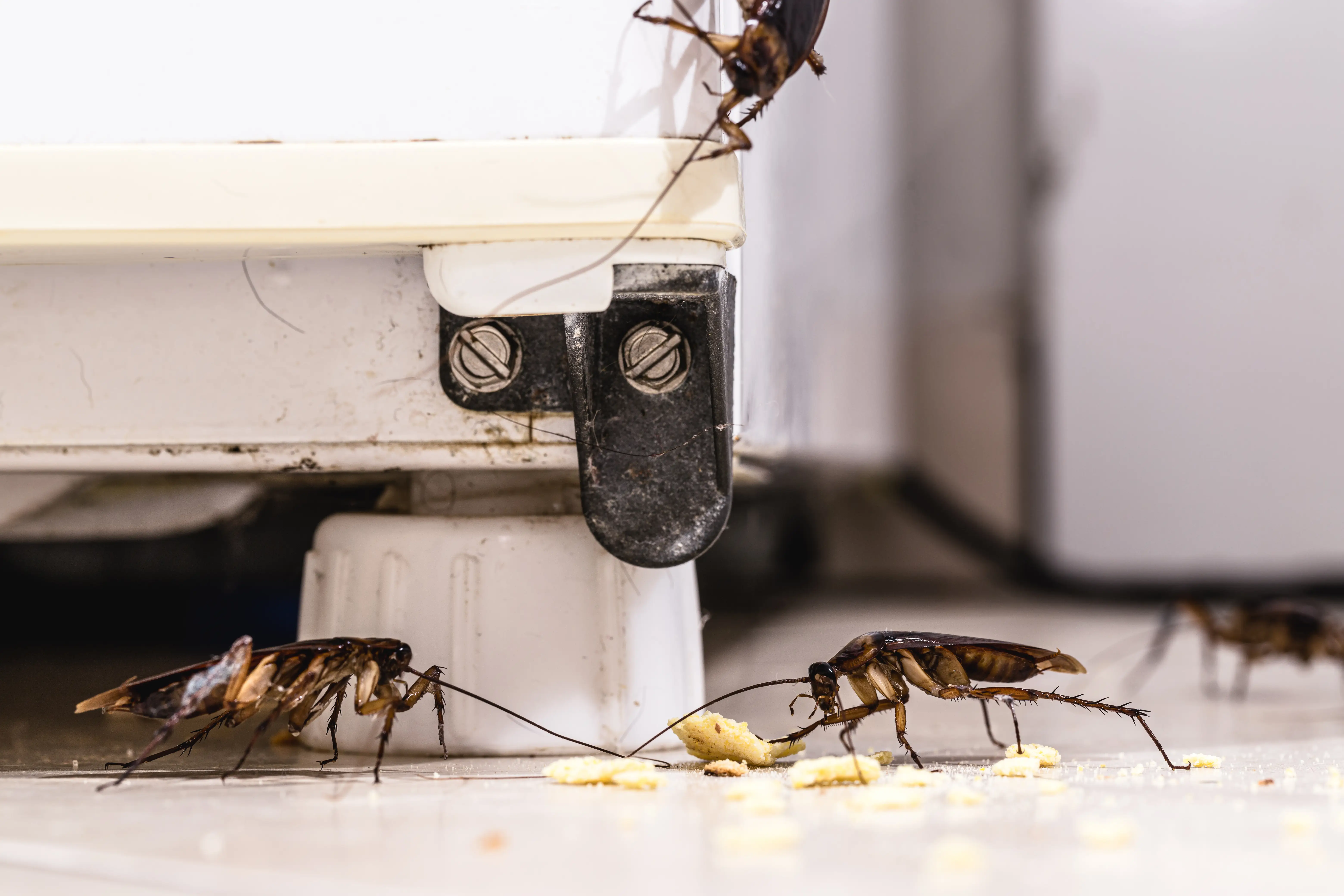
Close-up of an oriental cockroach showing its dark glossy body

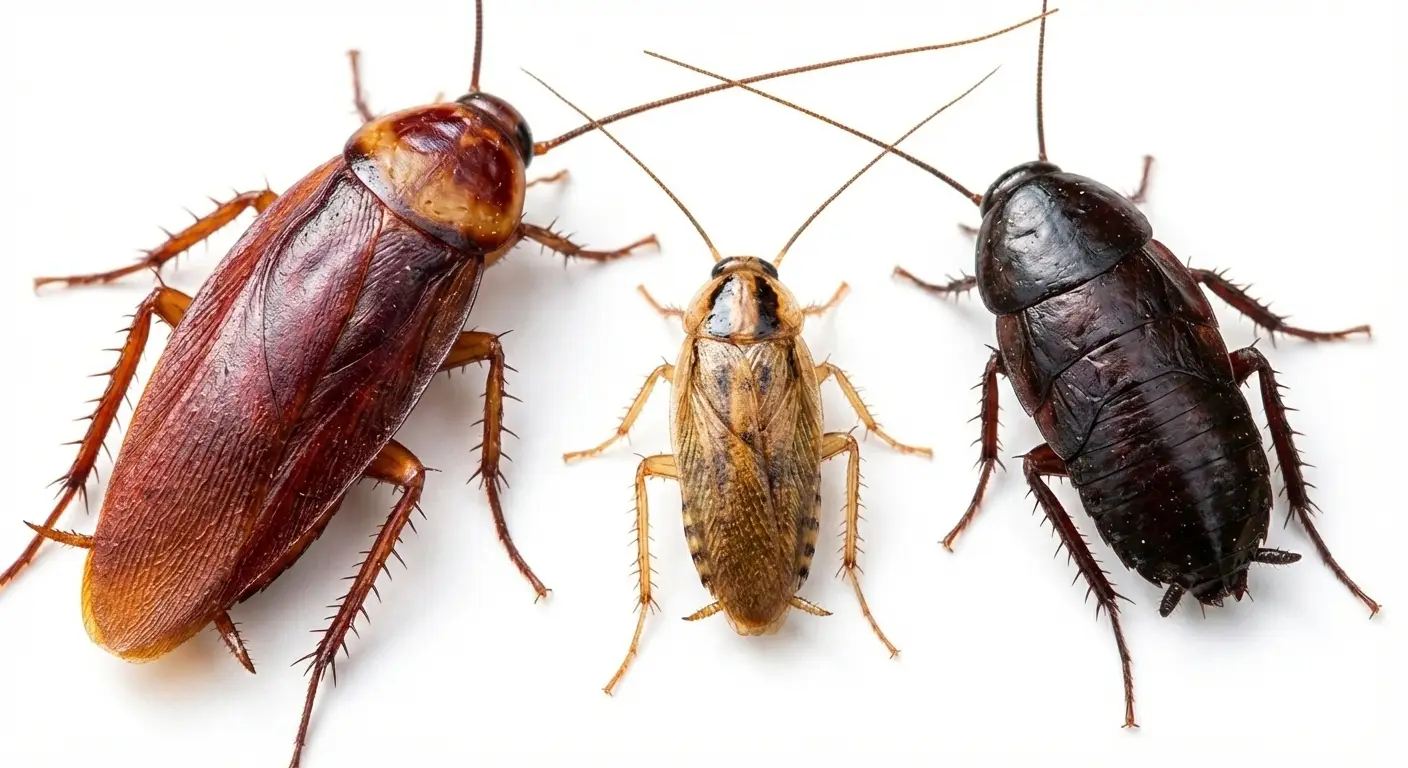
Oriental cockroaches are identifiable by their nearly black, glossy bodies. Males have short wings; females are nearly wingless. Neither sex can fly.

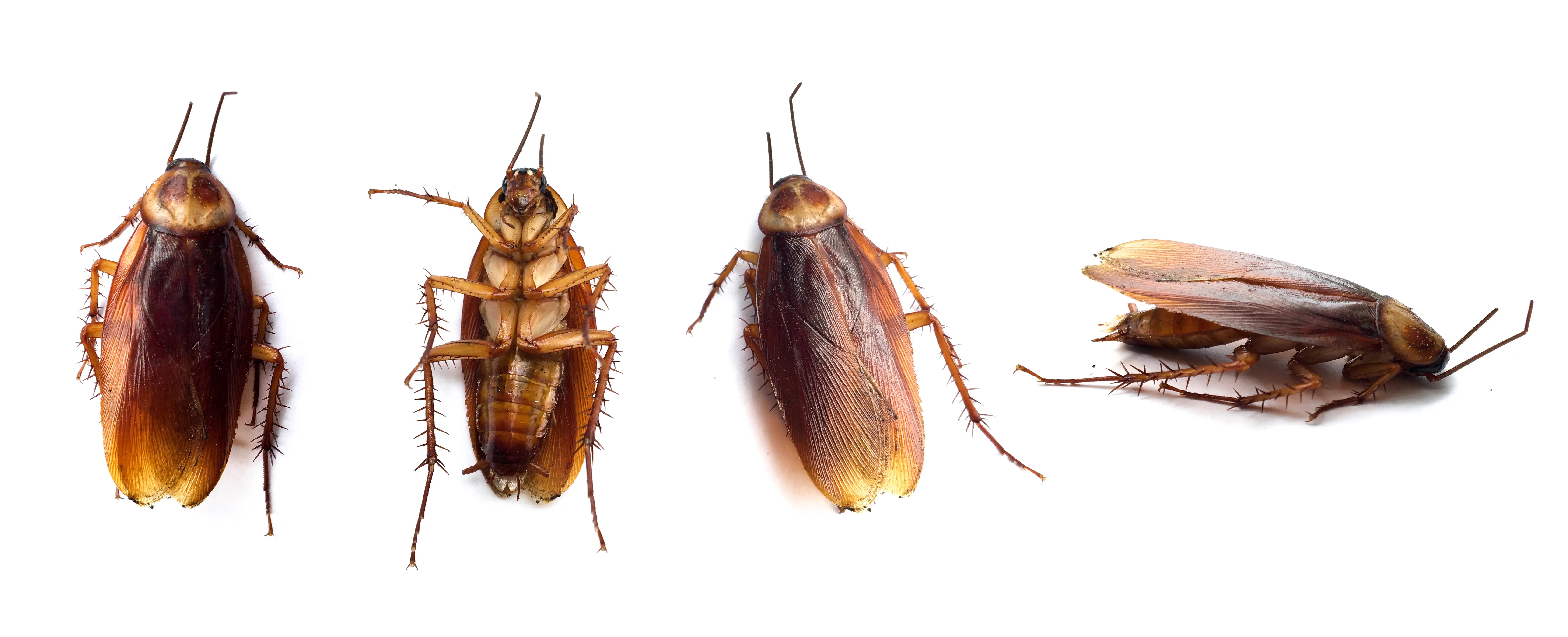
Oriental Cockroach Appearance

Oriental cockroaches are easily recognizable by their smooth, glossy bodies ranging from dark brown to nearly black. These insects have earned the nickname "black beetle cockroaches" due to their sleek, shiny exterior. There is a notable difference in appearance between males and females, and neither sex is capable of flight despite having wing structures.

Male Oriental Cockroach

Males are slightly smaller, typically measuring 18 to 29 mm (0.71 to 1.14 inches) in length. Their wings extend over approximately 75% of the body, leaving the posterior portion of the abdomen uncovered. Despite visible wing development, males cannot fly.

Female Oriental Cockroach

Females are slightly larger, ranging from 20 to 32 mm (0.79 to 1.26 inches) in length, with a broader body shape. They appear almost wingless at first glance, with only small wing stubs visible near the head. Like males, they are incapable of flight.

Nymphs

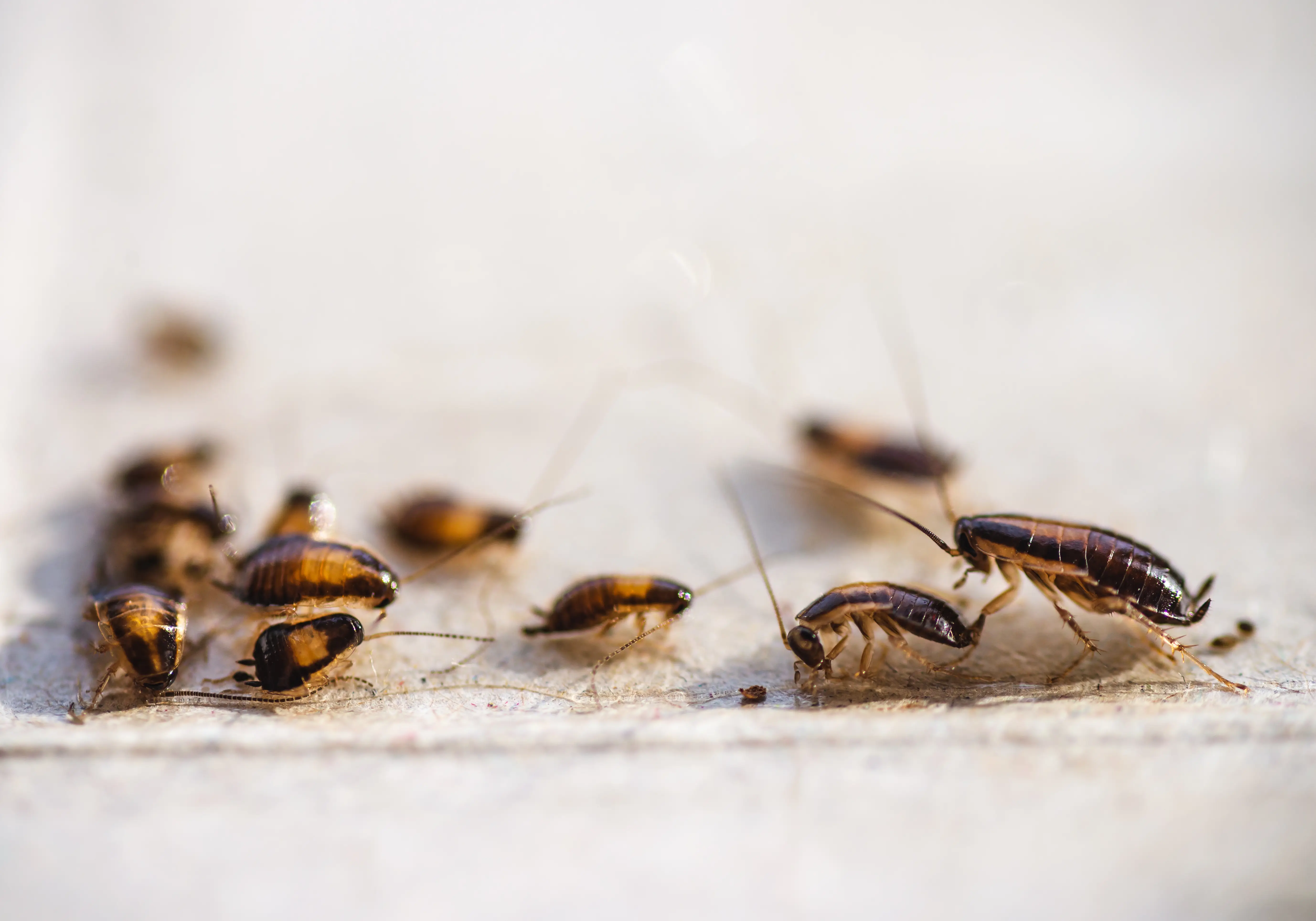
Immature oriental cockroaches share a similar appearance to adults but are smaller in size and completely lack wing development. They undergo seven molts over approximately one year before reaching adulthood.

How to Tell Them Apart: Oriental cockroaches are larger and darker than most other household species, with a noticeably more rounded and robust body shape. They move slowly compared to German cockroaches and are almost always found at ground level rather than climbing walls or counters.

Oriental Cockroach Behavior and Activity

Oriental cockroaches exhibit distinct behavioral patterns that set them apart from other cockroach species. These nocturnal insects are known for their strong preference for dark, damp environments, which influences both their habitat choices and activity patterns.

Nocturnal

During daylight hours oriental cockroaches remain hidden in dark, protected spaces. They emerge after dark to forage for food and water, making nighttime sightings the most common.

Poor Climbers

Unlike German or American cockroaches, oriental cockroaches are poor climbers and are typically confined to lower levels of buildings, ground-level habitats, drains, and basements.

Distinctive Odor

A pungent, musty odor is produced by chemical secretions used for communication and defense. This smell becomes increasingly noticeable as populations grow.

Seasonal Patterns

Population peaks in late spring or early summer when adults are most numerous. As summer transitions to fall, adult populations decline due to natural mortality and seasonal changes.

Weather-Driven Invasions

While they generally favor outdoor settings, oriental cockroaches invade indoor spaces during harsh weather conditions or when their outdoor population density increases.

Sewer Access

Oriental cockroaches frequently travel through sewers and drains. This not only gives them access to buildings but also exposes them to the pathogens they carry into living spaces.

Where Do Oriental Cockroaches Live?

Oriental cockroaches have earned the name "water beetles" due to their strong attraction to humid conditions. They thrive in environments that are cool, moist, and away from direct sunlight. While primarily outdoor dwellers, these resilient pests are experts at transitioning between exterior and interior habitats.

Outdoor Habitats

Leaf piles and mulch beds rich in decaying organic matter

Beneath stones, wood piles, and debris near the foundation

Damp gutters, storm drains, and sewer pipes

Around landscaping beds that retain moisture

Spaces between foundations and soil

Underneath sidewalks and outdoor concrete slabs

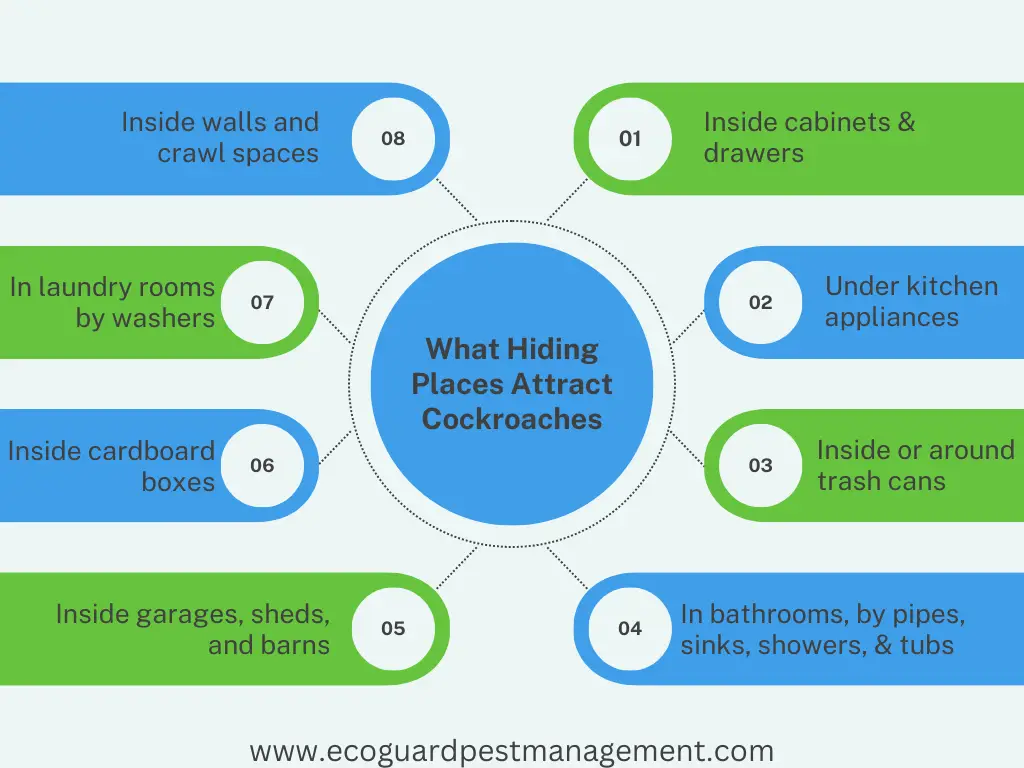
Indoor Habitats

Basements and crawl spaces with high moisture levels

Areas near plumbing fixtures, toilets, and sinks

Floor drains and service ducts

Utility and service areas with pipes running through walls

Under appliances near water sources

Dark, undisturbed storage areas at ground level

What Do Oriental Cockroaches Eat?

Oriental cockroaches exhibit a remarkably diverse and opportunistic feeding behavior that adapts to the resources available in their environment. These resilient pests are known for their ability to consume a wide variety of organic matter, with a particular preference for starchy foods. Their diet typically includes decaying plant and animal material, making them efficient scavengers in both natural and urban settings.

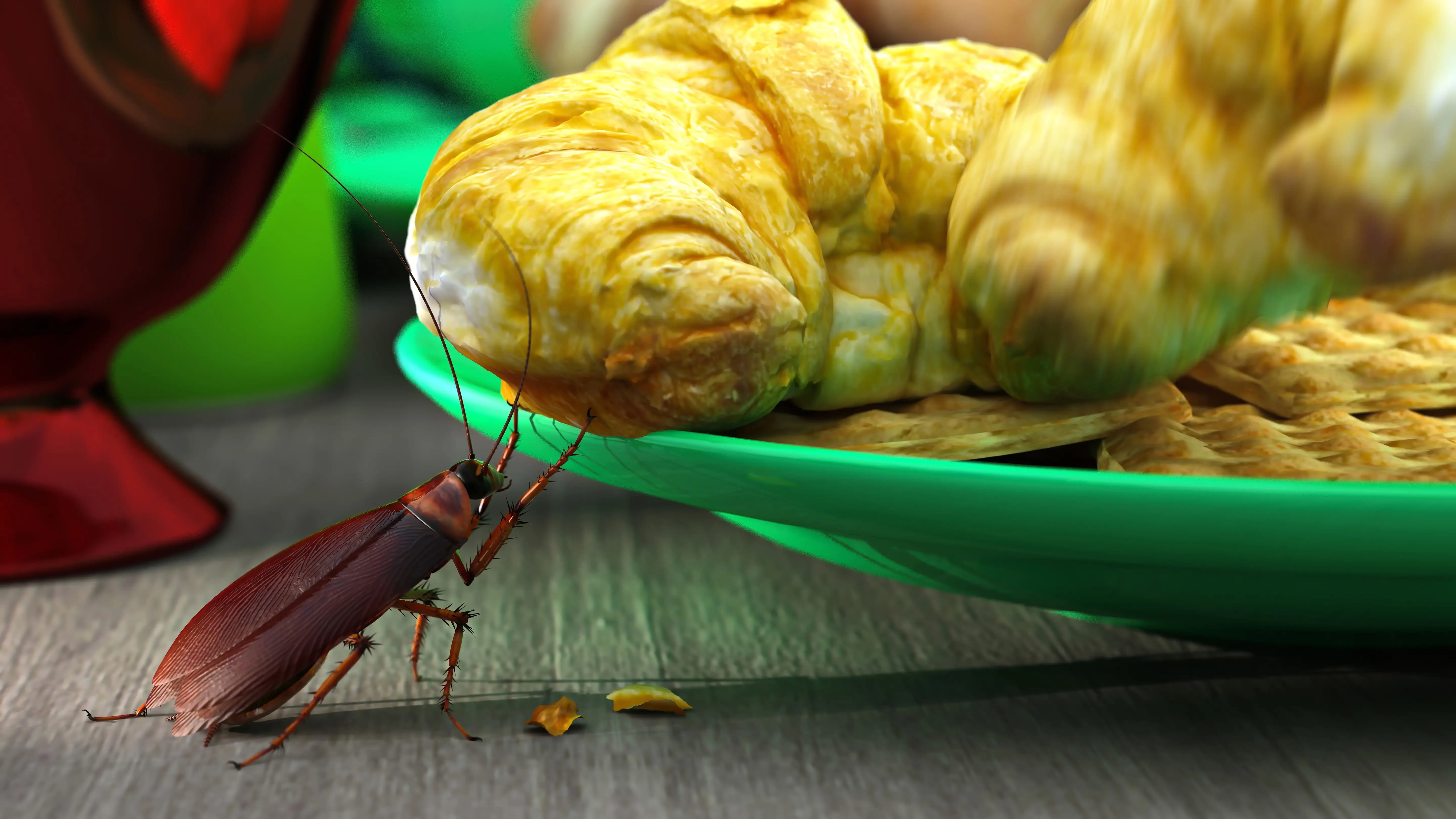
In human habitations, oriental cockroaches are often found foraging through garbage, feeding on food scraps, and consuming non-food items such as book bindings and cardboard. Their attraction to sewage and waste not only satisfies their nutritional needs but also contributes to their role as potential disease vectors.

Decaying Organic Matter

Their preferred food source. Dead plant material, rotting food, and organic debris in drains and sewer systems.

Starchy Foods

Bread, grains, cereals, and similar starchy items are particularly appealing to oriental cockroaches when scavenging indoors.

Garbage and Food Scraps

Unsecured trash, improperly stored food, and kitchen scraps are primary food sources when cockroaches invade homes.

Non-Food Materials

Book bindings, cardboard, and other materials with starch-based adhesives are consumed when other food is scarce.

Survival Without Food or Water: Oriental cockroaches can survive without food for up to one month. However, they can only survive approximately two weeks without water. This explains their strong attraction to damp environments and their tendency to cluster near moisture sources.

Dealing with Oriental Cockroaches?

Our pest control experts identify harborage areas, treat moisture-prone zones, and eliminate cockroach populations at their source.

Call (866) 326-2847

Oriental Cockroach Life Stages

The life cycle of oriental cockroaches unfolds through three distinct stages: egg, nymph, and adult. The total development time from egg to adult can span over a year, making complete colony elimination challenging without targeting all life stages.

1

Egg Stage (Ootheca)

The female produces a blackish-brown egg case (ootheca) measuring 10 to 12 mm in length that houses 16 to 18 eggs. It is typically deposited in a sheltered area within one to two days of formation. Incubation takes 42 days at warmer temperatures and up to 81 days at cooler ones. Eggs lose viability below 0 degrees Celsius. A female can produce an average of eight oothecae in her lifetime.

2

Nymph Stage

Wingless nymphs hatch from the ootheca and undergo seven molts over approximately one year before reaching adulthood. This prolonged development phase is characterized by gradual growth and increasing resemblance to the adult form. Nymphs are fully active and require the same food, water, and shelter conditions as adults.

3

Adult Stage

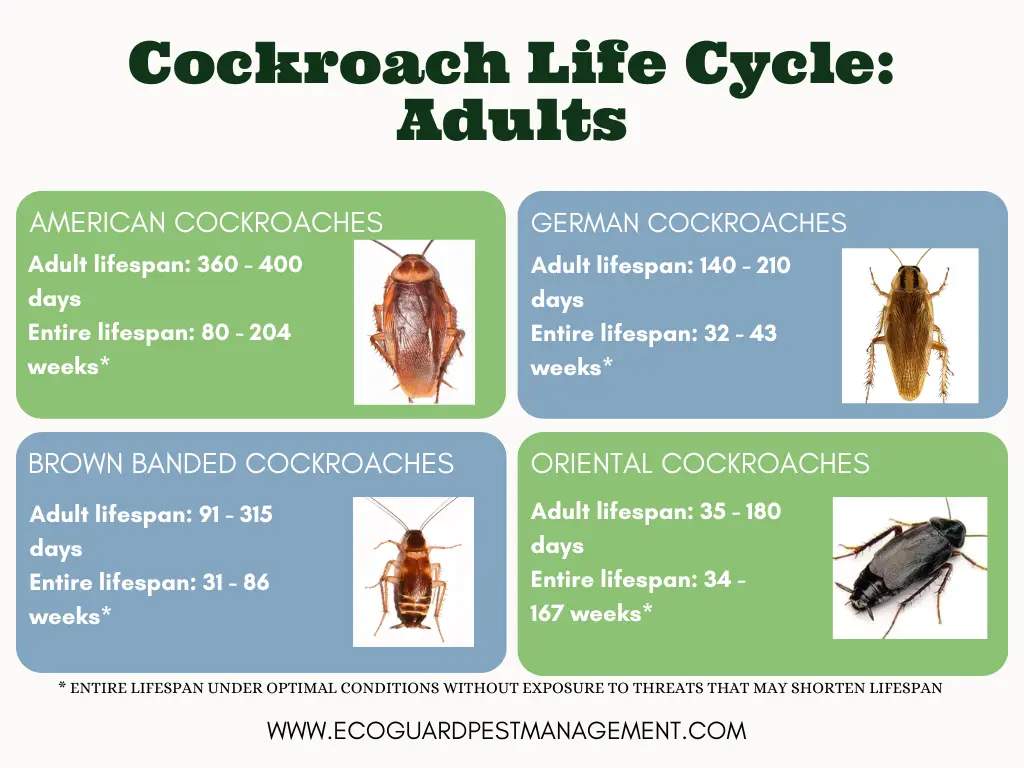
Upon reaching maturity, males develop their short wings while females remain largely wingless with vestigial wing pads. Adult lifespan varies considerably, ranging from 34 to 180 days. Females are capable of producing multiple oothecae during this period, sustaining population growth.

Signs of an Oriental Cockroach Infestation

Recognizing the signs of an oriental cockroach infestation is crucial for early detection and effective pest control. These resilient insects leave behind several telltale indicators of their presence. Swift action is necessary if any of these signs are observed, as oriental cockroaches can quickly establish large populations in favorable conditions.

Live Sightings

Oriental cockroaches are often spotted during warmer months, especially at night near moist gutters, landscaping beds, and sewers outdoors. Indoors, they congregate in dark, damp, undisturbed areas.

Egg Cases (Oothecae)

Reddish-brown to nearly black egg capsules measuring approximately 8 to 10 mm are typically deposited in sheltered, secluded locations. Each capsule can contain approximately 16 eggs.

Musty Odor

A distinctive musty smell comes from the chemicals secreted by oriental cockroaches for communication. The odor becomes more noticeable as the infestation grows and is strongest in enclosed, damp areas.

Droppings

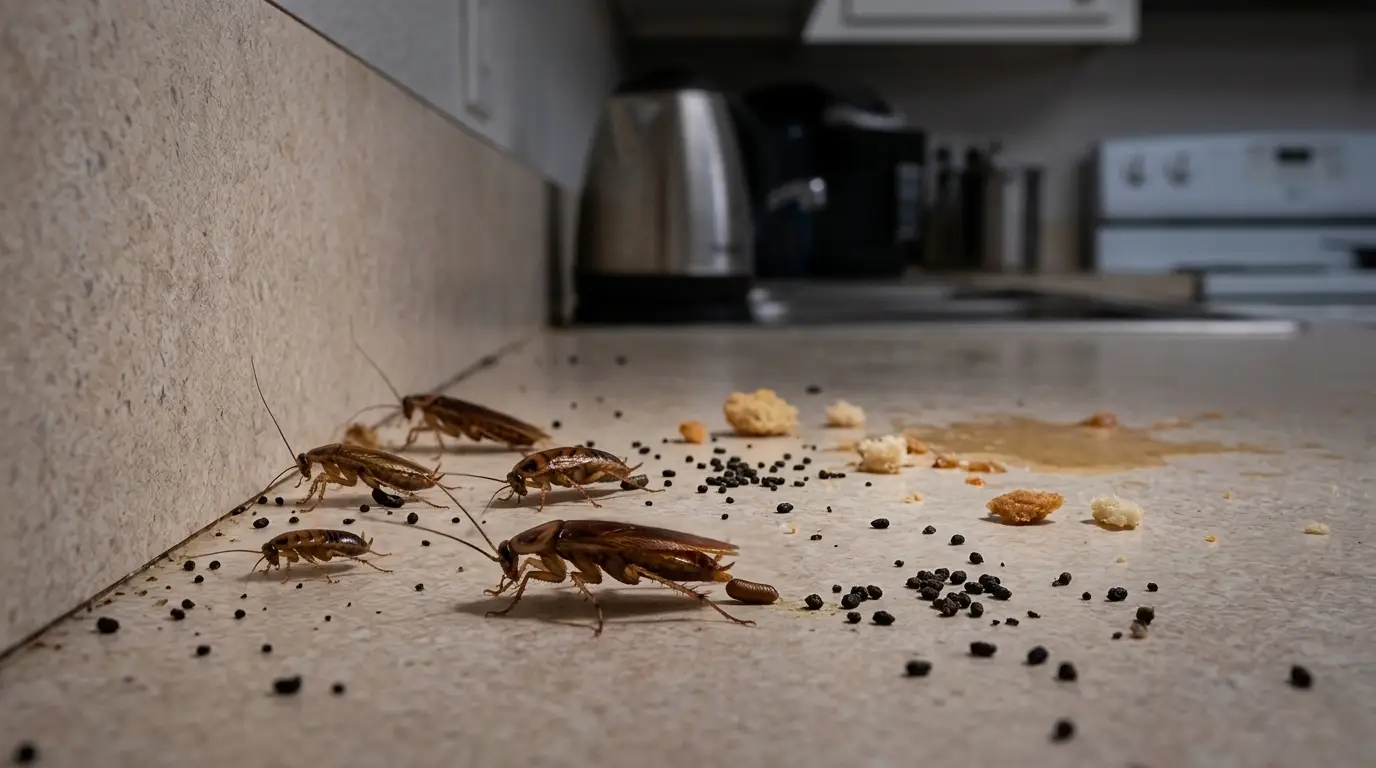
Cockroach droppings resemble black pepper granules and can be found in areas where the cockroaches feed or hide. Look along baseboards, in cabinets, and near drains.

Important: Seeing even one oriental cockroach during the day is a strong indicator of a larger infestation. These pests are nocturnal, so a daytime sighting means the population has likely grown large enough that individuals are being displaced from their harborage areas.

What Attracts Oriental Cockroaches?

Oriental cockroaches are drawn to specific environmental conditions and food sources that align with their biological needs. These pests are particularly attracted to cool, damp environments. Their affinity for moisture is so strong that even homes with abundant outdoor plants can become attractive. The combination of moisture, darkness, and available food makes certain homes highly susceptible to infestation.

Excess Moisture

Leaky pipes, poor ventilation in basements, condensation, and standing water are the primary attractants for oriental cockroaches.

Decaying Organic Matter

Leaf piles, mulch, compost, and organic debris near the foundation provide both food and breeding grounds.

Garbage and Food Waste

Unsecured trash, exposed food scraps, and poorly stored food items attract foraging cockroaches into living spaces.

Sewer and Drain Access

Their ability to travel through sewers and enter homes via drains highlights the importance of maintaining proper drainage and sewer hygiene.

Darkness and Clutter

Undisturbed, dark spaces provide ideal harborage. Cluttered storage areas, dense landscaping, and debris near the foundation all increase risk.

Outdoor Plants and Mulch

Moisture-retaining landscaping materials like deep mulch beds create ideal conditions near the foundation that can draw cockroaches toward entry points.

Are Oriental Cockroaches Harmful? Health Risks and Damage

Oriental cockroaches pose significant health risks to humans, making them harmful pests in residential and commercial environments. While they rarely bite, their danger lies primarily in their ability to spread diseases and cause allergic reactions. Because they frequently move between filthy areas and human living spaces, they transfer various pathogens to surfaces and food.

Health Risks

Bacterial Spread

Oriental cockroaches can carry and transmit over 33 types of bacteria, including Salmonella and E. coli. This can lead to food poisoning and other serious illnesses when food or surfaces are contaminated.

Parasitic Infections

These cockroaches can harbor parasites such as giardia in their digestive tracts. Contamination of food and surfaces through their feces can transmit these parasites to humans.

Allergen Production

Their body parts, saliva, and feces contain allergens that can exacerbate respiratory issues and allergies. Particles become particularly dangerous when circulated through ventilation systems.

Food and Surface Contamination

As they move freely between unsanitary areas and living spaces, oriental cockroaches contaminate food preparation surfaces, stored food items, and kitchen equipment.

Property Damage

Oriental cockroaches cause substantial damage to both residential and commercial properties beyond their role as disease vectors. Their droppings leave persistent stains on surfaces, and the musty odor they emit can permeate living spaces. In commercial settings, the repercussions of an infestation can be particularly severe, potentially leading to reputational damage and loss of business.

Paper and Document Damage

Oriental cockroaches feed on the starch content in books, important documents, wallpaper, and paper products, causing irreversible deterioration.

Fabric and Organic Materials

Fabrics and other organic materials are not immune. They may chew on clothing, upholstery, and other stored textiles when food is scarce.

Surface Staining

Droppings leave persistent dark stains on surfaces that can be difficult to remove, particularly on porous materials and light-colored surfaces.

Air Quality and Odor

The musty odor emitted by cockroach secretions can permeate entire rooms, making spaces unpleasant and in severe cases affecting indoor air quality.

How to Prevent Oriental Cockroaches

Preventing oriental cockroach infestations requires a comprehensive approach that addresses both the interior and exterior of your home. The key lies in eliminating attractive conditions while simultaneously blocking potential entry points. Controlling moisture is the single most important step given these pests' affinity for damp environments.

Seal Cracks and Crevices

Inspect and seal cracks and crevices around the building exterior, especially near the foundation, utility penetrations, and around windows and doors.

Repair Leaky Pipes and Faucets

Eliminating excess moisture by fixing plumbing issues is one of the most effective ways to make your home inhospitable to oriental cockroaches.

Use Weatherstripping and Door Sweeps

Install weatherstripping on doors and windows and add door sweeps to all exterior doors to block ground-level entry points.

Store Food in Airtight Containers

Keep all food, including pet food and dry goods, in airtight containers that cockroaches cannot access or detect from outside.

Proper Waste Disposal

Ensure prompt and proper disposal of waste in airtight containers. Do not leave garbage exposed indoors or near the foundation outdoors.

Maintain Exterior Cleanliness

Remove fallen leaves, organic debris, and excess mulch from around the foundation. These moisture-retaining materials create ideal harborage conditions.

Maintain Proper Drainage

Ensure drainage around the foundation directs water away from the building. Standing water near the foundation is a major attractant.

Clean Gutters Regularly

Clogged, damp gutters provide harborage for oriental cockroaches near the roofline and create moisture pathways down the exterior walls.

Use Dehumidifiers

Use dehumidifiers in basements, crawl spaces, and other moisture-prone areas to create an environment that oriental cockroaches find inhospitable.

How to Get Rid of Oriental Cockroaches

Effectively eliminating oriental cockroaches requires a comprehensive approach that combines preventive measures, targeted treatments, and ongoing maintenance. These resilient pests often deposit their egg cases in hard-to-reach areas, making complete eradication challenging. A multi-faceted strategy is essential.

While conventional insecticides can be effective, their rapid breakdown on the damp surfaces preferred by oriental cockroaches requires frequent reapplication. Recent advancements in pest control have led to the development of juvenile hormone analogues (JHAs), which offer a more targeted approach with lower toxicity to vertebrates.

Thorough Cleaning and Sanitation

Remove all food debris, moisture sources, and organic matter from areas where cockroaches have been sighted. Eliminating harborage conditions is the critical first step.

Protective Chemical Perimeter

Establish a residual insecticide barrier around the exterior of the building to intercept cockroaches traveling from outdoor harborage areas toward entry points.

Bait Stations and Trapping

Deploy bait stations and trapping devices at key locations such as near drains, along baseboards, and in basement and crawl space areas where oriental cockroaches are most active.

Residual Insecticides

Treat specific indoor areas, particularly damp zones near plumbing and floor drains, with residual insecticides. Reapplication is often necessary given the moist surfaces cockroaches prefer.

Juvenile Hormone Analogues (JHAs)

JHAs are a specialized pest control advancement that disrupts cockroach development at the nymph stage. They offer long-term control with lower toxicity to vertebrates compared to conventional insecticides.

Professional Pest Control

For severe or recurring infestations, consulting a licensed pest control professional is the most reliable path to full elimination. Professionals can develop a tailored treatment plan addressing all life stages.

Important: Successful elimination often requires persistence and a combination of these methods. For particularly stubborn or extensive infestations, seeking the expertise of a licensed pest control professional is strongly advisable to develop a tailored treatment plan that addresses egg cases and all active life stages.

Contact EcoGuard Pest Management if You Are Dealing with Oriental Cockroaches

If you are grappling with an oriental cockroach infestation, do not let these resilient pests compromise your home's hygiene and your peace of mind. EcoGuard Pest Management offers specialized expertise in dealing with oriental cockroaches, utilizing the latest in pest control technology and environmentally conscious practices. Our trained technicians provide a comprehensive assessment, develop a tailored treatment plan, and implement long-term prevention strategies to keep your home cockroach-free.

Call (866) 326-2847Get Free Quote

Oriental Cockroach FAQs

Should I worry if I see one oriental cockroach?

Seeing a single oriental cockroach is cause for concern, as it often indicates the presence of more. These pests hide in dark, damp areas and are typically active at night, so spotting one during the day could suggest a larger infestation. Take immediate action by inspecting your home for additional signs and implementing preventive measures, as oriental cockroaches can multiply quickly and pose health risks.

What causes oriental cockroaches in the house?

Oriental cockroaches are typically drawn into houses by moisture, food sources, and suitable hiding places. Common causes include leaky pipes, poor ventilation in basements or crawl spaces, accumulated organic debris near the home exterior, and gaps or cracks in the building structure that allow entry. They may also enter through drains or sewer systems during periods of heavy rain or flooding.

Are oriental cockroaches harmful?

Oriental cockroaches are known carriers of bacteria and pathogens including E. coli and Salmonella, which they can spread by contaminating food and surfaces. Their presence can trigger allergic reactions and asthma in some individuals, and their droppings and shed skin can cause unpleasant odors and stain surfaces.

What is the difference between a cockroach and an oriental cockroach?

The oriental cockroach is a distinct variety characterized by its nearly black coloration and preference for cooler, moisture-rich habitats. Unlike some other common species, oriental cockroaches are poor climbers and are typically found at ground level or in basements. They are larger than many household cockroach species, reaching up to 1 inch in length, with a more rounded and robust body shape compared to their relatives.

From Our Blog

Related Articles

Brown Banded Cockroaches: Identification, Control & Prevention

Brown Banded Cockroaches: Identification, Control & Prevention

Learn how to identify and eliminate brown banded cockroaches with our comprehensive guide. Discover effective...

Read Article
Can Cockroaches Fly? Which Species Fly & Why

Can Cockroaches Fly? Which Species Fly & Why

Learn which cockroach species can fly, why they fly, and how to get rid of flying cockroaches. Discover the difference...

Read Article
Cockroach Life Cycle: Eggs, Nymphs & Adult Stages

Cockroach Life Cycle: Eggs, Nymphs & Adult Stages

Learn about the cockroach life cycle stages from egg to nymph to adult. Understand lifespans by species and how many...

Read Article
Cockroach Repellent: Natural and Commercial Solutions That Work

Cockroach Repellent: Natural and Commercial Solutions That Work

Discover effective cockroach repellents including scientifically proven essential oils, commercial products, and DIY...

Read Article
Common Types of Cockroaches: Identification Guide

Common Types of Cockroaches: Identification Guide

Learn to identify the 7 most common types of cockroaches in California including German, American, Oriental, and Brown...

Read Article
Do Cockroaches Bite? What Bites Look Like & How to Treat

Do Cockroaches Bite? What Bites Look Like & How to Treat

Learn if cockroaches bite humans, what roach bites look like, how to treat them, and the real dangers cockroaches pose...

Read Article
Do Cockroaches Transmit Diseases? Health Risks Explained

Do Cockroaches Transmit Diseases? Health Risks Explained

Learn which diseases cockroaches can transmit, how they spread pathogens, and effective prevention methods to protect...

Read Article
Do Roach Bombs Work? The Truth About Cockroach Foggers

Do Roach Bombs Work? The Truth About Cockroach Foggers

Scientific research proves roach bombs fail to eliminate infestations. Learn why foggers don\

Read Article
German Cockroaches vs American Cockroaches: Key Differences & Control

German Cockroaches vs American Cockroaches: Key Differences & Control

Learn to identify German vs American cockroaches by size, color, and behavior. Discover species-specific control...

Read Article
How to Find Where Cockroaches Are Coming From

How to Find Where Cockroaches Are Coming From

Discover where cockroaches enter your home, their common hiding spots by species, and effective prevention methods to...

Read Article
How to Get Rid of Cockroaches: Complete Treatment Guide

How to Get Rid of Cockroaches: Complete Treatment Guide

Learn how to get rid of cockroaches with pesticides, natural methods, baits, and professional treatment. Prevention...

Read Article
How to Identify and Get Rid of Cockroach Eggs

How to Identify and Get Rid of Cockroach Eggs

Learn to identify cockroach eggs by species, where to find oothecas, how often roaches lay eggs, and effective...

Read Article
How to Identify Cockroach Poop: Complete Identification Guide

How to Identify Cockroach Poop: Complete Identification Guide

Learn how to identify cockroach droppings by size, shape, and location. Understand health risks and get tips for...

Read Article
Is This a Baby Cockroach? Identification Guide

Is This a Baby Cockroach? Identification Guide

Learn how to identify baby cockroaches (nymphs), understand what their presence means, and discover effective methods...

Read Article
Palmetto Bugs vs Cockroach: What Is the Difference?

Palmetto Bugs vs Cockroach: What Is the Difference?

Learn the difference between palmetto bugs and cockroaches, which species are called palmetto bugs, and effective...

Read Article
What Are Cockroaches? Identification, Behavior & Facts

What Are Cockroaches? Identification, Behavior & Facts

Learn about cockroaches including appearance, behavior, reproduction, species, and what attracts them. Complete guide...

Read Article
What Are German Cockroaches? Complete Identification Guide

What Are German Cockroaches? Complete Identification Guide

Learn about German cockroaches, how to identify them, their behavior, health risks, and effective methods to eliminate...

Read Article
What Attracts Cockroaches Into Your Home? Prevention Tips

What Attracts Cockroaches Into Your Home? Prevention Tips

Learn what attracts cockroaches including food, water, shelter, and smells. Discover prevention tips and what draws...

Read Article
What Do Cockroaches Eat? Complete Diet Guide

What Do Cockroaches Eat? Complete Diet Guide

Learn what cockroaches eat including their preferred foods, how they find food, and how to eliminate food sources....

Read Article
Where Do Cockroaches Live? Indoor & Outdoor Habitats Explained

Where Do Cockroaches Live? Indoor & Outdoor Habitats Explained

Discover where cockroaches live outside and inside your home. Learn species-specific hiding spots, entry points, and...

Read Article
Why Are Cockroaches Bad? Health Risks, Diseases & Dangers Explained

Why Are Cockroaches Bad? Health Risks, Diseases & Dangers Explained

Discover why cockroaches are dangerous: disease transmission, asthma triggers, allergens, and psychological impacts....

Read Article
Why Are There Suddenly So Many Cockroaches in My House?

Why Are There Suddenly So Many Cockroaches in My House?

Discover why cockroaches suddenly appear in your home even if it\

Read Article
Why Do Cockroaches Come Out at Night? Nocturnal Behavior Explained

Why Do Cockroaches Come Out at Night? Nocturnal Behavior Explained

Discover why cockroaches are nocturnal, where they hide during the day, and what nighttime activity means for your...

Read Article