EcoGuard Pest Management
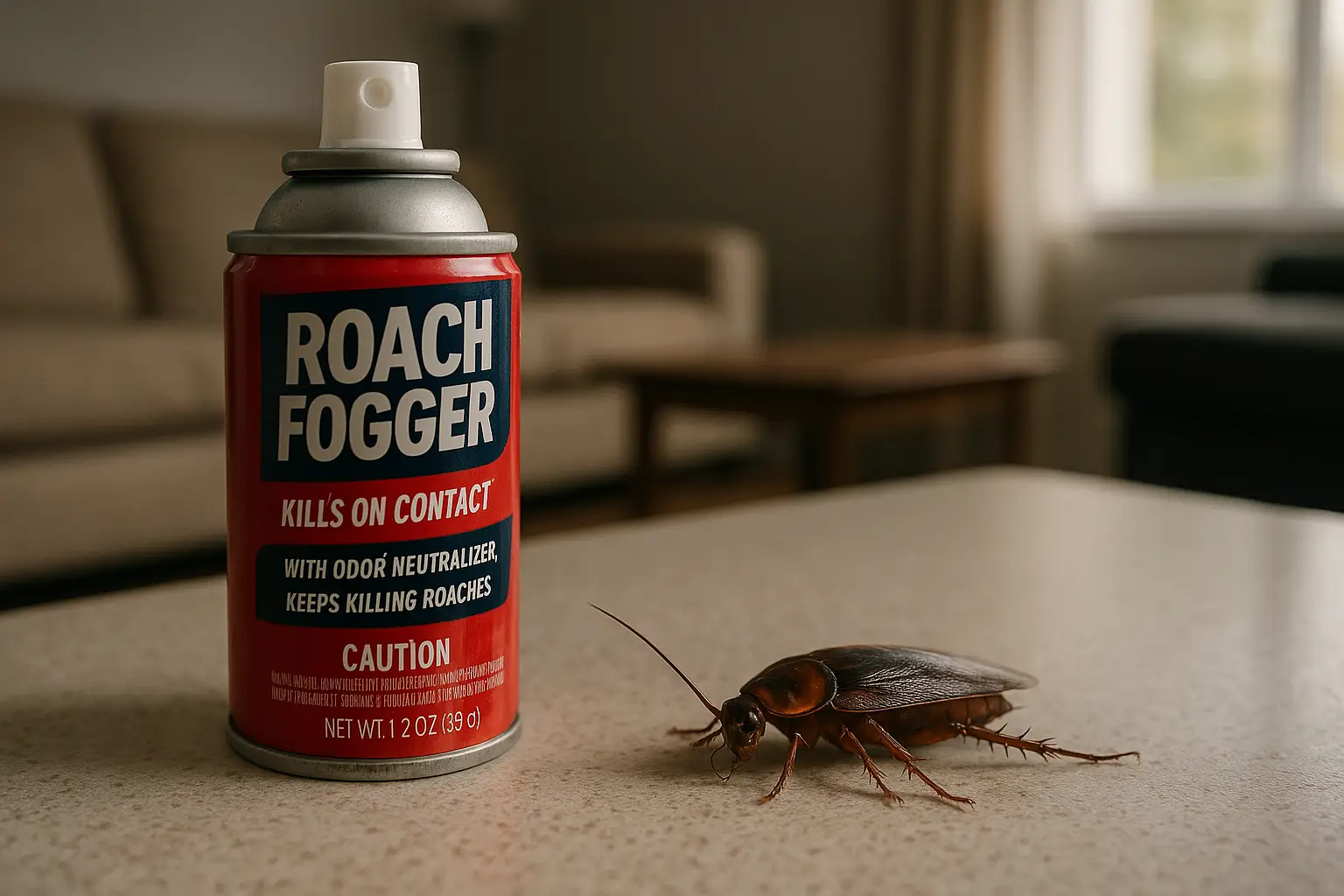
Cockroach fogger canister with warning about effectiveness
By Gary Anderson||11 min read

Do Roach Bombs Work? The Truth About Cockroach Foggers

Scientific research proves roach bombs fail to eliminate infestations — and often make them worse.

Roach bombs promise a simple solution to cockroach infestations — activate the canister, leave your home, and return to find dead roaches. The reality is starkly different. While these foggers may kill visible roaches on contact, scientific research proves they fail to eliminate infestations and often worsen the problem by scattering roaches deeper into walls while creating health hazards for your family.

Key Research Finding

A landmark 2019 North Carolina State University study tested multiple fogger brands in homes with established German cockroach infestations and found zero reduction in roach populations after treatment, while targeted gel baits achieved 90% reduction in identical settings.

What Are Cockroach Bombs and How Do They Work?

Cockroach bombs, technically known as total release foggers (TRFs), are pressurized canisters that discharge their entire insecticide contents as an airborne mist. Users place the canister centrally in a room, activate the release mechanism, and evacuate while the pesticide cloud disperses throughout the space.

How Manufacturers Claim They Work

The fogger releases aerosolized particles that float through the air before settling onto exposed surfaces. Manufacturers claim this mist will penetrate corners, furniture undersides, and other hiding spots to kill roaches on contact.

The Fundamental Flaw

Pesticide particles follow air currents and gravity, settling primarily on horizontal surfaces while failing to reach the narrow cracks where roaches actually live. The physics of dispersal defeats the purpose entirely.

What's Inside Roach Bombs and Foggers?

Understanding the chemical composition helps explain their limitations.

Synthetic Pyrethroids

Cypermethrin, permethrin, and tetramethrin — engineered versions of natural chrysanthemum compounds that attack insect nervous systems.

Synergists

Piperonyl butoxide prevents roaches from detoxifying insecticides, theoretically increasing effectiveness.

Propellants & Carriers

Chemical carriers and pressurized gases transform liquid pesticides into suspended droplets — highly flammable petroleum-based compounds.

The Problem: While these ingredients kill exposed insects effectively, their delivery method cannot reach the deep harborage sites where 90% of the roach population hides.

How to Use a Roach Bomb (If You Must)

Despite their ineffectiveness, those who choose foggers must follow strict safety protocols to minimize risks.

Pre-Treatment Preparation

  • Calculate one fogger per 2,000-5,000 cubic feet
  • Protect food, kitchen supplies, and pet belongings
  • Seal aquariums and disconnect air pumps
  • Extinguish ALL pilot lights
  • Shut down HVAC systems
  • Remove or seal toys, clothing, and bedding

Re-Entry Procedures

  • Maintain evacuation for 2-4 hours (per label)
  • Allow fresh air circulation for 30+ minutes
  • Thoroughly wash all food preparation surfaces
  • Mop floors, especially where children/pets contact
  • Only then restore pilot lights and HVAC

Are Roach Bombs and Foggers Safe?

The safety risks often outweigh any minimal benefits.

Human Health Risks

Acute pyrethroid exposure causes respiratory irritation, coughing, headaches, and nausea. Children face disproportionate exposure due to floor-level activities and hand-to-mouth behavior. Residues persist on surfaces for weeks.

Pet Safety Concerns

Cats cannot metabolize certain pyrethroids effectively. Symptoms range from tremors and seizures to potential death. Birds, reptiles, and fish show extreme sensitivity even with protective measures.

Fire & Explosion Hazards

Petroleum-based propellants are highly flammable. Numerous house fires have resulted from foggers activated near pilot lights — causing property damage, injuries, and fatalities even when following label directions.

Skip the Fogger Failure — Get Real Results

Professional treatment achieves 90%+ elimination using methods that actually reach where roaches hide.

Call (866) 326-2847 for Professional Treatment

Are Roach Bombs and Foggers Effective?

Scientific Evidence: Roach Bombs Don't Work

The 2019 NC State University study tested multiple fogger brands in homes with established German cockroach infestations:

0%
Reduction from foggers
90%
Reduction from gel baits
96%
Roaches with resistance genes

Why Foggers Fail

Can't Reach Hiding Spots: The pesticide mist cannot penetrate tiny cracks and crevices where roaches spend most of their time.
Widespread Resistance: Wild roach populations showed over 62% survival rates when exposed to fogger concentrations. Over 96% possess genetic mutations for pyrethroid resistance.
Repellent Effect Backfires: Pyrethroids cause roaches to detect and avoid treated areas, retreating deeper into walls and potentially spreading to previously uninfested rooms.

What Happens After You Bomb for Roaches?

Within 24 Hours

  • Some dead roaches on exposed surfaces
  • Represents only a tiny fraction of total population
  • Strong chemical odor permeates home
  • Pesticide residue coats all horizontal surfaces

The Following Days/Weeks

  • Roaches appear in previously clean areas
  • Daytime sightings increase as they seek new harborage
  • Population fully recovers as survivors breed
  • Same infestation PLUS pesticide contamination

Common Roach Bomb Mistakes That Make Infestations Worse

Overuse and Improper Placement:

Using multiple foggers per room or placing them in closets dramatically increases chemical exposure without improving effectiveness. The "more is better" mentality leads to toxic residue levels.

Ignoring Fire Hazards:

Failing to extinguish pilot lights causes the most severe consequences. Gas accumulation can lead to explosions — documented cases include homes destroyed and lives lost.

Premature Re-entry:

Returning before evacuation period exposes families to concentrated pesticides. Inadequate ventilation leaves dangerous residues on surfaces children and pets contact daily.

Repeated Applications:

When the first fogger fails, many try again with different brands or increased quantities. This creates super-resistant roach populations that become increasingly impossible to eliminate.

Better Alternatives to Roach Bombs and Foggers

Effective cockroach control requires targeted approaches that reach roaches where they actually live.

Gel Baits — The Gold Standard

Contain attractive food sources mixed with slow-acting insecticides. Roaches consume the bait and return to harborage areas where they die and are consumed by others, creating a domino effect throughout the colony. Studies show 80-95% population reduction within 2-4 weeks.

Insect Growth Regulators (IGRs)

IGRs like hydroprene disrupt the roach life cycle by preventing juveniles from reaching reproductive maturity. Combined with gel baits, they break the breeding cycle for long-term control. Excel as crack and crevice treatments.

Dust Formulations

Boric acid, diatomaceous earth, and silica gel dusts provide excellent results in wall voids and under appliances. Work through physical or chemical action rather than nerve toxins. Applied properly, provide months of residual control.

Exclusion & Monitoring

Sealing entry points with caulk prevents movement and eliminates harborage. Sticky traps identify activity areas and track progress. Addressing moisture through plumbing repairs removes critical resources roaches need.

How to Get Rid of Cockroaches

Successful roach elimination requires systematic targeting of all life stages while addressing environmental factors.

1. Inspection & Identification

  • Use sticky traps to identify activity areas
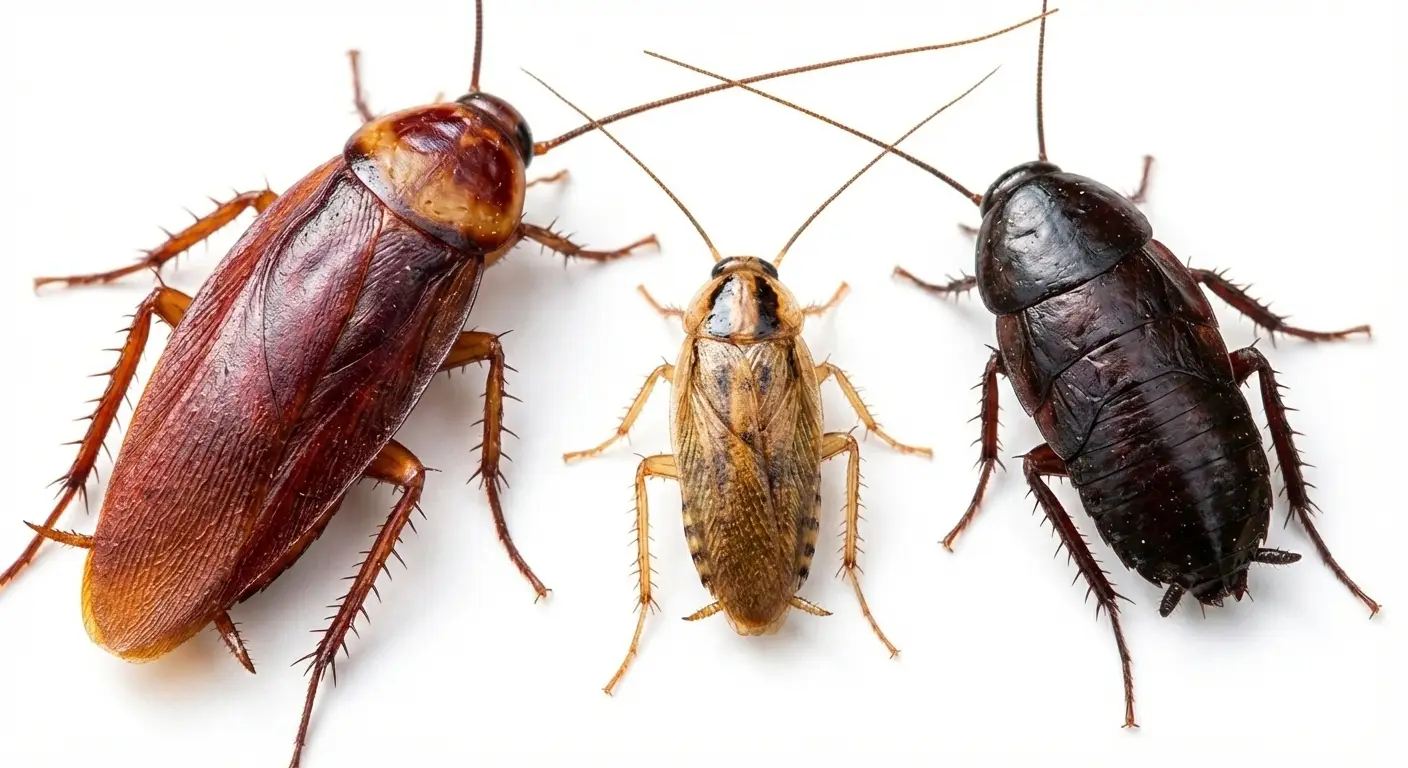
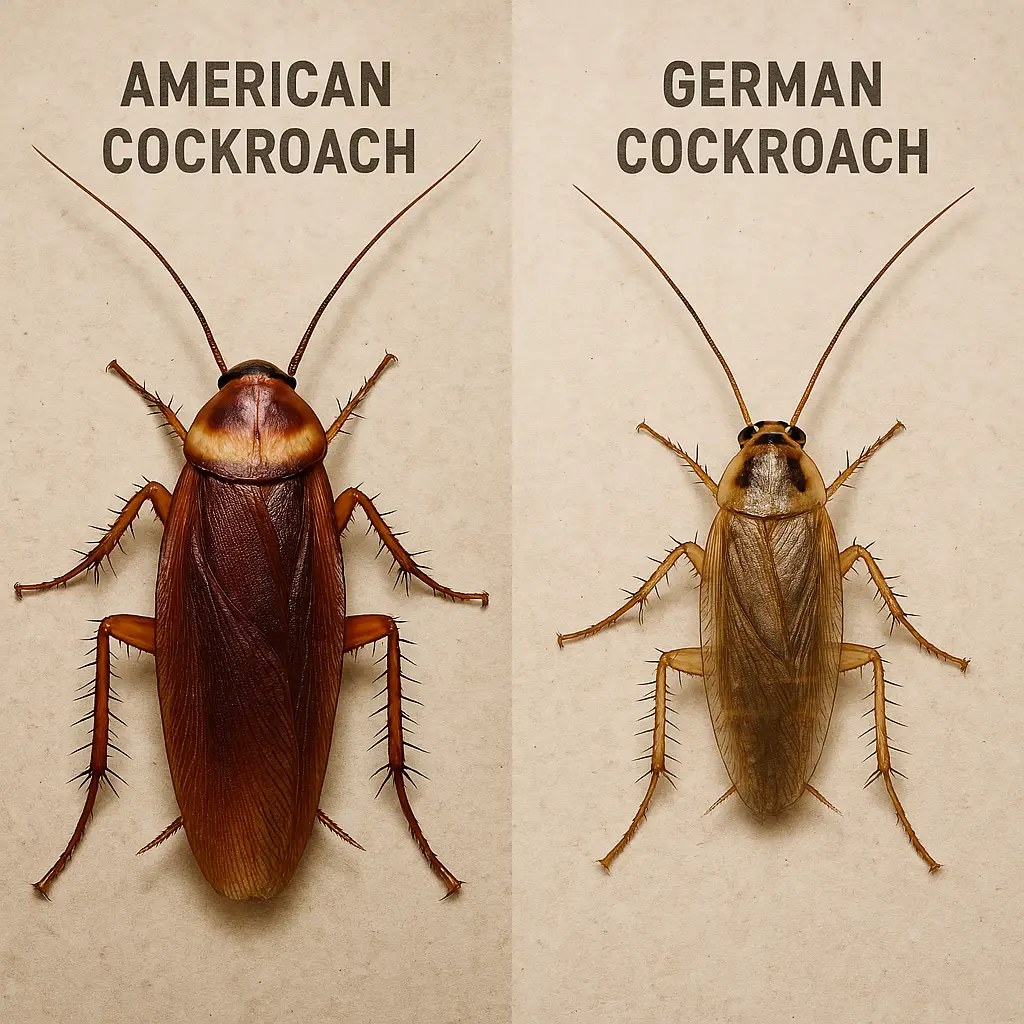
  • Determine species (German vs American)
  • Locate harborage areas
  • Assess density of infestation

2. Sanitation Foundation

  • Store food in sealed containers
  • Clean crumbs immediately
  • Manage garbage properly
  • Fix leaks and improve ventilation

3. Targeted Applications

  • Gel baits in small spots throughout infested areas
  • Dust formulations in wall voids
  • Crack and crevice liquid barriers
  • IGR applications to break breeding cycles

4. Physical Modifications

  • Caulk cracks to eliminate harborage
  • Install door sweeps and seal frame gaps
  • Block common entry points
  • Non-chemical, permanent solutions

Why Professional Cockroach Treatments Are Best

Species-Specific Strategies

German roaches need intensive indoor treatment vs American roaches requiring perimeter applications.

Professional-Grade Products

Longer residual control, better safety profiles, multiple active ingredients to prevent resistance.

Specialized Equipment

Precise application directly to harborage areas that foggers can never reach.

True Cost-Effectiveness

Permanent resolution saves money vs repeated DIY failures, cleaning time, health risks, and persistent infestations.

Can Roach Bombs Make Infestations Worse?

Yes — Through Multiple Mechanisms

Scattering Effect:

The repellent effect drives roaches from relatively contained areas into wall voids, neighboring rooms, or adjacent apartments — transforming a localized problem into a widespread infestation.

Accelerated Resistance:

Sublethal exposure allows roaches with resistance genes to survive and breed, creating super-resistant populations that require more intensive professional treatment.

Environmental and Long-Term Effects

Beyond Your Home

  • Pesticide residues persist weeks or months
  • Eventually wash into water systems
  • Improper canister disposal contaminates soil
  • Accelerates regional pesticide resistance

Indoor Air Quality

  • Pyrethroid residues detected in home dust months later
  • Creates chronic low-level exposure for families
  • Children playing on floors face highest exposure
  • Residues resist normal cleaning

Contact EcoGuard Pest Management

When roach bombs inevitably fail to solve your cockroach problem, EcoGuard Pest Management delivers proven, scientific solutions. Our trained technicians understand that every infestation requires customized treatment based on thorough inspection and analysis. We employ integrated pest management combining targeted applications, exclusion, and monitoring for complete elimination.

Call (866) 326-2847Get Free Quote

Cockroach Bomb FAQs

Do cockroach bombs really work?

Research consistently demonstrates that aerosol pesticides fail to eradicate established roach colonies. While they kill some visible roaches on contact, they cannot reach the 90% of the population hiding in wall voids, under appliances, and in cracks smaller than 1/16 inch. The 2019 NC State study found zero population reduction from foggers while gel baits achieved 90% reduction in the same homes.

How long does a roach bomb take to work?

Roach bombs require 2-4 hours evacuation time plus ventilation, but they don't actually "work" to eliminate infestations. Dead roaches appear on surfaces within hours, but these represent a tiny fraction of the total population. The hidden majority survives and repopulates within days or weeks, making foggers a temporary illusion rather than a solution.

Is it better to bomb or spray for roaches?

Targeted spray applications far exceed bombing effectiveness. Professional crack and crevice treatments deliver pesticides directly where roaches travel and hide. Combined with gel baits and IGRs, targeted spraying achieves 90-95% population reduction compared to foggers' near-zero effectiveness. Spraying also minimizes pesticide exposure and doesn't scatter roaches throughout your home.

How do I get rid of cockroaches permanently?

Permanent elimination requires integrated pest management: eliminate food and water sources, seal entry points with caulk, apply gel baits to active areas, use IGRs to prevent reproduction, and monitor with sticky traps. For severe infestations, professional treatment provides the expertise and products necessary for complete elimination. Address root causes, not just visible roaches.

What is the most effective roach bomb?

No roach bomb effectively eliminates infestations, regardless of brand or ingredients. The NC State study tested all major brands with identical results — zero population reduction. Instead of seeking the "best" ineffective product, invest in proven methods. Gel baits consistently outperform every fogger on the market in both effectiveness and safety.

Why do I see more roaches after bombing?

Pyrethroid repellents in foggers cause roaches to flee their hiding spots and scatter throughout your home. This "flushing" effect drives roaches from contained areas into new rooms and deeper wall voids. The stress response also increases roach activity as they seek new harborage, creating more sightings despite no actual population increase.

Can roach bombs make infestations worse?

Foggers frequently worsen infestations by scattering roaches from localized areas throughout your entire home. The repellent effect drives them into previously clean rooms and neighboring units. Additionally, repeated fogging accelerates pesticide resistance, creating harder-to-kill populations that require more intensive professional treatment.

What are the dangers of using roach bombs?

Roach bombs pose multiple serious risks: respiratory problems, headaches, and nausea from pyrethroid exposure; severe reactions or death in pets, especially cats; house fires from flammable propellants meeting pilot lights; long-term surface contamination requiring extensive cleaning; and environmental pollution from improper disposal. These dangers far outweigh any minimal benefits.

From Our Blog

Related Articles

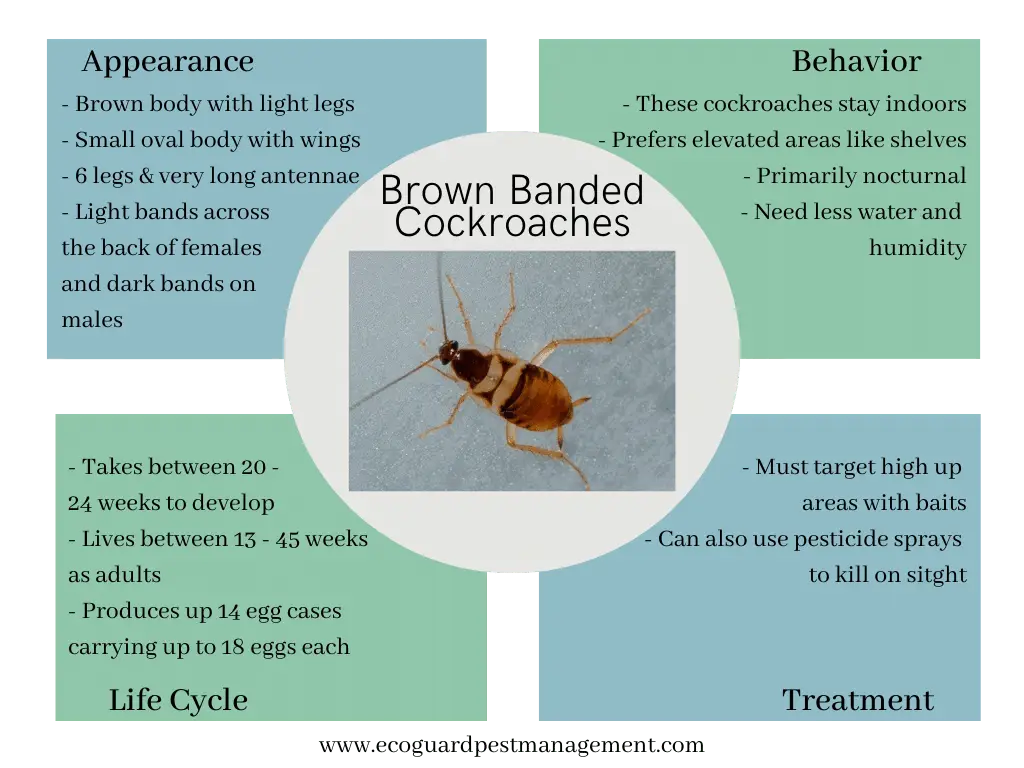
Brown Banded Cockroaches: Identification, Control & Prevention

Brown Banded Cockroaches: Identification, Control & Prevention

Learn how to identify and eliminate brown banded cockroaches with our comprehensive guide. Discover effective...

Read Article
Can Cockroaches Fly? Which Species Fly & Why

Can Cockroaches Fly? Which Species Fly & Why

Learn which cockroach species can fly, why they fly, and how to get rid of flying cockroaches. Discover the difference...

Read Article
Cockroach Life Cycle: Eggs, Nymphs & Adult Stages

Cockroach Life Cycle: Eggs, Nymphs & Adult Stages

Learn about the cockroach life cycle stages from egg to nymph to adult. Understand lifespans by species and how many...

Read Article
Cockroach Repellent: Natural and Commercial Solutions That Work

Cockroach Repellent: Natural and Commercial Solutions That Work

Discover effective cockroach repellents including scientifically proven essential oils, commercial products, and DIY...

Read Article
Common Types of Cockroaches: Identification Guide

Common Types of Cockroaches: Identification Guide

Learn to identify the 7 most common types of cockroaches in California including German, American, Oriental, and Brown...

Read Article
Do Cockroaches Bite? What Bites Look Like & How to Treat

Do Cockroaches Bite? What Bites Look Like & How to Treat

Learn if cockroaches bite humans, what roach bites look like, how to treat them, and the real dangers cockroaches pose...

Read Article
Do Cockroaches Transmit Diseases? Health Risks Explained

Do Cockroaches Transmit Diseases? Health Risks Explained

Learn which diseases cockroaches can transmit, how they spread pathogens, and effective prevention methods to protect...

Read Article
German Cockroaches vs American Cockroaches: Key Differences & Control

German Cockroaches vs American Cockroaches: Key Differences & Control

Learn to identify German vs American cockroaches by size, color, and behavior. Discover species-specific control...

Read Article
How to Find Where Cockroaches Are Coming From

How to Find Where Cockroaches Are Coming From

Discover where cockroaches enter your home, their common hiding spots by species, and effective prevention methods to...

Read Article
How to Get Rid of Cockroaches: Complete Treatment Guide

How to Get Rid of Cockroaches: Complete Treatment Guide

Learn how to get rid of cockroaches with pesticides, natural methods, baits, and professional treatment. Prevention...

Read Article
How to Identify and Get Rid of Cockroach Eggs

How to Identify and Get Rid of Cockroach Eggs

Learn to identify cockroach eggs by species, where to find oothecas, how often roaches lay eggs, and effective...

Read Article
How to Identify Cockroach Poop: Complete Identification Guide

How to Identify Cockroach Poop: Complete Identification Guide

Learn how to identify cockroach droppings by size, shape, and location. Understand health risks and get tips for...

Read Article
Is This a Baby Cockroach? Identification Guide

Is This a Baby Cockroach? Identification Guide

Learn how to identify baby cockroaches (nymphs), understand what their presence means, and discover effective methods...

Read Article
Oriental Cockroach Facts and Information

Oriental Cockroach Facts and Information

Learn about oriental cockroaches including appearance, behavior, life cycle, health risks, signs of infestation, and...

Read Article
Palmetto Bugs vs Cockroach: What Is the Difference?

Palmetto Bugs vs Cockroach: What Is the Difference?

Learn the difference between palmetto bugs and cockroaches, which species are called palmetto bugs, and effective...

Read Article
What Are Cockroaches? Identification, Behavior & Facts

What Are Cockroaches? Identification, Behavior & Facts

Learn about cockroaches including appearance, behavior, reproduction, species, and what attracts them. Complete guide...

Read Article
What Are German Cockroaches? Complete Identification Guide

What Are German Cockroaches? Complete Identification Guide

Learn about German cockroaches, how to identify them, their behavior, health risks, and effective methods to eliminate...

Read Article
What Attracts Cockroaches Into Your Home? Prevention Tips

What Attracts Cockroaches Into Your Home? Prevention Tips

Learn what attracts cockroaches including food, water, shelter, and smells. Discover prevention tips and what draws...

Read Article
What Do Cockroaches Eat? Complete Diet Guide

What Do Cockroaches Eat? Complete Diet Guide

Learn what cockroaches eat including their preferred foods, how they find food, and how to eliminate food sources....

Read Article
Where Do Cockroaches Live? Indoor & Outdoor Habitats Explained

Where Do Cockroaches Live? Indoor & Outdoor Habitats Explained

Discover where cockroaches live outside and inside your home. Learn species-specific hiding spots, entry points, and...

Read Article
Why Are Cockroaches Bad? Health Risks, Diseases & Dangers Explained

Why Are Cockroaches Bad? Health Risks, Diseases & Dangers Explained

Discover why cockroaches are dangerous: disease transmission, asthma triggers, allergens, and psychological impacts....

Read Article
Why Are There Suddenly So Many Cockroaches in My House?

Why Are There Suddenly So Many Cockroaches in My House?

Discover why cockroaches suddenly appear in your home even if it\

Read Article
Why Do Cockroaches Come Out at Night? Nocturnal Behavior Explained

Why Do Cockroaches Come Out at Night? Nocturnal Behavior Explained

Discover why cockroaches are nocturnal, where they hide during the day, and what nighttime activity means for your...

Read Article