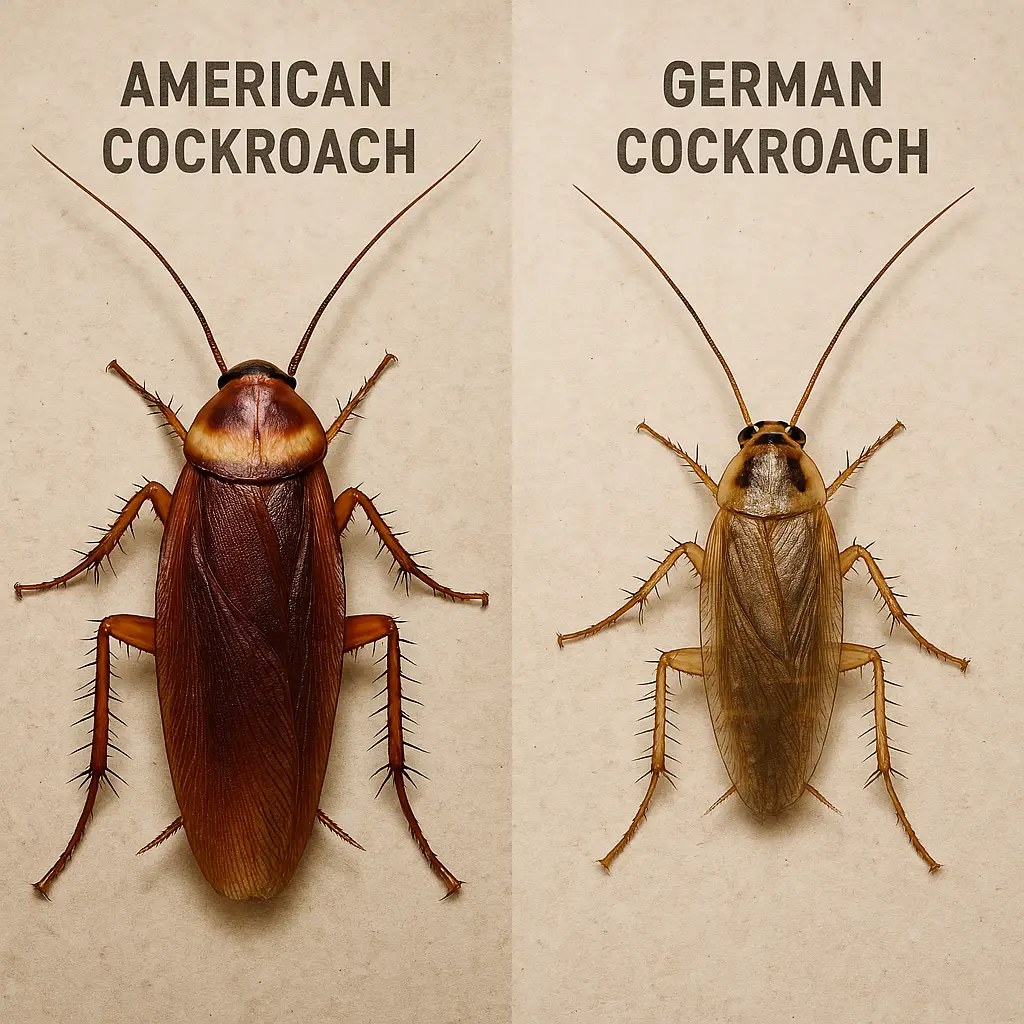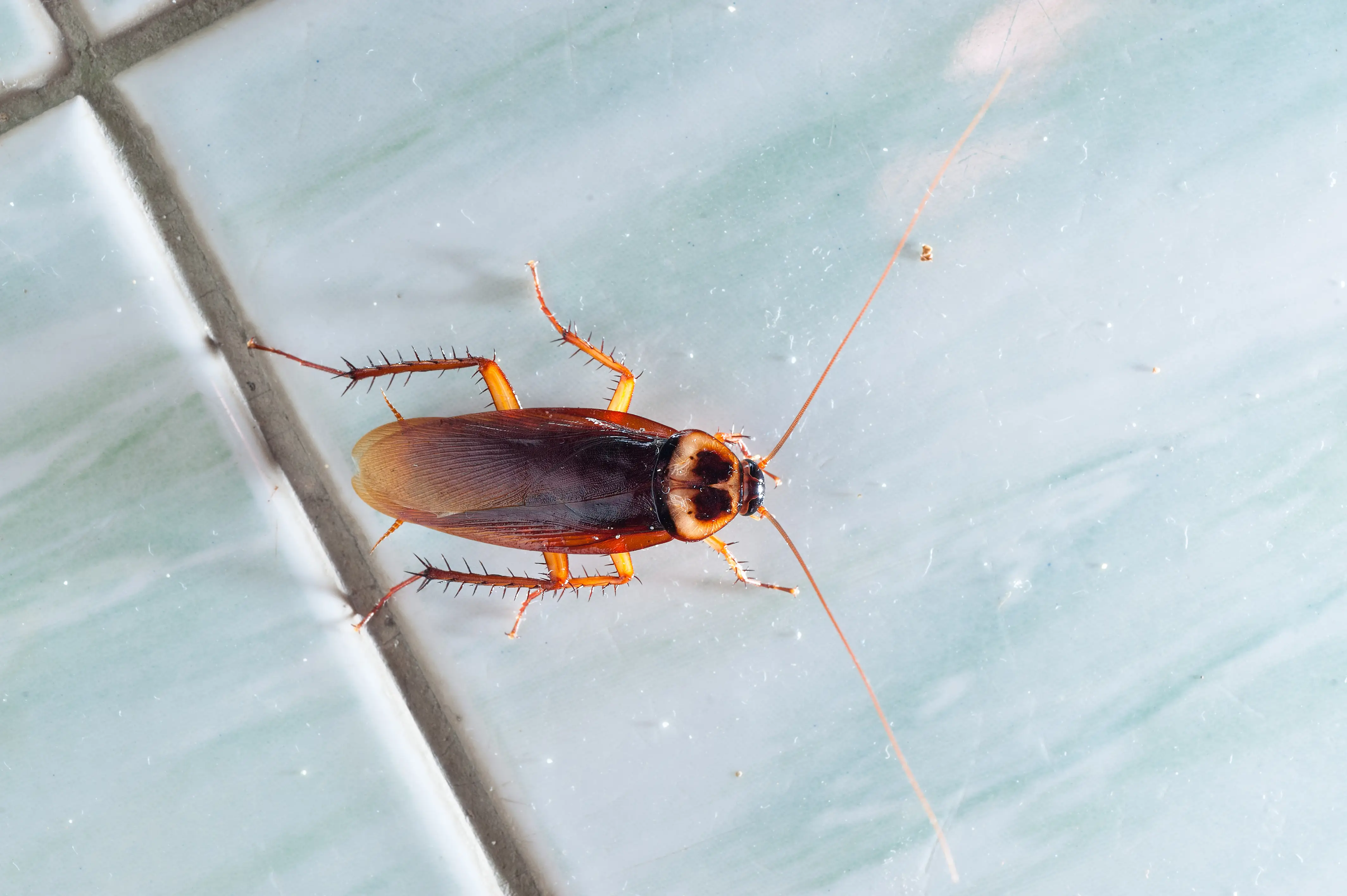
Effective cockroach repellents combine scientifically proven methods with practical application strategies to create an inhospitable environment for these persistent pests. While many homeowners turn to natural solutions for cockroach control, the effectiveness varies significantly between different repellent approaches, with some backed by solid research and others relying primarily on anecdotal evidence. Understanding which methods actually work and which are merely popular myths is essential for successful cockroach management.
Several natural cockroach repellents have demonstrated measurable effectiveness in laboratory studies, particularly essential oils like peppermint and rosemary, while commercial electronic devices often fail to deliver on their promises. The key to successful cockroach management lies in combining proven repellent methods with comprehensive sanitation practices and exclusion techniques to create multiple barriers that discourage cockroach activity while addressing the root causes that attract these pests to homes in the first place.
In This Article:
- What Are Cockroach Repellents?
- Commercial Cockroach Repellent Products
- Natural Cockroach Repellent Spray Options
- DIY Natural Cockroach Repellent Spray Recipes
- Cockroach Repellent Home Remedy Solutions
- Cockroach Repellent Plants for Natural Protection
- Electronic and Ultrasonic Repellers
- Cockroach Repellent Indoor Strategies
- Application Methods and Best Practices
- Safety Considerations
- Effectiveness vs. Commercial Alternatives
- Prevention Strategies Beyond Repellents
- Common Mistakes and Troubleshooting
- When to Call Professional Pest Control
- Cockroach Repellent FAQs
What Are Cockroach Repellents?
Cockroach repellents function differently from insecticides by creating environmental conditions that deter cockroaches from entering or remaining in treated areas rather than killing them outright. These repellent mechanisms typically work through scent-based deterrence, where strong odors overwhelm cockroaches' sensitive olfactory systems [1], or through physical barriers that make surfaces uncomfortable or inaccessible. Understanding this distinction is crucial because repellents serve as preventive measures rather than elimination tools, making them most effective when cockroach populations are small or as part of integrated pest management strategies.
The effectiveness of repellent-only approaches has significant limitations compared to comprehensive pest control methods. Repellents work best when combined with proper sanitation, exclusion techniques, and targeted treatment of existing populations. Cockroaches driven away by repellents may simply relocate to untreated areas of the same property, making thorough application and ongoing maintenance essential for sustainable results.
Need Help with Cockroaches?
Our experts can eliminate cockroach infestations quickly and effectively with proven treatments.
✓ Same-day service available
✓ Licensed & insured
✓ Guaranteed results
✓ Free estimates
Related Pests
Commercial Cockroach Repellent Products
Professional Grade Sprays
Commercial spray products containing permethrin and other synthetic pyrethroids offer longer-lasting protection than many natural alternatives [2], though they function primarily as contact killers rather than true repellents. These professional-grade formulations provide residual activity that continues working for weeks after application [3], making them suitable for treating baseboards, cracks, and crevices where cockroaches travel.
The distinction between repellent and non-repellent insecticides affects their strategic use, as non-repellent formulations allow cockroaches to contact treated surfaces without immediately detecting the danger, leading to better colony elimination. Application guidelines for professional sprays require careful attention to safety protocols, particularly in food preparation areas and homes with children or pets.
Gel Baits and Deterrent Systems
Professional gel bait stations are best used with insect growth regulators (IGRs) alongside attractants to create combination products that both eliminate existing cockroaches and disrupt reproduction cycles [4]. These systems typically use monitoring stations that allow ongoing assessment of cockroach activity levels while delivering targeted treatment. The strategic placement of bait stations in high-activity areas provides both immediate population reduction and long-term prevention when properly maintained.
Natural Cockroach Repellent Spray Options
Essential Oil Based Sprays
Scientific research supports the effectiveness of several essential oils as cockroach repellents, with varying degrees of success based on oil type and concentration:
💡 EcoGuard Experience
From our field experience, we've found that homeowners often underestimate how quickly peppermint oil effectiveness loses its potency. We regularly receive follow-up calls from clients who report that their DIY peppermint spray worked well initially but stopped being effective after about a week. The menthol compounds evaporate within days, especially in kitchens where heat and humidity accelerate the process. We advise clients that successful essential oil applications require treating cockroach-specific areas like under appliances and inside cabinet corners every 2-3 days, not just visible surfaces where cockroaches are occasionally spotted.
DIY Natural Cockroach Repellent Spray Recipes
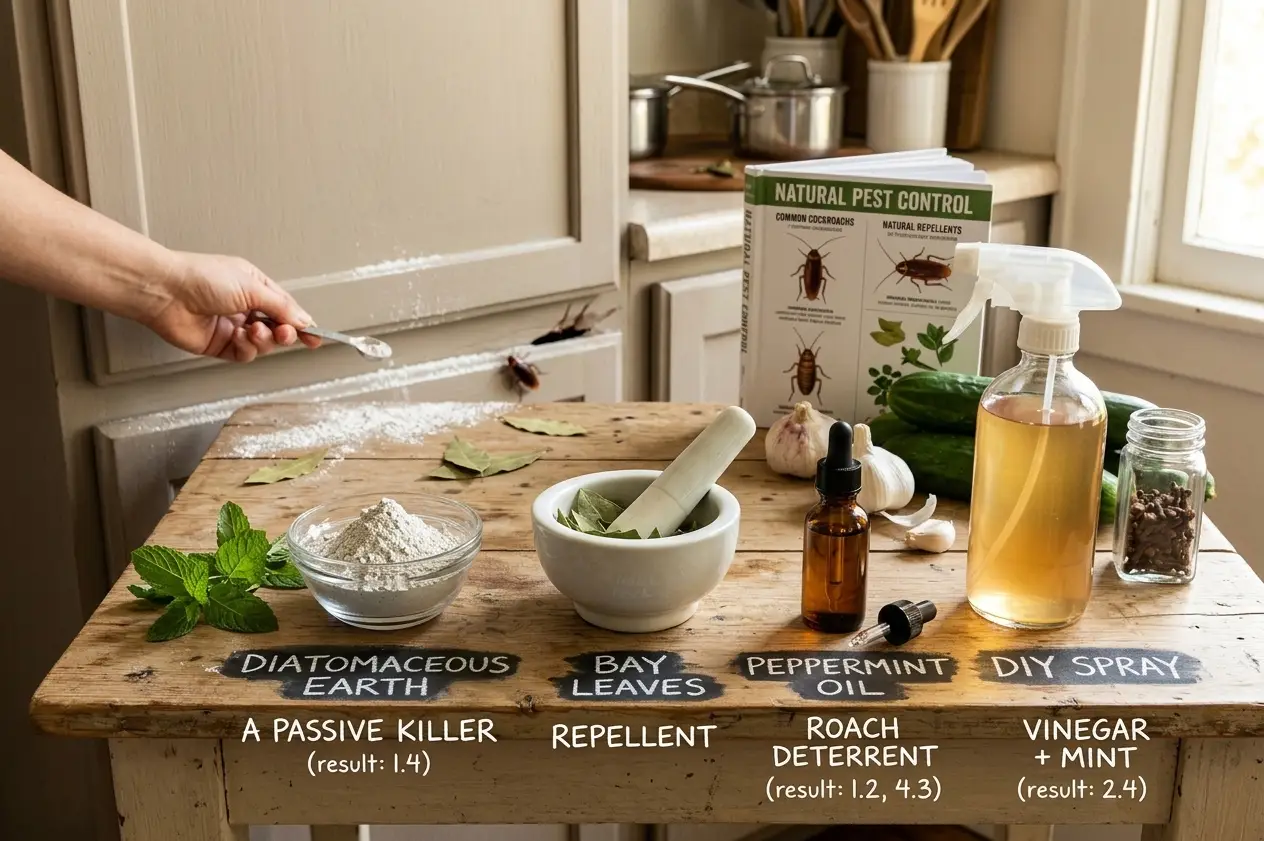
Creating effective essential oil sprays requires proper dilution ratios and application techniques to maximize repellent properties while ensuring safety. A basic peppermint oil spray combines 10-15 drops of pure peppermint essential oil with one cup of water in a spray bottle, with thorough shaking before each application to maintain oil distribution. Enhanced formulations can incorporate white vinegar at a 2:1 water-to-vinegar ratio, creating a more potent solution that provides both repellent effects and cleaning properties.
Multi-oil blend recipes combining proven essential oils like peppermint, rosemary, and oregano may provide broader spectrum repellency, though scientific evidence for synergistic effects remains limited. Application techniques should focus on treating areas where cockroaches are commonly found, such as potential hiding spots and access points, rather than broad surface coverage, with regular reapplication needed to maintain effectiveness as essential oils are volatile and lose potency over time.
💡 EcoGuard Experience
One pattern we consistently observe during service calls is that homeowners who achieve the best results with essential oil sprays are those who focus their applications strategically rather than trying to treat entire rooms. We've visited homes where residents sprayed essential oil solutions broadly across kitchen counters and floors but continued seeing cockroach activity because they missed the actual travel routes behind appliances and along baseboards.
Cockroach Repellent Home Remedy Solutions
Many commonly suggested household remedies lack scientific validation, though some show limited effectiveness under specific conditions:
Kitchen and Household Item Remedies
Natural Powder Home Remedies
Diatomaceous earth (food grade) powder works through physical rather than chemical action, damaging cockroach exoskeletons when they contact the fine powder, though its effectiveness as a repellent is limited since cockroaches must directly contact the substance for it to work [13]. Application requires thin, even dusting in dry areas where cockroaches travel, with moisture reducing effectiveness significantly.
Baking soda represents a commonly misunderstood remedy that functions as a killer rather than repellent when mixed with sugar attractants. The proposed mechanism involves baking soda reacting with acids in cockroach digestive systems to produce gas buildup leading to mortality, though scientific evidence for this effectiveness is limited.
Cockroach Repellent Plants for Natural Protection
Strategic placement of specific plants can provide ongoing natural repellent effects while enhancing air quality and aesthetics:
Indoor Cockroach Repellent Plants
Outdoor Cockroach Repellent Plants
Landscape design incorporating natural pest deterrent plants can create barriers that reduce cockroach pressure on indoor spaces. Chrysanthemum flowers produce pyrethrum compounds that provide natural insecticidal properties, with strategic planting around home foundations creating defensive perimeters. Companion planting strategies can integrate herbs like rosemary, mint, and tansy into garden designs that serve multiple purposes including cooking, aromatherapy, and pest deterrence.
Electronic and Ultrasonic Repellers
⚠ Warning: Limited Effectiveness
Electronic repeller devices claim to repel cockroaches using high-frequency sound waves typically ranging from 22-65 kHz. However, scientific evidence consistently demonstrates these devices are ineffective for cockroach control [15]. A comprehensive study found that ultrasonic devices had little to no effect on cockroaches, while some insects initially responded to the sounds but quickly became habituated to the frequencies.
The Federal Trade Commission has issued multiple warnings to manufacturers about unsubstantiated effectiveness claims for ultrasonic pest repellers, noting the lack of scientific evidence supporting their marketed benefits [16]. Additional limitations include the devices' inability to penetrate walls or furniture, creating "dead zones" where cockroaches can remain undisturbed.
Cockroach Repellent Indoor Strategies
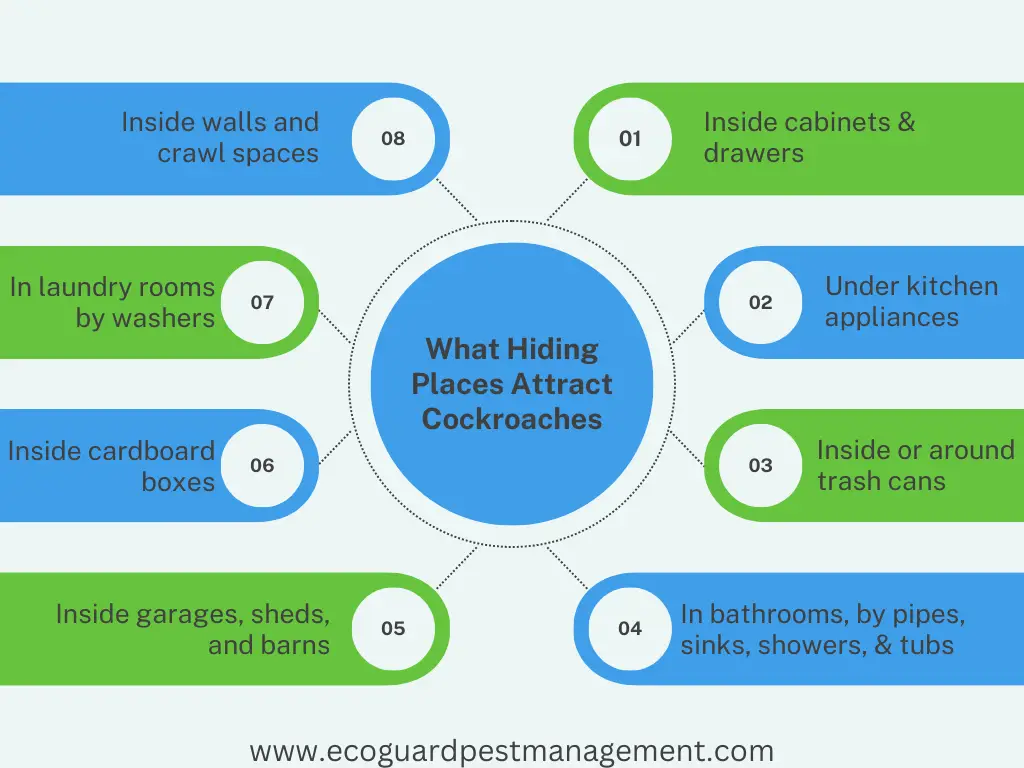
Room-by-room approaches to indoor cockroach deterrence require understanding cockroach behavior patterns and preferred harborage areas. Kitchen applications focus on areas near food storage, preparation surfaces, and appliances where cockroaches commonly establish populations. Essential oil treatments around sinks, behind refrigerators, and inside cabinets create multiple deterrent zones, while proper sanitation removes the food sources that attract cockroaches initially.
Bathroom moisture control combines physical modifications with repellent applications to address both water sources and harborage opportunities. Living areas and bedroom protection typically requires treating potential entry points and addressing clutter that provides hiding places. Basement and attic approaches must account for different environmental conditions and seasonal variations in cockroach activity levels.
Application Methods and Best Practices
Effective spray application requires understanding coverage patterns and targeting high-traffic cockroach areas rather than random surface treatment. Proper technique involves treating cracks, crevices, baseboards, and areas behind appliances where cockroaches travel, with light, even coverage providing better results than heavy saturation. Frequency of reapplication depends on environmental conditions, with kitchen areas requiring more frequent treatment due to higher moisture and cleaning activity that removes repellent residues.
Safety equipment becomes essential when applying essential oil concentrations that provide effective repellency, with proper ventilation preventing respiratory irritation and gloves protecting skin from direct contact with concentrated oils. Target area identification should focus on cockroach biology and behavior, treating likely harborage sites and travel routes rather than visible areas where cockroaches are occasionally spotted.
Safety Considerations
Essential oil applications require careful attention to concentration levels and potential allergic reactions, particularly in households with sensitive individuals or pets. Pet safety concerns vary by oil type, with some essential oils being toxic to cats, dogs, or other animals even at concentrations safe for humans. Proper storage of concentrated oils prevents accidental ingestion or exposure, while child safety measures ensure repellent applications remain inaccessible to curious young family members.
Emergency response procedures should be established before beginning natural repellent applications, including knowing appropriate first aid measures for essential oil exposure and having contact information for poison control readily available. Safe storage practices prevent degradation of natural products while maintaining their effectiveness over time.
Effectiveness vs. Commercial Alternatives
Natural repellents typically provide temporary or localized effectiveness compared to professional pest control treatments, with most functioning as deterrents rather than elimination methods. Realistic expectations for natural repellents include understanding their limitations in addressing established infestations and their need for frequent reapplication to maintain effectiveness. Cost-effectiveness comparisons must account for time investment, ongoing material costs, and the potential need for professional intervention if natural methods prove insufficient.
Professional treatment becomes necessary when natural repellents fail to control cockroach activity or when infestations become too large for DIY management. Long-term sustainability requires combining repellent methods with comprehensive sanitation and exclusion practices that address the underlying conditions attracting cockroaches.
Prevention Strategies Beyond Repellents
Sanitation and exclusion methods provide the foundation for sustainable cockroach management, addressing food sources, water availability, and harborage opportunities that repellents alone cannot eliminate. Food source control involves proper storage techniques, regular cleaning schedules, and elimination of crumbs and spills that attract cockroaches. Water source management includes fixing leaks, eliminating standing water, and reducing humidity levels that create favorable conditions for cockroach survival.
Structural modifications and sealing prevent cockroach entry by eliminating gaps around pipes, doors, windows, and other potential access points. Habitat modification reduces available hiding places through decluttering, proper storage practices, and regular maintenance that disrupts potential cockroach harborage sites.
Integrated pest management approaches combine repellent applications with monitoring, sanitation, exclusion, and targeted treatment methods for comprehensive long-term control. Professional consultation timing becomes important when DIY methods prove insufficient or when infestations require immediate attention to prevent health risks or property damage.
Common Mistakes and Troubleshooting
Why Repellents Fail
💡 EcoGuard Experience
A common scenario we encounter involves families who start essential oil treatments with great enthusiasm, see initial improvements, but gradually reduce their application frequency as the routine becomes tedious. What typically happens is that cockroach activity decreases initially, leading residents to believe the problem is solved, but populations recover within weeks when treatments become sporadic. The families who achieve lasting results are those who integrate the application routine into existing cleaning schedules rather than treating it as a separate chore.
When to Call Professional Pest Control
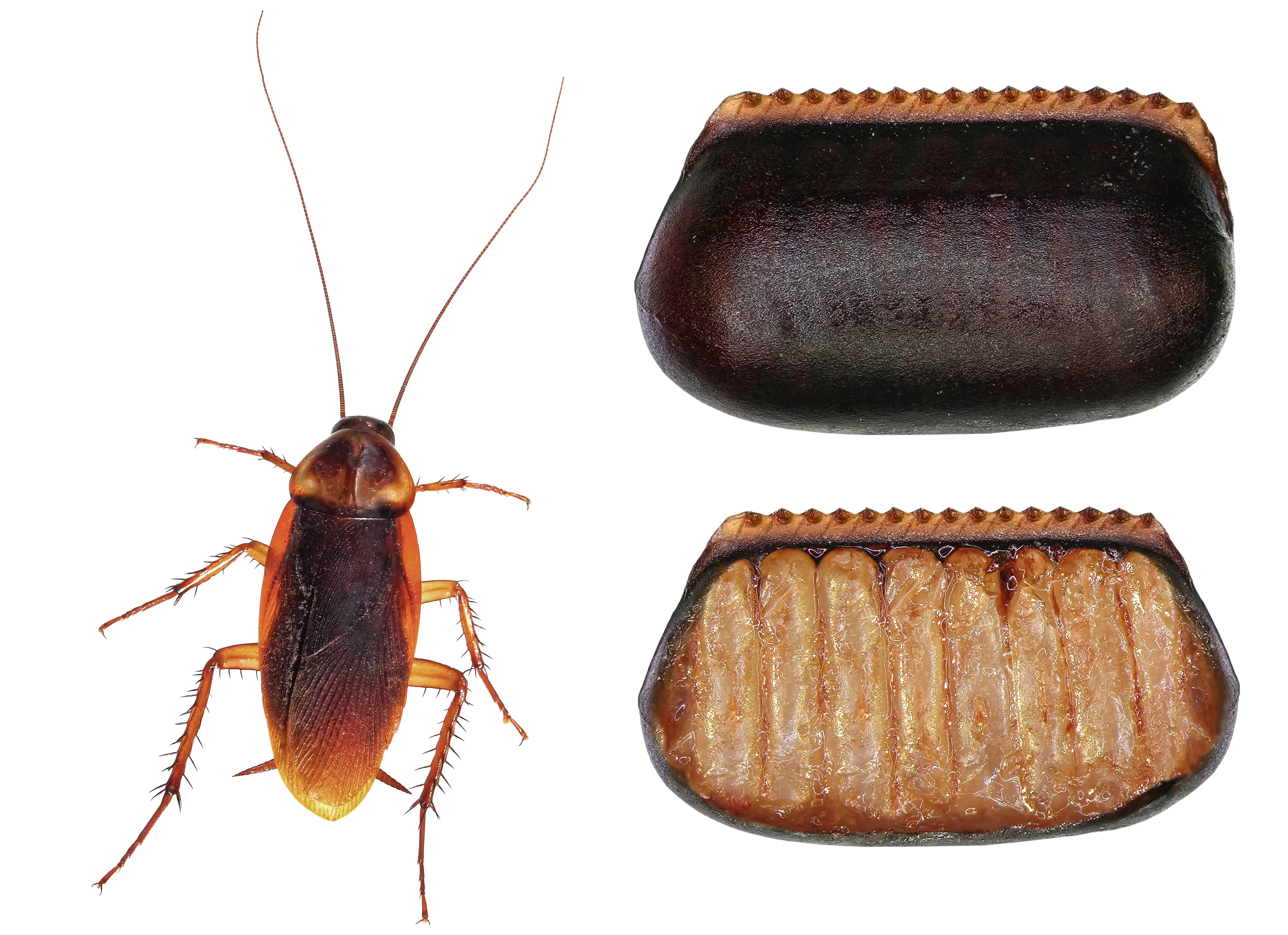
Signs that DIY repellents aren't working include continued cockroach sightings despite consistent application, increasing activity levels, or discovery of egg cases indicating reproduction is occurring. Severe infestation indicators such as daytime cockroach activity, strong odors, or widespread fecal spotting suggest populations too large for natural repellent management alone.
Health and safety risk assessment becomes critical when cockroaches contaminate food preparation areas or when family members experience allergic reactions to cockroach allergens. Professional intervention provides access to treatment methods unavailable to consumers, including specialized baits, growth regulators, and application techniques that address complex infestation scenarios.
Contact EcoGuard if You Are Dealing with Cockroaches
Navigating cockroach control can be overwhelming due to the various treatment strategies and determining how and when to implement them. While DIY methods might offer temporary relief, comprehensive and lasting solutions typically require the expertise of professional cockroach exterminators. EcoGuard Pest Management brings experience, knowledge, and proven techniques to ensure your home is treated properly and remains roach-free.
Contact EcoGuard today to schedule an inspection so their team can create a customized treatment plan designed to eradicate your cockroach problem efficiently and effectively.
Cockroach Repellent FAQs
What scent keeps roaches away?
Essential oils like peppermint, oregano, and rosemary oil are among the most effective scents for repelling cockroaches, as their strong aromas overwhelm the insects' sensitive olfactory systems. Concentrated citrus oils have also been shown to repel roaches in the right concentrations and application rates, while catnip containing nepetalactone has been scientifically proven to repel cockroaches more effectively than DEET. These scents work best when applied regularly and combined with proper sanitation practices.
What keeps cockroaches away?
Maintaining a clean environment by eliminating food crumbs, fixing water leaks, and sealing entry points is the most effective long-term prevention strategy. Essential oils, diatomaceous earth, and proper food storage in airtight containers create additional barriers that discourage cockroach infestations. Regular cleaning and reducing clutter removes the shelter and resources that attract cockroaches to your home.
What do cockroaches hate the most?
Cockroaches hate strong scents like peppermint, rosemary, and oregano oils, as well as clean, dry environments that lack food sources and hiding places. They also avoid bright lights and prefer not to be exposed in open areas where they feel vulnerable to predators.
What gets rid of roaches permanently?
Permanent cockroach elimination requires a comprehensive approach combining professional pest control treatments with ongoing prevention measures like sealing cracks, eliminating water sources, and maintaining strict cleanliness. Targeted baits and insecticides address existing populations, while consistent sanitation and structural repairs prevent future infestations. Most severe infestations require professional intervention, as DIY methods alone rarely achieve complete, long-term elimination.
References
- Cockroach olfactory system research - Primary reference for scent-based deterrence mechanisms
- Synthetic pyrethroid efficacy studies - Permethrin and related compounds
- Professional-grade insecticide residual activity research
- Insect growth regulator (IGR) effectiveness studies
- Peppermint oil and menthone effects on German cockroaches - Laboratory research
- Rosemary essential oil repellency and toxicity studies
- Oregano oil effectiveness against brown-banded cockroaches - Peer-reviewed research
- Eucalyptus oil variable effectiveness studies
- Lavender oil insecticidal properties research
- Bay leaf compounds (eucalyptol, linalool) cockroach repellent studies
- Citrus limonene repellent effectiveness limitations
- Coffee grounds ineffectiveness research
- Diatomaceous earth mechanism of action studies
- Catnip nepetalactone cockroach repellent validation studies
- Ultrasonic pest repeller ineffectiveness - Comprehensive scientific review
- Federal Trade Commission warnings on ultrasonic pest repeller claims