EcoGuard Pest Management
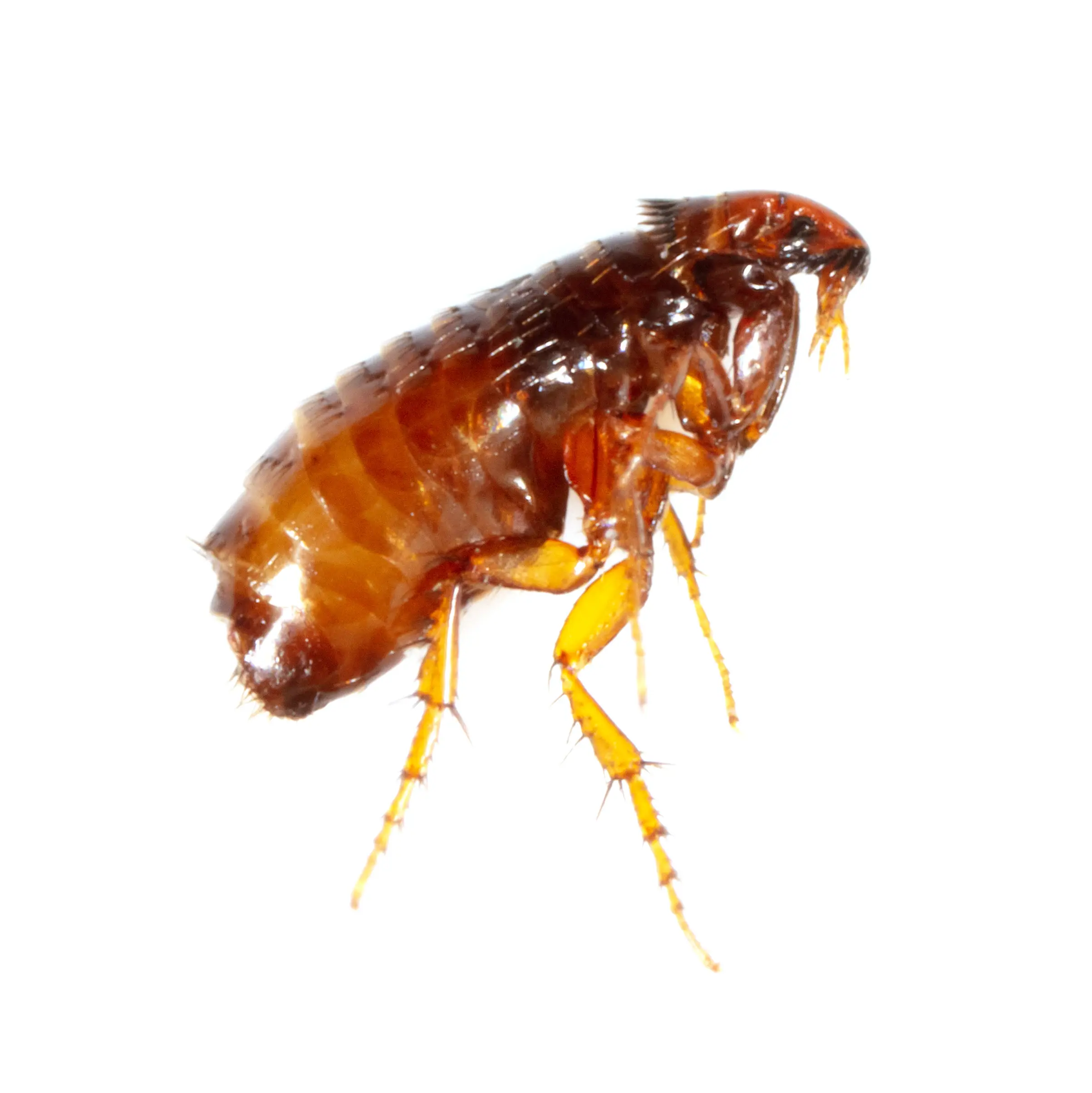
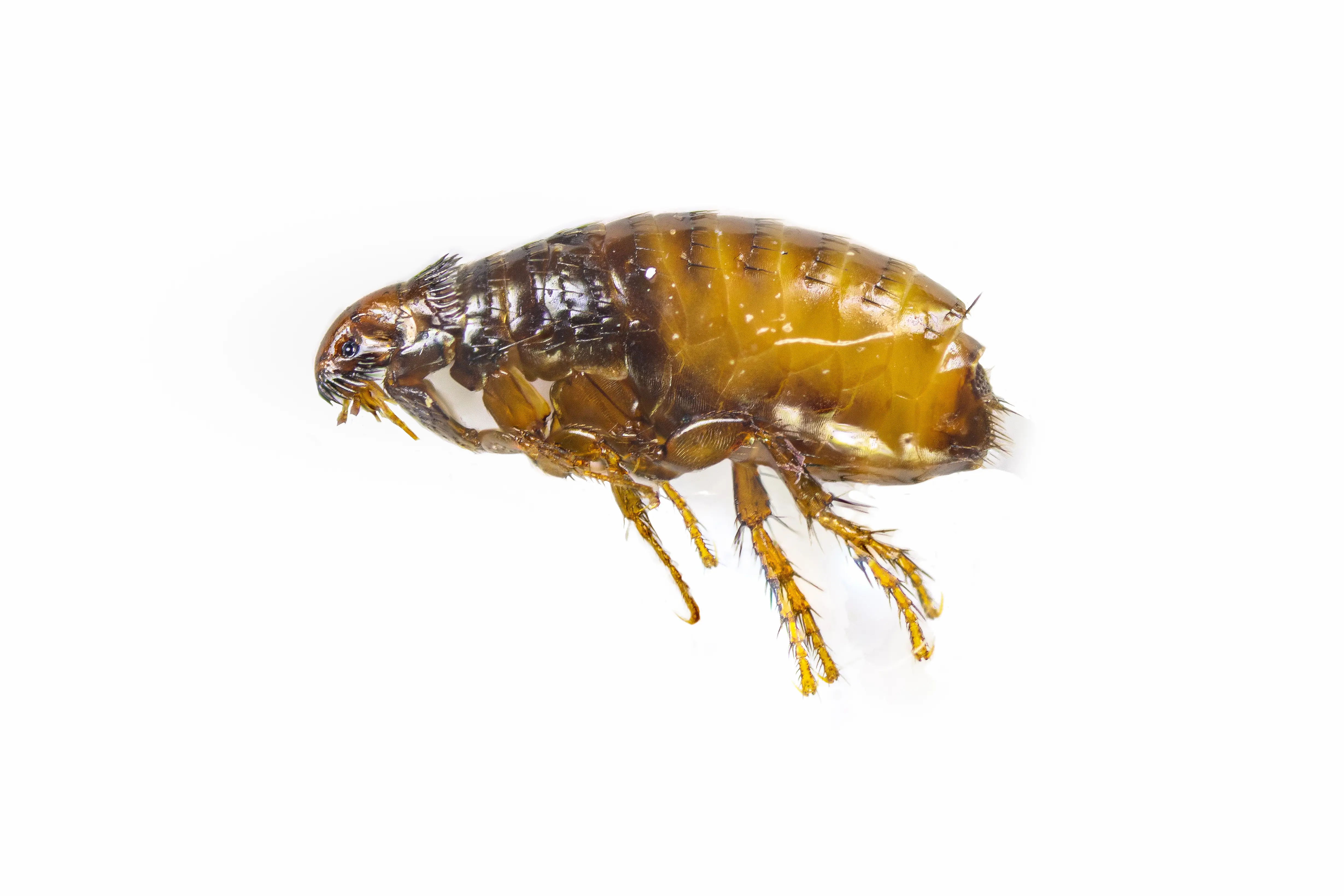
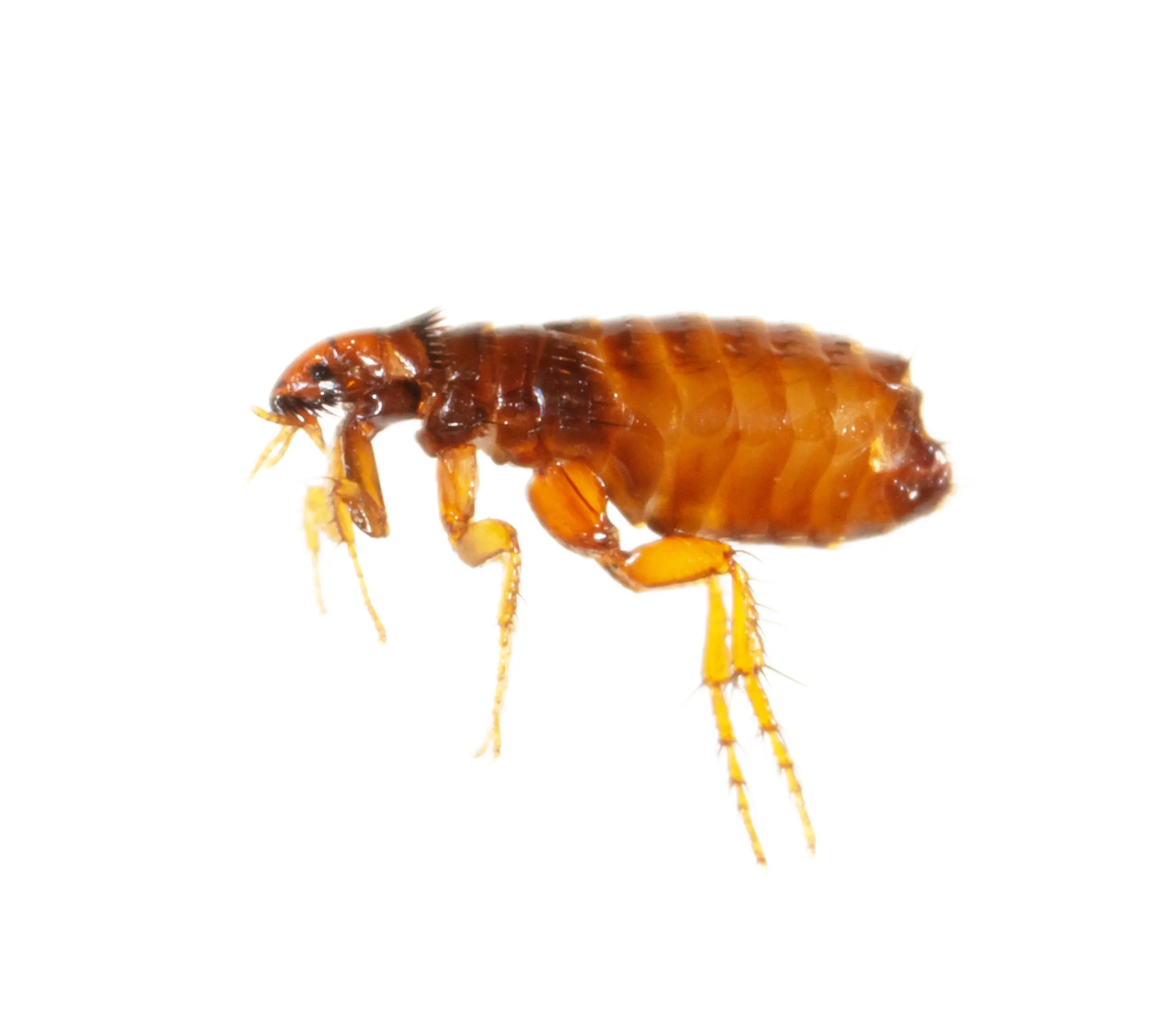
Flea attracted to light and heat sources
By Gary Anderson||5 min read

What Attracts Fleas?

Understanding flea attractants helps prevent and control infestations.

93%
Move Toward Light
5-8x
More Attracted to Intermittent Light
70-85°F
Ideal Temperature
82%
Caught by Intermittent Light

Fleas are bloodsucking pests that pose a serious threat to the health of you, your family, and your pets. Knowing what attracts fleas is critical to preventing them and using attractants against them for treatment.

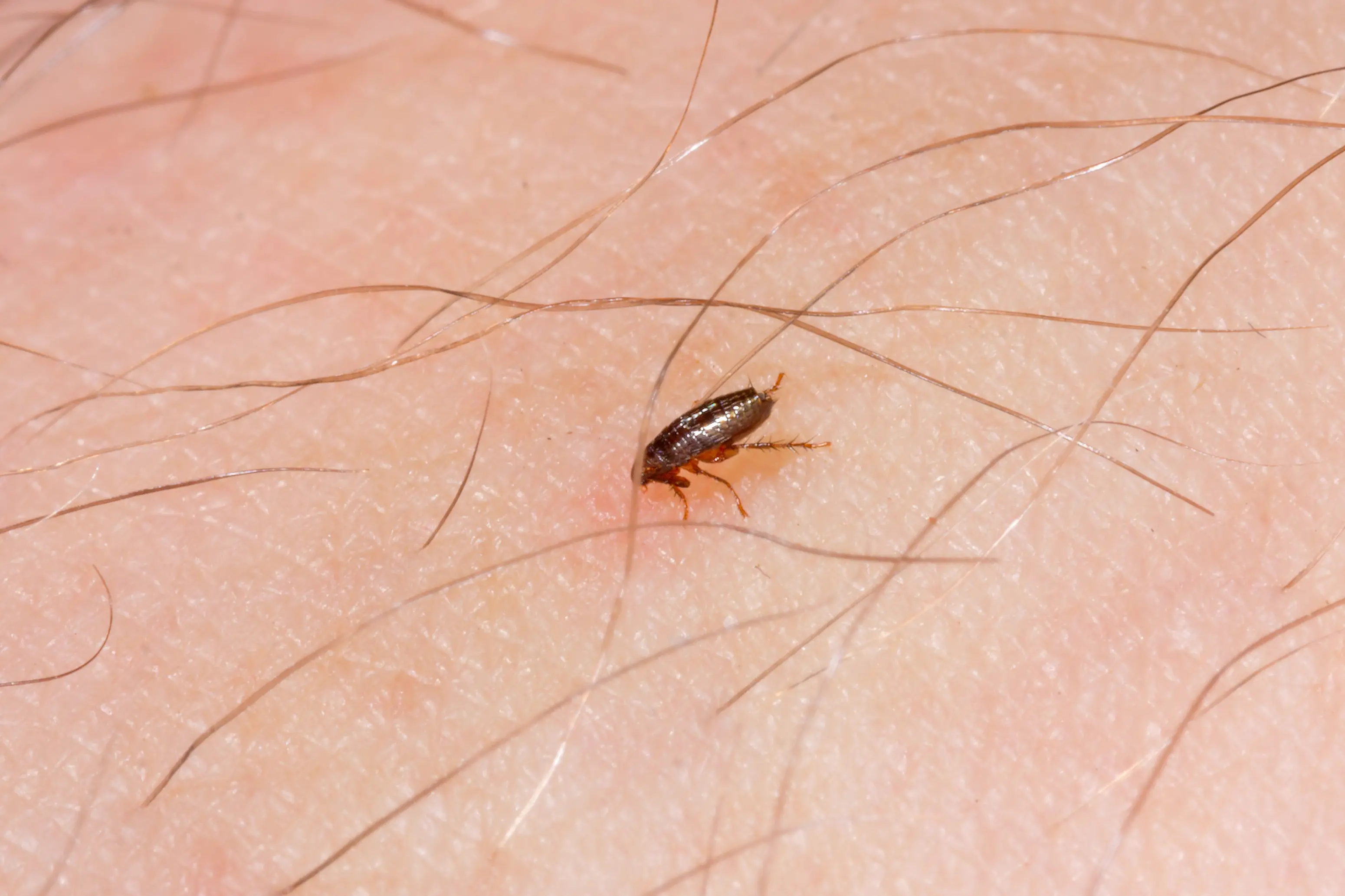
Fleas are attracted to light, movement, heat, and CO2 because these elements help them find suitable hosts to feed on.
Are Fleas Attracted to Light?

Yes. Fleas use the movement of shadows to determine where to jump. Studies show 93% of fleas move toward a light source within 40 minutes in darkness.

Best Light Colors

Green and yellow light attract 2x more fleas than other wavelengths. Red light does not attract fleas at all.

Intermittent vs Persistent Light

Intermittent light is 5-8x more effective at trapping fleas. It replicates a host passing in front of light. Intermittent: 82% caught. Persistent: only 10%.

Why Movement Matters

Fleas don't have the best eyesight, but movement in front of light sources helps them identify potential hosts. This is why intermittent lights work better for traps.

Flea Traps: Use a light source to attract fleas onto a sticky glue pad. Not a final solution but excellent for monitoring activity before or after treatment.

Are Fleas Attracted to Heat?

The ideal temperature for flea larvae and adults is 70-85°F. This range likely offers the best chance of finding a host.

Fleas are positively thermotactic, meaning they are attracted to and stimulated by heat.

How Heat Triggers Attack

When something warm enters their vicinity, fleas look for additional host indicators. If they also detect a flicker of shadow or CO2, they jump in the direction they think the host is.

Are Fleas Attracted to CO2?

Fleas have an excellent sense of smell that detects trace amounts of carbon dioxide from breathing hosts.

Studies show fleas jump wildly when CO2 is introduced into test environments. Activity increases with short bursts of CO2 that replicate host respiration.

Larger Hosts = More Attraction

The more CO2 detected, the larger the host usually is. Larger hosts are easier targets to land on, which may attract more flea attention.

Flea Infestation Getting Out of Control?

Professional treatment targets all life cycle stages.

Call (866) 326-2847

Why Do Fleas Seem Attracted to Certain People?

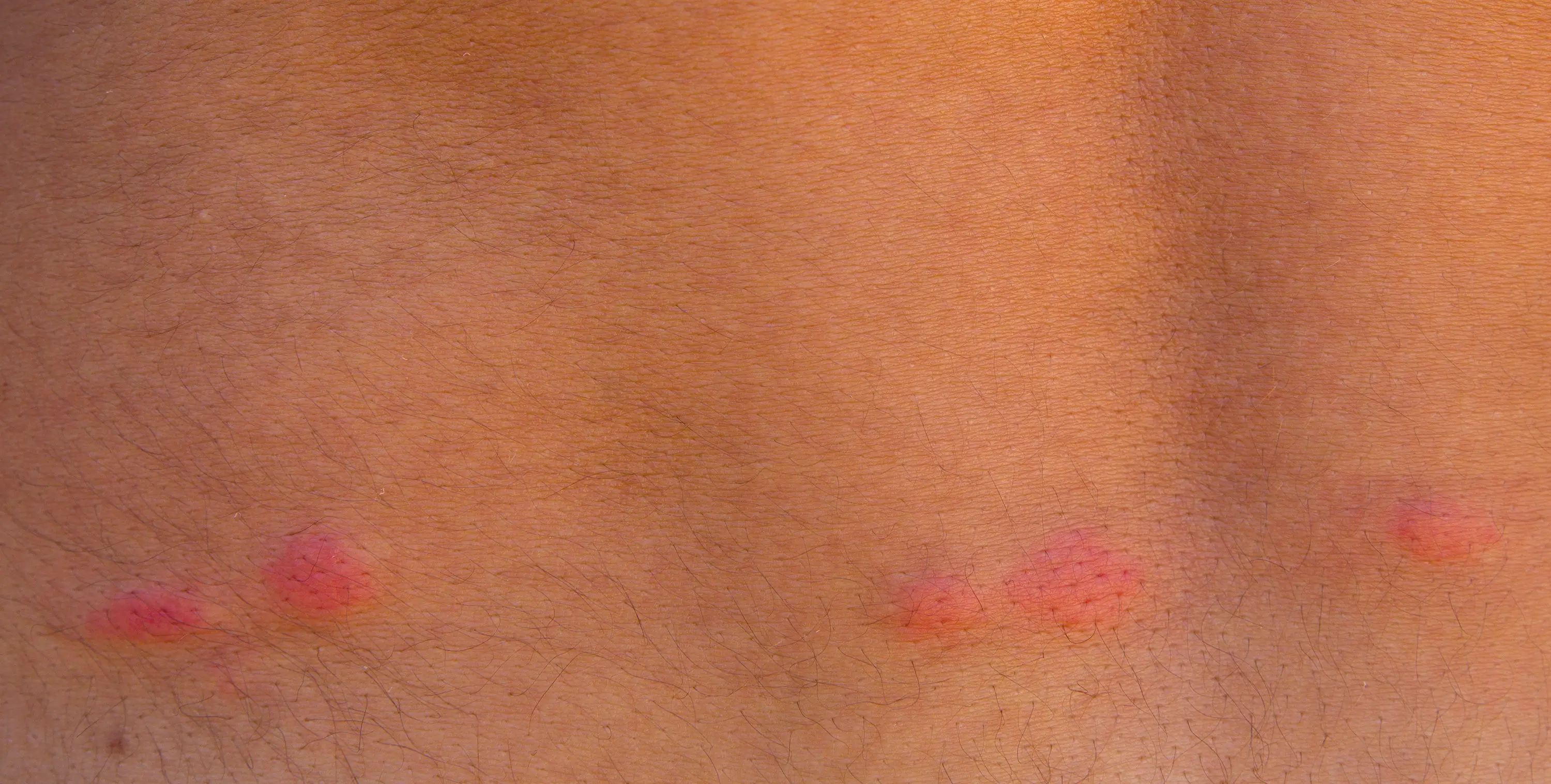
Sometimes fleas bite some individuals while others go undisturbed. No scientific reasons have been confirmed, but theories include:

Heavier Breathing

More CO2 being released

Body Chemistry

Pheromones, body odor, or chemical makeup

Exposed Skin

More accessible areas for biting

Non-Reaction

Some people may not notice bites

Higher Body Temperature

Warmer individuals may attract more fleas

Things That May Attract Fleas to Your Home

Poorly Maintained Yard

Fleas prefer tall grass and organic debris for shelter. Keep grass trimmed and yard well-kept.

Attracting Wildlife

Rodents and game animals carry fleas. Water sources, food, or shelter access increases chances of flea deposits.

Skipping Regular Treatment

Treatments must be maintained to disrupt the flea life cycle. Infestations require multiple treatments for all stages.

How to Repel Fleas

The same strong sense of smell that detects CO2 is also sensitive to certain plants. Grow these non-toxic plants around the exterior of your home and by doors:

Chamomile
Chrysanthemums
Lavender
Lemon Grass
Marigold
Mint
Rosemary
Sage

How to Prevent Flea Bites

Treat Your Pets

Use targeted flea medication: collars, oral medication, or skin drops. Dogs and cats are the biggest culprits for introducing fleas. Check pets after long walks.

Avoid Flea-Prone Areas

Stay away from wooded areas, long grass, and where animals sleep to avoid picking up fleas.

Dress Protectively

Long pants, long sleeves, socks, covered shoes. Wear white socks over pants to seal ankles and spot fleas as black specks.

Use DEET Repellent

EPA-registered flea repellent spray with DEET minimizes a flea's desire to feed on you.

Vacuum Regularly

Pick up flea eggs, larvae, and pupae from carpets, upholstery, and around pet bedding.

Contact EcoGuard for Flea Treatment

If you have seen signs of fleas or flea activity, call EcoGuard Pest Management to schedule an inspection. Our licensed flea control experts will devise a custom plan to identify problematic areas and effectively treat your home.

Call (866) 326-2847Get Free Quote

What Attracts Fleas FAQs

What attracts fleas to kill them?

Flea traps use a light source and sticky pad to capture fleas. This may not solve a flea problem but helps identify if you have one.

Who are fleas attracted to?

Fleas are attracted to light, movement, heat, and CO2 that hosts exhale when breathing. Flea activity increases significantly when multiple attractants are present together.

What keeps the fleas away?

Fleas can be deterred by common plants including chamomile, chrysanthemum, lavender, lemon grass, marigold, mint, rosemary, or sage planted around your home.