EcoGuard Pest Management
How to get rid of fleas in your home
By Gary Anderson||10 min read

How to Get Rid of Fleas in Your House

Learn how to eliminate fleas from your home, pets, carpet, furniture, and yard with proven treatment methods.

Finding out that your home has a flea infestation can make you feel disgusted in your own home and can lead to a lot of stress. If you are seeing signs of fleas, flea bites, or flea activity, it is likely too late to avoid an infestation. Getting rid of fleas at this point becomes a large project that requires several solutions being implemented at once to ensure that flea populations are completely eradicated.

Complete flea extermination will require the cleaning and sanitation of your home's bedding, furniture, and carpets in addition to ensuring that your pets are completely treated.

Quick Flea Facts

Egg Hatch Time: Up to 2 weeks after being laid
Egg Laying Rate: Up to 50 eggs per day per adult flea
Pet Share: Pets account for only 5% of fleas; 95% are in carpet and furniture

Key Facts

Infestation Duration
Can last 3 to 4 months without proper treatment
Egg Survival
Eggs hatch up to 2 weeks after being laid
Follow Up Required
Regular re-treatment is essential to break the life cycle
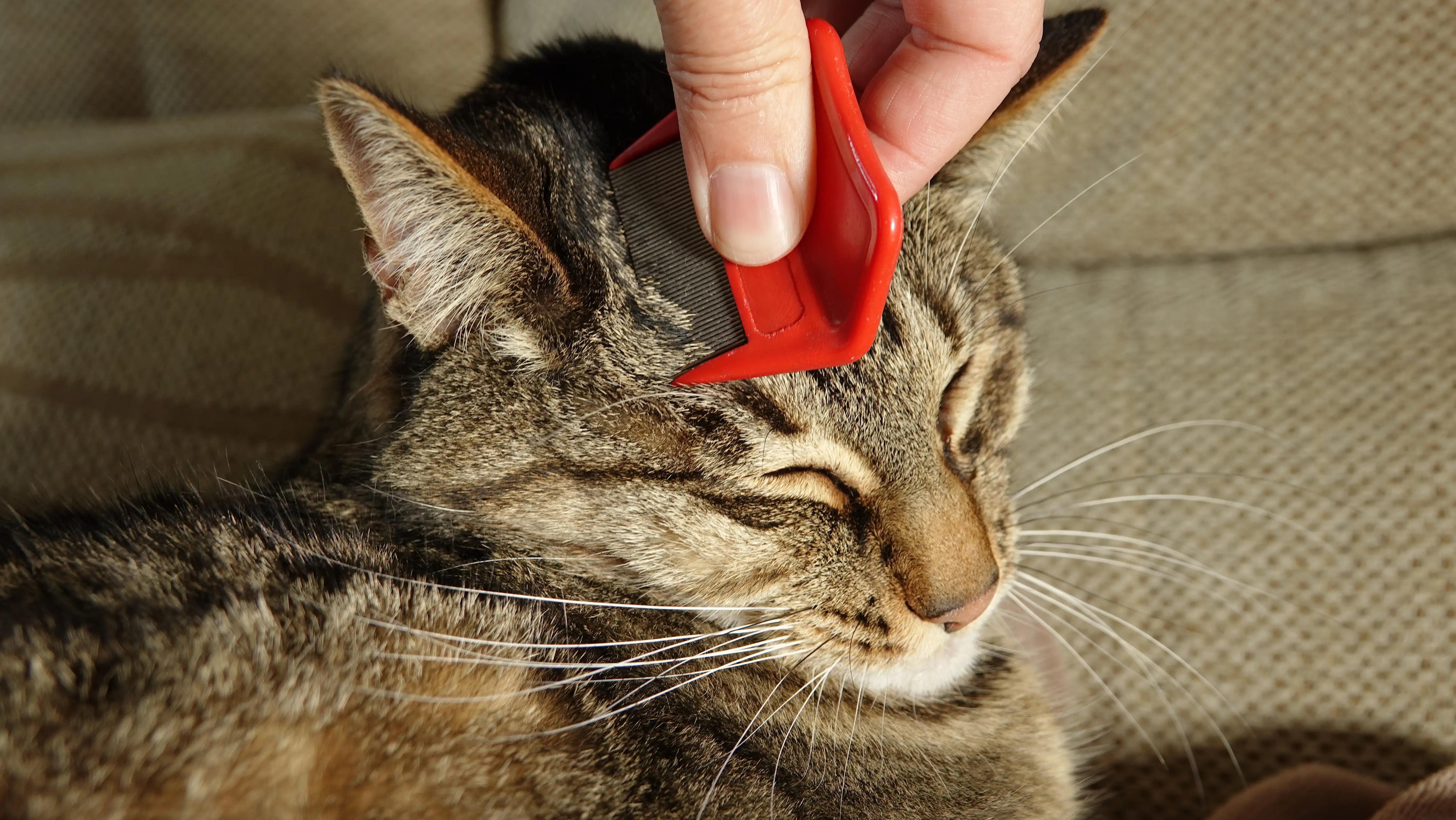
Cat being treated for fleas with a flea comb

By the time flea activity is visible on pets, 95% of the flea population has already spread into your carpet and furniture.

How to Get Rid of Fleas on Dogs and Cats

Dogs and cats are the usual culprit responsible for introducing fleas into your home. They may have caught fleas from outside or from another infected animal. Pets will usually provide the first signs of fleas by scratching at irritated skin. With that said, by the time flea activity is noticeable on pets, pets usually account for only 5% of flea populations in a home. The remaining 95% are eggs, larvae, and adults that have already been shed and grown in the carpet and furniture of your home.

If pets are involved, be sure to start pet flea treatment at the same time as home treatment to keep treatments on the same timeline and optimize your chances of disrupting the flea life cycle.

Step 1: Flea Bath

Bathe your pet with a soap or shampoo designed to kill fleas immediately. Pay special attention to around the face, neck, and tail, as well as any areas that appear irritated.

Step 2: Flea Comb

After bathing, use a flea comb dipped in dish soap and water to remove any remaining fleas, flea eggs, and flea larvae. Repeat the process if new fleas or eggs appear after the initial treatment.

Step 3: Prevention

After fleas are removed, introduce preventative measures like oral flea treatments, collars, or topicals to keep your pet flea-free and prevent reinfestation of your home.

How to Get Rid of Fleas on Humans

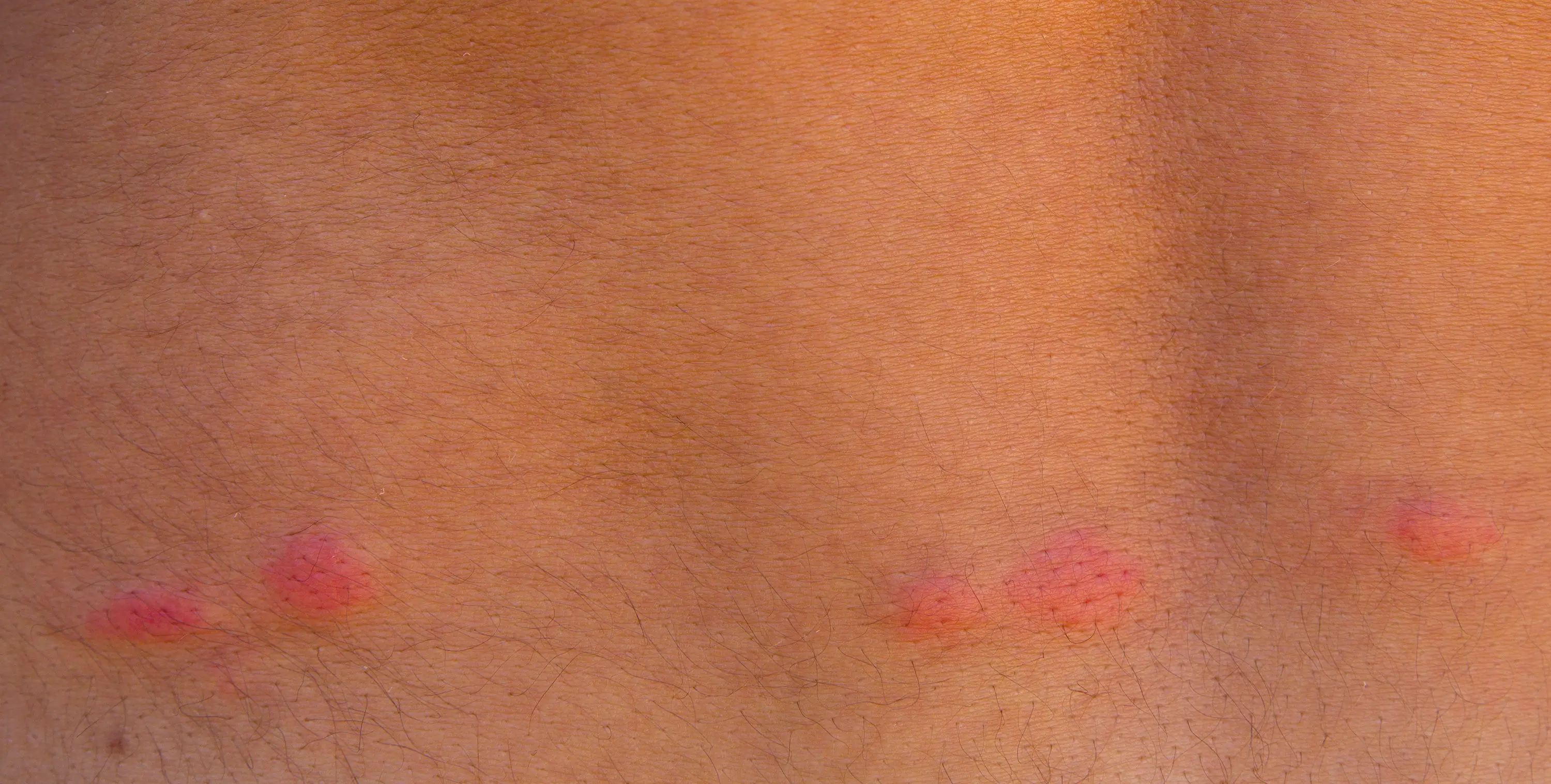
Waking up with flea bites is the worst way to find out you have a flea problem. Bites that appear out of nowhere while you sleep can also indicate bed bugs, so if your pet is also showing signs of irritation, there is a good chance you are being bitten by fleas.

Getting rid of fleas so they stop biting you in your sleep requires a thorough cleaning of all bedding, towels, and curtains. This needs to be done regularly on high heat to kill any fleas, larvae, and eggs. Steaming your mattress should kill off any remaining fleas, but this process should be repeated frequently until signs of flea bites stop.

Tip: If you are unsure whether bites are from fleas or bed bugs, check whether your pet is also scratching. Flea infestations typically affect both pets and humans at the same time.

How to Get Rid of Fleas in Carpet and Furniture

If fleas have hitchhiked a ride in on your pets, it is safe to assume that they have found their way into your carpet, furniture, and bedding. The fiber-like material of carpet and upholstery makes it perfect for fleas to breed. A combination of steaming followed by vacuuming is effective against fleas and should be repeated on a regular basis until signs of flea activity have stopped.

Vacuuming plays a critical role in removing flea waste, which feeds larvae and stimulates remaining eggs to hatch. Fleas will be most heavily concentrated around areas surrounding their hosts, so focus extra attention on areas near pet bedding and other areas where pets are known to rest.

1

Steam All Surfaces

Steam carpet, upholstery, and mattresses thoroughly. Steaming kills fleas, larvae, and most eggs on contact.

2

Vacuum Thoroughly

Vacuum all carpet, upholstery, and areas near pet bedding. Vacuuming removes flea remains and waste that fuels larvae growth.

3

Wash All Bedding

Wash all bedding and pet bedding on high heat to ensure fleas in all stages of their life cycle are killed and removed.

4

Apply Chemical Treatments

Chemical treatments with growth regulators prevent larvae from developing after eggs hatch. Professional application is recommended for the safety of your pets and family.

Repeat Treatment: Steam and vacuum regularly until all signs of flea activity have stopped. One pass is rarely enough due to the flea life cycle.

Struggling to Get Rid of Fleas?

Our licensed professionals use proven treatments to eliminate fleas at every stage of their life cycle.

Call (866) 326-2847

How to Get Rid of Fleas in Your Yard

An important step in minimizing flea infestations is treating the outdoor areas where your pets may be picking up fleas. Fleas like to hide in places that are dark, humid, and warm. Targeting these environments reduces the source of new flea activity entering your home.

Clear Shaded Areas

Remove dead leaves and debris from shaded spots where your pet rests. Fleas thrive in dark, damp harborage areas.

Keep Grass Short

Regularly mow your lawn and remove undergrowth to expose shaded areas to sunlight, which eliminates flea harborage.

Remove Debris

Clear dead leaves, branches, and organic material from yard borders and garden beds to reduce flea habitat.

Professional Yard Treatment

Residual pesticides and growth regulators applied by a licensed professional are the most effective final step in outdoor flea prevention.

Follow Up: Flea life cycles make ongoing follow-up inspections essential. Any remaining eggs that hatch after treatment can jumpstart a new infestation.

How to Spot Fleas

Finding fleas early is the key to preventing a full-scale infestation. Knowing where and how to look makes early detection much easier.

Spotting Fleas on Pets

Look for adult fleas latched onto hair follicles and "flea dirt," which are tiny specks of flea waste on your pet's skin. Signs of aggressive scratching are another strong indicator. Using a flea comb is usually the easiest way to find fleas in your pet's coat.

Spotting Fleas Outside

Walk through your yard wearing white socks. Fleas in grass and soil will jump onto your legs and be visible against the white fabric. Any indicator of flea activity inside or outside is a sign that treatment should start immediately.

How Long Can Flea Infestations Last?

Flea infestations can last indefinitely if not treated appropriately. Even after treatment starts, an infestation can persist for over a couple of months if treatment is not applied properly. This is because a flea's life cycle makes them much more difficult to treat.

Eggs Hatch Late

Flea eggs can take up to 2 weeks to hatch and may be left behind by even thorough cleanings, causing the problem to reappear after initial treatment.

Rapid Reproduction

A flea starts laying eggs as soon as 24 hours after its first blood meal and will lay up to 50 eggs every day, making populations rebuild quickly without consistent treatment.

Professional Help Advised

Professional flea control increases the likelihood of success after the first treatment. EcoGuard's flea control guarantee ensures our services will be successful, or we will have a technician back out right away.

Things You Need to Remove Fleas

Prepping your home for flea treatment will increase the effectiveness of your treatment options. Ensure that areas are cleared for steaming and vacuuming to expose as much carpet as possible, including inside closets and under beds.

1

Flea Comb

Used to help find and remove fleas from your pet's fur. Dip in soapy water to kill what you catch.

2

Hot Soapy Water

Using soapy water with the flea comb helps catch and kill adult fleas, larvae, and eggs.

3

Pet Safe Shampoo

Bathing your pet with a pet-safe flea shampoo helps drown and remove fleas from the coat.

4

Vacuum

A vacuum with an internal bag system captures fleas found in carpet and furniture effectively.

5

Steam Cleaner

Raises temperatures to levels that kill fleas and larvae in carpet and furniture on contact.

6

Trash Bags

Needed to secure vacuum bags and dispose of items that were infested with fleas.

7

Washing Machine and Detergent

Used with hot water to clean and kill fleas from bedding, pet bedding, and pet toys.

8

White Tube Socks

Wearing white socks outside will help identify flea hotspots in your yard.

9

Yard Cleaning Supplies

Rakes and bags are needed to clear debris from identified flea problem areas outdoors.

10

Insecticides

Flea insecticides should be safe for use around your pets and children. Professional help is recommended for application.

11

Flea Medication

Preventative flea medications for your pets ensure fleas do not pose a recurring threat.

How to Get Rid of Fleas Naturally

Several natural options can be used alongside standard treatments to help reduce flea populations. These methods work best as supplemental measures rather than standalone solutions for a full infestation.

Dish Soap

Dish soap works by reducing water surface tension, which causes fleas to sink and drown. It is commonly used in homemade flea traps that can detect flea activity, though traps alone are not an effective treatment method for an active infestation.

Baking Soda

Baking soda is an effective desiccant that dries out fleas, larvae, and eggs. Sprinkle it into carpet prior to vacuuming for best results.

Lemon Spray

Lemon juice spray is a homemade repellant that can be used in conjunction with other treatment methods. Boil lemon slices in water and allow the mixture to sit for 24 hours before applying.

Diatomaceous Earth

Diatomaceous earth is a non-toxic powder that acts as a desiccant to kill fleas. Apply to carpet and furniture 2 days before vacuuming for peak effectiveness.

Contact EcoGuard Pest Management if You Are Dealing with Fleas

If you are facing a flea infestation in your home or yard, do not wait for the problem to escalate. EcoGuard Pest Management offers expert, reliable flea control solutions tailored to address every stage of the flea life cycle. Contact us today to schedule a consultation and take the first step toward a flea-free home.

Call (866) 326-2847Get Free Quote

Flea FAQs

How do I get rid of fleas in my house fast?

Cleaning a house of fleas requires a thorough steaming and vacuuming of all carpet, upholstery, and mattresses while simultaneously washing all bedding, towels, and curtains on high heat. This should be followed up with preventative chemical applications and dusting to prevent future flea populations from developing.

How long does it take to get rid of fleas in a house?

Flea infestations can be difficult to treat and can take as long as 3 to 4 months to completely exterminate. This is because their life cycle can cause eggs to hatch after treatment is applied. If growth regulators are not applied, unhatched eggs will reach maturity and repeat the reproduction cycle.

What do fleas hate the most?

Fleas hate the smell and taste of vinegar so they will avoid it. That said, a vinegar spray will not kill fleas, so application on or near pets is not recommended as a treatment method.

How can I get rid of fleas early?

Early detection is important to prevent a widespread flea infestation. Regularly monitoring your pet's coat for signs of flea activity is the best approach. Preventative measures like oral medications and topical treatments will prevent fleas from taking hold, making monitoring less of an ongoing burden.

Will fleas stay in your bed?

When pets are allowed onto beds, there is a strong possibility that fleas will be shed there, giving them a place to stay while they prepare for an easy meal every night. This is why removing and washing all bedding on high heat is so important while fighting a flea infestation.