EcoGuard Pest Management
Flea life cycle stages from egg to adult
By Gary Anderson||5 min read

Understanding the Flea Life Cycle

4 stages of development and how to treat each one.

4 Stages
Egg, Larvae, Pupae, Adult
70-85°F
Optimal Temperature
70%
Optimal Humidity
Up to 8 Months
Adult Lifespan

Understanding how to treat each stage of the flea life cycle is critical for fighting off an infestation. Fleas have four stages of development lasting from a couple weeks to several months, depending on environmental conditions.

In optimal conditions (70-85°F with 70% humidity), fleas mature quickly, causing infestations to explode. After reaching adulthood, fleas can live from a couple weeks to almost 8 months with abundant food.
Life Span of a Flea

Flea lifespan depends on resource availability and environmental conditions. Including developmental stages plus adulthood, flea life expectancy can be several months. This factors in the couple months it may take larvae to develop, plus another few months as an adult.

Stage 1: Flea Eggs

A mature female flea lays eggs in clusters of 20-40 eggs after a blood meal. Like mosquitoes, fleas require certain proteins from host blood to produce viable eggs.

Eggs take 2-14 days to develop. Cold and dry conditions extend this; optimal temperature and humidity speed hatching.

Egg Characteristics

Size: Smaller than a grain of sand
Color: White orbs, barely visible
Location: Laid in pet fur but shake loose
Hotspot: Pet bedding and sleeping areas

Warning: If fleas are on your pet with indoor access, your pet is shedding flea eggs all over your home and carpet. Vacuum around pet sleeping areas and discard vacuum contents immediately to prevent eggs from hatching inside.

Stage 2: Flea Larvae

Once hatched, larvae emerge and grow up to 5mm long. They are legless, almost transparent, worm-like creatures that develop over 5-20 days.

Flea larvae are negatively phototactic (avoid light) and move deeper into carpet or fur. Unable to feed on blood, they eat organic materials like dead skin, food, and bug waste.

Preferred Food: "Flea Dirt"

Dried excrement of adult fleas. Essentially predigested blood from another host, making it easy for larvae to consume. Found concentrated around pets and pet bedding.

Treatment Tip: Apply growth regulators and pesticide dusts around pet bedding areas to kill larvae before they develop into pupae.

Stage 3: Flea Pupae

Ready larvae spin themselves into a cocoon. Inside, they develop an exoskeleton and adult flea features. This stage lasts from several days to several weeks, but can remain dormant for up to a year if conditions are not right.

The sticky cocoon embeds in carpet or fur, making it difficult to vacuum unlike previous stages.

Emergence Triggers

Adult fleas emerge when the cocoon is disturbed by:
1. Movement of potential host
2. Increased CO2 release
3. Presence of body heat

Flea Infestation Getting Worse?

Professional treatment targets all life cycle stages for complete elimination.

Call (866) 326-2847

Stage 4: Adult Fleas

Adult fleas emerge from cocoons hungry for a meal. They immediately seek a host and feed as soon as possible. After feeding, females start laying eggs within 48 hours, restarting the cycle.

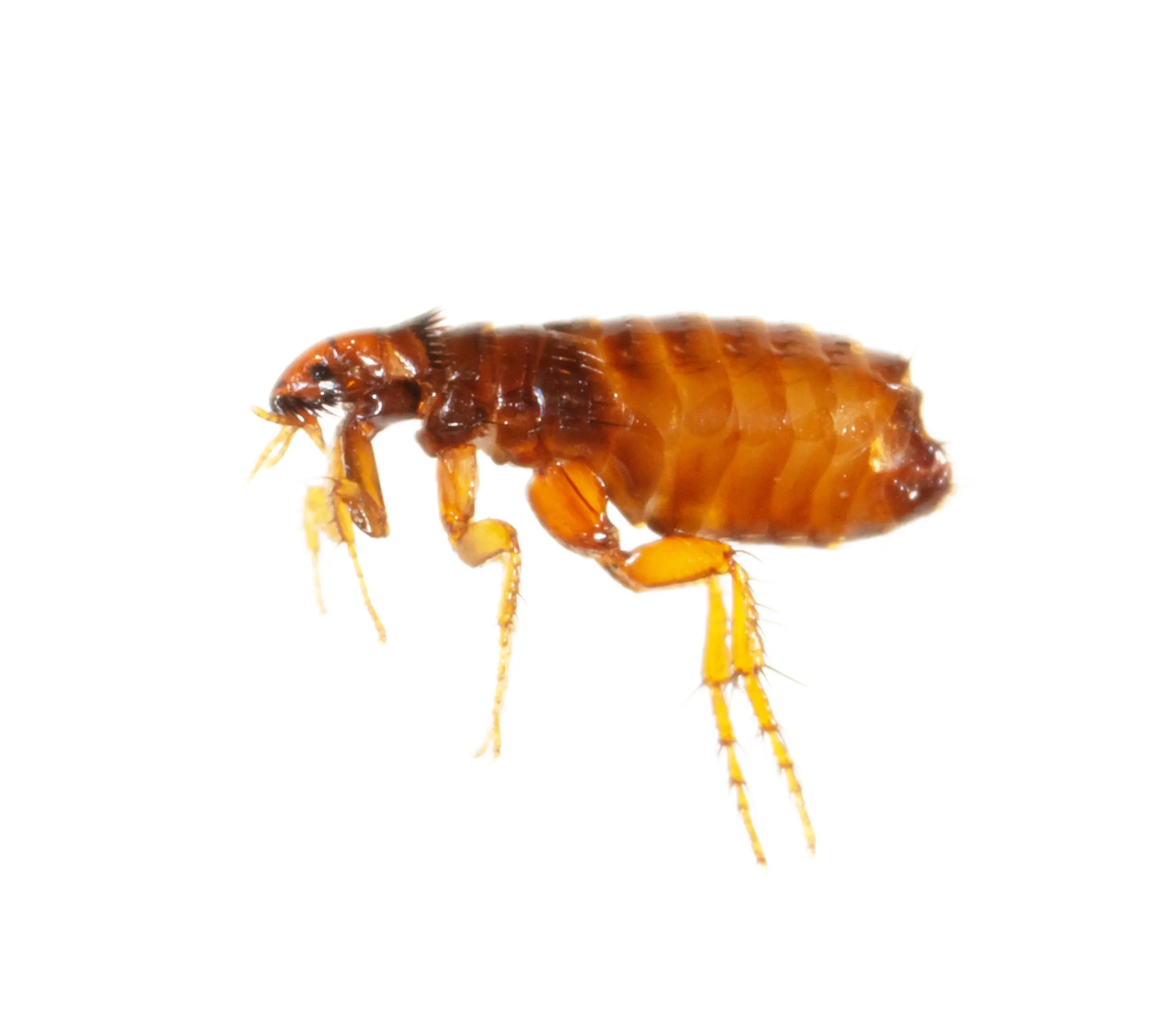
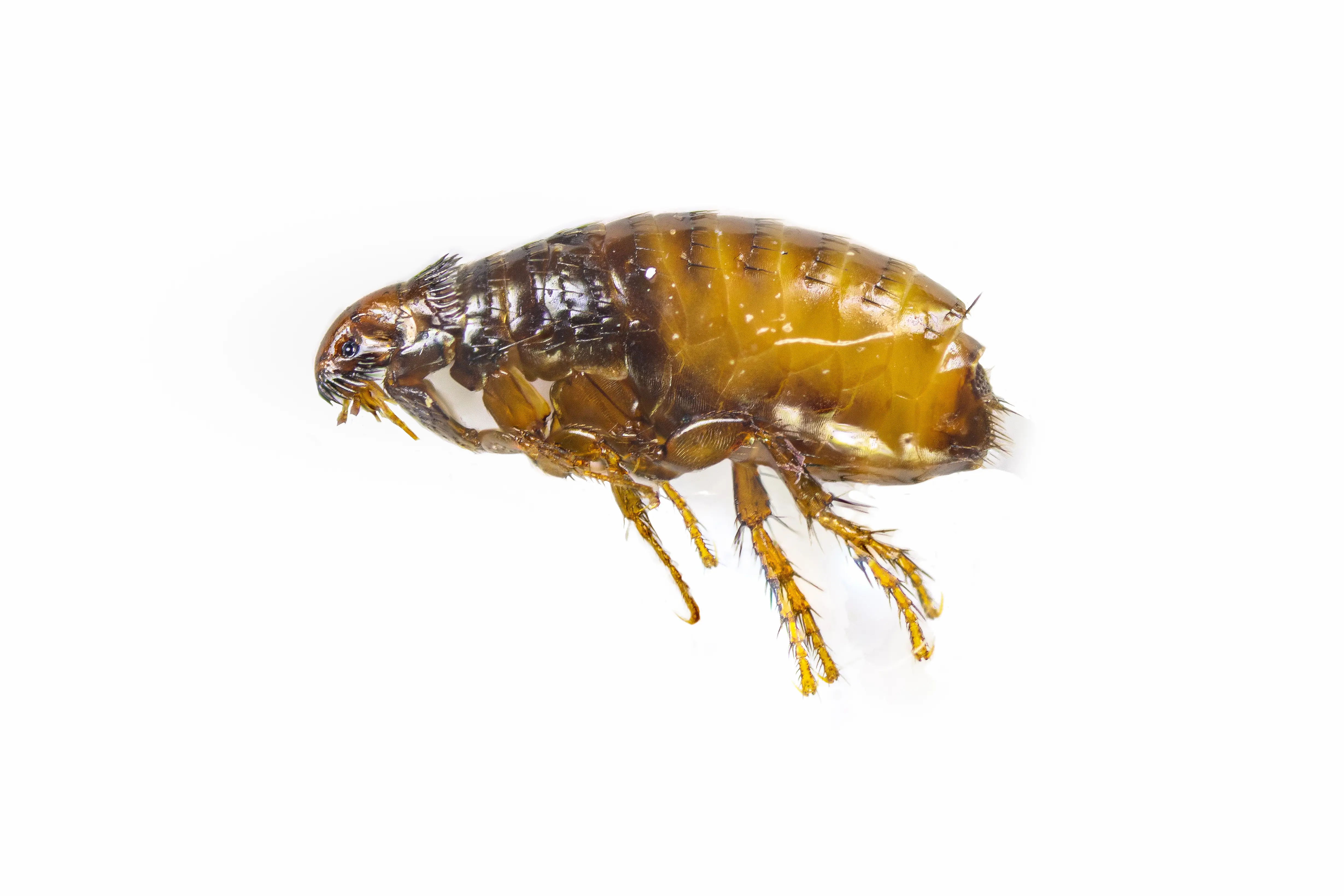
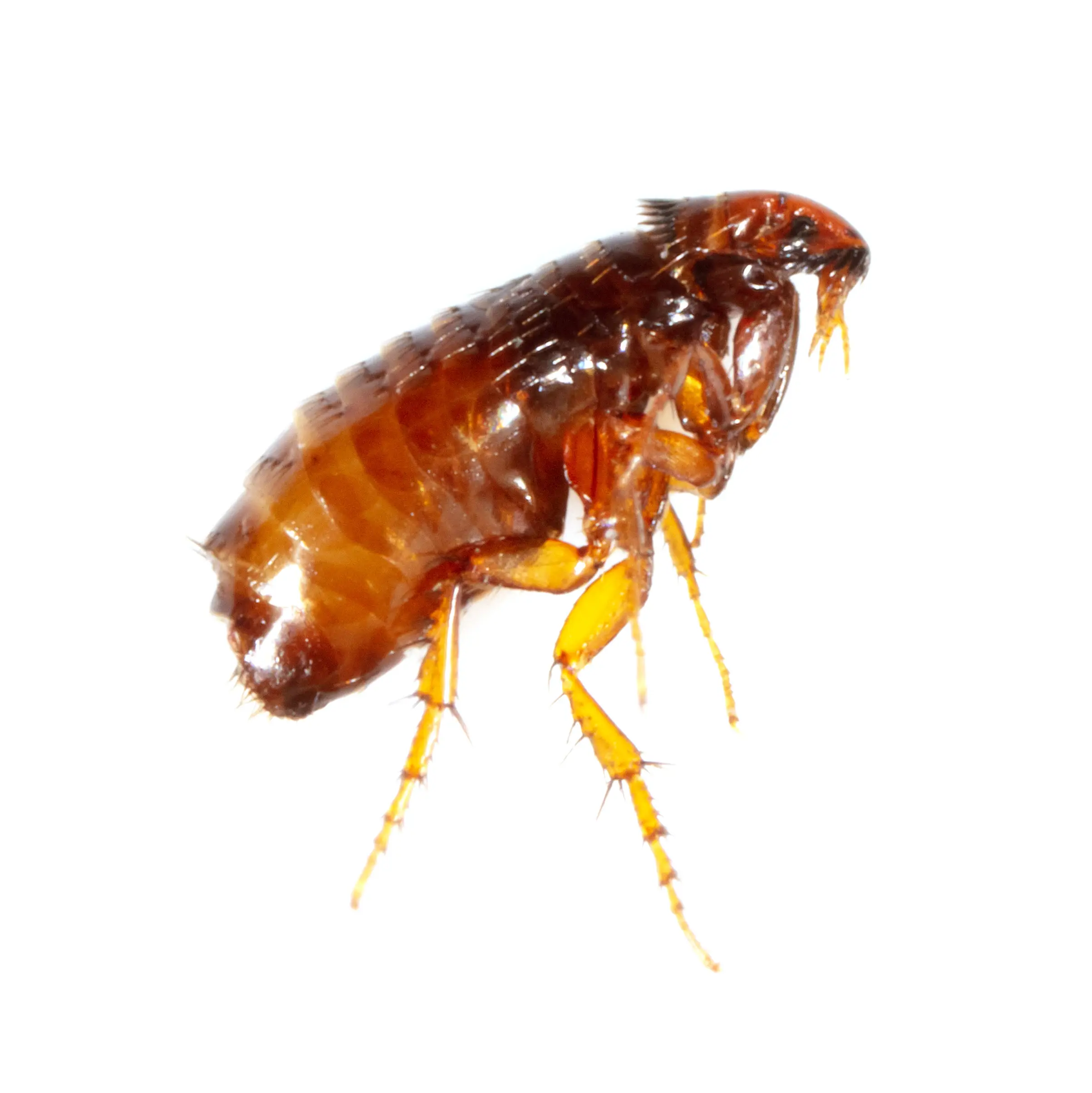
Adults are very small, thin, oval insects with 6 legs. Their powerful hind legs allow them to jump incredible distances onto passing hosts.

Host Behavior

Preferred hosts: Pets (fur allows hiding)
Nesting spots: Pet's back and neck (escape scratching)
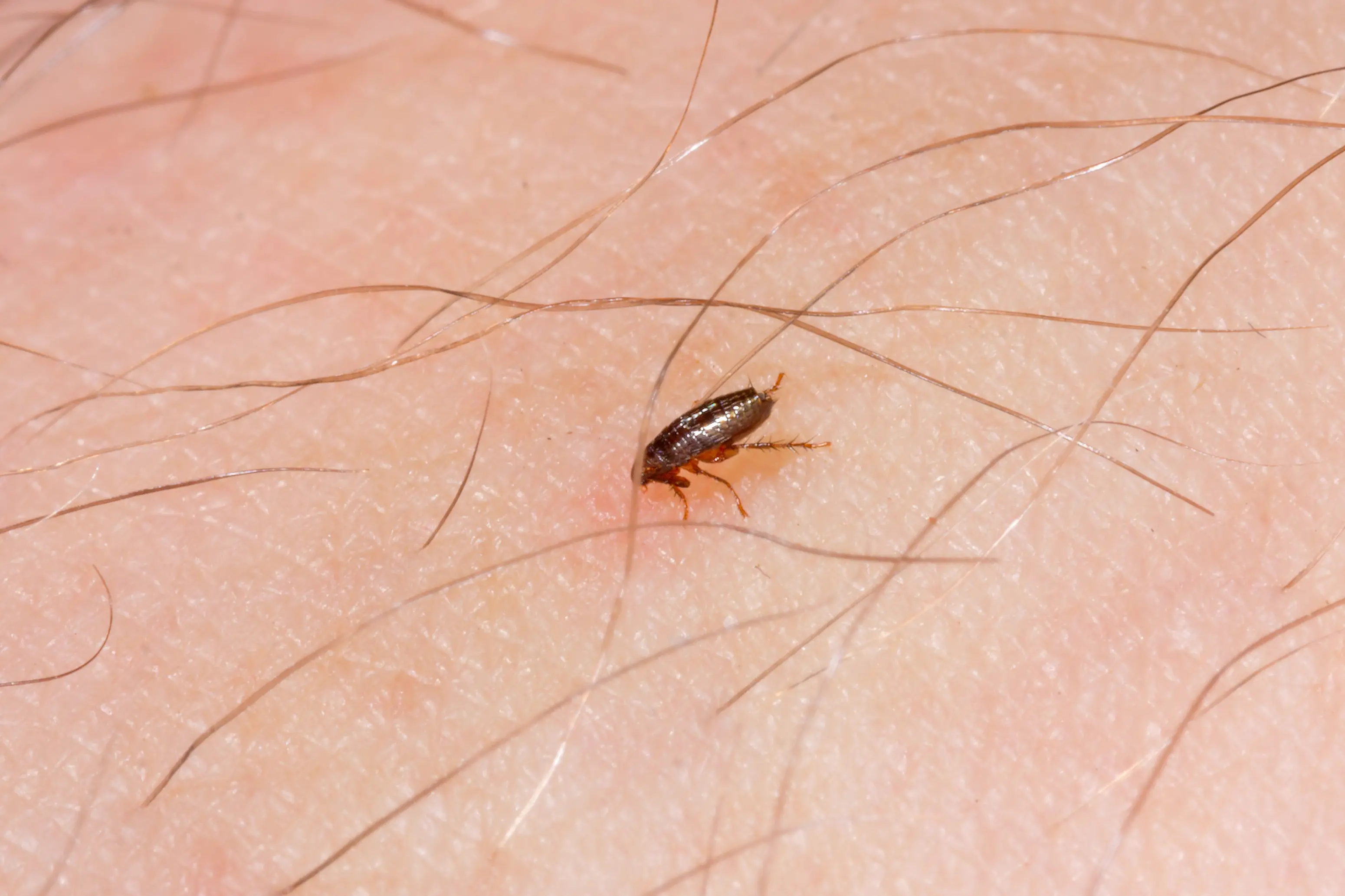
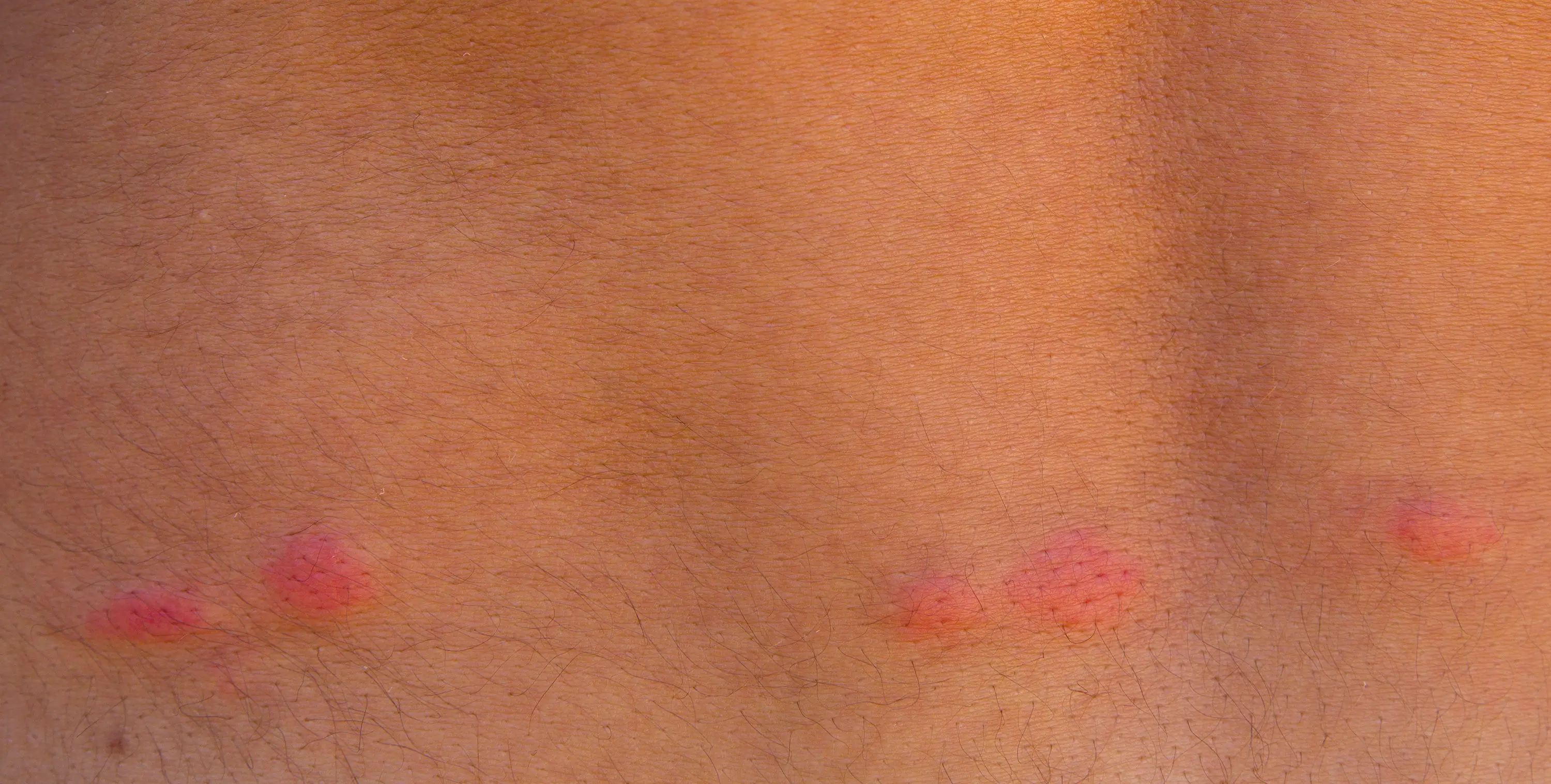
Human bites: Typically on ankles and legs
Note: Humans are not ideal hosts (not hairy enough)

Treatment: Apply flea medication with pesticides to pets to kill existing adult flea populations.

How to Stop the Flea Life Cycle

Knowing how to treat fleas at different stages is critical for fighting infestations:

Eggs & Larvae

Use dusts designed to dry out eggs and larvae. Vacuum thoroughly and discard contents immediately. Wash pet bedding with hot water.

Pupae

Difficult to treat (embedded in carpet). Increase humidity to shorten cocoon time. This allows adult treatment sooner rather than finding surviving fleas later.

Adults

Apply flea medication to pets. Adults will die; remaining fleas without food should perish in 1-2 weeks. Use sticky traps for ongoing monitoring.

Contact EcoGuard for Flea Treatment

If other treatment attempts have failed, enlist professional help. Our licensed flea control experts have years of experience identifying problematic areas and ensuring fleas are successfully eradicated from your property.

Call (866) 326-2847Get Free Quote

Flea Life Cycle FAQs

How long does it take to break the flea life cycle?

It can take a couple weeks of treatment and ongoing monitoring. Flea pupae can remain hidden and are not susceptible to treatments effective against eggs, larvae, and adults.

How long will fleas live in a house?

Adult fleas can live several months with a consistent food supply. Without food, they die off in a week or two.

How do you kill the flea cycle?

Eliminating fleas requires treatment at all life stages. Apply proper treatment to pets to kill adults, and use dusts and vacuuming to eliminate eggs and larvae.