EcoGuard Pest Management
Flea identification and anatomy
By Gary Anderson||5 min read

What Are Fleas?

Identification, types, bites, life cycle, and prevention.

2,500+
Species Worldwide
300+
Species in U.S.
150-200x
Jump Body Length
21 Days
Min. Life Cycle

Fleas are one of the most common bloodsucking parasites infesting homes worldwide. Very small but capable of causing itchy red bites, they irritate pets and humans alike. They were largely responsible for spreading the "black death" that killed an estimated 25 million people in 14th century Europe.

Though flightless, fleas can jump extremely long distances, catching rides on pets and rodents. Prevention requires pet treatment and rodent exclusion.
Types of Fleas

Fleas belong to the order Siphonaptera with superfamilies including Pulicoidea, Malacopsylloidea, Ceratophylloidea, Vermispsylloidea, and Hystrichopsylloidea. Species are identified by their preferred host:

Cat Flea

Ctenocephalides felis

Host: Cats (most common)

Dog Flea

Ctenocephalides canis

Host: Dogs

Human Flea

Pulex irritans

Host: Humans

Oriental Rat Flea

Xenopsylla cheopis

Host: Rats

Ground Squirrel Flea

Oropsylla montana

Host: Squirrels

Bird Flea

Ctenocephalides gallinae

Host: Birds

Flea Appearance

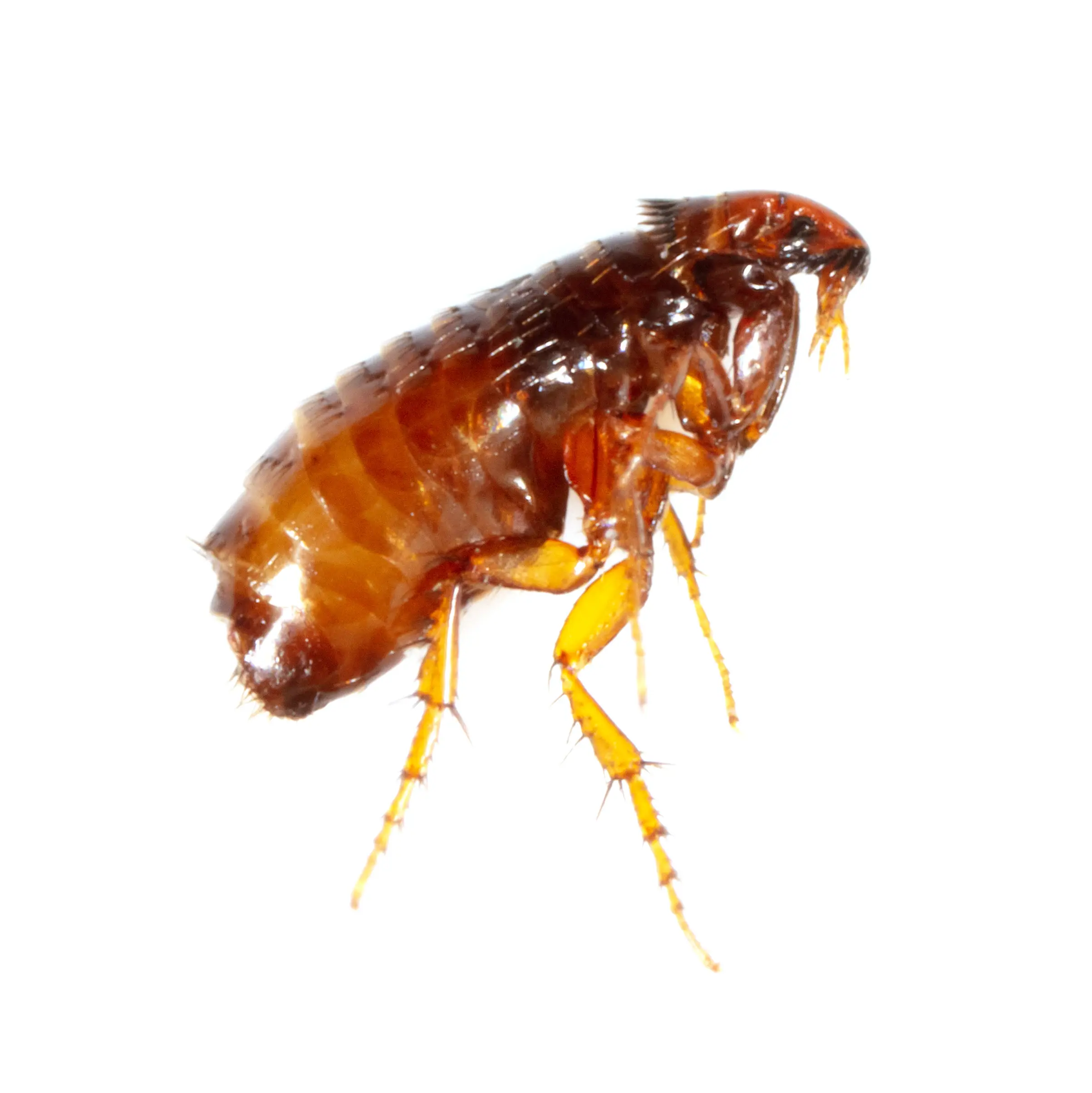
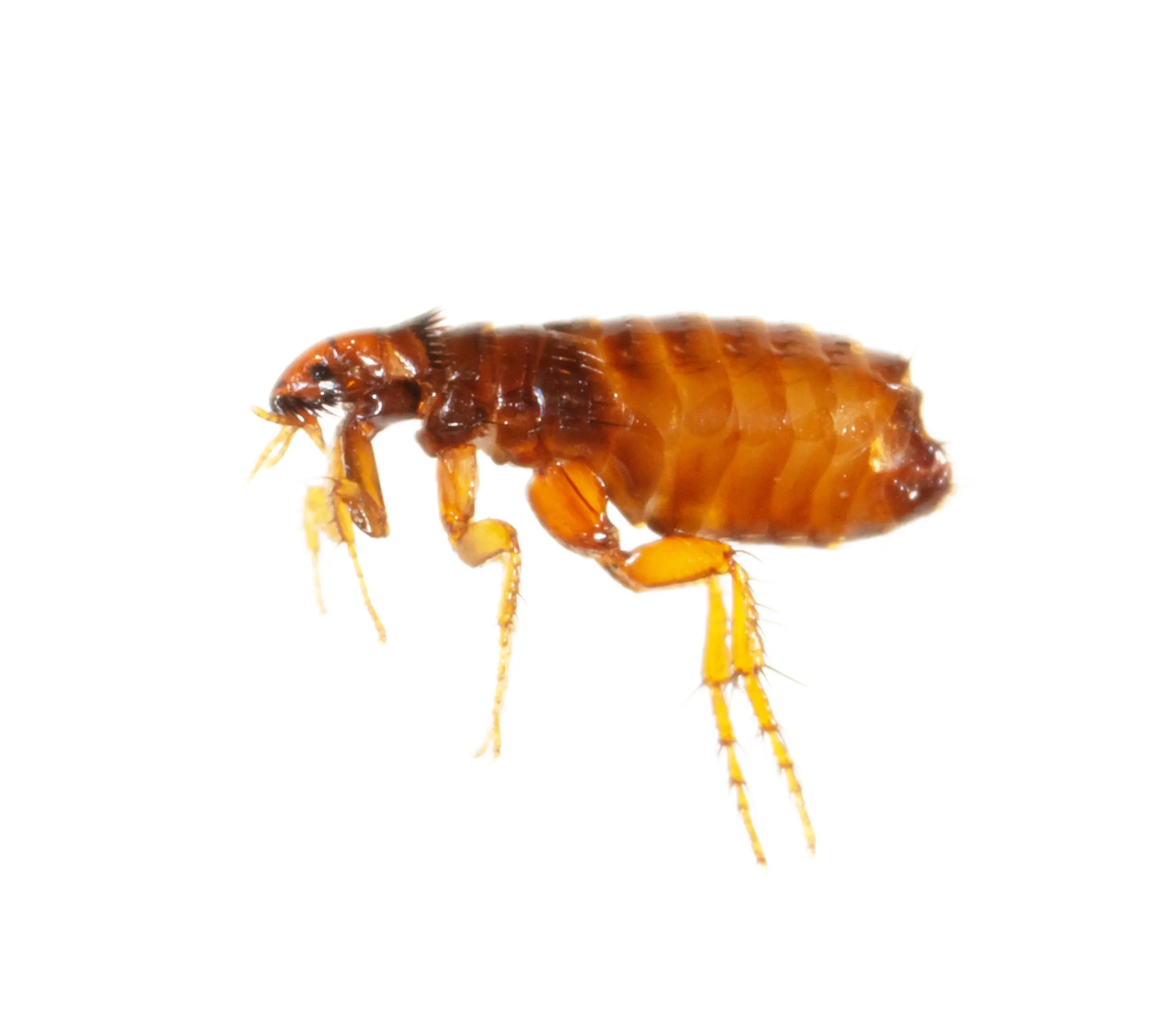
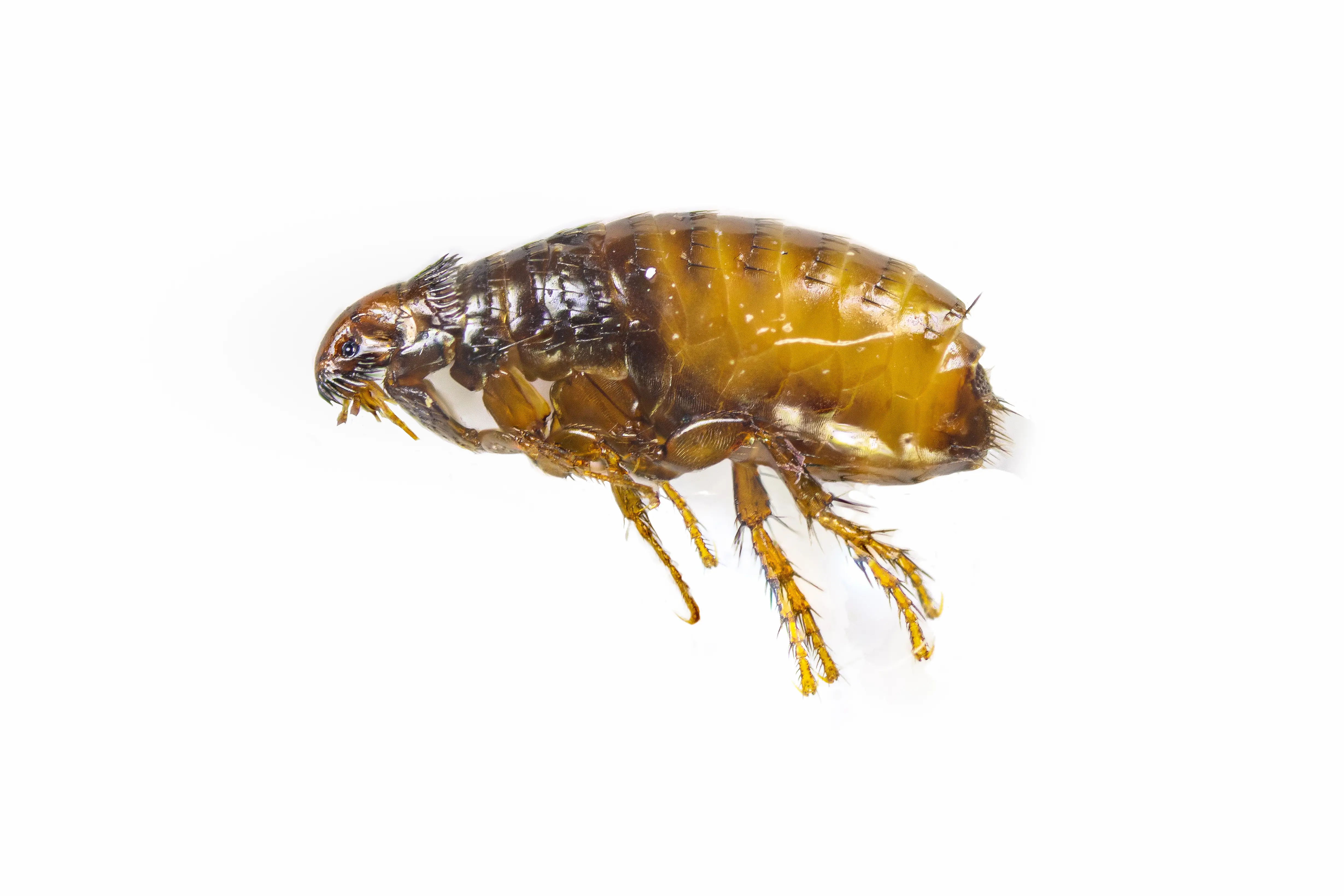
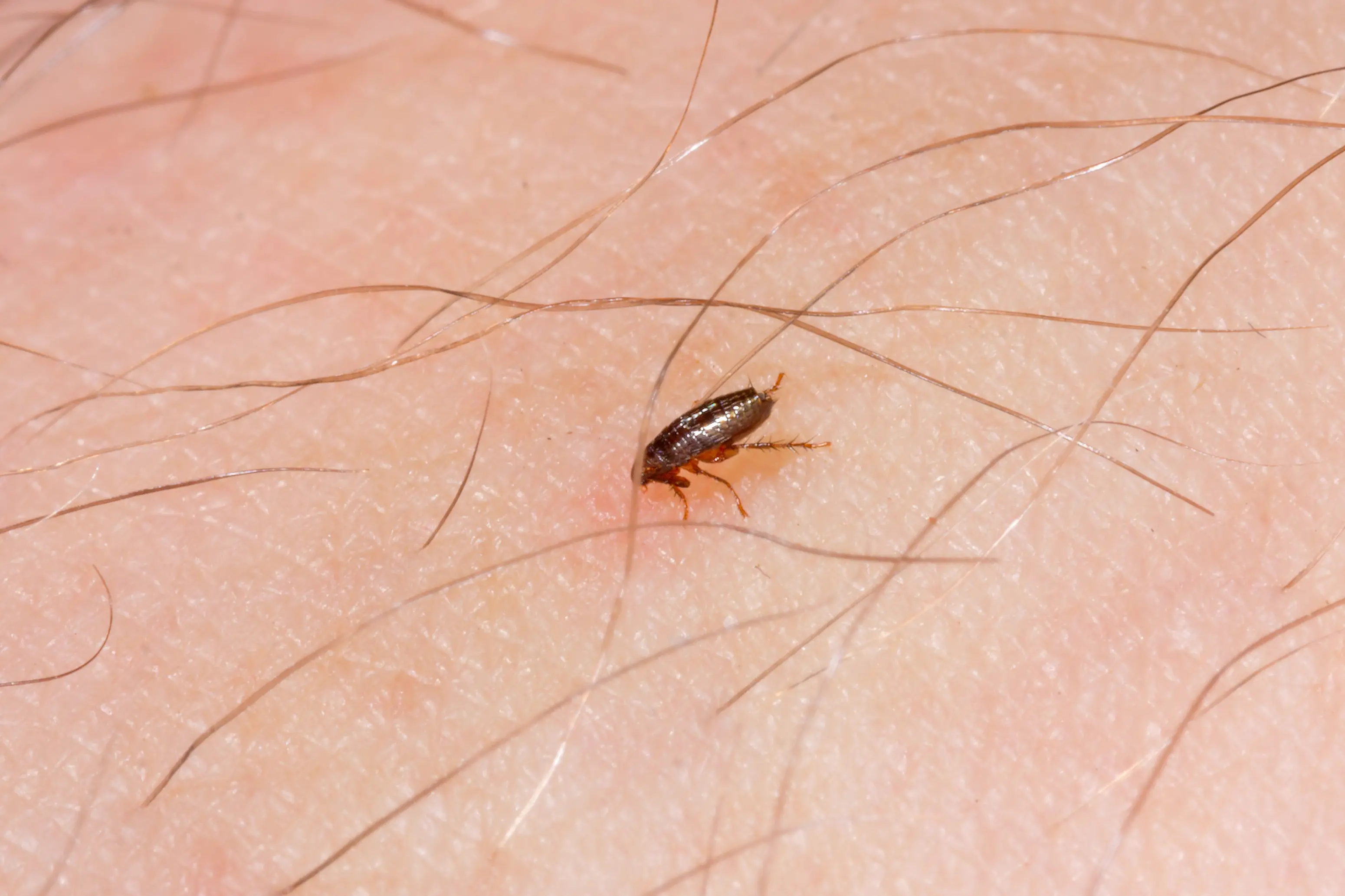
Most fleas share similar features: small, wingless insects with 6 legs covered in tiny spines and bristles for secure host attachment.

Size: 0.1-0.3 cm (grain of salt)
Color: Dark brownish-red (appears black)
Shape: Oval, thin and narrow from above

Form & Function

Evolved to find and infest hosts. Attracted to CO2 from breathing. Can jump 150-200x body length. Backward-facing spines allow quick movement through hair while staying attached. Mouths penetrate skin to draw blood.

Flea vs. Tick vs. Bed Bug

Fleas

Smallest, hard to see. Thin body. Found anywhere hosts are.

Ticks

Sesame seed size (unfed). Flat and wide. Primarily found outside.

Bed Bugs

Apple seed size. Flat and wide. Found in/around mattresses.

Flea Bites

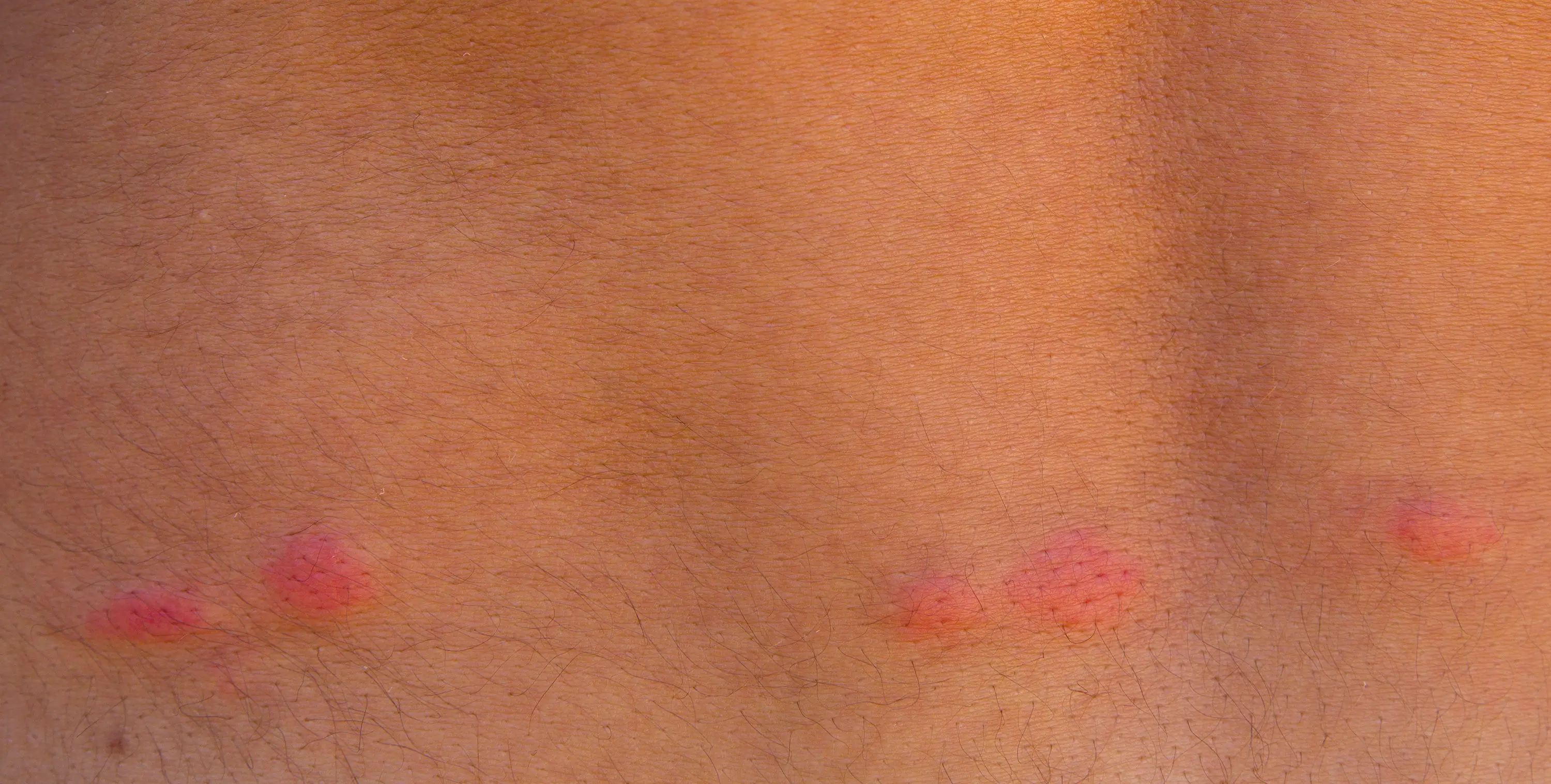
Fleas bite hosts to draw blood, resulting in itchy red bites. On animals, they gather on the back and neck where scratching is difficult. On humans, they attack legs and ankles.

Bites can cause severe skin irritation, infection from scratching, and allergic reactions.

Are Fleas Dangerous?

Yes. Beyond irritation, flea bites can transmit pathogens directly into the bloodstream:

Diseases: Bubonic plague, Murine typhus
Parasites: Tapeworms
Conditions: Anemia (insufficient red blood cells)

Noticing Flea Bites?

Act fast before a small problem becomes a full infestation.

Call (866) 326-2847

Signs of a Flea Infestation

Catching an infestation early is critical. Look for these signs:

Excessive Pet Scratching

Pets scratching, biting, or licking more than normal

Visible Fleas

Seeing fleas on pets or yourself

"Flea Dirt"

Flea feces in pet fur or around bedding

Bites on Ankles/Legs

Small red itchy bumps on lower extremities

Trapped Fleas

Fleas caught in monitoring traps

Flea Life Cycle

Fleas develop through 4 stages. The entire process takes as little as 21 days in optimal conditions or several months if conditions are poor:

1. Egg

Almost invisible, translucent white. Females lay 20-40 eggs/day. Not secured to host, fall to ground.

2. Larvae

Small, legless, worm-like. Feed on "flea dirt" from adults until ready to pupate.

3. Pupae

Spin into cocoon. Remain dormant until developed into mature fleas ready to feed.

4. Adult

Ready to feed and lay eggs. Survive 2 weeks without food, months with blood meals.

Important: 95% of fleas in your home are eggs, larvae, and pupae deep in carpets. Only 5% are adults on hosts.

Where Do Fleas Come From?

How They Enter

Pets or humans pick up fleas walking through tall grasses or wooded areas. Once home, flea eggs shed around the house and develop into adults. Small populations quickly explode into full infestations.

When They're Active

Most active in warm, humid conditions when they mature faster. Also active in light (rely on eyes to detect movement). Cold temperatures cause eggs and pupae to remain dormant.

How to Prevent Fleas

Prevention requires a multi-faceted approach. Each pillar is useless without the others:

Pet Treatment

Medicate pets with specialized flea treatments. Check and bathe pets regularly to ensure they are flea-free.

Rodent Exclusion

Fleas target any warm-blooded host. Exclude rodents to remove alternate hosts.

Home Cleaning

Vacuum inside regularly and thoroughly. Keep grass cut short outside to reduce flea habitat.

How to Get Rid of Fleas

If fleas have infested your home, immediate treatment is critical. A few fleas can reach hundreds or thousands quickly. Treatment may take weeks or months because adult treatment does not always eliminate earlier life stages, allowing populations to rebound in 21 days.

Use specialized pet flea medication
Vacuum thoroughly and regularly
Wash linens/bedding in hot water
Treat until all signs are gone
Consider professional help for serious infestations

Contact EcoGuard for Flea Control

If all other treatment attempts have failed, bring in professionals. Our licensed flea control experts will inspect your property, identify problematic areas, and customize a treatment plan with return service to ensure fleas are completely gone.

Call (866) 326-2847Get Free Quote

Flea FAQs

Do fleas live on humans?

Fleas may bite humans, but humans typically do not have the coat fleas prefer to hide in. Regular bathing also helps keep flea populations off humans.

How do you know if you have fleas?

If you notice small itchy bumps around your legs or see your pets scratching more frequently or aggressively than normal, you most likely have fleas.

Are fleas harmful to humans?

Yes. Fleas are vectors for disease and can transmit serious pathogens and parasites. Since they also feed on rodents, they can carry bubonic plague, murine typhus, and tapeworms, all transmissible to humans.