EcoGuard Pest Management
Close-up of flea on fabric surface
By Gary Anderson||10 min read

How to Tell if You Have Fleas in Your Bed

Identify the signs of flea infestations in your bedding and learn effective strategies to eliminate these persistent pests.

Finding yourself covered in bites can be traumatizing and also raises the question about what kind of biting insects you might be dealing with. If you share your sleeping space with your pets, there is a good chance you are dealing with fleas in your bed.

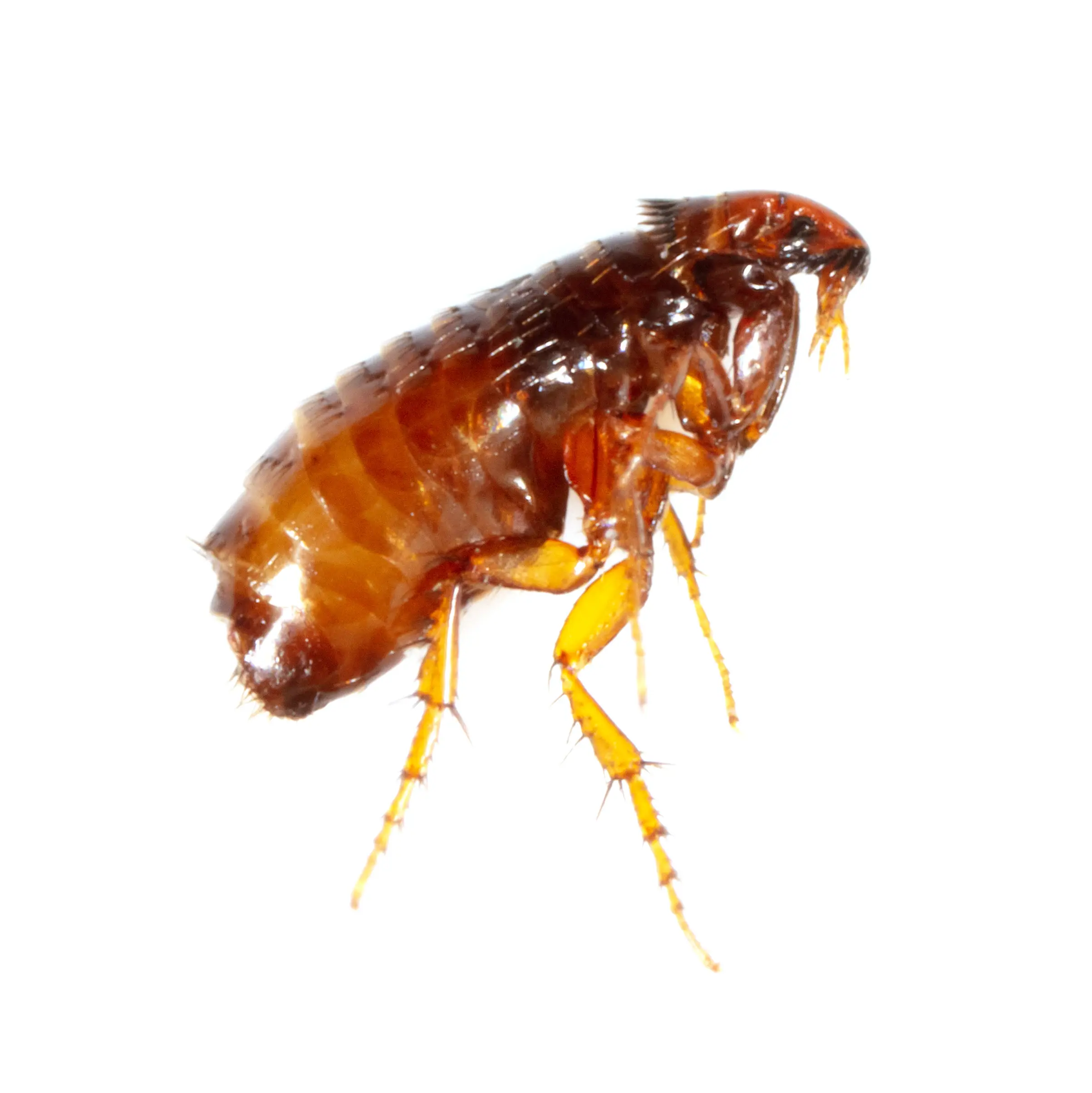
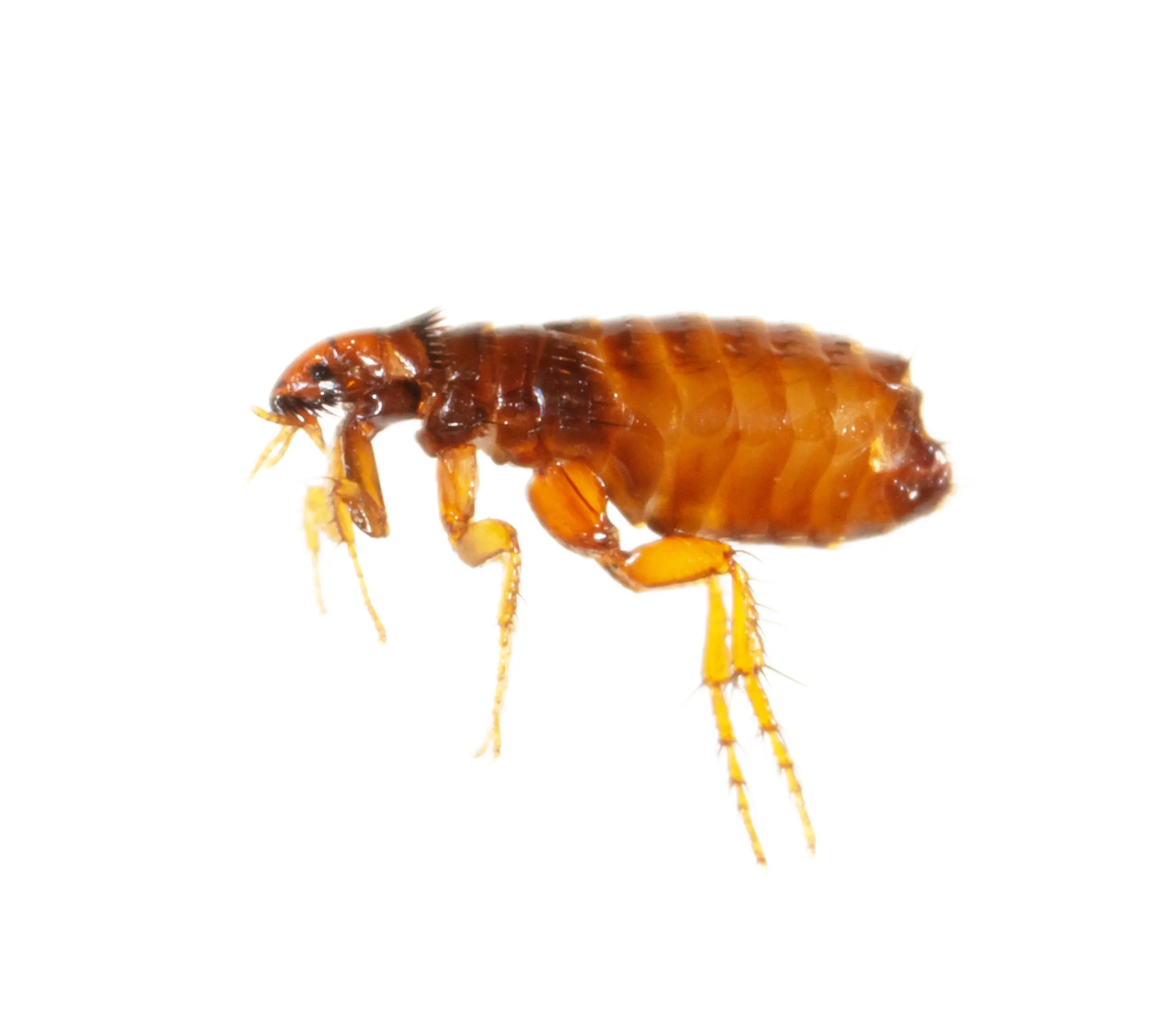
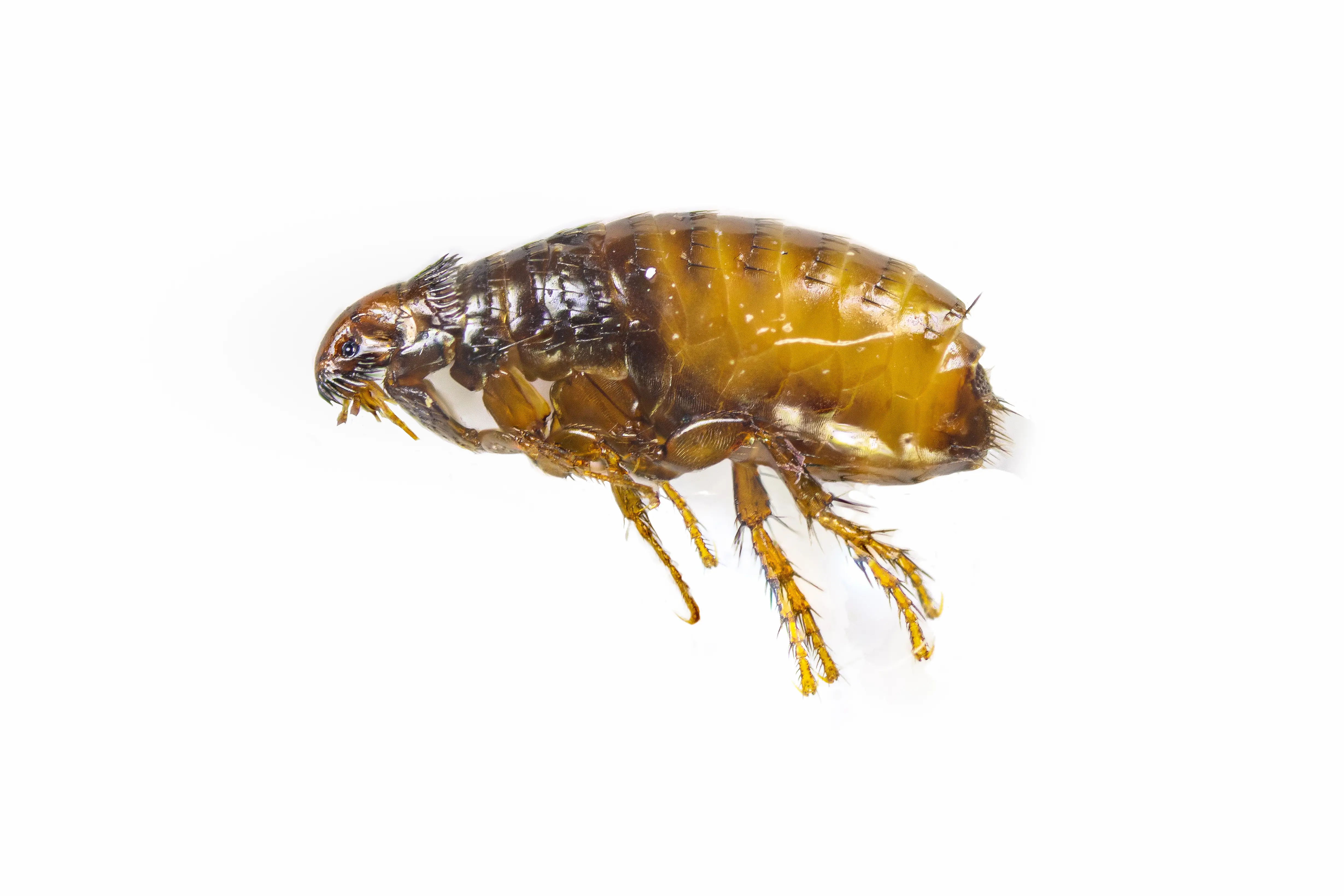
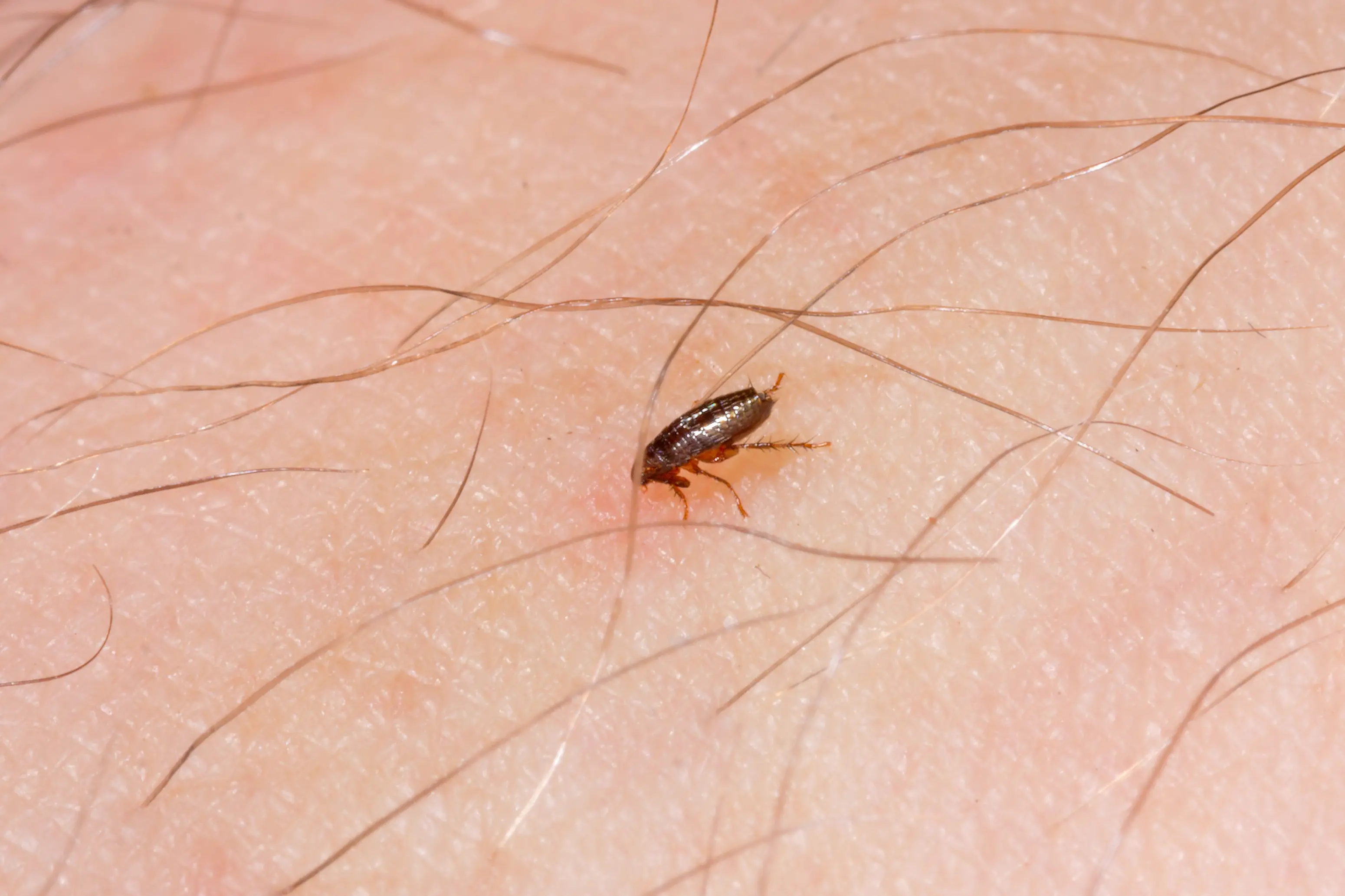
When pets are allowed to share bed space, they can introduce fleas into your bed if they are not treated with preventative flea medication. These tiny parasites feed on both animal and human blood. Fleas typically measure between 1 to 4 millimeters in length and get around by jumping with their strong hind legs.

Can Fleas Live in Your Bed?

Fleas require a host for survival since their only food source is blood. They generally cannot sustain themselves for extended periods on bedding without feeding. Without a suitable host, their presence in a bed is usually limited to a couple of weeks. However, once introduced into your home, fleas can quickly spread to other areas.
Common Signs of Fleas in Your Bed

If fleas manage to find their way into your bed, they will remain hidden inside the bedding between feeding. Look for these signs to promptly address any infestation.

Flea Bites

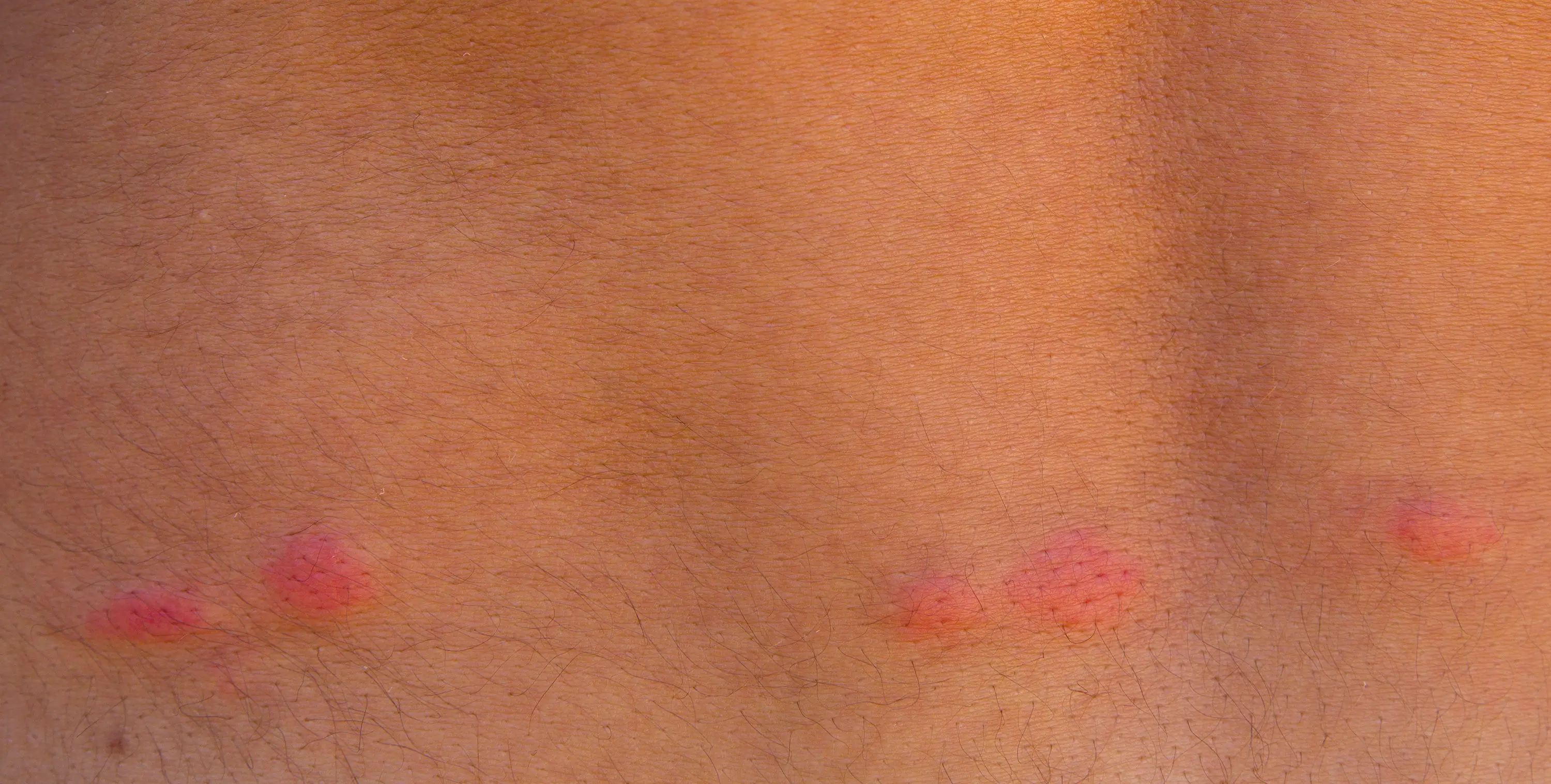
Flea bites on humans manifest as small, discolored bumps that can be quite itchy. This can lead to excessive scratching which may result in bacterial infections. These bites often appear in clusters rather than isolated occurrences and are commonly found on lower legs and feet due to their proximity to the ground.

On Pets: Dogs show tiny, raised red dots that become inflamed. Cats exhibit similar reactions with bites that may appear pink and crusty.

Flea Dirt on Bedsheets

Flea dirt is not actually dirt but flea feces composed of digested blood. This material resembles small grains of black pepper and is clearly visible on light-colored sheets.

Confirmation Test: Rub suspected flea dirt on a damp paper towel. If it turns red, it confirms the presence of digested blood and fleas.

Pet Scratching

Fleas release proteins through their saliva that cause itchiness. Pets scratch as a response to this irritation and may also lick affected areas. Some animals show minimal discomfort while others experience scabs, rough skin spots, and hair loss from persistent scratching. Pay attention to increased scratching after pets have been outside.

Flea Eggs

Tiny, oval-shaped, and white. Incredibly difficult to find on light bedding but visible on darker sheets. Can be mistaken for dead skin or sand particles.

Molted Flea Skins

White and tubular appearance. Sign of flea life cycle progressing. Extremely small and may require a magnifying glass to identify.

Adult Fleas

Very small, barely bigger than a grain of black pepper. Can jump away quickly, appearing to disappear. Spotting them indicates a nearby infestation.

Fleas or Bed Bugs?

Determining whether you are dealing with fleas or bed bugs can be challenging, as both are nocturnal parasites that feed on blood. Here are key differences:

Flea Characteristics

  • Found on pets, animal sleeping areas, upholstery, and carpeting
  • Bites appear as cluster of dots with dark red center
  • Bites turn into swollen, itchy welts within an hour
  • May develop into blisters within a day or two
  • Feed at all hours of the day
  • Bites primarily on legs, ankles, and feet

Bed Bug Characteristics

  • Found around mattress piping, bed frames, box springs, baseboards
  • Bites appear as raised, red welts in straight line or zigzag pattern
  • Bites may take days to become noticeable
  • Gradually increase in itchiness as anesthetic wears off
  • Feed every 7 to 10 days
  • Bites on any exposed skin while sleeping

Key Distinction: Flea bites are more random and can occur any time, while bed bug bites are more structured and tend to appear after sleeping. Both pests require different approaches for effective control.

How Do Fleas Get in Your Bed?

Adult fleas finding their way onto your bed sheets can happen through various means:

Pets Sleeping in Bed

The quickest way for fleas to enter your bed. If your pet has fleas, they can easily transfer fleas and eggs to your bedding.

Human Transmission

Fleas can cling to clothing after walking through areas like dense forests where fleas are prevalent, then be brought into the home.

Wildlife Carriers

Raccoons, possums, and squirrels can introduce fleas into the household where pests spread to beds in search of blood meals.

Infested Furniture or Rugs

Used furniture or rugs may already be harboring fleas or eggs, leading to infestations in your living spaces.

Will Fleas Bite Humans?

Yes. Fleas will feed on most warm-blooded animals including dogs, cats, birds, bats, rodents, livestock, wildlife, and humans.

Where Fleas Bite

Fleas usually focus on areas closer to the ground due to their jumping distance. Even though fleas can jump up to 150 times their own size, this rarely reaches above an adult human's knees. Bites often appear on legs, ankles, knees, and feet.

Bite Pattern

Flea bites are typically identifiable as small, red bumps often lined up in a straight row or grouped in clusters of three or four. This pattern is distinct from tick or mosquito bites and is a key indicator of flea activity.

How Long Can Fleas Live Without a Host?

With a host, fleas have a lifespan of 2 to 3 months. Without access to a host, fleas can only survive 1 to 2 weeks. When treated, fleas on pets can typically be eradicated within 24 to 48 hours, helping to curb the spread in your household.

Dealing with Fleas?

Fleas multiply rapidly and can be difficult to eliminate completely. Our experts provide comprehensive treatment for your entire home.

Call (866) 326-2847

How to Get Rid of Fleas in Your Bed

Eliminating fleas from your bed requires a combination of thorough cleaning and targeted treatments.

Vacuum Thoroughly

Use a handheld vacuum or standard vacuum with upholstery attachment to thoroughly vacuum your bed. This removes adult fleas, eggs, larvae, and flea dirt. Empty and dispose of vacuum contents immediately outdoors as fleas can survive inside and escape to reinfest an area.

Wash Bedding in Hot Water

Regularly launder sheets, duvet covers, pillowcases, and window curtains in hot water and dry using the hottest setting. This kills fleas and eggs, disrupting their life cycle. During active infestations, repeat every few days.

Steam Clean the Bed

For severe infestations, steam cleaning uses extreme heat to effectively kill adult fleas, larvae, and eggs. Vacuum first to remove dirt, then use a steam cleaner with upholstery attachment on affected surfaces.

Flea Powder (For Carpets)

While not usable on bedding, flea powder can eliminate fleas from carpets. Choose products targeting both larvae and adults. Use caution as some contain harmful ingredients dangerous for children and pets. Avoid breathing in the fine dust.

DIY Vinegar and Salt Solution

Mix equal parts water and vinegar and spray over infested surfaces. Follow by sprinkling salt to dry out the area and kill fleas. Leave salt overnight and vacuum the next day. Less effective for severe infestations.

Professional Flea Extermination

If home remedies are insufficient, consider hiring a professional flea exterminator. They provide comprehensive treatment throughout your home and ensure thorough resolution of your flea infestation.

How to Prevent Fleas in the First Place

Preventing flea infestations is often easier than eliminating them. These methods are especially important during warm, humid months of spring and summer when fleas are most active.

Flea Medication

Various preventatives are available for pets, often as monthly chewable pills. Consult a veterinarian to choose the most effective product. Some animals may develop tolerance to over-the-counter medications. Topical drops applied to the back of the neck are another option.

Flea Collars

A cost-effective solution that releases chemicals to repel or kill fleas. Collars can remain effective for several months but may take a few weeks to start working effectively.

Flea Shampoo

Regular use of flea shampoos and topical lotions can prevent infestations. Budget-friendly but requires consistent application. Follow product instructions and keep pets away from soft surfaces for a few hours after application.

Additional Prevention Tips

Keep pets off the bed
Vacuum frequently
Wash bedding regularly
Inspect pets after outdoor time
Treat yard for fleas
Inspect used furniture

Contact EcoGuard if You Are Dealing with Fleas

While the steps to prevent and treat flea infestations are crucial, sometimes the challenge of eliminating these persistent pests requires professional intervention. If you find yourself struggling with a flea problem, EcoGuard Pest Management is here to help. Our experienced team offers effective and reliable solutions tailored to your specific situation, ensuring your home becomes flea-free.

Call (866) 326-2847Get Free Quote

Fleas in Bed FAQs

How do I get rid of fleas in my bed?

To get rid of fleas in your bed, start by thoroughly vacuuming the mattress, bed frame, and surrounding areas to remove adult fleas, eggs, and larvae. Follow this with washing all bedding, including sheets, pillowcases, and blankets in hot water to kill any remaining fleas. For severe infestations, consider using a flea spray specifically designed for bedding or consulting a professional pest control service like EcoGuard Pest Management for more comprehensive treatment options.

Is it bad to sleep in a bed with fleas?

Sleeping in a bed with fleas is not advisable as it exposes you to flea bites which can be itchy and uncomfortable. In some cases, it may even lead to allergic reactions or infections from excessive scratching. Additionally, it increases the risk of the fleas spreading to other areas of your home. It is best to address the flea infestation promptly to ensure a healthy, comfortable sleeping environment.

How do I know if my bed has fleas?

To determine if your bed has fleas, look for signs such as small, itchy bites on your skin, tiny black specks (flea dirt), or actual fleas which are small, dark, and fast-moving. Another indicator is noticing your pets scratching more than usual if they sleep on your bed. Fleas are more likely to be present if you have pets that are frequently outdoors.

How do you keep fleas off me while I sleep?

To keep fleas off you while sleeping, ensure your bed and surrounding areas are thoroughly cleaned and vacuumed regularly to remove any fleas and their eggs. If you have pets, treat them with appropriate flea prevention products to stop them from bringing fleas into your bed.