EcoGuard Pest Management
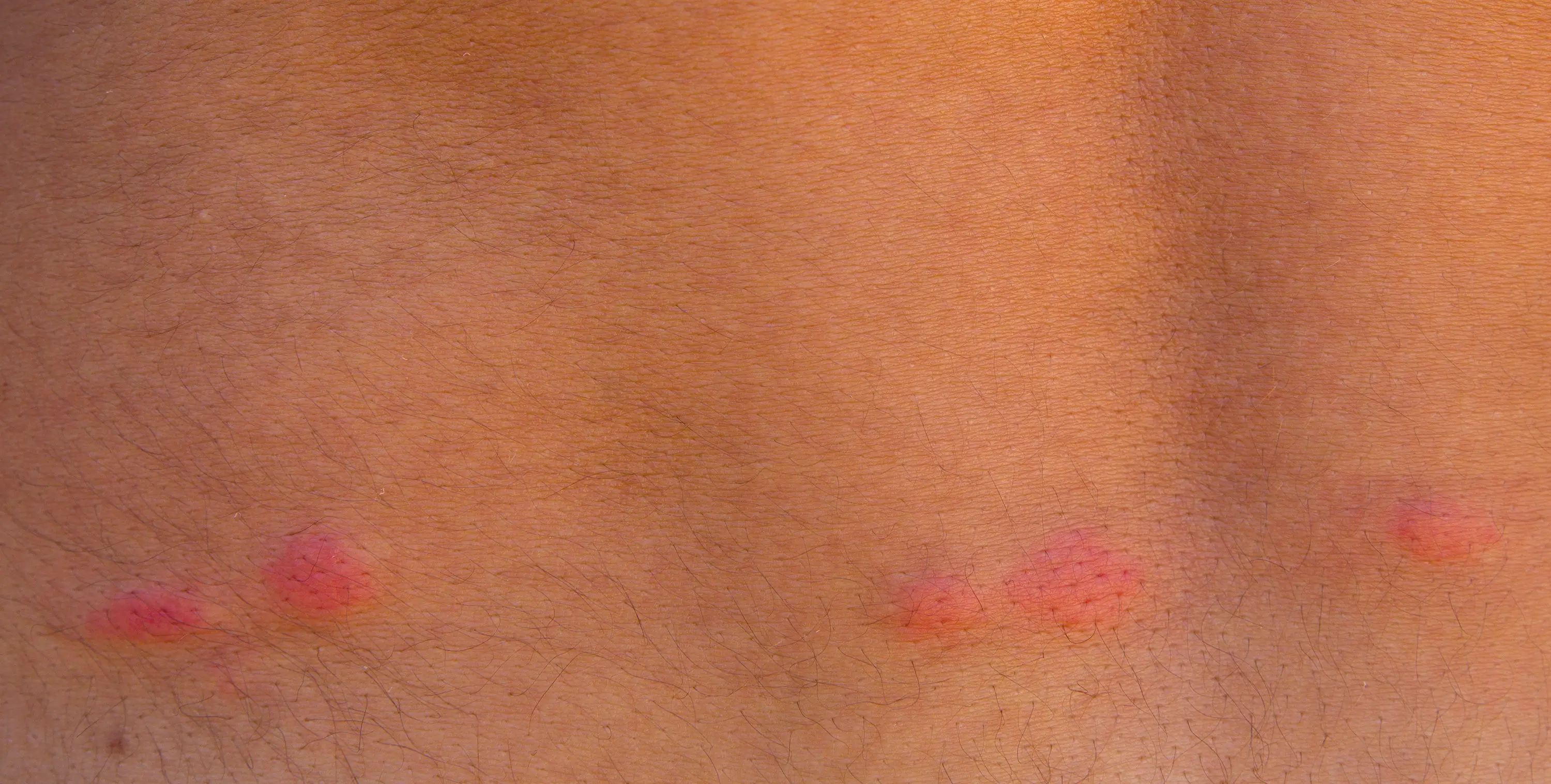
Comparison of flea bites and bed bug bites
By Gary Anderson||5 min read

Flea Bites vs Bed Bug Bites: How to Tell the Difference

Learn to identify the source of your bites and take appropriate action.

Discovering bites from insects in your home can be disturbing, especially when the source is uncertain. The usual suspects are typically bed bugs or fleas. Understanding the differences between these bites is crucial for identifying the pest problem and seeking the right treatment.

FeatureFleasBed Bugs
SensationItchingIntense itching
AppearanceSmall red bumps, may blisterRed/pink/purple welts, raised center
Pattern3-bite clustersLinear or zigzag pattern
DevelopmentWithin 30 minutesHours to days later
LocationLegs, feet, anklesArms, legs, neck, face
FrequencyCan feed dailyEvery 3 days

Quick ID Guide

Bites on ankles/feet?

Likely FLEAS

Linear pattern on arms?

Likely BED BUGS

Pet scratching a lot?

Check for FLEAS
Bed Bug Bites

Bed bugs are tiny, reddish-brown insects that feed on human blood. They are attracted to body heat and carbon dioxide exhaled during sleep. While they are most commonly found in mattresses, bed frames, and box springs, they can hide in furniture, carpets, electronics, and wall cracks.

Appearance

Small, red or pink marks with a raised center (similar to mosquito bites). Appear in groups of 3-5 in a linear or zigzag pattern.

Location

Areas exposed during sleep: face, neck, arms, hands, legs. If chest/back exposed, bites appear there too.

Sensation

Often imperceptible when bitten due to anesthetic/anticoagulant injected. Intense itchiness develops hours to days later.

Risks

  • Allergic reactions (mild to severe)
  • Skin irritation, swelling, blisters
  • Hives and rashes
  • Stress, anxiety, insomnia, PTSD

Signs of Bed Bugs

  • Rust/brown spots on mattress (excrement)
  • Shed skins (translucent husks)
  • Musty odor in heavily infested areas

Flea Bites

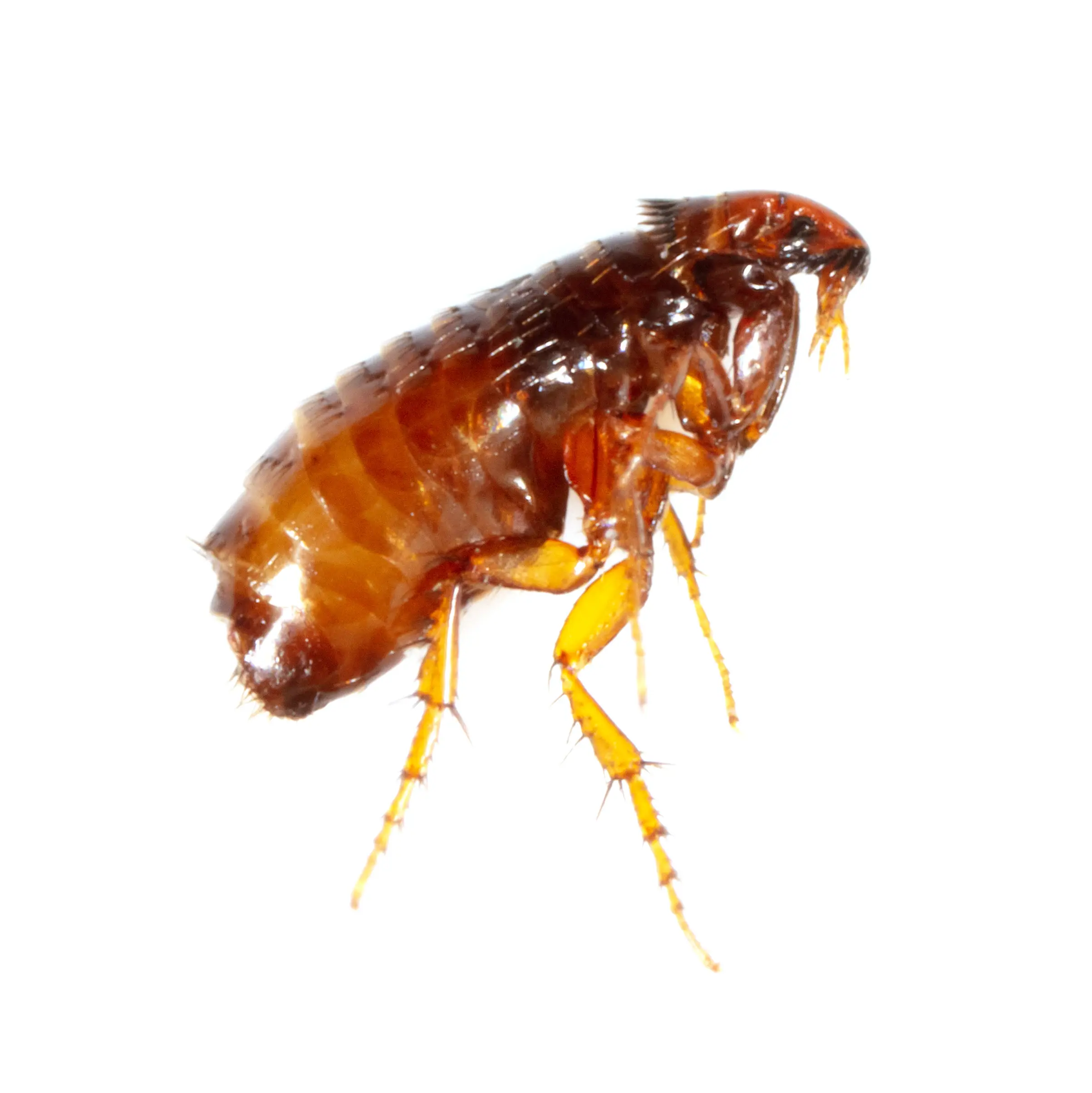
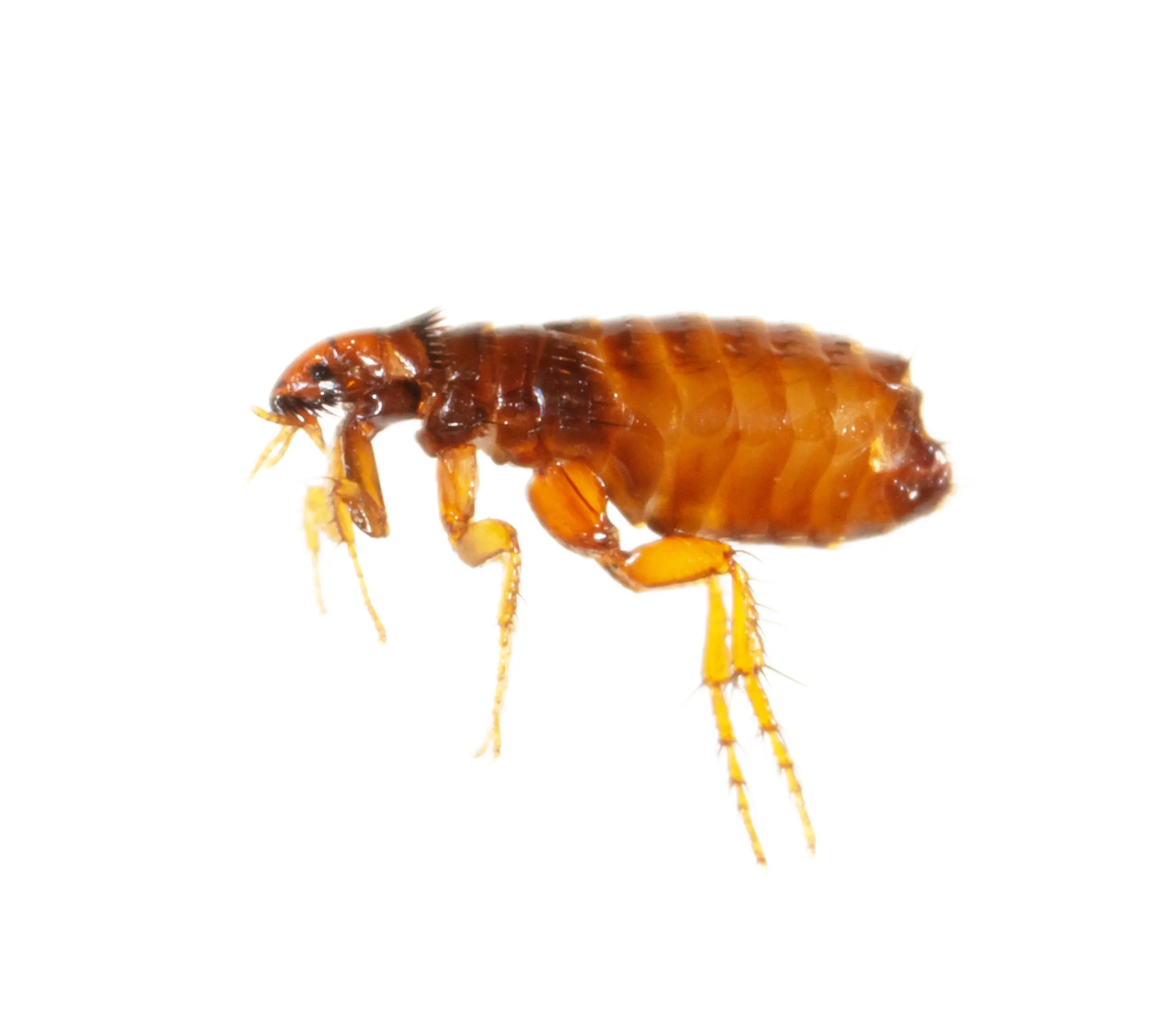
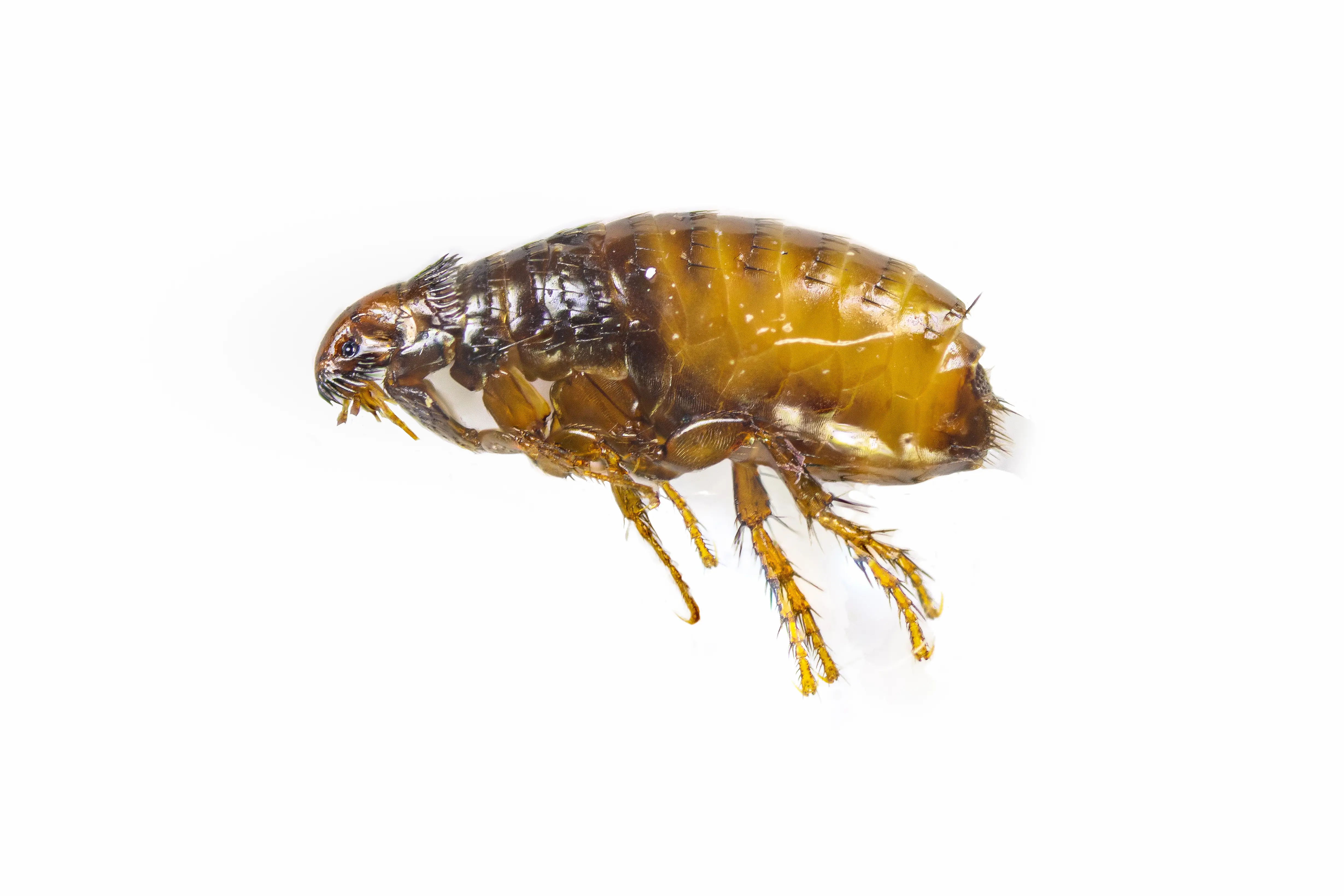
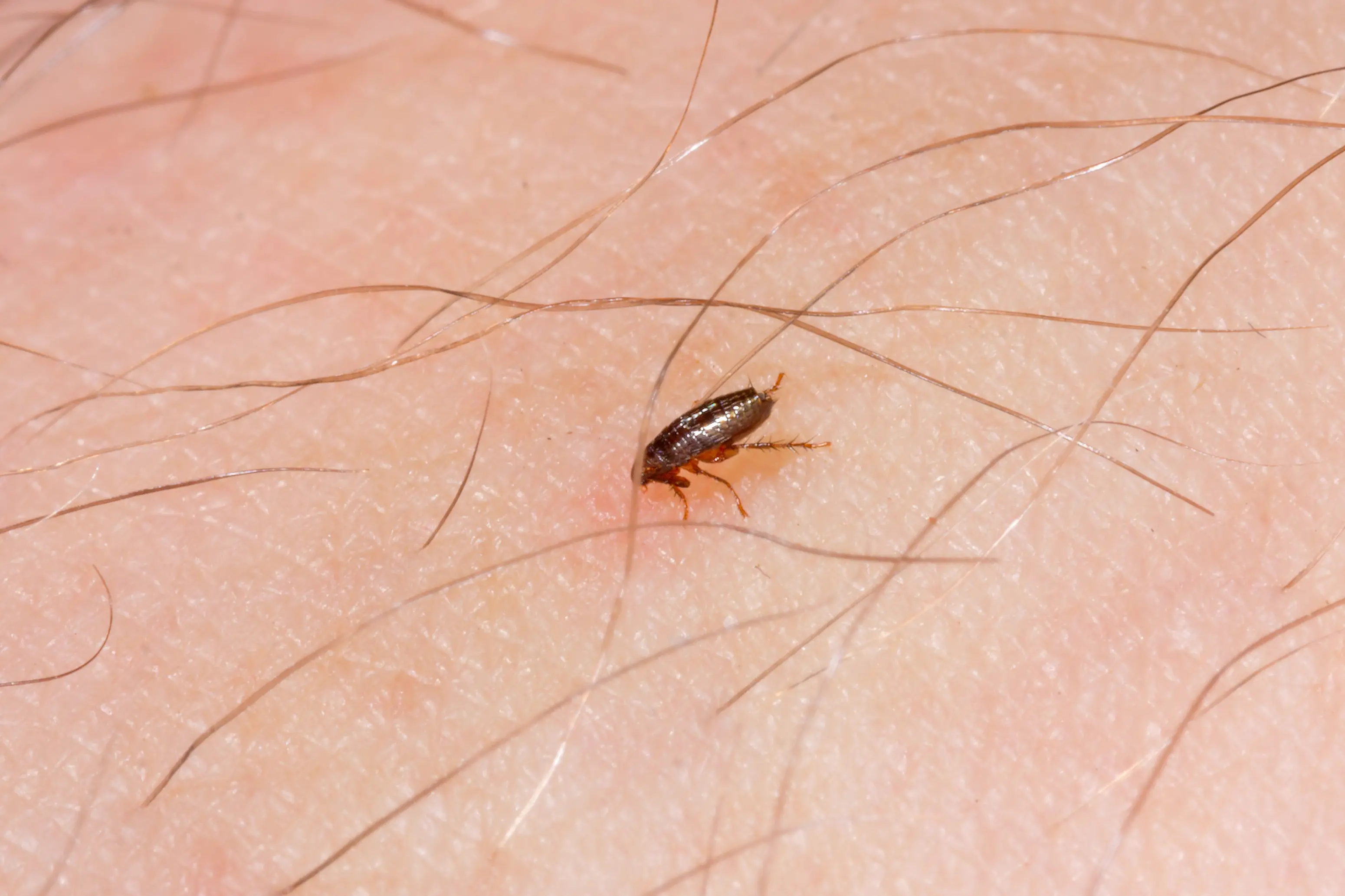
Flea bites are commonly associated with pets. These tiny blood-sucking insects can jump up to 18 centimeters and latch onto hosts. While they prefer animal blood, fleas will bite humans when animals are unavailable.

Appearance

Small, dark red spots that appear within 30 minutes. May develop into small blisters. Often in random clusters of 3 ("breakfast, lunch, dinner").

Location

Most frequently on lower body: ankles, feet, legs. Fleas jump from ground and rarely reach higher than adult's knee. Can reach elbows/knees on seated hosts.

Sensation

Intense itching is the most noticeable symptom. Can trigger papular urticaria (hot, painful hives) in sensitive individuals.

Risks

  • Allergic reactions (hives, rash, swelling)
  • Secondary bacterial infection from scratching
  • Skin infestations (tungiasis)
  • Disease: Bubonic plague, typhus, tularemia

Signs of Fleas

  • Excessive scratching/biting by pets
  • Pet hair loss from irritation
  • Red spots on pets (feces or blood)
  • Tiny jumping black specks on furniture

Not Sure What is Biting You?

Our professionals can inspect your home, identify the pest, and create a customized treatment plan.

Call (866) 326-2847

Treatment for Bites

Flea Bite Treatment

  1. Clean bites with soap and water
  2. Apply topical anti-itch cream
  3. Take lukewarm oatmeal baths (not hot)
  4. Use antihistamines for allergic reactions
  5. Consult doctor if infection develops

Prevention: Use DEET spray and ensure pets have flea medication.

Bed Bug Bite Treatment

  1. Clean bite area with soap and water
  2. Apply corticosteroid cream for itching
  3. Monitor for allergic reactions
  4. Use oral antihistamines if hives develop
  5. Seek medical help for severe reactions

Important: Resist scratching to prevent infection.

How to Get Rid of These Pests

Getting Rid of Fleas

  • Treat pets: Flea medication, soap baths, flea comb
  • Wash bedding: Hot water to kill eggs
  • Vacuum thoroughly: Dispose of contents safely
  • Apply insecticide: Focus on pet areas
  • Repeat: Every 5-10 days for one month

Getting Rid of Bed Bugs

  • Isolate beds: Mattress covers, bed bug interceptors
  • Launder: Hot water, high heat dry (45+ min)
  • Vacuum: Walls, floorboards, cracks; discard bag
  • Seal cracks: Prevent entry points
  • Steam clean: Kill bugs, eggs, and larvae
  • Apply insecticide: Treat infested areas

Professional Help Recommended: Both fleas and bed bugs are difficult to eliminate completely. Bed bugs are especially challenging due to their ability to hide and survive long periods without feeding.

Contact EcoGuard if You Are Getting Bitten by Insects

Dealing with insect bites can be distressing, especially when trying to identify the source. If you suspect the presence of bed bugs, fleas, or other pests in your home, professional assistance can provide the most effective solution. EcoGuard Pest Management offers thorough inspections, tailored treatment plans, and comprehensive support to ensure your home is free from these unwelcome guests.

Call (866) 326-2847Get Free Quote

Flea Bite vs Bed Bug Bite FAQs

How can you tell if it is a bed bug bite or a flea bite?

Distinguishing between bed bug bites and flea bites can be done by examining the location and pattern of the bites. Bed bug bites typically appear in a linear or zigzag pattern, often on the upper body, such as arms, face, and neck. In contrast, flea bites are more likely to be found on the lower parts of the body, especially around the ankles and legs and may appear in random clusters.

What is worse, fleas or bed bugs?

Determining whether fleas or bed bugs are worse depends on various factors, including individual allergic reactions, the extent of infestation, and the difficulty of eradication. Bed bugs are often considered more challenging to eliminate due to their ability to hide and survive for long periods without feeding. However, fleas can also be problematic, particularly for households with pets, as they can quickly multiply and spread throughout the home.