EcoGuard Pest Management
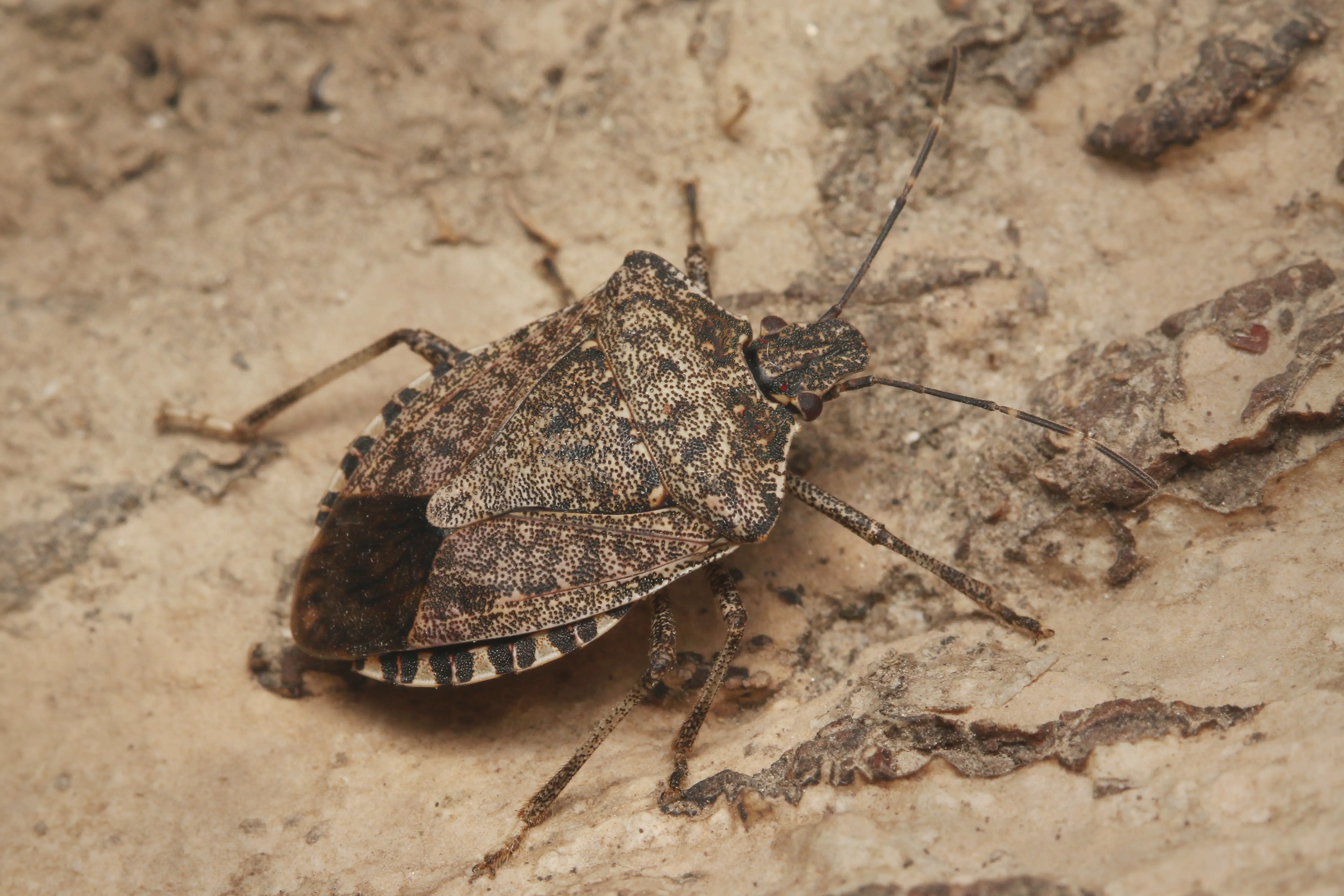
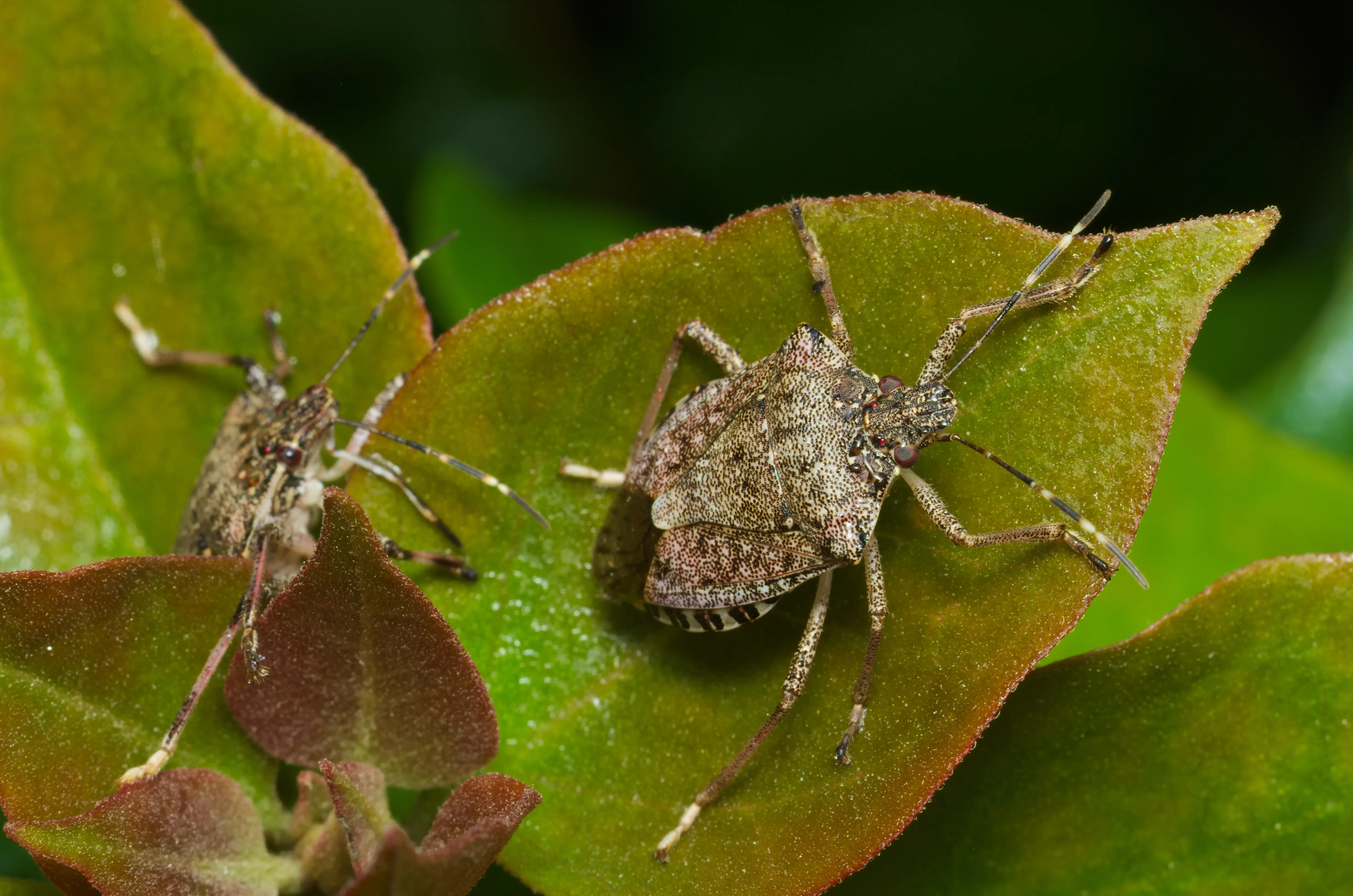
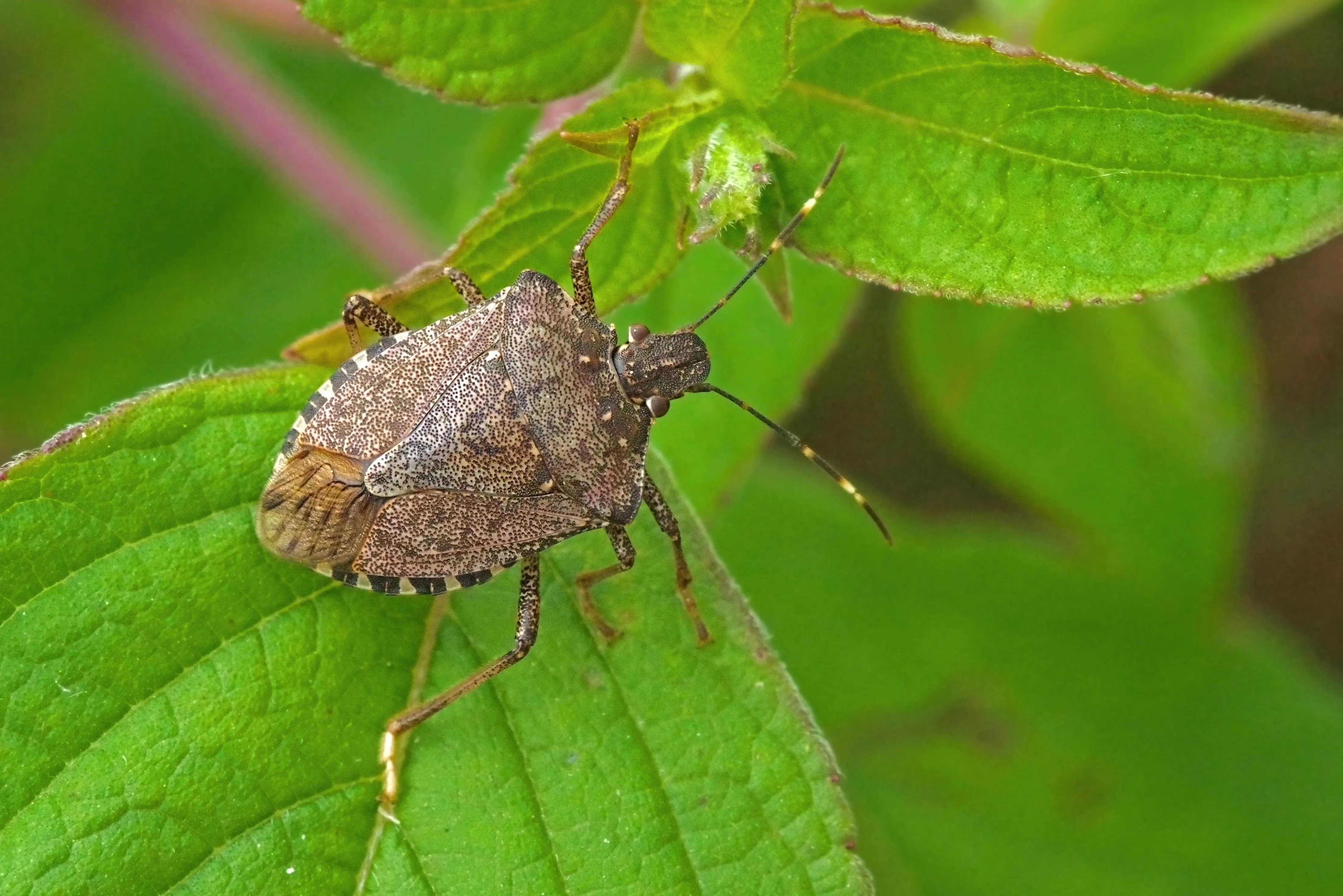
Brown marmorated stink bug showing shield-shaped body
By Gary Anderson||4 min read

What Are Stink Bugs? Stink Bug Facts & Information

Identification, behavior, life cycle, and control of these smelly invaders.

There are over 5,000 species of stink bugs worldwide, but the most commonly known in the United States is the brown marmorated stink bug. Native to Asia, it was first found in Pennsylvania in the 1990s and has since become an invasive species spread across the entire US.

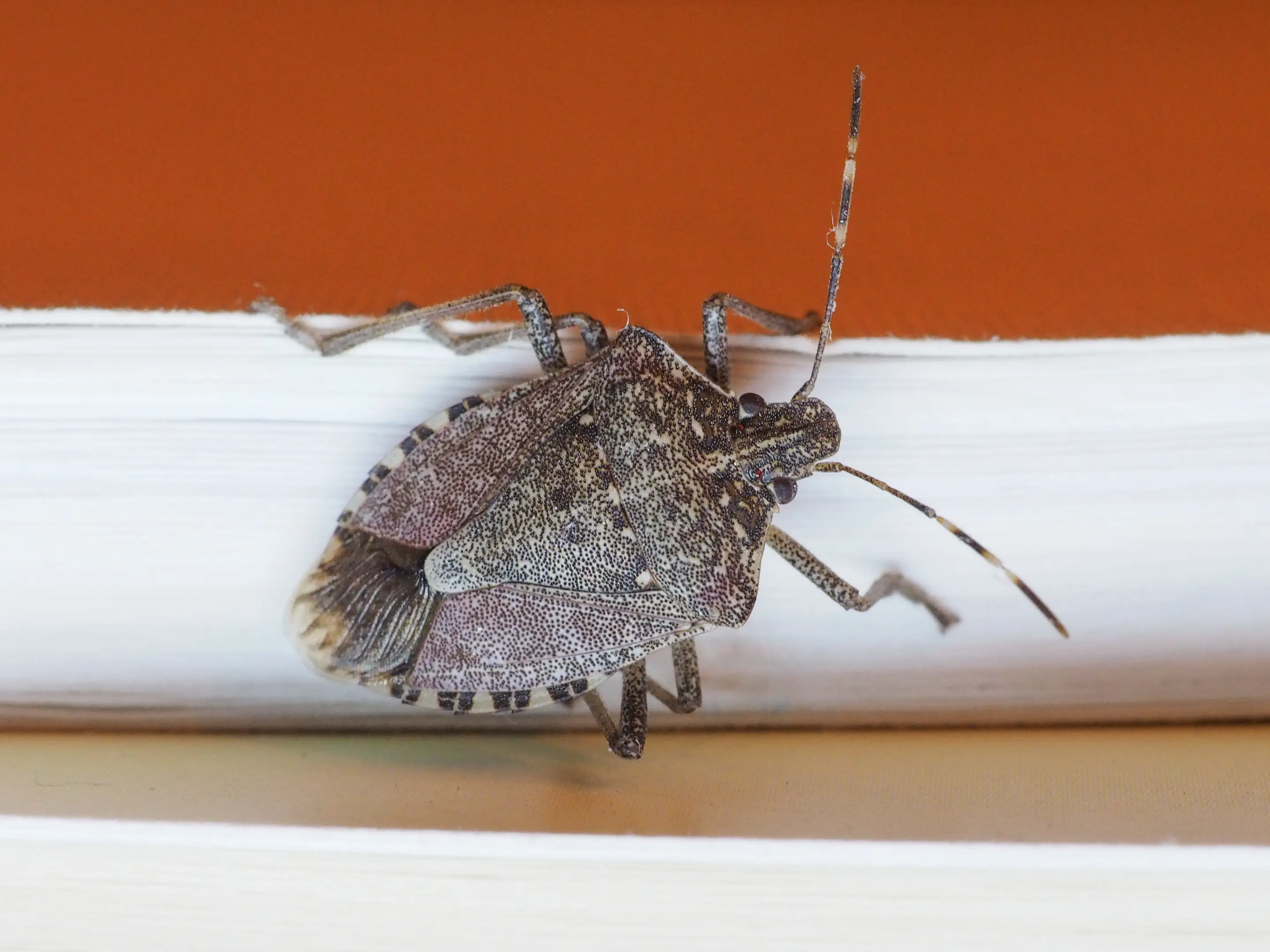
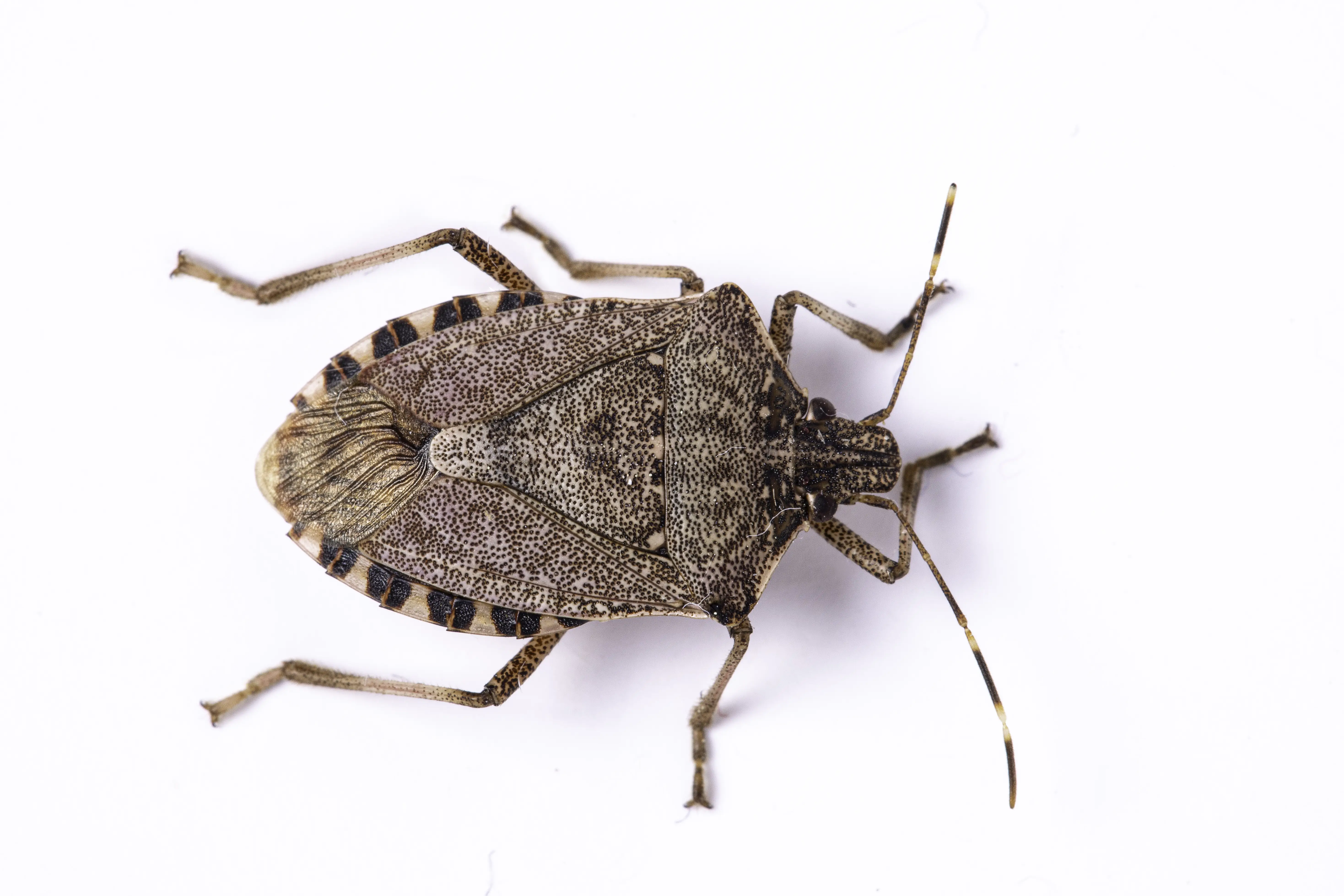
Stink bugs are notorious for the foul odor they release when threatened and are identified by their shield-shaped back covered in marbled markings.

Quick Facts

5,000+
Species worldwide
175+
Crops targeted
400
Eggs per cluster
Stink Bug Identification

6 Legs
Extend past body
Shield Shape
Like upside-down triangle
1/2 - 3/4"
Length, nearly as wide
Marbled
Gray and brown spots

Why Do Stink Bugs Stink?

Stink bugs produce chemicals inside their bodies as a defense mechanism to deter predators like birds, fish, and reptiles with sensitive noses.

These chemicals are produced by glands on the sides of the body and pool inside small holes called evapatoriums. These structures help release the scent faster for effective deterrence. The smell contains compounds found in cilantro and coriander.

Stink Bug Diet

Herbivorous Stink Bugs (Pests)

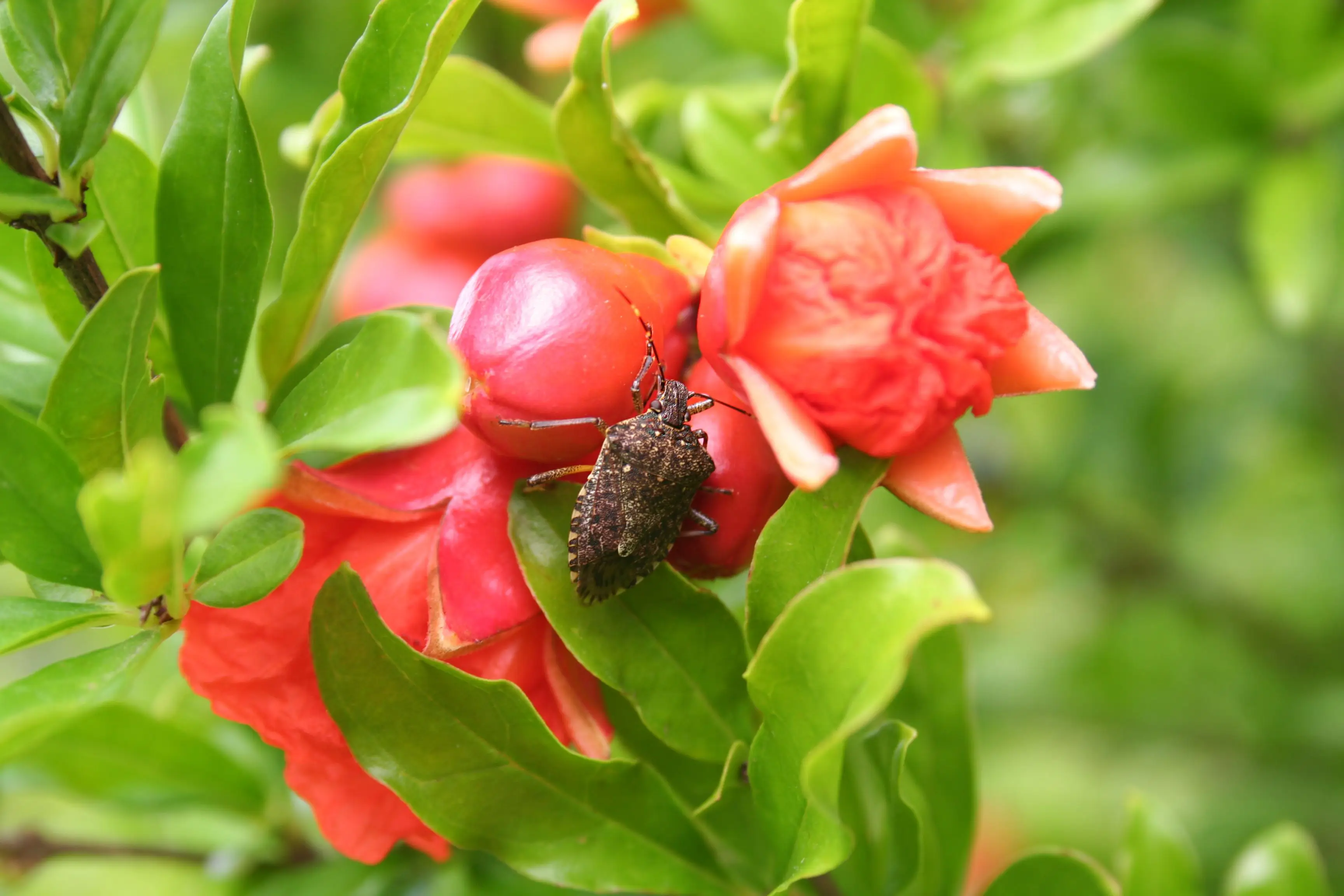
Feed on plants, fruits, and vegetables. They pierce plant membranes and suck out juices. Can devastate gardens, orchards, and vineyards in large numbers.

Predatory Stink Bugs (Beneficial)

Feed on other garden pests including other stink bugs. These are considered beneficial insects for pest control.

Agricultural Threat

Stink bugs cause millions of dollars in crop damage every year. Over 175 different crops are targeted:

Fruit: apples, pears, cherries, grapes, peaches, citrus
Vegetable: corn, peppers, tomatoes, beans, eggplant
Staple: soybeans, sorghum, sunflowers

Stink Bugs Invading Your Property?

Professional treatment protects your home and garden from these invasive pests.

Call (866) 326-2847

Why Do Stink Bugs End Up Inside?

Once temperatures cool, stink bugs prepare to overwinter somewhere warm. They often move indoors in large numbers because they release aggregation pheromones that attract other stink bugs once a safe location is found.

Inside, they enter a dormant period called diapause (similar to hibernation). During this time, they are mostly inactive, not feeding or mating. When temperatures rise, they become active again seeking to return outside.

Stink Bug Life Cycle

1. Overwinter

Adults emerge in late spring

2. Feed

2 weeks of feeding for energy

3. Mate

After feeding, produce brood

4. Eggs

Laid May-August, clusters up to 400

5. Hatch

Takes about 1 week

6. Nymphs

5 instar stages, ~1 week each

7. Adults

Final molt produces wings

8. Repeat

Find overwintering spot

Note: In warmer regions without cold winters, stink bugs breed year-round, producing up to 3 broods annually.

Signs of Stink Bugs

Live Stink Bugs

Aggregating on crops or plants

Egg Clusters

Attached to underside of leaves

Plant Damage

Bruising or skin damage on produce

Foul Odor

Smells like cilantro

How to Get Rid of Stink Bugs

Outdoors

Monitor gardens for early detection. Use insecticidal soaps and oils to spray infested plants.

Indoors

Use a vacuum cleaner to trap bugs. Seal them inside the bag or drown them to prevent return.

Prevention

Seal cracks in foundation, repair torn screens, install door sweeps. Exclusion is key.

Contact EcoGuard If You Are Dealing with Stink Bugs

If you are dealing with a large-scale stink bug infestation, professional pest control experts can take care of your problem. EcoGuard Pest Management has a team of licensed and experienced stink bug control experts ready to inspect your property and treat problematic areas. Our services are designed to safely and effectively exterminate stink bugs and prevent them from coming back.

Call (866) 326-2847Get Free Quote

Stink Bug FAQs

Are stink bugs harmful to humans?

Stink bugs can cause damage to fruits and vegetables but do not pose any significant threat to humans. They cannot bite or sting and rely on their foul smell to act as their primary defense mechanism.

What causes stink bugs in your house?

During colder months, stink bugs will enter a dormant phase similar to hibernation called diapause. In order to diapause safely, stink bugs need to find shelter from the cold and elements so they will move indoors. Once one stink bug finds a safe place to hide, they will release chemical pheromones that attract other stink bugs to the same place.

What is the smell of a stink bug?

The smell of stink bugs contains chemical compounds found in cilantro and coriander which heavily influences the scent they release. This smell acts as a deterrent to predators like birds, fish, and lizards who might decide that a stink bug looks like a snack.