EcoGuard Pest Management
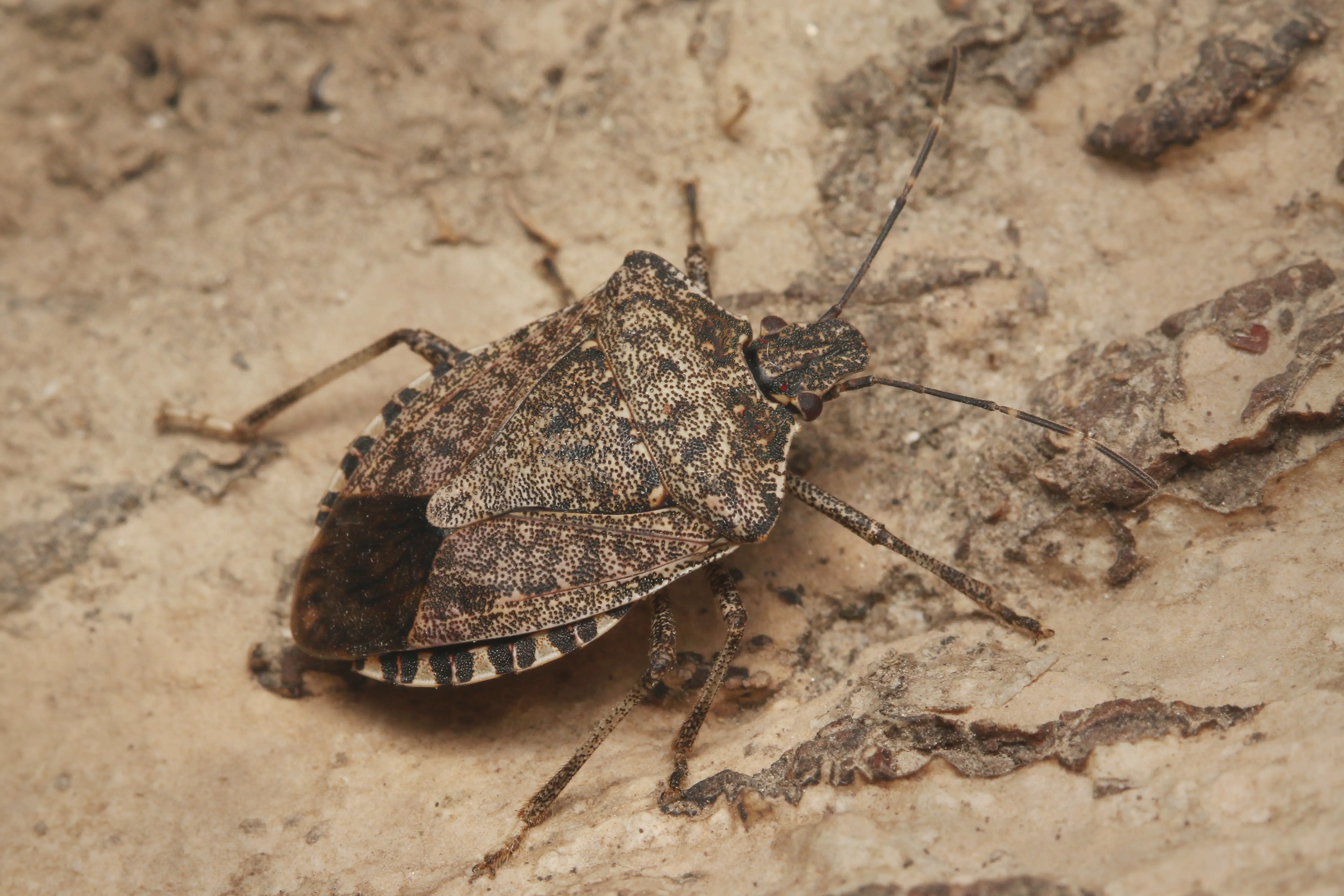
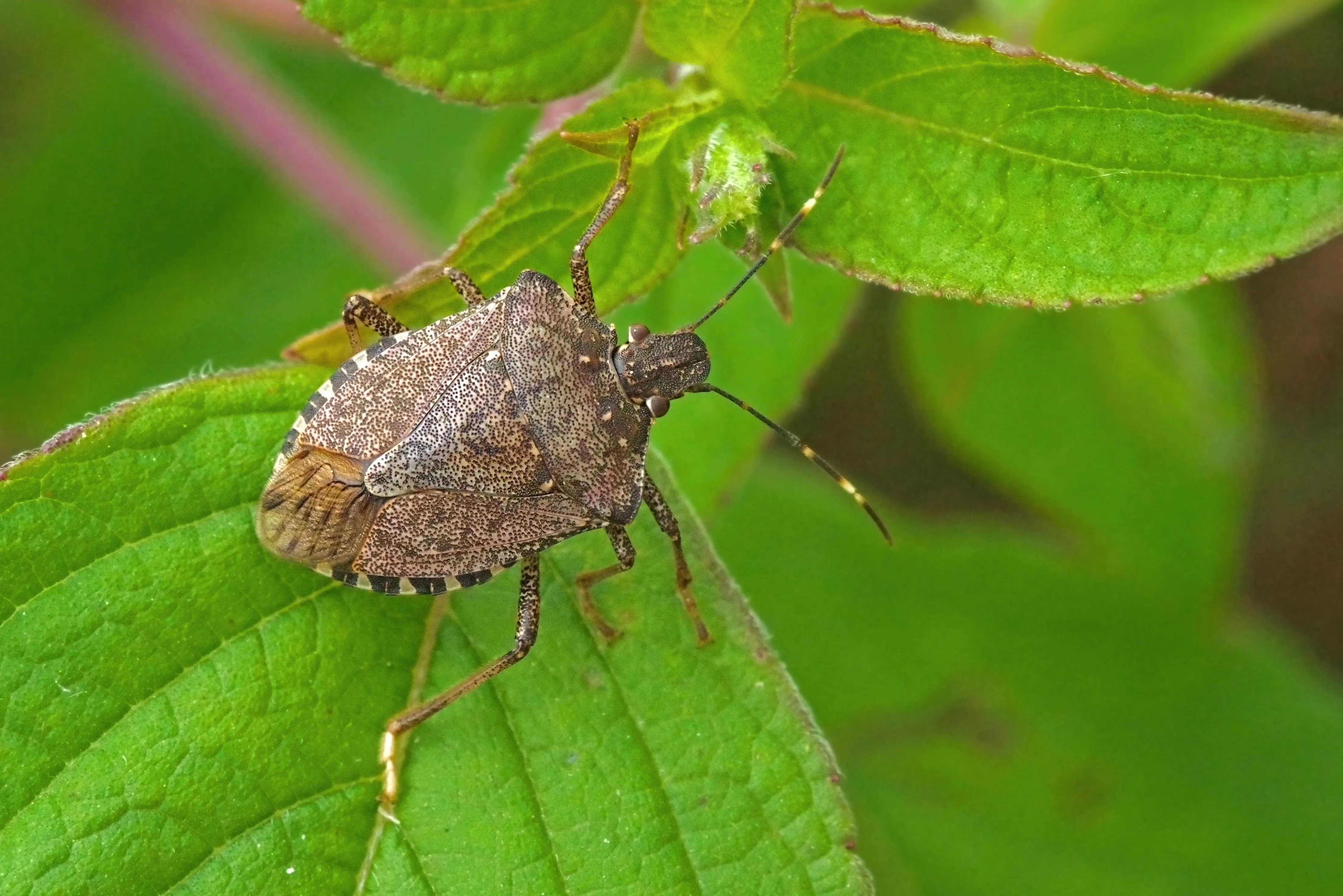
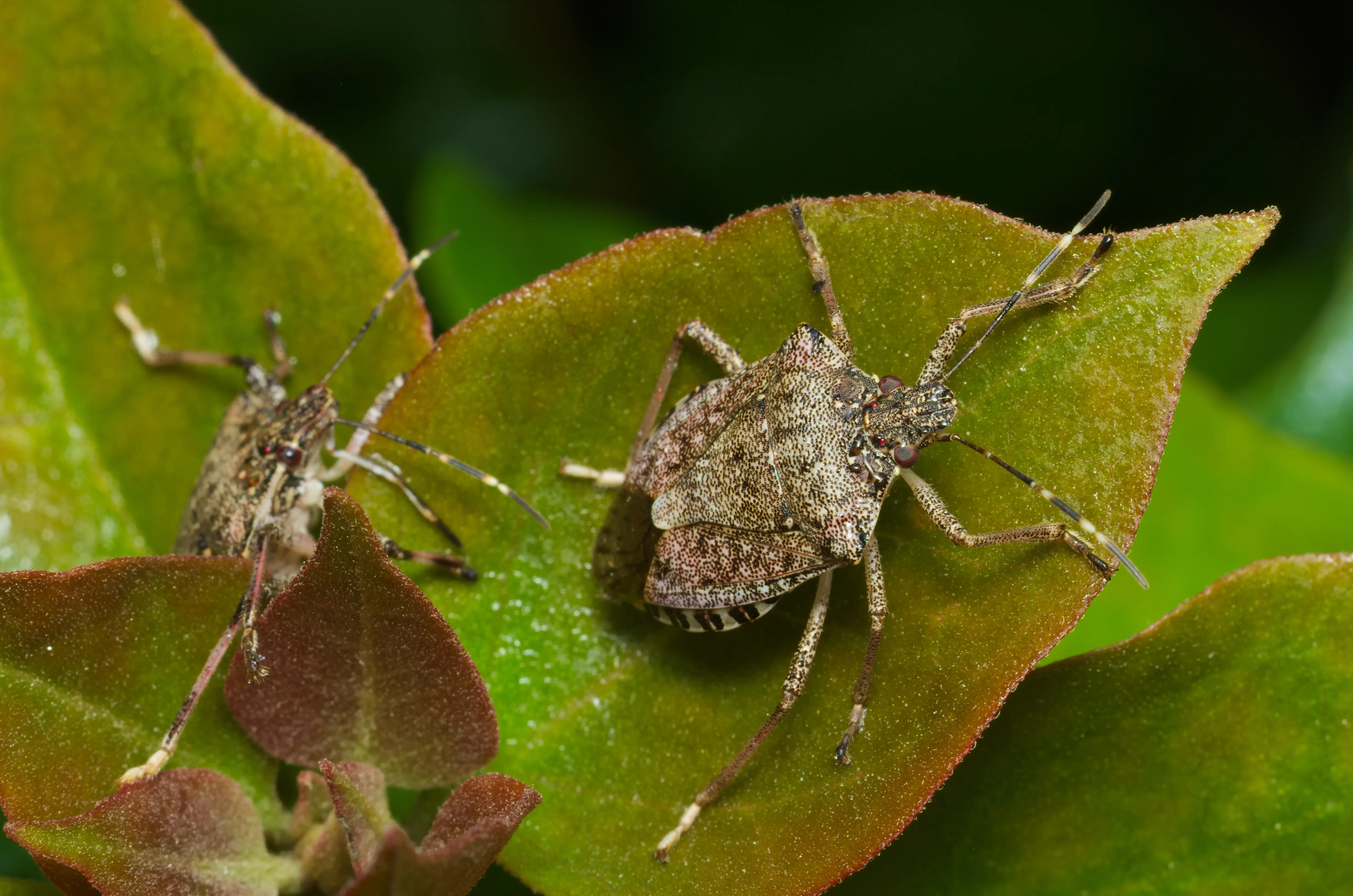
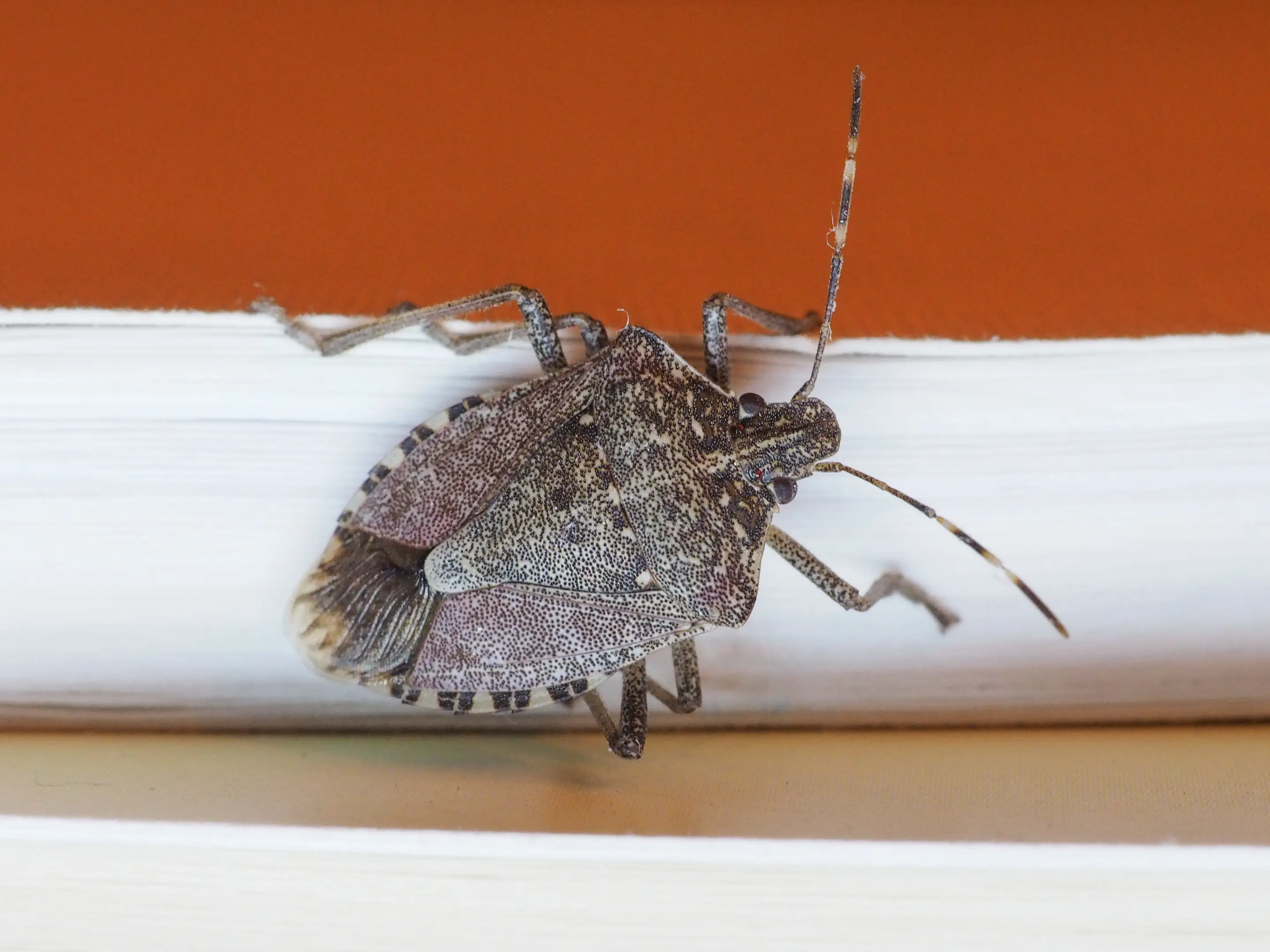
Brown marmorated stink bug showing shield-shaped body
By Gary Anderson||5 min read

Where Do Stink Bugs Come From?

Origins of this invasive pest and how they find their way into your home.

Even though there are over 200 species of stink bugs in North America, the most prevalent is the brown marmorated stink bug. This invasive species originated in East Asia and was first sighted in Pennsylvania in 1998, thought to have arrived via container ships.

Since then, they have spread across the US and are now documented in 41 states. This is problematic because these agricultural pests cause significant damage and have very few natural predators to keep their populations in check.

Invasion Timeline

1998
First US sighting
41
States affected
$Millions
In crop damage yearly
What Are Stink Bugs?

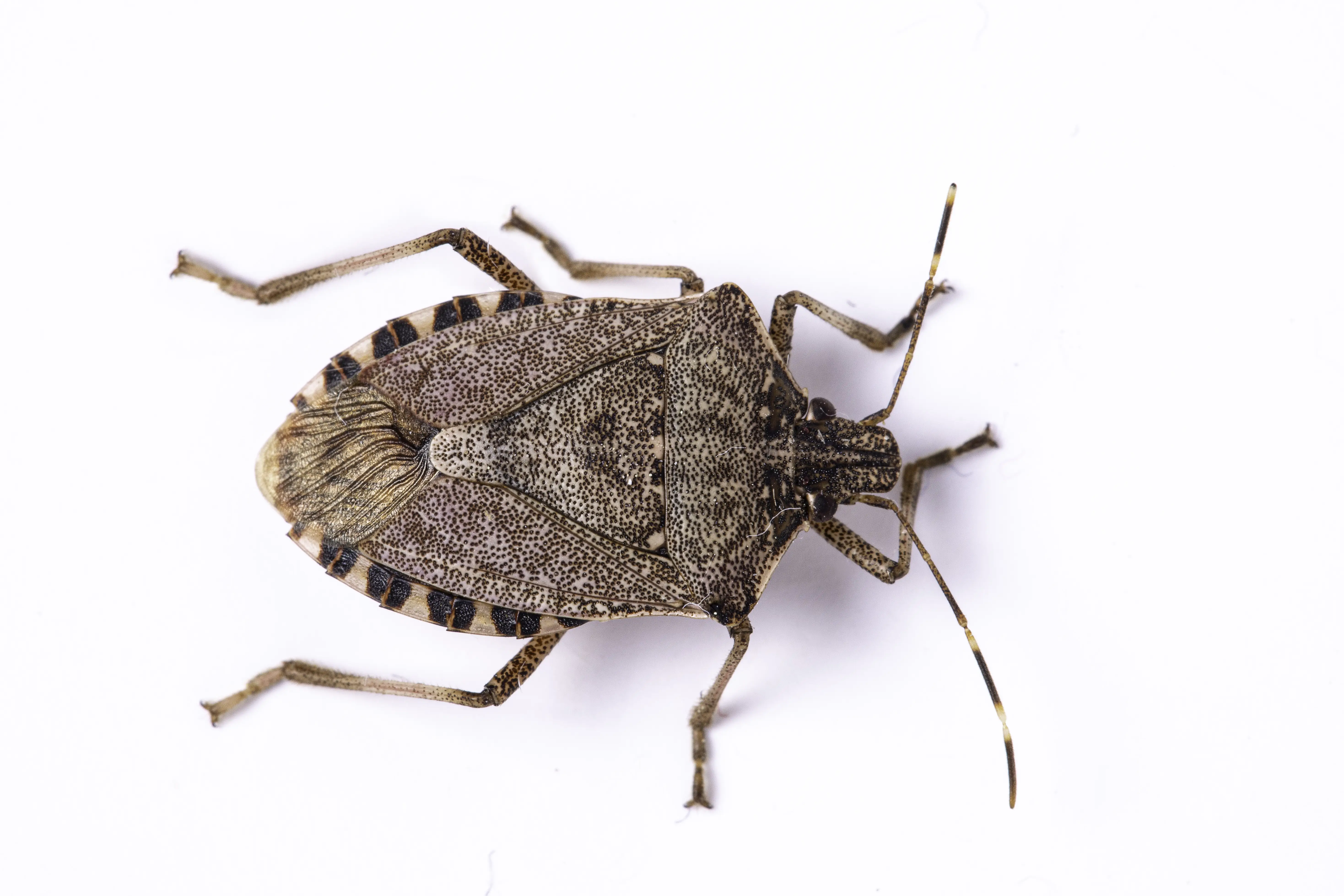
Shield-Shaped
Brown/grey mottled pattern
3/4 Inch
Nearly as wide as long
6 Legs + Wings
Can fly long distances
Pheromone Glands
Defense & attraction

Diapause: When temperatures drop, stink bugs enter a hibernation phase. They need warm, protected places to hide, which causes them to move indoors. One stink bug attracts others until hundreds or thousands invade a space.

Where Did Stink Bugs Originate From?

Brown marmorated stink bugs originated in Eastern Asia, native to Japan, China, Korea, and Taiwan. They were first documented in Pennsylvania in 1998 but likely arrived at a US eastern port of entry earlier.

As flying insects that travel long distances for food, they have spread far from their original arrival point on the east coast. Since the late 1990s, they have reached as far west as California and as far south as Florida.

Why Are Stink Bugs a Problem?

Agricultural Devastation

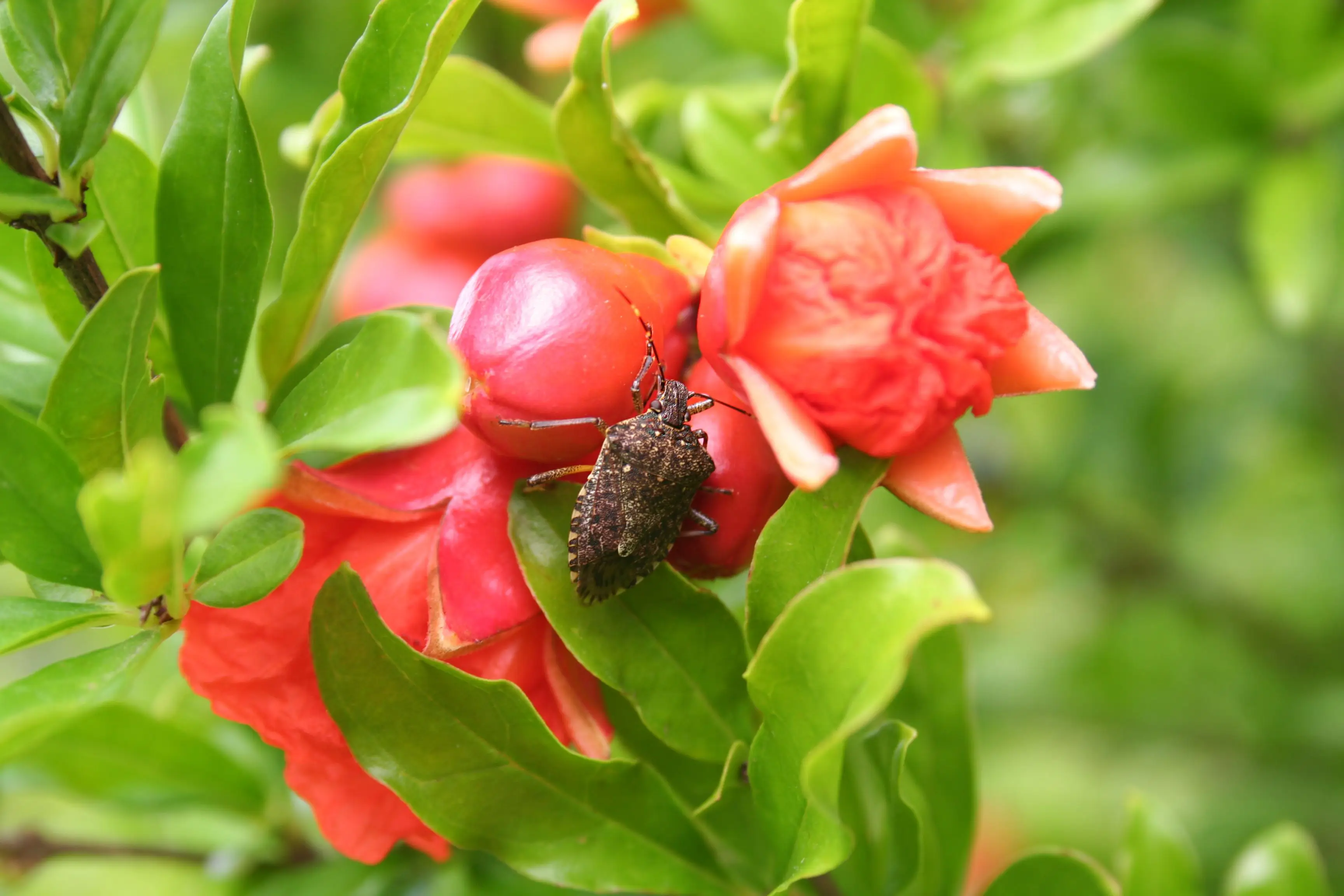
Damage to orchards, vineyards, and crop harvests. They feed on fruit trees, vegetable crops, and ornamental plants, causing millions in losses every year.

Feeding Damage

Using their proboscis, they drain fluids from leaves, stems, and fruits, causing bruising and scarring that makes produce unsellable.

No Natural Predators

As an invasive species, they have no natural predators to control populations. Their aggregation pheromone attracts thousands more.

Stink Bugs Invading Your Space?

Stop one from becoming thousands with professional treatment.

Call (866) 326-2847

Where Did the Stink Bugs Inside My House Come From?

After spending most of the year outside feeding, stink bugs prepare for winter by seeking warm hiding places. They are also attracted to lights left on at night. If exterior lights lead them to your home, they will find access points. Once inside, they release aggregation pheromones that attract others until you have a full infestation.

What Attracts Stink Bugs to Your Home?

Winter Shelter

They need warm, undisturbed areas like attics, basements, and crawl spaces to survive the cold.

Aggregation Pheromones

Other stink bugs release pheromones that draw more in.

Exterior Lighting

Attracted to bright white lights like flood lights and exterior fixtures.

Access Points

Easy-to-find entry points allow them to get inside.

Food Sources

Agricultural fields, fruit trees, or gardens nearby attract them.

Natural Materials

Homes with natural-looking materials may be more attractive.

Are Stink Bugs a Threat?

For most people, stink bugs are a nuisance pest that occasionally invade gardens and homes. They do not present much threat to humans since they are not venomous and do not bite or sting.

The biggest threat is their offensive smell, said to smell like cilantro and rotting fruit. One stink bug is not bad, but thousands in a closed space is a different story. Do not crush them as they release even more scent. Instead, collect and discard them.

How to Get Rid of Stink Bugs

Outdoors

Spray with soapy water to knock them off plants. This should deter them from returning.

Indoors

Do not crush them. Use a vacuum cleaner, seal them in a plastic bag, and discard. Clean the area to remove pheromone traces.

Prevention Strategies

Seal Access Points

Caulk cracks in siding, around pipes, and under fascia.

Repair Windows/Doors

Close gaps and repair torn screens.

Turn Off Lights

Minimize exterior and flood lights at night.

Maintain Exterior

Keep yard well-maintained to reduce food sources.

Call a Professional

Get a customized pest management strategy.

Contact EcoGuard Pest Management If You Are Dealing with Stink Bugs

If you are dealing with a stink bug problem, it is time to bring in the professionals. EcoGuard Pest Management has a team of licensed and trained stink bug control experts standing by to assist with inspection, treatment, and ongoing maintenance. We know where to look, what signs to look for, and how to effectively exterminate the problem.

Call (866) 326-2847Get Free Quote

Stink Bug Origin FAQs

What attracts stink bugs to your house?

Stink bugs are attracted to warmth, safety, lights, and other stink bug activity. The best way to prevent stink bugs is to deny them access to warmth and safety while also eliminating lights and other stink bugs that may attract them.

Why do stink bugs suddenly appear?

Stink bugs can appear in hordes because a singular stink bug can release aggregation pheromones that attract others. If one stink bug finds its way inside, it is only a matter of time before a full blown infestation moves in.

Should you kill stink bugs?

Stink bugs are an agricultural pest that can cause significant damage to different plants. For this reason, stink bugs should be exterminated but it is important to remember that stink bugs release their smell when they are crushed. It is much better to collect them and discard them.