EcoGuard Pest Management
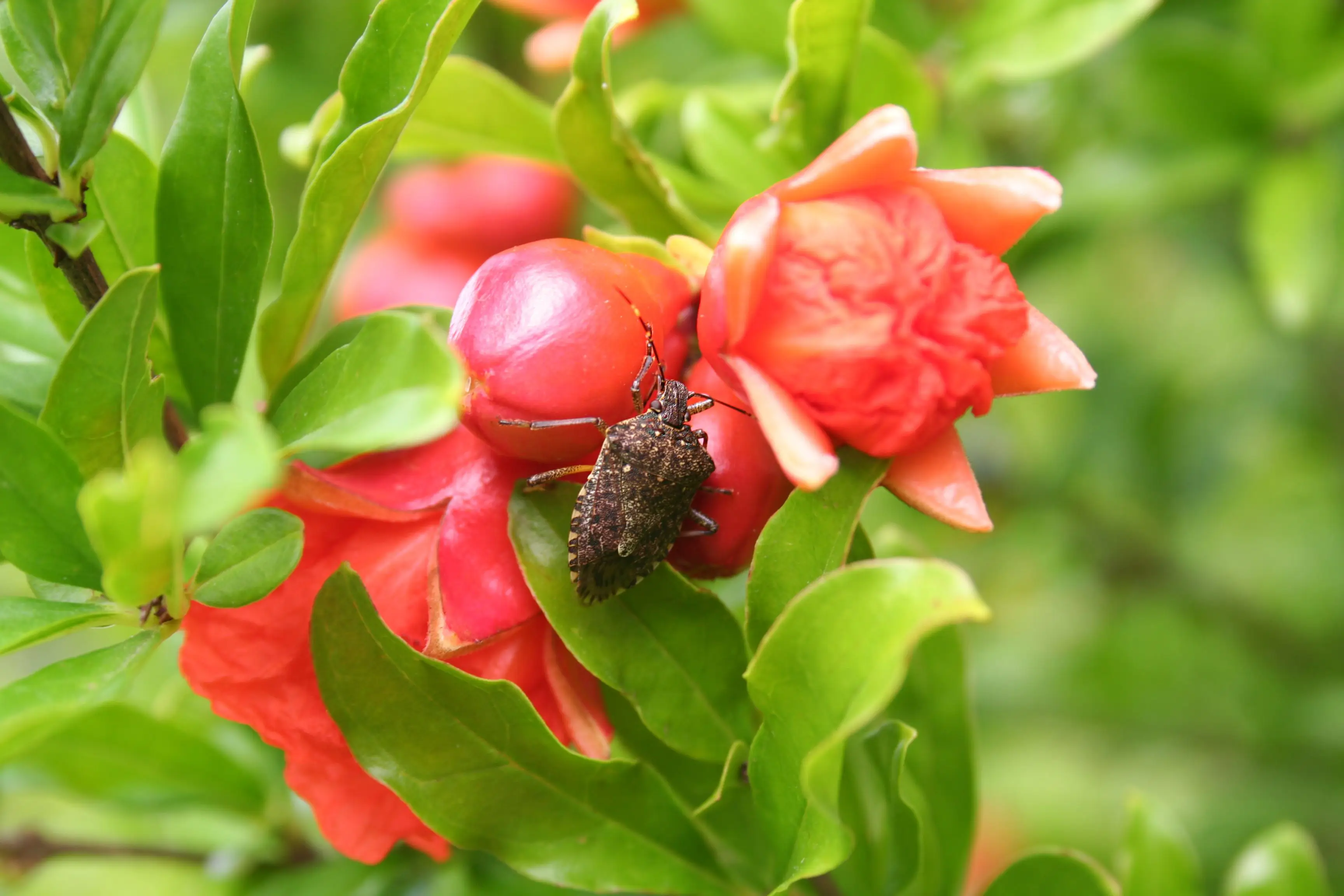
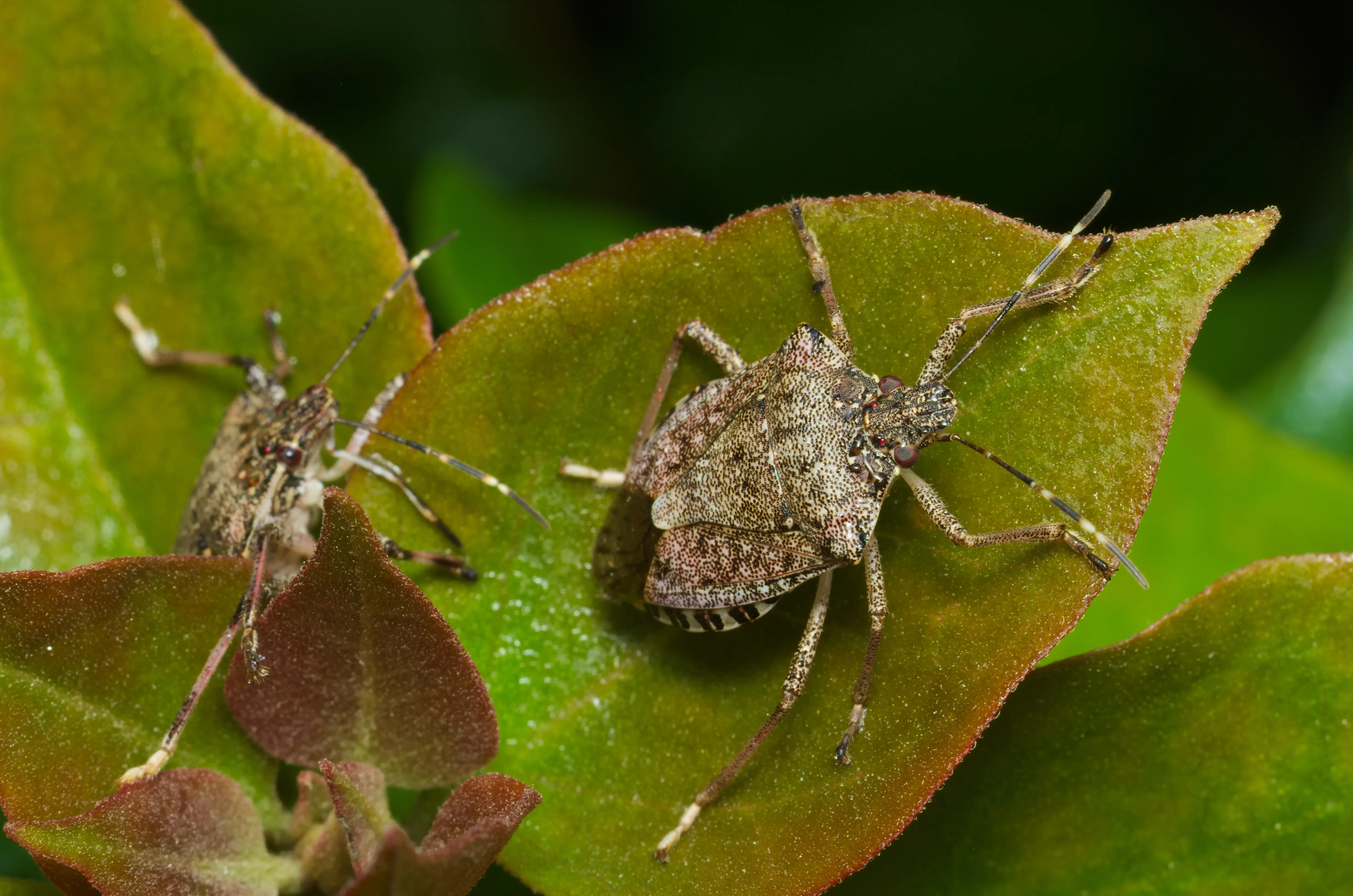
Stink bug feeding on plant
By Gary Anderson||5 min read

What Do Stink Bugs Eat?

Understanding their diet helps protect your garden and crops.

There are hundreds of different species of stink bugs, and each may have slightly different dietary preferences. Some prefer certain crops, while others can feed on insects. However, most stink bugs feed on plants, fruits, or vegetables.

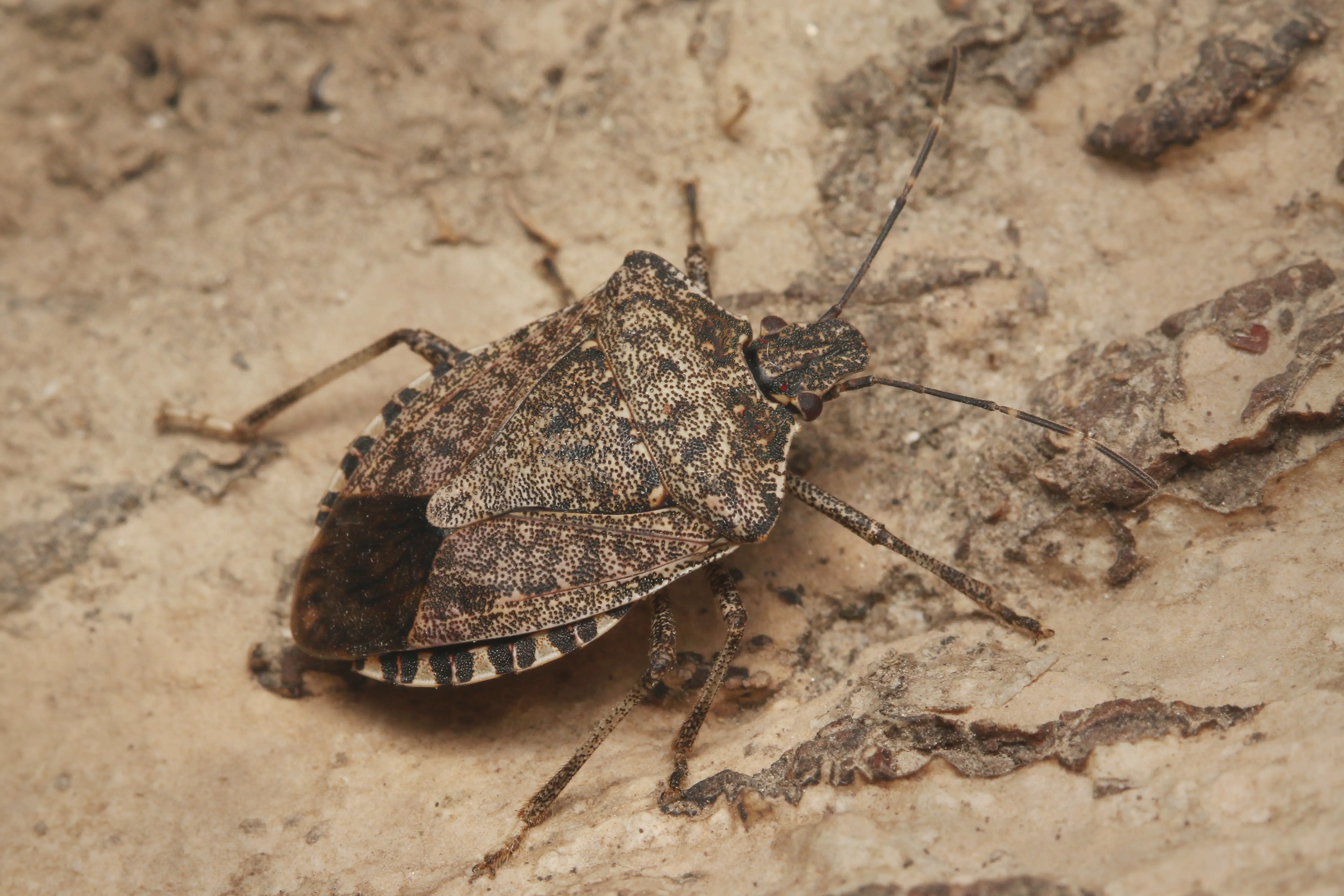
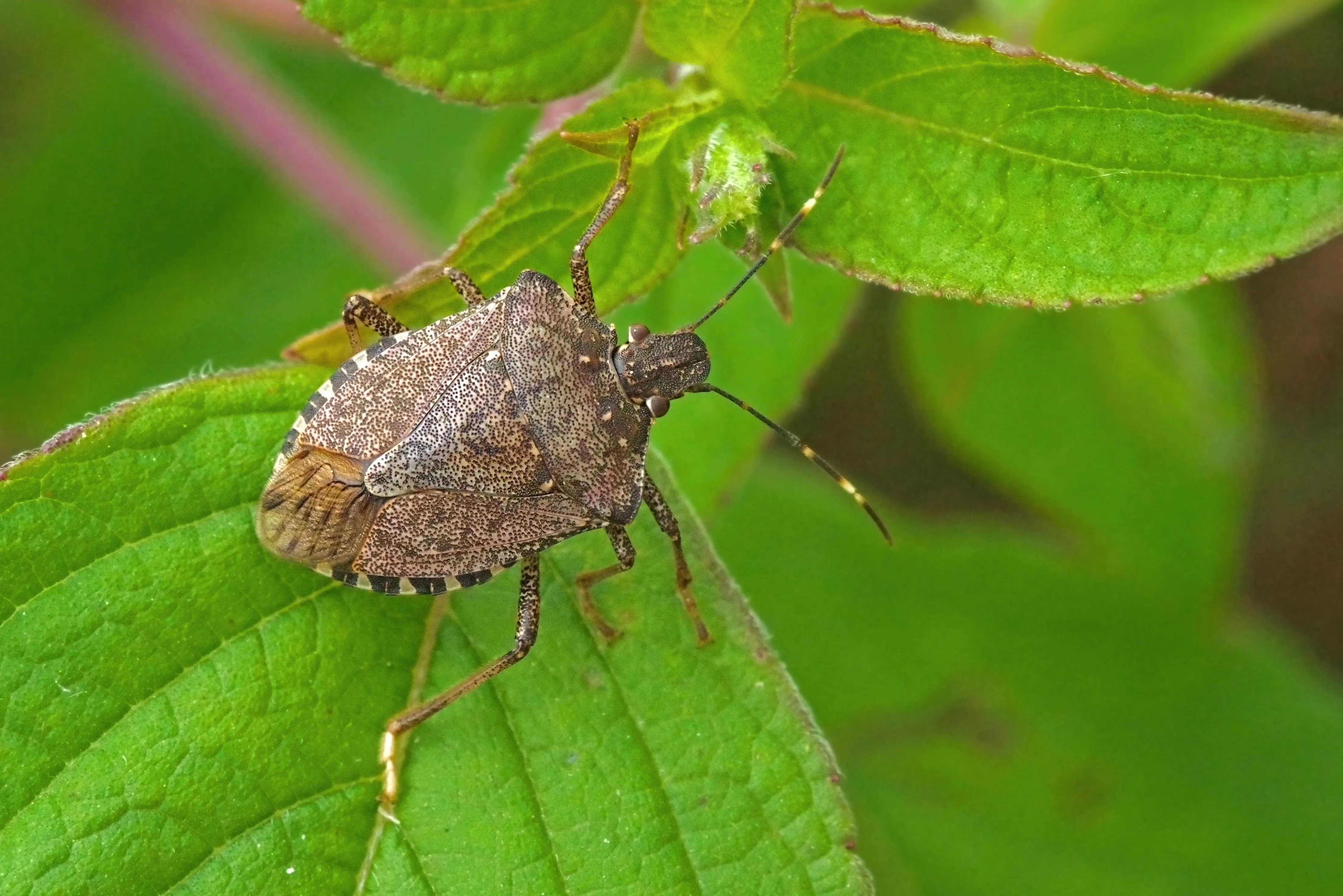
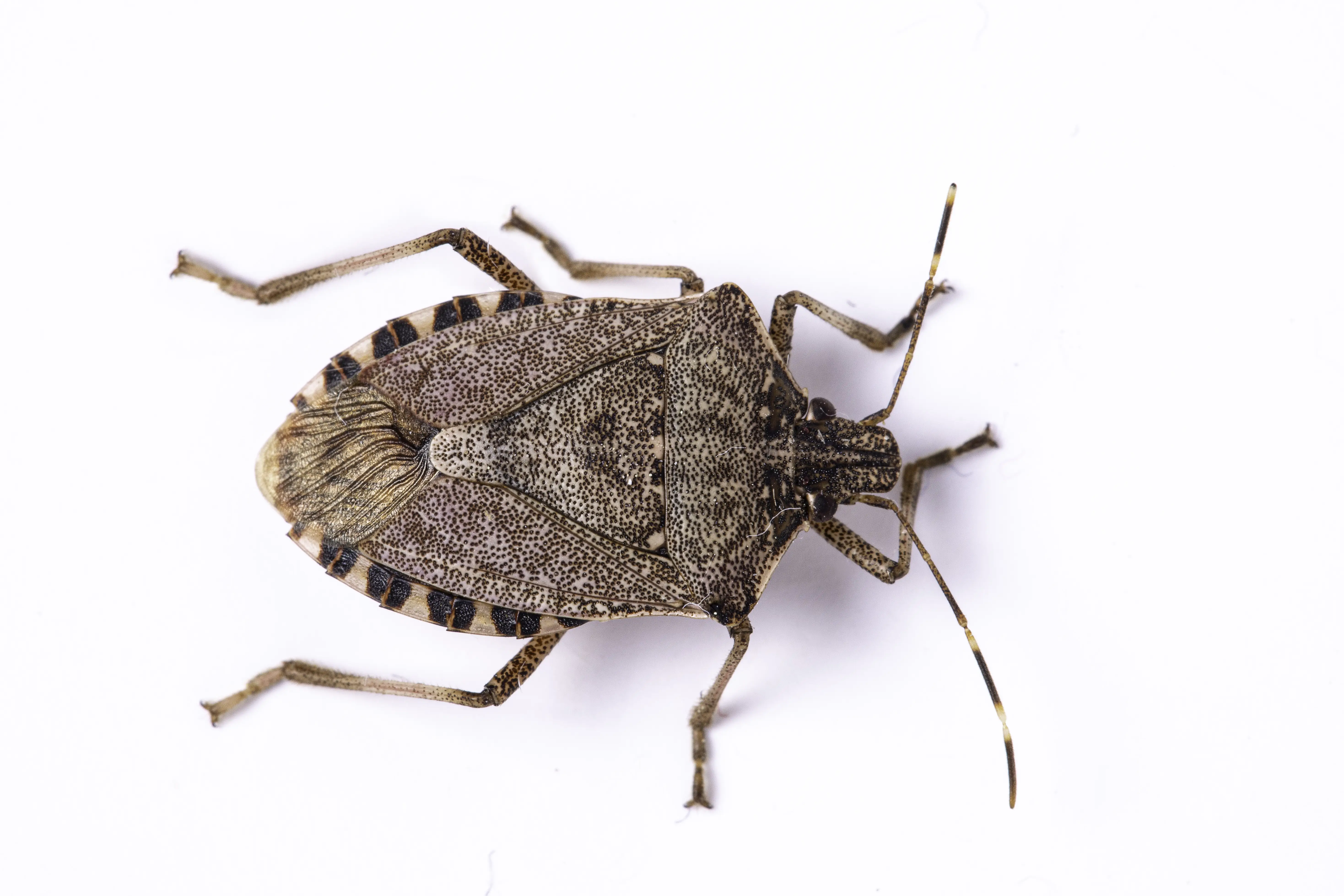
The brown marmorated stink bug, which has a brown marble pattern on its back, is the main culprit behind stink bug infestations in the United States.

Polyphagous Feeders

Most stink bugs are "polyphagous," meaning they eat a wide variety of plants. Newly hatched stink bugs start with weeds and grasses. As adults, they devour most produce they find.

Quick Facts

6-8 month lifespan
Up to 400 eggs per lifetime
Reproduce 4x per year
Cannot bite humans
Primary Stink Bug Diet

Fruits

Apples, apricots, figs, peaches, pears, grapes, berries

Vegetables

Corn, peppers, cucumbers, tomatoes, beans, okra, eggplants, cabbage

Field Crops

Soybeans, cotton, sorghum, rice, grains

Other

Flowers (sunflowers), seeds, pecans, ornamental plants

Agricultural Impact: Since they eat so many different types of crops, stink bugs can be major pests in farms, agricultural fields, orchards, vineyards, and gardens.

Agricultural Damage Caused by Stink Bugs

Plant Damage

When stink bugs target stems and leaves, they cause the plant to suffer which reduces yields of many plants.

Fruit Damage

They pierce fruit skin and inject saliva that kills cells, causing bruising and decay. This results in spongy skin or tissue damage.

"Cat-Facing" Scars

Damage leaves scars resembling a cat's face, which is why stink bugs are sometimes called "cat-facing insects."

Secondary Damage: Bites from stink bugs weaken the fruit, allowing other insects to enter and eat the fruit.

Stink Bugs Damaging Your Crops?

Professional treatment protects your garden and agricultural investments.

Call (866) 326-2847

Predatory Stink Bugs (Beneficial)

A few species of stink bug eat other insects instead of plants. Farmers and gardeners consider these beneficial because they help control crop-destroying pests.

What Predatory Stink Bugs Eat:

Potato beetles
Southern green stink bugs
Velvet bean caterpillars
Root weevils
Eggs and larvae of other insects

How Do Stink Bugs Forage and Hunt?

Stink bugs have large wings for flying from plant to plant. They use antennae to feel and interpret their environment, plus good eyesight to navigate and search for food.

Their mouths pierce fruits and vegetables to suck out juices and sap. When they do this, they inject saliva that can be toxic to produce. Predatory stink bugs feed the same way but target other insects. They are excellent hunters that can eat prey larger than themselves.

What Do Stink Bugs Eat in the House?

Good News

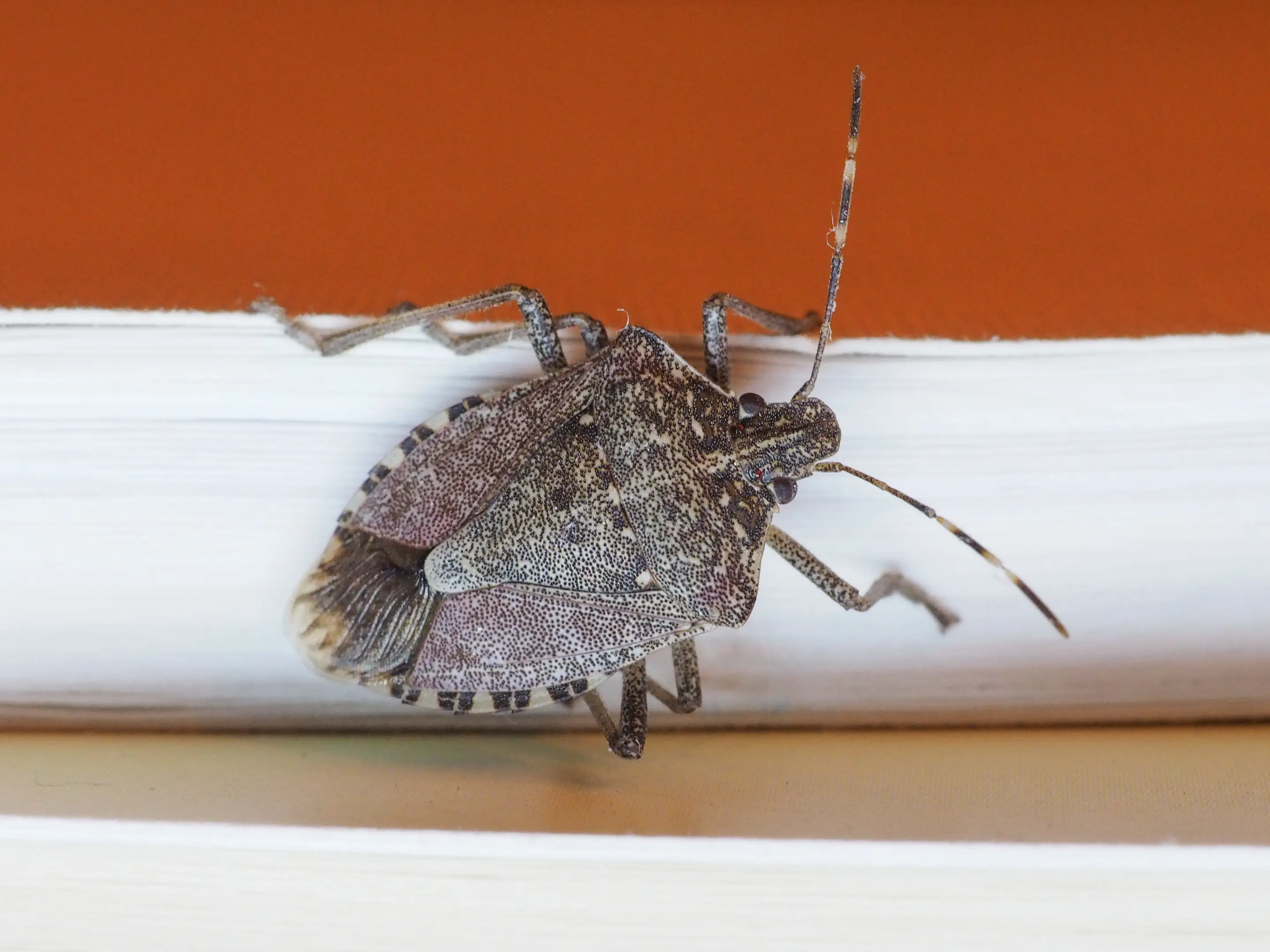
Stink bugs are not in your home looking for food. They prefer green, rural landscapes and usually only enter by accident or when seeking winter shelter.

However...

Once inside, they will not pass up the opportunity to feed on ornamental plants, scraps of produce, or fruit bowls if they find them.

Do Stink Bugs Bite?

No, stink bugs cannot bite humans. Their mouths are not structured to pierce human skin. Their main defense is the unpleasant odor they release when threatened. They also do not spread diseases.

However, some people may have an allergic reaction to the stink bug odor, causing runny nose or dermatitis (rashes, itching, dry skin). If allergic, deal with infestations quickly and seal your home.

If You Are Dealing with Stink Bugs, Call EcoGuard Pest Management

Stink bugs can wreak havoc on your crops, garden, and landscaping, and they move into your home when weather cools. The best and fastest way to deal with an infestation is to call professionals. We can inspect your home for signs of stink bugs and potential entry points, determine the scope, and figure out the most efficient removal method.

Call (866) 326-2847Get Free Quote

Stink Bug Diet FAQs

Do stink bugs eat plants?

Although there are a few species that feed on other insects, most stink bugs prefer to eat plants, fruits, and vegetables. They commonly feed on field crops, ornamental plants, flowers, seeds, grains, apples, peaches, grapes, corn, tomatoes, beans, and many more.

Do stink bugs do anything good?

Predatory stink bugs, which feed on other insects, are considered beneficial by farmers and gardeners because they keep crop pests under control. They eat potato beetles, green stink bugs, velvet bean caterpillars, and root weevils. However, other stink bugs like the brown marmorated stink bug are pests.

What happens if a stink bug bites you?

Stink bugs have small mouths that cannot pierce human skin. They are more likely to release a smelly odor when threatened. However, some people may develop an allergic reaction to stink bug secretions causing runny nose or dermatitis with rashes, itchiness, and dry skin.

How long does a stink bug live for?

The average stink bug lives for about 6 to 8 months. They reproduce 4 times per year, mostly in the springtime. Some species can lay up to 400 eggs during their lifetime, so it is important to deal with infestations quickly to keep the population from growing.