EcoGuard Pest Management
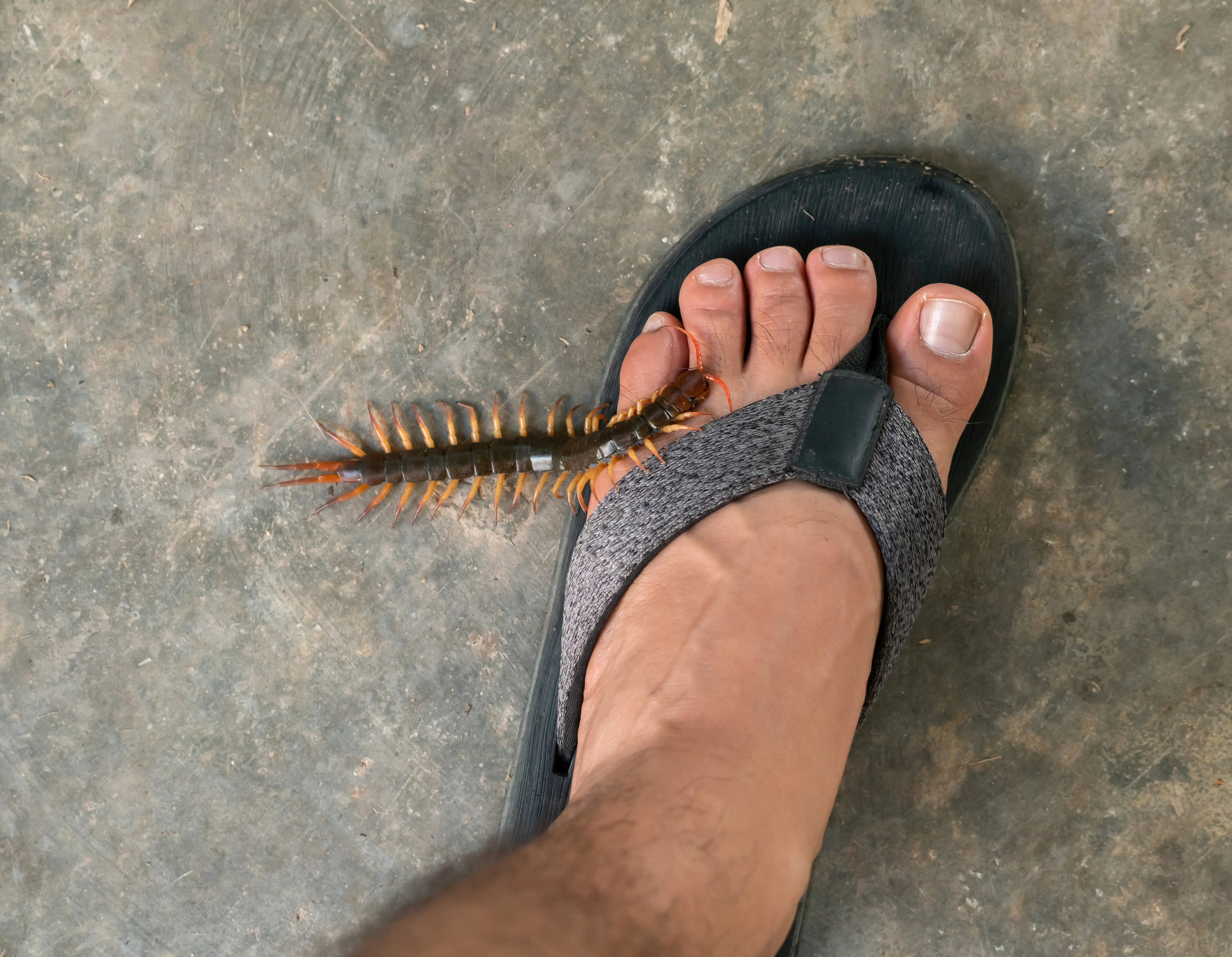
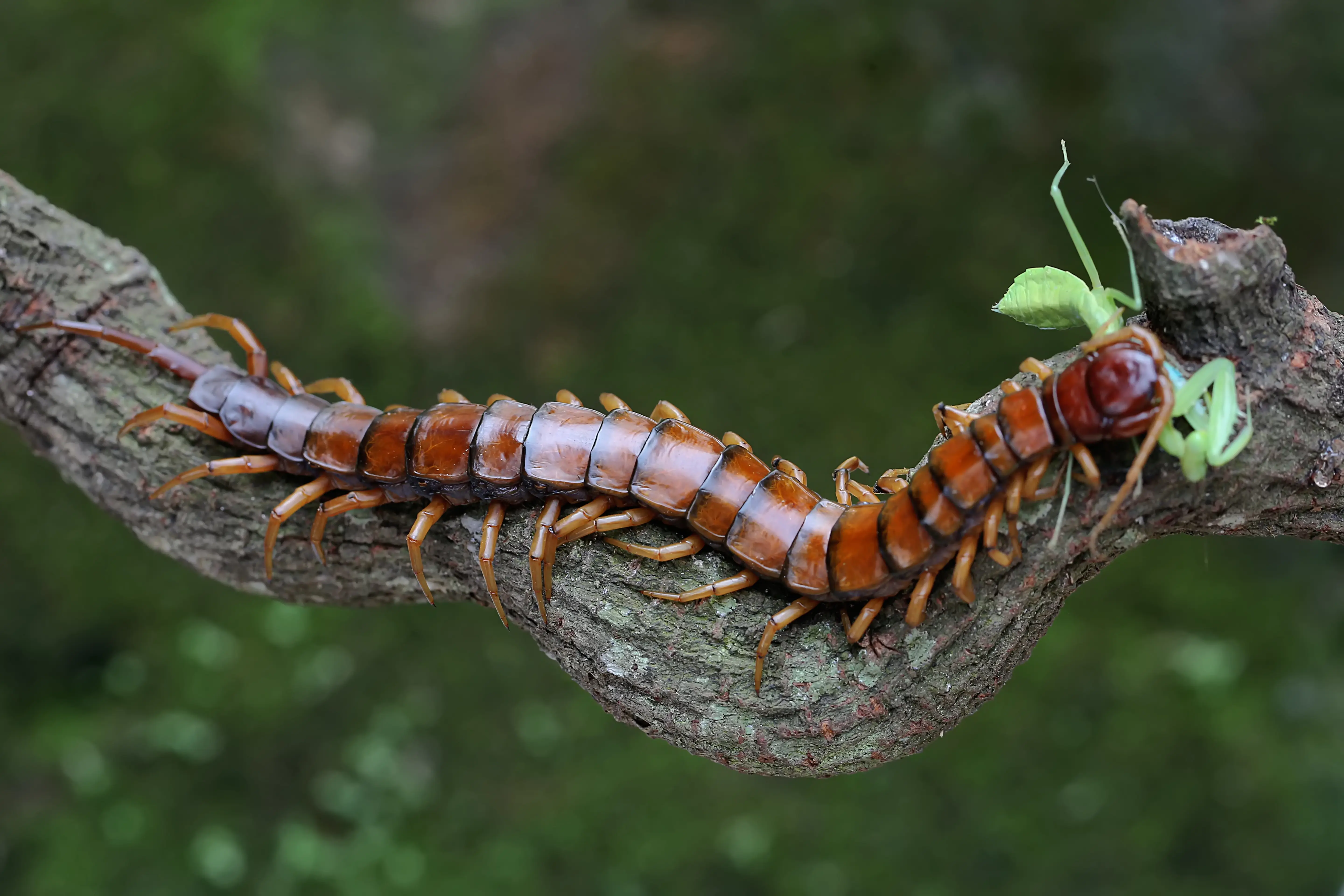
Close-up of a centipede showing its venomous maxillipeds
By Gary Anderson||9 min read

How Dangerous Are Poisonous Centipedes?

Understanding centipede venom, which species pose the greatest risk, and how to treat bites effectively.

Centipedes are members of the class Chilopoda, predatory arthropods known for their venomous bites. Their venom is produced by glands at the base of their fangs and administered through specialized maxillipeds. This venom is used primarily for subduing prey but can be quite painful if humans are bitten.

While it is generally not strong enough to pose a serious threat to humans, it does result in localized pain, redness, and swelling. Despite the potential for irritation, centipede bites are typically more of an inconvenience than a serious danger to healthy people.

Quick Answer

Most centipede bites are painful but not dangerous. While all centipedes are venomous, only larger species like the Giant Centipede and Texas Redheaded Centipede can cause significant discomfort. Bites are rarely fatal and typically resolve within hours to days.

Quick Facts

Species
Over 8,000 worldwide
Venom Delivery
Specialized maxillipeds
Fatality Risk
Rarely fatal to humans

How Do Centipedes Bite and Inject Poison?

Centipedes use their specialized maxillipeds, which are modified front legs, to bite and inject venom into their prey or perceived threats. These maxillipeds curve around the centipede's head and deliver venom through needle-like structures.

The Bite Process

When a centipede bites, it pierces the skin with its maxillipeds and injects venom produced by glands located at their base. The venom's primary role is to immobilize prey.

Pain Level Varies

Smaller centipedes generally produce minimal pain like a bee sting, while larger species can cause more severe pain due to a larger injection of stronger venom.

Venom Composition

Centipede venom is a sophisticated blend of neurotoxins, enzymes, and proteins designed to paralyze and break down the tissues of insects and small invertebrates.

Why Do Centipedes Attack?

Centipedes primarily attack as part of their predatory behavior to subdue prey such as insects, spiders, and sometimes small rodents or lizards. When feeling threatened or trapped, they may resort to defensive biting against perceived dangers or potential predators. This is a response to stress aimed at deterring larger animals or humans who inadvertently come too close.

Are Centipedes Dangerous?

Centipedes often raise concerns about their potential danger to humans and pets because they have a venomous bite and a wide striking range for a small arthropod.

Are Centipedes Dangerous to Humans?

Centipedes are generally not dangerous to humans, though their bites can be quite painful. The venom is strong enough to subdue small insects but is not lethal to people.

Typical Reaction

Localized pain, swelling, redness

Larger Species

Discomfort lasting several days

Rare Symptoms

Nausea, swollen lymph nodes

Are Centipedes Dangerous to Dogs?

Centipedes are generally not dangerous to dogs because dogs are too large for centipedes to seriously hurt. A bite may result in temporary pain or mild irritation, but serious health complications are rare. Centipedes are more likely to be an annoyance than a significant threat. However, it is important to differentiate centipede bites from tick and flea bites, which pose greater risks to canine health.

Are Centipedes Dangerous to Cats?

Centipedes are not a threat to cats even though their presence can spark a feline's curiosity. When cats encounter centipedes in kitchens, bathrooms, or basements, they may try to capture or bat at them. Despite this interaction, centipede bites do not pose significant health risks to cats. A cat's reflexes and predatory behavior make the cat more of a threat to the centipede than vice versa.

Are All Centipede Species Poisonous?

There are over 8,000 species of centipedes worldwide. While most are venomous, only a few produce venom strong enough to cause harm to large animals and humans. Most centipedes produce venom primarily effective against small insects and pose little threat to humans.

House Centipedes (Scutigera coleoptrata)

The most common centipede species in the eastern United States and the only species known to reproduce indoors. House centipedes are generally non-aggressive and prefer to avoid people, retreating rather than biting when threatened.

Bite Risk: Low. Their jaws are relatively weak and not designed to break human skin. Bites result in only slight pain and minimal swelling.

Giant Centipedes (Scolopendra heros)

Among the largest varieties, giant desert centipedes can reach 20 to 25 centimeters in length. These imposing arthropods can be quite aggressive and will bite if they perceive a threat.

Bite Effects: Intense pain, inflammation, redness, and swelling (usually subsides within hours). Sensitive individuals may experience vomiting, dizziness, headache, and irregular pulse rates.

Texas Redheaded Centipede

Found primarily in the southwestern United States and northern Mexico. Notable for its striking appearance: bright red head, black and green body, and thick yellow legs. Averages around 6 inches in length.

Bite Effects: Known for aggressive nature and more likely to bite if threatened. Causes severe pain, inflammation, and occasionally allergic reactions. Pain is usually the most significant concern rather than serious health risk.

Centipedes in Your Home?

Our professionals eliminate centipedes and address the underlying moisture and pest issues that attract them.

Call (866) 326-2847

How Can You Tell if You Were Bitten by a Centipede?

If you have been bitten by a centipede, you can often identify it by several characteristic symptoms:

Two Puncture Wounds

The bite usually shows two small puncture wounds, similar to those caused by spider bites.

Sudden Discomfort & Inflammation

Immediate pain and swelling at the bite site. Intensity often correlates to the size of the centipede.

Redness & Itching

The area around the bite often becomes red and itchy. Some people may experience increased irritation.

Systemic Symptoms (Rare)

In rare cases, headache, dizziness, nausea, or fever may occur if venom spreads through the bloodstream.

Allergic Reactions (Uncommon)

Difficulty breathing or swelling of face and throat are uncommon but require urgent medical attention.

How to Care for a Centipede Bite

1. Sanitize the Affected Area

Thoroughly cleanse the bite location using mild soap and water to minimize infection risk. Refrain from applying harsh substances like alcohol.

2. Cold Compress Application

Use a cloth-wrapped ice pack to reduce swelling and provide numbing relief. Apply for 10 minutes, remove for 10 minutes, and repeat as needed.

3. Use Heat if Needed

If the bite area feels better with heat, apply a warm compress to ease pain. If heat makes it worse, stick to ice.

4. Over-the-Counter Pain Relief

Take an OTC pain reliever or antihistamine to alleviate pain, itching, and swelling.

5. Keep the Area Clean and Covered

Apply topical antibiotic to prevent infection and cover with a clean bandage as it heals.

6. Monitor for Severe Symptoms

Watch for worsening symptoms or signs of allergic reaction. Consult a doctor if symptoms persist or escalate.

When to See a Doctor

Most centipede bites can be managed at home, but seek medical attention if you experience:

Fever

100.4°F (38°C) or higher

Signs of Infection

Red streaks, warmth, discharge

Allergic Reaction

Wheezing, difficulty breathing

No Improvement

Worsening after 48 hours

How to Prevent Centipedes

Preventing centipedes involves eliminating their food sources and reducing favorable conditions for their presence.

Control Insect Populations

Since centipedes feed on other insects, controlling insect populations in and around your home will help keep centipedes under control.

Seal Entry Points

Seal all cracks and crevices in walls, floors, and foundations to block entry points for both centipedes and their prey.

Address Moisture Issues

Repair water leaks and maintain a dry environment because centipedes thrive in damp conditions. Use dehumidifiers in basements.

Maintain Outdoor Spaces

Regularly clear away accumulations of leaves, wood, and organic matter that could serve as potential centipede habitats.

Contact EcoGuard if You Are Dealing with Centipedes

If you are dealing with a centipede problem or need assistance managing pests in your home, EcoGuard Pest Management is here to help. Our team of experts is equipped with the knowledge and tools to effectively address centipede infestations and implement preventive measures to keep your home pest-free.

Call (866) 326-2847Get Free Quote

Centipede Venom FAQs

Are centipedes harmful to humans?

Centipedes can be harmful to humans, but the effects are generally minor. Most species cause only mild pain and localized swelling from their bites, with severe reactions being rare. However, larger species like the Giant Centipede and Texas Redheaded Centipede can deliver more painful bites which can potentially lead to significant discomfort and allergic reactions.

What will happen if you get bitten by a centipede?

If you get bitten by a centipede, you might experience immediate pain, redness, and localized swelling at the bite site. While these symptoms are usually mild and subside within a few hours, some people may also experience more severe reactions such as nausea or dizziness, especially with bites from larger or more venomous species.

Are house centipedes dangerous?

House centipedes are generally not harmful to humans and are actually beneficial in controlling other pests like spiders and insects. While they might be unsettling to encounter, their presence in your home is typically more of a nuisance than a serious problem.

Will house centipedes crawl in your bed?

House centipedes typically favor dark and moist environments such as cellars and washrooms, rather than frequenting bedroom areas. While they may occasionally wander into bedrooms, it is uncommon for them to crawl into beds or seek out humans.