EcoGuard Pest Management
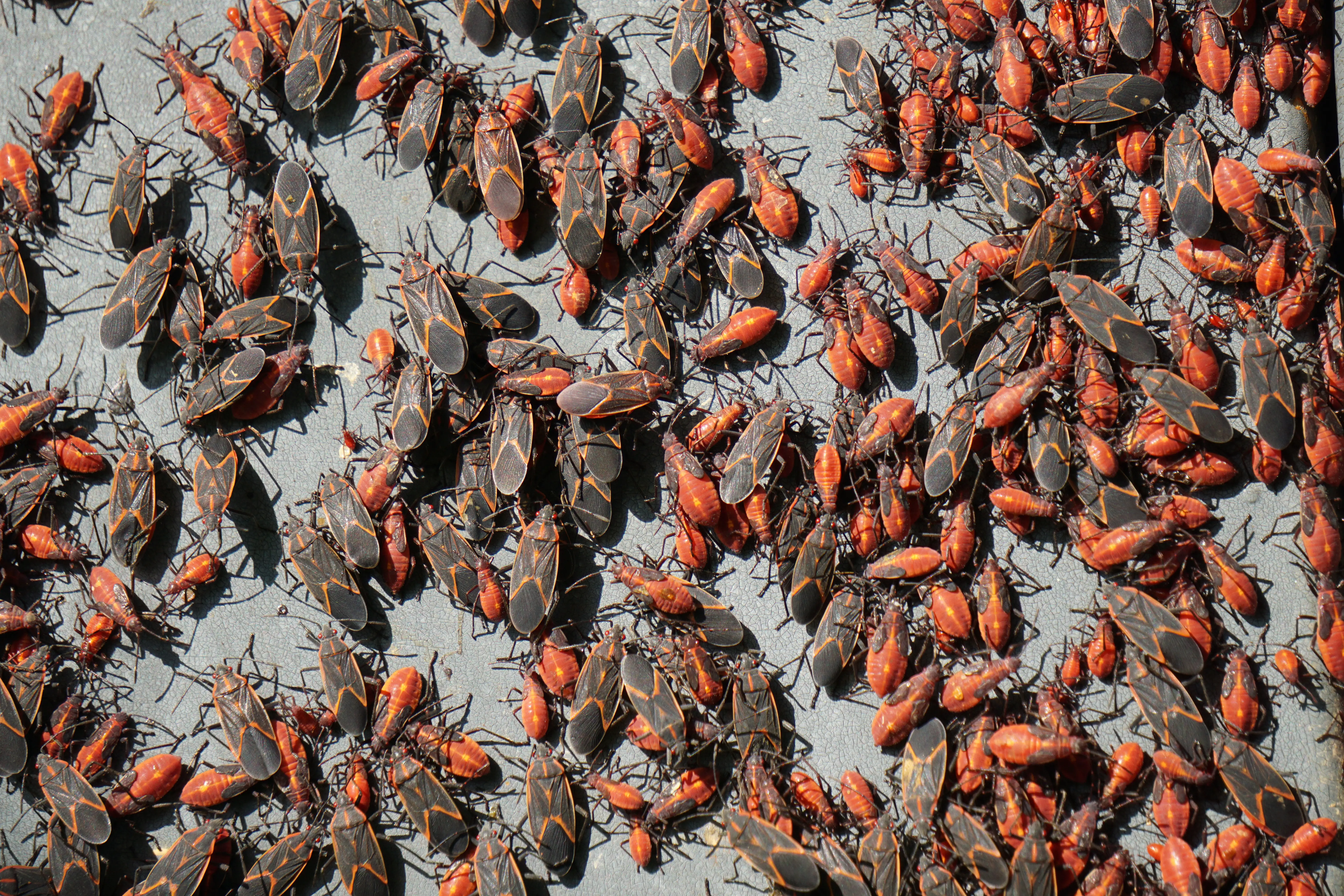
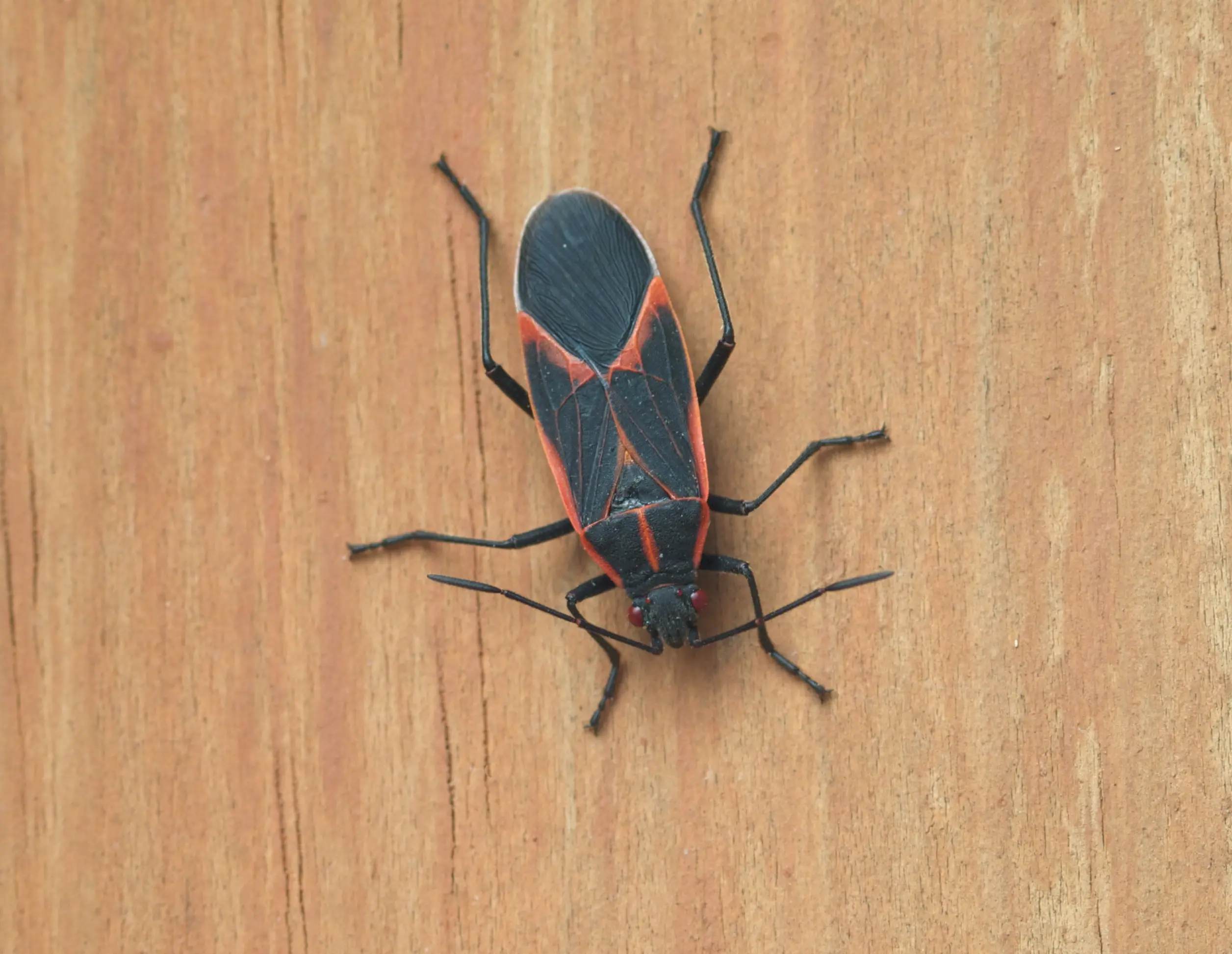
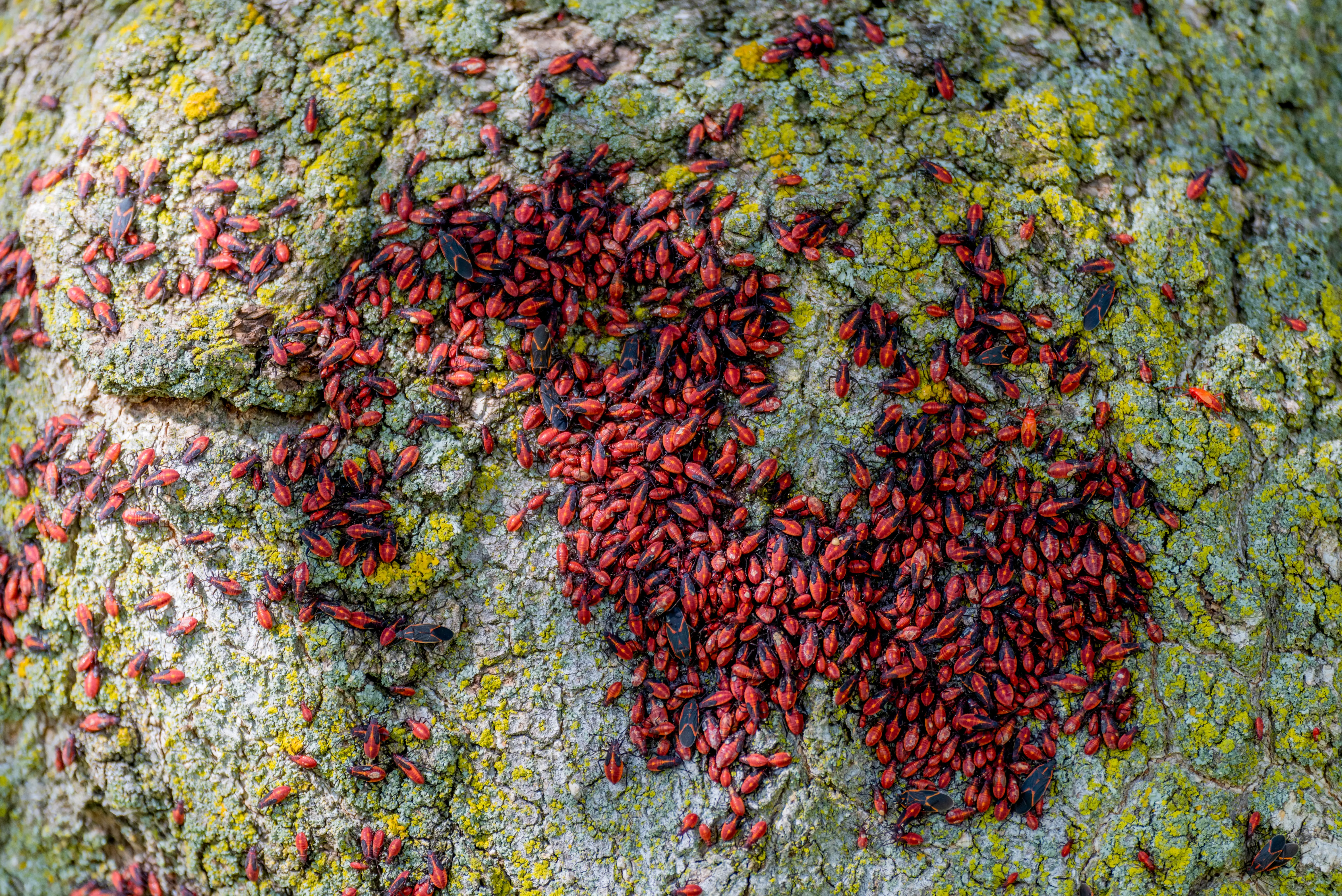
Boxelder bug feeding on boxelder tree seeds
By Gary Anderson||6 min read

What Do Boxelder Bugs Eat?

Understanding the boxelder bug diet and what damage they can cause to plants and fruits.

Boxelder bugs get their name from their primary source of food: the boxelder tree. While these bugs also feed on the fruit of other trees, the boxelder tree and its seeds and sap is the main staple of the boxelder bug diet.

In addition to providing food, these trees also provide shelter and a place to lay eggs during warm months. When temperatures drop, boxelder bugs search for warm places to overwinter, sometimes invading homes. During hibernation, they do not need to feed since they remain mostly dormant.

Boxelder Bug Diet Overview

Primary Food: Boxelder tree seeds, seedpods, sap
Secondary Foods: Maple, ash, apple, cherry, plum trees
Feeding Method: Sap-sucking proboscis (like a straw)
Winter Diet: Nothing (they hibernate)
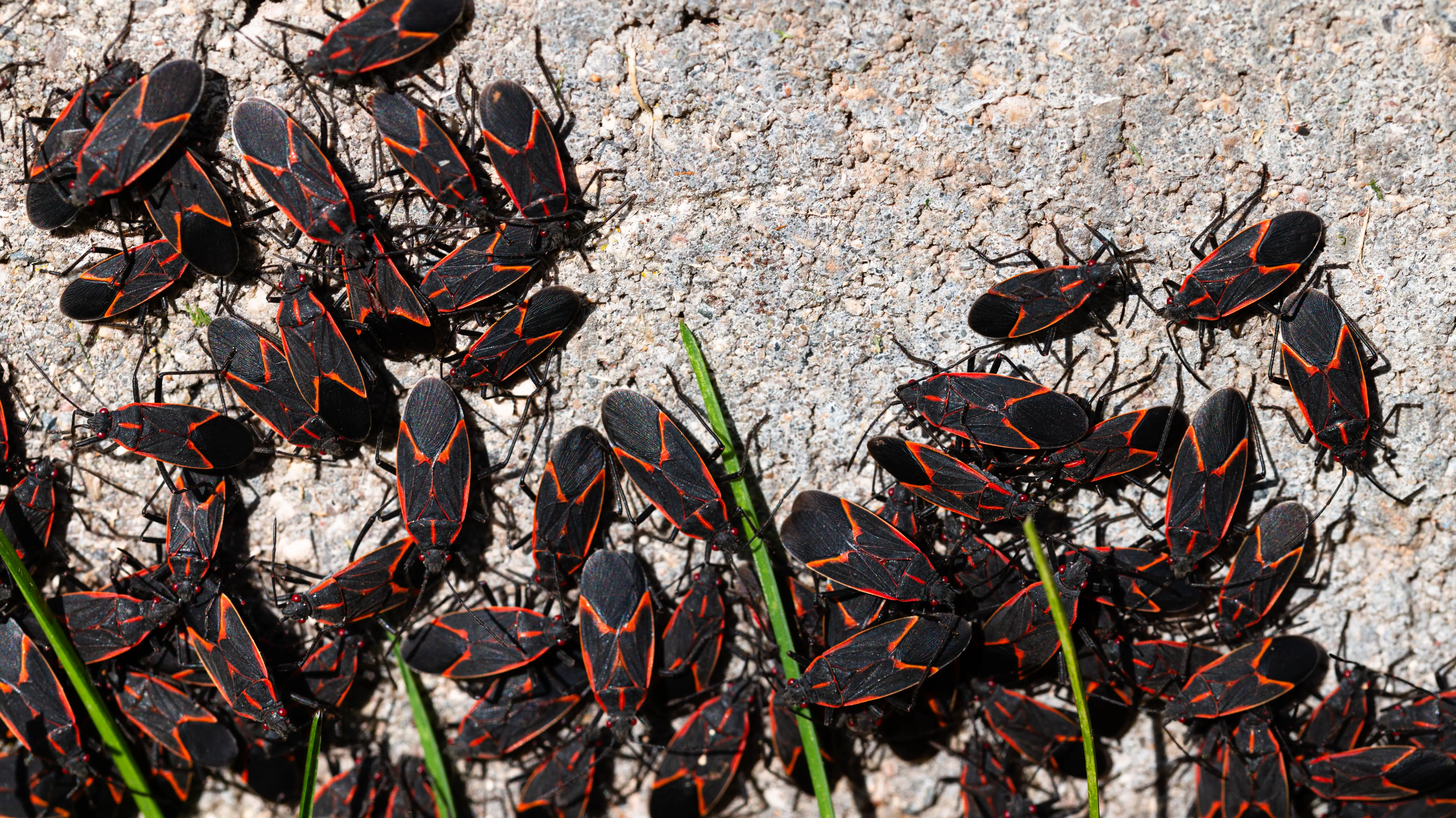
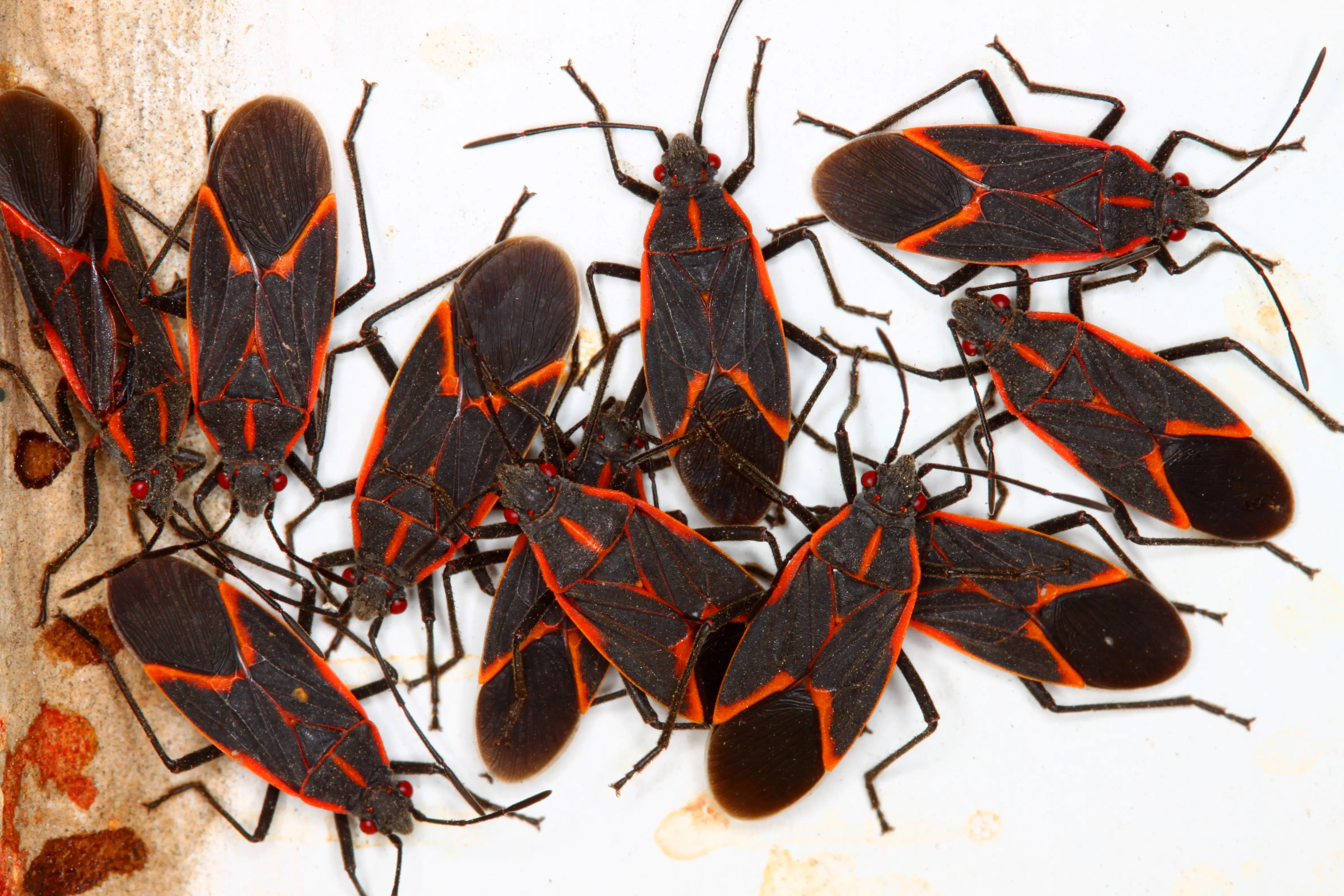
Boxelder Bug Diet

Boxelder bugs primarily feed on the seeds, seedpods, and sap of the boxelder maple tree. It is important to note that boxelder bugs do not actually eat the plant themselves. Instead, they drain fluids by sucking out the sap and juices found in seeds, fruits, and leaves.

Primary Food Source

The boxelder tree is their preferred food. They still need to be close to boxelder trees to reproduce and continue their life cycle.

Secondary Food Sources

They also occasionally feed on juices of other maple and ash trees as well as fruits from apple, cherry, and plum trees.

How Do Boxelder Bugs Feed?

The way boxelder bugs feed is very similar to a mosquito. Instead of penetrating the skin of a host, the boxelder bug pierces the skin of leaves, plants, and fruits. They have a long proboscis (straw-like mouthpart) used to suck out the sugary fluids containing the nutrients they need to survive.

What They Drink

No need for water. They get all hydration from chlorophyll, tree sap, and fruit juices.

Do They Eat Bugs?

No. They are herbivores and lack mandibles or chewing mouthparts to eat other insects.

Do They Bite Humans?

No. Their proboscis is not strong enough to penetrate human skin in any harmful way.

Common Foods That Boxelder Bugs Eat

When boxelder bugs hatch in spring, they primarily feed on boxelder tree seeds. As they develop, adults also feed on leaves and sap. If populations become dense, they search out other food sources:

Trees

Boxelder, maple, ash, apple, cherry, and plum trees. They extract fluids from leaves, seeds, and sap.

Fruits

Apples, plums, cherries, peaches, pears, grapes, and strawberries. They pierce skin and extract juices.

Vegetables (Leaves)

Sweet potatoes, cucumbers, eggplants, peppers, zucchini, squash, green beans, okra, and chard leaves.

Boxelder Bugs Damaging Your Garden?

Our professionals can eliminate boxelder bug infestations and protect your plants and fruits.

Call (866) 326-2847

Do Boxelder Bugs Cause Damage?

Boxelder bugs are hardly a threat to even boxelder trees. They cause so little harm to plant life that they are not considered an ecological threat. They are generally considered a neutral nuisance pest that does neither harm nor good.

Plants

They only feed on juices from leaves, fruits, and seeds. This can cause superficial damage and discoloration but does not significantly impact plant health.

Fruits

Feeding causes slight skin damage. If enough bugs feed, fruit can dehydrate and fall off early. Large infestations can devastate orchards, vineyards, and gardens.

Vegetables

They feed on leaves, not vegetables themselves. If foliage is destroyed, plants cannot photosynthesize properly, resulting in poor harvests.

Wood and Fabrics

They are NOT wood-destroying insects and do not damage linens, fabrics, or clothing like moths and carpet beetles do.

What Do Boxelder Bugs Eat During Winter?

Hibernation State

When temperatures drop, boxelder bugs prepare to go into hibernation. During this dormant period, they will overwinter and not eat anything until temperatures rise because their bodies have shut down and are not expending any energy.

Inside Your Home

When boxelder bugs find a place inside your home to overwinter, they lay completely dormant and will not feed on anything until spring. Then they make their way back outside to feast on boxelder trees.

How to Get Rid of Boxelder Bugs

Boxelder bugs are considered a neutral pest that do not cause significant damage. However, dealing with any infestation is something homeowners want to avoid:

1

Vacuum them up if found inside (prevents staining from crushing)

2

Seal cracks and crevices to prevent future access

3

Install door sweeps and repair window screen tears

4

Treat with insecticidal soaps or diatomaceous earth

Contact EcoGuard if You Are Dealing with Boxelder Bugs

If you are dealing with a boxelder bug infestation that has gotten out of control, it may be time to rely on professionals to implement treatment and prevention strategies. This will help keep populations under control and limit their access inside your home. EcoGuard Pest Management has a team of licensed boxelder bug control experts who know where to look for signs of activity, how to treat effectively, and prevent them from becoming a problem in the future.

Call (866) 326-2847Get Free Quote

Boxelder Bug Diet FAQs

Are boxelder bugs cannibals?

Boxelder bugs are herbivores that are not capable of eating other bugs including other boxelder bugs. They do not have the necessary mouth parts needed to consume another insect.

Are boxelder bugs good for anything?

Boxelder bugs are considered a neutral pest that provides no serious consequence or benefit. They can mostly be left alone and unless there is a full-blown infestation with large numbers of boxelder bugs, there likely will not be enough damage caused to be too concerned about.