EcoGuard Pest Management
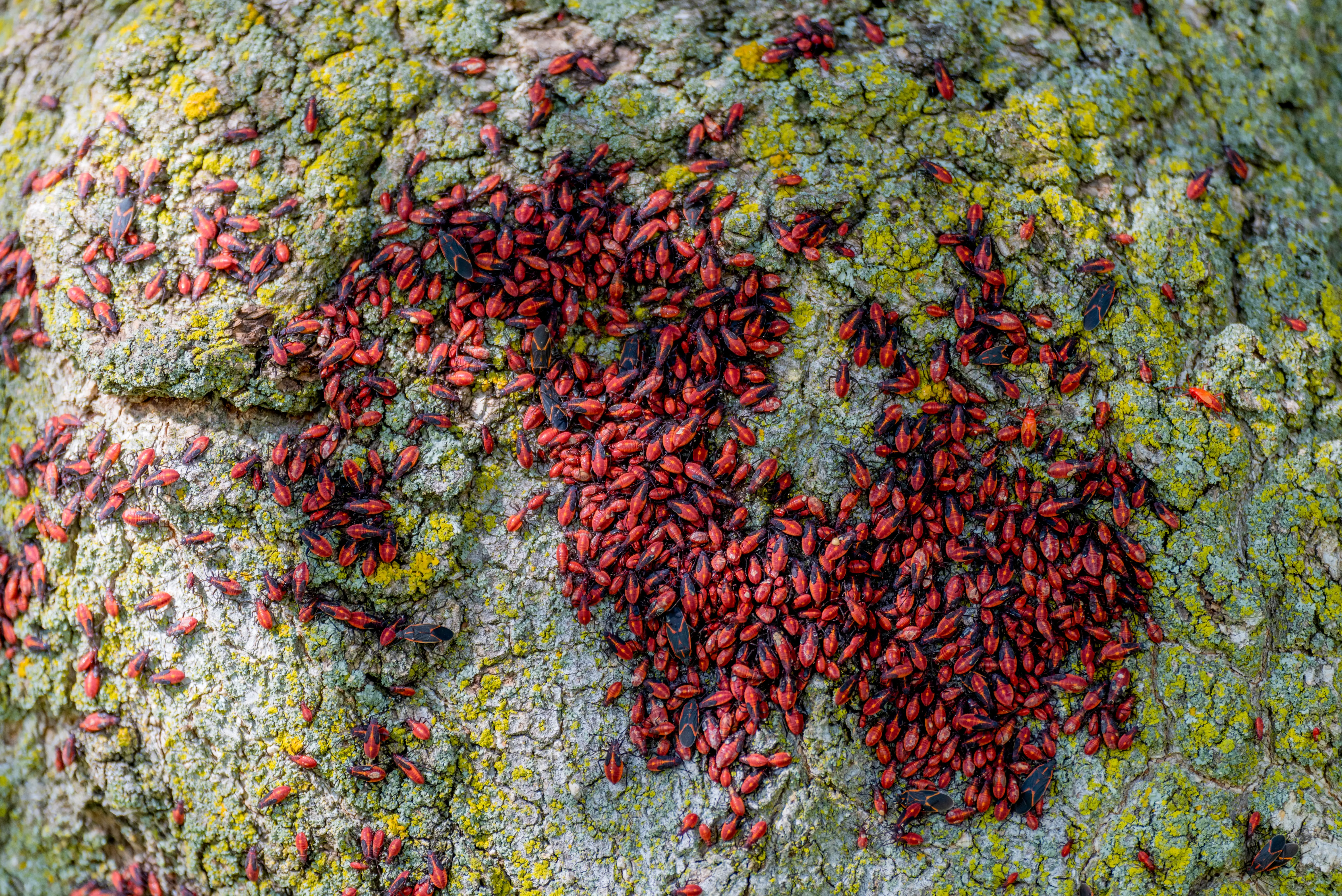
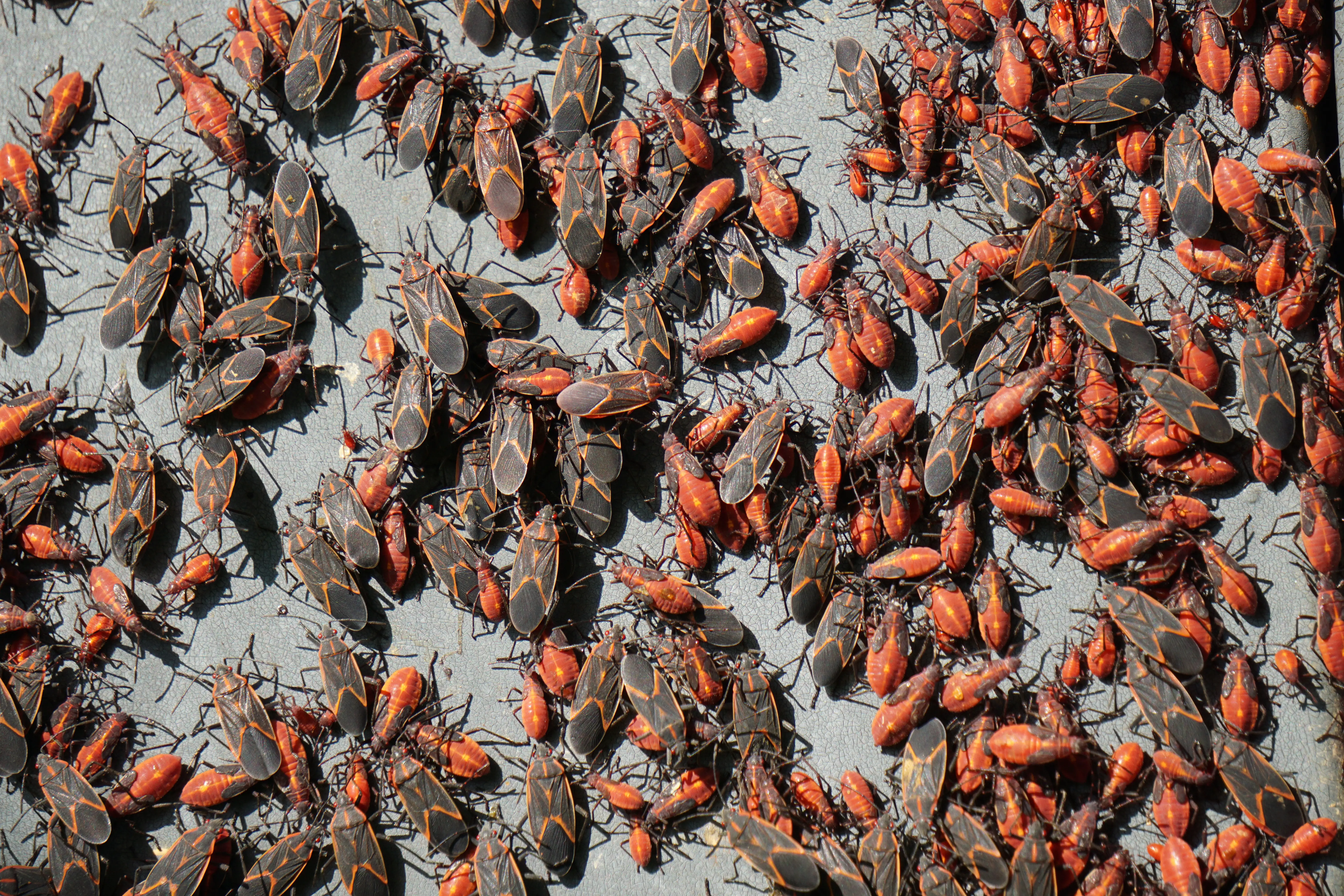
Boxelder bugs congregating on sunny surface of home
By Gary Anderson||6 min read

What Attracts Boxelder Bugs to My House?

Understanding what draws boxelder bugs to your home and how to prevent infestations.

Boxelder bugs are a true bug that have evolved to rely on boxelder trees for their primary source of food and shelter. Since boxelder nymphs rely on seed pods from female boxelder trees for food, these trees are critical to the ongoing reproduction cycle of boxelder bugs.

This makes boxelder trees the largest attractant for boxelder bugs, outside of a few other critical things they look for: mates and covered habitats that protect them from cold and predators. Boxelder bugs prefer to stay warm, so they sun themselves on tree surfaces during the day and return to hiding places under bark at night.

What Attracts Boxelder Bugs

Primary: Boxelder trees (especially female seed-bearing)
Secondary: Warmth, light, shelter, mates
Surfaces: South/west-facing walls that capture heat
Season: Move indoors in late fall for hibernation
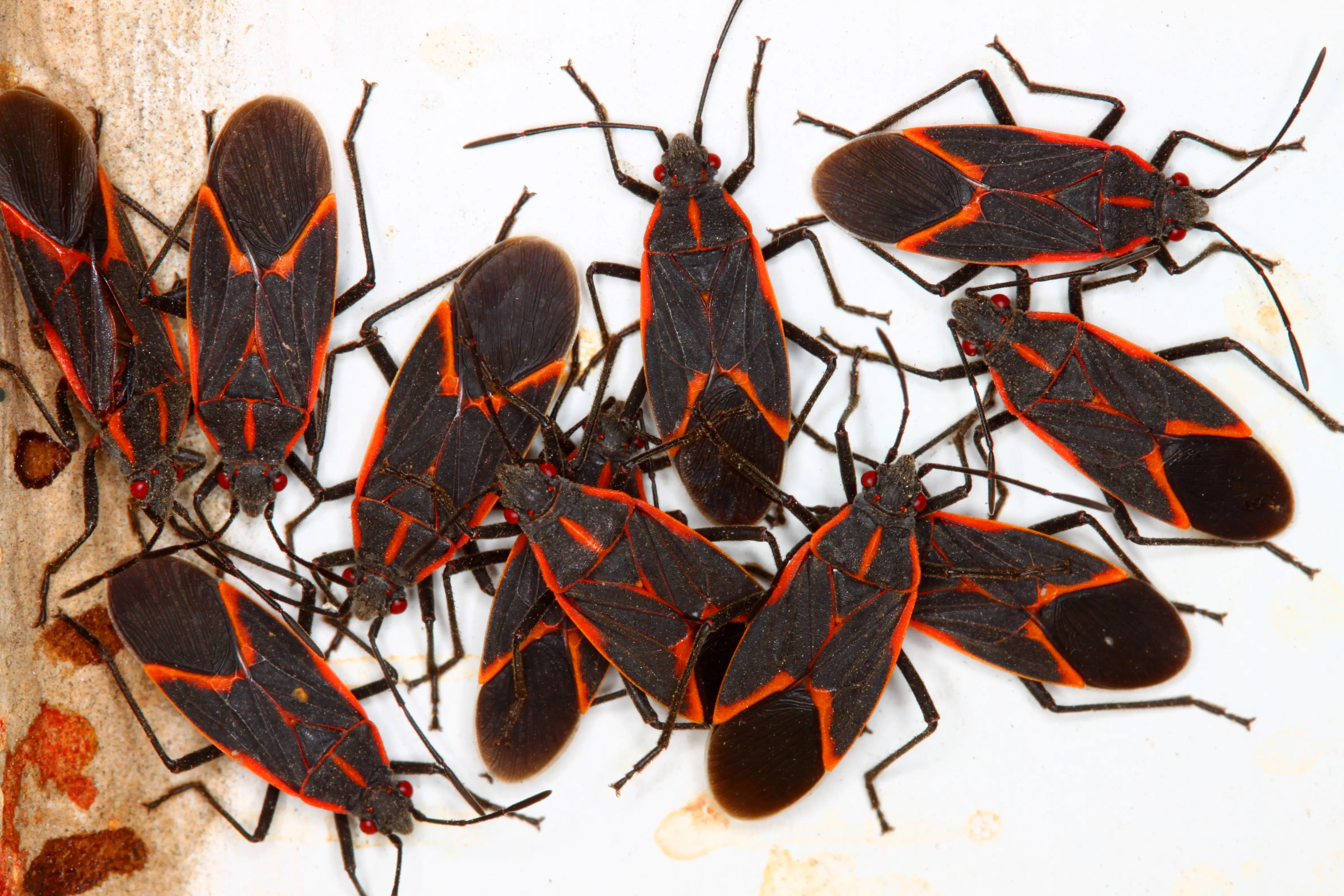
What Are Boxelder Bugs?

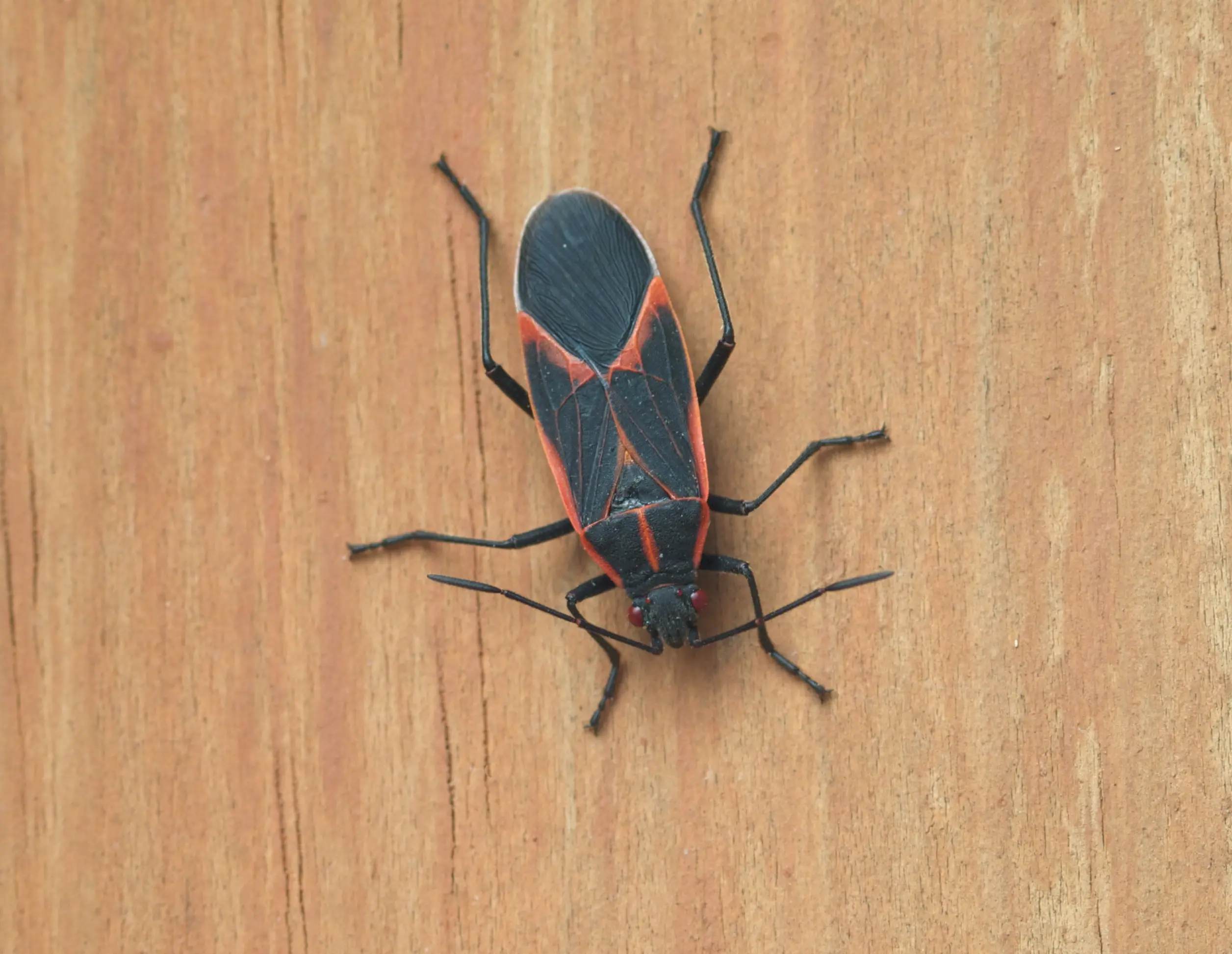
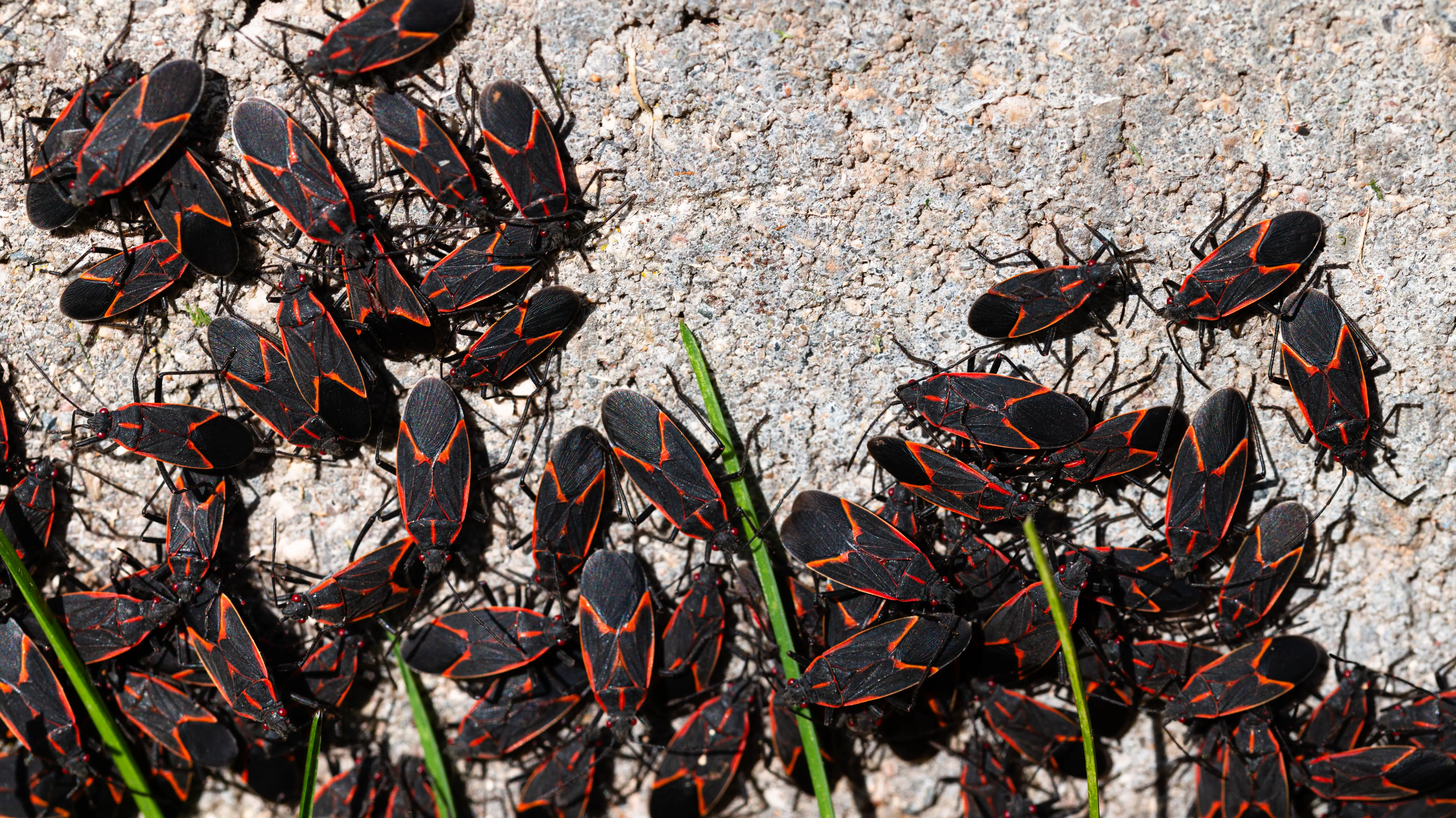
Boxelder bugs are flat, elongated, oval bugs that have black bodies with red markings. Their bodies are covered by 2 large black wings with red edges which give them a particular look that is easy to identify. They are native to North America and found primarily on boxelder trees, but also on other maple, ash, and fruit trees.

Neutral Pest

Boxelder bugs have little impact on plants they feed on. They are incapable of biting or inflicting other harm or damages.

Defensive Odor

Their presence is mostly annoying due to a defense mechanism that releases offensive-smelling chemicals to deter predators.

When Do Boxelder Bugs Become Active?

Winter Hibernation

Boxelder bugs hibernate during winter when it is cold outside. They seek shelter that provides warmth and a safe place to remain dormant, sometimes finding their way inside homes and aggregating in large numbers.

Spring Awakening

Once late spring arrives and temperatures rise, hibernating boxelder bugs become active and search for food. Clusters start moving toward exits to find boxelder trees and feast after months of hibernation.

Summer and Fall Activity

After regaining strength, boxelder bugs look for mates to start the reproduction cycle. This continues through summer and fall until temperatures drop and they prepare to hibernate again.

What Are Boxelder Bugs Attracted To?

Boxelder bugs are largely driven by the same things most living creatures need: food, water, shelter, and mates. One additional factor that drives their behavior is warmth.

Food (Boxelder Trees)

Adults feed on developing leaves of boxelder trees using a straw-like proboscis. Nymphs feed specifically on boxelder seed pods (the helicopter-spinning seeds). Adults also feed on maple, ash, apple, and plum trees.

Light and Warmth

Any surface that faces the sun can attract boxelder bugs. They warm up on sidewalks, foundations, siding, porches, and windows. Providing shade to aggregate areas can help deter them.

Habitat and Shelter

Boxelder bugs live where large populations of boxelder trees exist. At night, they retreat to small gaps under tree bark. Removing boxelder trees can be futile since they can fly long distances.

Mates (Aggregation Pheromone)

Once a boxelder bug finds a comfortable spot, it releases an aggregation pheromone to attract others, increasing the likelihood of finding a mate. This is why they cluster in large groups.

Boxelder Bugs Invading Your Home?

Our professionals can identify entry points, eliminate infestations, and implement exclusion strategies.

Call (866) 326-2847

Why Do I Have Boxelder Bugs in My House?

The most likely reason there are boxelder bugs around your home is that there are boxelder trees nearby. These bugs are particular eaters that feed on a handful of tree types, so finding populations means they have a source of maple or ash trees close by.

Warm Months

Since boxelder bugs are neutral pests, there is not too much to be concerned about during warmer months when they prefer to be outside.

Winter Preparation

Prevention strategies should be taken before winter to ensure boxelder bugs do not invade your home when they start preparing for hibernation.

Warning: If exclusion strategies are not implemented, boxelder bugs may slowly invade your home until their populations get out of hand.

How to Get Rid of Boxelder Bugs

Outdoor Treatment

Getting rid of boxelder bugs outside is not critical since they have minimal impact on ecosystems. Tree removal is often ineffective since boxelder trees are prevalent across the US. Instead, spray down clusters with soapy water mix to disturb populations and mask aggregation pheromones.

Indoor Treatment

If boxelder bugs have invaded your home, removal becomes more important due to the smell and aggregation pheromones. Use a vacuum cleaner to collect and safely discard them. This prevents the reddish stains they leave when crushed.

Contact EcoGuard if You Are Dealing with Boxelder Bugs

If you are dealing with large populations of boxelder bugs inside your home, it is likely too late to stop the infestation on your own. At this point, calling a professional pest control expert is recommended because the boxelder bugs need to be safely collected and discarded. Once they are removed, exclusion strategies should be implemented to prevent them from returning. EcoGuard Pest Management has a team of qualified and experienced boxelder bug control experts who can inspect your property and treat the space effectively.

Call (866) 326-2847Get Free Quote

Boxelder Bug Attractant FAQs

How do you keep boxelder bugs away?

The best way to keep boxelder bugs away from your home is to implement exclusion strategies designed to close any access points that boxelder bugs may use to access your home. This includes sealing cracks and crevices, installing door sweeps, and repairing any torn door and window screens.

What attracts boxelder bugs to my house?

Boxelder bugs are attracted to homes because they provide a warm and safe place for boxelder bugs to hibernate over the winter. Boxelder bugs will start moving indoors in preparation of colder temperatures in late fall.

What is the fastest way to get rid of boxelder bugs?

The fastest way to get rid of boxelder bugs is to collect them using a vacuum cleaner. Even after boxelder bugs are collected, treatment and exclusion strategies should still be implemented to ensure that boxelder bug activity is eliminated.