
EcoGuard Pest Management
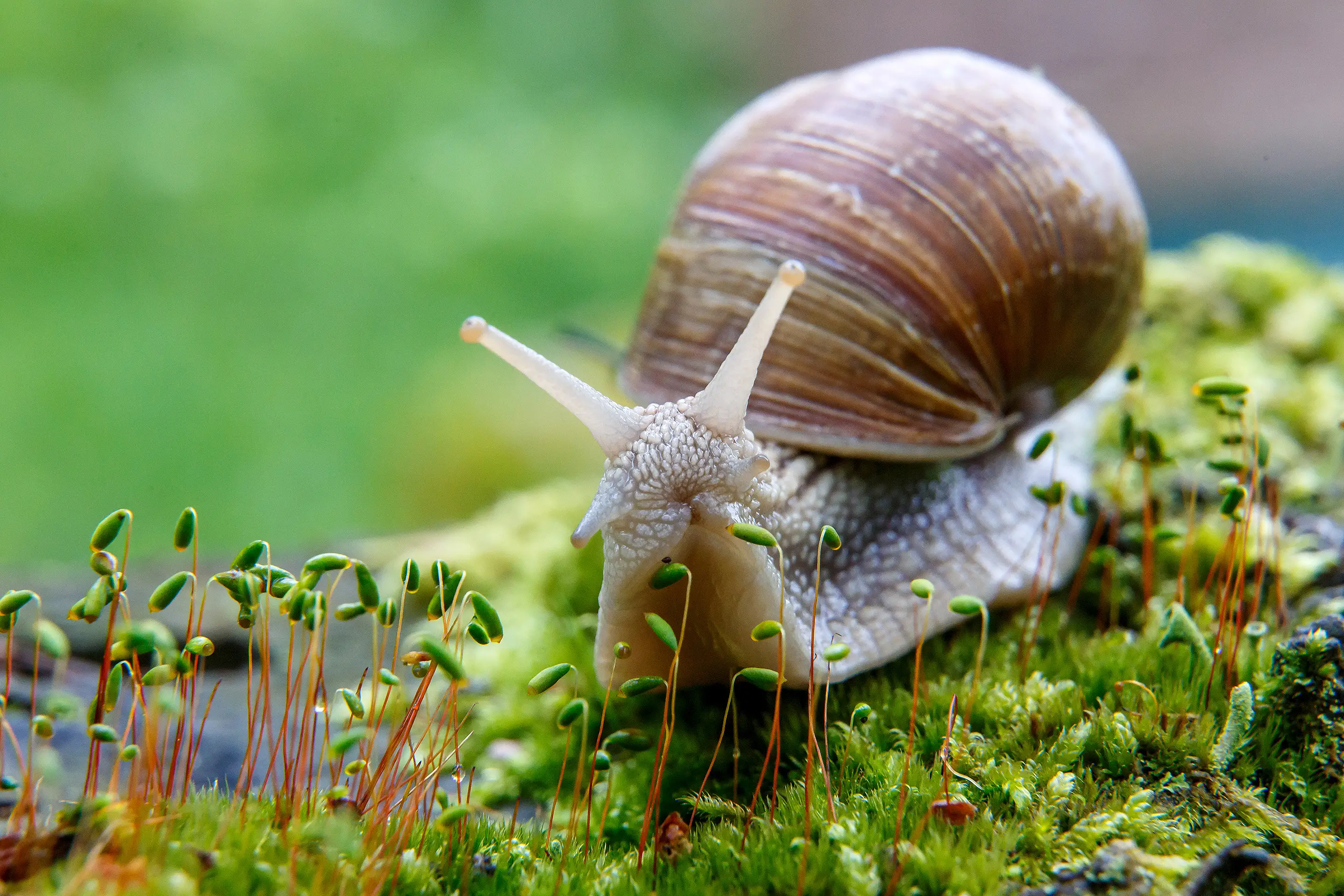
Garden snail feeding on plant leaves
By Gary Anderson||8 min read

What Do Snails Eat?

Discover the diverse diets of snails and learn how to protect your garden from these hungry mollusks.

Snails are remarkable mollusks found across diverse habitats on five continents. They exhibit a fascinating array of dietary habits that reflect their adaptability to various environments, from marine ecosystems to terrestrial landscapes including deserts, forests, and even arctic regions.

Their diet is as diverse as their habitats and encompasses a wide spectrum of food sources. Generally, snails are herbivorous, consuming plants, fruits, vegetables, and algae, but some species have adapted to omnivorous or even carnivorous diets. Understanding their eating habits has practical implications for gardeners where these gastropods can cause significant damage.

Quick Facts About Snail Diets

Primary Diet: Herbivorous (plants, fruits, vegetables, algae)
Feeding Tool: Radula (tongue-like organ with tiny teeth)
Special Need: Calcium for shell growth and maintenance

Key Facts

Body Composition
Nearly 90% water content
Activity Pattern
Nocturnal feeders
Lifespan
1-25 years depending on species

Common Types of Food Snails Eat

Snails exhibit a diverse range of dietary preferences. While many snail species are primarily herbivorous, others have evolved to be detritivores, omnivores, or carnivores that prey on other small invertebrates.

Plants

Plants form a significant portion of the diet for many snail species. Garden snails feast on vegetables such as cabbage, cucumbers, spinach, and kale, as well as various fruits and berries. In aquatic environments, herbivorous snails control algae populations and feed on water plants like water lilies. Some species also incorporate fungi and mushrooms into their diet.

Decaying Matter

Many snail species play a crucial role in ecosystems as detritivores, consuming and breaking down decaying organic matter. On land, they feed on fallen leaves, lawn clippings, decaying wood, and even animal carcasses. In marine environments, species like the Nassarius snails specialize in scavenging the remains of fish, coral, and other invertebrates.

Other Bugs and Prey

Some snails have evolved to become predators with carnivorous or omnivorous feeding habits. Terrestrial carnivorous snails like the Powelliphanta species prey on slugs and earthworms. Aquatic predatory snails like the moon snail use chemical secretions to soften the shells of their prey. Cannibalism is also common among certain species.

How Do Snails Eat?

Snails possess a unique and fascinating feeding mechanism that enables them to consume a wide variety of food sources.

The Radula

At the heart of their feeding system is the radula, a specialized structure often likened to a tongue located in the snail's mouth. It is equipped with numerous tiny, tooth-like structures aligned in series, creating a surface reminiscent of fine-grit sandpaper.

Scraping Motion

When feeding, snails employ a scraping motion, using the radula to rasp and tear at their food source. This action breaks down food into smaller, manageable pieces that can then be ingested.

Continuous Replacement

The teeth on the radula are subject to wear and are continuously replaced throughout the snail's life. Carnivorous species typically experience faster wear due to their more abrasive diet.

What Do Garden Snails Eat?

Garden snails are predominantly herbivorous, which often puts them at odds with gardeners and horticulturists. These terrestrial mollusks are particularly fond of tender, succulent plant parts.

Leafy Greens

Lettuce, cabbage, spinach, and other soft-leafed vegetables are favorites.

Soft Fruits

Strawberries, tomatoes, and other succulent fruits attract hungry snails.

Young Shoots

Tender shoots and seedlings are particularly devastating targets in gardens.

Flowers and Foliage

Ornamental plants and flowers are also consumed readily.

Tree Bark

When other food is scarce, snails will consume bark and woody material.

Soil for Calcium

Some species consume soil to obtain calcium for shell maintenance.

Did You Know? Younger snails are often more voracious feeders than adults, and environmental conditions influence their dietary habits by affecting food availability.

Snails Damaging Your Garden?

Our experts can implement effective, environmentally responsible snail control strategies.

Call (866) 326-2847

What Do Aquatic Snails Eat?

Aquatic snails exhibit a diverse range of feeding habits that reflect the varied ecosystems they inhabit, from freshwater ponds to marine environments.

Freshwater Snails

Many freshwater species are primarily herbivores that feed on aquatic plants such as duckweed, water lettuce, and azolla. They play a crucial role in controlling algae populations by grazing on growths that accumulate on submerged surfaces like rocks, logs, and aquarium glass.

Marine Snails

Marine snails consume various types of seaweed and microalgae. Many species are opportunistic omnivores that supplement their plant-based diet with decaying organic matter and even small dead animals like fish or insects.

Special Dietary Needs

Newly Hatched Snails

Young snails begin with a unique feeding phase. Their first meal typically consists of their own egg remains, which is particularly important for calcium intake and shell development. They may also consume unhatched eggs or non-viable siblings before transitioning to adult diets.

Water Requirements

Hydration is crucial for snails, with water constituting nearly 90% of their body composition. Snails obtain water primarily through their diet and by absorbing moisture through their skin. A dehydrated snail becomes immobilized and visibly thinner.

Calcium Requirements

Shell development and maintenance heavily rely on calcium. Snails actively seek out calcium-rich food sources, with some species consuming soil or small rocks to supplement their intake. This mineral is crucial for shell growth and repair.

Problems with Snails

While snails play important roles in many ecosystems, they can become significant pests in agricultural and garden settings due to their voracious appetite for plants.

Crop Damage

Large populations of snails can rapidly decimate crops and ornamental plants, causing substantial economic losses and frustration for farmers and gardeners alike.

Pesticide Concerns

The use of chemical pesticides to control snail populations, while sometimes effective, can have unintended consequences on beneficial organisms and the broader environment.

Ecological Balance: Despite being pests in gardens, snails serve as important food sources for birds, reptiles, small mammals, and insects. Humans also consume snails in European and Asian cuisines, where they are considered a delicacy.

Contact EcoGuard if You Are Dealing with Snails

Snails can become a significant nuisance when they invade gardens, crops, or residential areas in large numbers. If you are facing a persistent snail problem that is damaging your plants or property, it may be time to seek professional help. EcoGuard Pest Management offers expert solutions tailored to address snail infestations effectively and responsibly. Contact us today to develop a comprehensive snail control plan.

Call (866) 326-2847Get Free Quote

Snail Diet FAQs

What food do snails eat?

The dietary preferences of snails are wide-ranging and closely tied to their specific type and living environment. Most garden snails are herbivores, feeding on a wide range of plants including leaves, fruits, vegetables, and even algae or fungi. Some aquatic snails consume algae and water plants, while certain species are detritivores, eating decaying plant matter, or even carnivores, preying on small insects, worms, or other snails.

Can you keep a snail as a pet?

Snails can be kept as pets, and they are relatively low maintenance creatures that can make interesting and unique companions. They require a suitable habitat with proper humidity, temperature, and hiding spots, as well as a diet appropriate for their species. However, it is important to research the specific needs of the snail species you are interested in and check local regulations, because in some regions, certain snail species are classified as invasive organisms and their possession as pets may be prohibited.

What is the lifespan of a snail?

The lifespan of a snail can vary significantly depending on the species and environmental conditions. Many common garden snail species typically live for 1-5 years in the wild, but some may survive up to 10-15 years under optimal conditions in captivity. However, some larger species of land snails have been known to live for up to 25 years, while certain aquatic snail species may have shorter lifespans of just a few months to a year.

What do snails eat in the house?

Snails that find their way into houses typically seek out similar food sources to what they would eat outdoors, focusing on plant-based materials. They may be attracted to houseplants, feeding on leaves, stems, and flowers, as well as any decaying plant matter in potted plants. However, it is rare for snails to find their way inside unless they were accidentally introduced.