EcoGuard Pest Management
Various types of flies found in North America
By Gary Anderson||6 min read

Different Types of Flies in North America

Understanding fly species helps implement the most effective prevention and control strategies.

House flies, fruit flies, and drain flies are among the most persistent and common types of flies found in American households. There are currently more than 120,000 different recognized species of flies worldwide, with many remaining undiscovered.

The concern with flies is that despite their short lifespan, they can reproduce rapidly and spread various diseases including malaria, salmonella, and tuberculosis.

Two Primary Classes of Flies

Filth Flies

Attracted to decaying matter. Carry pathogens.

Biting Flies

Feed on blood. Cause painful bites.

Filth Fly Species

Filth flies do not feed on blood but rather on decaying organic matter such as trash, feces, and rotting food. They can transmit over 100 different diseases to humans through contact with contaminated materials.

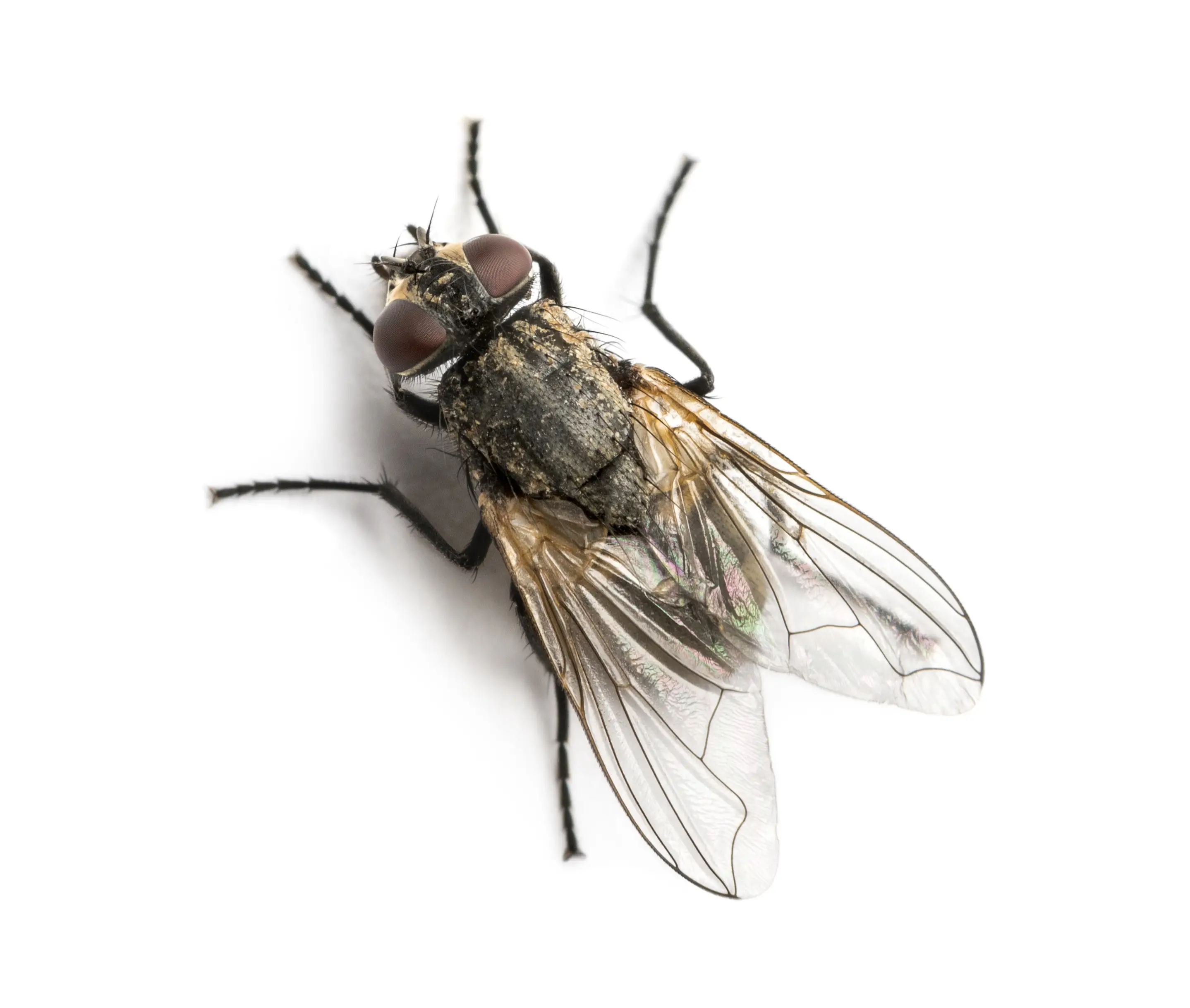
House Fly

Musca domestica

Gray with 4 black stripes, 1/8-1/4" long, red compound eyes. Feeds on human food, garbage, pet waste. Carries 100+ pathogens including salmonella and E. coli. Lives 15-25 days.

Fruit Fly

Vinegar Fly

Less than 1/8", light brown with bright red eyes. Feeds on rotting fruits, vegetables, fermenting liquids. Female lays up to 500 eggs. Lifecycle completes in as little as a week.

Drain Fly

Moth Fly / Sewage Fly

Tan body, tent-like wings. Breeds in sewage beds, septic tanks, drains. Weak fliers found crawling on walls. Lays 30-100 eggs. May indicate clogged drains.

Bluebottle Fly

Blow Fly

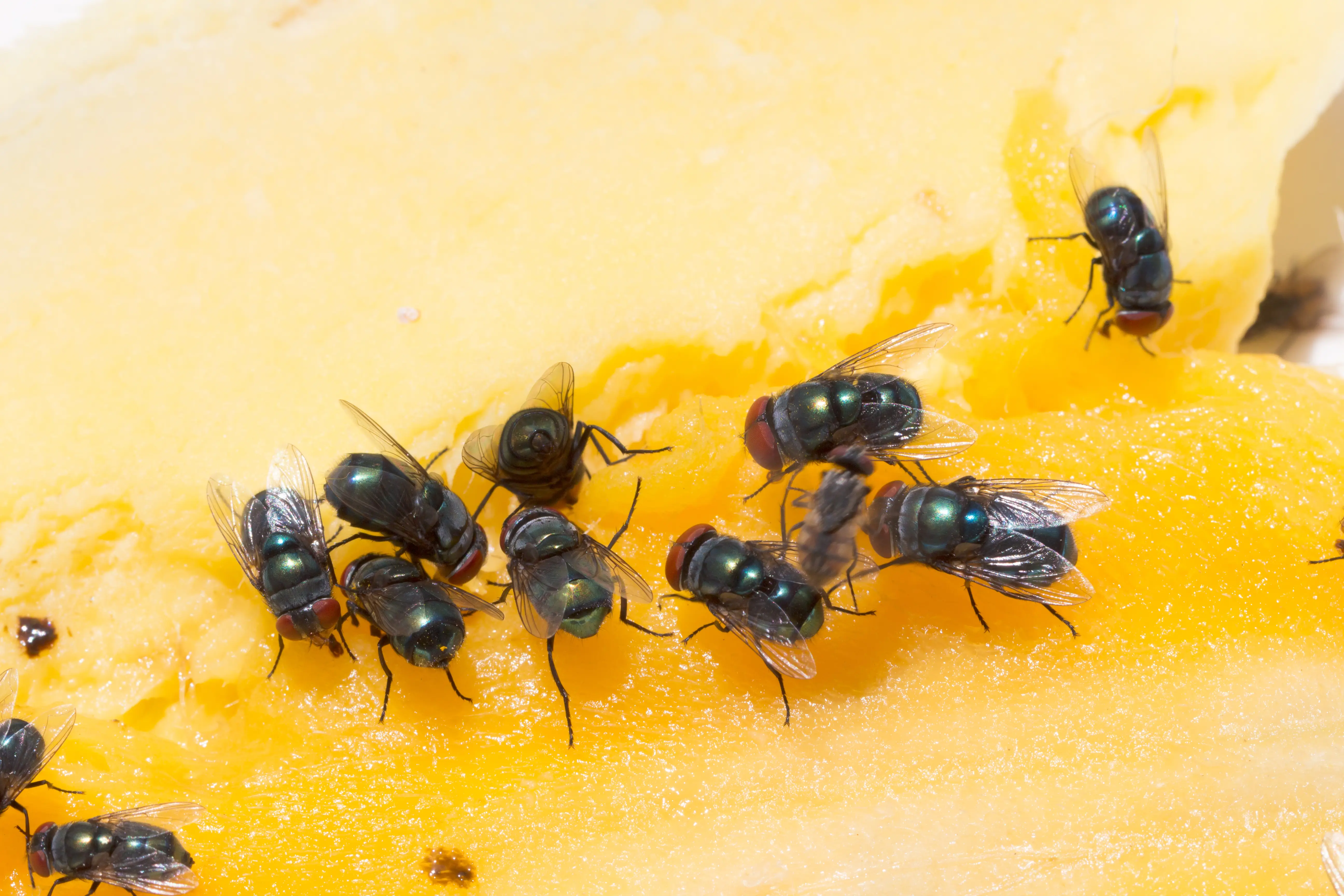
Metallic blue color. Attracted to dead animals, pet feces. Carries typhoid, tuberculosis, E. coli. Large numbers indoors may indicate animal carcass in walls/attic.

Cluster Fly

Attic Fly

Dark grey-olive. Congregates in large numbers to hibernate in winter. Enters homes seeking shelter in attics and wall voids. Swarms toward windows in spring.

Phorid Fly

Humpbacked Fly

Distinctive hump on thorax. Mistaken for fruit flies. Found near moisture (bathrooms, kitchens). May indicate clogged drains or damaged sewer lines.

Fungus Gnats

Small, dark flies infesting potting mixes for houseplants. Thrive in high organic matter. Overwatering increases development. Mostly a nuisance. Control by letting soil dry between waterings.

Flesh Fly

Sarcophagidae

Larger than house flies. Light grey thorax with 3 dark stripes, checkerboard abdomen. Lays eggs in decaying meat. Rarely seen in houses or restaurants.

Fly Infestation in Your Home?

Different fly species require different treatment strategies. Our experts can identify and eliminate the problem.

Call (866) 326-2847

Biting Fly Species

Biting flies feed on blood and can transmit diseases such as West Nile virus, malaria, and Lyme disease. They are generally most active during warm and humid daytime hours.

Mosquito

Uses long, thin proboscis to suck blood. Transmits malaria, dengue fever, Zika virus, West Nile virus. Breeds in standing water. Most active at dawn and dusk.

Horse Fly

Gray/black, 10-30mm long with large green/purple eyes. Painful bites from tearing mouthparts. Females feed on blood aggressively. Found near water. Active on hot, sunny days.

Deer Fly

Blood-sucking insects found near aquatic habitats. Bites often result in visible bleeding wounds. Can cause allergic reactions. West coast species can transmit deer fly fever.

Black Fly

Buffalo Gnat / Turkey Gnat

1-5mm, black body. Only females bite. Bites cause swelling, rashes, headache, nausea, fever. Breeds exclusively in running water.

Biting Midges

No-See-Ums

Tiny (less than 1/8"), significant pest in coastal areas. Bites cause welts and intense itching. Can transmit bluetongue virus to livestock.

Sand Fly

3/8-1/2" long, pale grey. Found on beaches, riverbanks, wetlands. Active at night. Bites can transmit sand fly fever. Avoid outdoors during evening hours.

Stable Fly

Resembles house fly but has pointed beak for piercing skin. Primarily a livestock pest. Carries pathogens causing bovine anaplasmosis, equine infectious anemia.

Preventing Flies

Sanitation

  • Regularly remove trash
  • Keep counters clean
  • Dispose of food properly
  • Stay on top of pet waste removal

Seal Access Points

  • Tight-fitting screens on doors/windows
  • Seal cracks around windows and soffits
  • Cover ventilation openings
  • Complete sealing by end of August

Eliminate Breeding Sites

  • Refrigerate fruit for a week
  • Rinse beverage containers
  • Use trash cans with lids
  • Clean drains with bristled brush

Managing an Indoor Fly Infestation

Identifying the type of fly is crucial. Without understanding behavior and environment, treatment will not be as effective.

Fruit Fly Traps

Jar with paper cone over top. Use cider vinegar, red wine, or mashed banana/beer mixture as bait. Commercial traps also available.

House Fly Traps

Attracted to sugar/yeast-based baits. Sticky fly paper strips effective. Blow flies prefer protein-based baits.

Light Traps

Wavelengths attractive to flies capture them on sticky surface or electrocute them. Do not use near food prep areas due to contamination risk.

Contact EcoGuard Pest Management if You Are Dealing with a Fly Problem

EcoGuard's integrated pest management approach aims to eliminate current pest problems while preventing future infestations. We use eco-friendly pest control methods that are safe for your family and pets, and we offer a satisfaction guarantee. Call today to schedule an inspection with one of our experienced fly control experts.

Call (866) 326-2847Get Free Quote

Fly Species FAQs

How do I identify a type of fly?

Identifying the species of fly can be difficult due to the size of these insects but each species has different physical characteristics and behaviors. One approach is to observe the fly's size, color, wing shape and pattern to identify the species. The fly's habitat, feeding behavior, and breeding sites can also provide clues about its species. The easiest way would be to let a pest control professional assist in identifying the fly species so they can develop an effective control strategy.

What are the most common flies?

The most common flies found in American households include the house fly, fruit fly, mosquito, drain fly, cluster fly, and phorid fly. These species of flies are attracted to different foods and require different environments for breeding.