EcoGuard Pest Management
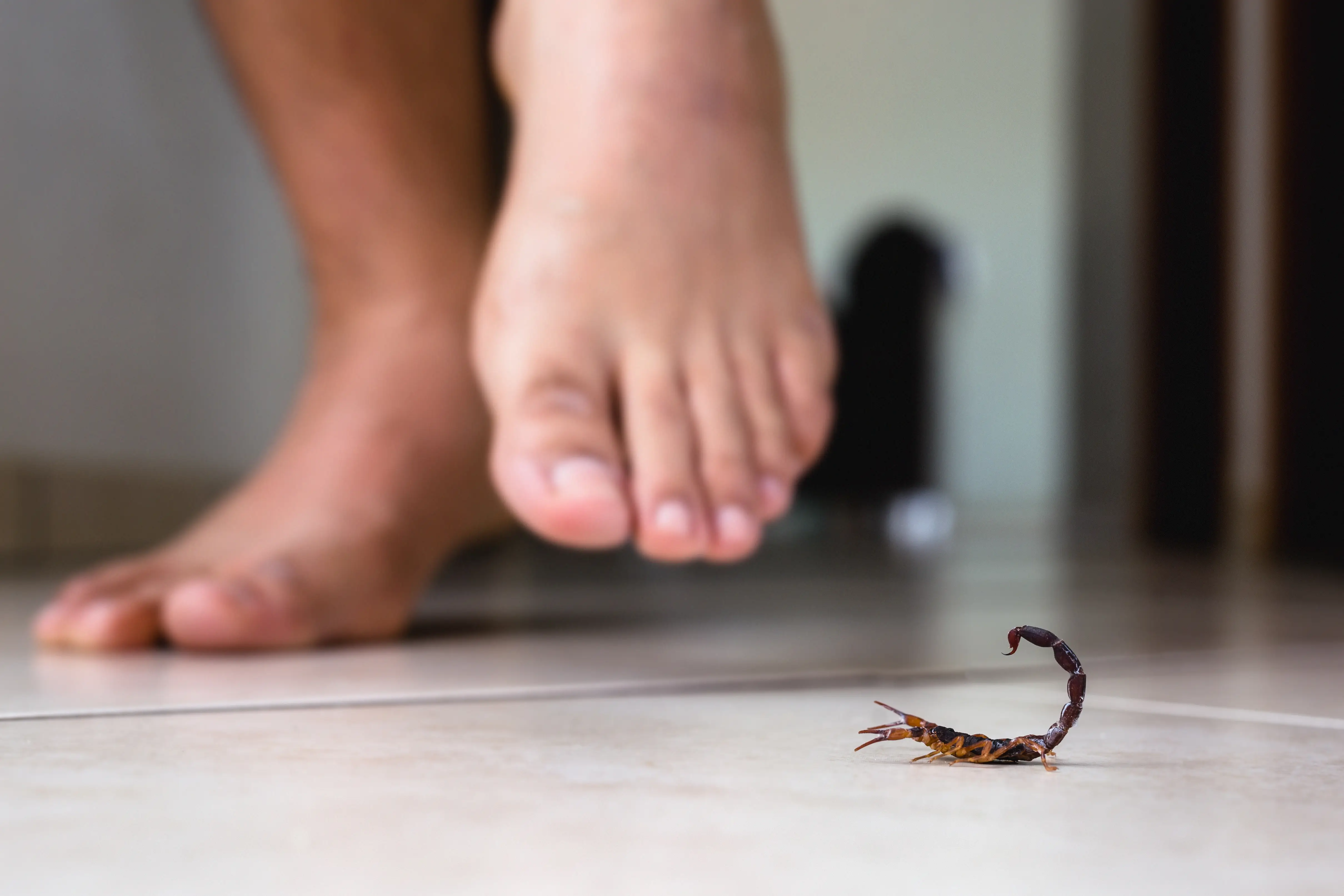
Scorpion in home environment for pest control identification
By Gary Anderson||10 min read

What Attracts Scorpions in the House?

Discover the key factors that draw scorpions indoors and learn effective prevention strategies.

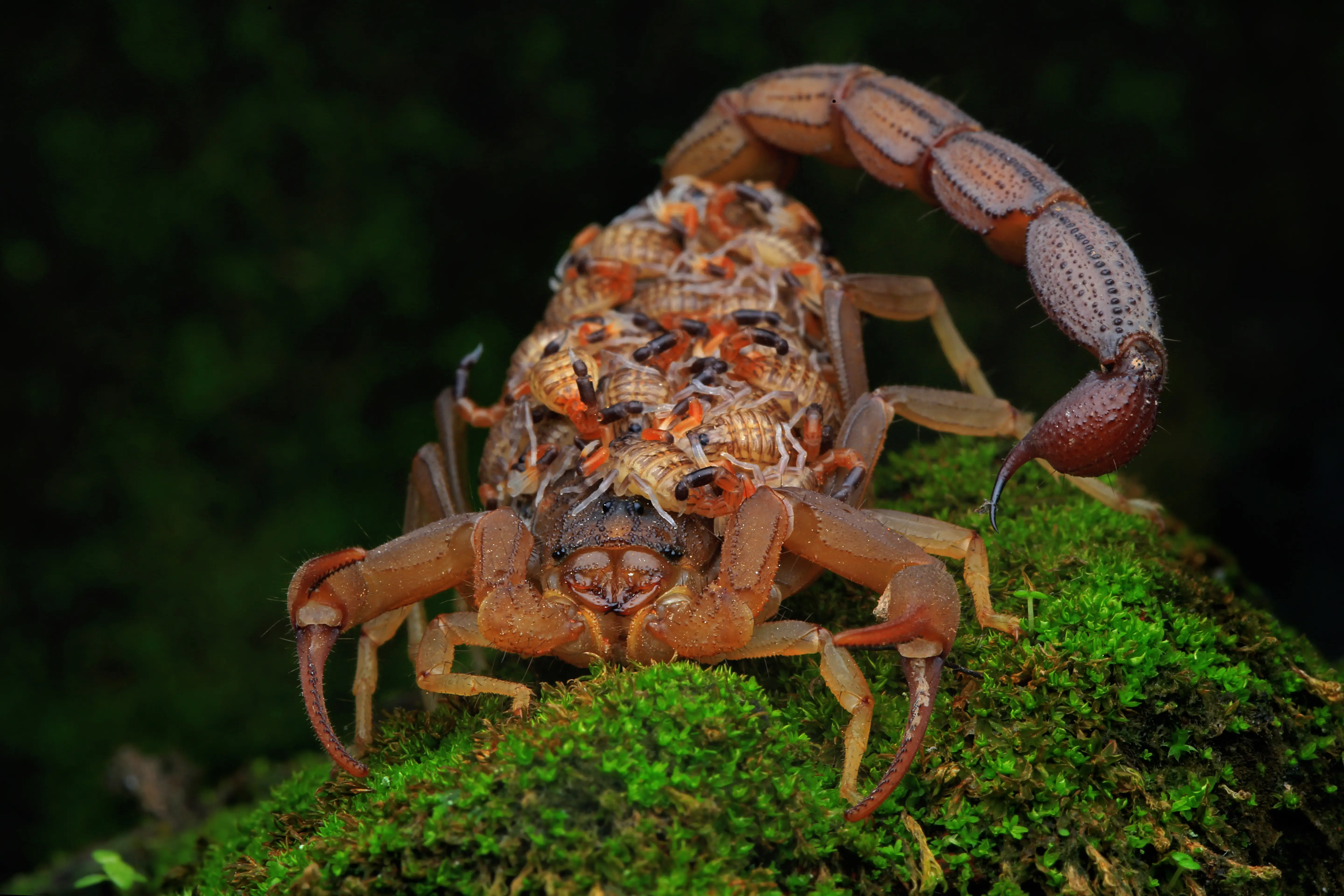
Scorpions have become unwelcome guests in homes, particularly in regions with arid climates. These resilient creatures, known for their distinctive pincers and venomous tails, are often drawn into human dwellings by a combination of environmental factors and the presence of their prey.

While scorpions play a vital role in controlling insect populations in natural ecosystems, their presence in homes can be unsettling and potentially dangerous. Understanding what attracts scorpions to our living spaces is crucial for developing effective prevention and control strategies.

Quick Facts About Scorpions

Lifespan: Up to 5 years or more
Activity: Nocturnal hunters, most active at night
Detection: Glow bright neon blue under UV/black light

Key Facts

Venomous Species
Bark scorpion is most dangerous
Reproduction
Live birth, year-round breeding
Survival
Can survive months without food

5 Things That Attract Scorpions

Understanding the factors that attract scorpions to our homes is essential for effective prevention and control. Scorpions are driven by basic needs for survival including food, water, and shelter. By identifying these key elements, we can take targeted steps to reduce their presence.

1. Undisturbed Areas

Scorpions have a strong preference for undisturbed areas that provide safe havens and ideal conditions for survival. These arachnids are naturally drawn to quiet, secluded spaces where they can rest during the day and avoid detection. In homes, such areas often include basements, crawl spaces, attics, and rarely used storage areas. The appeal of these locations lies in their lack of regular human activity. Clutter like piles of boxes, stacks of firewood, or accumulated debris further enhances the attractiveness by providing numerous hiding spots and potential nesting sites.

2. Moisture

Moisture plays a crucial role in attracting scorpions to residential areas, despite their reputation for thriving in arid environments. While scorpions are adapted to desert-like conditions, they still require water to survive and will actively seek out sources of moisture, especially during hot and dry periods. This need often drives scorpions to enter homes where they can find reliable water sources in kitchens, bathrooms, laundry rooms, and areas with plumbing or leaks. Scorpions are particularly drawn to damp areas such as under sinks, near water heaters, or in basements with high humidity levels.

3. Darkness

Darkness is a fundamental attraction for scorpions as it plays a crucial role in their behavior and survival strategies. As nocturnal creatures, scorpions have evolved to be most active during the night as darkness provides protective cover for hunting and movement. Darkness helps scorpions conserve moisture by reducing exposure to heat and dry conditions. In residential settings, this attraction draws scorpions to dimly lit areas such as basements, crawl spaces, closets, and cluttered corners. Interestingly, scorpions possess a unique characteristic: their exoskeletons contain proteins that glow bright neon blue under ultraviolet light, providing an effective detection method.

4. Prey

Prey availability is a significant factor in attracting scorpions to residential areas. These eight-legged arthropods are efficient hunters, consuming a wide variety of small insects and similar invertebrates. Common prey items include crickets, cockroaches, spiders, centipedes, and even other scorpions. The presence of these food sources in and around homes can create an irresistible lure. Scorpions are highly adaptable in their feeding habits and can survive for extended periods with minimal food intake, allowing them to stay inside even if food sources become scarce. Some larger scorpion varieties have been known to capture and consume small reptiles and rodents.

5. Rotting Wood and Organic Detritus

Rotting wood and organic detritus play a significant role in attracting scorpions because they provide ideal microhabitats for shelter and hunting. Decomposing organic matter like fallen leaves, decaying logs, and damp mulch creates an environment particularly appealing to scorpions. These materials offer protection from predators and harsh conditions while maintaining higher moisture levels crucial for scorpion survival. Additionally, rotting organic matter attracts insects and small arthropods that serve as prey, effectively creating a self-sustaining ecosystem. In yards and gardens, areas with organic detritus often serve as staging grounds from which scorpions venture into homes.

Where Are Scorpions Normally Found?

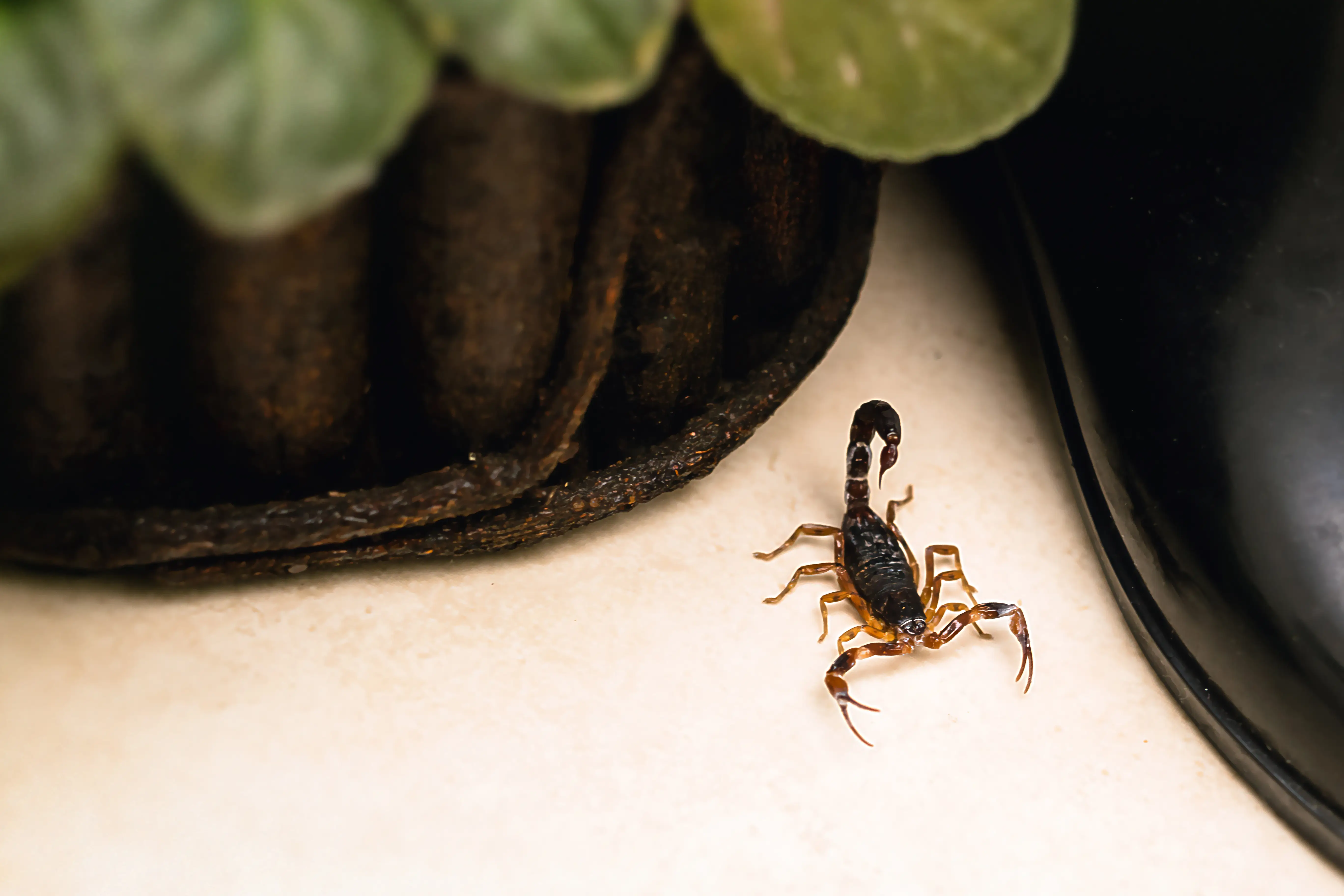
Scorpions exhibit a wide-ranging habitat preference adapted to various environments. While often associated with arid and desert landscapes, scorpions can be found in diverse ecosystems worldwide. In residential areas, they seek refuge in locations that mimic their natural habitats:

Under Rocks and Logs

Natural hiding spots that provide darkness, moisture, and protection from predators.

In Leaf Litter and Mulch

Organic debris that retains moisture and harbors prey insects.

Cracks in Foundations

Entry points that lead to cool, dark interior spaces within homes.

Under Porches and Decks

Sheltered areas with minimal human activity and stable temperatures.

Basements and Attics

Indoor spaces that are dark, undisturbed, and often humid.

Behind Furniture

Indoor hiding spots that offer darkness and protection from detection.

Are Scorpions a Problem?

While scorpions play an important role in natural ecosystems, their presence in human habitations can indeed be problematic. The extent of the issue varies depending on the species and level of infestation.

Health Risks

Most scorpion species cause only localized pain and discomfort from stings. However, certain species like the bark scorpion can deliver potent venom causing severe reactions, especially in children, elderly individuals, or those with allergies.

Psychological Impact

Beyond health concerns, scorpions can create psychological distress for homeowners. Their intimidating appearance and nocturnal habits often lead to fear and anxiety about encountering them in the home.

Population Growth

Scorpions can survive for several years, with some living up to half a decade. They reproduce year-round, giving birth to live young rather than laying eggs, which can lead to rapid population growth if left unchecked.

Good News: Unlike many household pests, scorpions generally do not cause direct structural damage to homes. Their presence is more of a nuisance and potential health concern rather than a threat to building integrity. They can even provide ecological benefits by controlling populations of other insects.

Dealing with Scorpions in Your Home?

Our experts can safely remove scorpions and implement prevention strategies to keep them from returning.

Call (866) 326-2847

How to Prevent Scorpions

Preventing scorpions from entering your home requires a multi-faceted approach that addresses both the interior and exterior of your property. By implementing physical barriers, habitat modification, and targeted treatments, you can significantly reduce the likelihood of scorpion infestations:

Seal Entry Points

Inspect and seal all potential access points including gaps around windows, doors, pipes, and foundation cracks using caulk or weather stripping.

Reduce Shelters

Clear your property of unnecessary items such as lumber stacks, stone piles, and accumulated materials that might attract these arachnids.

Manage Moisture

Fix leaks, improve drainage, and use dehumidifiers in damp areas to create a less hospitable environment for scorpions.

Proper Lighting

Install outdoor lighting with yellow insect-resistant bulbs to deter scorpions and make them easier to spot at night.

Maintain Landscaping

Keep grass short, trim bushes away from the house, and store firewood elevated off the ground and away from structures.

Natural Repellents

Apply essential oils like lavender, cinnamon, or peppermint around entry points as potential deterrents.

Ongoing Pest Management

Establish a thorough insect control regimen to minimize the availability of prey that scorpions typically hunt.

How to Get Rid of Scorpions

Dealing with a scorpion infestation requires a comprehensive approach that combines immediate removal techniques with long-term prevention strategies:

1

Physical Removal

Use long-handled tongs or a sturdy container to carefully capture and remove scorpions. Never handle them directly.

2

Natural Predators

Encourage the presence of natural scorpion predators like owls, bats, or certain lizard species in your outdoor areas.

3

Diatomaceous Earth

Apply food-grade diatomaceous earth in areas where scorpions travel to dehydrate and kill them naturally.

4

Sticky Traps

Place glue boards along baseboards and in corners to trap scorpions and monitor their activity levels.

5

Chemical Control

Use targeted insecticides designed for scorpions, following all safety precautions and application instructions.

6

Professional Extermination

Engage pest control experts for severe infestations or if you are uncomfortable handling scorpions yourself.

Pro Tip: Use a UV/black light at night to detect scorpions. Their exoskeletons glow bright neon blue under ultraviolet light, making them easy to spot in dark areas.

Contact EcoGuard if You Are Dealing with Scorpions

If you are discovering scorpion activity in your home or business, it is time to consider professional help. EcoGuard Pest Management offers expert solutions tailored to address scorpion infestations effectively and safely. Our team of trained professionals understands the unique challenges posed by scorpions and can conduct a thorough inspection to identify all potential hiding spots and entry points. Contact us today to develop a comprehensive scorpion control plan.

Call (866) 326-2847Get Free Quote

Scorpion Attractant FAQs

What keeps scorpions away?

Scorpions can be deterred through a combination of methods that make your environment less attractive and accessible to them. Key strategies include sealing entry points around your home, reducing moisture levels, eliminating clutter and potential hiding spots both indoors and outdoors, and maintaining a regular pest control routine to reduce their prey. Additionally, using natural repellents like certain essential oils and installing outdoor lighting with yellow insect-resistant bulbs can help keep scorpions at bay.

Why would a scorpion be in my house?

Scorpions typically enter houses in search of three primary resources: shelter, moisture, and food. They may be attracted to your home if it provides cool, dark spaces to hide during the day, offers water sources like leaky pipes or humid areas, or harbors insects and small arthropods that serve as prey. Additionally, scorpions might enter homes to escape extreme outdoor conditions like excessive heat or heavy rains.

What causes scorpions to come around?

Scorpions are primarily attracted to environments that provide their basic needs for survival. These include areas with adequate moisture, especially in arid climates, as well as the presence of prey insects like crickets, cockroaches, and spiders. Additionally, scorpions seek out dark, cool hiding spots, which can be found in cluttered areas, woodpiles, or landscaping features around homes, making residential properties attractive if such conditions are present.

What smell do scorpions hate?

Scorpions are believed to be repelled by certain strong scents, particularly those of some essential oils. Lavender, peppermint, and cedarwood oils are often cited as effective scorpion deterrents due to their strong aromas. While scientific evidence for the effectiveness of these scents is limited, many homeowners use these essential oils as part of a comprehensive scorpion prevention strategy. It is important to note that these smells fade rather quickly, so regular application around potential entry points or areas of scorpion activity is needed.