EcoGuard Pest Management
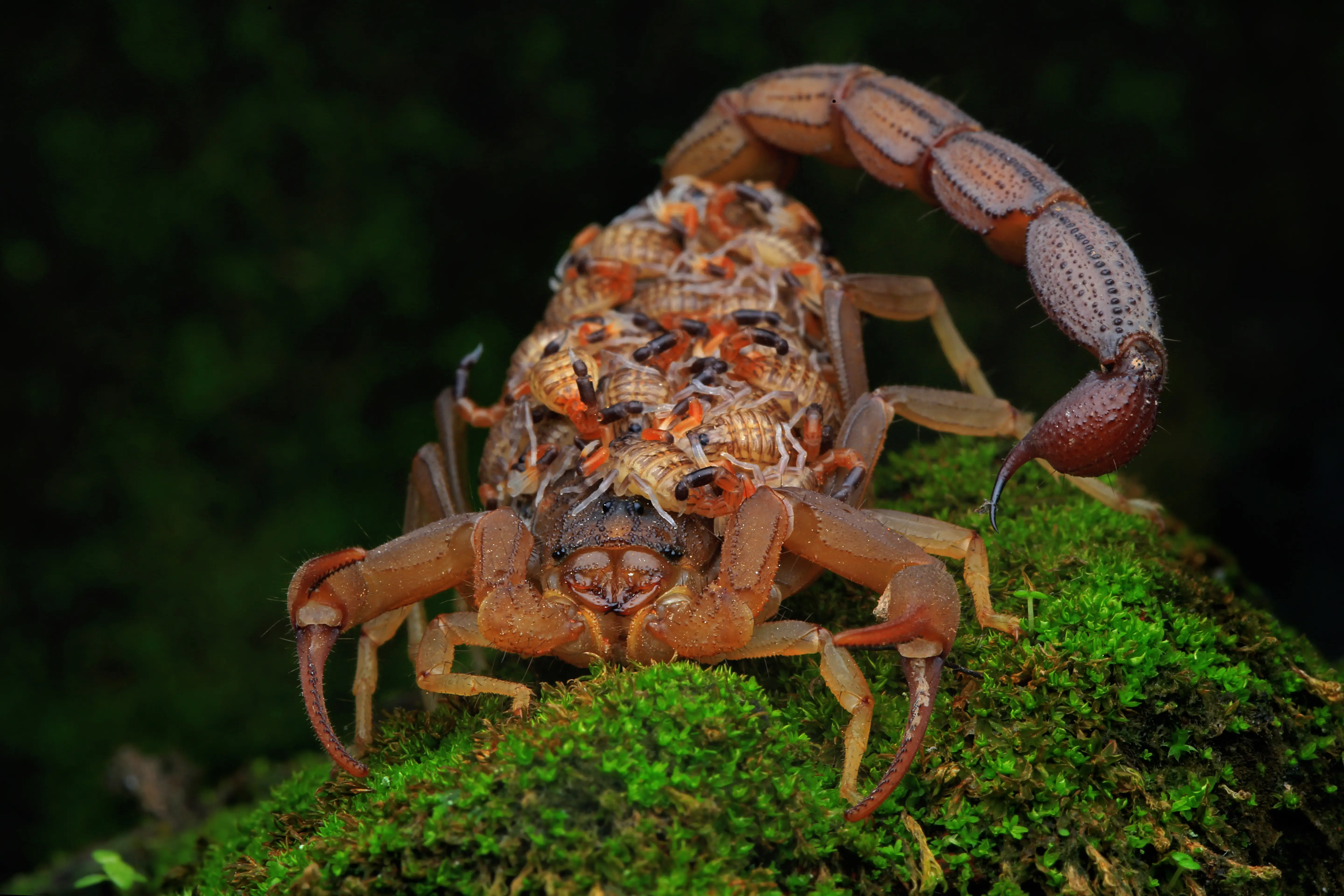
Scorpion with stinger raised showing venomous tail
By Gary Anderson||4 min read

Are Scorpion Stings Dangerous to Humans?

Symptoms, treatment, prevention, and when to seek medical attention.

Scorpion stings are typically painful but usually are not life-threatening to healthy adults. The immediate effects include redness, swelling, and a burning sensation at the sting site.

However, certain populations like young children, older adults, and those with compromised immune systems are far more susceptible to severe complications.

Key Statistics

~1,500
Scorpion species worldwide
~30
Species with fatal venom
<5%
US stings needing treatment
Scorpion Sting Symptoms

Mild Symptoms (Most Common)

  • Mild to intense pain
  • Redness at sting site
  • Minor swelling
  • Numbness
  • Tingling or burning
  • Warmth

Symptoms typically dissipate within 48 hours without medical intervention.

SEEK EMERGENCY CARE

Severe Symptoms

  • Numbness throughout body
  • Difficulty breathing or swallowing
  • Thick tongue, excessive drooling
  • Slurred speech
  • Seizures or muscle twitching
  • Irregular or rapid heartbeat
  • High blood pressure
  • Nausea and vomiting

Possible Complications

Nervous System Effects

Potent venom can affect the nervous system, leading to complications with the heart, respiratory system, and muscles.

Vulnerable Populations

Very young and elderly are at heightened risk. The smaller a child is, the more severe the venom's effects.

Anaphylaxis

Individuals previously stung may develop severe allergic reactions. Symptoms include hives, respiratory distress, and nausea.

Rare Fatalities

Untreated venomous stings can result in heart or respiratory failure hours after the sting. No US deaths reported in over 50 years.

Found Scorpions in Your Home?

One scorpion may be a sign of others. Get professional inspection and treatment today.

Call (866) 326-2847

How to Treat a Scorpion Sting

Medical attention typically is not necessary for scorpion stings. Simple at-home treatments can help alleviate most symptoms:

1

Clean the Area

Wash the sting site with soap and water

2

Cold Compress

Apply damp, cool compress to minimize swelling

3

Elevate

Keep the affected area elevated

4

Medication

Take allergy meds and OTC pain relievers

5

Topical Treatment

Apply corticosteroid cream for itching

When to Seek Emergency Care

Children should receive immediate medical attention regardless of severity. For adults, seek care if severe symptoms occur. Signs of allergic reaction include difficulty breathing, significant swelling, and shock.

Poison Control: www.poison.org or call 800-222-1222 (24/7, free)

How to Prevent Scorpion Stings

Clothing & Gear

  • Wear long sleeves, pants, gloves, and protective footwear
  • Shake out shoes, clothing, towels, and bedding before use
  • Avoid sleeping directly on the ground when camping
  • Check sleeping bags before laying down

Home & Environment

  • Remove piles of rocks, lumber, and firewood from around home
  • Mow grass regularly, prune bushes and tree branches
  • Seal cracks, install weatherstripping, repair torn screens

Handling & Inspection

  • Never handle scorpions with bare hands
  • Use tongs if necessary
  • Inspect and shake out gardening gloves and boots
  • Use a black light at night to spot scorpions (they glow)

Scorpion Sting Myths

MYTH

Scorpion stings are always fatal

FACT

Only the Arizona bark scorpion can produce severe toxic symptoms in the US. Most stings can be safely managed at home.

MYTH

Younger scorpions are more venomous

FACT

Venom potency is not determined by age. All scorpions produce venom regardless of size or age.

MYTH

Scorpion stings always leave a mark

FACT

Stings often do not leave a visible mark. Even medical professionals sometimes struggle to identify the exact location.

MYTH

Ice packs are the best remedy

FACT

A damp, cool compress is better than ice. Ice can cause rebound symptoms or potential frostbite.

Contact EcoGuard Pest Management If You Are Dealing with a Scorpion Problem

Dealing with scorpions can be a dangerous task without the right knowledge and tools. If you find yourself dealing with a scorpion infestation, reach out to the scorpion control experts at EcoGuard Pest Management. Our team of licensed and experienced scorpion exterminators will help ensure your safety and provide effective treatment solutions guaranteed to exterminate your scorpion problem.

Call (866) 326-2847Get Free Quote

Dangerous Scorpions FAQs

Are scorpions in the house dangerous?

While most scorpions are not lethal, scorpions in the house can increase the likelihood of being stung. This can be problematic if the species has venom strong enough to cause serious complications. It is best to implement preventative measures to keep scorpions out of living spaces inhabited by humans.

What happens if a scorpion stings you?

A scorpion sting usually causes some pain and swelling around the sting site. While these symptoms are rarely serious, some species can cause further complications due to the neurotoxins in their venom. Serious symptoms can include numbness, difficulty breathing, and muscle twitching.

What to do if you see a scorpion?

If you encounter a scorpion, avoid handling it with bare hands. Instead, use tools like tongs or a container to safely discard it. If it is inside your home, it may be a sign of others so it may be time to enlist the help of a pest control expert to ensure your home is scorpion-free.