EcoGuard Pest Management
Side by side comparison of gnat and fruit fly
By Gary Anderson||6 min read

What's the Difference Between Gnats vs Fruit Flies?

Learn to identify these common household pests and discover targeted control methods for each.

Distinguishing between gnats and fruit flies is crucial for effective pest management. Despite their superficial similarities, these two common household nuisances are distinct insects with different behaviors, habitats, and control methods.

Fruit flies are typically associated with ripe or fermenting fruits and vegetables. Gnats, on the other hand, encompass a broader category of tiny flies. The confusion often stems from their small size and seemingly similar appearance to the untrained eye.

Quick Identification

Fruit Flies:

Rounded body, large red eyes, tan to brown color, found near fruit

Gnats:

Elongated body, tiny eyes, dark gray/black, found near plants

Fruit Fly vs Gnat Appearance

While both insects typically measure around 1/8 inch in length, their physical features differ significantly. Here are the key visual differences:

Fruit Flies

  • Body shape: Rounded, fly-like silhouette
  • Eyes: Large, often red eyes (disproportionately large for body)
  • Color: Tan to black, often with striped abdomens
  • Legs: Short, proportionate legs
  • Wings: Proportionate to body

Gnats (Fungus Gnats)

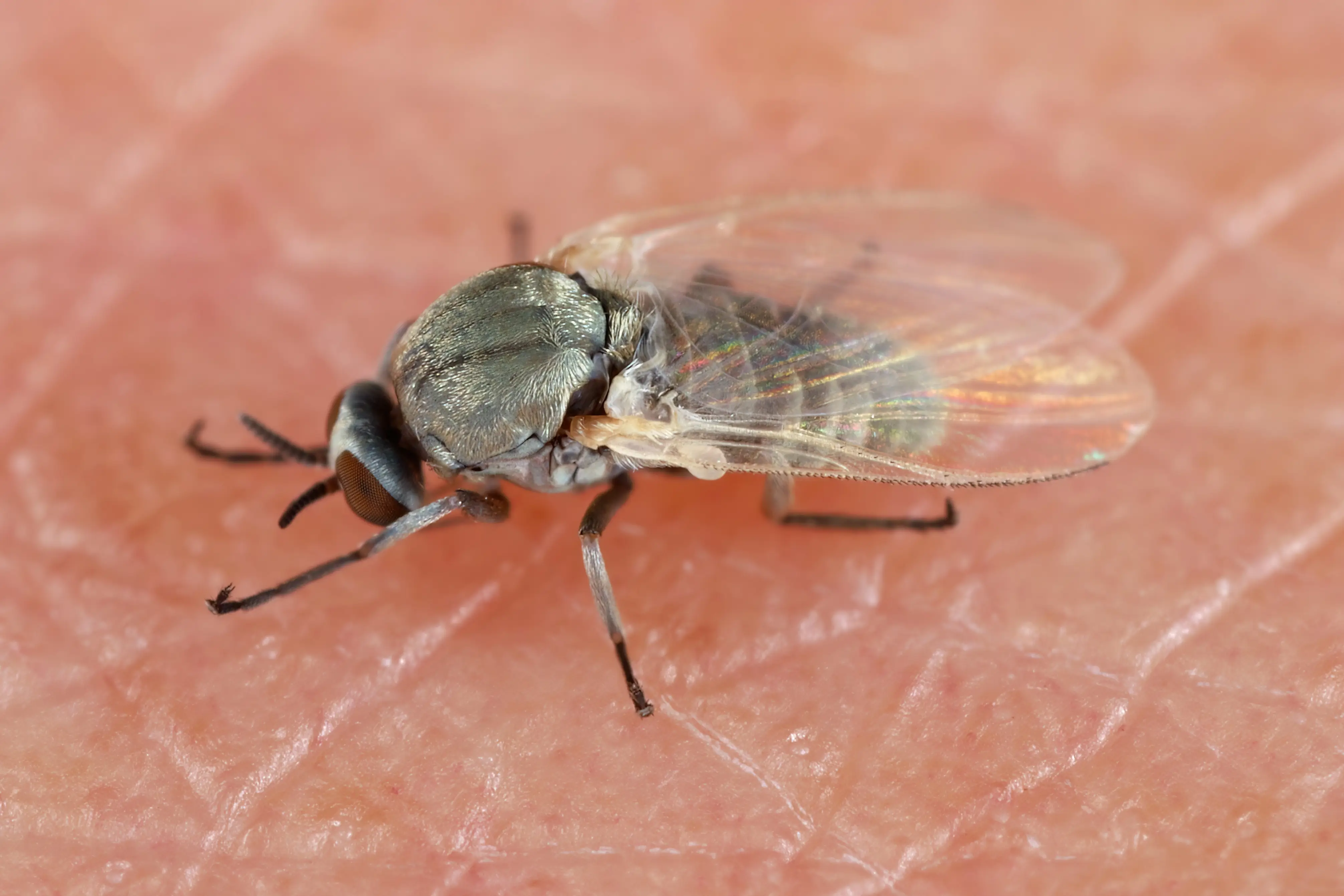
  • Body shape: Elongated, mosquito-like
  • Eyes: Very small, barely visible
  • Color: Uniformly dark gray or black
  • Legs: Long, dangling legs (very noticeable)
  • Wings: More delicate and elongated

Easy Tip: If you see large red eyes, it is likely a fruit fly. If the insect looks like a tiny mosquito with long legs and small eyes, it is probably a gnat.

Gnat vs Fruit Fly Behavior

The behavior of fruit flies and gnats differs significantly, reflecting their distinct ecological niches and life cycles.

Fruit Fly Behavior

Attraction: Ripe, fermenting, or decaying fruit and vegetables, sugary substances, alcohol
Flight: Capable fliers, hover around food sources or lights
Life Cycle: Complete in 7-10 days under optimal conditions
Eggs: Laid directly on or near fermenting food

Gnat (Fungus Gnat) Behavior

Attraction: Moist soil in potted plants
Flight: Weaker fliers, fly erratically near breeding sites
Life Cycle: Completed in top layers of soil
Larvae: Feed on fungi and organic matter; can damage plant roots

Gnat vs Fruit Fly Habitat

The habitats of fruit flies and gnats are distinctly different, reflecting their diverse preferences and life cycle requirements. Understanding these preferences is crucial for effective pest control.

Fruit Fly Habitats

Associated with fermenting or decaying organic matter, particularly fruits and vegetables:

  • Kitchen countertops and fruit bowls
  • Trash and recycling bins
  • Drains and garbage disposals
  • Pantries storing non-refrigerated produce
  • Forgotten lunch boxes or food containers

Gnat Habitats

Closely tied to moist environments rich in organic matter:

  • Potted plants (moist soil is prime breeding ground)
  • Gardens with damp soil
  • Compost piles
  • Drains (attracted to moisture)
  • Bathrooms, basements, damp areas

Cannot Tell Which Pest You Have?

Our experts accurately identify the species and implement the right treatment for your specific situation.

Call (866) 326-2847

How to Get Rid of Gnats and Fruit Flies

Effectively eliminating gnats and fruit flies requires a multi-faceted approach tailored to each pest's specific habits and breeding environments.

Fruit Fly Control

Sanitation

Keep kitchens clean, dispose of overripe produce, seal garbage containers

Trap Placement

Use apple cider vinegar traps to catch adult flies

Drain Cleaning

Regularly clean and sanitize drains to remove organic buildup

Refrigeration

Store ripe fruits and vegetables in the refrigerator

Gnat Control

Moisture Management

Avoid overwatering plants and improve soil drainage

Soil Treatment

Use appropriate treatments or beneficial nematodes to control larvae

Sticky Traps

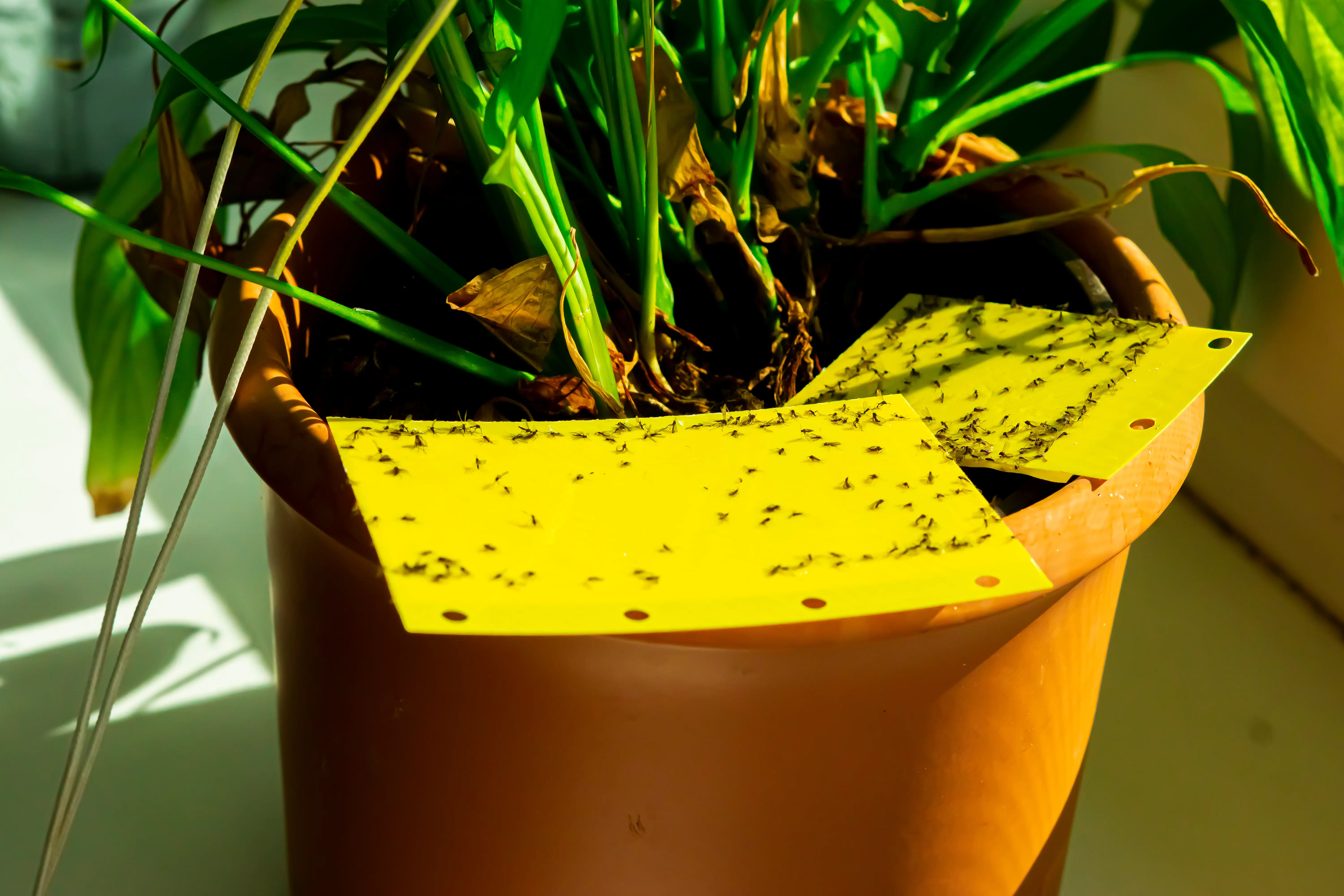
Place yellow sticky traps near plants to capture adult gnats

Plant Inspection

Check new plants for infestation before bringing them home

Prevention Is Key

For both pests, regularly inspect potential entry points, maintain cleanliness, and address moisture issues promptly. In cases of severe infestation, it may be necessary to employ more aggressive measures or seek professional pest control services. Successful eradication often requires patience and consistent application of multiple control methods over time.

Contact EcoGuard Pest Management if You Are Dealing with Fruit Flies or Gnats

If you are struggling with persistent gnat or fruit fly infestations despite your best efforts at home control, it may be time to seek professional assistance. EcoGuard Pest Management specializes in identifying and addressing the root causes of these pesky insect problems. Our team provides comprehensive assessments, pinpoints the exact species, and employs environmentally responsible treatment methods safe for your family and pets.

Call (866) 326-2847Get Free Quote

Gnat vs Fruit Fly FAQs

How do I know if I have gnats or fruit flies?

To determine whether you have gnats or fruit flies, observe their appearance and behavior closely. Fruit flies are typically light tan to reddish-brown with prominent red eyes and are often found near ripe fruits or fermented beverages, while gnats are usually darker (gray or black) with a slenderer, mosquito-like body and are commonly seen around houseplants or moist soil. Additionally, fruit flies tend to hover around food sources in the kitchen, whereas gnats are more likely to be found near potted plants or in areas with high moisture content.

How do I get rid of gnats or fruit flies?

To eliminate gnats or fruit flies, start by addressing their breeding sites: for fruit flies, remove overripe produce and clean up spills, while for gnats, reduce moisture in potted plants and improve soil drainage. Set up traps such as apple cider vinegar in a container with holes for fruit flies, or yellow sticky traps for gnats. Additionally, maintain good sanitation practices, including regular cleaning of drains and prompt disposal of organic waste to prevent future infestations.

Why do I have so many gnats or fruit flies in my house?

An abundance of gnats or fruit flies in your house typically indicates favorable conditions for their breeding and survival. For fruit flies, this often means the presence of overripe fruits, vegetables, or fermenting liquids in open containers, drains, or hidden spills. In the case of gnats, especially fungus gnats, the issue is usually related to overwatered houseplants, excessive moisture in potting soil, or damp areas in your home that provide ideal breeding grounds. Addressing these underlying conditions, such as improving sanitation, managing moisture levels, and properly storing produce, is key to reducing their populations.

Do fruit flies or gnats bite you?

Most common fruit flies and gnats found in homes do not bite humans. Fruit flies (Drosophila species) are primarily attracted to ripe or fermenting fruits and vegetables and do not have mouthparts designed for biting. However, some species of gnats, particularly biting midges or "no-see-ums," can bite humans and cause irritation, though these are usually outdoor pests rather than the fungus gnats typically found around houseplants indoors. If you are experiencing bites, it is more likely to be from another type of insect rather than common fruit flies or indoor gnats.